


Lena is a thoughtful and imaginative writer with a passion for storytelling across the themes of travel, environmental sustainability, and contemporary home aesthetics. With a background in cultural media and a strong visual sensibility, Anna Lena creates content that bridges inspiration with practical insight.
Her work explores the interplay between place, lifestyle, and design—guiding readers through meaningful travel experiences, eco-conscious choices, and modern approaches to living well. Known for her elegant writing style and attention to detail, she brings a fresh, human-centered perspective to every topic she covers.
Anna Lena contributes to digital publications and editorial projects where aesthetics meet purpose. Her writing not only informs but also encourages readers to live more intentionally, sustainably, and beautifully—wherever they are in the world.
Batteries
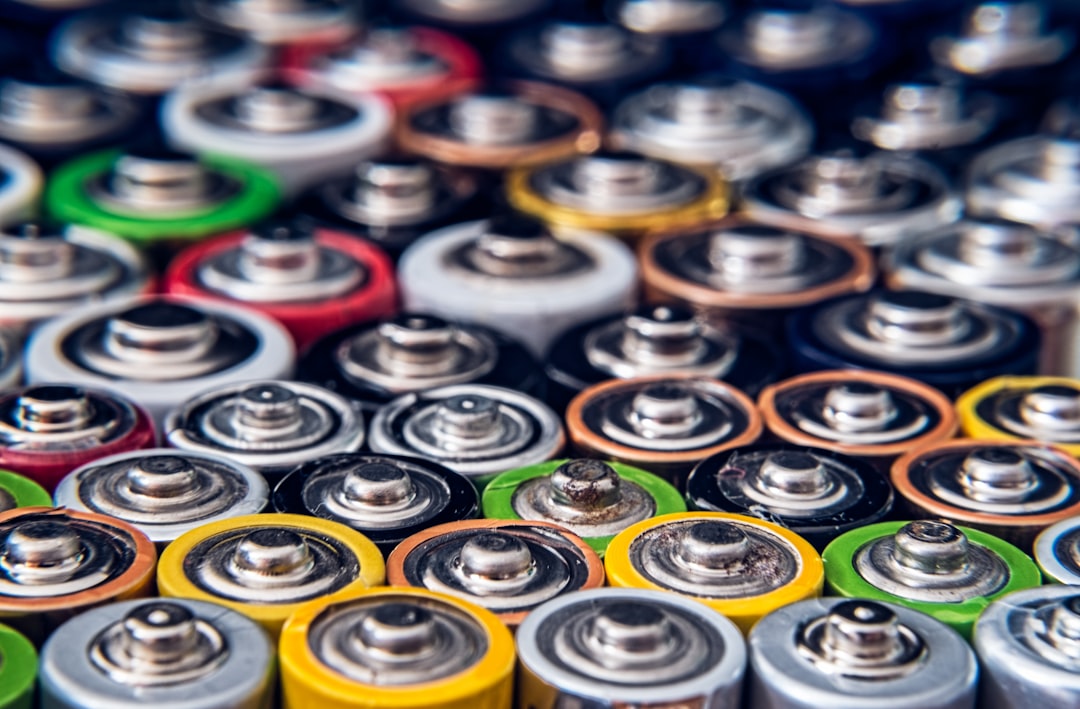
Batteries might seem harmless, but tossing them in the trash can actually cause fires and leak toxic chemicals into the environment. According to the U.S. Environmental Protection Agency, over 3 billion batteries are thrown away each year in the United States alone. These batteries can contain lead, mercury, and cadmium, all of which are hazardous to both humans and wildlife. When buried in landfills, battery chemicals can seep into the soil and water, posing long-term risks. California even bans regular household batteries from landfill disposal. Many communities now offer battery recycling programs at local stores or hazardous waste events, making it easier than ever to do the right thing. Next time you finish with a battery, think twice about where you toss it.
Electronics
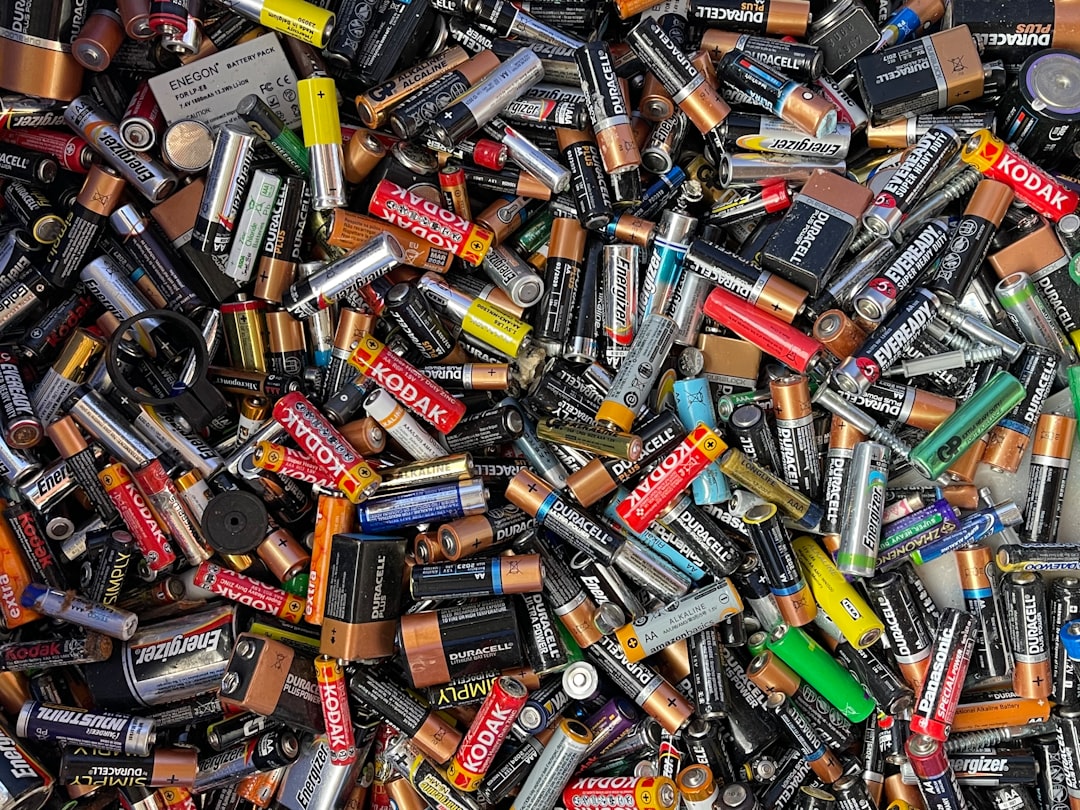
Old phones, computers, and chargers are often tossed without a second thought, but they’re packed with valuable metals and dangerous substances. According to the Global E-waste Monitor 2024, the world generated 62 million metric tons of electronic waste in 2023, and only 22% was recycled properly. Electronics often contain lead, mercury, and flame retardants, which can leach into the ground and air when landfilled or incinerated. Many states in the U.S. have laws against disposing of electronics with regular garbage, requiring special handling. Cities and electronics retailers often have drop-off days or permanent bins for e-waste collection. Recycling electronics not only prevents pollution but also allows precious materials like gold and copper to be reused.
Medications

Flushing or tossing unused medications in the trash may seem easy, but it’s dangerous for both people and the planet. The U.S. Drug Enforcement Administration reports that unused medicines are a major source of accidental poisonings and have shown up in rivers and drinking water systems. Pills and liquid meds thrown in the trash can be scavenged by children or pets, or seep into the environment. Many local police stations and pharmacies participate in take-back programs, especially during National Prescription Drug Take Back Day. These programs safely destroy medications, keeping them out of the wrong hands and out of water supplies. Never just toss pills—find a take-back program instead.
Paint

Leftover paint is commonly dumped in the trash, but that’s a big mistake. Paints, especially oil-based ones, contain toxic chemicals like solvents and heavy metals, which can contaminate soil and groundwater. The U.S. Environmental Protection Agency estimates that Americans discard 64 million gallons of paint each year, much of it improperly. Some states, like California and Oregon, have paint recycling programs where leftover paint is collected and often reused or safely processed. Even latex paint can pollute if not handled properly. Always check for local paint take-back programs or hazardous waste collection days before disposing of any paint.
Light Bulbs
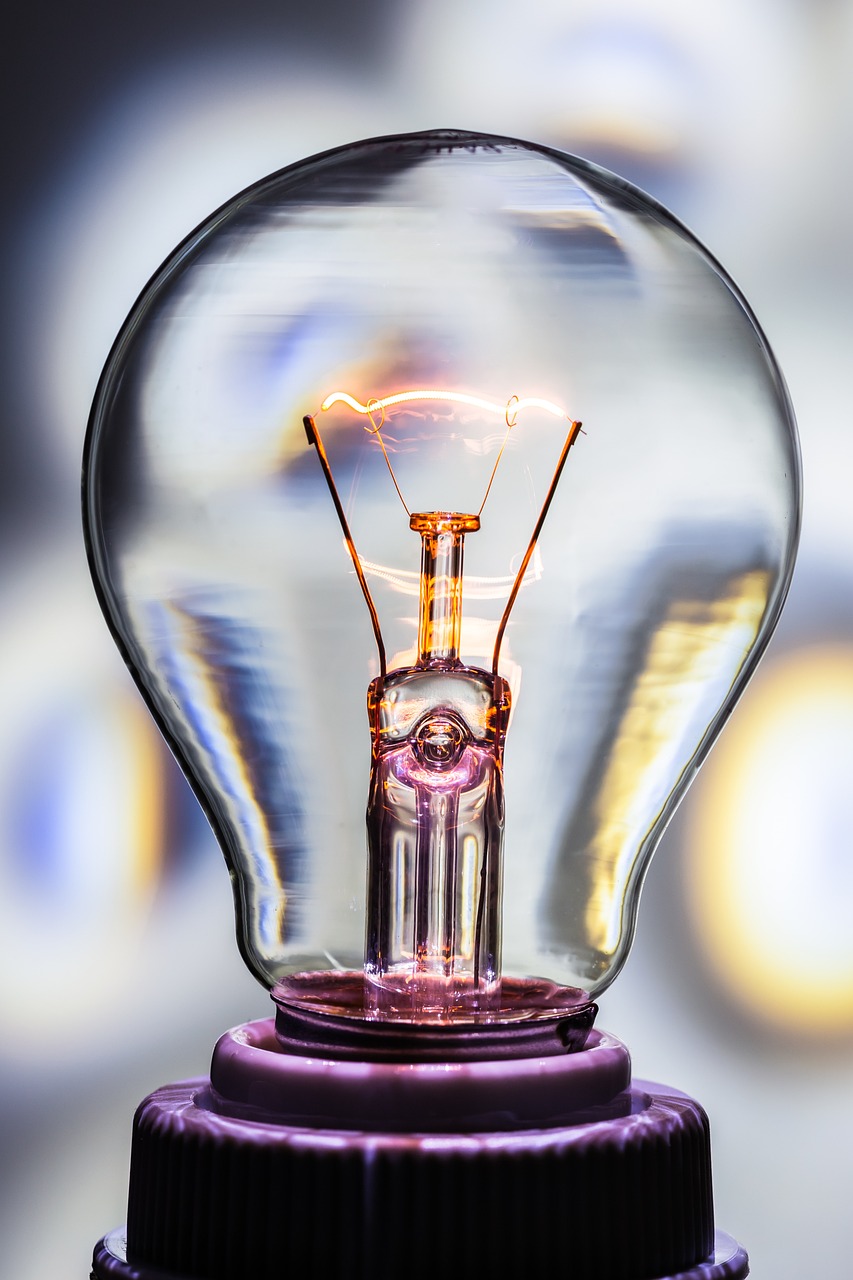
Many people throw out burnt-out light bulbs without a thought, but certain types, especially compact fluorescent bulbs (CFLs), contain small amounts of mercury. The U.S. Environmental Protection Agency warns that when these bulbs break, mercury can be released, posing a risk to health and the environment. Each year, millions of CFLs end up in landfills, despite recycling options being available at many hardware stores. Some cities also collect bulbs as part of household hazardous waste programs. Even LED bulbs, though less hazardous, contain components that can be recycled. Take a moment to recycle your bulbs—it really adds up.
Thermometers

Old thermometers, especially the classic silver ones, contain mercury, a potent neurotoxin. The Centers for Disease Control and Prevention notes that even a small amount of mercury can contaminate air and water, leading to serious health risks. Yet, countless mercury thermometers are still tossed in the trash each year. Most communities offer special drop-off sites or hazardous waste days for mercury-containing items. Never break or trash a mercury thermometer—secure it in a container and take it to a proper collection point. Safer digital alternatives are widely available now, but if you still have an old one, dispose of it responsibly.
Cooking Oil
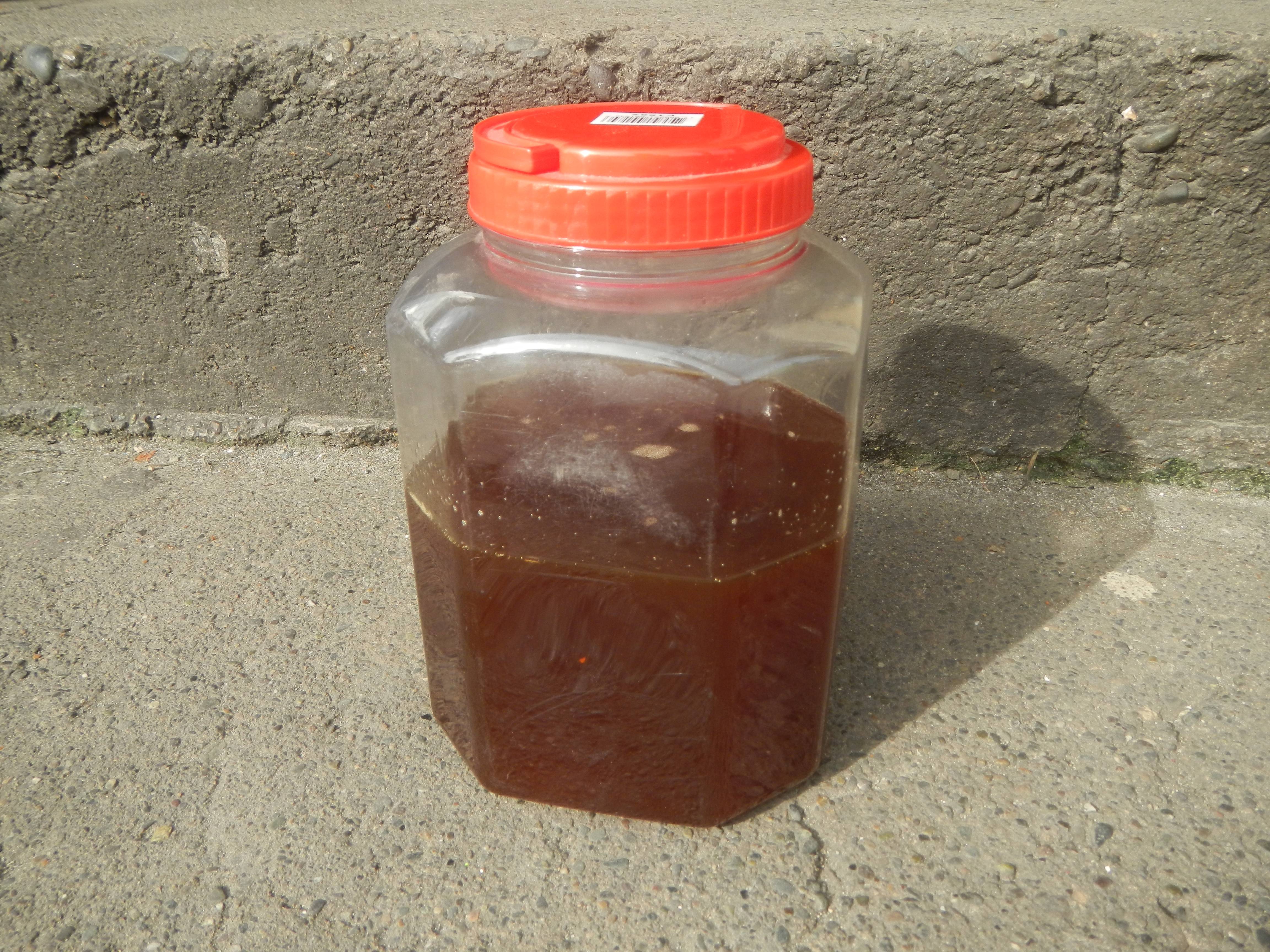
Pouring used cooking oil down the drain or tossing it in the trash is more harmful than it seems. The U.S. Environmental Protection Agency reports that fats, oils, and grease are responsible for 47% of sewer overflows nationwide. In landfills, oil can attract pests and create unpleasant odors, while poured down drains, it clogs pipes and pollutes waterways. Many cities now offer cooking oil recycling programs, turning waste oil into biodiesel and other products. It’s easy to collect used oil in a container and drop it off at a local recycle center or event. Responsible disposal keeps your pipes and the planet clean.
Aerosol Cans
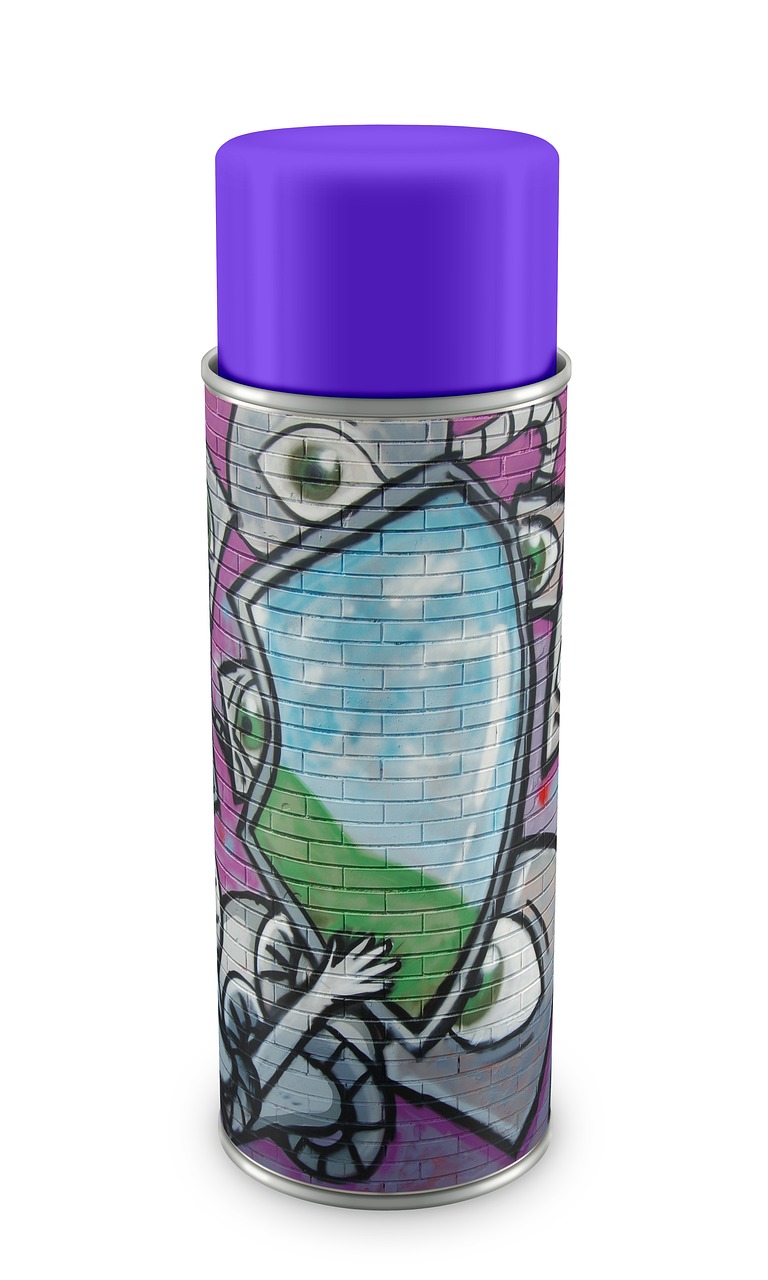
Empty or partially full aerosol cans—like hairspray or spray paint—are often tossed out, but they can be dangerously explosive if not handled correctly. The U.S. Department of Transportation classifies aerosol cans as hazardous waste because they are pressurized and can burst when crushed or heated. In 2024, several municipal waste facilities reported fires caused by aerosol cans exploding during compaction. Most communities treat aerosol cans as hazardous waste, and special drop-off points are increasingly common. Always check the label for disposal instructions and never puncture or burn an aerosol can. Proper disposal prevents accidents and pollution.
Plastic Bags
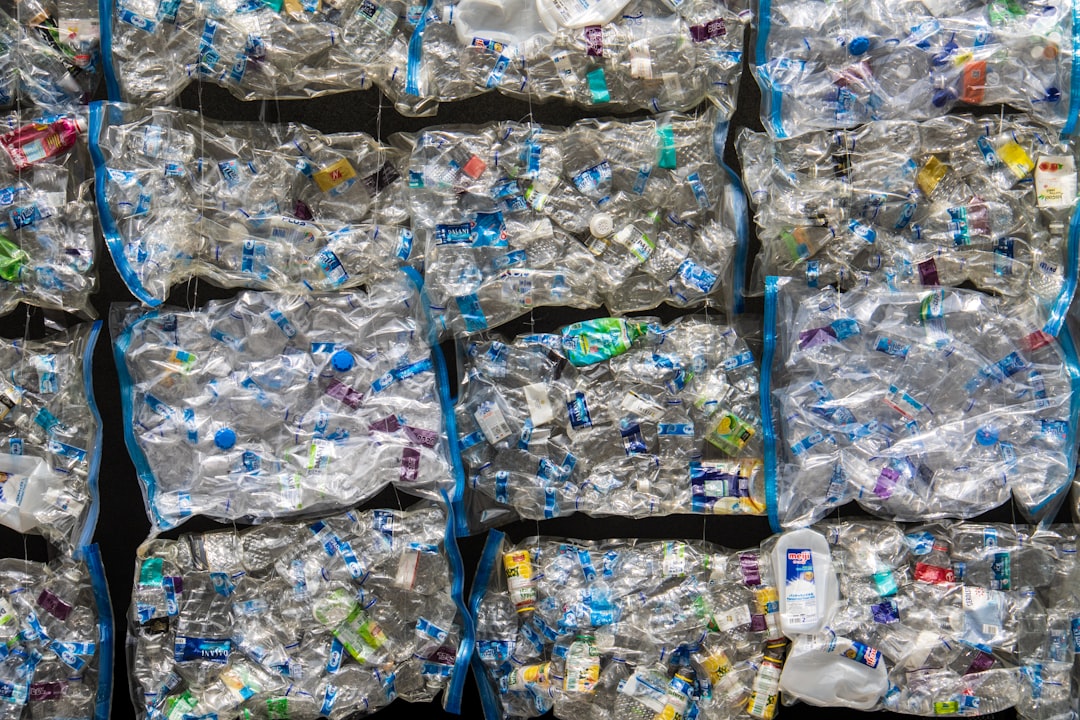
Plastic bags are everywhere, but tossing them in the regular trash is a big problem. The U.S. Environmental Protection Agency estimates that Americans use over 100 billion plastic bags each year, and less than 10% are recycled. In landfills, they take hundreds of years to break down, and in the meantime, they often end up in waterways or oceans, where they harm wildlife. Many grocery stores now have collection bins for plastic bags and wraps, making recycling convenient. Some cities have even banned bags from the landfill entirely. Next time, consider reusing or recycling your bags instead of throwing them out.
Household Cleaners
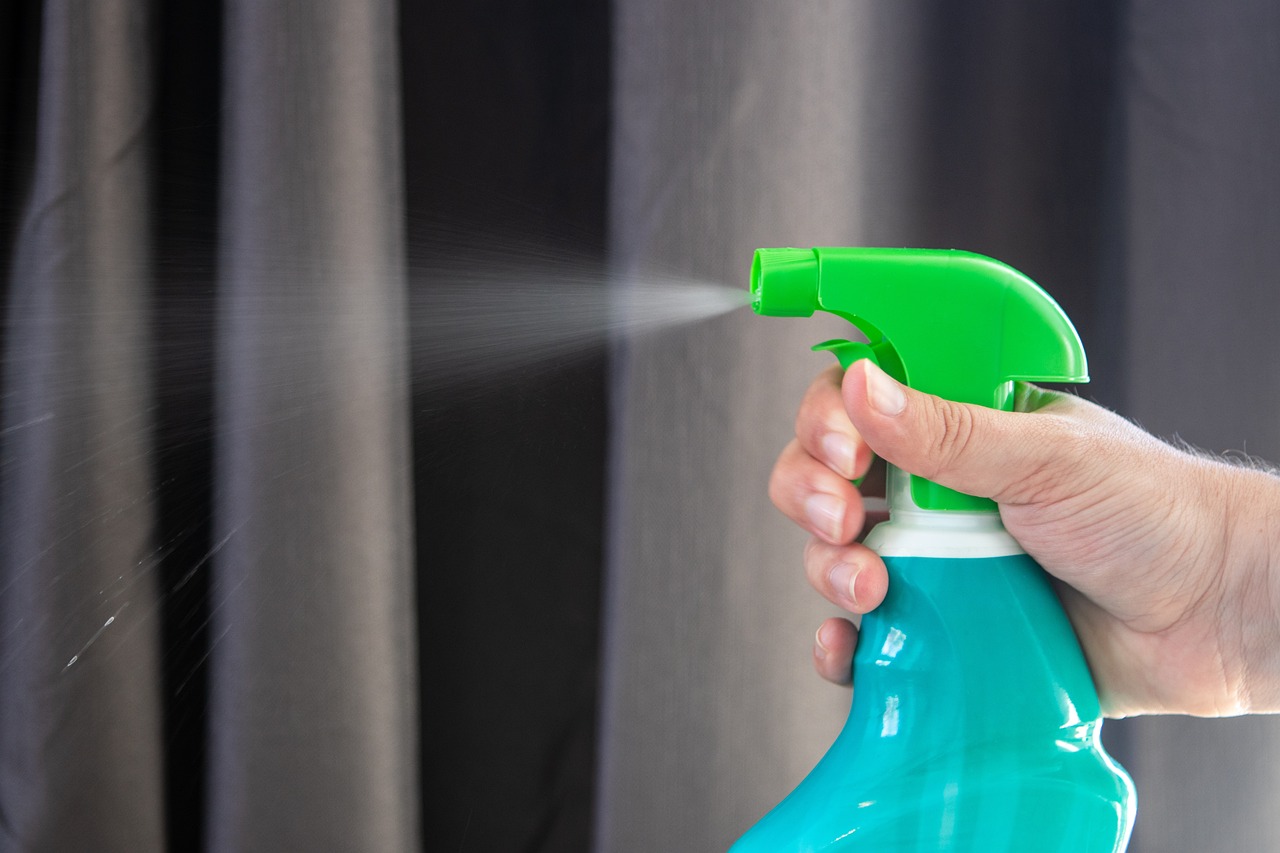
Household cleaners contain chemicals that can be dangerous if released into the environment, yet millions of bottles are tossed each year. According to a 2023 report from the American Chemical Society, common ingredients like bleach and ammonia can react in landfills, producing toxic fumes or contaminating groundwater. Many cities have hazardous waste collection events for safely disposing of these products. Even empty cleaner bottles should be rinsed and recycled, if possible, instead of discarded with trash. Always follow label instructions for disposal and never pour leftover chemicals down the drain or in the garbage. Responsible disposal keeps your home and community safer.

Lena is a thoughtful and imaginative writer with a passion for storytelling across the themes of travel, environmental sustainability, and contemporary home aesthetics. With a background in cultural media and a strong visual sensibility, Anna Lena creates content that bridges inspiration with practical insight.
Her work explores the interplay between place, lifestyle, and design—guiding readers through meaningful travel experiences, eco-conscious choices, and modern approaches to living well. Known for her elegant writing style and attention to detail, she brings a fresh, human-centered perspective to every topic she covers.
Anna Lena contributes to digital publications and editorial projects where aesthetics meet purpose. Her writing not only informs but also encourages readers to live more intentionally, sustainably, and beautifully—wherever they are in the world.