
Henrieke Otte is an accomplished writer and content editor, specializing in topics that inspire thoughtful living—ranging from global travel and sustainable lifestyles to interior design and architecture. With a keen editorial sense and a background in cultural studies, Henrieke brings depth, elegance, and clarity to every piece she crafts.
Her work is known for its engaging voice, visual sensitivity, and ability to turn complex ideas into accessible, reader-friendly narratives. Whether exploring eco-conscious destinations, dissecting climate-conscious home trends, or curating serene living spaces, Henrieke writes with a balance of creativity and insight that resonates with design-savvy, environmentally aware audiences.
Driven by a love of meaningful storytelling and a refined aesthetic, Henrieke contributes regularly to digital platforms and magazines where quality content meets visual sophistication.
Have you ever walked into a backyard and felt… absolutely nothing? Maybe it was the stiff plastic chairs, the over-styled “tiki” bar, or the endless sea of gray-on-gray. Outdoor spaces are meant to soothe, spark connection, and extend the personality of your home—yet, some once-popular trends now do the exact opposite. If you want a backyard that feels fresh, modern, and instantly more livable, it’s time to leave these ten fading trends behind.
Overly Themed Spaces Feel Forced and Outdated
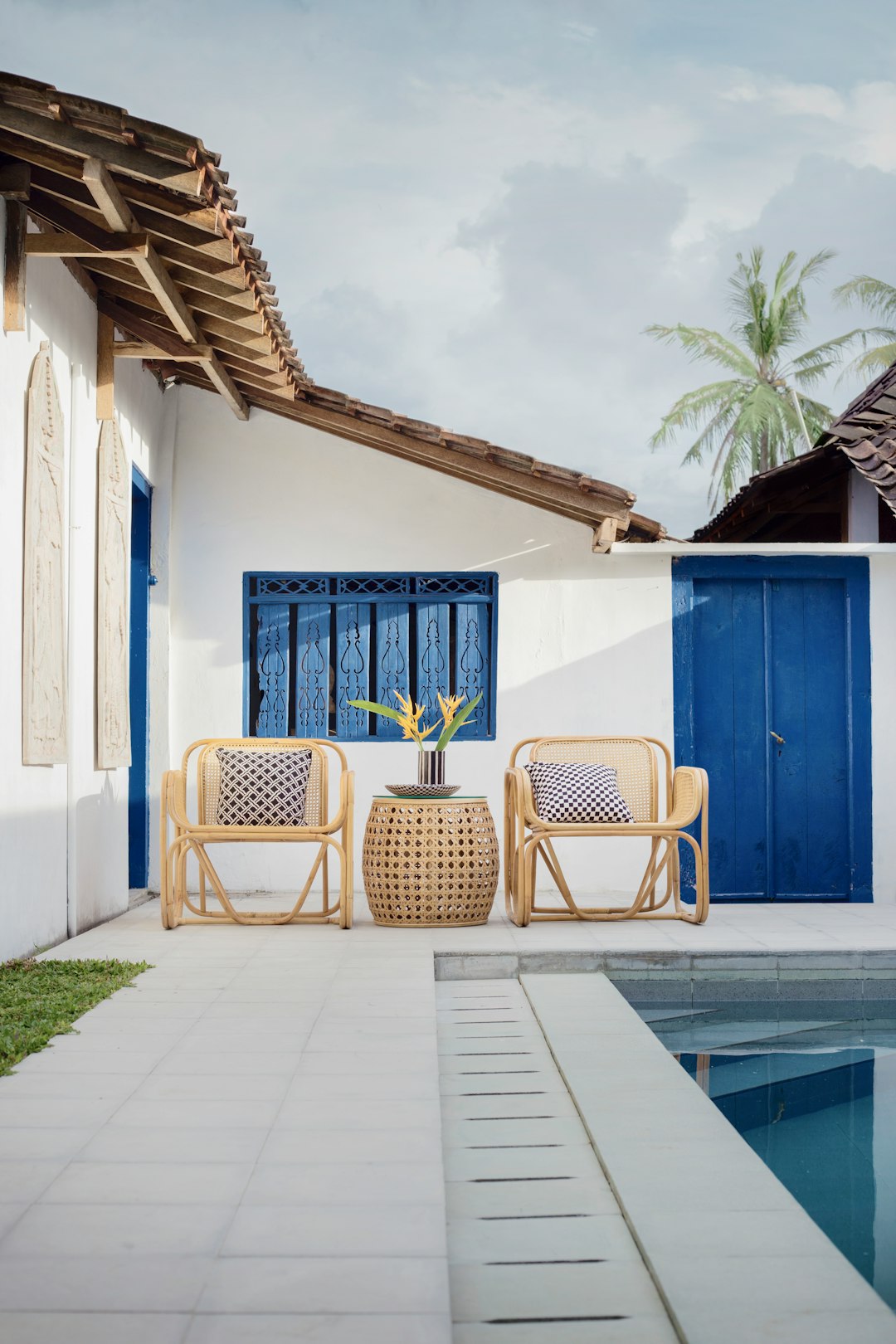
Picture this: you step onto a patio, and it’s decked out like a pirate ship or a Hawaiian luau—everywhere you look, it’s props and matching sets. At first, it’s fun. But quickly, it can feel like you’re trapped in a themed restaurant, not a restful outdoor retreat. Designers today say that rigid themes shut down creativity and make spaces feel staged instead of lived-in. Instead, more homeowners are mixing styles—think rustic planters with modern chairs, or boho pillows beside sleek lanterns. This approach lets personality shine and makes outdoor areas feel authentic, inviting, and truly yours.
Plastic Furniture Is Losing Its Charm
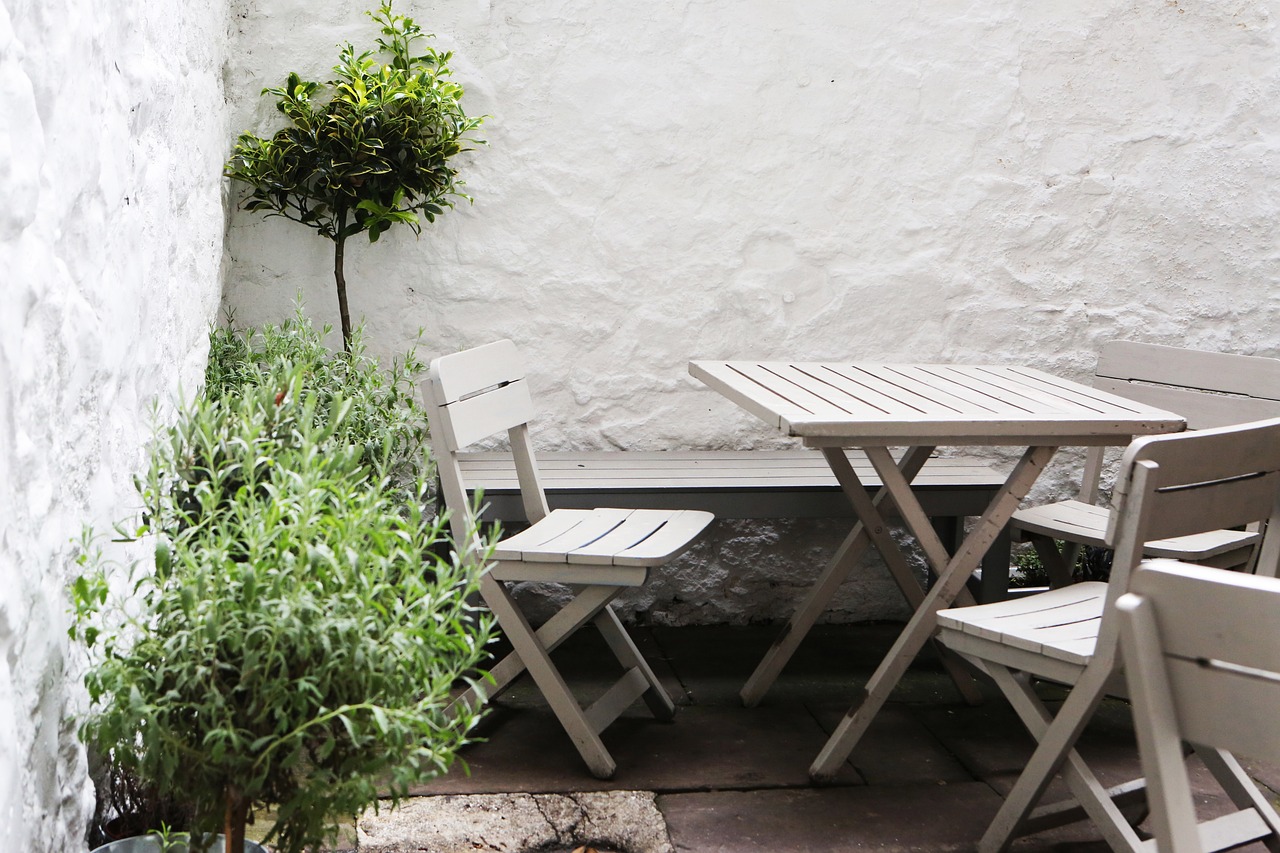
Plastic patio sets are fading fast. Sure, they’re affordable and light, but they age poorly—yellowing, cracking, and blowing away with a strong wind. Modern outdoor design favors materials that last and tell a story, like teak, powder-coated steel, or even recycled composites. These options are not only sturdier, but also more environmentally friendly. According to Houzz, listings with quality outdoor furniture see higher buyer interest—because buyers imagine themselves relaxing, not wrestling with wobbly plastic chairs. Investing in better materials is a win for style, comfort, and resale value.
Monochromatic Color Schemes Are Losing Their Spark
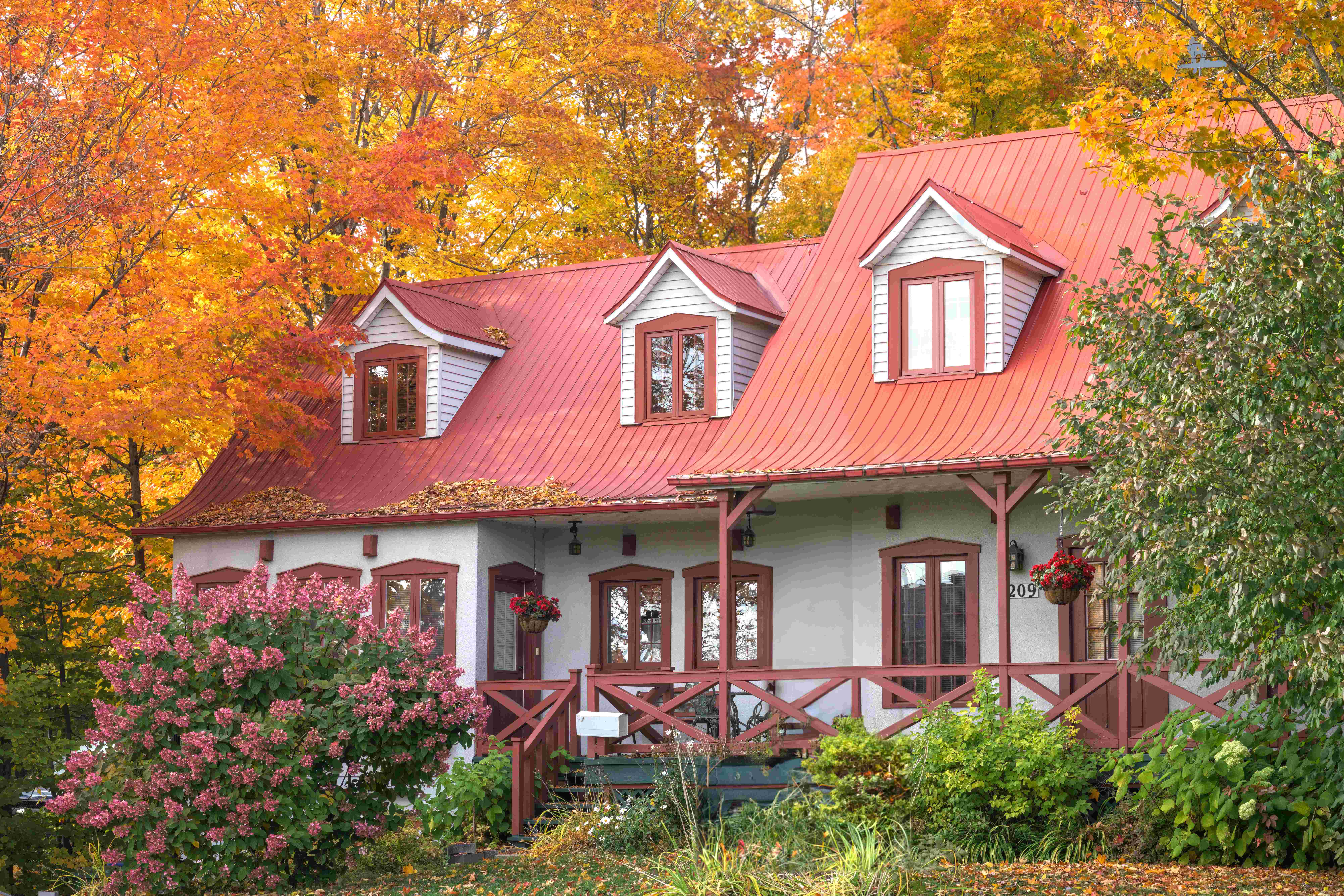
A decade ago, matching everything—from cushions to umbrellas to potted flowers—in one color seemed chic. But today, monochrome exteriors often feel cold and flat. Outdoor living is all about vibrancy, mixing earthy greens with sunset oranges or moody blues. Designers like Emily Henderson recommend layering colors and textures for a dynamic look. Even a small pop—like a patterned outdoor rug or bright throw pillows—can wake up an entire space. Homes with lively outdoor palettes also tend to photograph better, which matters when it’s time to sell.
Complex Lighting Fixtures Add Stress, Not Ambiance
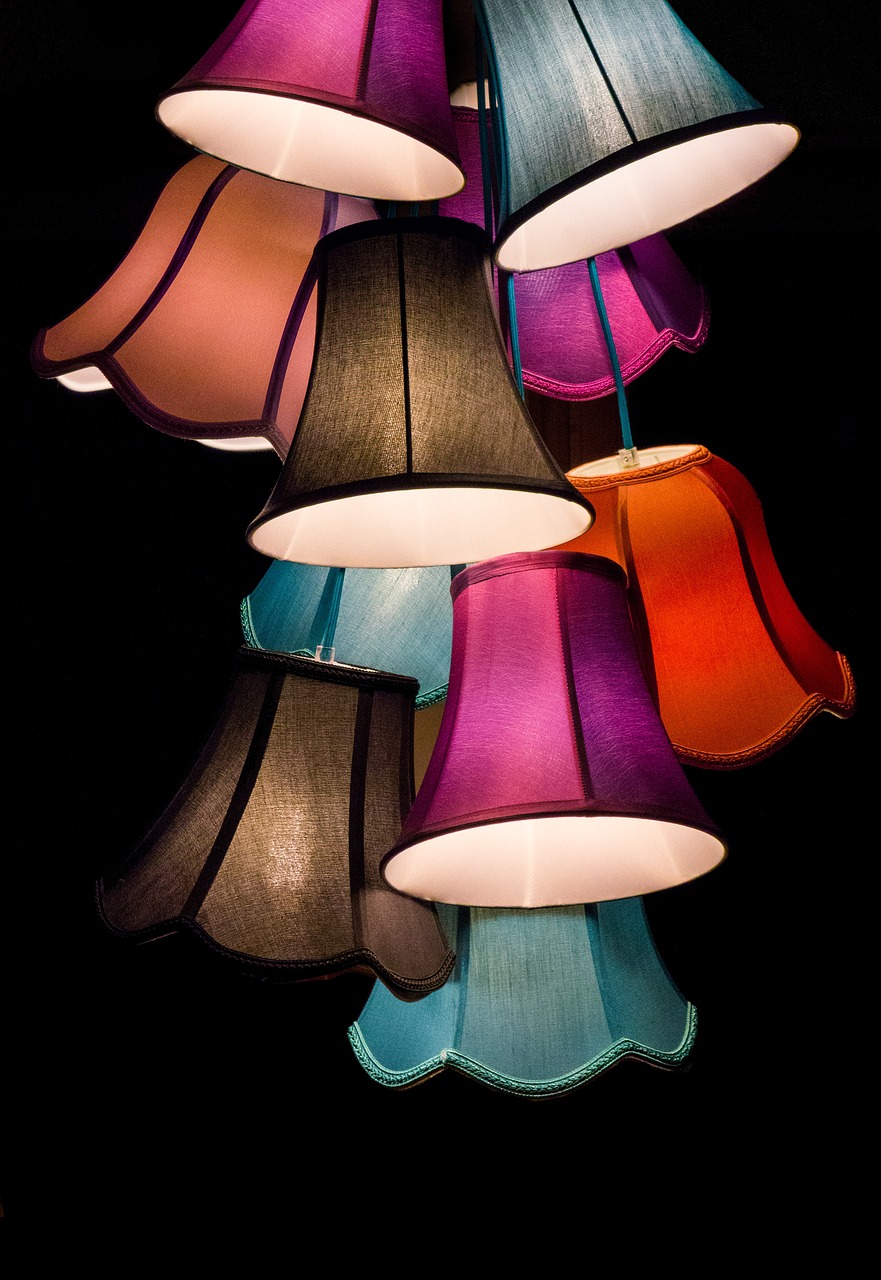
Remember those sprawling, hardwired chandeliers or overly intricate lanterns that require an electrician just to change a bulb? They’re fading away. Today’s outdoor lighting is all about simplicity and atmosphere—think solar path lights, dimmable LED string lights, and wireless sconces. Not only do these options save energy, they’re easy to move and adjust. Lighting designer Jennifer Kolstad says, “The best outdoor lighting disappears into the background, letting the stars and fireflies do the heavy lifting.” Less fuss, more magic.
Heavy Decor Feels Stuffy and Impractical
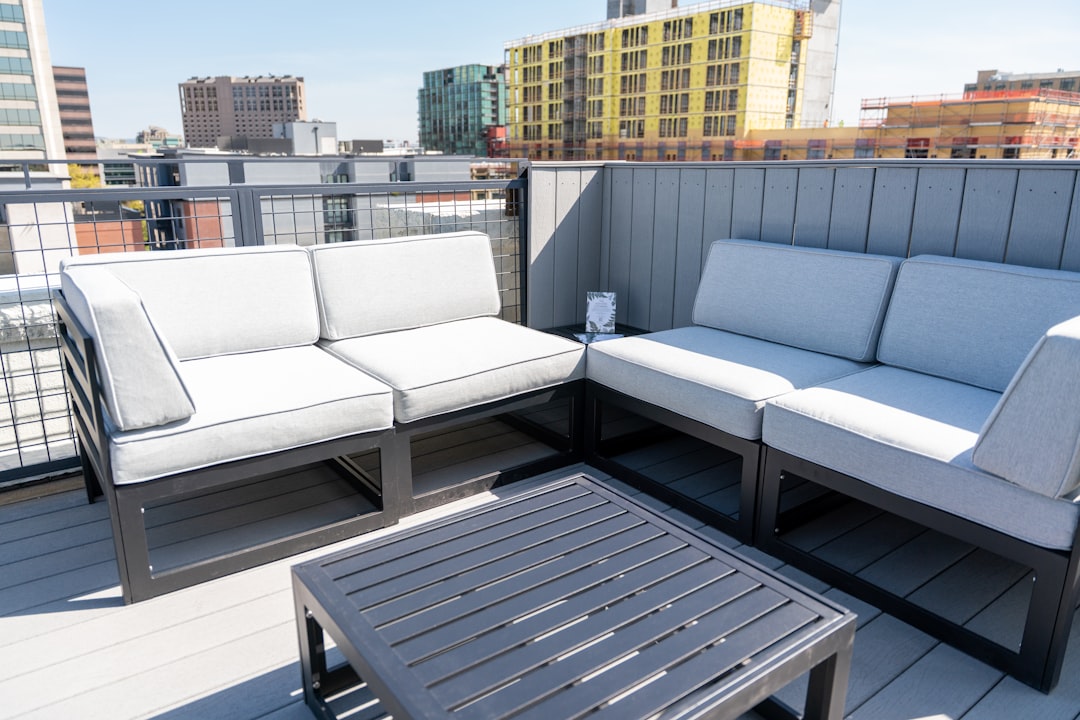
Massive urns, ornate statues, and cast-iron benches once signaled luxury. Now, they mostly collect dust and crowd patios. Homeowners are shifting to lightweight, multipurpose pieces—like stackable chairs, folding tables, and woven poufs—that can be rearranged on a whim. Stager insights from Zillow show that flexible layouts actually help buyers picture themselves using the space. It’s about freedom: you want to host brunch one weekend and a cozy bonfire the next, without breaking your back—or the bank.
Lack of Plant Diversity Misses the Mark
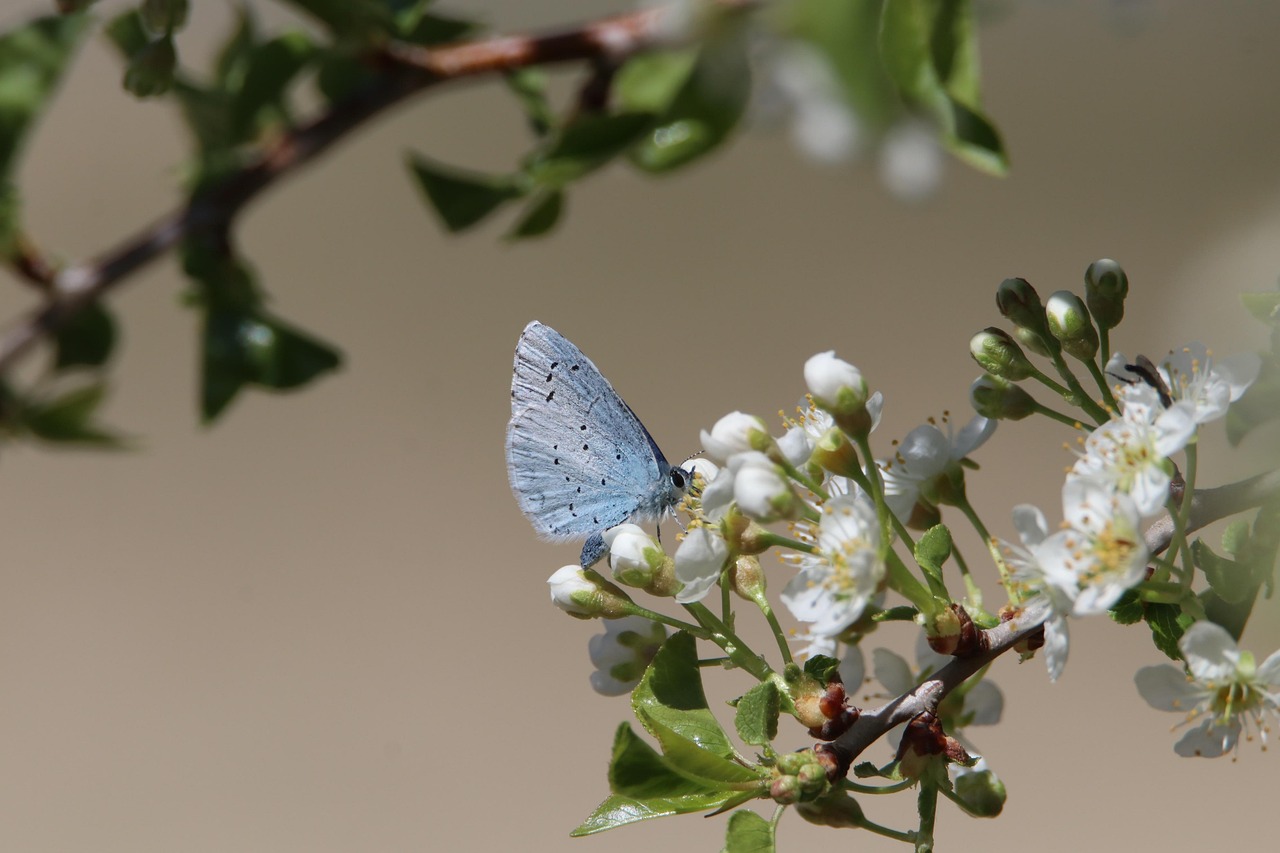
Rows of the same shrub or endless turf grass are out. Biodiverse gardens are in. This shift isn’t just pretty—it’s practical. Experts at The National Wildlife Federation say that mixing native grasses, pollinator flowers, and textured greenery boosts curb appeal and supports local wildlife. A layered, natural look also makes small yards feel larger and more inviting. One homeowner swapped her boxwood border for a mix of lavender, echinacea, and ferns, and saw compliments—and butterflies—soar.
Oversized Furniture Overpowers Outdoor Living
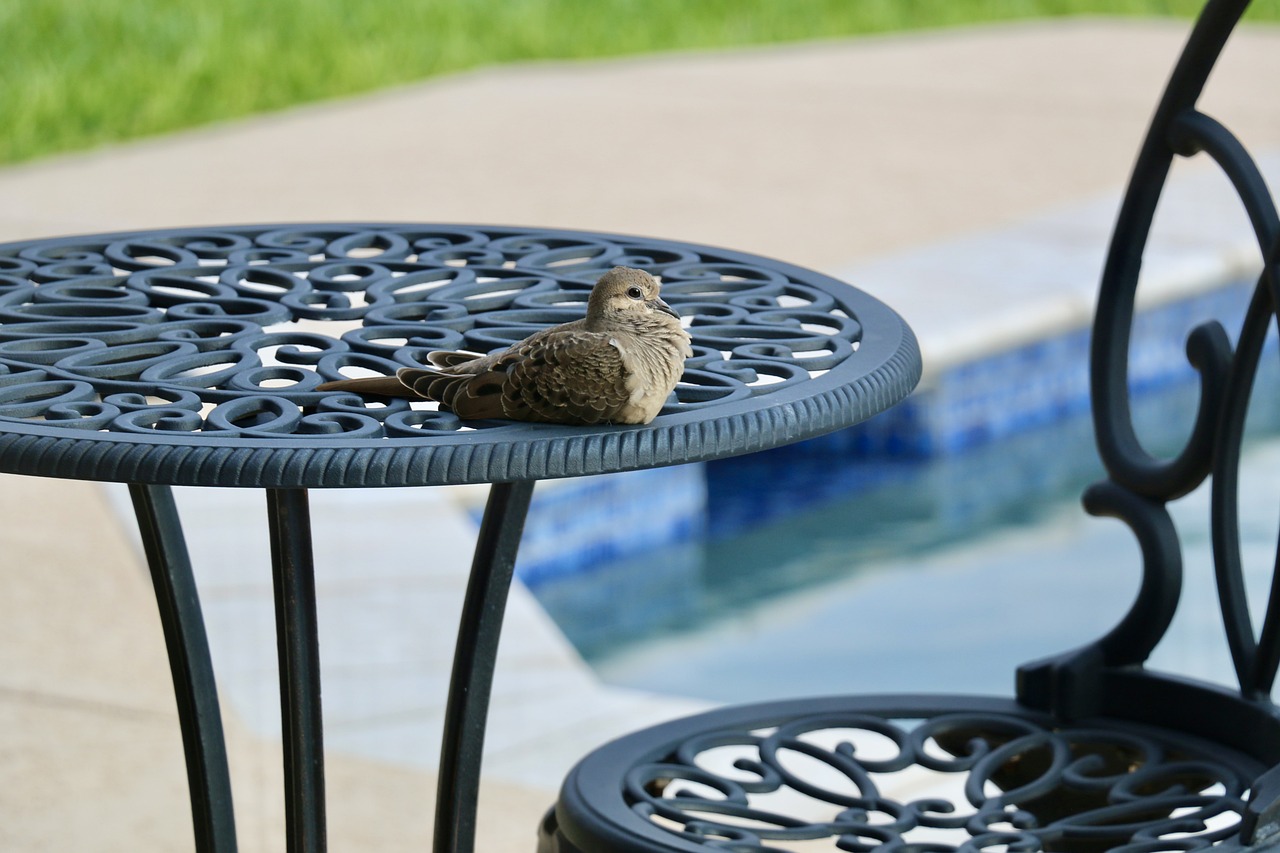
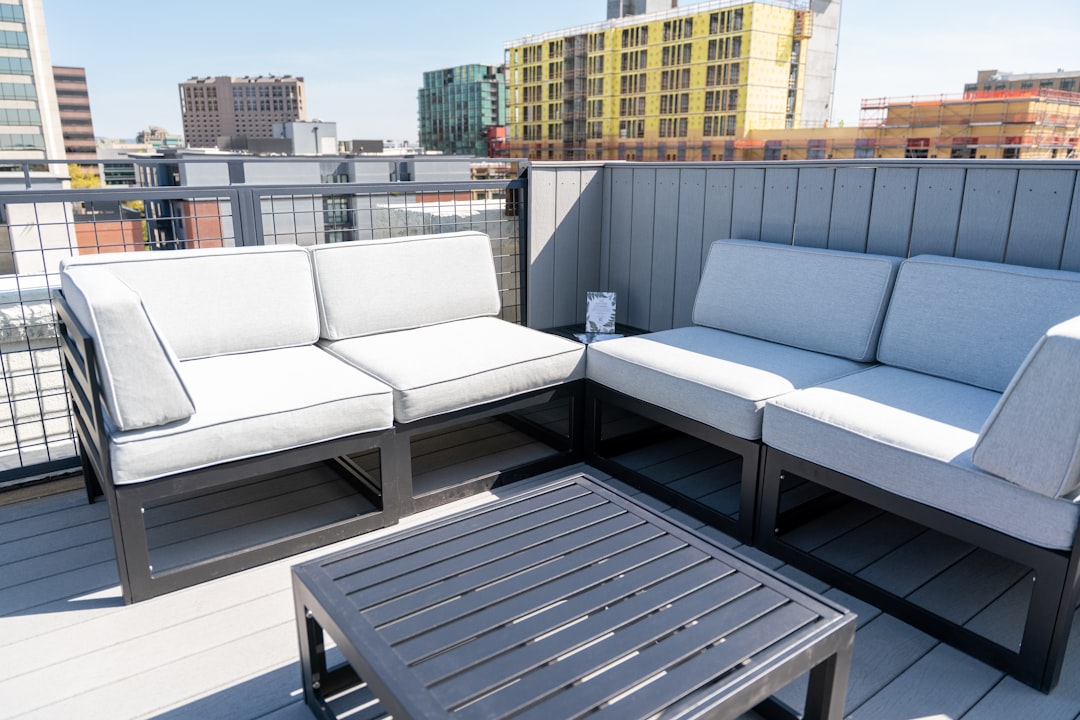
That giant sectional may look great in a magazine, but in real life, it can eat up precious space and make patios feel cramped. Outdoor living is about flow and flexibility. Scaled-down, modular seating lets you easily reconfigure for guests or quiet afternoons. According to real estate agents, buyers prefer outdoor spaces that feel open and usable. Think bistro sets or slim-profile sofas that leave room to move, not just sit. Your outdoor space should breathe, not suffocate.
Uncomfortable Designs Prioritize Looks Over Living
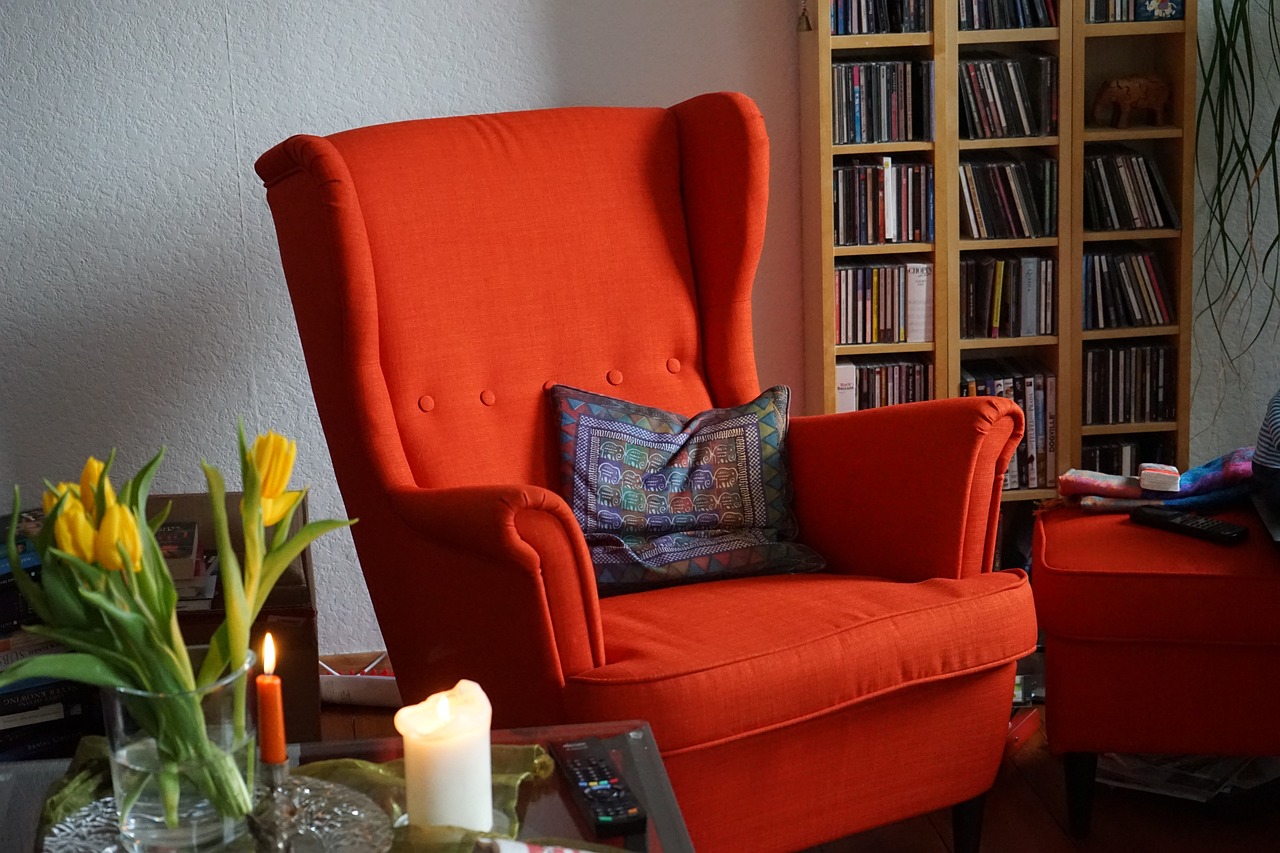
Some outdoor trends look stunning but just aren’t comfortable—think rock-hard benches or chic-but-skinny loungers. Now, comfort is king. Cushioned seating, ergonomic chairs, and soft throws invite people to linger outside. As designer Bobby Berk puts it, “If it doesn’t feel good, you won’t use it—no matter how Instagrammable it is.” People want to nap, read, and chat outdoors, not just pose for a picture. The best spaces offer both style and true comfort.
Spaces That Ignore Functionality Lose Appeal
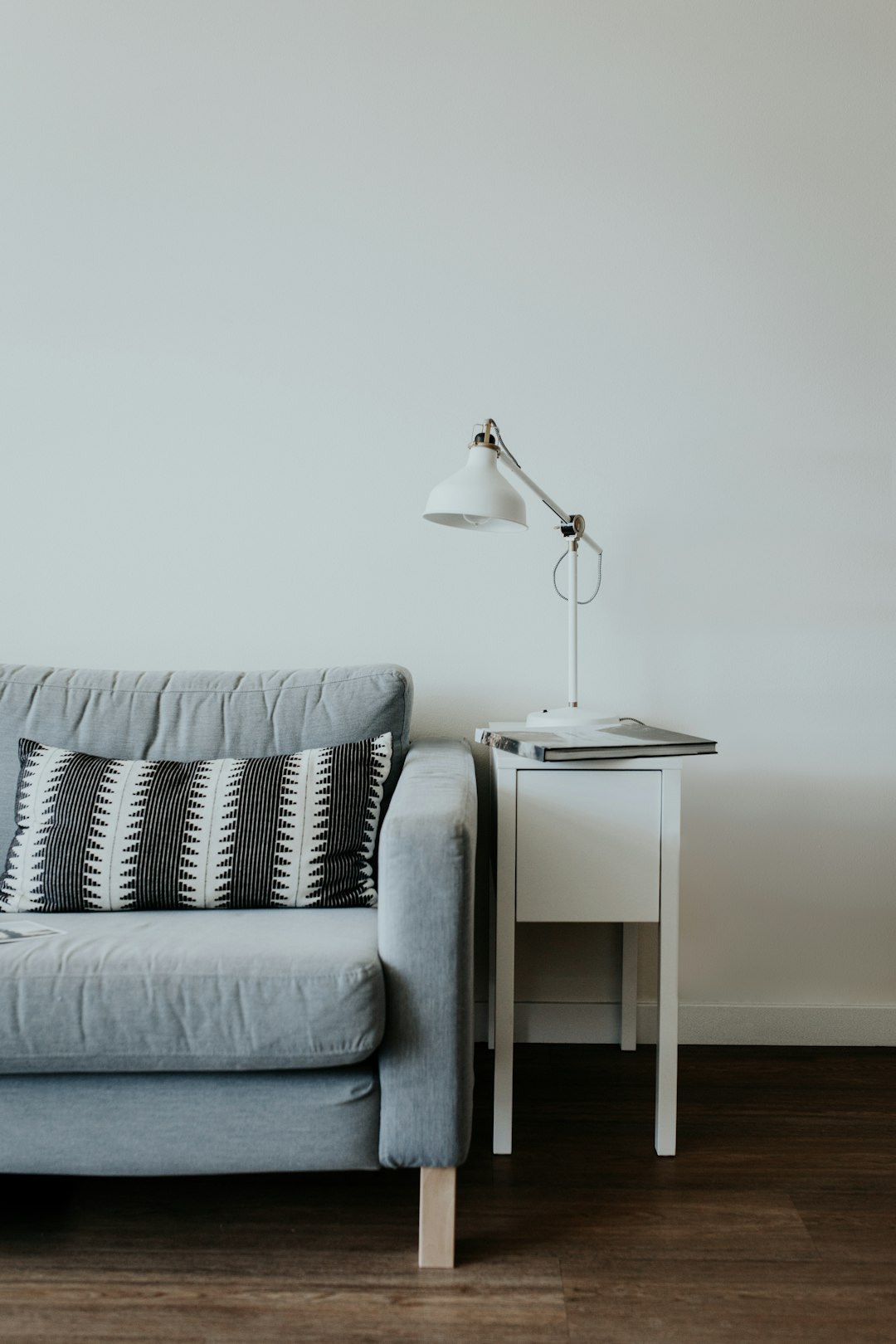
Outdoor areas that only serve one purpose—like a grilling station with nowhere to sit, or a fire pit surrounded by nothing but mulch—are being redesigned for real life. Multifunctional spaces are rising: dining tables that double as prep stations, benches with built-in storage, planters that divide lounging zones. Realtor.com reports that buyers now look for outdoor kitchens, flexible seating, and even weatherproof tech. The more ways you can use a space, the more valuable—and joyful—it becomes.
Neglecting Nature’s Influence Diminishes Wellbeing
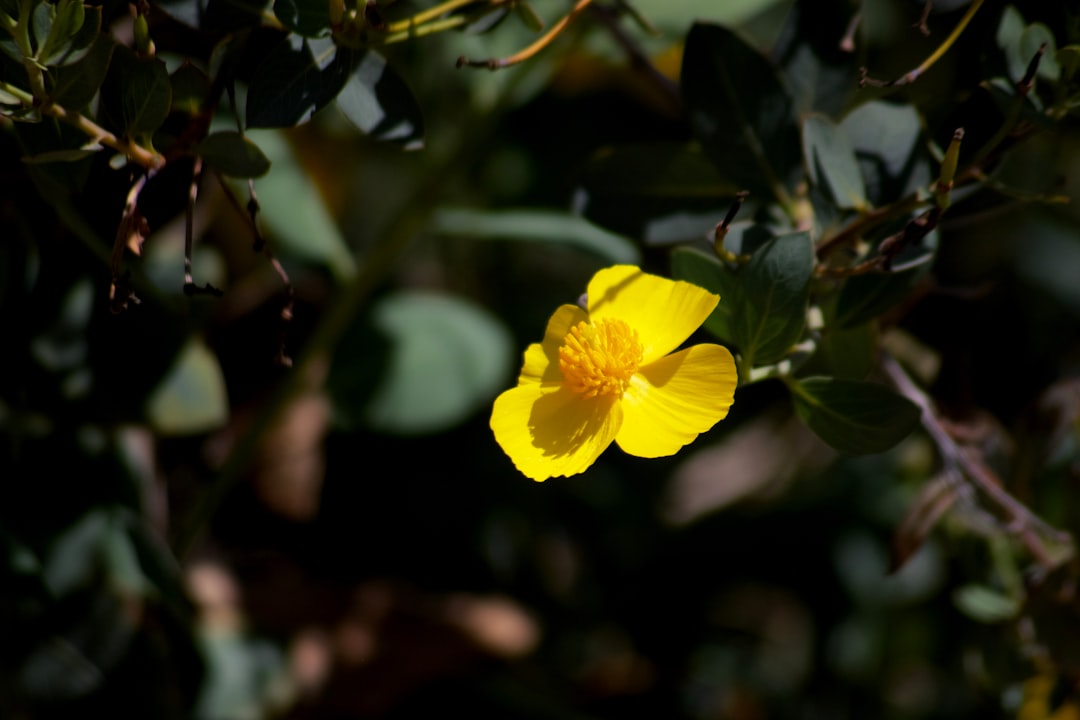
In the rush to decorate, lots of homeowners once overlooked the restorative power of nature itself. But science says green views, fresh air, and soft sounds (like water features or rustling grass) actually lower stress and boost mood. Today’s outdoor design leans on natural elements: living walls, gravel paths, and shade trees. Even a small balcony can feel like a sanctuary with the right potted plants and textures. Designers urge, “Let the outdoors in—don’t fight it with fake turf and plastic palms.” Your space should feel like an escape, not a showroom.
Each of these fading trends tells a story about how we want to live now: more personal, functional, comfortable, and connected to the world outside our doors.

Henrieke Otte is an accomplished writer and content editor, specializing in topics that inspire thoughtful living—ranging from global travel and sustainable lifestyles to interior design and architecture. With a keen editorial sense and a background in cultural studies, Henrieke brings depth, elegance, and clarity to every piece she crafts.
Her work is known for its engaging voice, visual sensitivity, and ability to turn complex ideas into accessible, reader-friendly narratives. Whether exploring eco-conscious destinations, dissecting climate-conscious home trends, or curating serene living spaces, Henrieke writes with a balance of creativity and insight that resonates with design-savvy, environmentally aware audiences.
Driven by a love of meaningful storytelling and a refined aesthetic, Henrieke contributes regularly to digital platforms and magazines where quality content meets visual sophistication.