

Lena is a thoughtful and imaginative writer with a passion for storytelling across the themes of travel, environmental sustainability, and contemporary home aesthetics. With a background in cultural media and a strong visual sensibility, Anna Lena creates content that bridges inspiration with practical insight.
Her work explores the interplay between place, lifestyle, and design—guiding readers through meaningful travel experiences, eco-conscious choices, and modern approaches to living well. Known for her elegant writing style and attention to detail, she brings a fresh, human-centered perspective to every topic she covers.
Anna Lena contributes to digital publications and editorial projects where aesthetics meet purpose. Her writing not only informs but also encourages readers to live more intentionally, sustainably, and beautifully—wherever they are in the world.
Small Appliances from Counter to Designated Storage
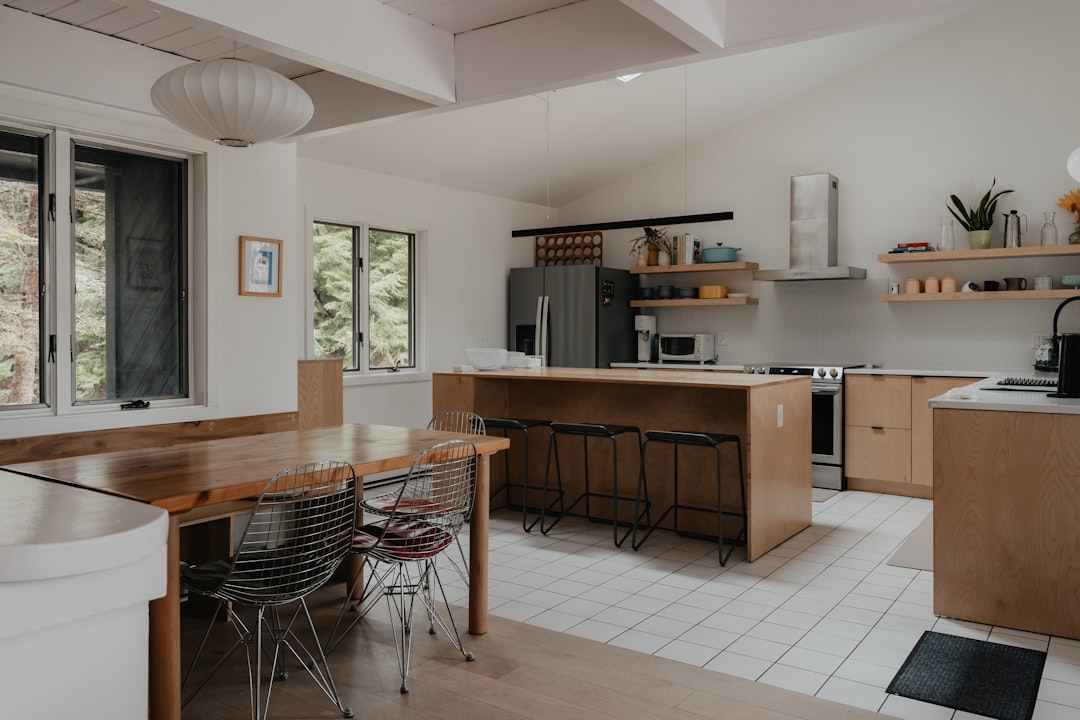
You know that feeling when you’re trying to cook but half your counter is taken up by appliances you barely use? Professional organizers consistently recommend moving small appliances to dedicated storage areas. Small appliances, like stand mixers, air fryers, and blenders, can take up a lot of counter space. Store appliances you don’t use every day in a different storage closet in your home, and only take them out when you need them. While you can keep the ones you use daily on your counter for convenience, you can also tuck them away into a cabinet or at the bottom of your pantry for extra counter space.
Install an appliance garage, and you can park your most frequently used appliances behind closed doors. Have a professional electrician add an outlet inside the garage, and you can keep devices tucked away in one place. The key is honestly evaluating which appliances you actually use weekly versus monthly or seasonally.
Cleaning Supplies from Kitchen to Dedicated Areas
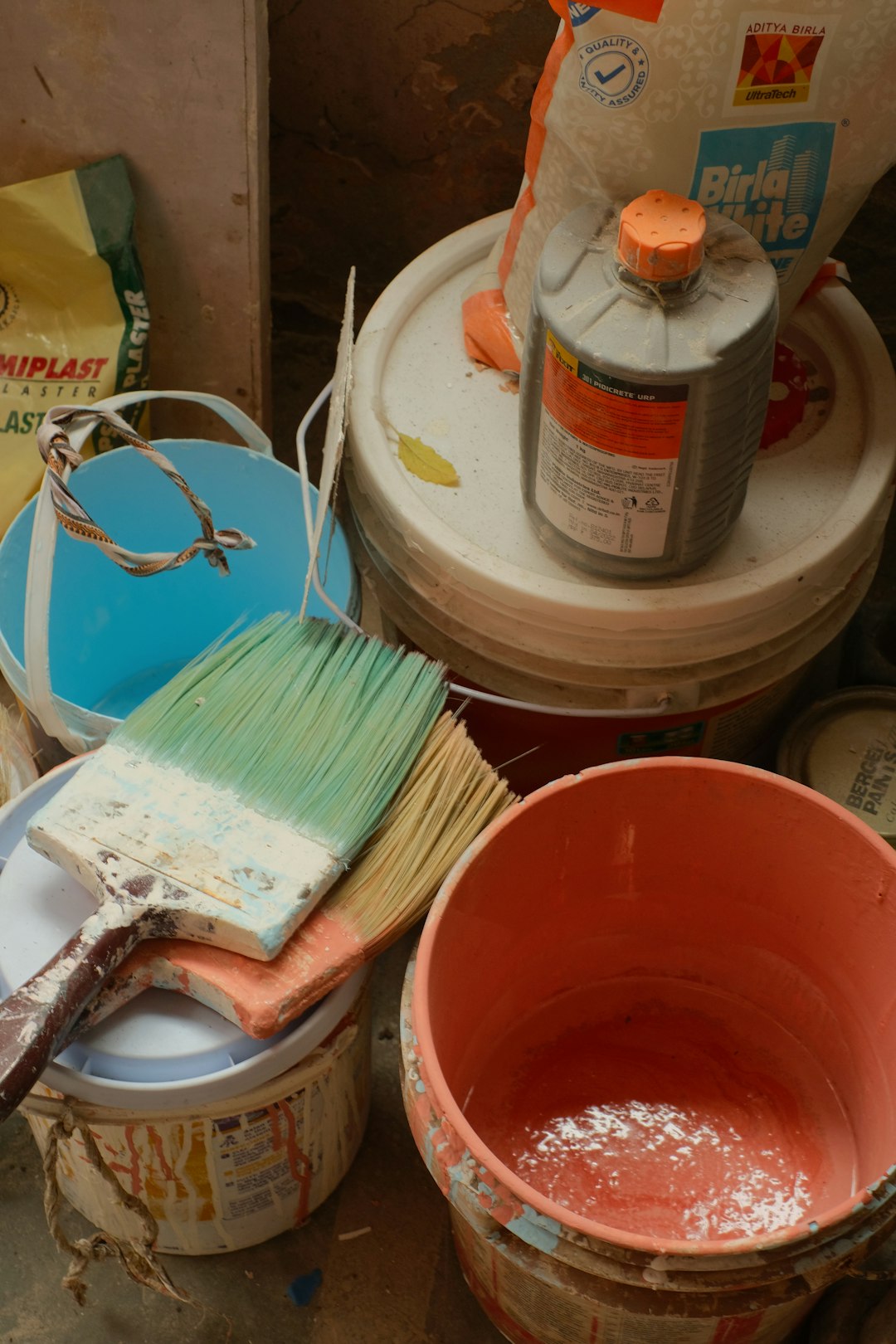
Find an alternative area for cleaning supplies you’d typically keep in kitchen cabinets. This simple switch can free up significant space in your kitchen cabinets for items you actually use while cooking. Place cleaning supplies on the lower shelf of a bottom cabinet, preferably under the sink, inaccessible to small children or pets. Never store cleaning supplies above or on the same shelf as food.
Professional organizers suggest creating a dedicated cleaning station in a laundry room, bathroom, or utility closet instead of cramming these items into valuable kitchen real estate. This relocation makes more sense from both a safety and efficiency perspective.
Seasonal Items to Higher Storage Areas
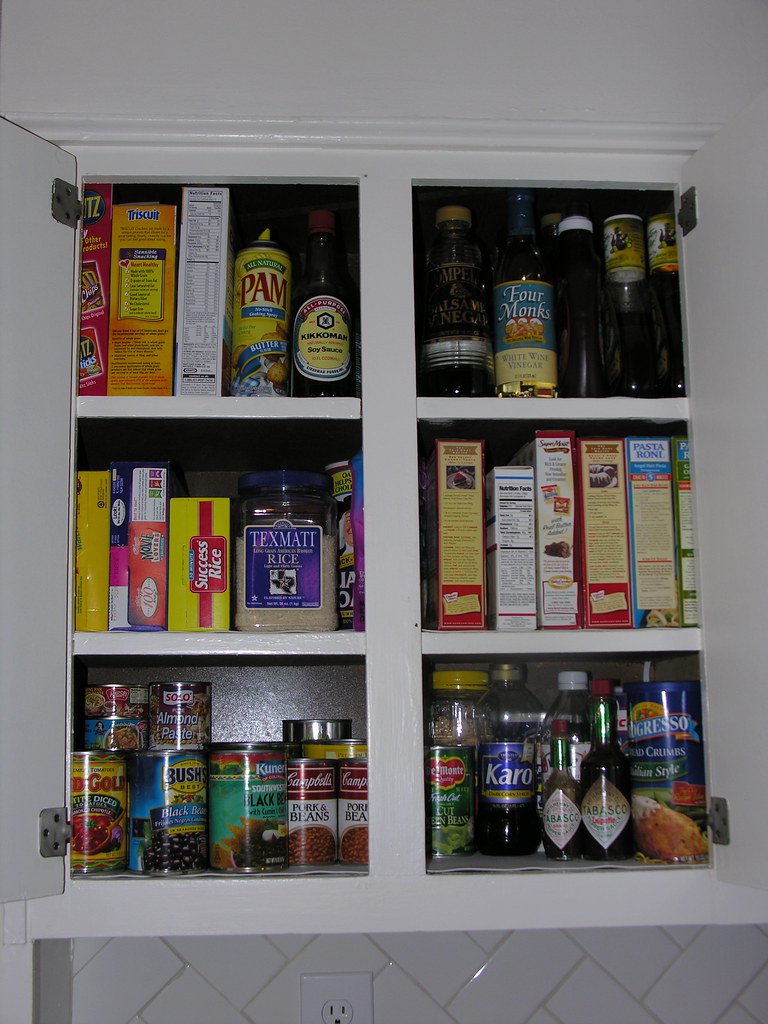
Those holiday platters and special occasion dishes are cabinet space hogs that get used maybe twice a year. The tops of your cabinets offer prime real estate for storage. Way up there, you can stash special-occasion serving platters and extra pantry supplies that you aren’t currently using. This strategy works because you’re not accessing these items daily or even weekly.
Think about it – why should your everyday coffee mugs compete for space with that fondue set you use once a year? But we store the fondue set and pancake griddle in the cabinet above the refrigerator that’s hard to reach because we don’t use them often. Professional organizers recommend the “frequency test” – if you haven’t used something in six months, it deserves a higher, less accessible spot.
Rarely Used Cookbooks to Alternative Locations
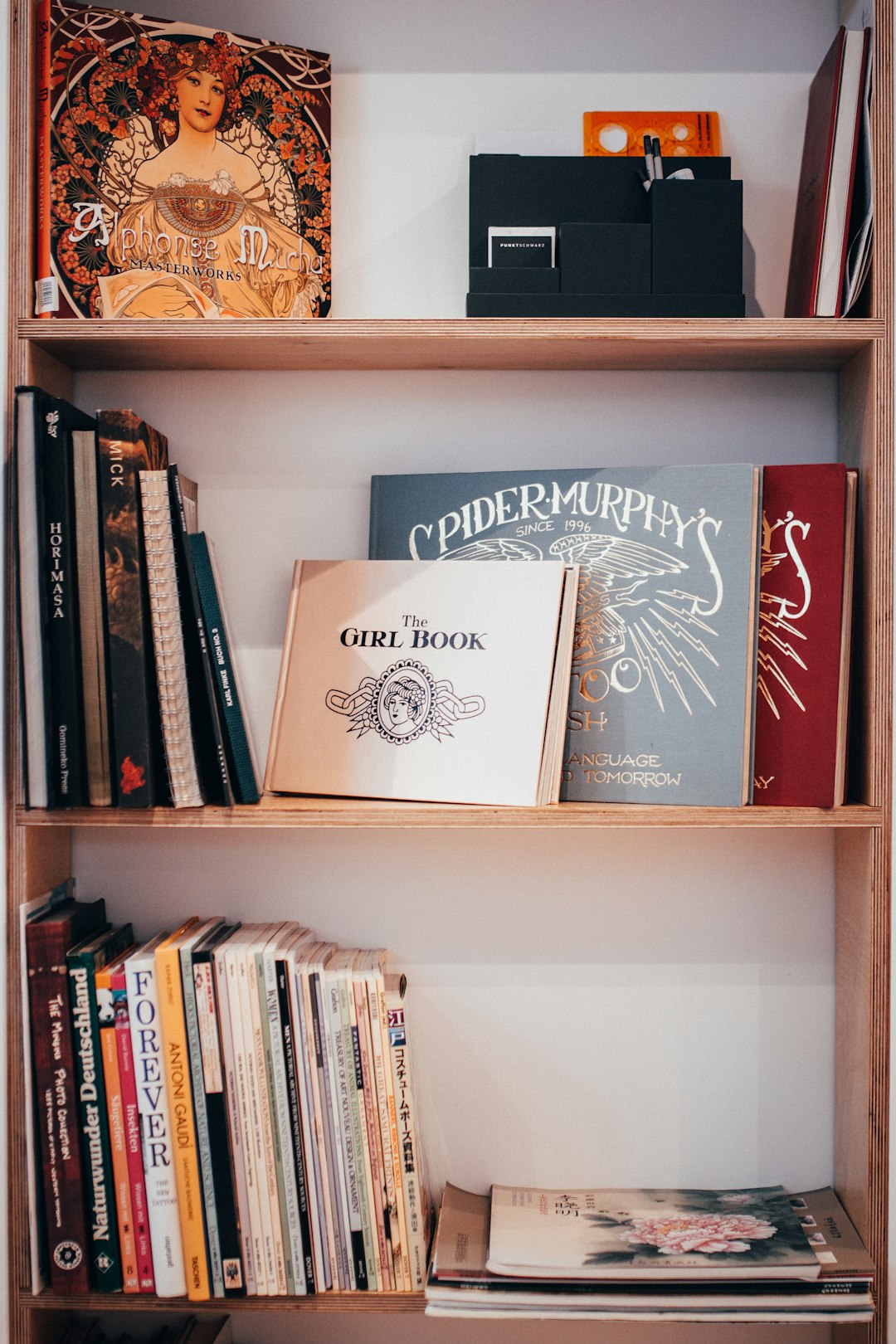
Keep cookbooks in your most out-of-the-way cabinet or shelf as you likely won’t reach for them as often as other items and should not take up valuable kitchen cabinet real estate. In our digital age, many people rely on phones and tablets for recipes, making physical cookbooks less essential for daily cooking.
Consider relocating cookbooks to a living room bookshelf, bedroom nightstand, or even a dedicated reading nook. This move frees up prime kitchen cabinet space for items you actually grab while cooking, like spices, oils, or frequently used serving dishes.
Extra Dinnerware to Display or Storage Areas
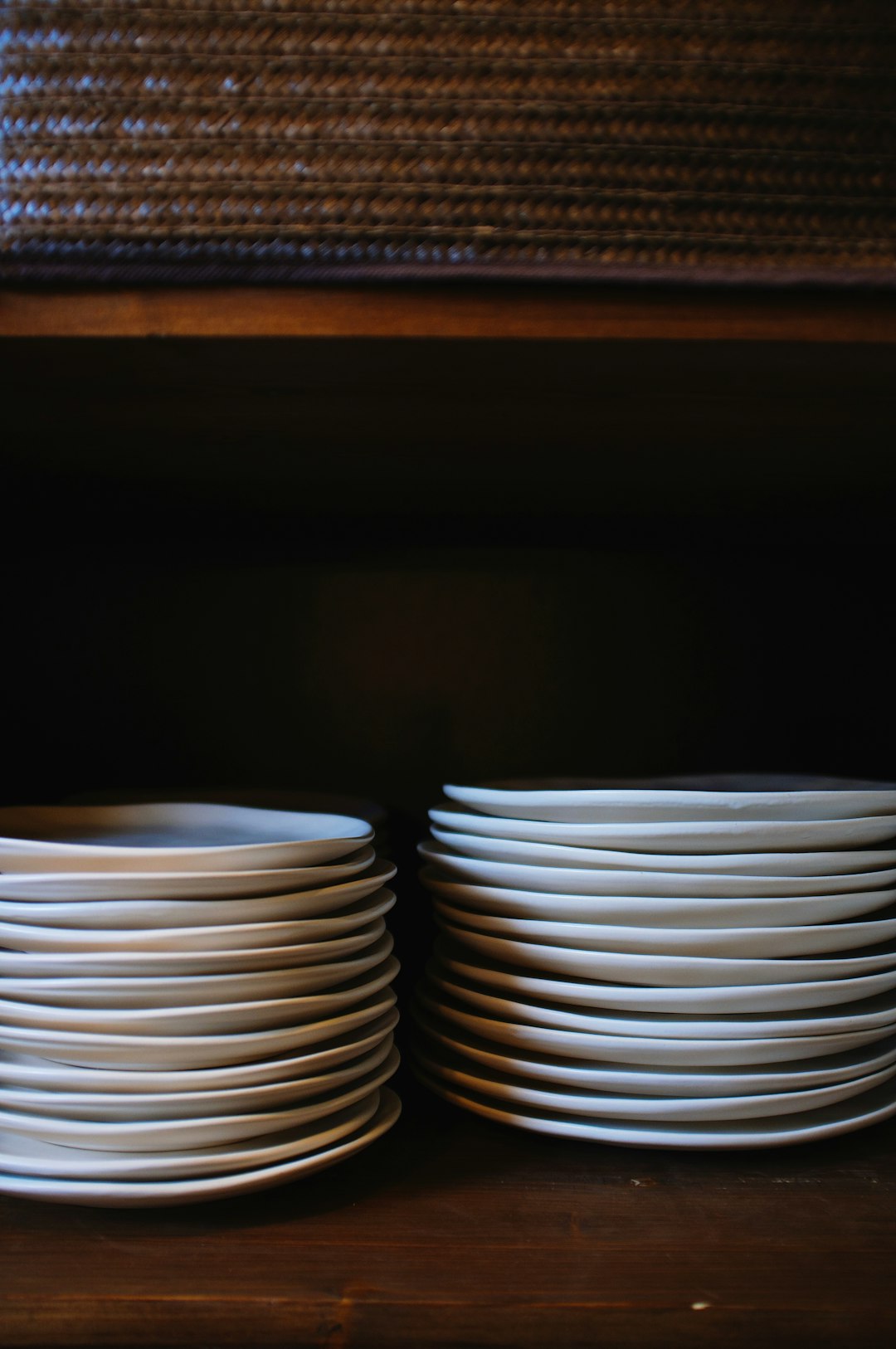
If you’re like most people, you probably have way more plates, bowls, and mugs than you realistically need for daily use. Glass-front doors put cabinet interiors on display, so you’ll want to make sure these areas are neatly organized. First, edit down your dishware collection to avoid overcrowding the cabinets. Professional organizers recommend keeping just enough dishes for your household plus a few extras for guests.
If you have beautiful dinnerware, cutting boards or other kitchen tools, show them off on your walls and shelves. Not only will you free up cabinet space, you’ll also add stylish decor to your space. This approach turns functional items into decorative elements while clearing precious cabinet real estate.
Bulk Pantry Items to Alternative Storage
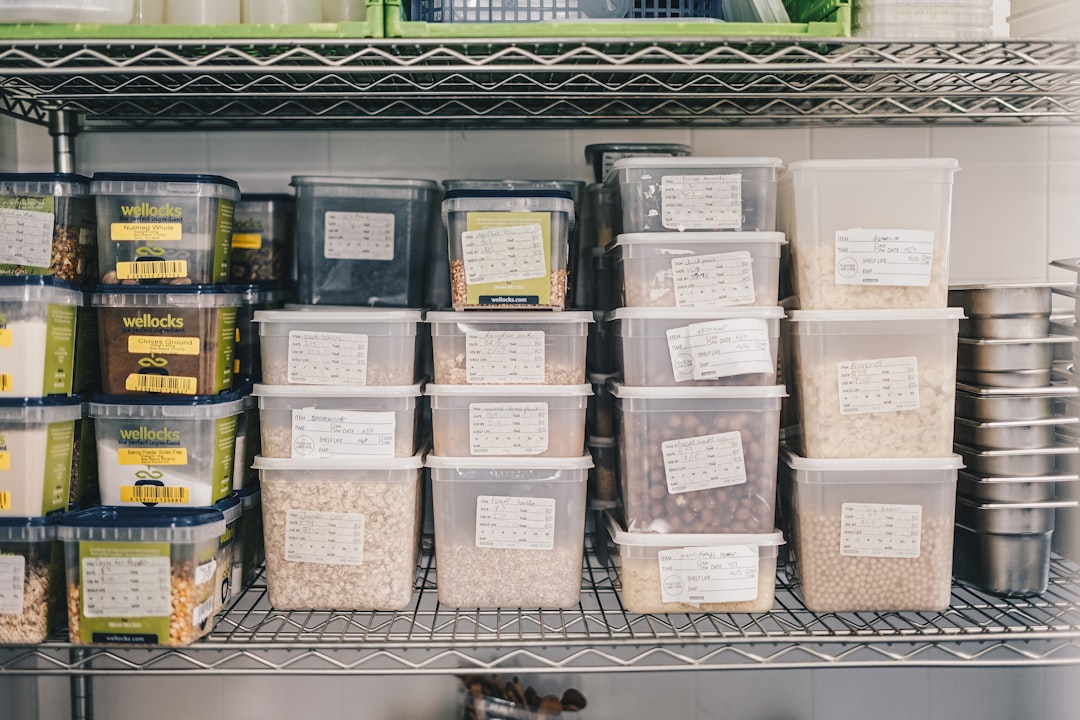
Store as many food items in your pantry as possible, if you have one in your kitchen. This lets you free up kitchen cabinets for other items. Even if you don’t have a traditional pantry, you can create one elsewhere in your home. A coat closet, basement shelving unit, or even a dedicated cabinet in another room can house bulk items.
Think strategically about what you actually need within arm’s reach while cooking versus what can be stored further away. Those twelve cans of tomatoes you bought on sale? They don’t all need to live in your kitchen cabinet. Keep one or two accessible and store the rest in your alternative pantry space.
Paper Products to Utility Storage
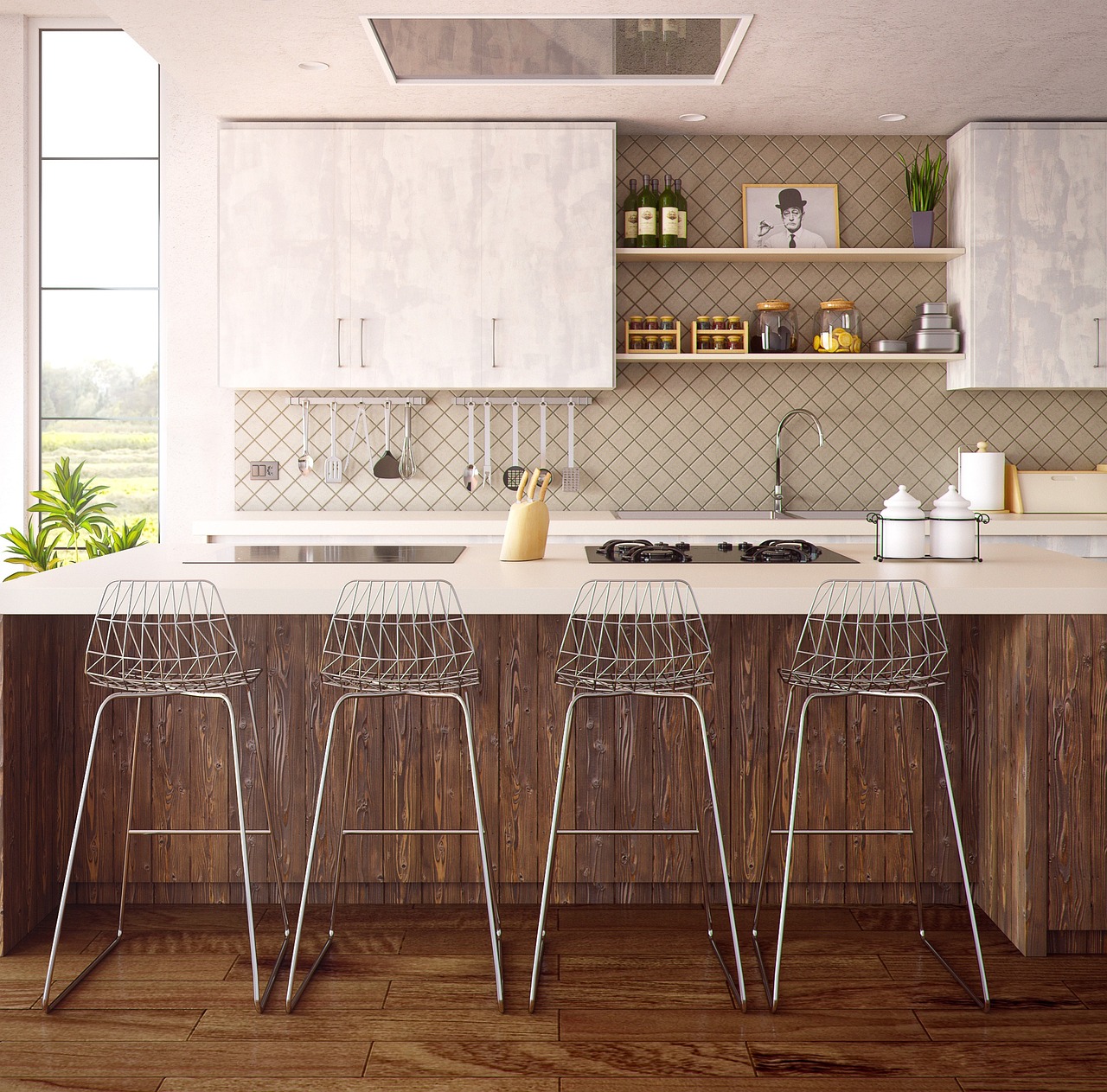
Paper towels, napkins, and disposable plates take up surprisingly much space in kitchen cabinets. There’s really no reason to keep paper towels on the counter when there are smart solutions like this adhesive holder. Choose the metal finish that matches your kitchen aesthetic and instantly free up counter space in the process. The same principle applies to cabinet storage.
Professional organizers suggest relocating bulk paper products to a utility closet, basement, or garage storage area. Keep just one roll of paper towels and a small stack of napkins in your kitchen for immediate use, and refill as needed from your designated paper product storage zone.
Entertaining Items to Living Areas
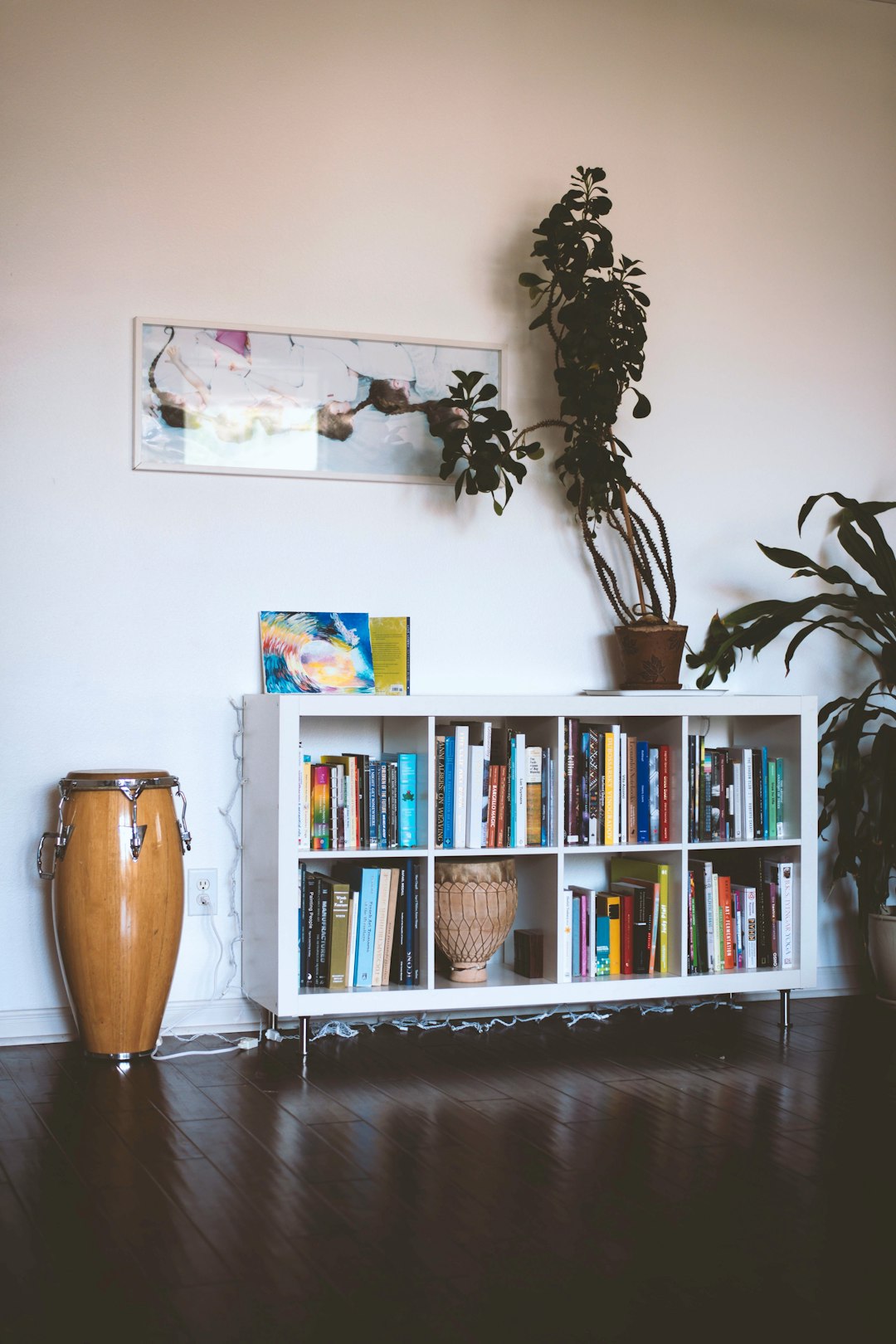
Move barware and entertaining pieces to the living room with custom cabinetry. This makes logical sense – you’re more likely to use cocktail glasses and serving platters in your living or dining areas where you actually entertain guests. Why store wine glasses in the kitchen when you pour wine in the living room?
Consider relocating items like cocktail shakers, wine openers, cheese boards, and serving trays to a bar cart or entertainment center in your main living space. This move frees up kitchen cabinet space for daily cooking essentials while making entertaining items more accessible where you’ll actually use them.
Duplicate Items to Donation Boxes
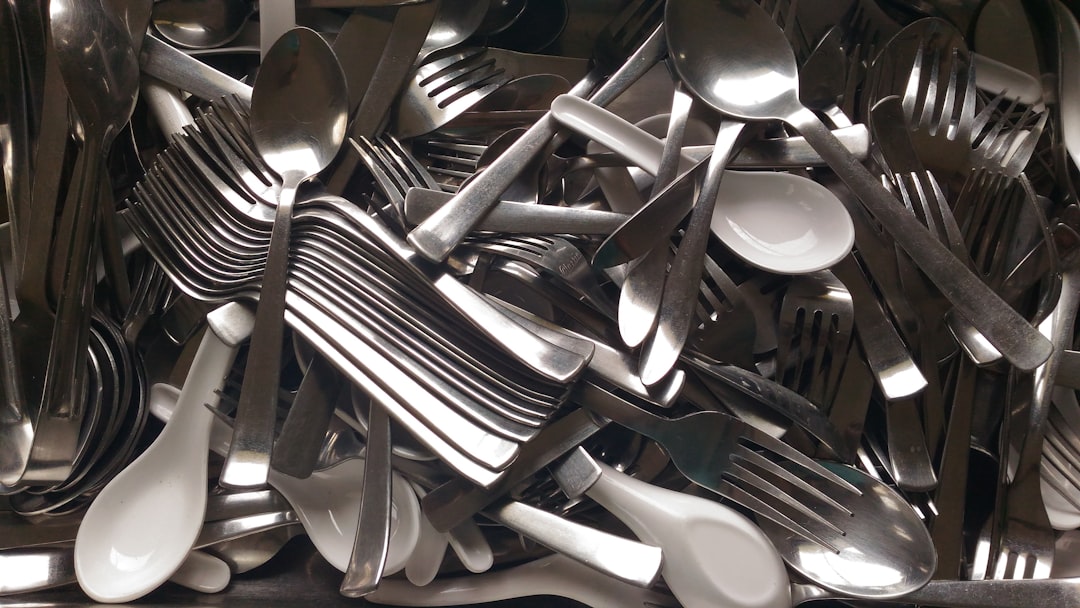
Here’s a hard truth: you probably don’t need five wooden spoons or three can openers. Take to the kitchen and go through your utensil drawer before parting ways with any duplicates. “Many people are surprised at just how many wooden spoons and spatulas they own,” Moulder says. To save room in your kitchen drawers, she advises keeping only those utensils that are the best quality and that you find yourself reaching for often.
Donate anything still functioning that you haven’t used in the last year, as well as duplicates of items (like all those water bottles and mugs!). Professional organizers recommend the “one in, one out” rule – for every new kitchen item you bring in, remove one you no longer need.
Specialized Tools to Occasional Use Storage
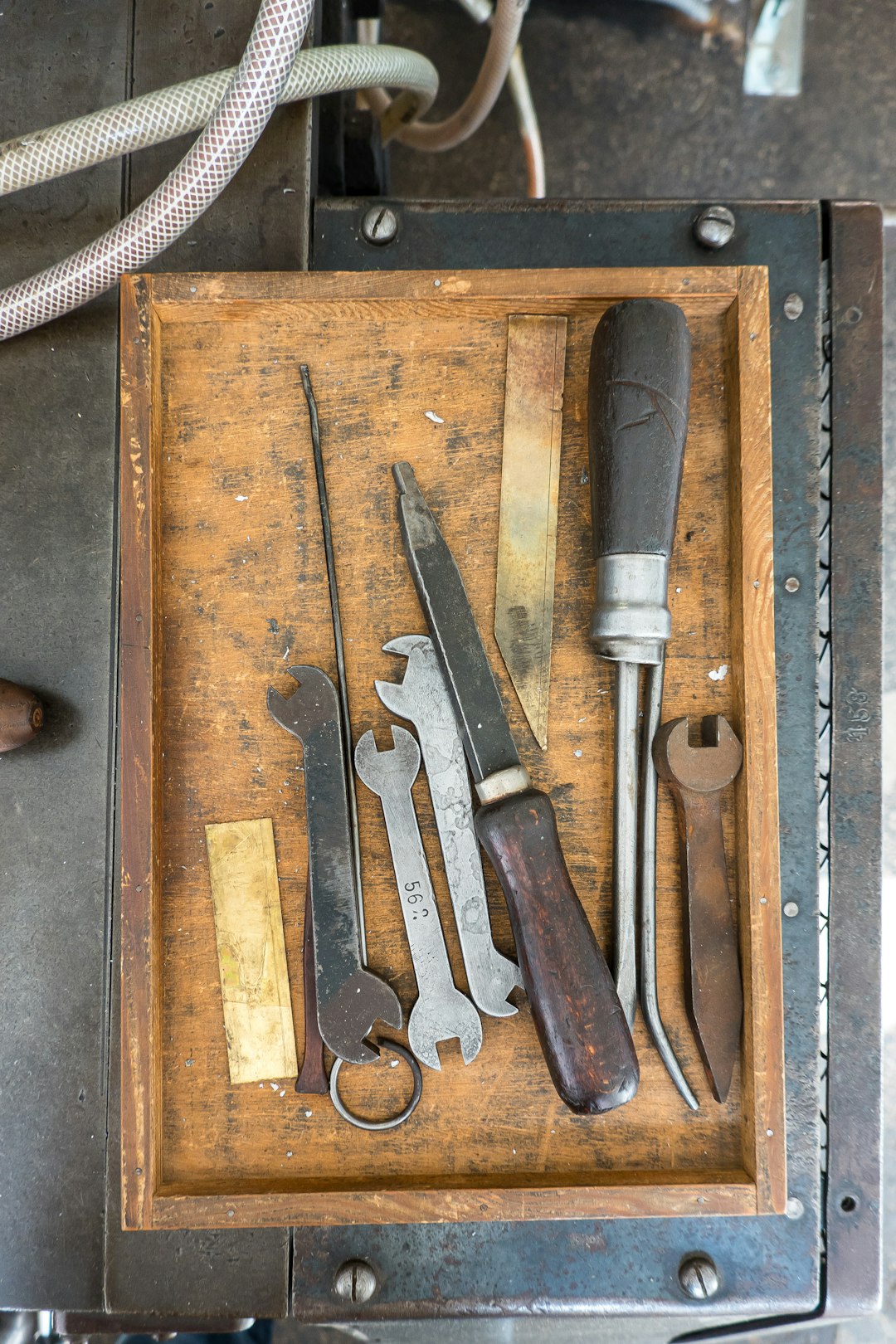
Easy access to certain things like bowls and mugs is important, while you may not need your gravy separator or your oyster knife quite as often! Make sure you put everyday items in easily accessible spots. Your dishes should be organized and easy to reach. What you don’t need can go into the hard-to-reach cabinets and the dark recesses of the pantry.
Professional organizers consistently recommend relocating specialized tools like avocado slicers, garlic presses, or melon ballers to less accessible storage areas. These single-purpose gadgets might seem essential when you buy them, but they often become cabinet clutter when you realize how rarely you actually use them.
Conclusion: Making Every Inch Count
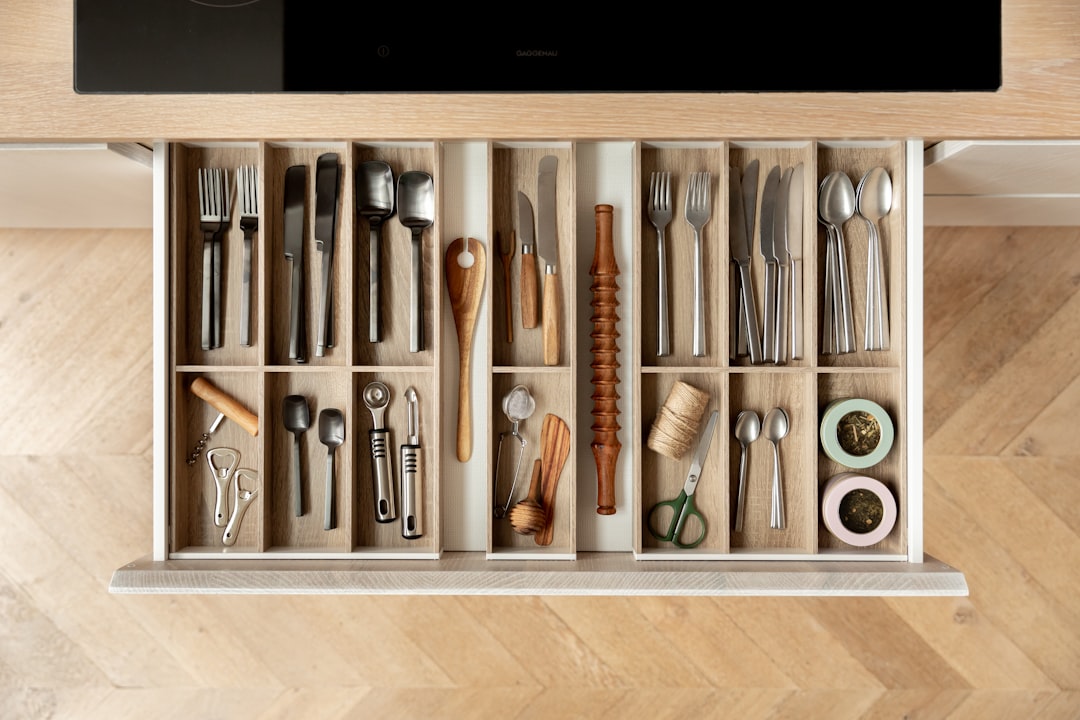
The secret to maximizing cabinet space isn’t buying more organizers – it’s being strategic about what deserves prime real estate in your kitchen. If you find yourself having to dig for or get a ladder to reach something you use regularly, you need to relocate it. Professional organizers agree that the most efficient kitchens store only what’s actively used for cooking and food preparation in the main kitchen area.
Studies show that kitchens with regular decluttering feel more spacious and less stressful. About 68% of people who declutter regularly reported improved cooking enjoyment. By relocating these ten categories of items, you’ll create a kitchen that actually works for your daily routine rather than against it. What would you relocate first?

Lena is a thoughtful and imaginative writer with a passion for storytelling across the themes of travel, environmental sustainability, and contemporary home aesthetics. With a background in cultural media and a strong visual sensibility, Anna Lena creates content that bridges inspiration with practical insight.
Her work explores the interplay between place, lifestyle, and design—guiding readers through meaningful travel experiences, eco-conscious choices, and modern approaches to living well. Known for her elegant writing style and attention to detail, she brings a fresh, human-centered perspective to every topic she covers.
Anna Lena contributes to digital publications and editorial projects where aesthetics meet purpose. Her writing not only informs but also encourages readers to live more intentionally, sustainably, and beautifully—wherever they are in the world.