


Henrieke Otte is an accomplished writer and content editor, specializing in topics that inspire thoughtful living—ranging from global travel and sustainable lifestyles to interior design and architecture. With a keen editorial sense and a background in cultural studies, Henrieke brings depth, elegance, and clarity to every piece she crafts.
Her work is known for its engaging voice, visual sensitivity, and ability to turn complex ideas into accessible, reader-friendly narratives. Whether exploring eco-conscious destinations, dissecting climate-conscious home trends, or curating serene living spaces, Henrieke writes with a balance of creativity and insight that resonates with design-savvy, environmentally aware audiences.
Driven by a love of meaningful storytelling and a refined aesthetic, Henrieke contributes regularly to digital platforms and magazines where quality content meets visual sophistication.
Ignoring Property Line Boundaries
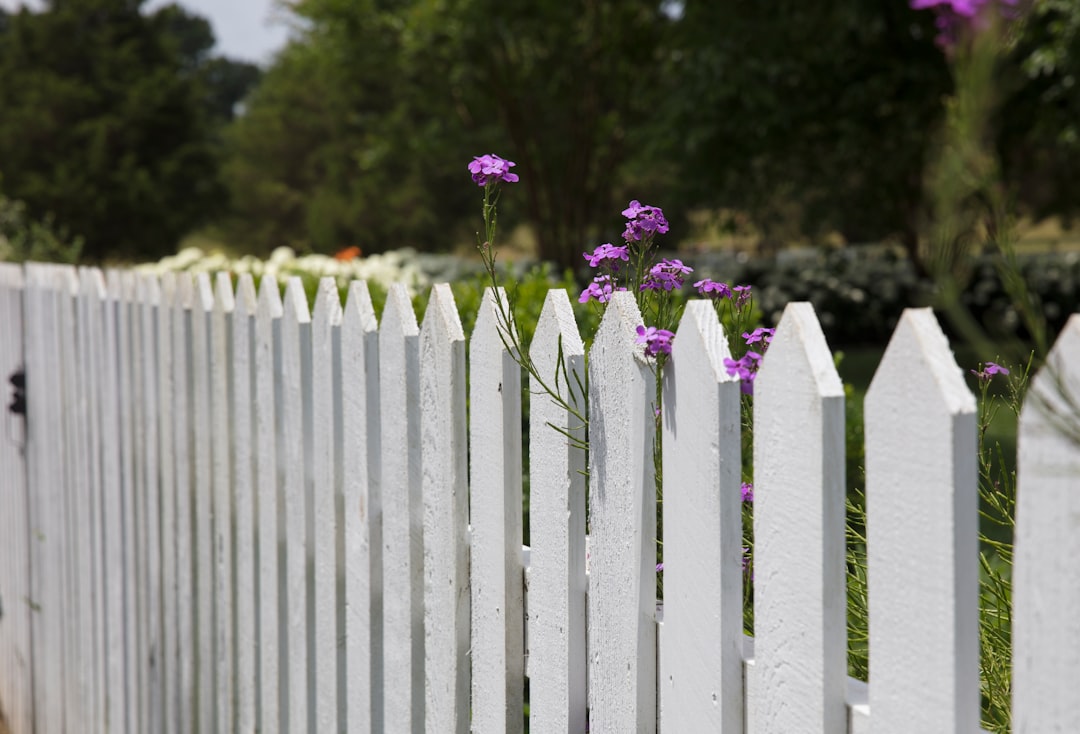
Homeowners often make the shocking mistake of building fences without verifying their exact property lines. According to a 2024 survey by the National Association of Realtors, nearly 30% of property disputes begin with unclear fence boundaries. This can lead to expensive legal battles or forced fence removal if the structure is found encroaching on a neighbor’s land. Modern property lines are typically established with official surveys, yet many people rely on outdated or assumed boundaries. Not only does this risk conflict, but it also violates local zoning laws in most U.S. cities. Recent court cases highlighted in the American Bar Association’s 2023 report show a rise in these disputes as property values climb. A professional survey is always recommended before building or replacing a fence.
Disregarding Fence Height Regulations

Many homeowners are surprised when they’re cited for fences that are too tall or too short. Local ordinances often restrict front yard fences to three or four feet and backyard fences to six feet, as confirmed by the International Code Council’s 2024 zoning guidelines. Even a few inches over the limit can trigger a violation and require costly adjustments. Municipalities set these rules for safety, aesthetic, and visibility reasons, especially at street corners and driveways. Recent news from Los Angeles in late 2023 revealed hundreds of citations issued after a city-wide audit of residential fences. It’s crucial to check the latest rules before installing or modifying a fence, as regulations may change from year to year.
Skipping Permits and Approvals
It’s surprisingly common for homeowners to skip obtaining the required permits before putting up a fence, thinking nobody will notice. However, according to the U.S. Census Bureau’s 2023 report, over 15,000 fines were issued nationwide for unpermitted fence construction. Many cities require official approval for any new or replacement fence, and failure to comply can result in forced removal or substantial fines. These regulations are usually in place to maintain neighborhood safety and uniformity. In recent years, several cities like Austin and Denver have ramped up enforcement with new online reporting tools. Homeowners should always check with their local permitting office before starting fence work, as requirements can vary dramatically.
Building With Prohibited Materials

Some cities and homeowners’ associations ban certain fence materials, yet many people unknowingly use them. For example, chain-link fences are prohibited in many historic neighborhoods, while untreated wood may be banned due to fire risk in wildfire-prone states like California, according to the California Department of Forestry and Fire Protection’s 2023 recommendations. Using the wrong materials can result in citations or demands to remove the fence altogether. There’s been a recent uptick in complaints about vinyl and plastic fencing in coastal areas due to environmental concerns, reported by the Environmental Protection Agency in 2024. Always review local codes and association bylaws before purchasing materials for your fence.
Neglecting Maintenance Requirements
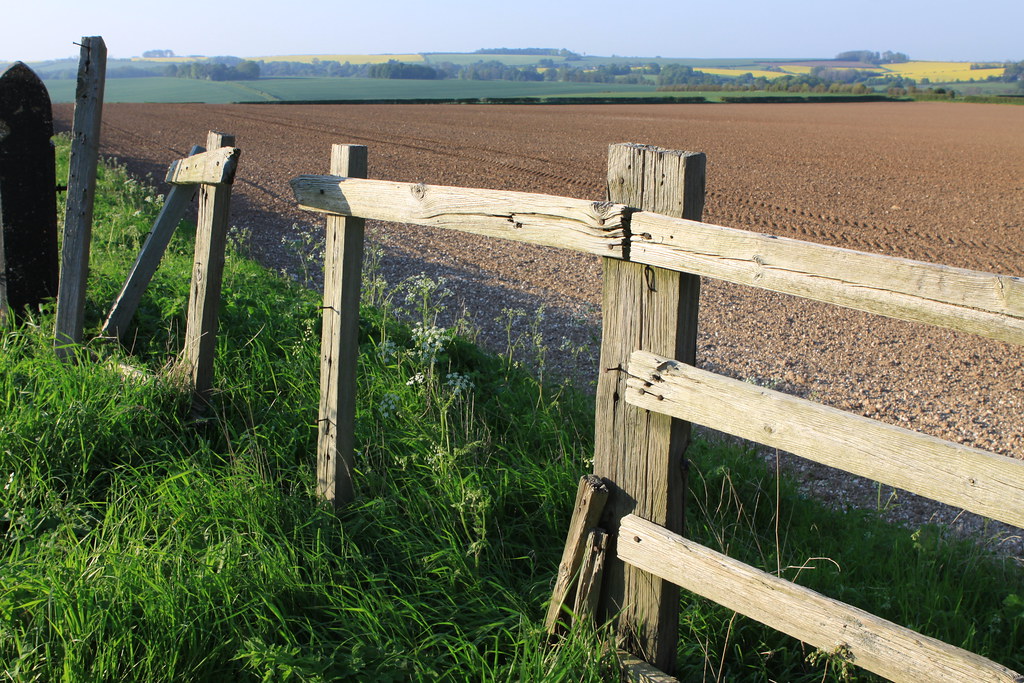
Fences aren’t a “set it and forget it” project—many local codes require homeowners to maintain their fences in good repair, free from rot, rust, or missing boards. According to a 2024 survey by HomeAdvisor, nearly 40% of municipal property code complaints involved poorly maintained fences. If a fence falls into disrepair, city inspectors can issue warnings or even fines if the issue isn’t fixed promptly. Overgrown vegetation, leaning posts, or broken panels are common violations that can draw unwanted attention. In some communities, neglecting fence maintenance can even impact property values or insurance rates. Regular inspections and prompt repairs are not just smart—they’re often legally required.
Blocking Easements or Utility Access

Homeowners sometimes build fences over utility easements or access points, not realizing it’s a violation. Utility companies have the legal right to access certain parts of residential lots for maintenance or emergencies, and blocking them can cause major headaches. The American Public Power Association reported in 2024 that 12% of all service delays were caused by fences built over easements. If a fence blocks access, utility companies can remove sections at the homeowner’s expense, and local governments may issue fines. It’s vital to check for marked easements on your property deed or survey before installing a fence. Ignorance doesn’t excuse the violation, and the consequences can be costly.
Overstepping Shared Fence Responsibilities
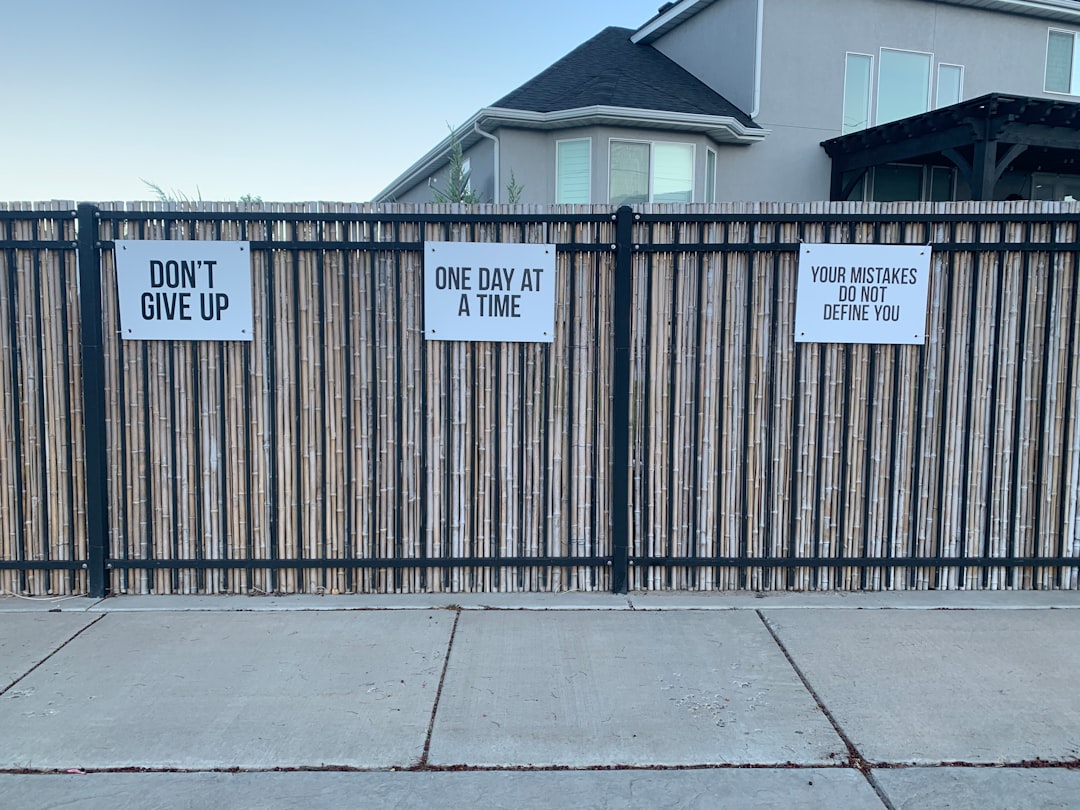
In many neighborhoods, fences on property lines are considered shared responsibilities between neighbors, but disputes often arise when one party makes changes without consulting the other. According to a 2023 report by the Community Associations Institute, disputes over shared fence maintenance and costs are among the top three reasons for neighbor conflicts. Some states, like California, have “Good Neighbor Fence Laws” that require written notice and cost-sharing agreements before building or repairing a shared fence. Failing to involve neighbors can result in legal challenges or strained relationships that linger for years. Open communication and written agreements are the safest way to avoid misunderstandings and ensure both parties are on board.
Choosing Colors That Violate Local Rules

A fresh coat of paint can make a fence stand out—for better or worse. Many cities and homeowners’ associations set strict guidelines on fence colors to preserve neighborhood aesthetics. In 2024, the National Association of Home Builders reported an increase in color-related complaints, particularly in newer developments with strict architectural codes. Some places limit fences to neutral colors like white, brown, or green, and prohibit bold choices like red or black. Painting a fence an unapproved color can lead to fines or orders to repaint, which can be costly and frustrating. Always check with local authorities or association guidelines before picking up that paintbrush.
Obstructing Visibility for Drivers and Pedestrians

Safety is a top concern for local governments, which is why there are strict rules about fence placement near driveways, sidewalks, and street corners. Fences that are too high or too close to the street can block sightlines, increasing the risk of accidents. The National Highway Traffic Safety Administration highlighted in 2023 that fencing obstructions contributed to over 1,200 minor traffic incidents nationwide. Many cities require fences to “step down” in height near intersections or driveways to maintain visibility for cars and pedestrians. Violating these rules can lead to citations and demands to lower or relocate the fence. It’s important to prioritize safety and double-check placement before building.
Failing to Get HOA or Neighborhood Approval

In communities with homeowners’ associations (HOAs), there are often additional rules about fence style, height, placement, and materials. Ignoring these can result in hefty fines or forced removal. The Community Associations Institute’s 2024 annual report states that fence-related violations are the most common reason for HOA enforcement actions, making up 27% of all complaints. Many HOAs require written approval before any fence work begins, and even minor deviations from approved plans can trigger violations. Homeowners should always submit detailed plans and get official sign-off before starting construction. This step can save time, money, and a lot of neighborhood drama.

Henrieke Otte is an accomplished writer and content editor, specializing in topics that inspire thoughtful living—ranging from global travel and sustainable lifestyles to interior design and architecture. With a keen editorial sense and a background in cultural studies, Henrieke brings depth, elegance, and clarity to every piece she crafts.
Her work is known for its engaging voice, visual sensitivity, and ability to turn complex ideas into accessible, reader-friendly narratives. Whether exploring eco-conscious destinations, dissecting climate-conscious home trends, or curating serene living spaces, Henrieke writes with a balance of creativity and insight that resonates with design-savvy, environmentally aware audiences.
Driven by a love of meaningful storytelling and a refined aesthetic, Henrieke contributes regularly to digital platforms and magazines where quality content meets visual sophistication.