

Lena is a thoughtful and imaginative writer with a passion for storytelling across the themes of travel, environmental sustainability, and contemporary home aesthetics. With a background in cultural media and a strong visual sensibility, Anna Lena creates content that bridges inspiration with practical insight.
Her work explores the interplay between place, lifestyle, and design—guiding readers through meaningful travel experiences, eco-conscious choices, and modern approaches to living well. Known for her elegant writing style and attention to detail, she brings a fresh, human-centered perspective to every topic she covers.
Anna Lena contributes to digital publications and editorial projects where aesthetics meet purpose. Her writing not only informs but also encourages readers to live more intentionally, sustainably, and beautifully—wherever they are in the world.
Embracing Sustainable Building Materials

Architects are increasingly turning to sustainable materials in response to climate change. Traditional materials like concrete and steel are being supplemented with bamboo, recycled plastics, and even hempcrete. These materials offer durability while reducing carbon footprints. Bamboo, for example, grows rapidly and absorbs more carbon dioxide compared to traditional trees. Recycled plastics, on the other hand, help in reducing waste, turning what would be landfill fodder into functional building components. Homeowners might find that opting for such materials not only supports environmental goals but also offers unique aesthetic and functional benefits. Additionally, the use of local materials can reduce transportation emissions, further aiding in climate adaptation efforts.
Energy Efficiency and Smart Homes

Homes are becoming smarter and more energy-efficient, a trend accelerated by climate concerns. Energy-efficient appliances, LED lighting, and advanced insulation are now standard in modern architecture. Smart thermostats and energy management systems allow homeowners to control their energy use more effectively. For instance, some systems learn a household’s schedule and adjust heating and cooling accordingly, significantly reducing energy waste. By minimizing energy consumption, these smart solutions not only contribute to lower utility bills but also reduce the overall environmental impact. The integration of renewable energy sources like solar panels has further enhanced the energy efficiency of homes, making them more resilient to future climate changes.
Green Roofs and Living Walls
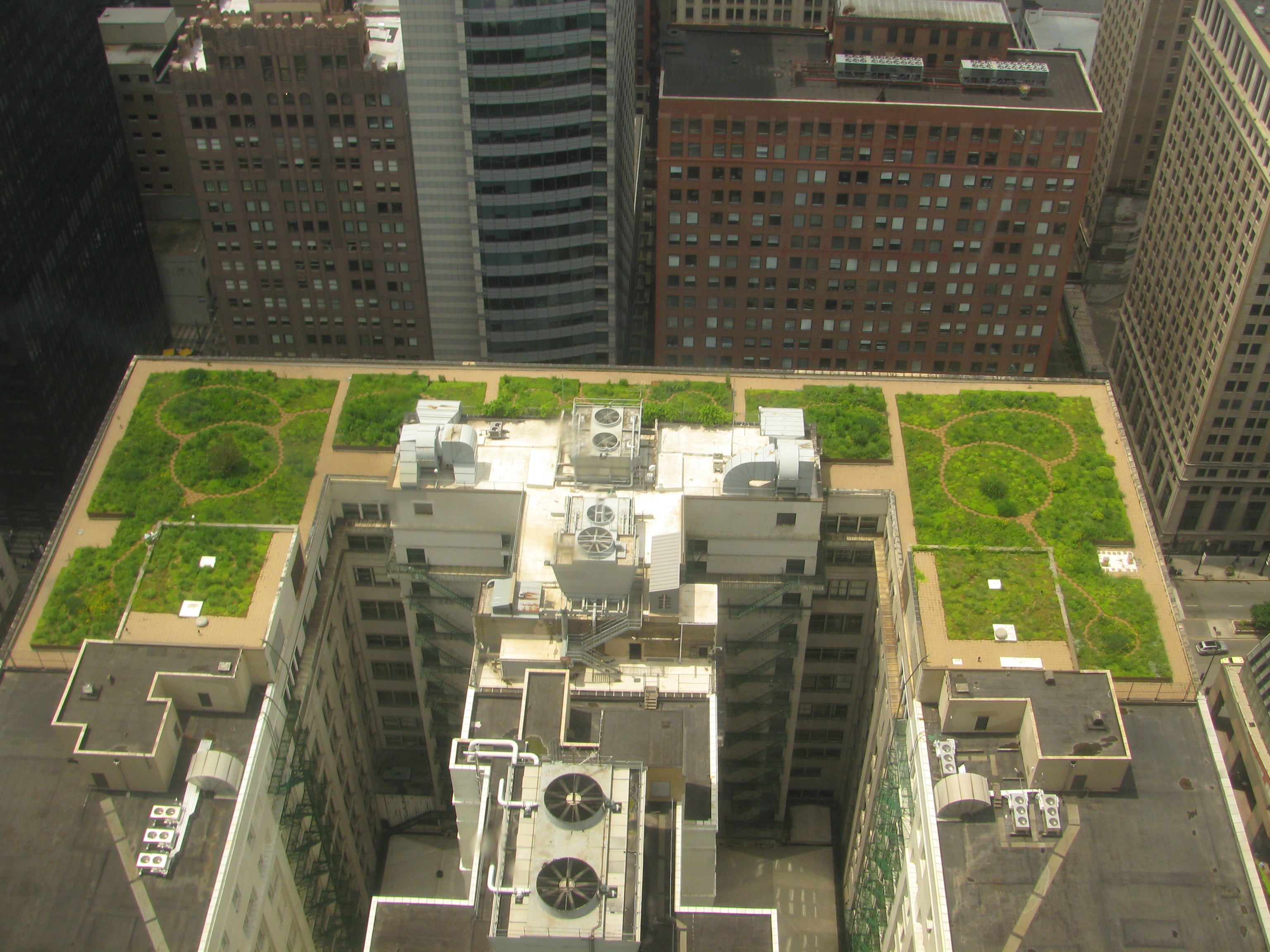
Green roofs and living walls are not just aesthetic additions; they play a crucial role in mitigating climate change effects. These features provide natural insulation, reducing the need for artificial heating and cooling. Moreover, they help in managing stormwater, reducing urban heat island effects, and promoting biodiversity in urban settings. For homeowners, green roofs can offer additional outdoor space and improve air quality around their homes. While initially more expensive, the long-term savings in energy and potential increase in property value can make them a worthwhile investment. In cities, these green infrastructures are becoming a common sight, showing a community-wide commitment to sustainability.
Resilient Design Against Natural Disasters
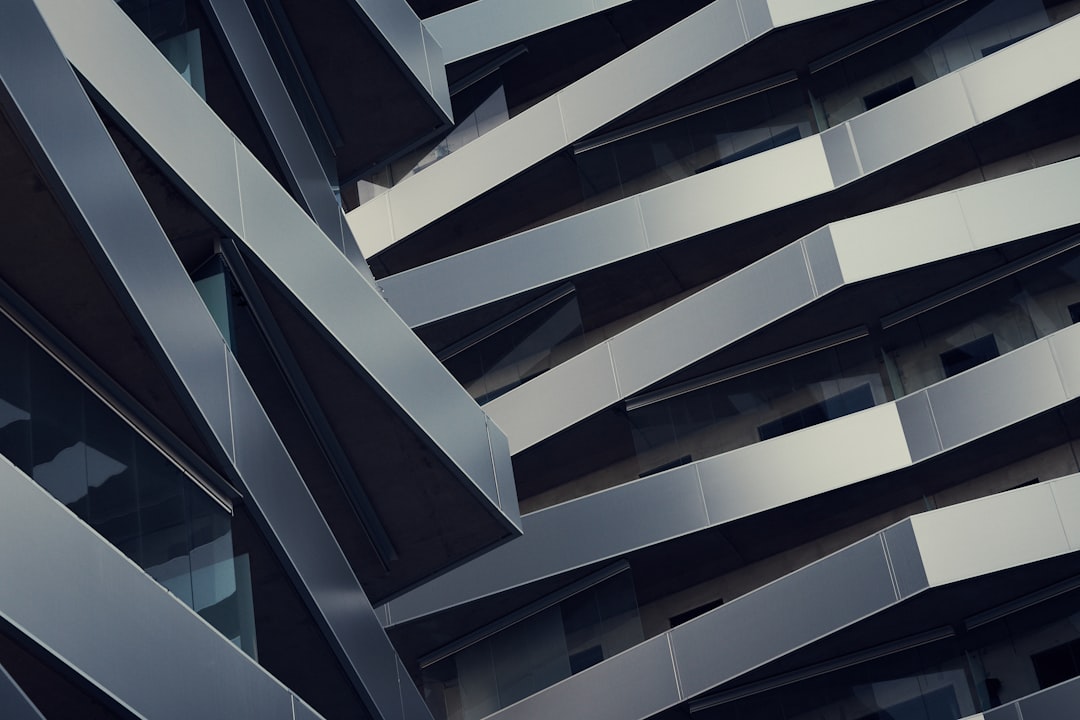
Climate change has led to an increase in natural disasters, prompting architects to prioritize resilient design. Buildings are now being designed to withstand hurricanes, floods, and wildfires. Features like elevated structures, reinforced windows, and fire-resistant materials are becoming more common. For homeowners, these designs provide peace of mind and potentially lower insurance premiums. It’s essential to consider local climate risks when building or renovating, ensuring that the home is prepared for potential challenges. The adoption of adaptable spaces that can quickly transform to suit emergency needs is also gaining traction.
Water Conservation Systems

Water scarcity is a pressing issue exacerbated by climate change, leading to innovative conservation systems in architecture. Rainwater harvesting and greywater recycling are becoming standard in new builds. These systems allow homeowners to reduce water wastage by reusing water for irrigation or toilet flushing. Smart irrigation systems that adjust based on weather forecasts and soil moisture levels are also gaining popularity. By conserving water, homeowners not only support environmental efforts but also reduce water bills. The integration of these systems in homes demonstrates a proactive approach to managing a precious resource in the face of changing climates.
Passive Solar Design
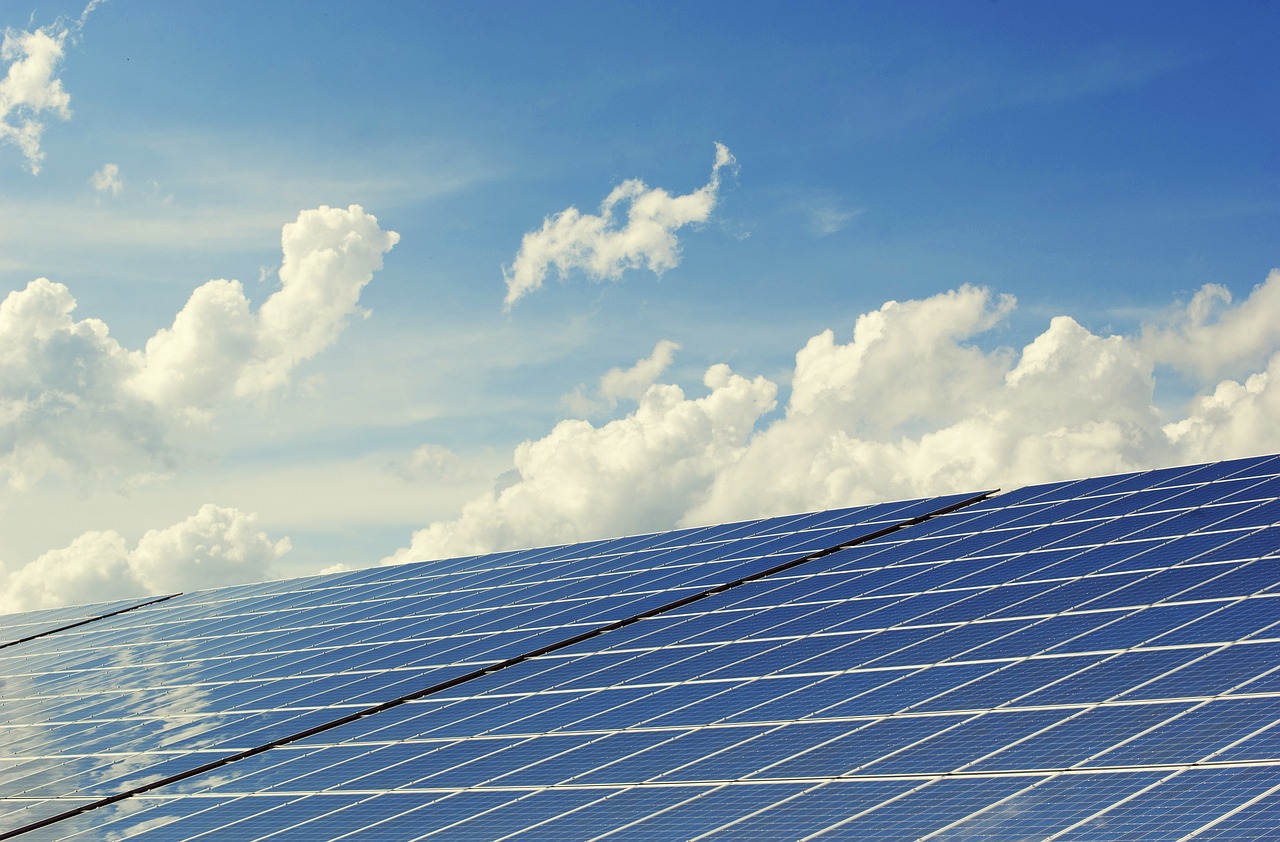
Passive solar design is an architectural approach that leverages the sun’s energy for heating and cooling purposes. By strategically placing windows, using thermal mass materials, and optimizing building orientation, homes can maintain comfortable temperatures with minimal energy use. This design reduces reliance on artificial heating and cooling, thus lowering energy costs. Homeowners can enjoy natural lighting and warmth, creating a more pleasant living environment. The principles of passive solar design are being integrated into both new constructions and renovations, offering a sustainable solution to climate-related energy challenges.
Adaptive Reuse of Buildings

Instead of demolishing old structures, adaptive reuse involves repurposing them for new functions, reducing the environmental impact associated with new construction. This approach conserves resources and energy that would otherwise be used in demolition and new build processes. Homeowners might find opportunities to transform warehouses into lofts or old schools into residential complexes, preserving historical elements while incorporating modern amenities. Adaptive reuse not only contributes to sustainability but also provides unique living spaces rich in character and history. The trend is gaining momentum as communities recognize the value of preserving and repurposing existing structures.
Urban Planning and Community Design

Urban planning is shifting towards creating sustainable communities that prioritize climate resilience. Mixed-use developments, green spaces, and efficient public transportation systems are central to this approach. These communities reduce reliance on cars, lower emissions, and promote healthier lifestyles. For homeowners, living in such areas can mean access to amenities within walking distance, fostering a sense of community and reducing daily transportation emissions. The integration of parks and green corridors into urban designs also helps in managing heat and supporting local ecosystems. As urban areas continue to grow, thoughtful planning ensures that they remain livable and sustainable.
Biophilic Design Principles
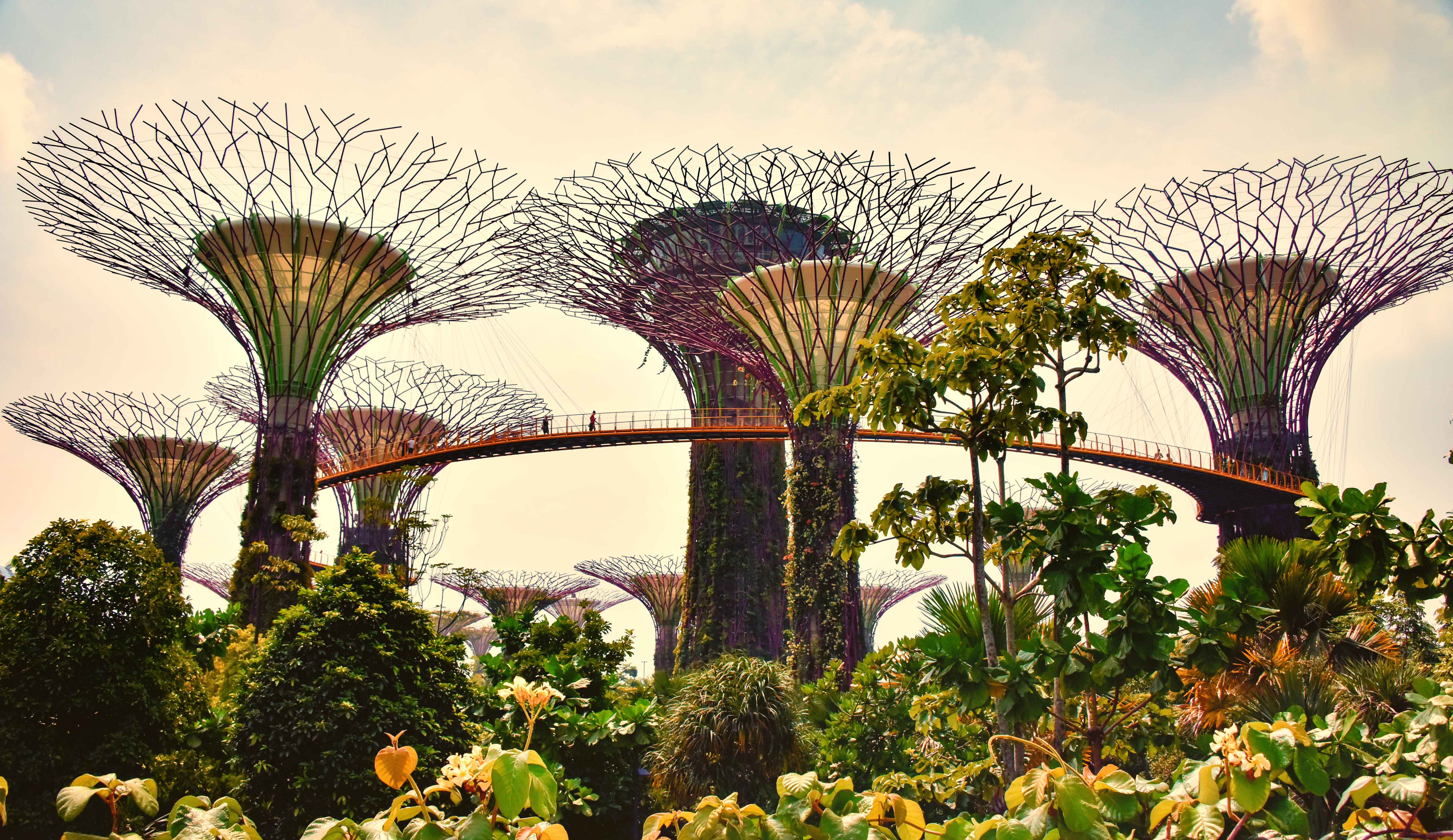
Biophilic design emphasizes the connection between humans and nature, integrating natural elements into architectural spaces. This approach can include the use of natural materials, incorporation of plants, and maximizing natural light. Homes designed with biophilic principles offer mental health benefits, reducing stress and enhancing well-being. For homeowners, these designs create more inviting and relaxing living environments. As the effects of climate change become more apparent, the desire to reconnect with nature has grown, making biophilic design a popular choice. It’s a reminder of the intrinsic link between architecture and the natural world, fostering a harmonious coexistence.
Innovative Cooling Techniques

With rising global temperatures, innovative cooling techniques are becoming essential in architectural design. Techniques like cross-ventilation, roof ponds, and solar chimneys are being employed to maintain comfortable indoor temperatures without excessive energy use. Homeowners can benefit from these energy-efficient cooling solutions, reducing their dependency on air conditioning systems. By harnessing natural airflow and temperature gradients, these designs offer sustainable ways to combat heat. As climate patterns continue to change, such techniques are crucial in ensuring comfort while minimizing environmental impact. The focus is on creating homes that are both energy-efficient and resilient to future climate challenges.

Lena is a thoughtful and imaginative writer with a passion for storytelling across the themes of travel, environmental sustainability, and contemporary home aesthetics. With a background in cultural media and a strong visual sensibility, Anna Lena creates content that bridges inspiration with practical insight.
Her work explores the interplay between place, lifestyle, and design—guiding readers through meaningful travel experiences, eco-conscious choices, and modern approaches to living well. Known for her elegant writing style and attention to detail, she brings a fresh, human-centered perspective to every topic she covers.
Anna Lena contributes to digital publications and editorial projects where aesthetics meet purpose. Her writing not only informs but also encourages readers to live more intentionally, sustainably, and beautifully—wherever they are in the world.