


Lena is a thoughtful and imaginative writer with a passion for storytelling across the themes of travel, environmental sustainability, and contemporary home aesthetics. With a background in cultural media and a strong visual sensibility, Anna Lena creates content that bridges inspiration with practical insight.
Her work explores the interplay between place, lifestyle, and design—guiding readers through meaningful travel experiences, eco-conscious choices, and modern approaches to living well. Known for her elegant writing style and attention to detail, she brings a fresh, human-centered perspective to every topic she covers.
Anna Lena contributes to digital publications and editorial projects where aesthetics meet purpose. Her writing not only informs but also encourages readers to live more intentionally, sustainably, and beautifully—wherever they are in the world.
Lawn Mowers Before Sunrise

Many neighborhoods have strict rules about when you can use noisy lawn equipment, and it might shock you how early you can get a ticket. In cities like Los Angeles, the municipal code bans gas-powered lawn mowers before 7 a.m. on weekdays and 8 a.m. on weekends. In 2024, complaints about early-morning mowing jumped by nearly 18% in several urban areas, according to city complaint logs. The reasoning is simple: excessive noise in the early hours disturbs sleep, which, according to the CDC, is linked to health problems like high blood pressure and stress. A lot of homeowners don’t realize that even using electric mowers too early can get them fined. These violations are often enforced after a single complaint, even if you were just trying to beat the heat. Some cities now even use sound meters to document violations, making it easier for authorities to issue citations.
Car Alarms That Won’t Stop

Car alarms are supposed to protect, but they’re notorious for causing neighborhood headaches. New York City’s Department of Environmental Protection recorded over 11,000 noise complaints about car alarms in 2023 alone. Many residents are surprised to learn that even if your alarm malfunctions and keeps blaring, you can be fined—regardless of intent. The city’s code allows police to tow a car if the alarm sounds for more than three minutes. This law was strengthened after a survey in 2023 found that 62% of residents felt their sleep was regularly disrupted by false alarms. Even newer cars with sensitive alarm systems can trigger violations if a passing truck shakes the street. The reality is, you’re responsible for your car’s noise, even if you aren’t nearby.
Loud Conversations on Balconies
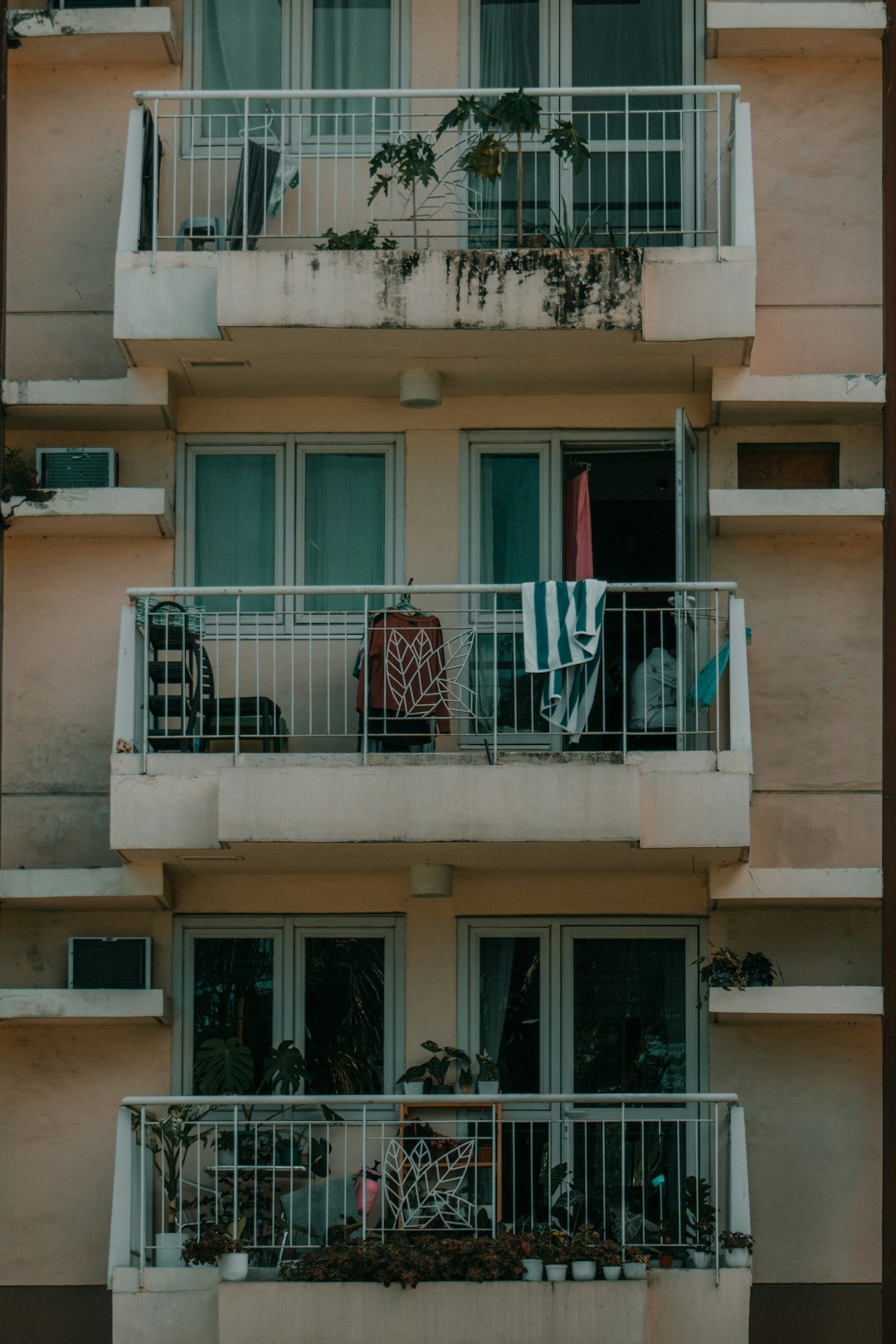
Balcony gatherings are a summer tradition, but your late-night chats might land you in trouble. A 2024 study from Chicago’s Office of Emergency Management revealed that complaints about loud talking and laughter from balconies rose 21% over the past year. Many cities, including Miami and Seattle, have ordinances that specifically mention loud voices as a citable noise violation after 10 p.m. This isn’t just about parties—just a few friends talking can be enough if a neighbor complains. Even if you’re not playing music, your voice can carry far, especially in densely populated apartment buildings. Noise meters used by authorities have shown that group conversations can exceed local decibel limits, making these violations surprisingly common. The risk is higher in buildings with concrete facades, which amplify sound.
Slamming Car Doors
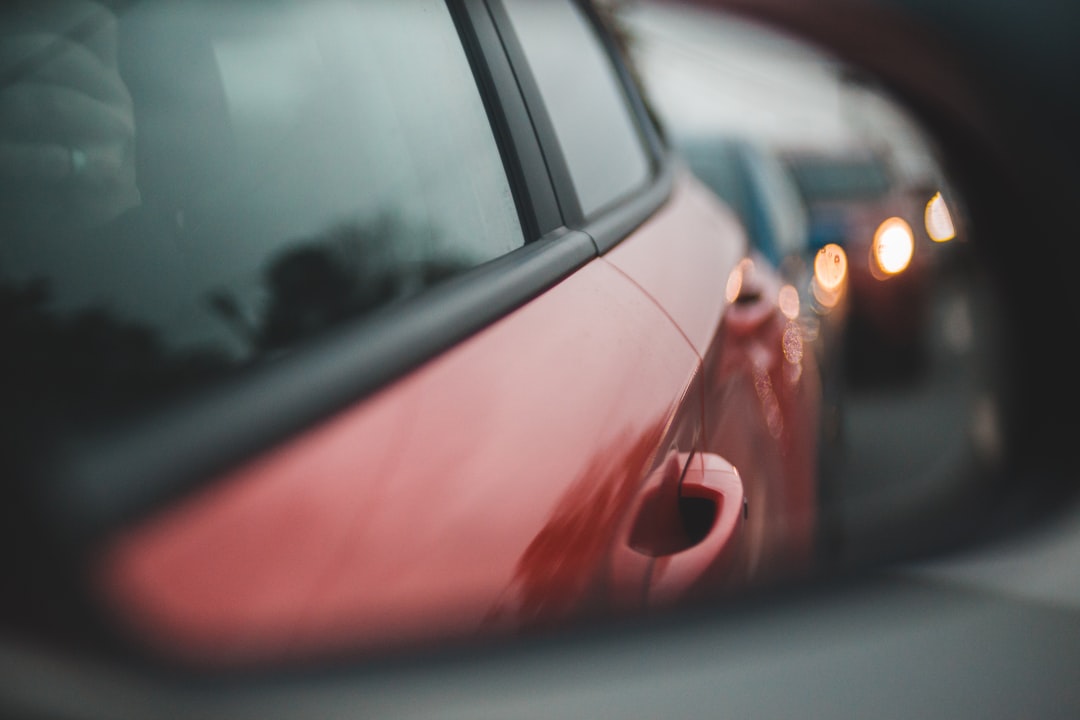
It might seem harmless, but repeatedly slamming your car door can lead to a ticket. Houston’s 2023 city data revealed a 14% increase in noise complaints about car door slamming, especially late at night. Local ordinances often set maximum decibel levels for all street noise, and a single slammed door can hit 90 decibels—louder than city limits. Law enforcement officials in several U.S. cities have stated that they’ll respond to repeated complaints, especially if it happens near apartment complexes or hospitals. Some neighborhoods have even installed signs warning of fines for unnecessary noise. This violation is so easy to commit because most people don’t think twice about how loud a simple action can be in the quiet of night. In fact, one survey found that over 40% of residents living near busy streets had filed at least one noise complaint about car doors in the past year.
Music From Headphones Bleeding Out
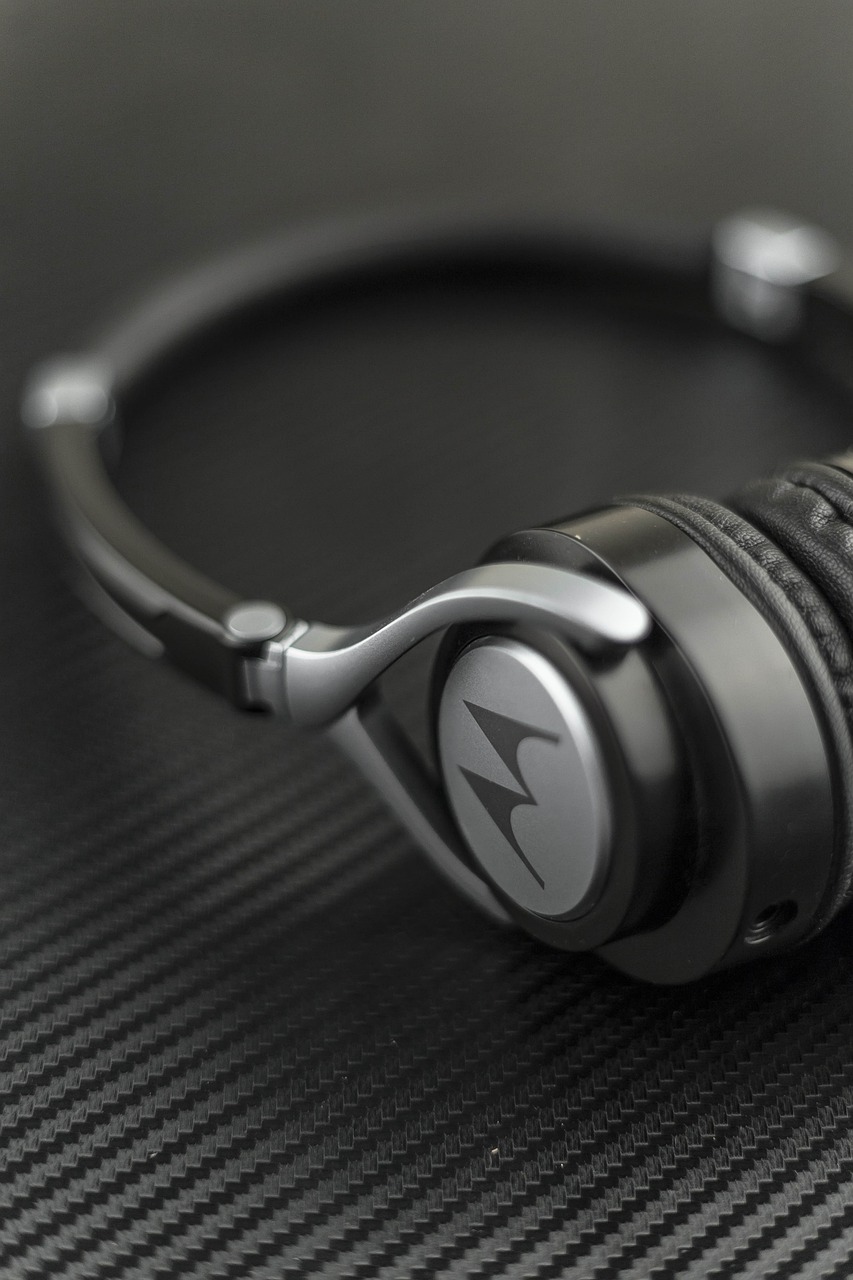
Many commuters and joggers love blasting their favorite tunes, but even headphones can cause a noise violation. In Boston, police received over 1,000 complaints in 2024 about loud music coming from headphones on public transit. When the volume is high, sound leaks out and can be heard several feet away, especially with bass-heavy songs. City rules state that any sound audible more than 10 feet from a person in public can result in a citation. Riders often don’t realize how much noise escapes, particularly in quiet subway cars or buses. Recent research by the University of Toronto showed that headphone “bleed” can reach up to 75 decibels, well above the 65-decibel limit in some cities. This is especially problematic late at night when public spaces are quieter, making the violation even easier to commit by accident.
Puppy Barking During the Day

Dog owners are often surprised to learn that daytime barking can still be a violation. In Denver, animal control received more than 5,800 noise complaints about barking dogs in 2024, up 12% from the previous year. The law states that persistent barking for more than 10 minutes can trigger a fine—even if it’s during daylight hours. Many believe noise restrictions only apply at night, but city codes are clear that disturbing the peace applies 24/7. With more people working from home, tolerance for barking has dropped, and neighbors are quicker to call authorities. Animal behaviorists say puppies bark when left alone, and owners may not realize it if they’re out running errands. Smart doorbells and home monitors have made it easier for neighbors to record and report evidence, making enforcement much simpler.
Appliance Noise in Apartments
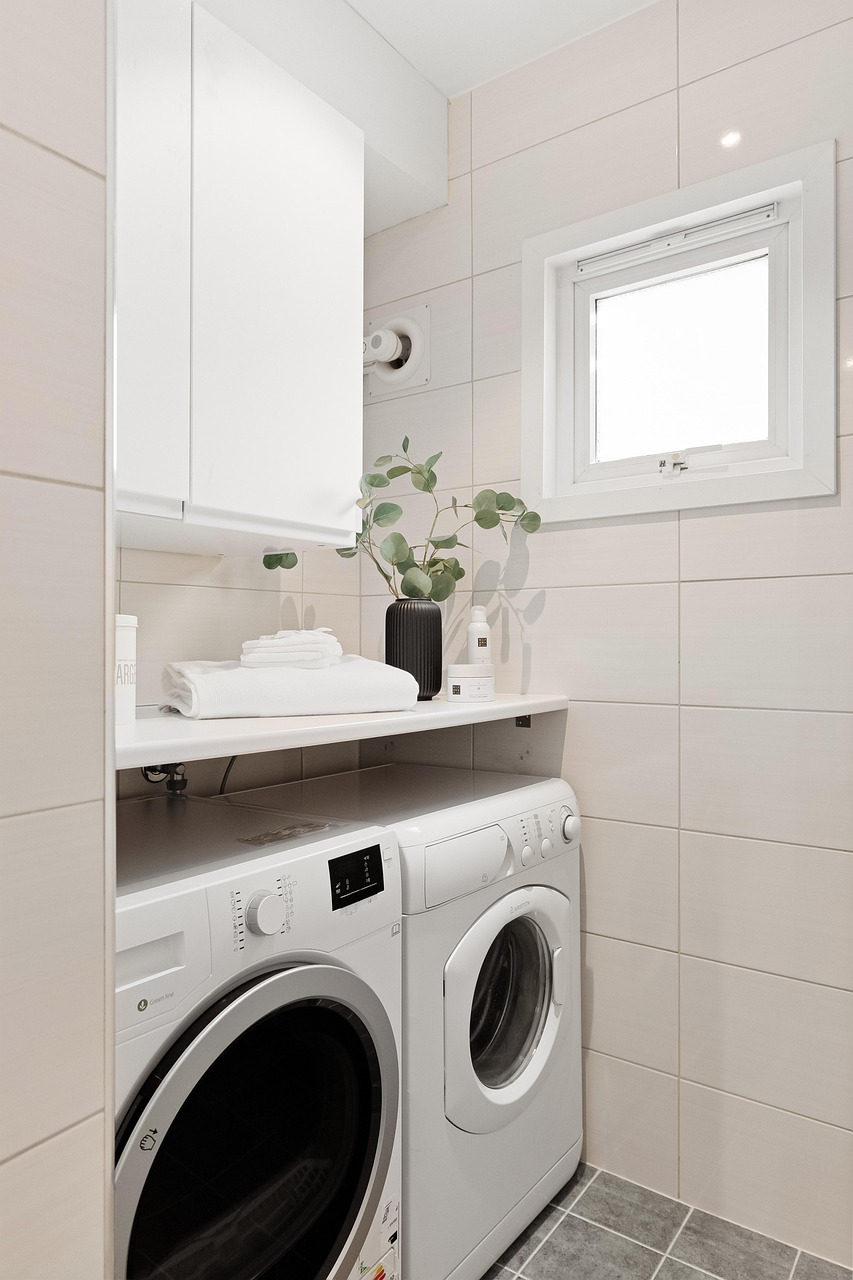
Running your washing machine or vacuum a bit too late? That could get you fined. In San Francisco, the Department of Building Inspection reported a 15% increase in noise complaints about appliances in 2023. Many apartment leases now include specific quiet hours for noisy chores, often from 10 p.m. to 7 a.m. City ordinances back this up, and a single neighbor complaint can result in a warning or fine. Front-loading washers and old vacuums can easily exceed 60 decibels, which is the maximum allowed in many residential complexes. Even if you’re just trying to finish laundry before work, ignoring these rules can land you in hot water. Noise meters are sometimes used in investigations, and tenants have lost deposits over repeated violations.
Garage Bands and Amateur Musicians
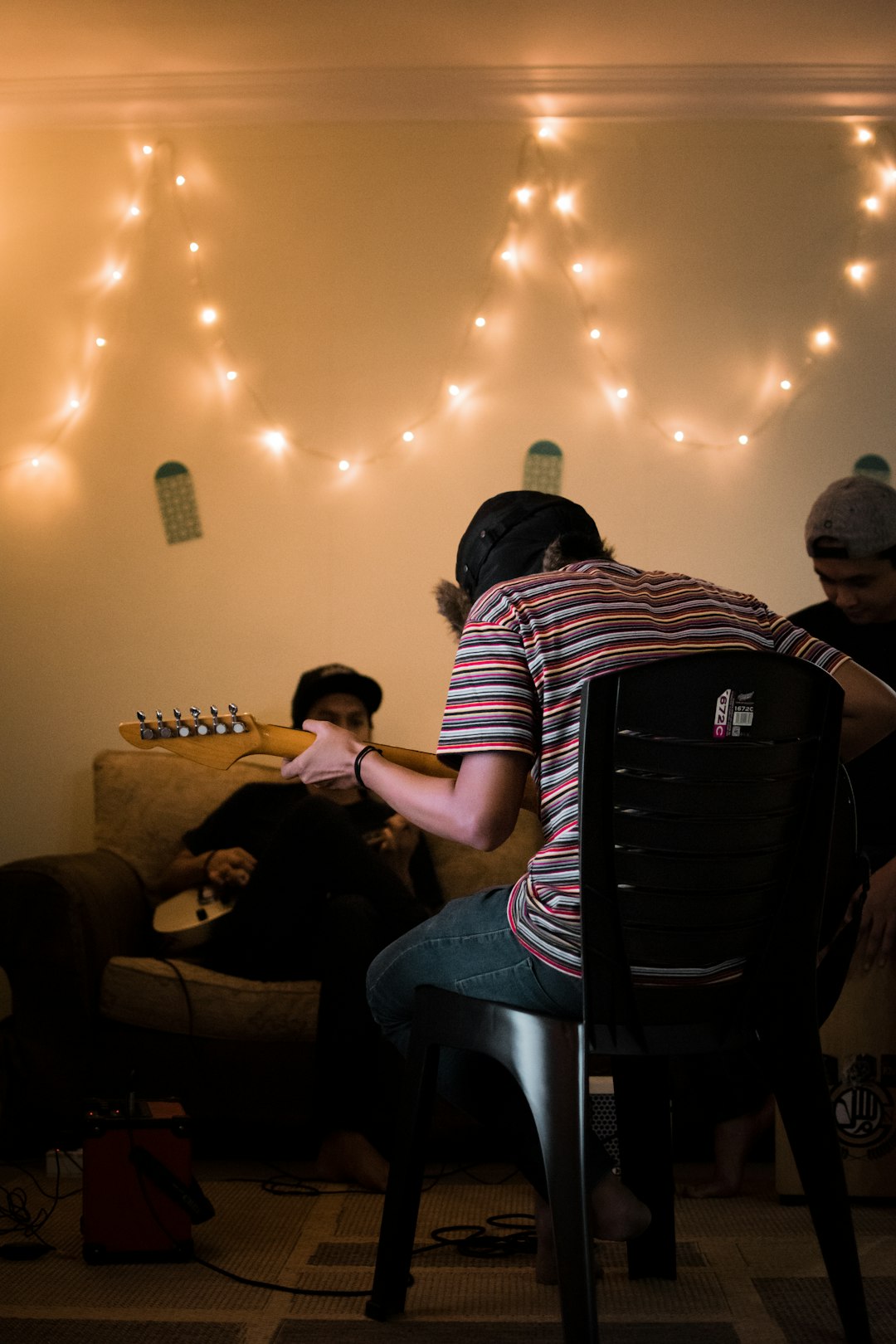
The classic garage band is a staple of suburban life, but it can also be a source of unexpected fines. In Austin, city officials reported a 25% spike in noise violations related to home music practice in 2024. Local ordinances limit musical noise to 50-60 decibels during designated hours, and even acoustic guitars can exceed this in small spaces. Authorities often rely on neighbor complaints, which have become easier to file thanks to online reporting tools. Many musicians don’t notice how much sound escapes through open windows or thin walls. Enforcement has become stricter, especially after a 2023 survey found that 73% of neighbors felt music practice was disruptive. Even short jam sessions can break the rules if they’re loud enough.
Celebratory Fireworks and Sparklers
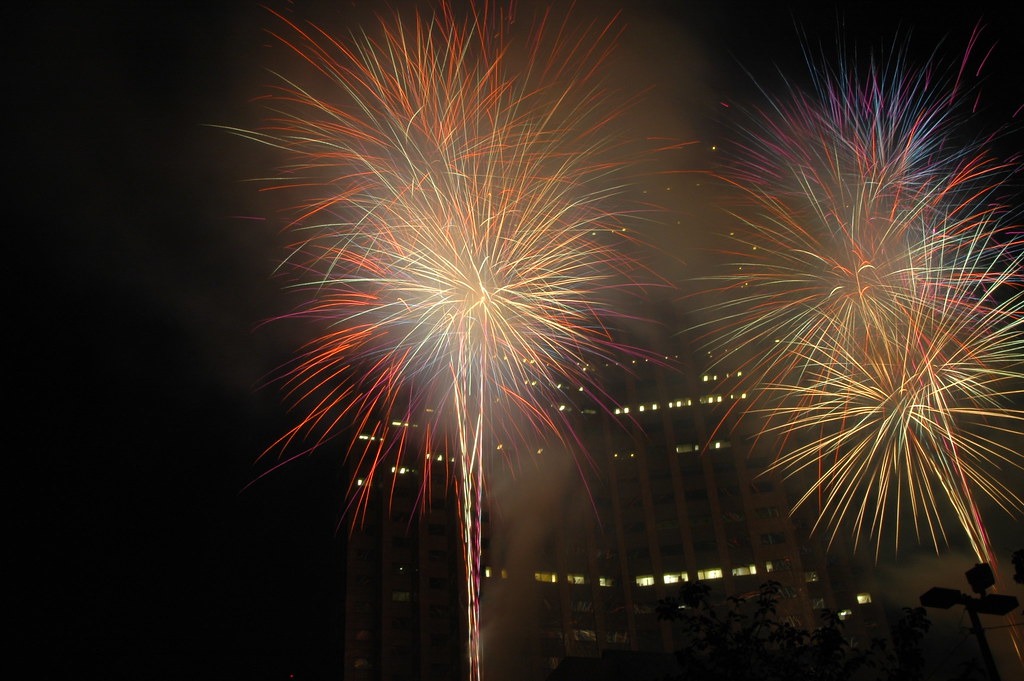
People love to celebrate with fireworks, but the law is rarely on their side. In Philadelphia, police issued over 2,400 citations for illegal fireworks use in 2023, with noise levels often exceeding 120 decibels—well above legal limits. Even small sparklers or poppers can result in fines if they’re used outside permitted times, usually around national holidays. Many cities have tightened enforcement due to a rise in complaints, with some neighborhoods deploying noise sensors to pinpoint violations. The CDC warns that these loud explosions can harm hearing and disturb veterans or pets, making the issue even more sensitive. Residents often think small gatherings are exempt, but police have stressed that all fireworks—big or small—are covered under noise ordinances. Even a few celebratory pops can put you on the wrong side of the law.

Lena is a thoughtful and imaginative writer with a passion for storytelling across the themes of travel, environmental sustainability, and contemporary home aesthetics. With a background in cultural media and a strong visual sensibility, Anna Lena creates content that bridges inspiration with practical insight.
Her work explores the interplay between place, lifestyle, and design—guiding readers through meaningful travel experiences, eco-conscious choices, and modern approaches to living well. Known for her elegant writing style and attention to detail, she brings a fresh, human-centered perspective to every topic she covers.
Anna Lena contributes to digital publications and editorial projects where aesthetics meet purpose. Her writing not only informs but also encourages readers to live more intentionally, sustainably, and beautifully—wherever they are in the world.