

Lena is a thoughtful and imaginative writer with a passion for storytelling across the themes of travel, environmental sustainability, and contemporary home aesthetics. With a background in cultural media and a strong visual sensibility, Anna Lena creates content that bridges inspiration with practical insight.
Her work explores the interplay between place, lifestyle, and design—guiding readers through meaningful travel experiences, eco-conscious choices, and modern approaches to living well. Known for her elegant writing style and attention to detail, she brings a fresh, human-centered perspective to every topic she covers.
Anna Lena contributes to digital publications and editorial projects where aesthetics meet purpose. Her writing not only informs but also encourages readers to live more intentionally, sustainably, and beautifully—wherever they are in the world.
Closed-Off Kitchens Lose Their Appeal
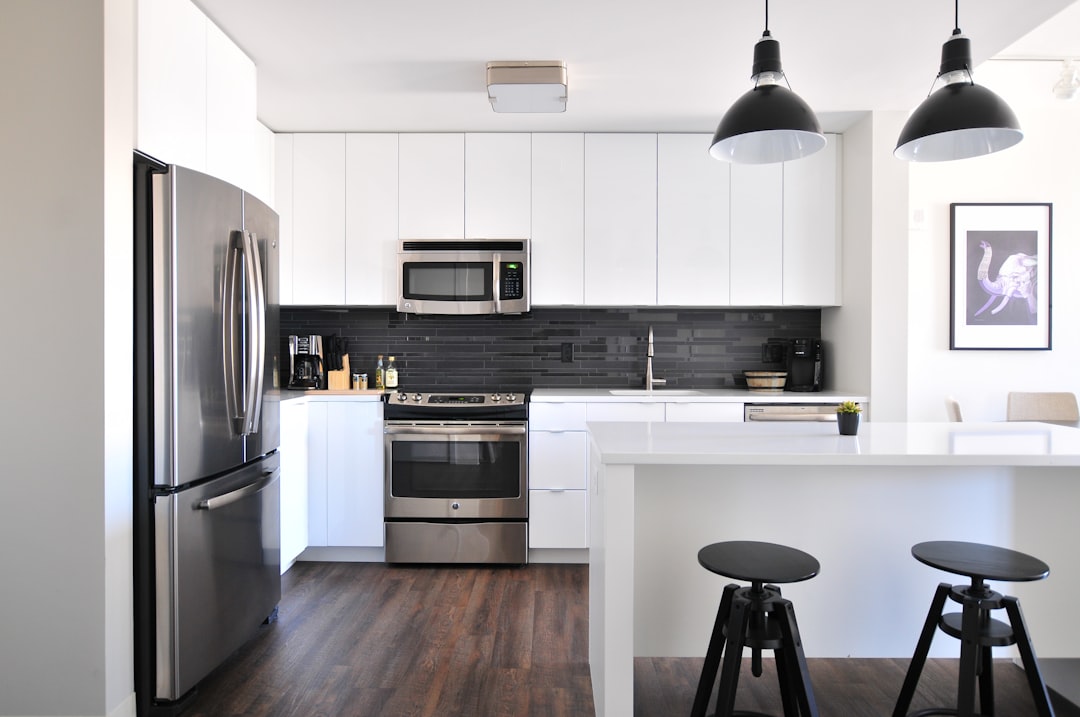
Designers and real estate analysts have noticed a dramatic decline in demand for closed-off kitchens since the pandemic. According to a 2024 HomeAdvisor survey, 73% of homeowners now prefer open-concept kitchens that connect to living or dining spaces. Experts say closed-off kitchens make homes feel smaller and cut off social interaction, which clashes with today’s lifestyle trends. Families want to cook, entertain, and keep an eye on kids all at once, something walled kitchens simply don’t allow. This shift is so strong that some new builds have eliminated kitchen walls entirely, favoring islands and breakfast bars for a more communal feel. Realtors also report that closed kitchens sell for an average of 8% less than open-concept homes in 2023-2024 data. The message is clear: closed-off kitchens are fading fast.
Formal Dining Rooms Become Obsolete
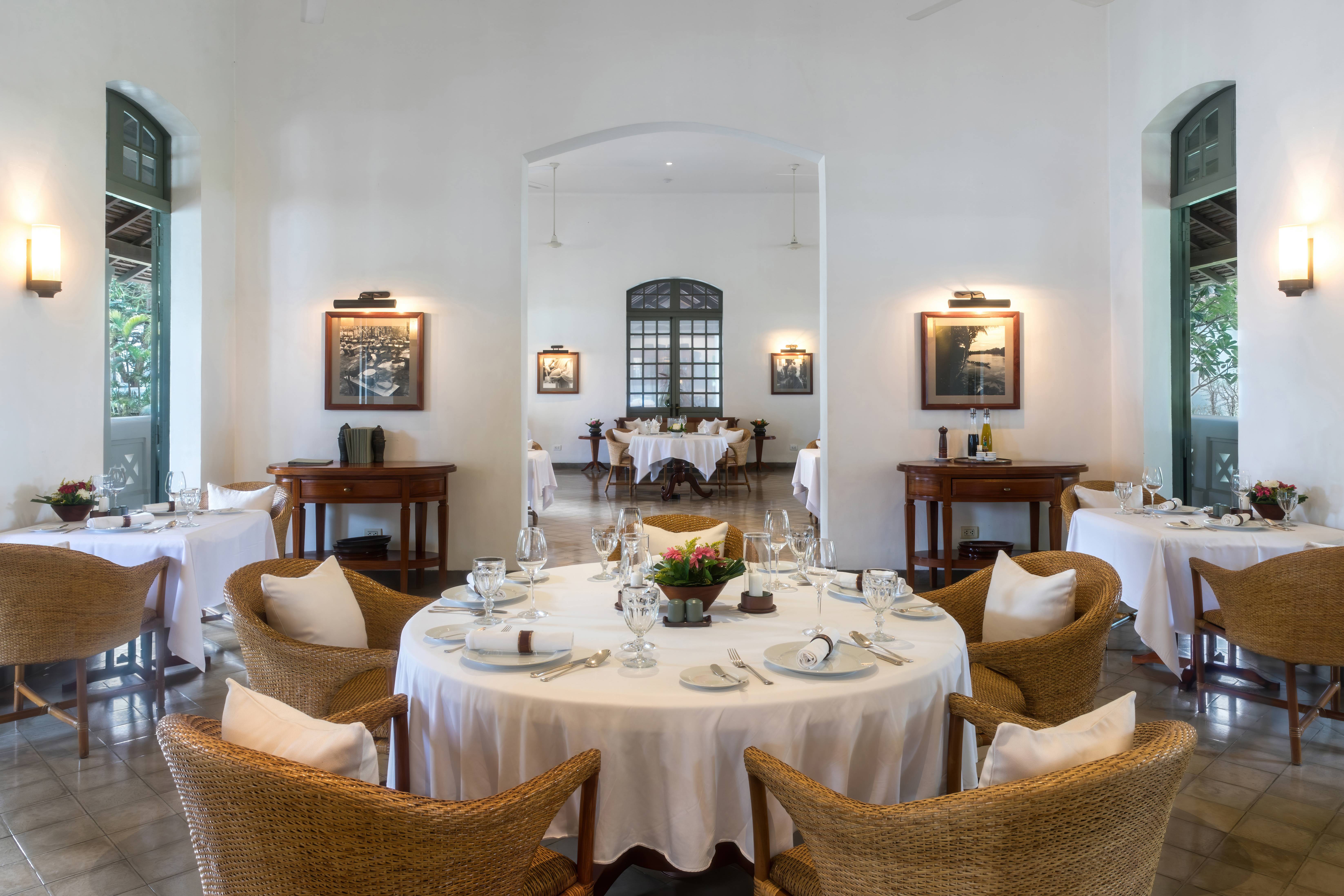
Formal dining rooms, once a symbol of prestige, are increasingly seen as wasted space. According to the National Association of Home Builders (NAHB) 2024 report, only 27% of new homebuyers consider a separate dining room essential. With the rise of casual dining, multipurpose spaces, and kitchen islands, these rooms often gather dust or become makeshift offices. Experts believe the trend is fueled by shrinking family sizes and changing eating habits, with more people favoring quick meals over formal sit-down dinners. Many floorplans now combine dining and living areas or integrate dining into the kitchen itself. Homes that cling to traditional dining rooms are struggling to attract younger buyers, who see them as outdated and impractical. It’s no wonder builders are rethinking their inclusion for 2025 models.
Single-Use Living Rooms Fall Out of Favor
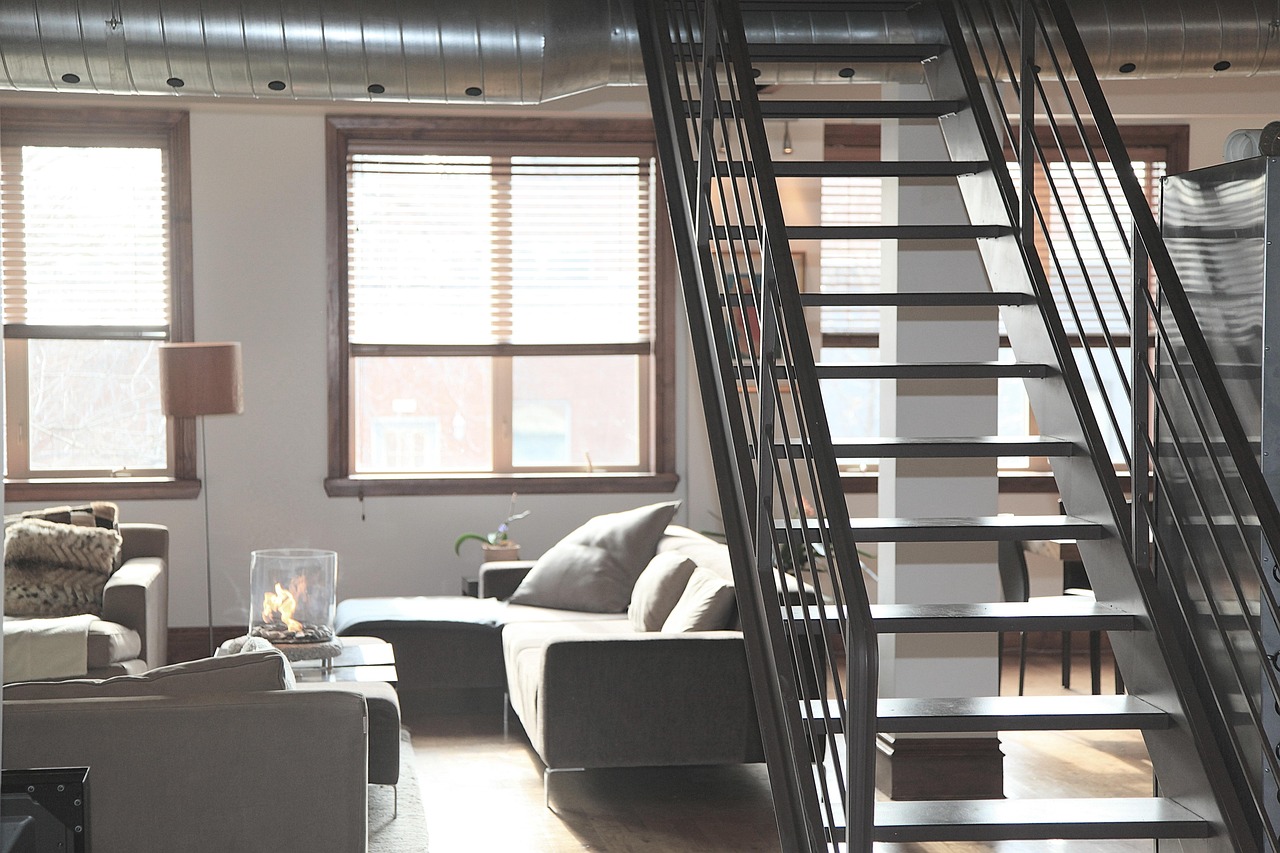
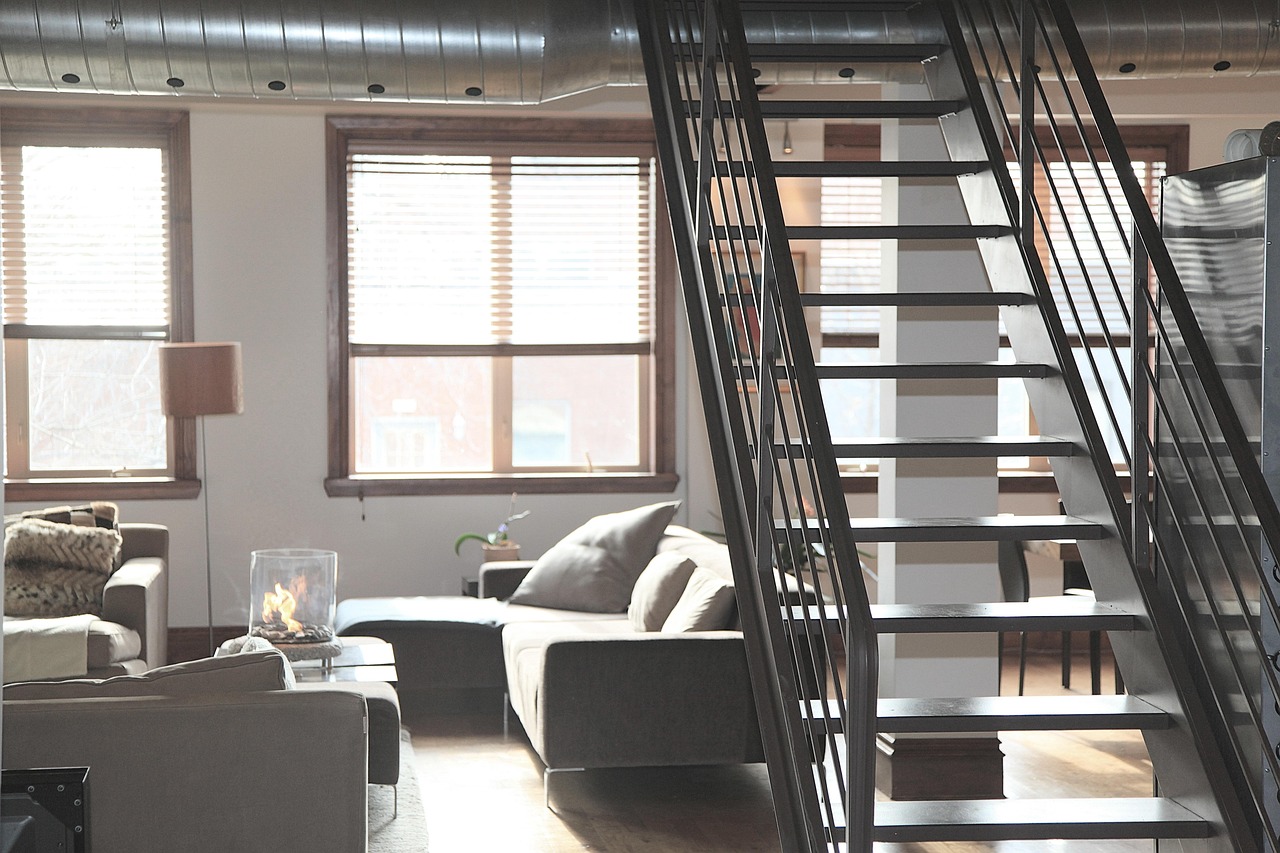
The classic living room, dedicated solely to seating and television, is also on the endangered list. In 2023, a Zillow survey found that 61% of prospective buyers wanted flexible living spaces that can adapt to work, play, and relaxation. The rise of remote work has made it essential for rooms to serve more than one function. Experts point out that single-use living rooms waste valuable square footage, especially in urban homes where every inch counts. Modern designs now favor “great rooms” or open-plan spaces that blend living, dining, and working zones seamlessly. The trend reflects a desire for versatility and efficiency, pushing traditional living rooms further out of fashion. As floorplans for 2025 evolve, rigidly defined living rooms are being phased out in favor of adaptable layouts.
Long Hallways Get the Axe

Long, narrow hallways have become a symbol of inefficiency in home design. According to a 2024 Houzz study, 68% of homeowners listed wasted hallway space as a top frustration. Experts say hallways not only eat up square footage but also create dark, uninviting corridors that disrupt the flow of natural light. Builders are responding by designing floorplans that minimize or eliminate hallways altogether, opting for open sightlines and direct room access. The trend is especially strong in smaller homes and apartments, where every square foot matters. Some architects have even revealed that by reducing hallway length, they’re able to add functional areas like extra closets or laundry nooks. As a result, long hallways are quickly disappearing from new construction plans for 2025.
Overly Large Master Suites Lose Popularity
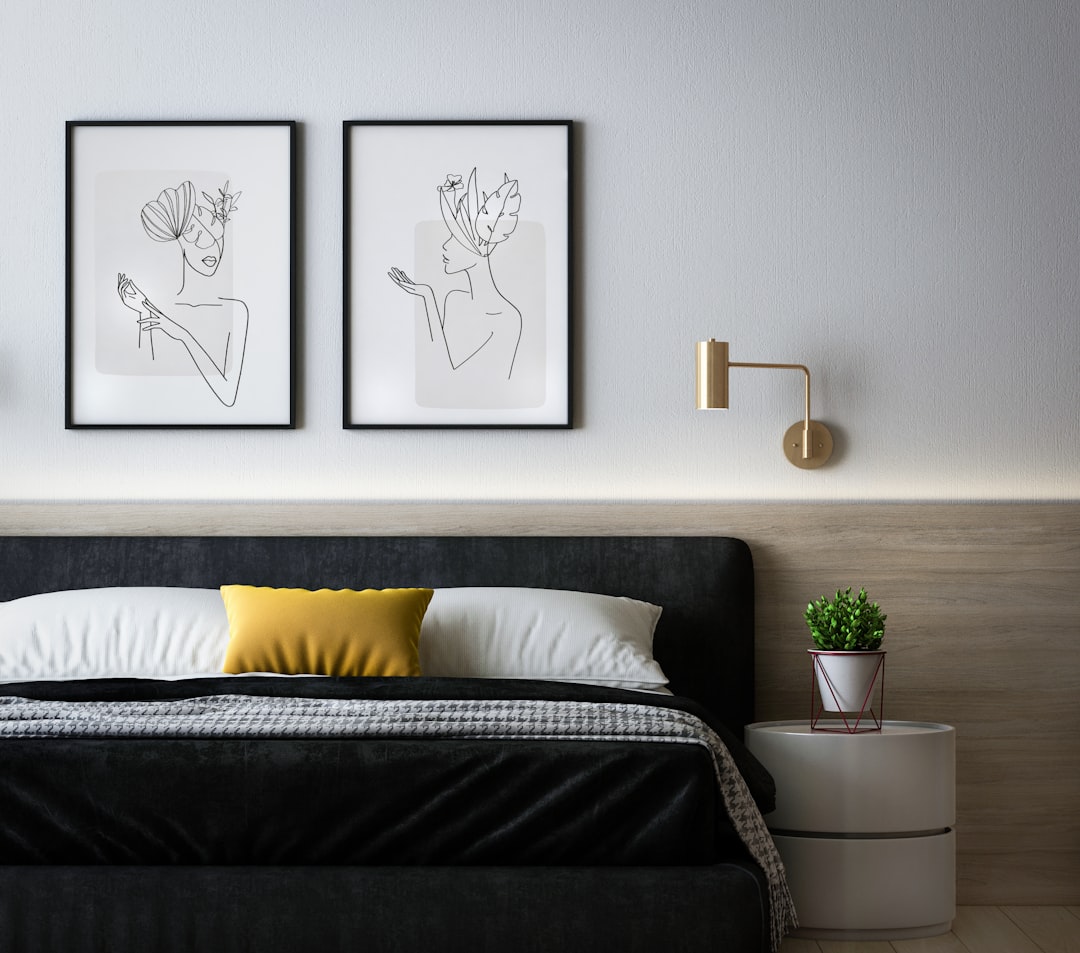
Oversized master bedrooms with sprawling bathrooms and sitting areas are falling out of favor, a trend confirmed by a 2023 Redfin analysis showing homebuyers now rate functional storage and multipurpose spaces above sheer bedroom size. The shift comes as families prioritize efficient layouts and shared living spaces over private luxury. Experts say the pandemic has encouraged homeowners to use square footage for home offices, gyms, or playrooms instead of massive master suites. Many buyers also see large bedrooms as harder to heat, clean, and furnish, making them less practical in today’s market. Builders are responding by designing more balanced bedrooms, often reallocating space to closets or shared areas. In 2025, expect master suites to be comfortable, but not sprawling.
Lack of Home Office Space Hurts Appeal
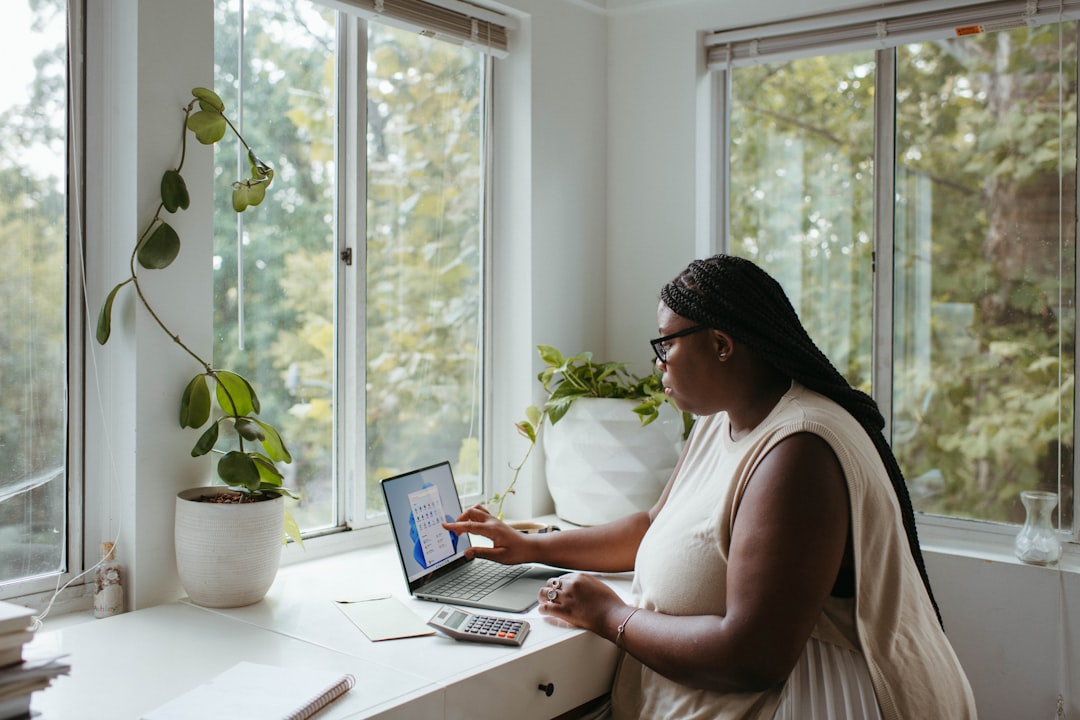
Remote work is here to stay, and floorplans that ignore home office needs are rapidly falling behind. According to a 2024 Pew Research Center poll, 35% of American workers continue to work from home at least part-time. Houses without dedicated office space are increasingly seen as less valuable and harder to resell. Experts highlight that buyers are now seeking soundproofed rooms, built-in desks, and even dual-office setups for couples. In response, architects and developers are integrating flexible office spaces into nearly every new floorplan for 2025. This shift is so pronounced that homes without a designated workspace sold for 5% less on average in late 2023. The message from buyers is loud and clear: a home office is no longer optional.
Jack-and-Jill Bathrooms Lose Traction
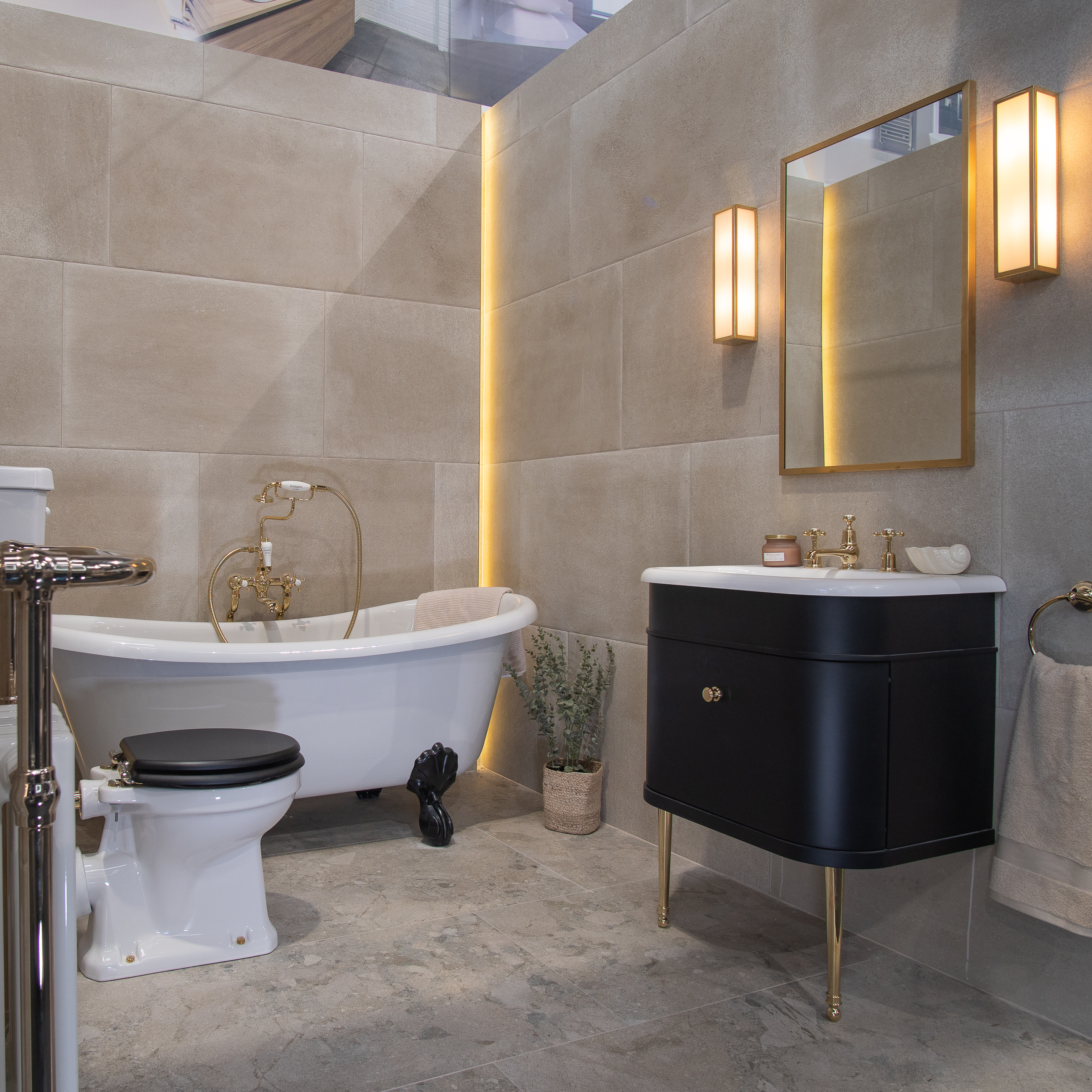
Jack-and-Jill bathrooms, which connect two bedrooms via shared doors, once seemed practical but are now losing favor. A 2024 Realtor.com trends report found that only 19% of families prefer this shared arrangement, citing privacy concerns and increased cleaning demands. Experts say families with older children or guests want en-suite bathrooms, while others prefer single, accessible bathrooms in common areas. The pandemic also played a role, with heightened hygiene awareness making shared bathrooms less attractive. Builders are now designing floorplans with more private or single-use bathrooms, especially in homes aimed at multigenerational living. The trend is expected to accelerate, with fewer Jack-and-Jill layouts in new homes by 2025.
Sunken Living Rooms Disappear
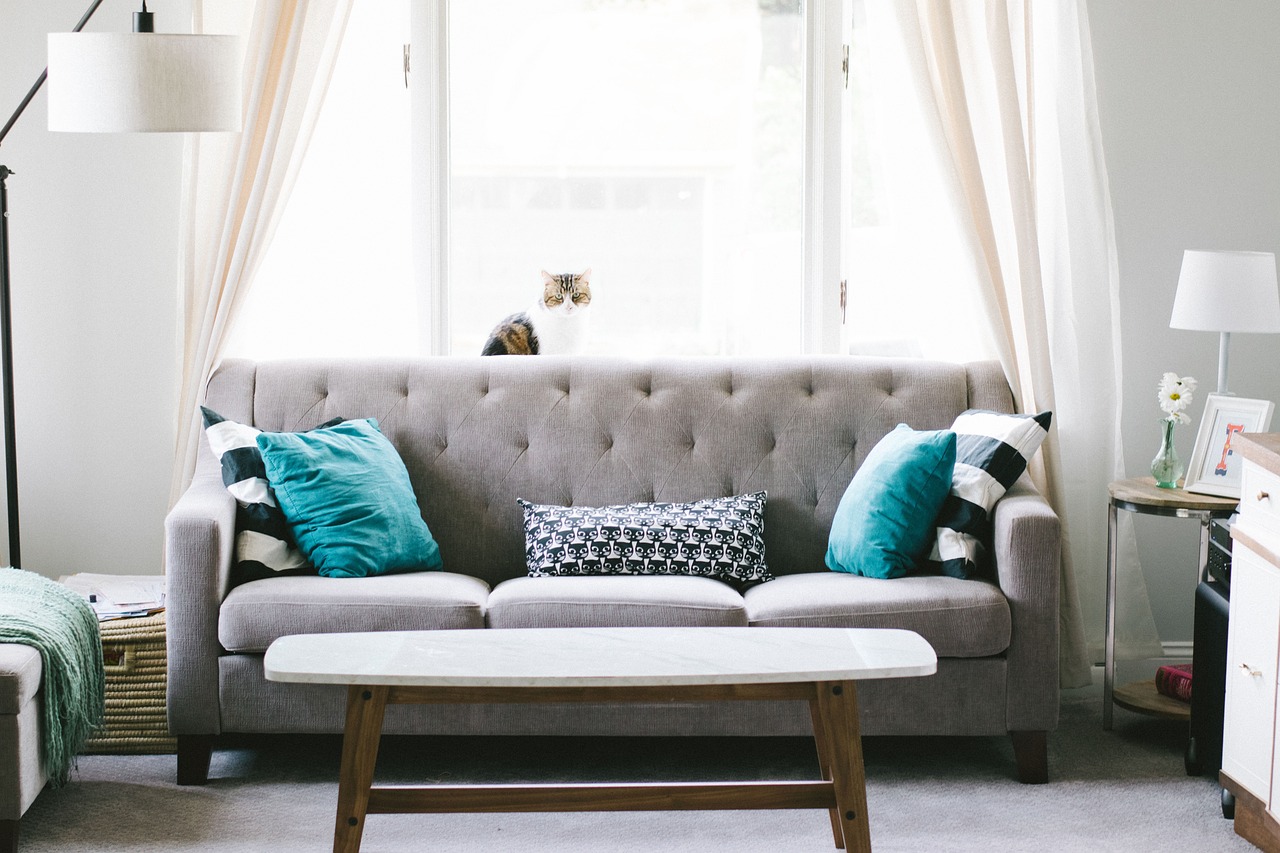
Sunken living rooms, a relic of mid-century design, are vanishing fast due to safety and practicality concerns. According to a 2023 survey by the American Institute of Architects (AIA), 82% of professionals said clients now prefer level flooring throughout their homes. Sunken spaces create tripping hazards for young children and older adults, and they complicate furniture arrangement. Experts also warn that sunken floors can make homes harder to retrofit for accessibility, a growing concern as the population ages. The maintenance involved in cleaning and updating these spaces further discourages buyers. As a result, new builds are overwhelmingly designed with even, open floors for safety, style, and ease of use.
Small, Windowless Rooms Lose Value
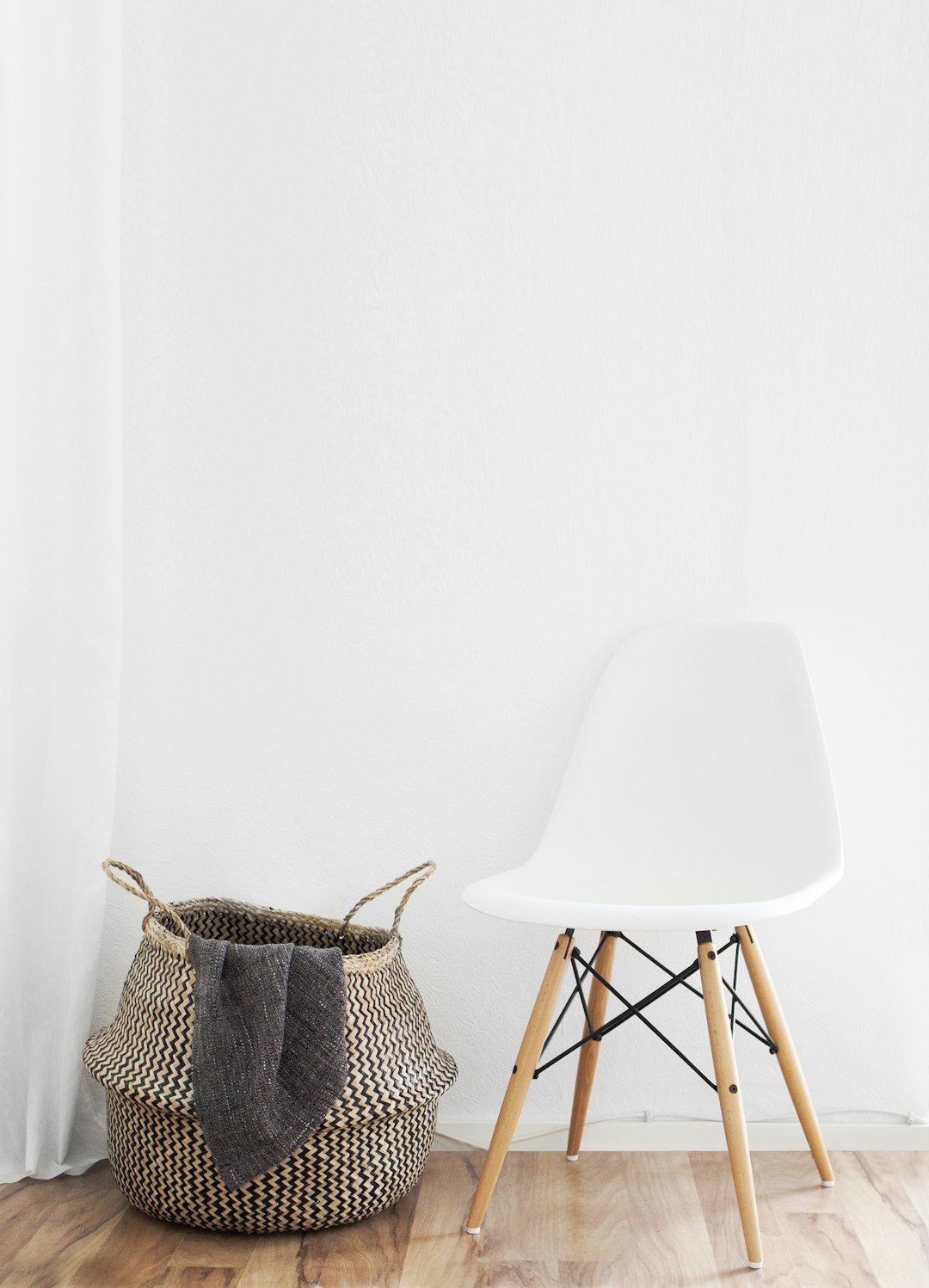
Rooms without natural light or proper ventilation are increasingly seen as dealbreakers. The World Green Building Council reported in 2024 that access to daylight improves mood and productivity, a fact not lost on today’s buyers. Windowless rooms feel claustrophobic and limit how the space can be used. Builders report that homes with small, dark rooms take longer to sell and often fetch lower prices. Experts say that, especially post-pandemic, people want bright, airy spaces that support well-being. Modern floorplans for 2025 are prioritizing bigger windows, glass doors, and open layouts to maximize natural light. As a result, small, windowless rooms are being eliminated from most new designs.
Oversized Entryways No Longer Impress
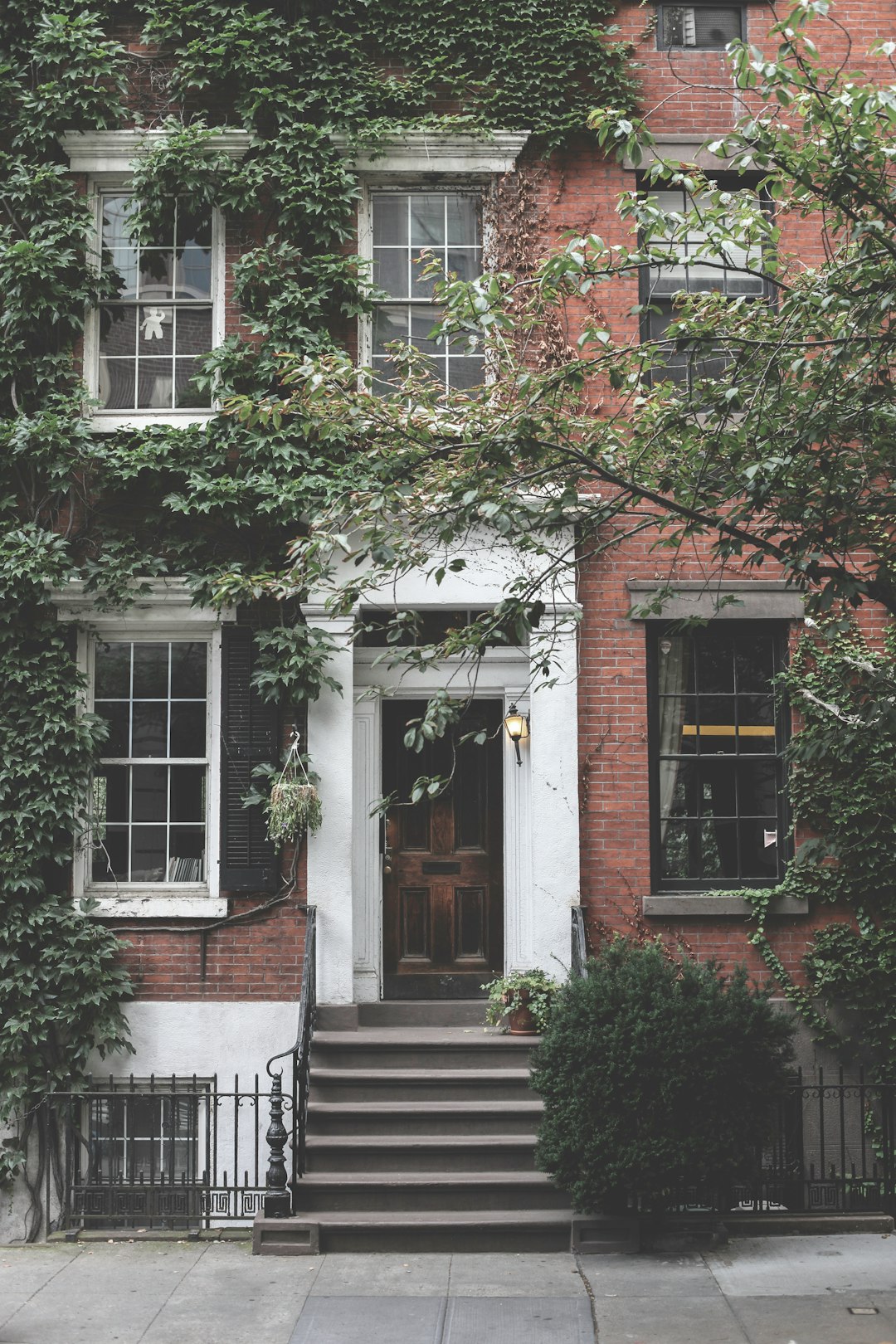
Grand foyers and oversized entryways, once a hallmark of luxury, are losing their appeal among new homebuyers. A 2024 survey by the National Association of Realtors found that 64% of respondents preferred practical, welcoming entry spaces over dramatic but unused halls. Experts say large entryways often waste heat and cooling, and the space could be better used for storage or living areas. Families are favoring mudrooms, built-in benches, and organized drop zones for shoes and bags instead. The trend reflects a move toward practical, family-friendly design over showy first impressions. As a result, oversized entryways are disappearing from the latest home floorplans for 2025.

Lena is a thoughtful and imaginative writer with a passion for storytelling across the themes of travel, environmental sustainability, and contemporary home aesthetics. With a background in cultural media and a strong visual sensibility, Anna Lena creates content that bridges inspiration with practical insight.
Her work explores the interplay between place, lifestyle, and design—guiding readers through meaningful travel experiences, eco-conscious choices, and modern approaches to living well. Known for her elegant writing style and attention to detail, she brings a fresh, human-centered perspective to every topic she covers.
Anna Lena contributes to digital publications and editorial projects where aesthetics meet purpose. Her writing not only informs but also encourages readers to live more intentionally, sustainably, and beautifully—wherever they are in the world.