
Matthias is a skilled author and digital storyteller with a focus on travel journalism, environmental issues, and modern home design. With a background in communications and a passion for global cultures, Matthias crafts engaging narratives that blend real-world exploration with thoughtful analysis and visual flair.
His writing reflects a deep interest in how climate change shapes our lives and lifestyles—from sustainable travel practices to eco-friendly living environments. Known for his clear, approachable voice and sharp editorial instincts, Matthias delivers content that resonates with readers seeking both inspiration and substance.
Whether reporting from remote destinations, breaking down sustainable design trends, or spotlighting innovative green initiatives, Matthias brings a global perspective and an eye for detail to every piece. He regularly contributes to web platforms and editorial projects that aim to foster awareness, creativity, and conscious living.
Heavy Drapes That Dull Natural Light
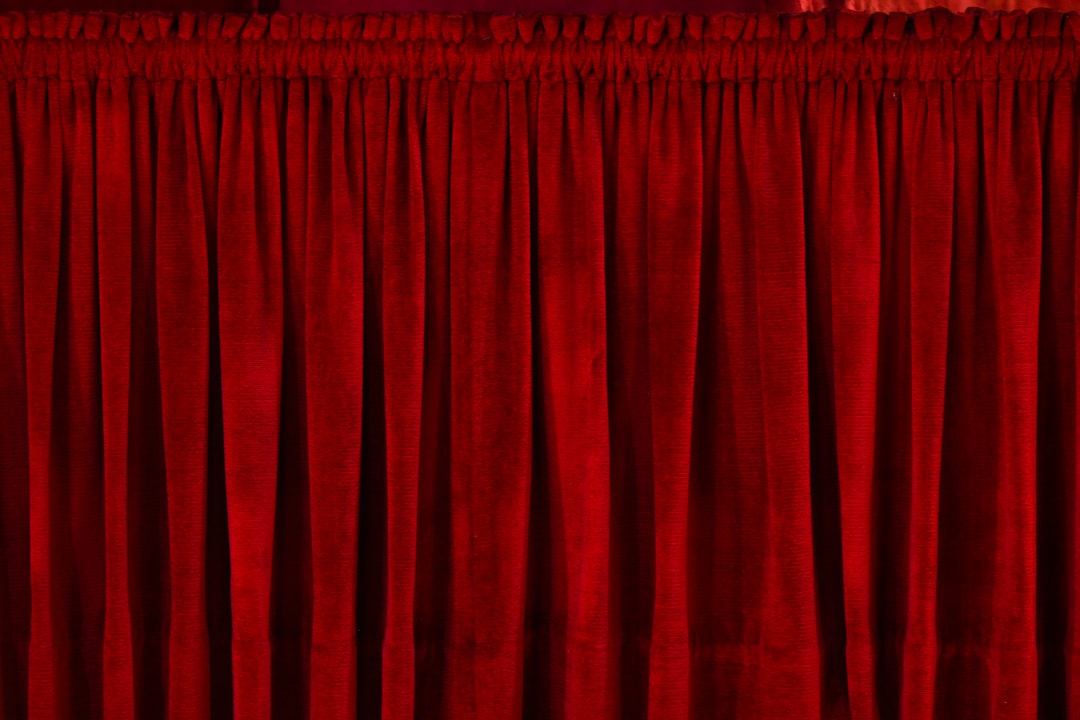
Step into a sunlit room, and you instantly feel lighter—yet so many homes still wear their heavy drapes like armor. These thick, ornate curtains block out not just sunlight but also any sense of space or vibrancy. Designers today rave about the power of natural light, knowing it can make even a modest room feel expansive and alive. Sheer panels or simple roller shades can replace those heavy fabrics, letting light pour in and giving your home a whole new energy. Zillow’s latest reports show that homes with bright, airy rooms often command higher prices and sell faster. The shift isn’t just aesthetic; it’s psychological. People crave homes that feel open and uplifting, not cloaked in shadow. Ditching those drapes is like pulling a winter coat off your windows—and suddenly, your home can breathe.
Overstuffed Furniture That Clutters Spaces
Imagine walking into a living room where every chair and sofa seems to swallow you whole. Overstuffed furniture, once a symbol of comfort, now feels more like an obstacle course. Modern interiors thrive on space and movement, favoring slim, structured seating that looks as good as it feels. A designer once told me, “Every inch matters—a chunky sofa can shrink your room by 20% in the eyes of a buyer.” Swapping out oversized chairs for streamlined sectionals or modular seating opens up your floor plan and invites conversation. It’s not about losing comfort; it’s about gaining breathing room. Suddenly, there’s space for a reading nook or a playful corner for grandkids. Less really can be more—especially in rooms meant for living.
Wall-to-Wall Carpeting That Harbors Allergens

Run your toes through plush carpeting and you might think “cozy,” but modern buyers think “dust magnet.” Wall-to-wall carpets, especially those decades old, trap allergens, pet dander, and odors, making them a silent enemy for anyone sensitive to air quality. Houzz’s 2025 trend report highlights the surge in hardwood and luxury vinyl plank flooring, both praised for their clean lines and easy upkeep. Swapping out old carpet for wood or laminate instantly updates your home and makes it more marketable. Even a simple area rug can provide warmth and texture without the downsides. This isn’t just a style upgrade—it’s a health and comfort investment. A room with fresh flooring feels lighter, cleaner, and ready for anything.
Cluttered Knickknack Displays That Distract
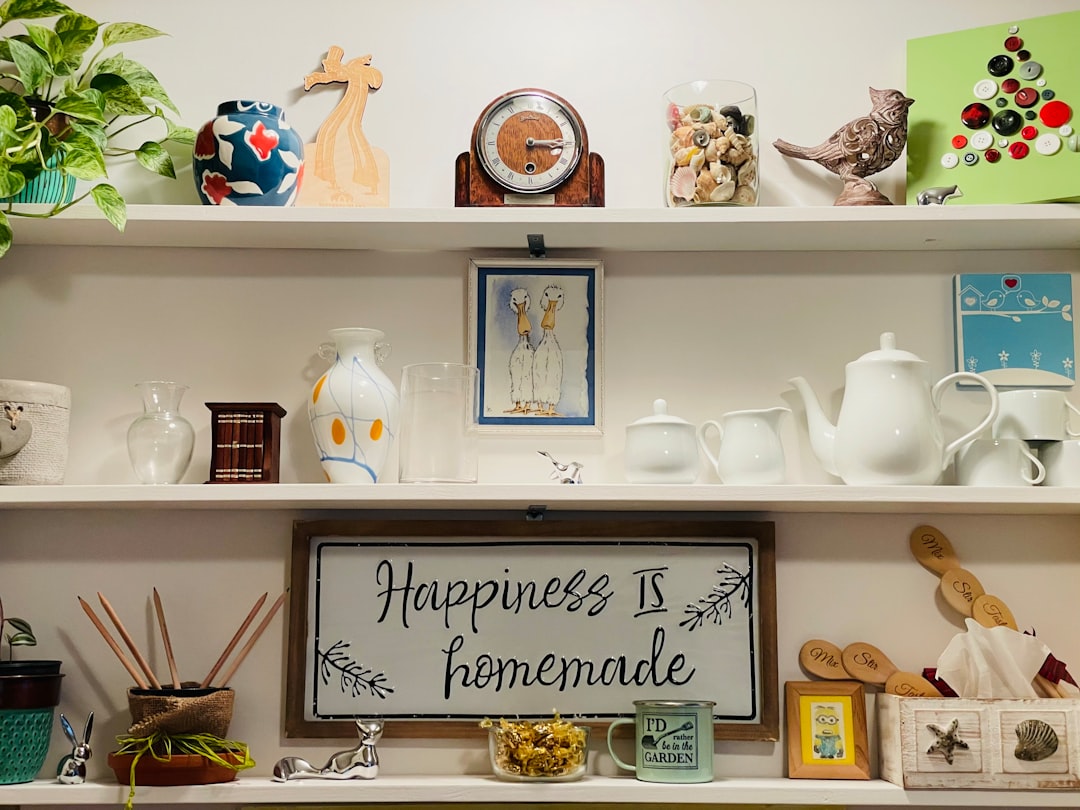
Walk through a boomer’s living room and you’ll often find shelves overflowing with trinkets, souvenirs, and collectibles—each with a story, but together, they can be overwhelming. Today’s design psychology champions “curated minimalism.” This means picking a few cherished pieces and letting them shine, rather than letting your memories compete for attention. Stagers know that too many objects make spaces look smaller and distract from a home’s best features. In fact, a well-edited shelf can function like an art gallery wall: every item gets its moment, and the room feels calmer and more intentional. It’s about honoring your past without letting it overcrowd your present. Think of it as setting the stage for new memories to take center stage.
Outdated Kitchen Appliances That Waste Energy

Opening a boomer-era kitchen often reveals avocado-green ranges and humming fridges that haven’t changed since the ‘80s. While there’s nostalgia in these pieces, they guzzle energy and drag down the room’s appeal. According to Energy Star, homeowners who upgrade to modern, high-efficiency appliances can cut kitchen energy use by up to 30%. Sleek stainless or panel-ready appliances not only look contemporary but also attract eco-conscious buyers. Designers love integrating appliances for an uncluttered look, making even small kitchens feel luxurious. Investing here isn’t just about resale—it’s about daily happiness. Cooking becomes easier, bills drop, and your kitchen suddenly feels like the heart of the home, not a relic.
Dark Wood Finishes That Feel Heavy
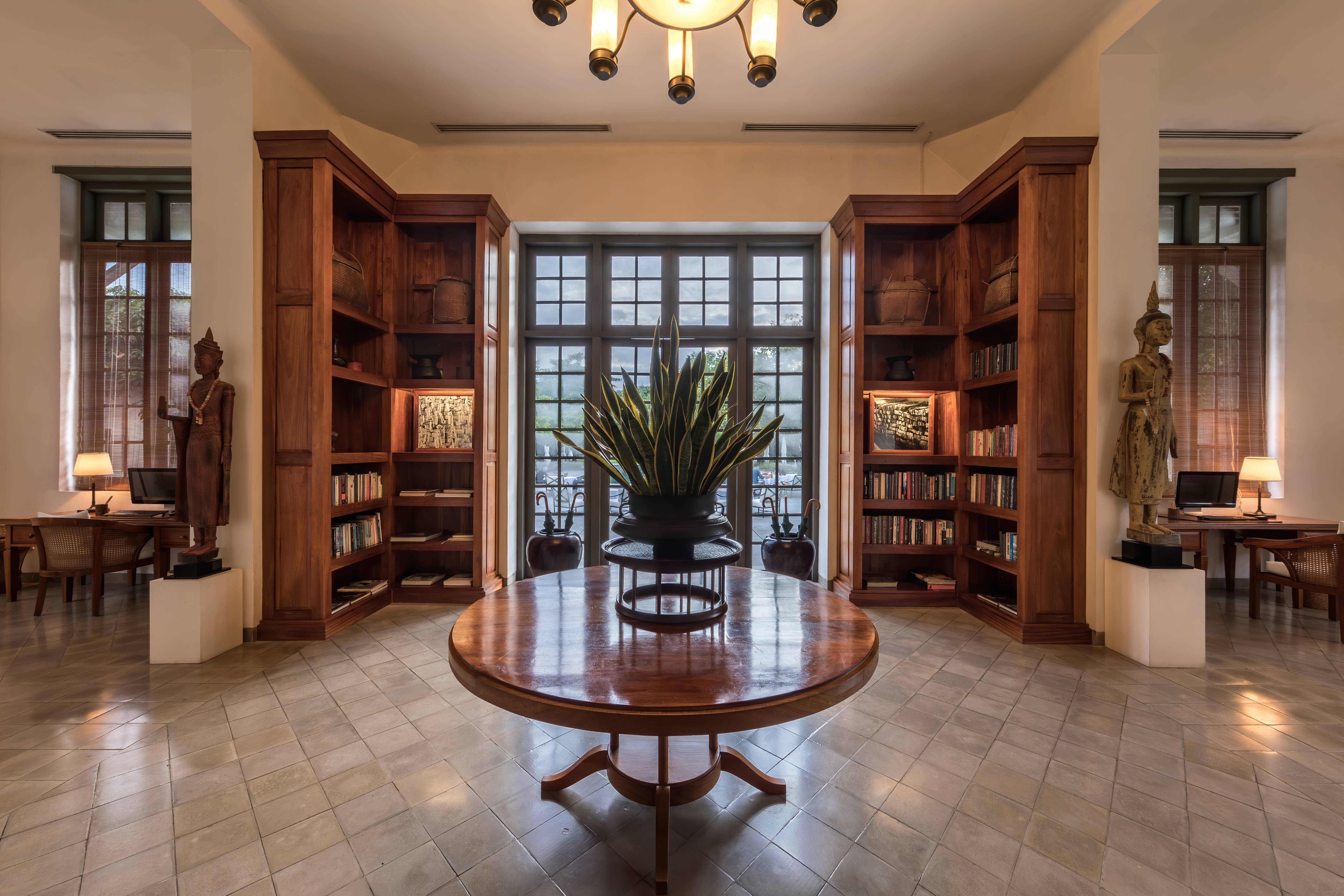
The deep mahogany and cherry finishes that once defined “class” now tend to make rooms feel weighed down and dated. Lighter woods—think maple, ash, or even painted white—are the darlings of today’s interiors, reflecting natural light and opening up any space. Stagers often recommend refinishing cabinets and furniture in lighter tones for an instant facelift. A quick before-and-after: dark cabinets shrink a kitchen, while pale ones expand it visually, making it feel newer and more inviting. This subtle shift can be the difference between a home that feels ready for tomorrow and one stuck in yesterday. It’s a change that’s both affordable and transformative.
Outdated Bathroom Fixtures That Lack Style

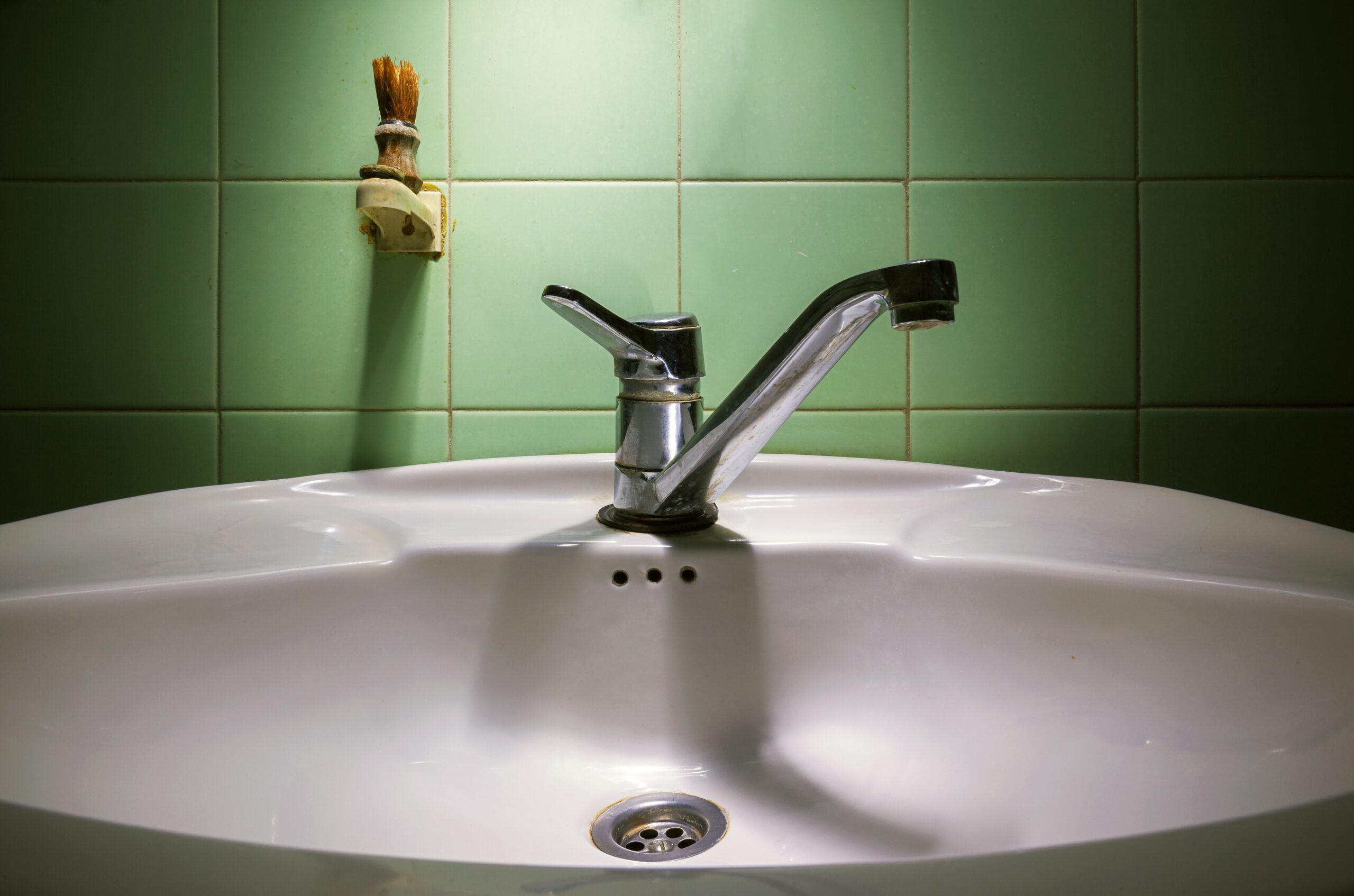
Step into a bathroom lined with shiny brass or crystal faucets and you’re instantly transported back a few decades. Old fixtures may work, but they rarely wow. Today’s buyers and design enthusiasts crave matte black, brushed nickel, or even bold gold finishes—anything that feels intentional and fresh. Swapping out a faucet or showerhead is a weekend project with outsized impact. Modern fixtures don’t just look better; many offer water-saving features, blending form and function. Imagine a powder room where a single updated fixture becomes an instant conversation starter. It’s a small investment, but it changes the entire tone of the space.
Clunky Entertainment Centers That Consume Space

Remember those giant entertainment centers built to house tube TVs and stacks of VHS tapes? Many Boomers still hang onto these hulking pieces, which dominate living rooms and block the natural flow of a space. Today, slim wall-mounted TVs and floating shelves are the norm, freeing up valuable real estate. Home stagers often remove these “visual anchors,” instantly making a room feel twice as large. A minimalist TV stand or a simple gallery wall keeps the focus on your home’s architecture, not the furniture. Buyers crave open sightlines and flexible spaces—two things a clunky center can never provide. Downsizing here is like giving your living room a deep, refreshing breath.
Vintage Wallpaper That Dates Your Home

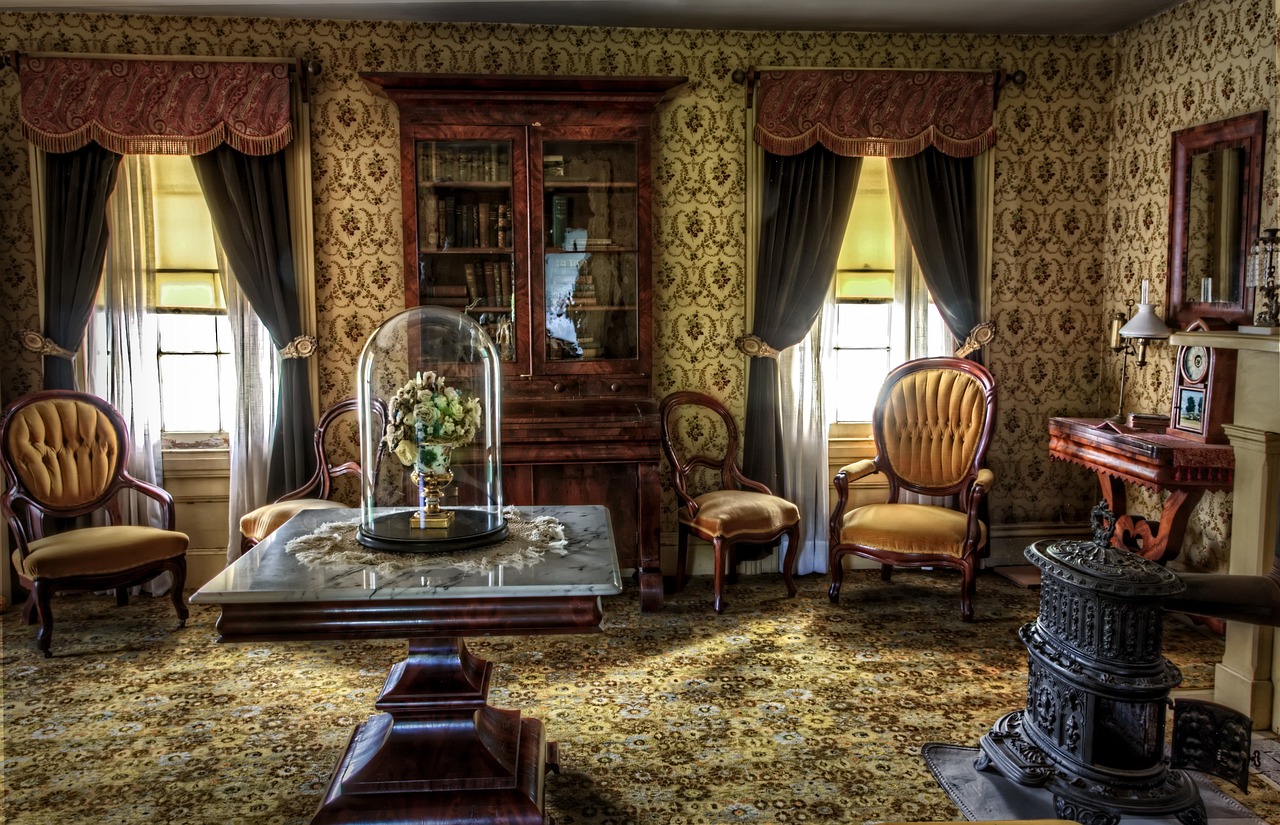
Nothing screams “stuck in time” quite like wallpaper from decades past—think tiny florals, busy stripes, or bold paisleys. While some vintage patterns can be charming in small doses, most of them just make rooms look smaller and more chaotic. Real estate data shows that homes with fresh, neutral paint tend to sell faster and for higher prices. Modern alternatives include textured paints, peel-and-stick panels, or subtle geometric prints that add personality without overwhelming. Updating your walls is one of the quickest ways to signal that your home is current, cared for, and move-in ready.
Excessive Floral Patterns That Overwhelm

Floral patterns once reigned supreme, covering everything from sofas to curtains to bedspreads. But when every surface blooms, the result can be dizzying rather than delightful. Contemporary design trends favor restraint: a single floral accent pillow, for example, rather than a room full of botanicals. This approach lets you keep a touch of nostalgia without sacrificing style. Designers often recommend pairing florals with solid colors and simple shapes, creating a softer, more cohesive look. It’s about letting your home breathe and ensuring every pattern has a purpose. A little goes a long way—especially if you want your space to feel both timeless and tranquil.

Matthias is a skilled author and digital storyteller with a focus on travel journalism, environmental issues, and modern home design. With a background in communications and a passion for global cultures, Matthias crafts engaging narratives that blend real-world exploration with thoughtful analysis and visual flair.
His writing reflects a deep interest in how climate change shapes our lives and lifestyles—from sustainable travel practices to eco-friendly living environments. Known for his clear, approachable voice and sharp editorial instincts, Matthias delivers content that resonates with readers seeking both inspiration and substance.
Whether reporting from remote destinations, breaking down sustainable design trends, or spotlighting innovative green initiatives, Matthias brings a global perspective and an eye for detail to every piece. He regularly contributes to web platforms and editorial projects that aim to foster awareness, creativity, and conscious living.