
Matthias is a skilled author and digital storyteller with a focus on travel journalism, environmental issues, and modern home design. With a background in communications and a passion for global cultures, Matthias crafts engaging narratives that blend real-world exploration with thoughtful analysis and visual flair.
His writing reflects a deep interest in how climate change shapes our lives and lifestyles—from sustainable travel practices to eco-friendly living environments. Known for his clear, approachable voice and sharp editorial instincts, Matthias delivers content that resonates with readers seeking both inspiration and substance.
Whether reporting from remote destinations, breaking down sustainable design trends, or spotlighting innovative green initiatives, Matthias brings a global perspective and an eye for detail to every piece. He regularly contributes to web platforms and editorial projects that aim to foster awareness, creativity, and conscious living.
Overly Themed Rooms Lose Their Magic Fast
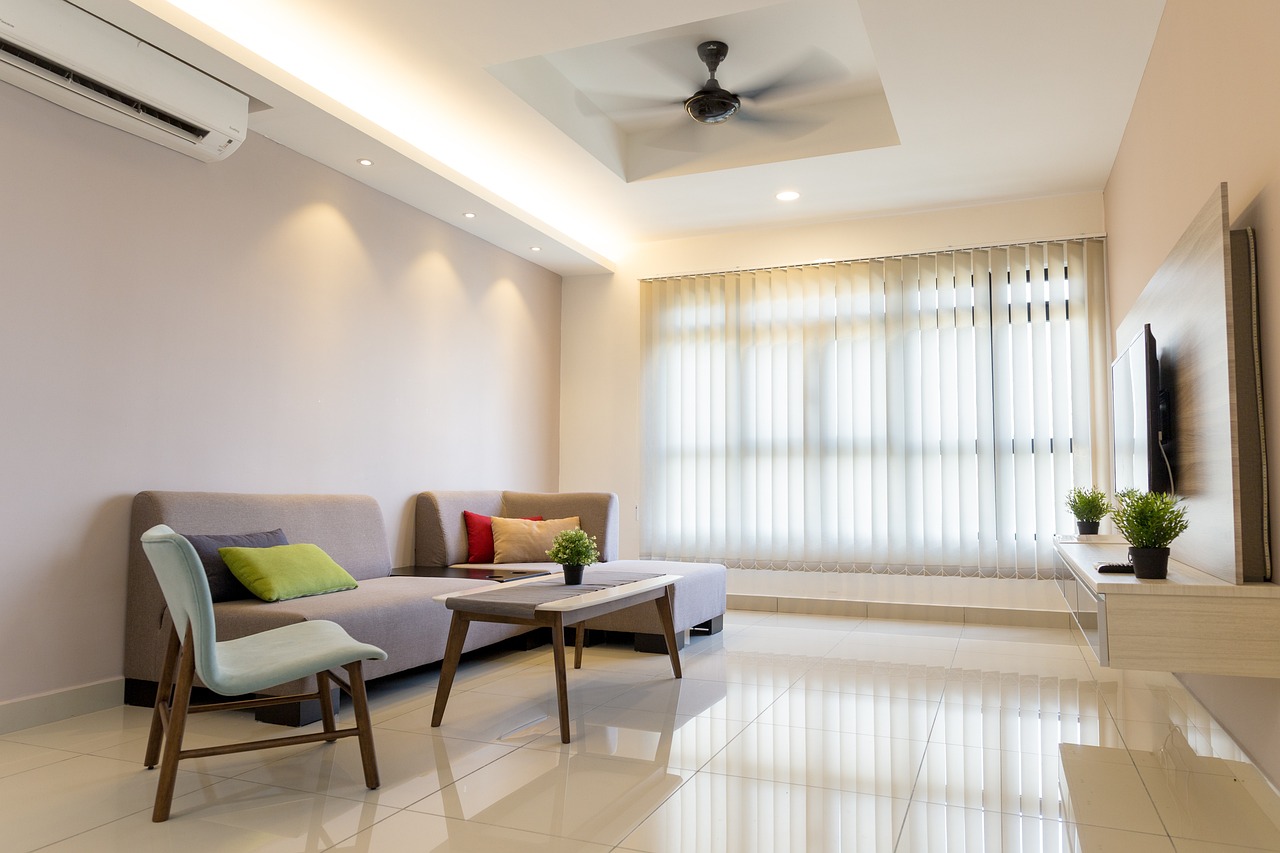
Step into a pirate ship bedroom or jungle-themed den and it’s fun — for about five minutes. But the thrill wears thin when you’re living with it every day. Designers are now steering away from rooms locked into a single look. Imagine trying to sell a home with a race car mural or mermaid tiles everywhere. Buyers crave spaces they can make their own, not ones that box them in. Neutral palettes and flexible layouts invite imagination and feel less like a costume party that won’t end. As the market grows more competitive, homes that feel adaptable win out every time. Think of it like swapping a Halloween mask for your favorite sweater — comfort lasts longer than novelty.
Open Floor Plans Face a Privacy Backlash
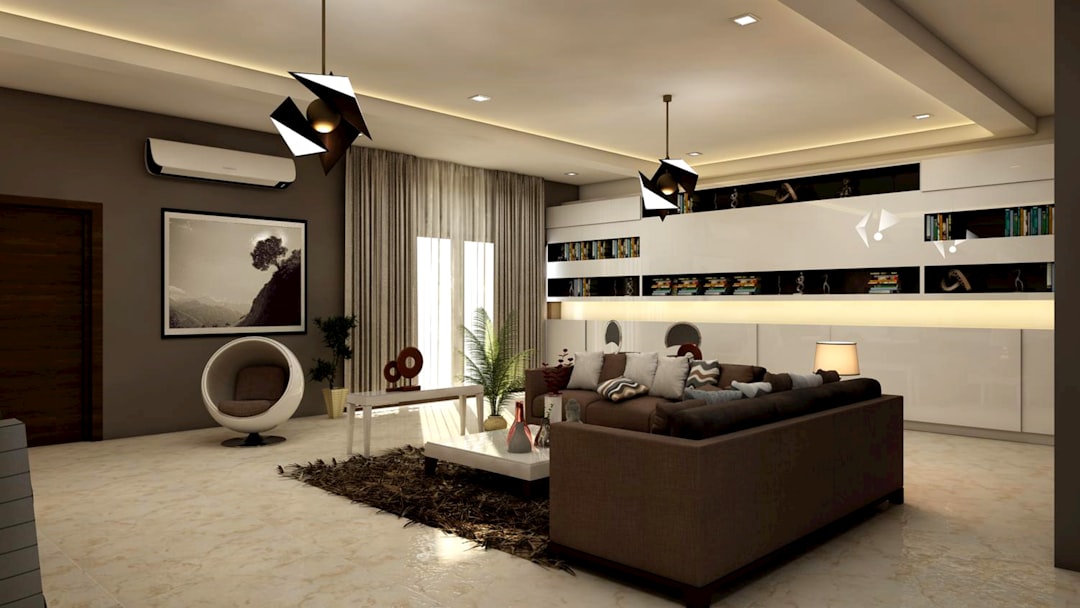
Remember when everyone wanted to tear down walls? Now, the pendulum is swinging the other way. Open floor plans, once the darling of home shows, are losing their luster. The pandemic taught us the value of doors and defined zones, especially when working from home or wrangling kids. A recent Zillow survey found a spike in demand for homes with distinct living, dining, and kitchen areas. People want noise control, privacy, and a sense of purpose for each space. Walking into a home where you can close off the mess — or the noise — just feels better. Designers are responding with partial walls, glass partitions, and creative room dividers. It’s privacy without sacrificing light or flow.
Wall-to-Wall Carpeting Feels Outdated and Impractical

That plush wall-to-wall carpeting your parents loved? It’s headed for the history books. Today’s buyers and designers see it as a magnet for dust and stains. Hardwood, luxury vinyl plank, and large-format tiles are the new go-to floors. They’re easier to clean, last longer, and instantly modernize a home. Plus, they let you swap out rugs to match the season or your mood — a quick refresh without major expense. Stagers report that homes with hard floors show better and sell faster, especially among younger buyers. If you’re still vacuuming shag carpet, it might be time to reconsider. Imagine the difference: a bright, open space with gleaming floors versus a room where every step sinks into last decade’s trends.
Too Much Gray Makes Homes Feel Cold
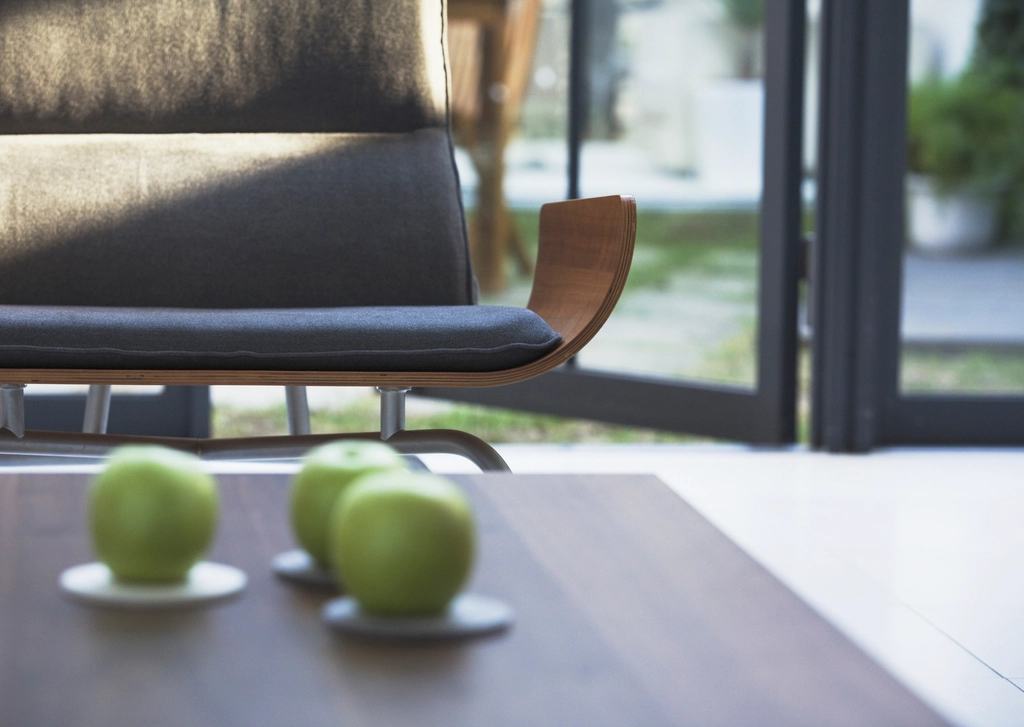
Gray ruled the last decade, from paint to sofas to floors. But now, its reign is ending. Prospective buyers and homeowners are craving warmth and energy, not the chilly neutrality of endless gray. Earthy tones, gentle greens, and deep blues are making a comeback, softening rooms and creating a more welcoming vibe. Designers warn that an all-gray home can feel sterile and lifeless, especially in cloudy climates. Even a single accent wall or rug can shift the mood from “corporate waiting room” to “cozy retreat.” One stager shared how simply swapping a gray throw pillow for a terracotta one made a living room feel instantly livelier. Color isn’t just a design choice — it’s emotional fuel.
Heavy Ornate Furniture Crowds Modern Spaces
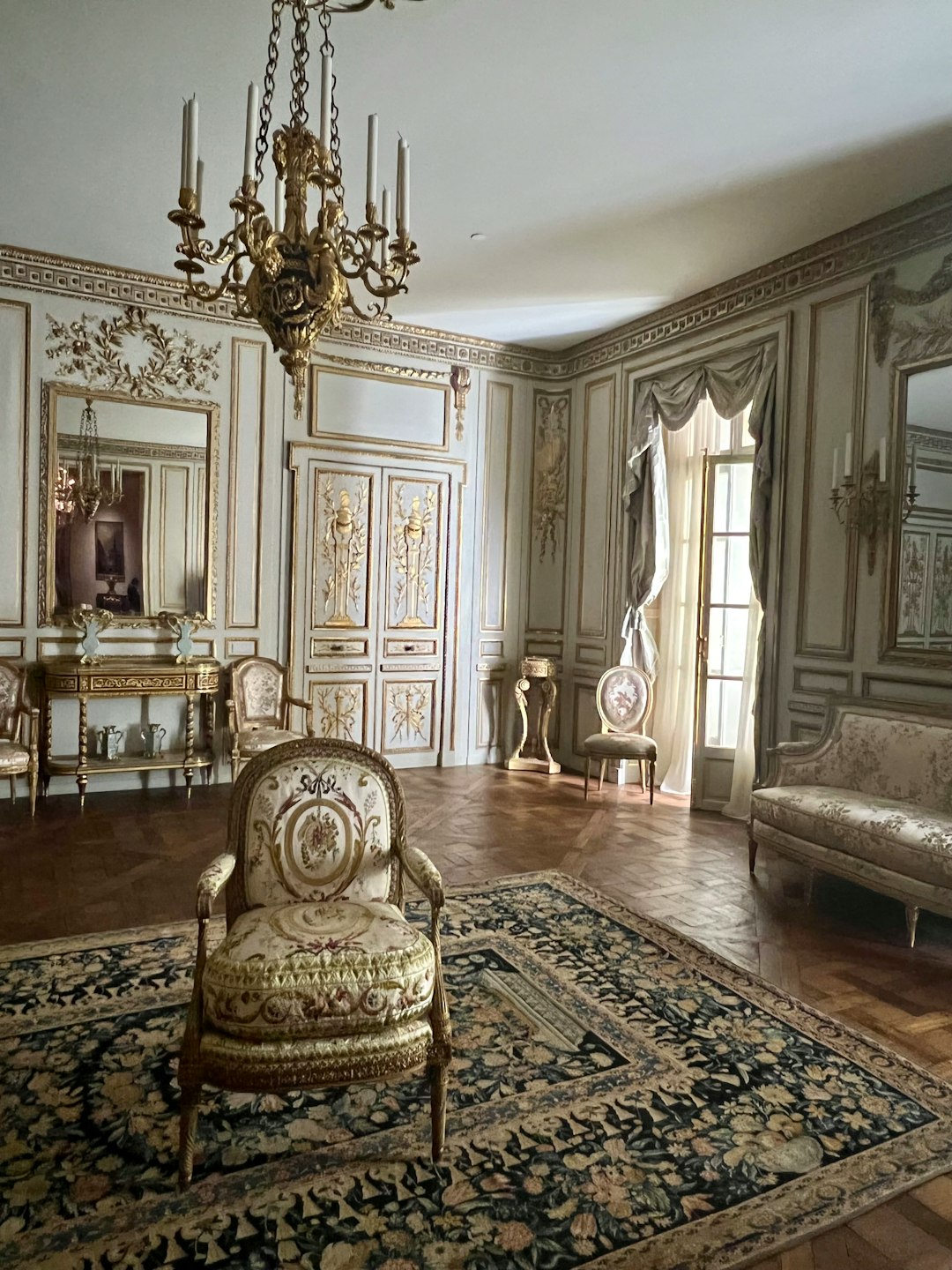
Bulky, carved wood and overstuffed sofas once signaled luxury. Now, they just feel clunky. Minimalism and Scandinavian-inspired pieces are dominating wish lists. Lighter lines make rooms appear larger and more flexible. Buyers want spaces that can shift from movie night to cocktail party with minimal effort. An oversized armoire or intricate dining set can actually make rooms look smaller — a one-inch mistake can shrink perceived space by 20%. Savvy stagers recommend clear legs, open frames, and mix-and-match sets. The result? A home that breathes, adapts, and feels current. It’s like trading a suit of armor for a cashmere sweater: comfort, movement, and style win hearts (and offers).
Faux Finishes Can’t Compete With the Real Thing
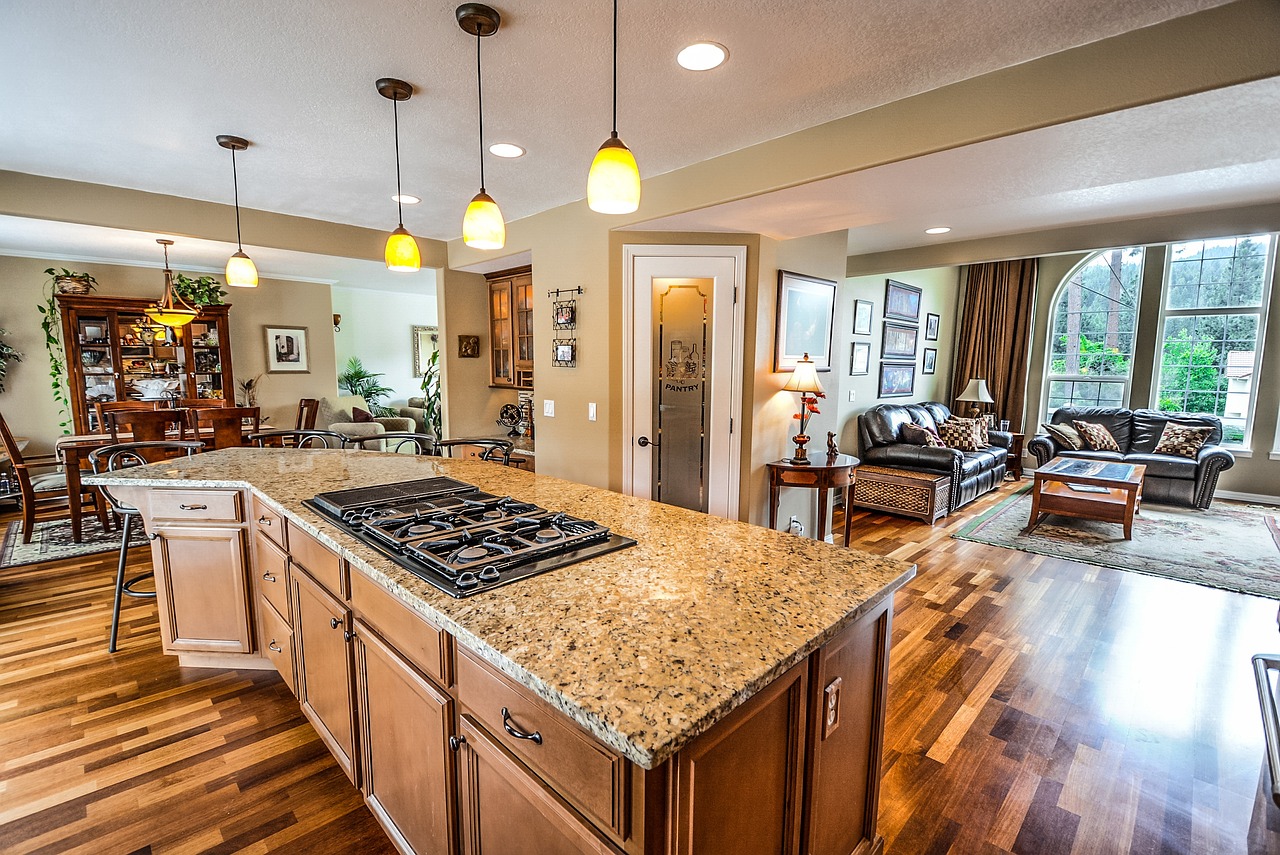
Once upon a time, faux stone walls or painted wood grain looked clever. But in today’s market, authenticity is everything. Buyers are savvy; they can spot a shortcut a mile away. Real materials like quartz, solid wood, and natural stone age beautifully and add value. “People want to touch and feel quality,” says a designer from Houzz. Even small upgrades — a marble cutting board, a reclaimed wood shelf — can change a room’s vibe. Faux finishes risk feeling cheap or temporary, undermining the sense of lasting investment. Genuine textures invite admiration and create memories, while fakes just fade into the background.
Complex Lighting Fixtures Overwhelm Instead of Impress

A chandelier with sixty crystals might catch the eye, but does it make your life easier? Today’s homeowners want lighting that works hard and looks good — not fixtures that need a manual. Complicated pendants or sculptural sconces can date a space quickly and make daily cleaning a hassle. Designers suggest smart layering: recessed cans for overall light, a statement pendant for flair, and simple dimmers for mood control. “Lighting should flatter both the home and the people in it,” an interior architect advises. Homes with clean, functional lighting sell faster because buyers can see themselves living — and relaxing — there. No one wants to dust a light fixture for an hour.
Excessive Smart Tech Turns Homes Into Headaches
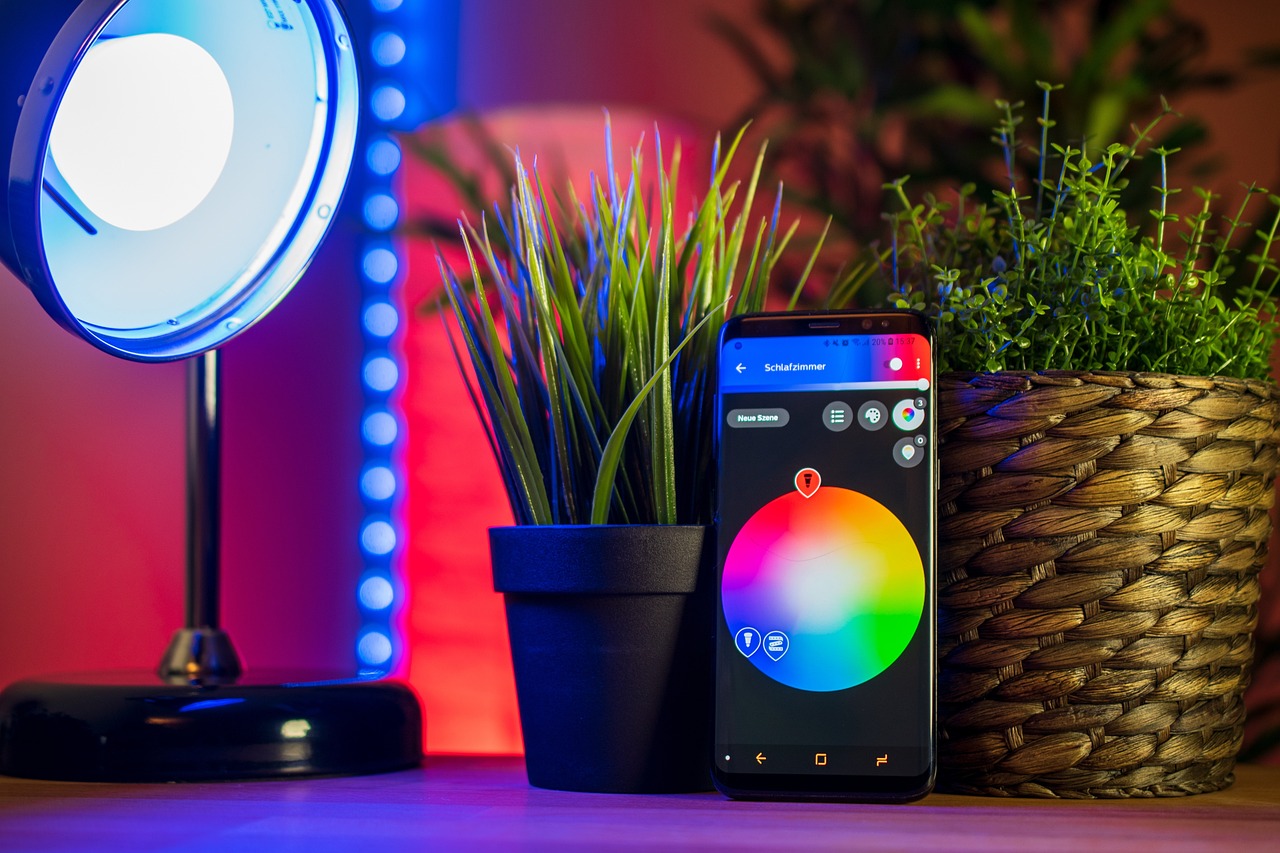
A fridge that tweets or a shower controlled by an app might sound cool, but the novelty wears off fast. Overly tech-laden homes can frustrate future buyers who don’t want to learn three apps just to turn on the lights. According to a survey by the National Association of Realtors, buyers now prefer simple, reliable smart features — think thermostats, security cameras, and basic lighting control. Tech fatigue is real, and too many bells and whistles can make a home feel like a science experiment. Integrated tech should support daily life, not complicate it. The best upgrades are invisible but powerful, making your home feel smarter without showing off.
All-White Kitchens Lose Warmth and Character
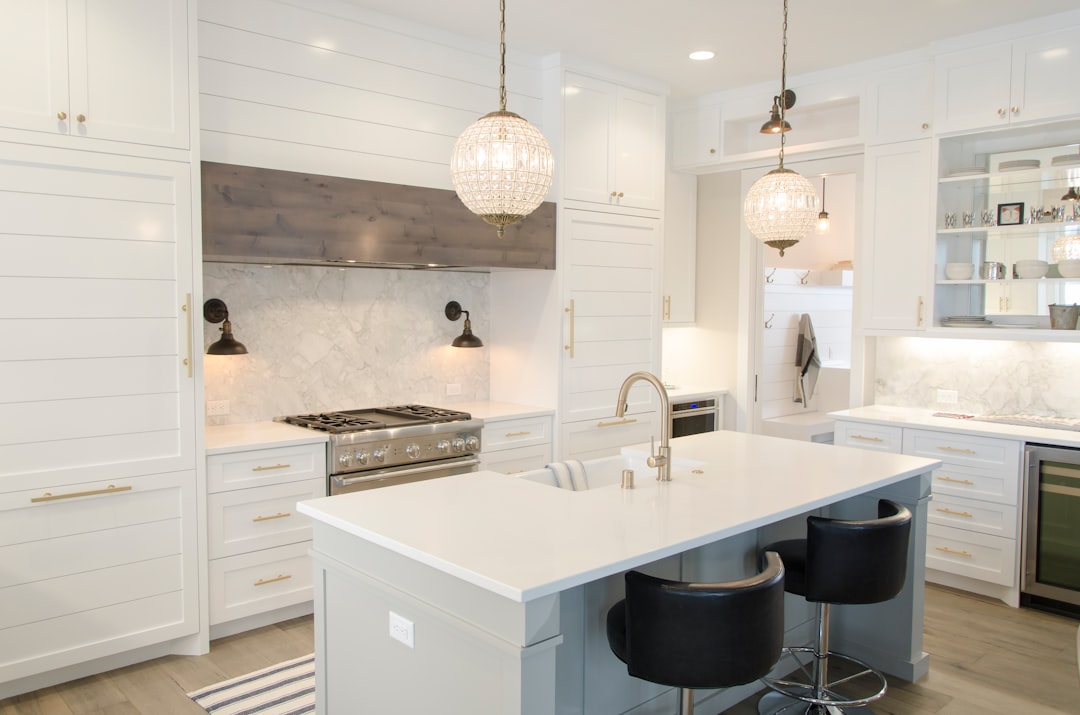
A white-on-white kitchen photographs beautifully, but living in one can feel more like a showroom than a home. Designers and realtors are seeing a move toward richer colors and layered materials. Painted cabinets in deep green or blue, mixed-metal hardware, and textured backsplashes are on trend. A Houzz survey found that 54% of homeowners now want color in their kitchens. All-white spaces risk feeling bland and are tough to keep spotless. A pop of color or wood grain not only hides day-to-day mess but also sparks joy. The kitchen is the heart of the home — it should feel like it.
Cluttered Surfaces Add Stress and Chaos
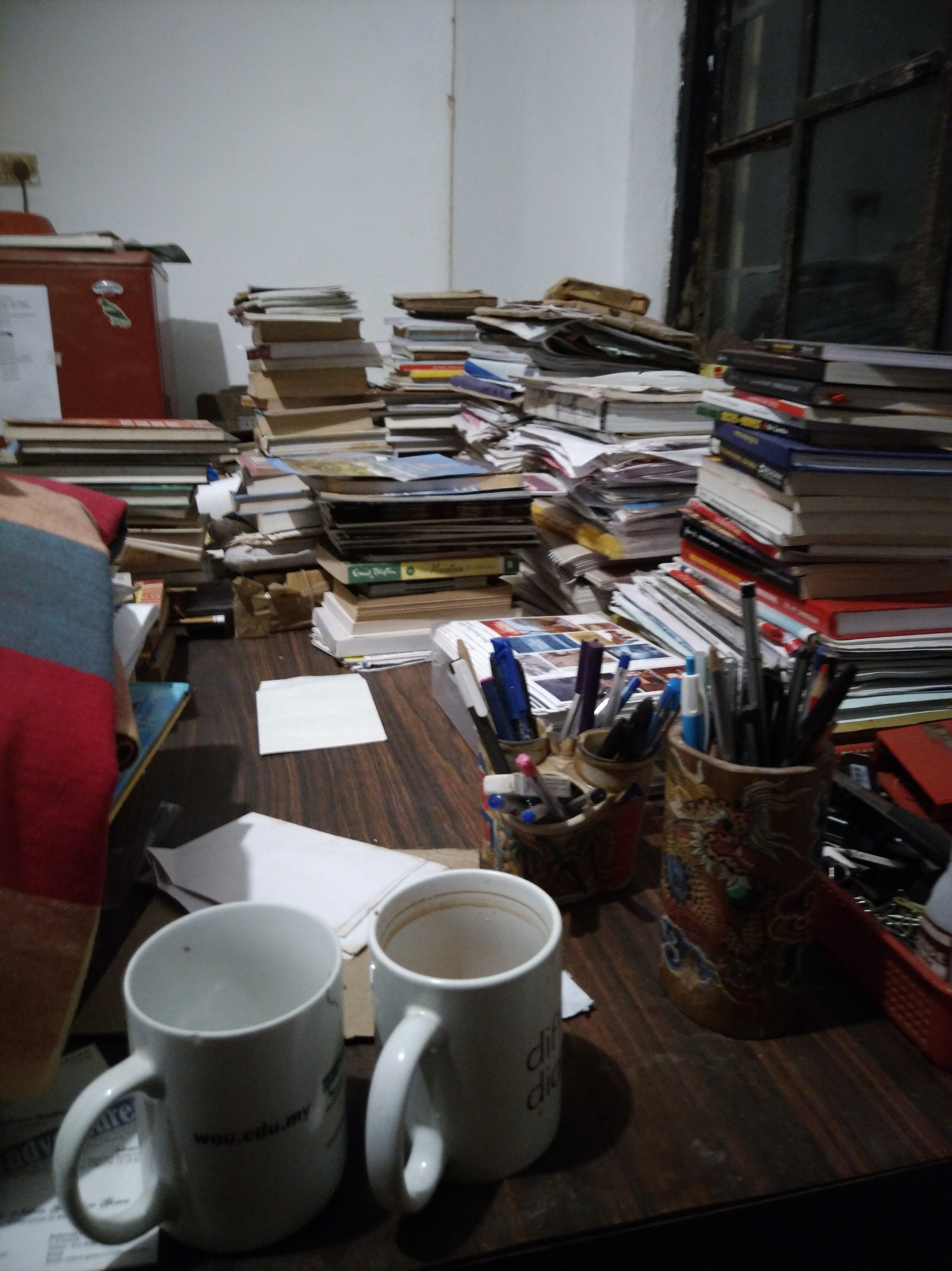
Flat surfaces are magnets for clutter — mail, gadgets, forgotten mugs. But this chaos takes a toll. Homes with clear counters and tidy shelves simply feel better. Minimalism isn’t about deprivation, it’s about breathing room. Stagers recommend baskets, hidden drawers, and built-ins to keep everyday mess out of sight. Studies show that buyers psychologically “size up” homes based on what they see on counters and tables. Less clutter means less stress and more perceived space. It’s the difference between walking into a spa and a dorm room. A little order goes a long way.
Overdone Decorative Accessories Diminish Impact
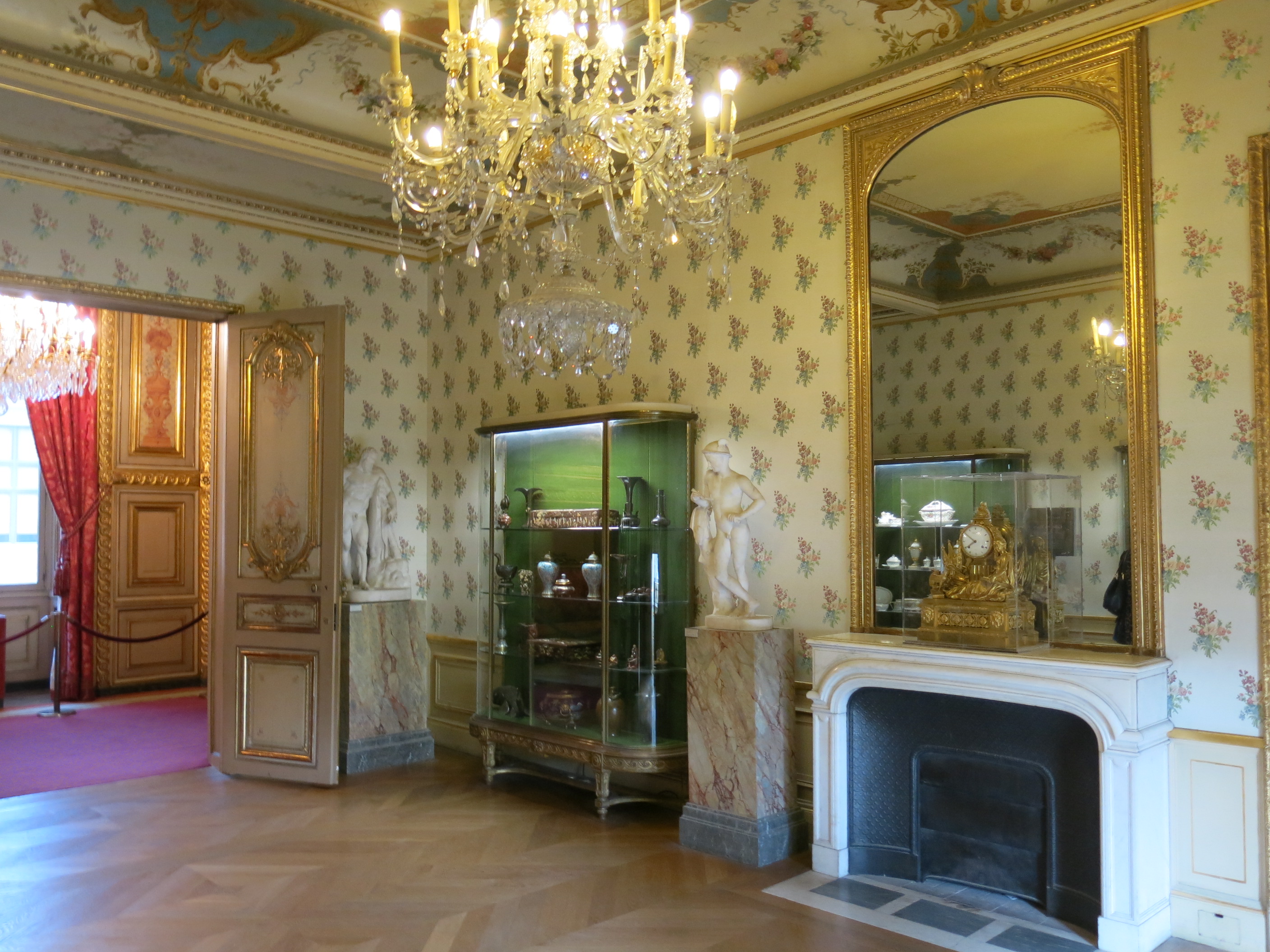
It’s tempting to fill every nook with vases, trinkets, or art. But too much can make even the prettiest room feel busy and confused. Designers now talk about the “power of the edit.” Choose a few meaningful or striking pieces and let them breathe. A gallery wall of family photos tells a story; fifty knick-knacks on a shelf just collect dust. Buyers look for spaces that feel intentional, not accidental. Accessories should accent, not overwhelm. Think of it as curating a favorite playlist — every piece should earn its place.
No Outdoor Living Space Leaves Value on the Table
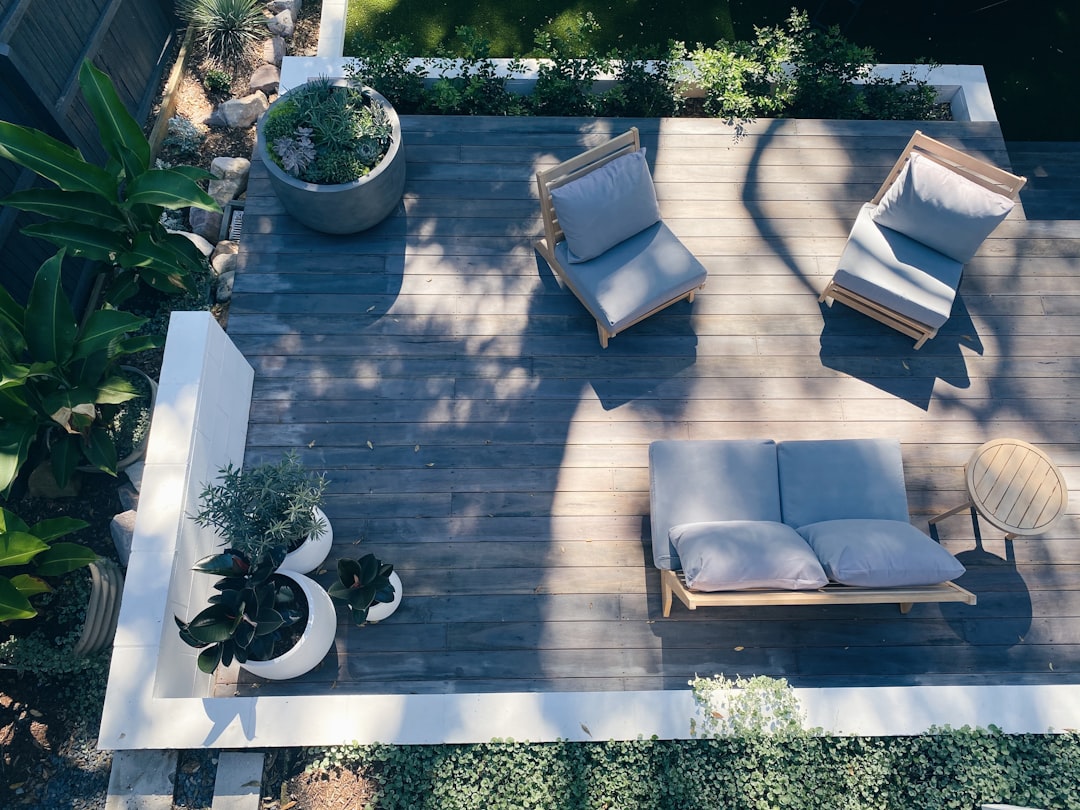
If your backyard is just grass, you’re missing out. As indoor-outdoor living surges in popularity, buyers are prioritizing patios, decks, and even small balconies. A 2024 Zillow report found that homes with usable outdoor areas sell for up to 12% more. Picture a morning coffee on a sunny patio or a dinner party under string lights — these moments turn a house into a home. Even a tiny space can become an oasis with a well-placed bench or planter. Outdoor living isn’t a luxury anymore; it’s a must-have for modern buyers and happy homeowners alike.

Matthias is a skilled author and digital storyteller with a focus on travel journalism, environmental issues, and modern home design. With a background in communications and a passion for global cultures, Matthias crafts engaging narratives that blend real-world exploration with thoughtful analysis and visual flair.
His writing reflects a deep interest in how climate change shapes our lives and lifestyles—from sustainable travel practices to eco-friendly living environments. Known for his clear, approachable voice and sharp editorial instincts, Matthias delivers content that resonates with readers seeking both inspiration and substance.
Whether reporting from remote destinations, breaking down sustainable design trends, or spotlighting innovative green initiatives, Matthias brings a global perspective and an eye for detail to every piece. He regularly contributes to web platforms and editorial projects that aim to foster awareness, creativity, and conscious living.