

Lena is a thoughtful and imaginative writer with a passion for storytelling across the themes of travel, environmental sustainability, and contemporary home aesthetics. With a background in cultural media and a strong visual sensibility, Anna Lena creates content that bridges inspiration with practical insight.
Her work explores the interplay between place, lifestyle, and design—guiding readers through meaningful travel experiences, eco-conscious choices, and modern approaches to living well. Known for her elegant writing style and attention to detail, she brings a fresh, human-centered perspective to every topic she covers.
Anna Lena contributes to digital publications and editorial projects where aesthetics meet purpose. Her writing not only informs but also encourages readers to live more intentionally, sustainably, and beautifully—wherever they are in the world.
Walmart Signals Higher Prices Ahead
Walmart, the world’s largest retailer, has openly warned of possible price hikes because of the new tariffs on Chinese imports. In a May 2024 earnings call, CFO John David Rainey stated directly that the company “will have to pass some of these costs to customers.” According to Walmart’s internal analysis, about 70% of items sold in their stores are affected by the current tariffs. The company has also noted that the increased costs are difficult to absorb entirely, especially with the scale of tariffs proposed by the Trump campaign for 2025, which targets electronics, toys, and apparel. Rainey emphasized that while Walmart will try to shield consumers from the full brunt, “not all of it can be offset.” Analysts from Morgan Stanley estimate Walmart could see a 3-5% rise in shelf prices if tariffs remain or intensify.
Target Faces Tough Choices on Consumer Goods
Target, another retail giant, is already preparing for increased costs due to tariffs on goods imported from China. The company’s leadership confirmed during their Q1 2025 earnings call that they anticipate higher expenses on a wide range of products, particularly in home goods and apparel. Target has a substantial portion of its supply chain based in China, with over 60% of their private-label goods manufactured there. Executives noted that while they will negotiate with suppliers and seek alternatives, some price increases will be “unavoidable.” Target’s pricing strategy may also shift to reflect these changes, as CEO Brian Cornell told investors, “We have to be realistic about the impact tariffs will have on our cost structure and ultimately, on pricing for our guests.”
Apple Braces for Tariff-Driven Device Costs
Apple’s supply chain is deeply rooted in China, with most iPhones and MacBooks assembled in the region. In 2025, the Trump administration’s proposed tariffs on electronics could add up to 25% to the cost of imported Apple devices. According to a report from Bloomberg published in March 2025, Apple executives are anticipating that some of these costs will need to be reflected in retail prices. CEO Tim Cook has warned that “sustained tariffs will force us to reconsider pricing in certain markets,” especially for entry-level models. Despite efforts to diversify production, Apple’s dependence on Chinese manufacturing still leaves it exposed. Market research from Canalys predicts iPhone prices could climb by $50 to $100 per unit if tariffs are implemented as planned.
Ford and GM Warn of Vehicle Price Hikes
Both Ford Motor Company and General Motors have openly stated that tariffs on auto parts imported from China will lead to higher vehicle prices. In a joint statement released in April 2025, the automakers estimated that tariffs could add $1,000 to $1,500 to the price of a typical new car. Ford CFO John Lawler said, “Tariffs on critical components—especially semiconductors—affect our entire production process.” GM echoed these concerns, highlighting the challenge of finding alternative suppliers at scale. Both companies have already begun communicating with dealerships about expected MSRP increases for 2025 models. Industry data from Cox Automotive supports these projections, with analysts predicting an average 3% rise in consumer car prices if current tariff proposals are enacted.
Home Depot and Lowe’s Expect Higher Hardware Costs
Home improvement chains Home Depot and Lowe’s have significant exposure to Chinese imports, particularly in the hardware and electrical categories. Both companies revealed in their most recent quarterly reports that tariffs are impacting costs on items like tools, lighting, and plumbing fixtures. Home Depot’s CFO, Richard McPhail, stated that while the company will try to absorb some costs, “price adjustments on select items are likely.” Lowe’s is facing similar pressures, especially in seasonal and outdoor goods. According to research by the National Retail Federation, over 40% of hardware sold in U.S. big-box stores is sourced from China, making these chains especially vulnerable. Customers can expect to see price increases on everything from screwdrivers to smart thermostats.
Best Buy Plans to Pass on Electronics Tariff Costs
Best Buy, the nation’s leading electronics retailer, is preparing to pass on increased costs from tariffs on Chinese-made TVs, laptops, and accessories. CEO Corie Barry said in a March 2025 interview that “the scope of these tariffs makes it impossible to avoid some price hikes.” The company is already in active discussions with suppliers to negotiate better terms, but many manufacturers have signaled that cost increases are inevitable. Internal forecasts shared with investors suggest prices for some electronics could rise by up to 8% over the next year. A recent survey by the Consumer Technology Association confirmed that 65% of electronics retailers expect to raise prices in 2025 due to tariffs. This means consumers may soon pay noticeably more for everything from headphones to home theater systems.
Levi Strauss & Co. Fears Higher Denim Prices
Levi Strauss & Co., the iconic denim brand, sources a significant share of its fabrics and finished jeans from China. The Trump tariffs, which target textiles and apparel, are hitting the company’s bottom line hard. During their February 2025 earnings call, CFO Harmit Singh acknowledged, “We’re working on supply chain solutions, but higher costs will likely show up in retail prices for jeans and jackets.” Levi’s has already raised prices in some international markets and may do the same in the U.S. Analysts at Wells Fargo estimate that the average price of a pair of Levi’s jeans could increase by $5 to $8 if tariffs persist. Retailers carrying Levi’s have also been notified of “upcoming price adjustments” for summer and fall 2025 collections.
Mattel and Hasbro Signal Toy Price Increases

Toy giants Mattel and Hasbro both manufacture a significant portion of their toys in China, exposing them to direct tariff pressures. In separate disclosures, both companies have warned that 2025 will bring higher manufacturing costs that must be passed on to consumers. Mattel’s CEO Ynon Kreiz said, “We’re doing everything we can to manage costs, but toys and games will get more expensive.” Hasbro, in its latest investor update, shared that the cost of board games and action figures could rise by up to 10% if tariffs remain. The Toy Association, an industry trade group, estimates that 80% of toys sold in America are imported from China, making this sector especially sensitive to trade policy changes. Parents shopping for holiday gifts in 2025 are likely to feel the impact at checkout.
Samsung and LG Adjust U.S. Appliance Pricing
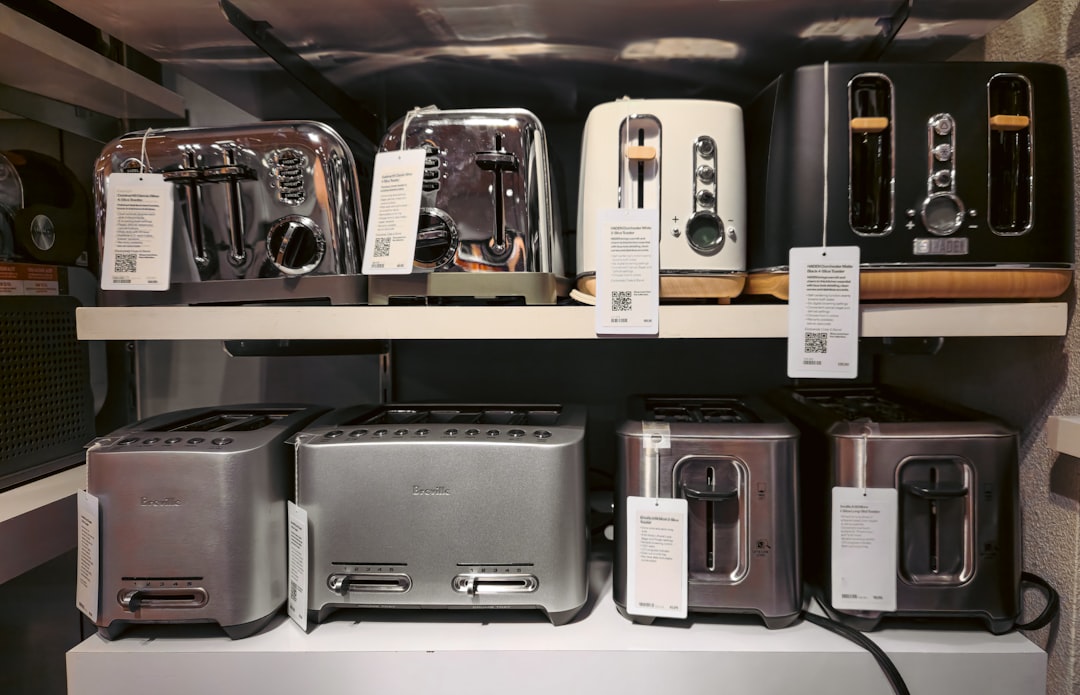
South Korean electronics giants Samsung and LG both operate large appliance manufacturing plants in the U.S., but still rely heavily on Chinese components. The new tariffs are expected to raise the cost of assembling products like refrigerators, washers, and microwaves. In public statements in April 2025, both companies indicated price increases are “under evaluation” for the U.S. market. Samsung’s head of North American operations, JH Han, explained, “We have no choice but to adjust our pricing strategies.” LG similarly noted in their Q1 filings that “tariff-driven cost increases are being factored into 2025 pricing.” Retail industry analysts from Statista project that large appliance prices could rise by 4-6% if tariffs persist throughout the year.
Nike and Adidas Brace for Sneaker Price Hikes
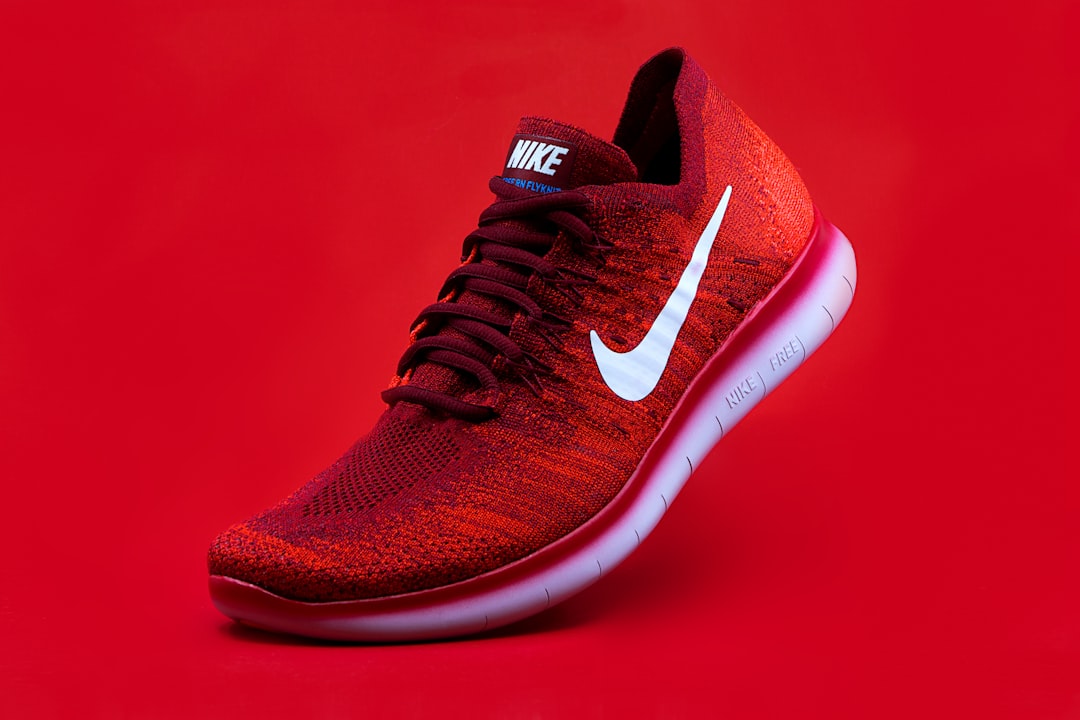
Nike and Adidas, two of the world’s leading athletic brands, have long relied on Chinese factories for footwear and sportswear production. With the Trump tariffs targeting shoes and apparel, both companies are warning of higher retail prices in 2025. Nike’s CFO Matthew Friend recently told shareholders that “increased import duties will impact our cost base, and unfortunately, some of that will reach consumers.” Adidas has echoed this sentiment, warning that popular models could see price hikes of $10 to $15. The Footwear Distributors and Retailers of America has calculated that tariffs could increase the average price of athletic shoes by 7% or more. Sneaker fans may need to dig even deeper into their wallets this year.
Procter & Gamble Warns on Household Goods
Procter & Gamble, the multinational behind brands like Tide, Pampers, and Gillette, has said that tariffs on raw materials and finished goods from China are pushing up costs. In their April 2025 investor update, the company stated that “higher input costs are leading us to consider selective price increases.” P&G sources packaging, chemicals, and manufacturing equipment from China, all of which are now more expensive due to tariffs. Company executives told Reuters that consumers can expect modest but widespread price hikes across cleaning, hygiene, and beauty products. A recent IRI report supports this, noting shelf price increases of 2-4% on many household staples in early 2025.
Whirlpool Confronts Tariff-Related Appliance Costs
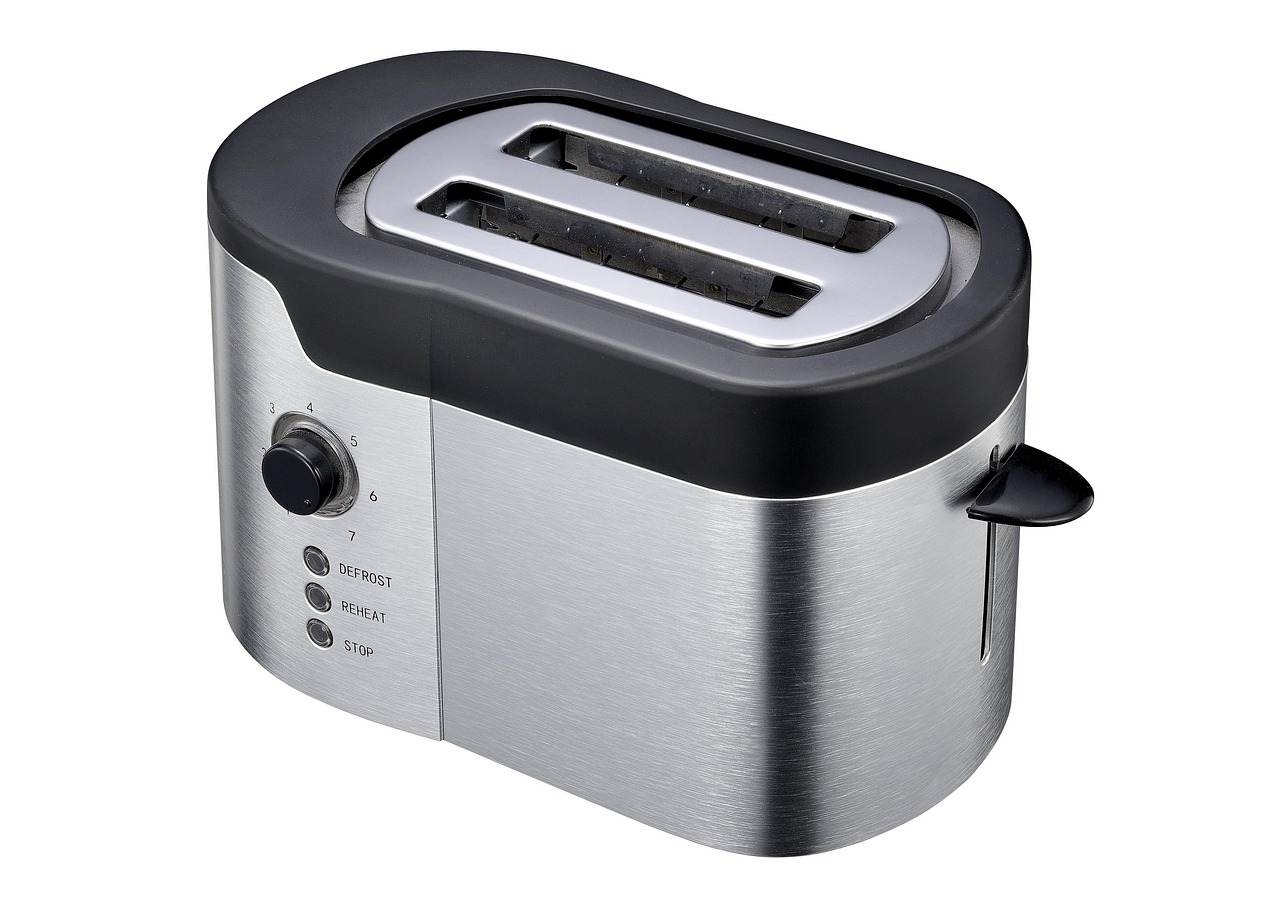
Whirlpool, a leading U.S. appliance maker, has expressed concern over tariffs affecting both its imported parts and finished goods. In its May 2025 earnings call, CEO Marc Bitzer stated that the company “cannot absorb all the additional costs” and will adjust prices accordingly. The company pointed out that many essential components, such as compressors and circuit boards, are sourced from China. Whirlpool estimates that tariffs could add $80 to $120 to the cost of a new refrigerator or washer. Market analysis from Appliance Magazine shows similar trends, with most major brands anticipating price increases of 5% or more for large appliances this year. The company is also investigating alternative suppliers but says change will take time.
Harley-Davidson Cautions on Motorcycle Pricing
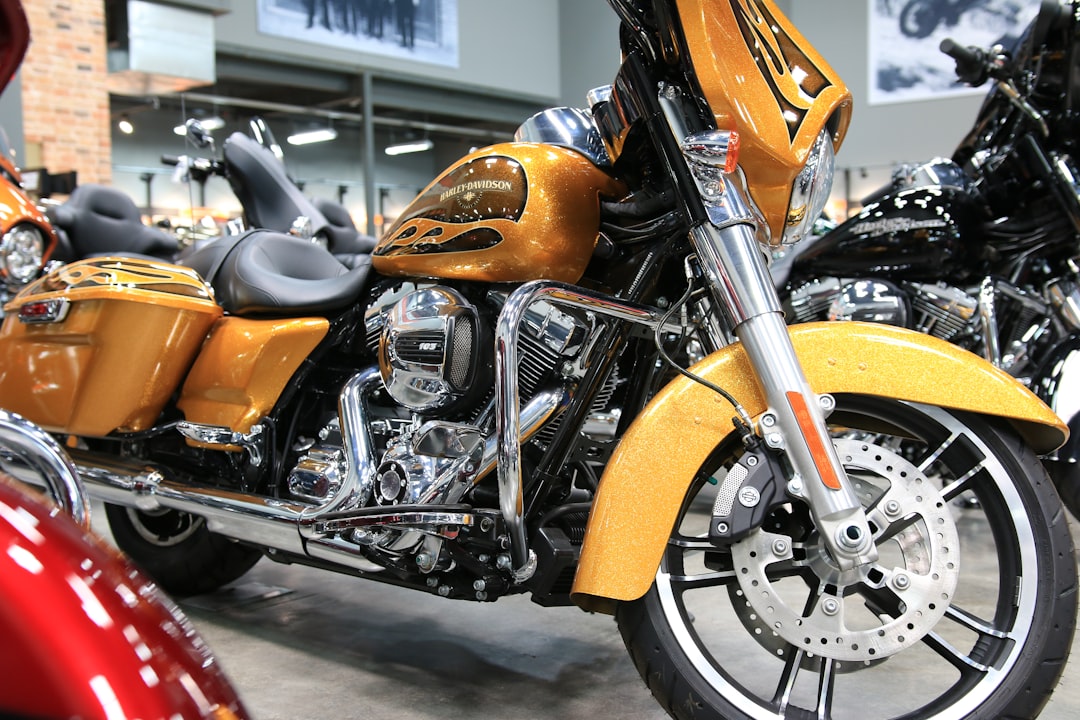
Harley-Davidson, the iconic American motorcycle maker, has warned that tariffs on imported parts and materials from China will likely force price hikes for U.S. consumers in 2025. In their spring financial report, the company noted that the cost of steel, aluminum, and electronic components has risen sharply. CEO Jochen Zeitz said, “We’re committed to American manufacturing, but these tariffs are a real challenge for us and our customers.” Harley-Davidson has already raised prices in Europe due to earlier trade disputes and expects to do the same in its home market. Industry data from Motorcycle & Powersports News shows that the average new motorcycle price could increase by $500 or more if tariffs persist. The company is urging policymakers to consider the impact on American manufacturing jobs and consumers alike.

Lena is a thoughtful and imaginative writer with a passion for storytelling across the themes of travel, environmental sustainability, and contemporary home aesthetics. With a background in cultural media and a strong visual sensibility, Anna Lena creates content that bridges inspiration with practical insight.
Her work explores the interplay between place, lifestyle, and design—guiding readers through meaningful travel experiences, eco-conscious choices, and modern approaches to living well. Known for her elegant writing style and attention to detail, she brings a fresh, human-centered perspective to every topic she covers.
Anna Lena contributes to digital publications and editorial projects where aesthetics meet purpose. Her writing not only informs but also encourages readers to live more intentionally, sustainably, and beautifully—wherever they are in the world.