

Henrieke Otte is an accomplished writer and content editor, specializing in topics that inspire thoughtful living—ranging from global travel and sustainable lifestyles to interior design and architecture. With a keen editorial sense and a background in cultural studies, Henrieke brings depth, elegance, and clarity to every piece she crafts.
Her work is known for its engaging voice, visual sensitivity, and ability to turn complex ideas into accessible, reader-friendly narratives. Whether exploring eco-conscious destinations, dissecting climate-conscious home trends, or curating serene living spaces, Henrieke writes with a balance of creativity and insight that resonates with design-savvy, environmentally aware audiences.
Driven by a love of meaningful storytelling and a refined aesthetic, Henrieke contributes regularly to digital platforms and magazines where quality content meets visual sophistication.
Automakers Brace for Higher Sticker Prices

Major car manufacturers like Ford, General Motors, and Tesla have warned that tariffs on imported parts and materials from China are likely to push up the cost of producing vehicles in the United States. Ford’s Chief Financial Officer stated in April 2024 that rising import duties could add hundreds of dollars to the price of popular models, especially those reliant on electronic components from Asia. Tesla has already hinted at incremental price hikes for its Model 3 and Model Y, citing increased costs for batteries and chips. According to the Alliance for Automotive Innovation, the average American car could cost $1,200 more if the new tariffs are fully implemented. These price increases aren’t just theoretical—dealerships are already adjusting prices in anticipation. With car sales sluggish in early 2025, both automakers and buyers are feeling the pinch. J.D. Power’s recent survey found that more than 60% of dealers expect to increase prices by summer if tariffs persist.
Electronics Retailers Sound the Alarm
Best Buy, Walmart, and Target have all signaled that prices on electronics like smartphones, laptops, and televisions will climb if tariffs on Chinese imports go into effect. A spokesperson for Best Buy shared in March 2025 that up to 30% of its inventory could be affected, hitting everything from budget tablets to high-end gaming laptops. The Consumer Technology Association estimates that tariffs could increase the average price of a flat-screen TV by $50 to $100. Walmart’s quarterly report in February 2025 explicitly warned investors about “margin pressure due to tariff-related cost increases.” Target’s CEO told analysts in April that “higher costs on electronics are likely to be passed along to consumers.” These companies are scrambling to negotiate with suppliers but admit that shoppers should brace for higher bills in the electronics aisle.
Clothing and Footwear Brands Warn of Higher Costs
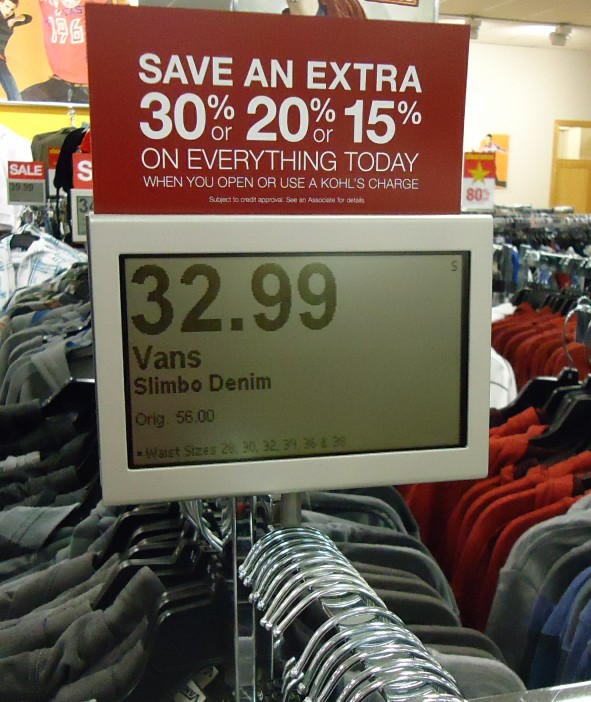
Nike, Adidas, and Gap have all issued statements since January 2025 indicating that tariffs on Chinese-made textiles and footwear will force them to reconsider their pricing. According to the American Apparel & Footwear Association, China still supplies over 35% of all footwear sold in the United States. Nike’s CFO told investors in March that “tariffs could add $10 to $20 to the cost of a pair of shoes.” Adidas echoed this concern, noting the challenge of quickly shifting suppliers to avoid tariffs. Gap’s latest earnings call revealed that the company expects price hikes on both basics and designer lines by the back-to-school season. The National Retail Federation said in May 2025 that “the average American family could spend significantly more on clothing this year if tariffs remain unchanged.”
Home Appliance Makers Prepare for Price Increases
Whirlpool, GE Appliances, and LG have all flagged higher prices for washers, dryers, and refrigerators in their most recent financial disclosures. Whirlpool’s CEO told shareholders that the company relies on imported steel and electronic components, many of which are now subject to new tariffs. LG’s 2025 annual report projected a 7% to 10% increase in retail prices for appliances sold in the U.S. GE Appliances cited tariffs in their Q1 2025 earnings as the “primary driver of anticipated cost inflation.” The Association of Home Appliance Manufacturers stated in April 2025 that tariffs could add up to $150 on the average price of a refrigerator. With demand for home renovations still strong, these increases could hit middle-class families the hardest.
Furniture Retailers Signal Upcoming Price Hikes
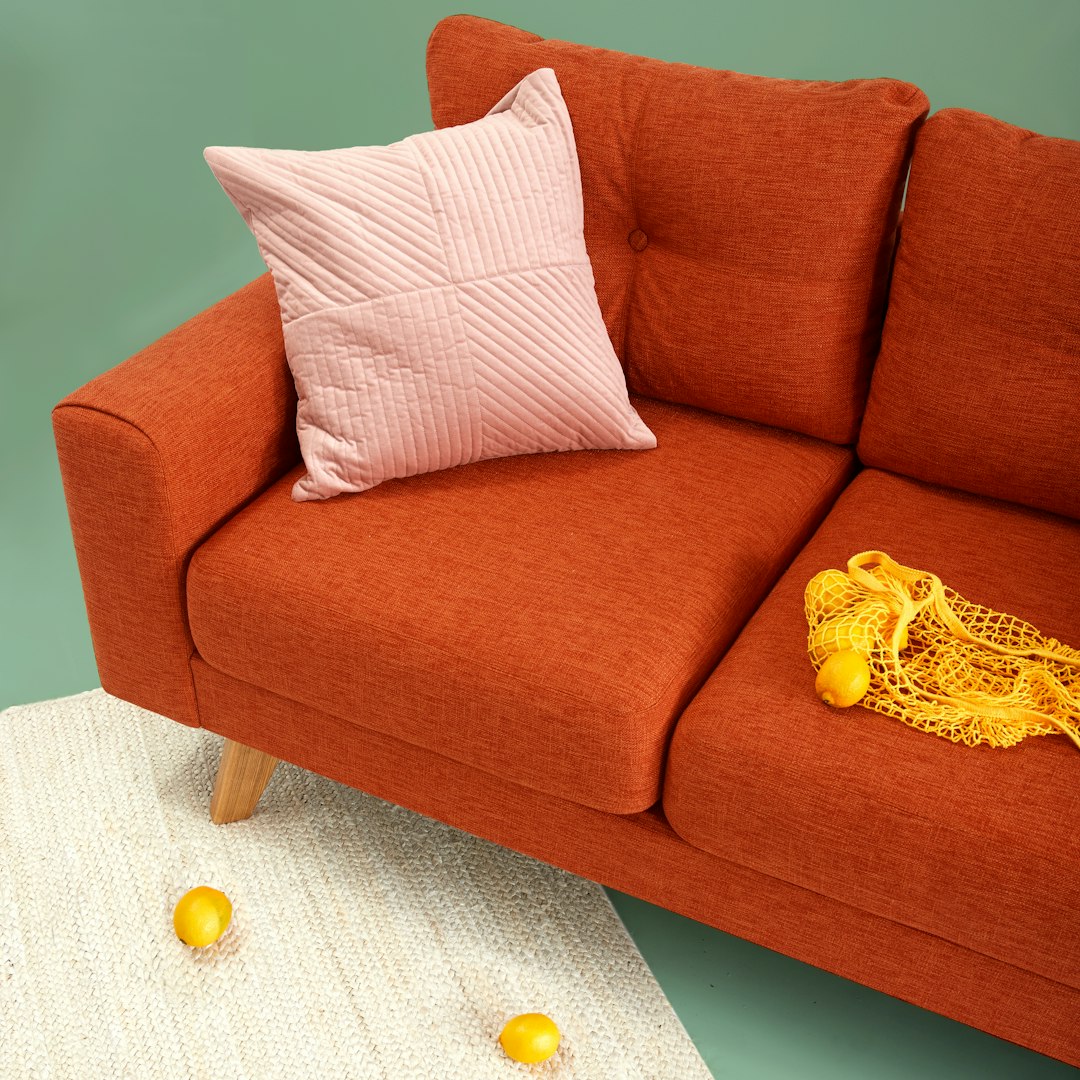
IKEA, Ashley Furniture, and Wayfair have all publicly disclosed plans to adjust pricing if tariffs on Chinese wood, metal, and finished furniture goods continue. IKEA’s U.S. director stated in March 2025 that “supply chain costs are rising sharply due to tariffs on key materials.” Ashley Furniture reported during its latest investor call that tariffs could add 8% to 12% to the cost of sofas and beds. Wayfair’s April 2025 customer letter warned that “product prices may increase as tariffs drive up supply costs.” The American Home Furnishings Alliance noted that about 40% of all American furniture imports come from China, making it difficult for retailers to quickly shift sourcing. Customers shopping for new living room sets this year should expect fewer discounts and more price tags with higher numbers.
Food and Beverage Companies Pass on Higher Costs
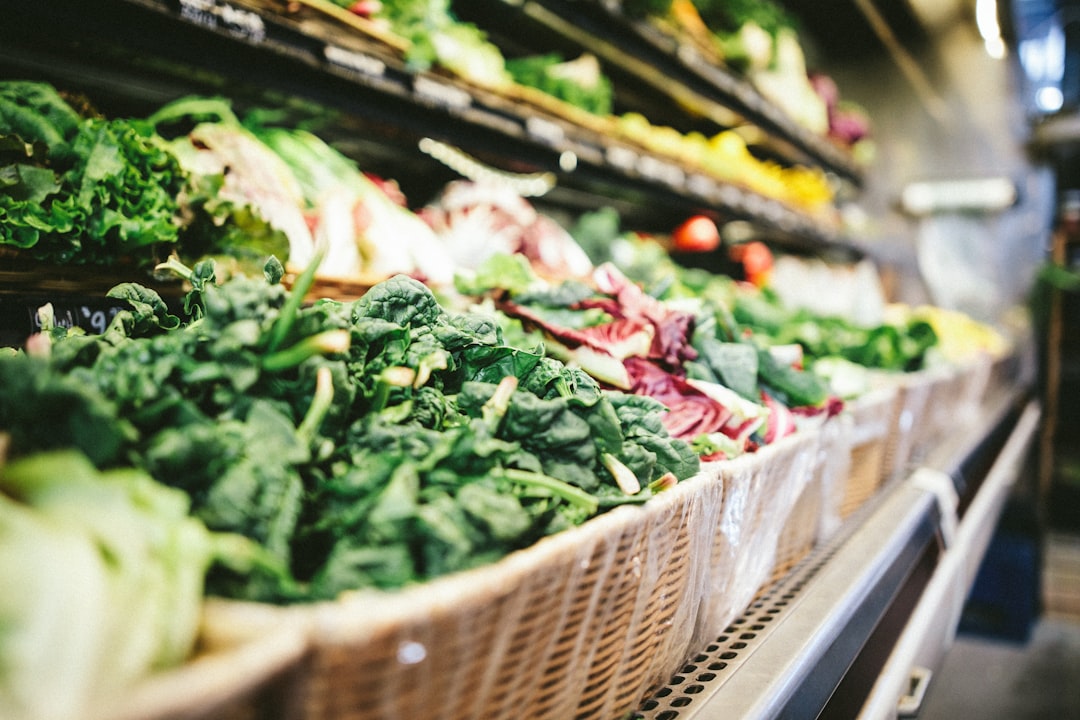
Coca-Cola, PepsiCo, and Kraft Heinz have each indicated that tariffs on imported aluminum, packaging, and some food additives will likely make their products more expensive. In February 2025, Coca-Cola’s CFO warned that “can prices are up sharply due to tariffs, and this cost will eventually be reflected on store shelves.” PepsiCo’s quarterly report noted similar pressures, especially on snack packaging and imported flavorings. Kraft Heinz told investors in March that “tariff-driven increases in ingredient costs are likely to raise prices on core products like ketchup, sauces, and snacks.” According to the Grocery Manufacturers Association, the cumulative effect could add 2-5% to grocery bills by the end of 2025. Shoppers may notice price jumps on everything from soda cans to condiments.
Tool and Hardware Suppliers Expect Higher Prices
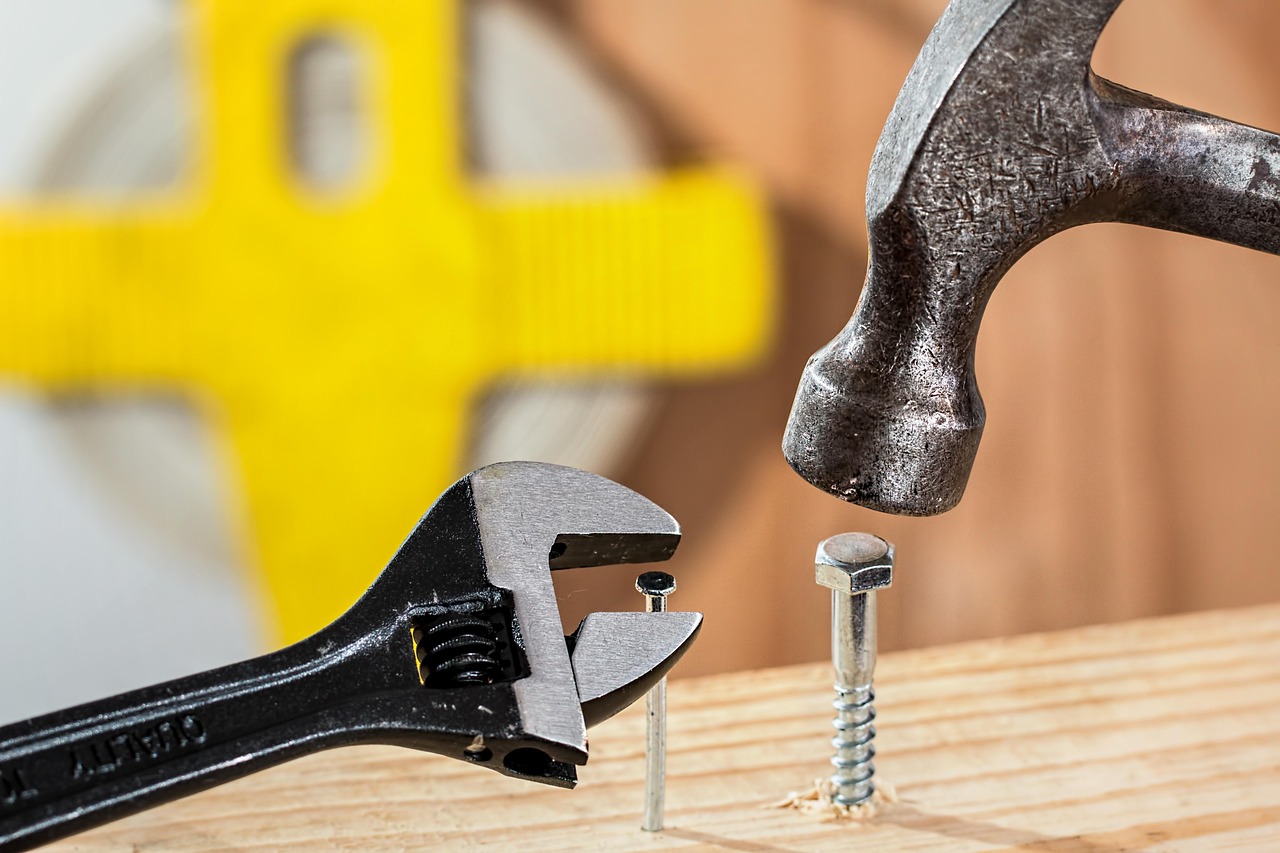
Home Depot, Lowe’s, and Stanley Black & Decker have all flagged tariffs on Chinese steel, aluminum, and power tool components as a big worry for their 2025 pricing outlook. Home Depot’s CFO said in April 2025 that “tariffs on imported hand tools and hardware will likely lead to higher shelf prices this summer.” Lowe’s echoed these concerns, with executives noting that “DIY project costs could rise for both professionals and weekend warriors.” Stanley Black & Decker has already raised wholesale prices on select tool lines and is considering more increases if tariffs persist. The Hardware Retailers Association said in May 2025 that “tariffs could add as much as 10% to the cost of common tools and fasteners.” Customers planning home improvement projects may need to adjust their budgets upward.
Smartphone Manufacturers Prepare for Price Surges

Apple, Samsung, and Google have all issued warnings about potential smartphone price increases due to tariffs on Chinese-made components and finished devices. In its Q2 2025 earnings call, Apple’s CEO said, “Tariffs on key components could make iPhones more expensive for U.S. consumers by $50 to $100 depending on the model.” Samsung’s North America division expressed similar concerns, stating that “higher costs for chips and screens are likely to be passed on to buyers.” Google, which assembles Pixel phones in Asia, noted in its latest report that “tariff pressures are a key risk to our U.S. pricing strategy.” The Consumer Technology Association estimates that tariffs could increase the average smartphone price by up to 15% in 2025. For consumers, this could make upgrading to the latest model a much bigger investment.
Outdoor and Sporting Goods Companies Signal Increases

Companies like Columbia Sportswear, The North Face, and Dick’s Sporting Goods have all cited tariffs on imported camping gear, backpacks, and athletic equipment as a reason for price hikes in 2025. Columbia’s CFO stated during an April 2025 investor call that “tariffs on textiles and finished gear are making it difficult to hold prices steady.” The North Face issued a customer update noting that “higher material costs mean higher prices on popular jackets and tents.” Dick’s Sporting Goods warned in its earnings release that “families shopping for back-to-school or summer sports may see increased prices on everything from sneakers to soccer balls.” The Outdoor Industry Association calculated that tariffs could add $3 billion in annual costs for outdoor gear sellers in 2025. Weekend adventurers and youth athletes alike are likely to feel the impact.
Pharmaceutical and Medical Supply Firms Face Higher Bills
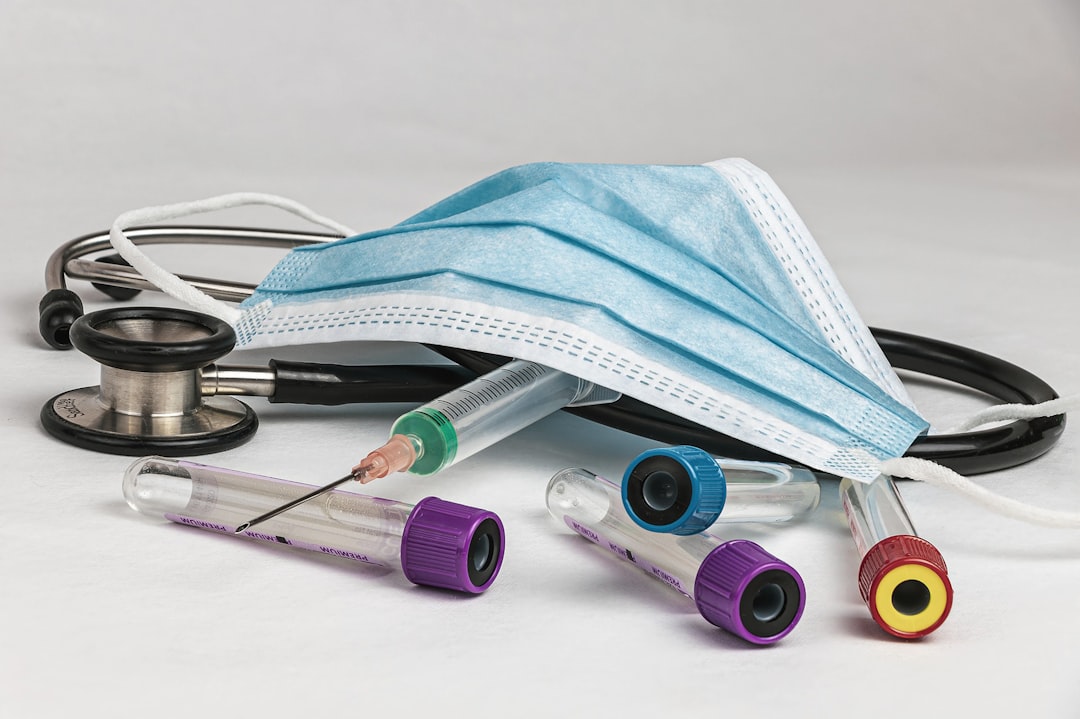
Pfizer, Johnson & Johnson, and Cardinal Health have all reported that tariffs on Chinese pharmaceutical ingredients and medical devices could lead to higher prices for U.S. hospitals and patients. Pfizer’s Q1 2025 earnings statement pointed out that “tariffs on key chemical imports are driving up production costs for common medications.” Johnson & Johnson’s CFO warned that “medical device costs may rise if tariffs on Chinese components are not eased.” Cardinal Health, a major medical supplier, has already notified hospital clients that prices for some surgical and diagnostic equipment will be rising this year. The Healthcare Supply Chain Association said in May 2025 that “tariffs could increase the cost of basic medical supplies by 5 to 8%.” For patients and providers, these increases come at a time when healthcare costs are already under scrutiny.
Consumer Goods Giants Prepare for Price Hikes
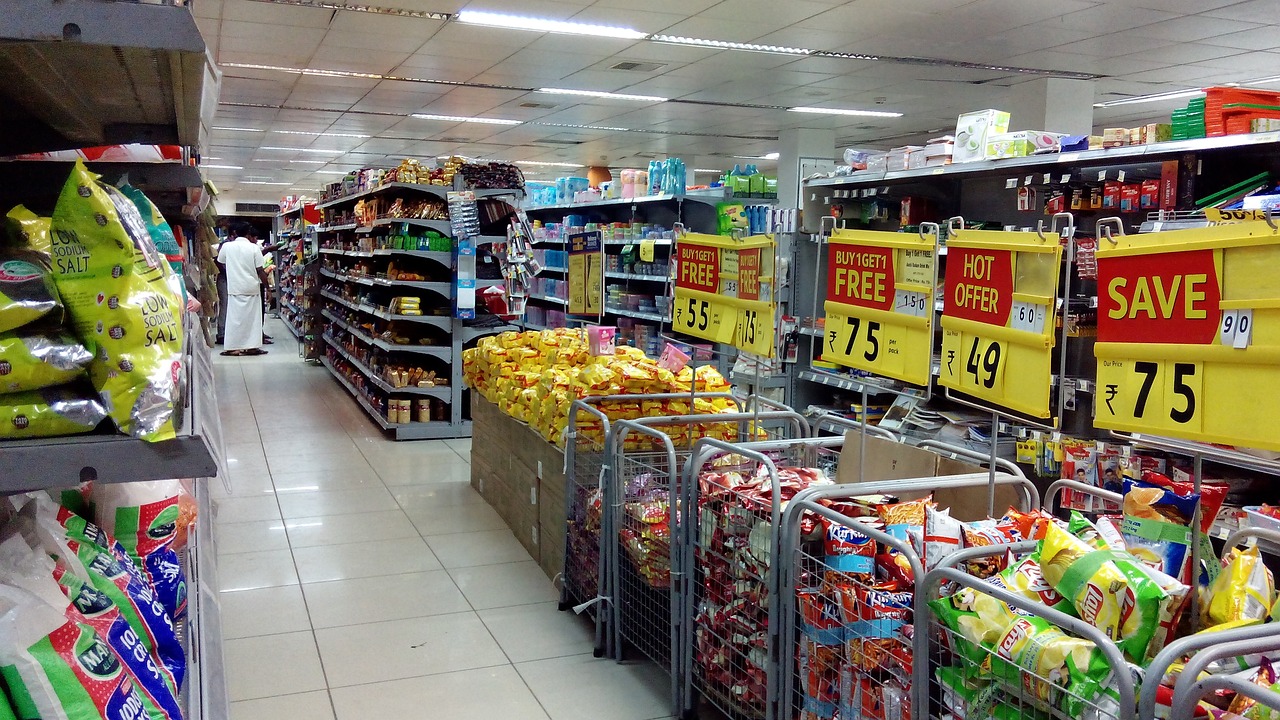
Procter & Gamble, Unilever, and Kimberly-Clark have all cited tariffs on imported chemicals, paper products, and packaging as reasons for possible price increases in 2025. Procter & Gamble’s Q1 2025 report explained that “tariffs on packaging materials and ingredients are making it more expensive to produce everyday essentials.” Unilever’s North America CEO told media in March that “household staples like soap, detergent, and personal care items face new cost pressures.” Kimberly-Clark, which makes Kleenex and Huggies, said in its earnings release that “increased costs from tariffs are likely to be reflected in retail prices later this year.” The Household & Personal Products Association estimated in April 2025 that tariffs could add $1 billion in costs for American brands. Consumers may soon notice higher prices on basic goods they use every day.

Henrieke Otte is an accomplished writer and content editor, specializing in topics that inspire thoughtful living—ranging from global travel and sustainable lifestyles to interior design and architecture. With a keen editorial sense and a background in cultural studies, Henrieke brings depth, elegance, and clarity to every piece she crafts.
Her work is known for its engaging voice, visual sensitivity, and ability to turn complex ideas into accessible, reader-friendly narratives. Whether exploring eco-conscious destinations, dissecting climate-conscious home trends, or curating serene living spaces, Henrieke writes with a balance of creativity and insight that resonates with design-savvy, environmentally aware audiences.
Driven by a love of meaningful storytelling and a refined aesthetic, Henrieke contributes regularly to digital platforms and magazines where quality content meets visual sophistication.