

Lena is a thoughtful and imaginative writer with a passion for storytelling across the themes of travel, environmental sustainability, and contemporary home aesthetics. With a background in cultural media and a strong visual sensibility, Anna Lena creates content that bridges inspiration with practical insight.
Her work explores the interplay between place, lifestyle, and design—guiding readers through meaningful travel experiences, eco-conscious choices, and modern approaches to living well. Known for her elegant writing style and attention to detail, she brings a fresh, human-centered perspective to every topic she covers.
Anna Lena contributes to digital publications and editorial projects where aesthetics meet purpose. Her writing not only informs but also encourages readers to live more intentionally, sustainably, and beautifully—wherever they are in the world.
Walmart: Retail Giant Faces Price Pressures
Walmart, the world’s largest retailer, is facing significant challenges as a result of President Trump’s tariffs. Even with robust quarterly sales, the company finds itself unable to absorb the entirety of the new financial burdens these tariffs impose. CEO Doug McMillon was direct in addressing the issue, explaining that Walmart’s narrow profit margins simply won’t allow them to shoulder all the extra costs. He reassured customers that the company will try to keep prices as low as possible, but admitted that’s not fully achievable given the scale of the tariffs. The impact is already visible in specific product categories. For example, the price of bananas imported from Costa Rica has gone up from 50 cents to 54 cents per pound, which is a noticeable jump for a staple fruit. Car seats made in China are also set to become much more expensive, with a potential $100 increase on top of their current $350 price tag. Shoppers could begin to see these higher prices at Walmart as soon as the end of May.
Mattel: Toy Prices on the Rise
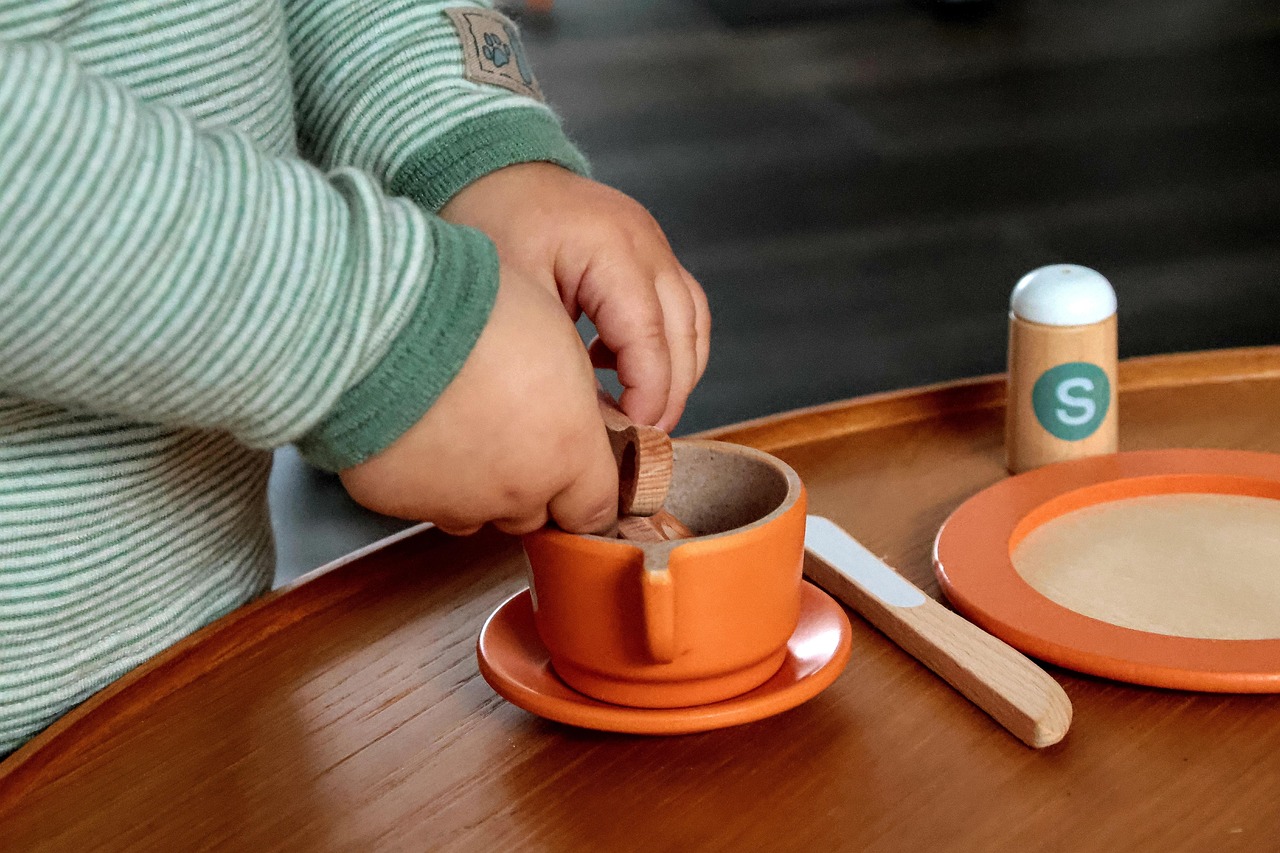
Toy manufacturer Mattel plans to raise prices on some of its products sold in the U.S. to offset higher costs resulting from the tariffs. The company anticipates that even with these price adjustments, 40% to 50% of its toys will still cost $20 or less. However, Mattel acknowledges the difficulty in predicting customer spending and U.S. sales for the remainder of the year without more information. Executives revealed that China accounts for 40% of Mattel’s global production, making the company particularly vulnerable to the tariffs .
Best Buy: Electronics Retailer Warns of Price Hikes
Best Buy has cautioned that vendors across its entire assortment are likely to pass along some level of tariff costs to retailers, making price increases for American consumers highly probable. While some electronic parts and devices are temporarily exempt from the tariffs, this exemption is not expected to last indefinitely. The company is preparing for potential price adjustments in response to the evolving trade landscape.
Temu and Shein: Online Retailers Adjust Pricing

Chinese-founded online retailers Temu and Shein have announced plans to raise prices for U.S. customers starting April 25, 2025, in response to the tariffs on goods shipped from China. Both companies, known for offering a variety of low-cost merchandise, are making these “price adjustments” to continue providing quality products without compromising on affordability. The changes reflect the increased operating expenses resulting from the new tariffs.
Ralph Lauren: Luxury Brand Considers Further Price Increases
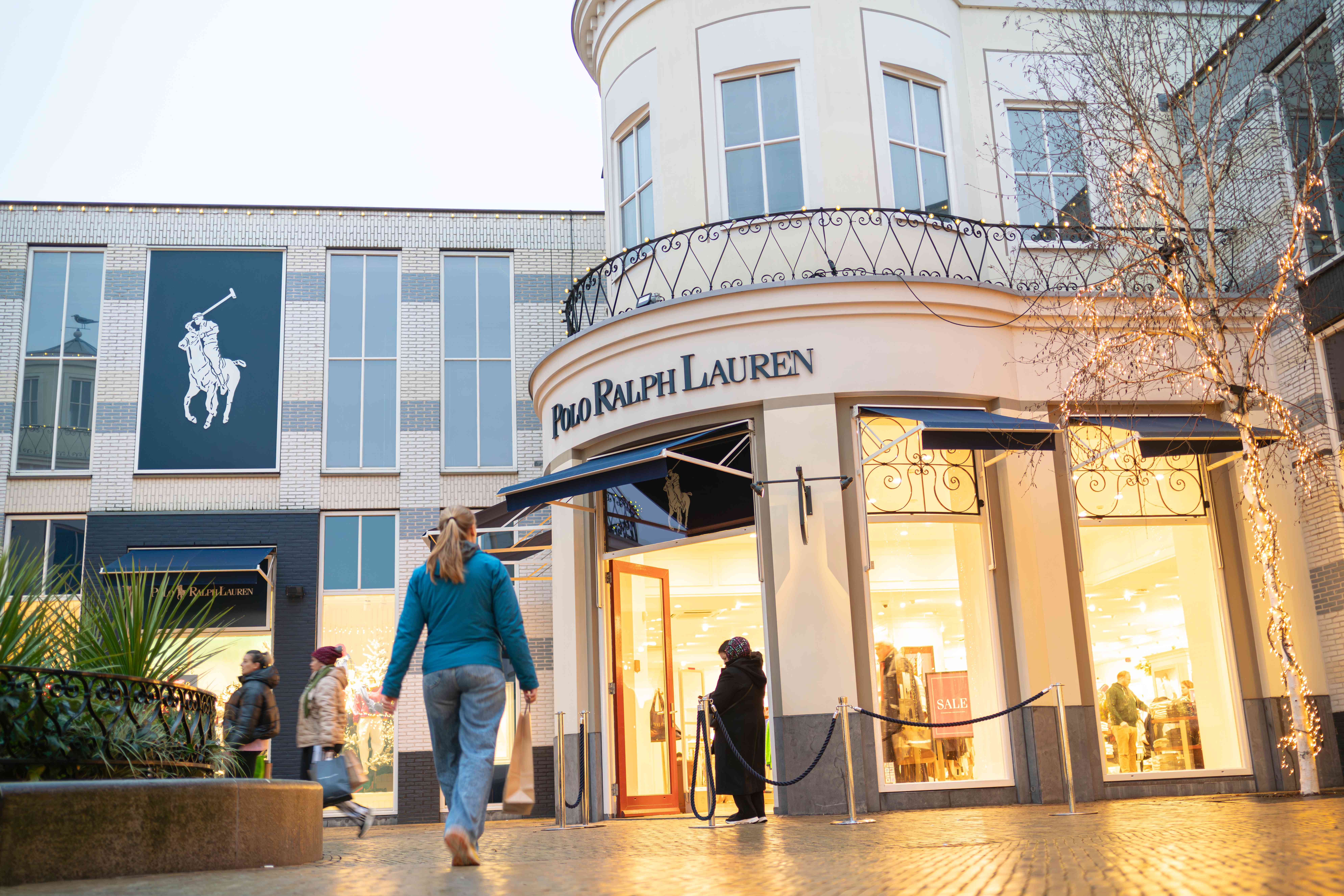
Ralph Lauren has indicated that it will raise prices more than previously planned to offset the impact of the tariffs. While some price hikes were already expected for the fall, the company now anticipates higher increases this fall and next spring. CEO Patrice Louvet mentioned that the company is assessing additional pricing actions for full-year 2025 and spring of 2026 to mitigate the potential impact of evolving tariffs.
Automotive Industry: Volvo, Subaru, and Ford Respond
The automotive sector is also feeling the effects of the tariffs. Volvo Cars CEO Håkan Samuelsson stated that customers would have to pay a significant portion of tariff-related cost increases, particularly with the proposed 50% tariff on imports from the European Union starting June 1 . Subaru has announced plans to increase prices on several vehicle models in response to “current market conditions,” which include the tariffs . Ford is raising sticker prices on three Mexico-produced models, with increases ranging from $600 to $2,000 per car beginning May 2, attributing the changes to “usual mid-year pricing actions combined with some tariffs we are facing”.
Footwear Brands: Nike and Adidas Implement Price Adjustments
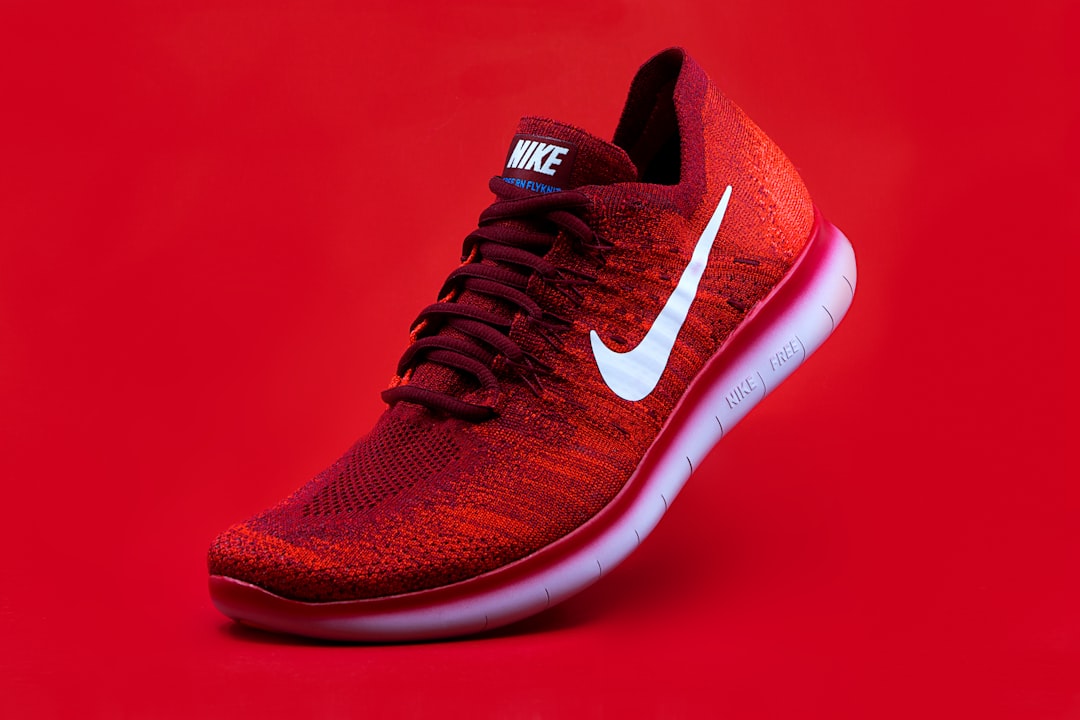
Nike plans to increase prices starting June 1, with expected hikes of $2 to $10 depending on the product. Although the company attributes these changes to “seasonal planning,” industry analysts link them to escalating U.S. tariffs on Asian imports, especially from China and Vietnam, where Nike primarily manufactures its products . Adidas CEO Bjørn Gulden has stated that higher tariffs would “eventually cause higher costs for all our products for the U.S. market,” indicating that price increases are likely forthcoming.
Other Companies: Procter & Gamble and Stanley Black & Decker
In April, Stanley Black & Decker raised prices by an average of high single digits due to the tariffs and anticipates more price increases later in 2025. Procter & Gamble has also indicated that it would consider raising prices in some categories and markets in response to the tariffs .

Lena is a thoughtful and imaginative writer with a passion for storytelling across the themes of travel, environmental sustainability, and contemporary home aesthetics. With a background in cultural media and a strong visual sensibility, Anna Lena creates content that bridges inspiration with practical insight.
Her work explores the interplay between place, lifestyle, and design—guiding readers through meaningful travel experiences, eco-conscious choices, and modern approaches to living well. Known for her elegant writing style and attention to detail, she brings a fresh, human-centered perspective to every topic she covers.
Anna Lena contributes to digital publications and editorial projects where aesthetics meet purpose. Her writing not only informs but also encourages readers to live more intentionally, sustainably, and beautifully—wherever they are in the world.