

Matthias is a skilled author and digital storyteller with a focus on travel journalism, environmental issues, and modern home design. With a background in communications and a passion for global cultures, Matthias crafts engaging narratives that blend real-world exploration with thoughtful analysis and visual flair.
His writing reflects a deep interest in how climate change shapes our lives and lifestyles—from sustainable travel practices to eco-friendly living environments. Known for his clear, approachable voice and sharp editorial instincts, Matthias delivers content that resonates with readers seeking both inspiration and substance.
Whether reporting from remote destinations, breaking down sustainable design trends, or spotlighting innovative green initiatives, Matthias brings a global perspective and an eye for detail to every piece. He regularly contributes to web platforms and editorial projects that aim to foster awareness, creativity, and conscious living.
Americans Face Economic Jolt From New Tariffs
President Donald Trump’s broad tariffs are creating economic turbulence for American consumers and companies alike. The growing roster of businesses announcing price hikes in response to the new trade rules is giving many shoppers a dose of sticker shock.
Steep Tariffs Impact Everyday Products
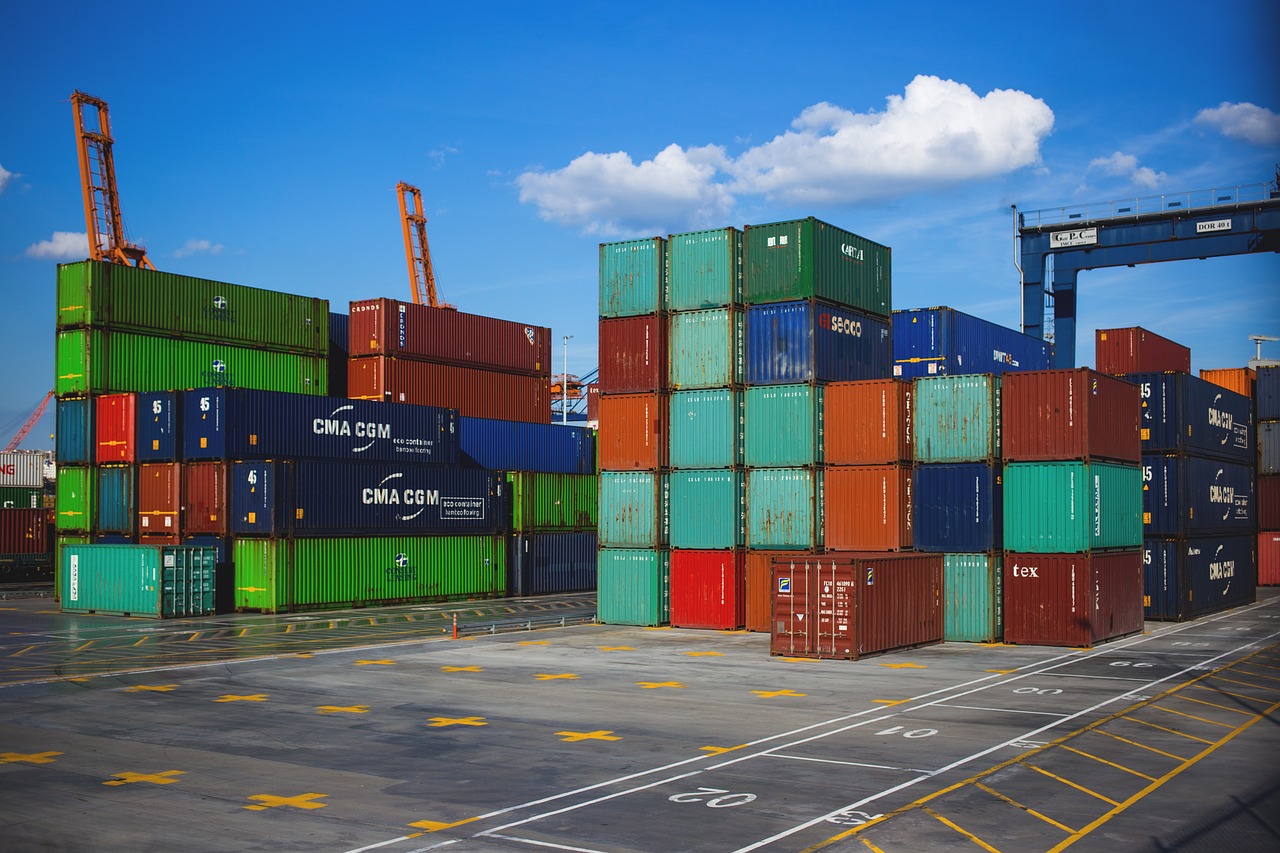
Trump has implemented a baseline 10% tariff on most imports, while goods from China face an even steeper 30% rate. Certain products, such as steel and aluminum, are subject to even higher tariffs. The result? Retailers say they can’t absorb these rising costs and will have to pass them on to consumers, affecting a range of products from groceries and apparel to cars and toys.
Walmart, Ford, and Best Buy Signal Higher Prices Ahead
Walmart recently announced it will raise prices soon, citing tariffs that it says are “too high.” Other major names—including Ford and Best Buy—have also indicated they’ll likely increase prices to offset rising costs. As companies grapple with these new import taxes, American households may soon feel the pinch on a wide array of goods.
Walmart to Implement Increases This Summer

Walmart CEO Doug McMillon made it clear on an earnings call that the company cannot fully absorb the tariff-related expenses, given its narrow margins. Chief Financial Officer John David Rainey said that shoppers should expect higher prices by the end of May, with more significant increases arriving in June.
Toy and Electronics Companies Respond to Tariffs
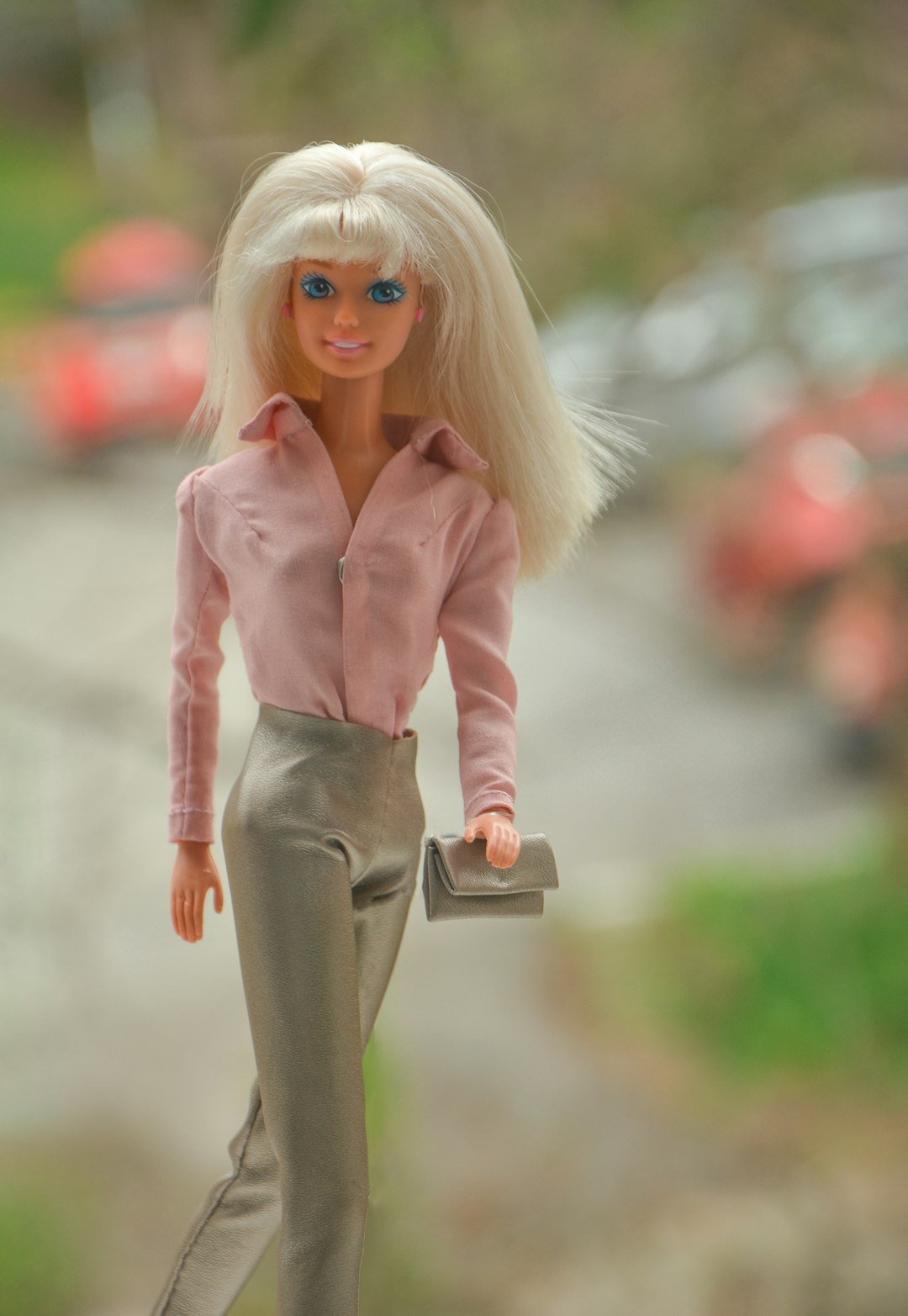
Mattel, the toy giant, revealed it would be forced to raise prices, and faced direct criticism from Trump himself, who threatened an even higher tariff on toys. Electronics retailer Best Buy also warned that suppliers are passing on tariff costs, leading to likely price increases for consumers. Nintendo and Sony have also flagged potential adjustments, with some products and accessories set for new pricing.
Chinese Retailers and Apparel Brands Adjust

Chinese online sellers Shein and Temu, once able to avoid tariffs under the “de minimis” exemption, are now raising prices after Trump’s executive order removed this loophole. Both companies have hiked prices on select items, with some seeing jumps of more than 90% overnight, according to CNN reports.
Auto and Household Product Prices Set to Climb

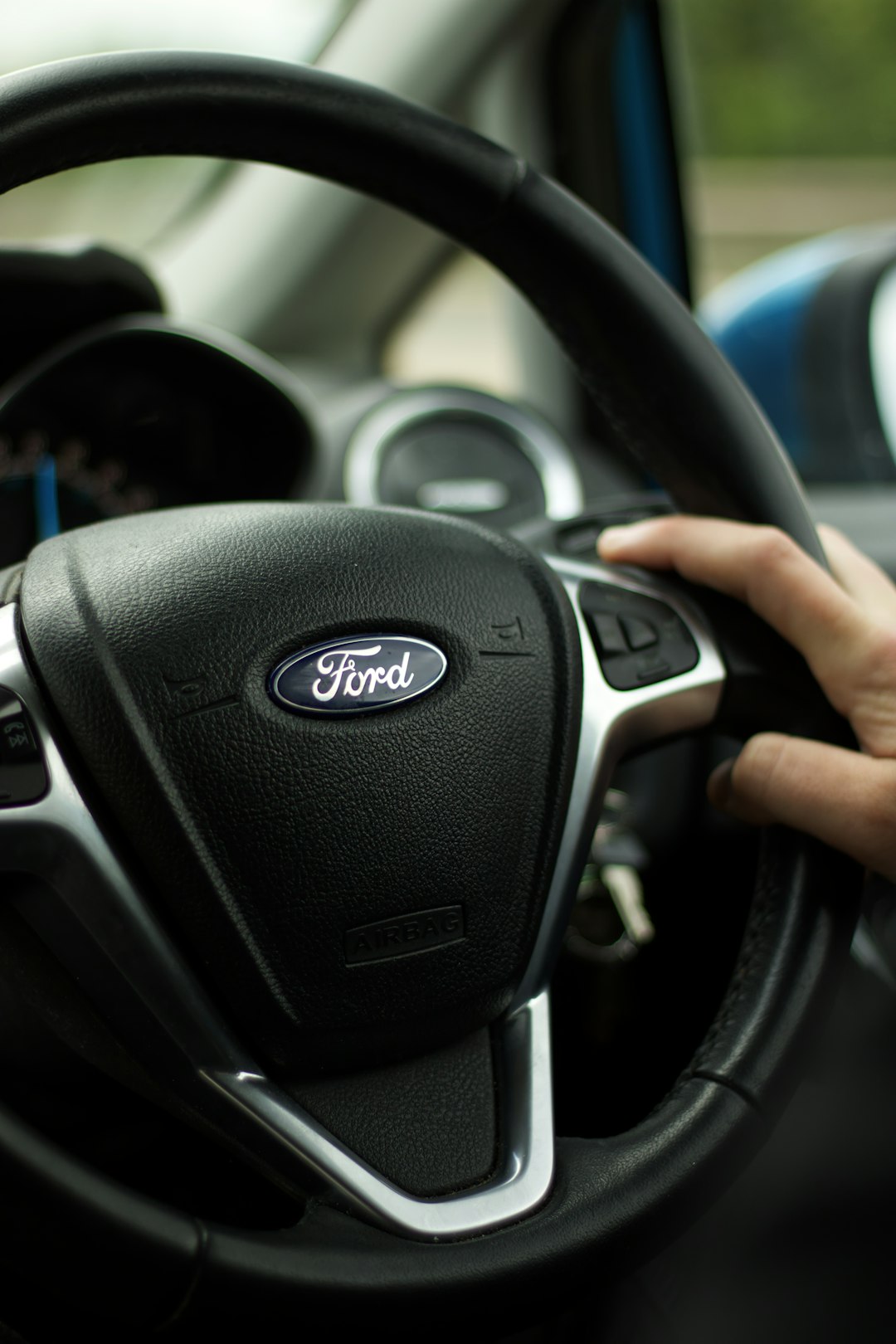
Imported cars and parts now face tariffs up to 25%, and automakers like Ford and Subaru have announced plans to raise U.S. prices. Ford expects a price increase of as much as 1.5% in the second half of 2025 and extended employee pricing offers to cushion the impact. Meanwhile, companies like Procter & Gamble and Stanley Black & Decker have said consumers should expect price bumps as tariffs make production costlier.
Uncertainty Remains for Global Brands

Adidas has joined the chorus, warning that ongoing tariff negotiations could drive U.S. prices higher. The company’s CEO, Bjørn Gulden, pointed to the unpredictability of trade talks and cautioned that rising costs would eventually translate to higher prices for American consumers.

Matthias is a skilled author and digital storyteller with a focus on travel journalism, environmental issues, and modern home design. With a background in communications and a passion for global cultures, Matthias crafts engaging narratives that blend real-world exploration with thoughtful analysis and visual flair.
His writing reflects a deep interest in how climate change shapes our lives and lifestyles—from sustainable travel practices to eco-friendly living environments. Known for his clear, approachable voice and sharp editorial instincts, Matthias delivers content that resonates with readers seeking both inspiration and substance.
Whether reporting from remote destinations, breaking down sustainable design trends, or spotlighting innovative green initiatives, Matthias brings a global perspective and an eye for detail to every piece. He regularly contributes to web platforms and editorial projects that aim to foster awareness, creativity, and conscious living.