

Lena is a thoughtful and imaginative writer with a passion for storytelling across the themes of travel, environmental sustainability, and contemporary home aesthetics. With a background in cultural media and a strong visual sensibility, Anna Lena creates content that bridges inspiration with practical insight.
Her work explores the interplay between place, lifestyle, and design—guiding readers through meaningful travel experiences, eco-conscious choices, and modern approaches to living well. Known for her elegant writing style and attention to detail, she brings a fresh, human-centered perspective to every topic she covers.
Anna Lena contributes to digital publications and editorial projects where aesthetics meet purpose. Her writing not only informs but also encourages readers to live more intentionally, sustainably, and beautifully—wherever they are in the world.
Why Is Everyone Suddenly Talking About Feng Shui?
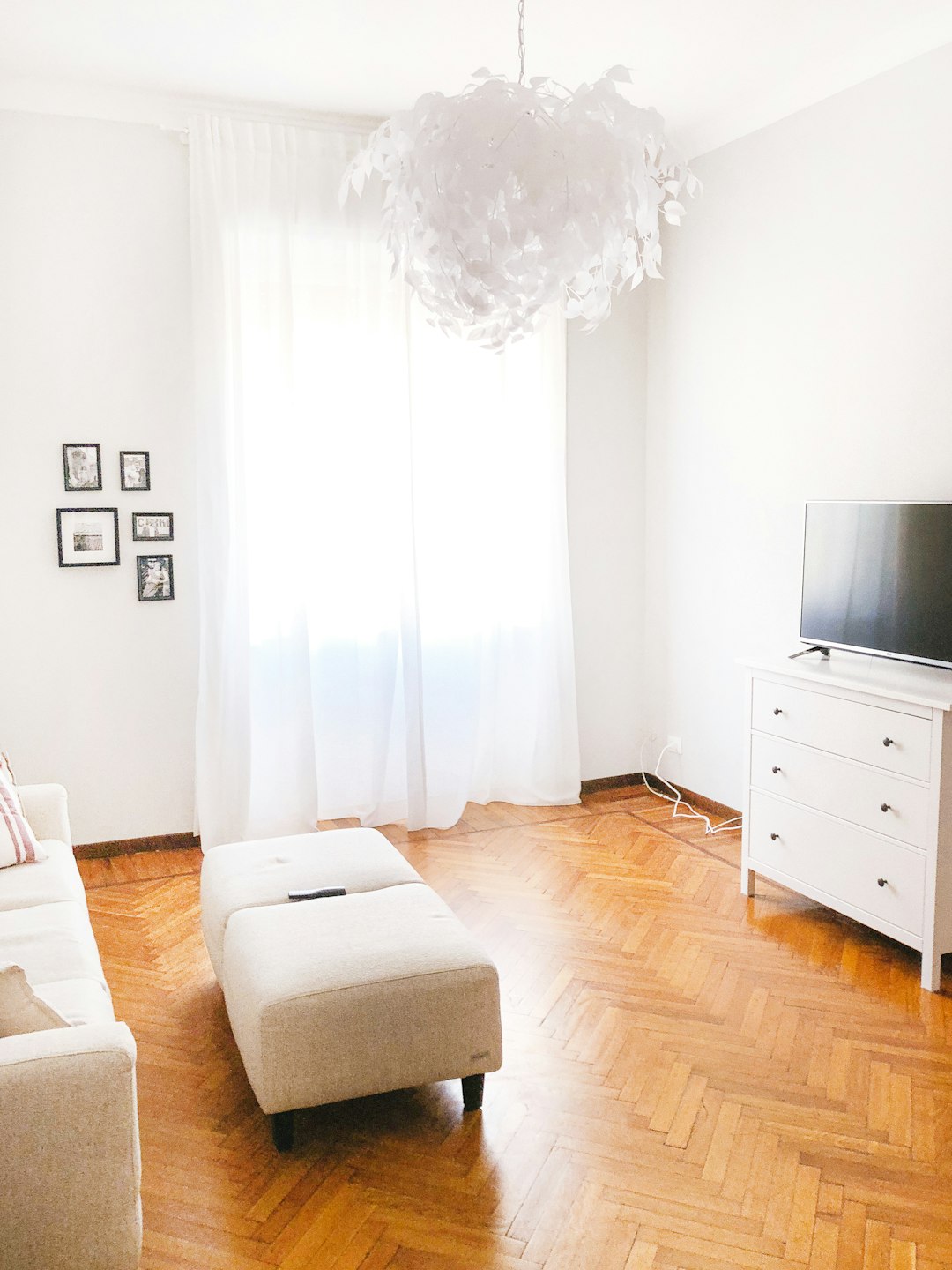
Have you ever walked into a room and instantly felt lighter, calmer, or just plain happier? That mysterious sense of well-being might come from more than just a fresh coat of paint. In the last few years, Feng Shui, the ancient Chinese art of arranging spaces for better energy, has taken the West by storm. People everywhere are decluttering, moving their couches, and even changing wall colors all in the hope of inviting more harmony and fortune into their lives. It’s surprising to see how what started in ancient China is now inspiring living rooms from New York to Los Angeles. As the world seems to spin faster and life feels more stressful, the idea of creating a peaceful oasis at home is just irresistible. There’s a real emotional pull to the promise of turning chaos into calm, and Feng Shui seems to be the secret ingredient everyone is after.
What Does Feng Shui Actually Mean?
Feng Shui literally means “wind” and “water,” two natural elements that flow and shape the world around us. Its guiding principle is about channeling invisible energy, or “qi,” so that it supports our lives instead of causing obstacles. The practice dates back thousands of years, but its essence is timeless: arrange your surroundings thoughtfully, and you’ll feel more balanced. In the past, Feng Shui was used for everything from city planning in ancient China to the design of imperial palaces. Now, its wisdom is being applied in Western apartments and offices. People are hungry for environments that promote not just beauty, but also a sense of belonging and peace. This concept, once shrouded in mystery, is now becoming part of everyday conversations, showing just how universal the need for harmony truly is.
The Surprising Surge of Feng Shui in Western Homes

If you scroll through home décor blogs or Instagram lately, you’ll notice a growing obsession with Feng Shui tips and tricks. What’s behind this explosion of interest? One big reason is the wellness movement. As more people focus on mental health and self-care, they’re looking at their surroundings and wondering: “Is my home helping or hurting my mood?” Feng Shui offers practical answers that go beyond generic decorating advice. In addition, social media influencers have glamorized the idea of arranging your furniture for luck or painting your front door red to attract opportunity. These trends have made Feng Shui not just trendy, but also approachable for people who might have dismissed it as superstition before. The West is embracing Feng Shui as both an art and a science for better living.
Understanding the Core Principles of Feng Shui

At the heart of Feng Shui lie a few simple, yet profound ideas. The first is balance, often described as yin and yang—the dance between opposites like light and dark, soft and hard, movement and stillness. Another key principle is the five elements: wood, fire, earth, metal, and water. Each element influences mood and energy in unique ways, and knowing how to combine them can change the whole feel of a room. Lastly, Feng Shui relies on something called the Bagua map, which divides a space into nine areas representing different life aspects, like family, health, or career. These concepts aren’t just esoteric theory; people use them to make concrete decisions, like where to put their bed or which colors to use in their living room. The result is a space that feels intuitively right—even if you don’t understand all the details.
The Bagua Map: A Blueprint for Happiness
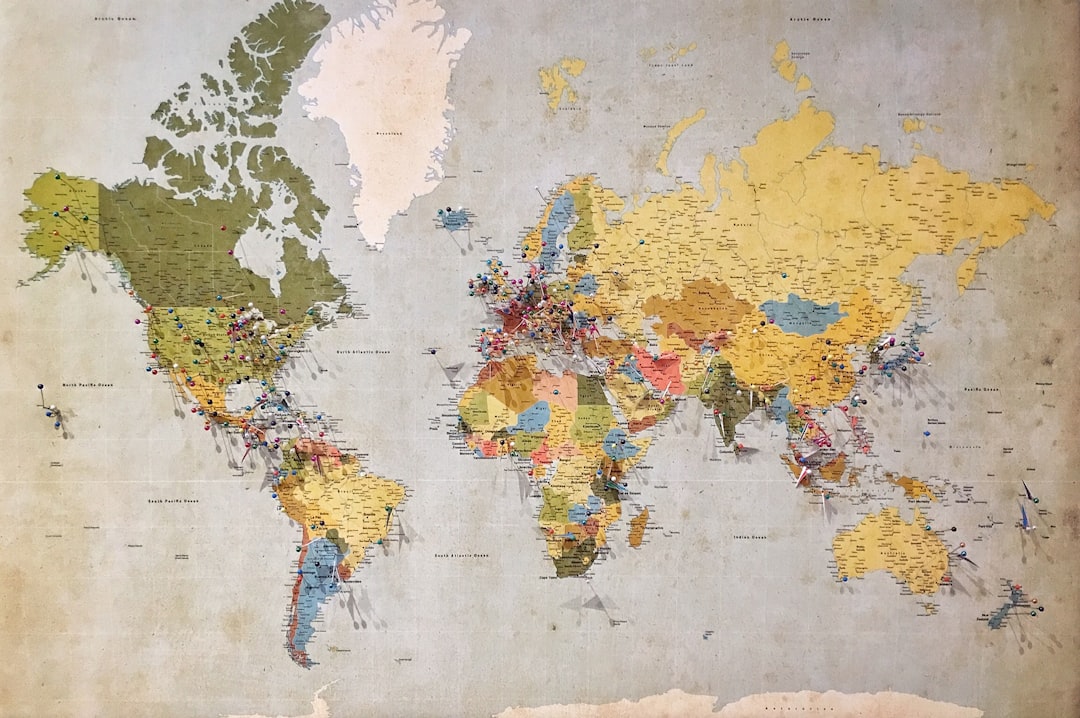
Imagine having a treasure map for your life, but instead of leading to gold, it guides you to harmony and happiness. That’s what the Bagua map is for Feng Shui enthusiasts. This simple tool divides a room into nine sections, each linked to things like love, wealth, health, and creativity. By overlaying this grid onto your home, you can spot areas that feel “off” and make small changes—like adding a green plant in the wealth corner or a photo of loved ones in the family sector. Many Westerners find the Bagua map empowering because it gives them a clear, actionable plan. It’s not just about superstition; it’s about making intentional choices that align with your goals and dreams. Even skeptics admit there’s something thrilling about the idea that your sofa placement could influence your luck.
Feng Shui’s Influence on Interior Design Trends
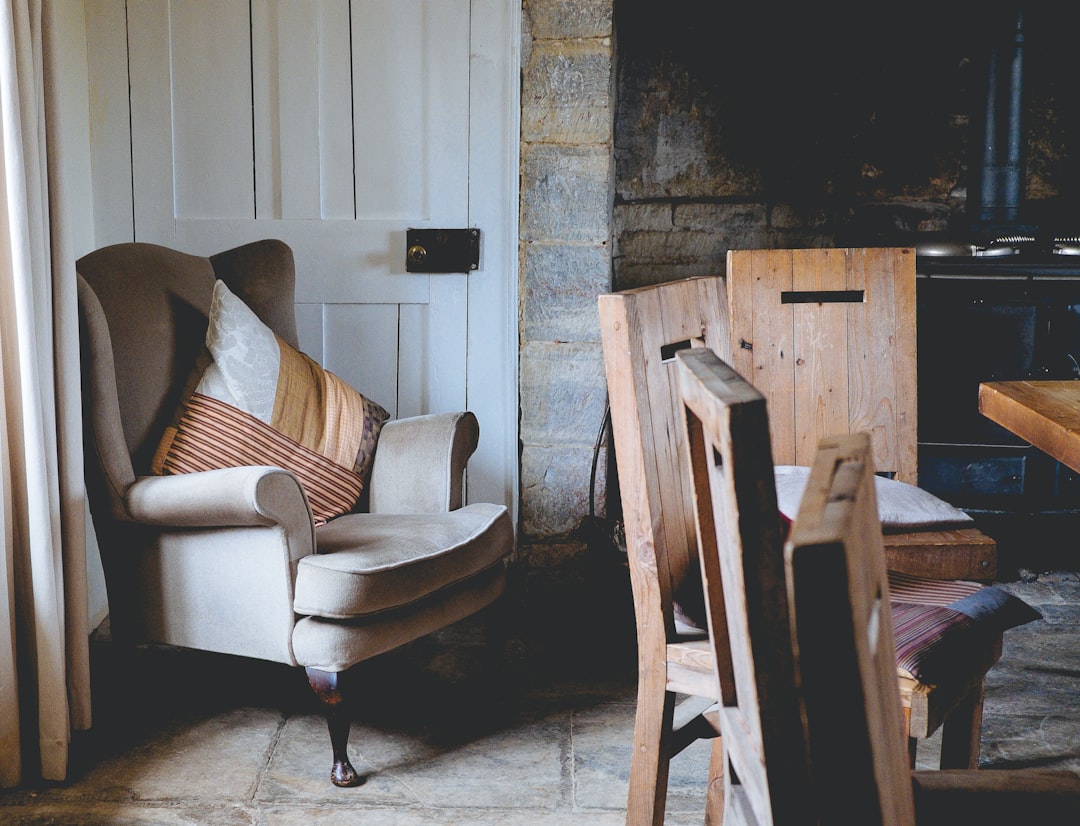
Interior designers in the West have caught the Feng Shui bug, too. More clients are asking for spaces that “feel good,” not just look good. As a result, designers are paying attention to the flow of rooms, the mix of textures, and the balance of elements. Open layouts, lots of natural light, and strategically placed mirrors are all inspired by Feng Shui principles. Even big-box furniture stores have started labeling products as “Feng Shui friendly.” This shift isn’t just about aesthetics; it’s about creating spaces that nurture the people who live in them. Designers are finding that when they follow Feng Shui guidelines, clients are happier and feel more at home. It’s a win-win: beautiful rooms that also support well-being.
The Power of Social Media in Spreading Feng Shui Wisdom
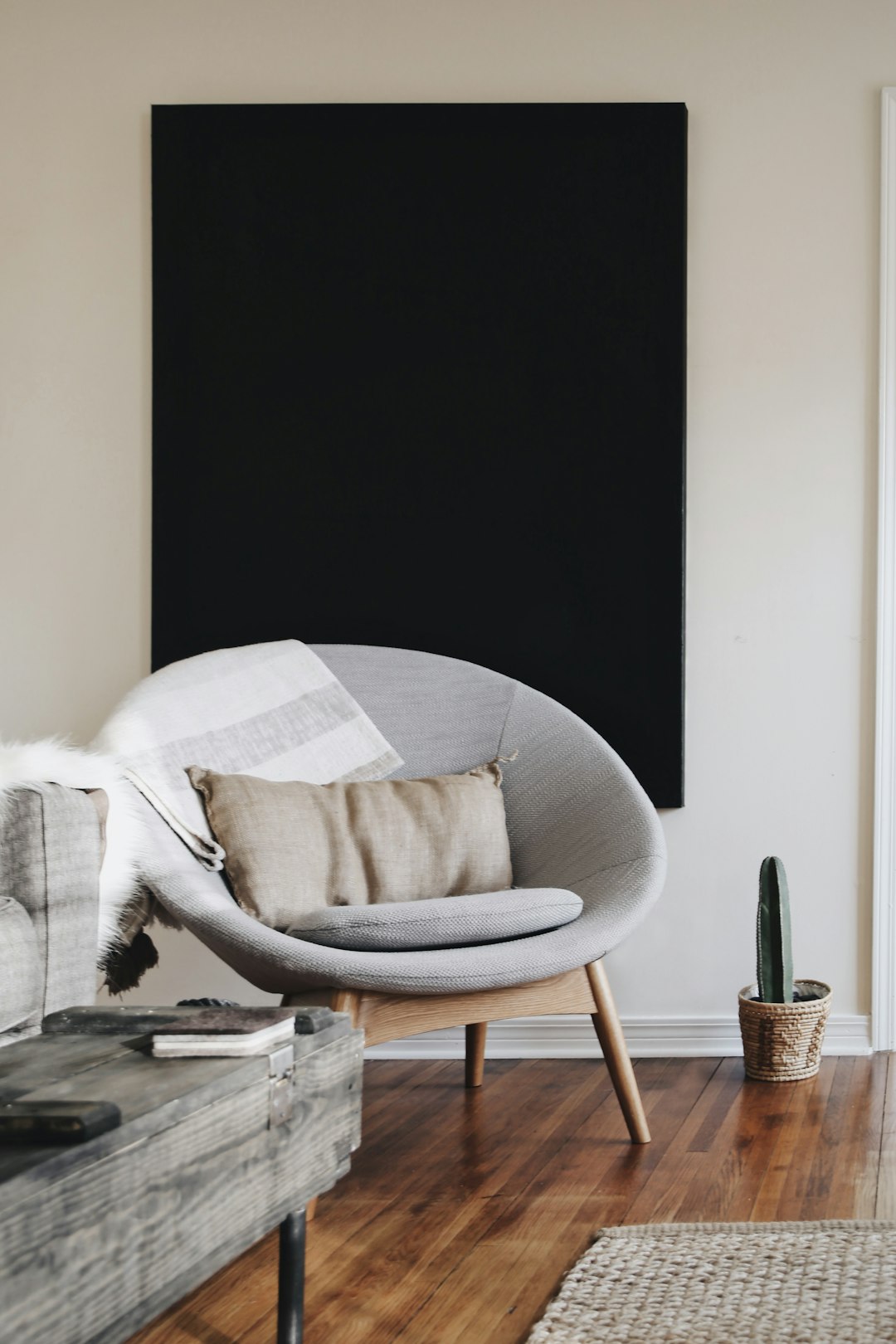
Platforms like Instagram, TikTok, and Pinterest are buzzing with Feng Shui hacks and “before and after” transformations. Influencers walk viewers through their homes, explaining why they moved a chair or added a water feature by the front door. This visual storytelling makes Feng Shui feel accessible and fun, not intimidating or mystical. Hashtags like #FengShuiTips and #GoodVibesOnly have millions of views, and people are eager to share their successes and discoveries. Social media has turned Feng Shui into a shared adventure, where anyone can join in and show off their results. It’s a bit like watching a cooking show—suddenly, arranging your home for happiness seems doable and even exciting.
How Feng Shui Can Boost Your Mental Health
There’s a growing understanding that our surroundings deeply affect our minds. Many people who try Feng Shui report sleeping better, feeling less anxious, and even getting along better with family members. By removing clutter, inviting in natural light, and creating spaces that flow, you’re not just changing your environment—you’re changing your mindset. Small tweaks, like moving your desk so you face the door or adding plants for fresh energy, can make a big difference in how you feel day to day. The practice encourages mindfulness and self-care, reminding us that our homes should be places of refuge, not stress. In a world that often feels overwhelming, Feng Shui offers a simple, hands-on way to reclaim a sense of peace.
Feng Shui in the Workplace: A New Kind of Productivity Hack

It’s not just homes that are getting the Feng Shui treatment—offices and co-working spaces are joining in, too. Employers are realizing that when workers feel comfortable and supported by their environment, they’re more focused and creative. Feng Shui-inspired layouts might include rounded desks instead of sharp angles, calming colors on the walls, and plants to purify the air. Some companies even hire consultants to help redesign their spaces for optimal energy flow. The results? Happier, more productive teams and fewer sick days. It’s a simple shift, but one that’s making a noticeable impact in the modern workplace.
Learning and Sharing: Workshops and Certifications
With interest at an all-time high, more people are signing up for Feng Shui workshops and certification programs. These courses teach the fundamentals—everything from reading the Bagua map to understanding the five elements—and give students hands-on experience. Some people take these classes for personal growth, while others see it as a new career path. There’s a real sense of community among Feng Shui enthusiasts, who love sharing tips, successes, and even the occasional decorating disaster. These learning opportunities are helping to demystify the practice and make it accessible to anyone who’s curious. As more certified consultants emerge, Feng Shui’s influence is spreading wider than ever before.
A Personal Take: Is Feng Shui All It’s Cracked Up to Be?

I’ll be honest—I was skeptical when I first heard about Feng Shui. The idea that moving a lamp could change your luck sounded a bit far-fetched. But after rearranging my own living room according to a few basic principles, I noticed a subtle but real shift. The space felt lighter, and even my friends commented on the good vibe. Whether it’s the placebo effect or something deeper, I can’t say for sure. But there’s no denying that being intentional about your environment just feels good. Sometimes, the most powerful changes come from the simplest shifts. Feng Shui offers a fresh perspective, and in a world craving calm, that’s something worth paying attention to.

Lena is a thoughtful and imaginative writer with a passion for storytelling across the themes of travel, environmental sustainability, and contemporary home aesthetics. With a background in cultural media and a strong visual sensibility, Anna Lena creates content that bridges inspiration with practical insight.
Her work explores the interplay between place, lifestyle, and design—guiding readers through meaningful travel experiences, eco-conscious choices, and modern approaches to living well. Known for her elegant writing style and attention to detail, she brings a fresh, human-centered perspective to every topic she covers.
Anna Lena contributes to digital publications and editorial projects where aesthetics meet purpose. Her writing not only informs but also encourages readers to live more intentionally, sustainably, and beautifully—wherever they are in the world.