

Lena is a thoughtful and imaginative writer with a passion for storytelling across the themes of travel, environmental sustainability, and contemporary home aesthetics. With a background in cultural media and a strong visual sensibility, Anna Lena creates content that bridges inspiration with practical insight.
Her work explores the interplay between place, lifestyle, and design—guiding readers through meaningful travel experiences, eco-conscious choices, and modern approaches to living well. Known for her elegant writing style and attention to detail, she brings a fresh, human-centered perspective to every topic she covers.
Anna Lena contributes to digital publications and editorial projects where aesthetics meet purpose. Her writing not only informs but also encourages readers to live more intentionally, sustainably, and beautifully—wherever they are in the world.
Have you ever wondered which countries are actually prepared for the next big earthquake—and which ones are standing on shaky ground, hoping for the best? Earthquakes strike with no warning, leaving devastation in their wake. Some nations have turned fear into action, building remarkable defenses against nature’s fury. Others, sadly, remain dangerously exposed. The difference can mean thousands of lives saved… or lost. Let’s dive into the countries that have set the gold standard in earthquake readiness, and those that urgently need to catch up.
Japan: The Gold Standard of Earthquake Preparedness
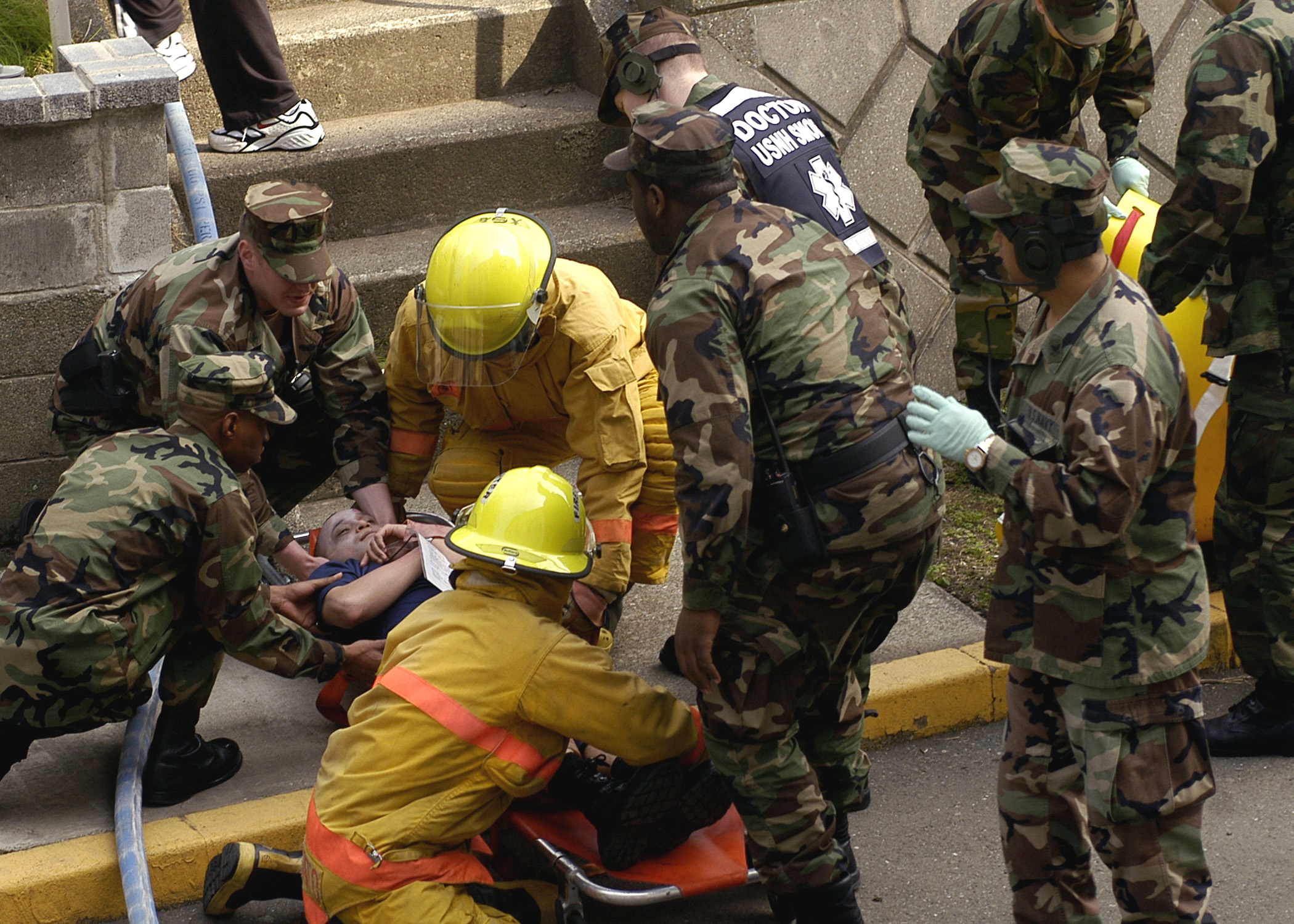
Japan sits right on the edge of the Pacific “Ring of Fire,” one of the most seismically active regions on the planet. Instead of living in constant fear, Japan has chosen to become the world’s leader in earthquake safety. Their buildings sway but rarely fall thanks to some of the world’s strictest building codes, requiring architects and engineers to construct structures that can bend, not break. Almost every Japanese citizen knows what to do in an emergency, thanks to regular earthquake drills in schools and workplaces. The country’s early warning system can alert millions of people within seconds of an earthquake starting, giving them precious moments to seek safety. Even children in kindergarten practice “Drop, Cover, and Hold On” routines. The Japanese government constantly invests in public education and research, making sure its people are always one step ahead. Earthquake preparedness is woven into daily life, turning potential disaster into a manageable risk.
Chile: A Leader in Seismic Engineering
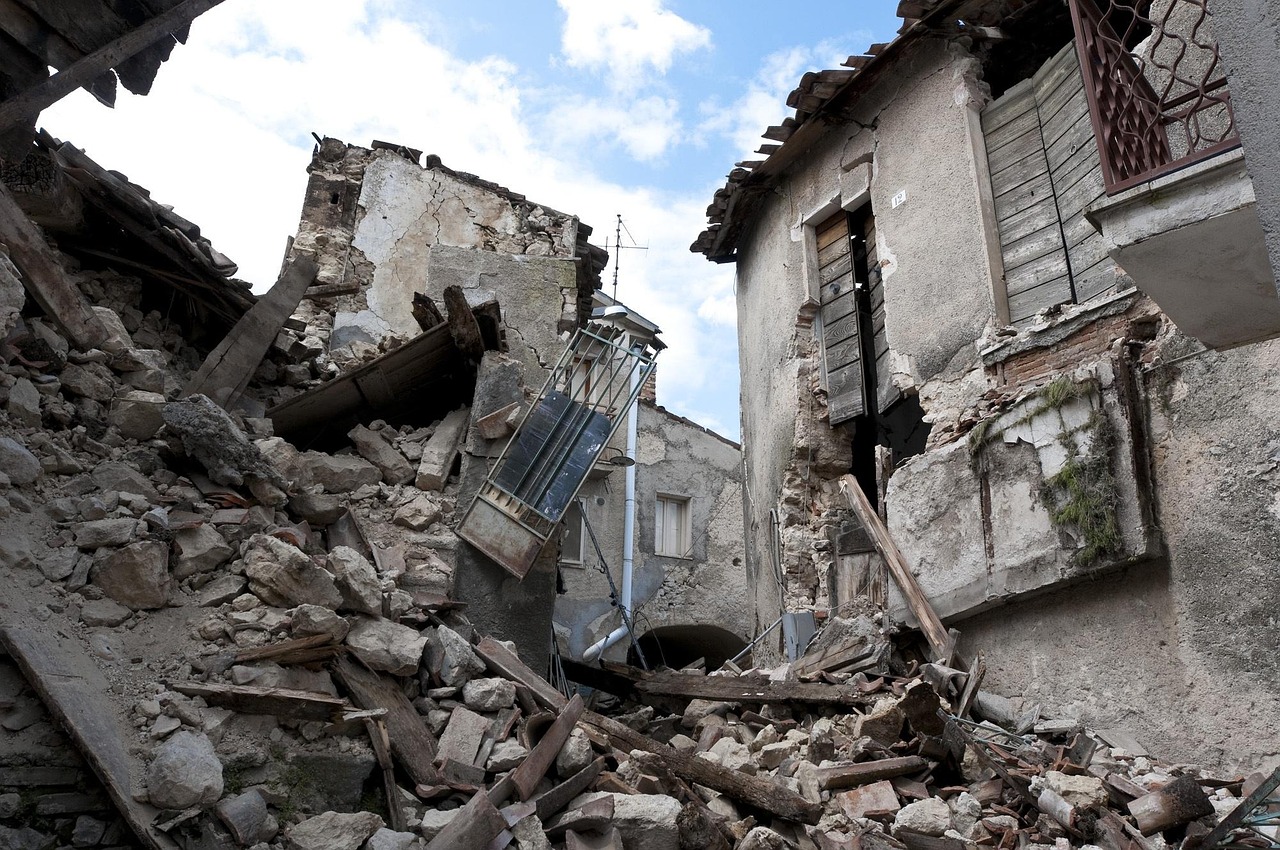
Chile is a country that refuses to be a victim of its geography. With the Andes mountains on one side and the vast Pacific on the other, Chile faces frequent, powerful earthquakes. After the catastrophic 2010 quake, Chile took bold actions to protect its citizens. They rewrote their building codes and made sure that even ordinary homes can withstand strong shaking. Chile also created a world-class tsunami warning system, which is vital for its long coastline. Regular emergency drills keep people ready and calm, even in the face of danger. Engineers in Chile are constantly developing new ways to make buildings safer, and communities are engaged in learning how to respond when the ground moves. The government works closely with scientists to monitor seismic activity and improve their response plans. Chile’s dedication is clear: safety is not just a wish, it’s a national mission.
United States: A Mixed Bag of Preparedness
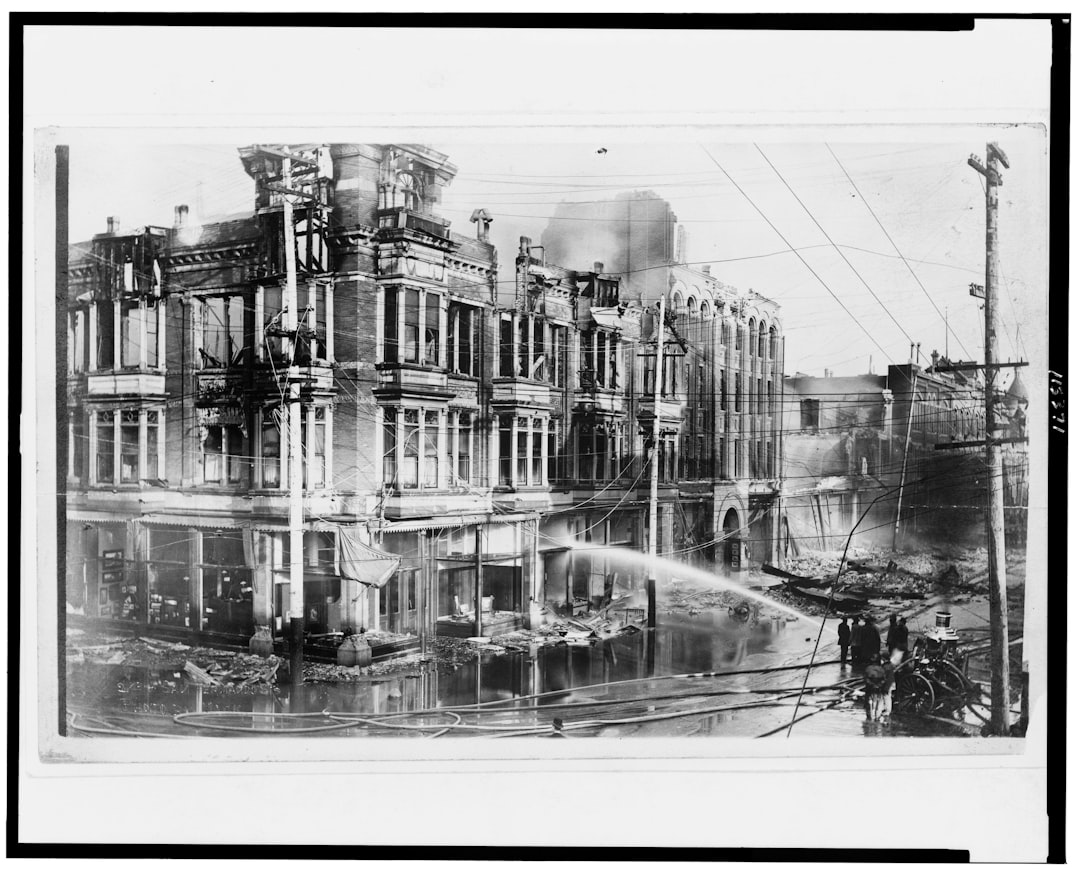
The United States is a land of extremes, and its earthquake readiness is no different. In places like California and Alaska, where earthquakes are a fact of life, strict building codes and early warning systems help keep people safe. California’s “ShakeAlert” system is famous for sending alerts to millions of residents in seconds. Schools and offices regularly practice earthquake drills, and public education campaigns run year-round. Yet, not all states are equally prepared. While the West Coast leads in readiness, many states in the central and eastern U.S. lag behind, with older buildings and less public awareness. The difference can be dramatic—one city might bounce back quickly after a quake, while another is left in chaos. This patchwork approach means some Americans are far safer than others, revealing the urgent need for a unified, nationwide strategy.
Haiti: Vulnerable Infrastructure
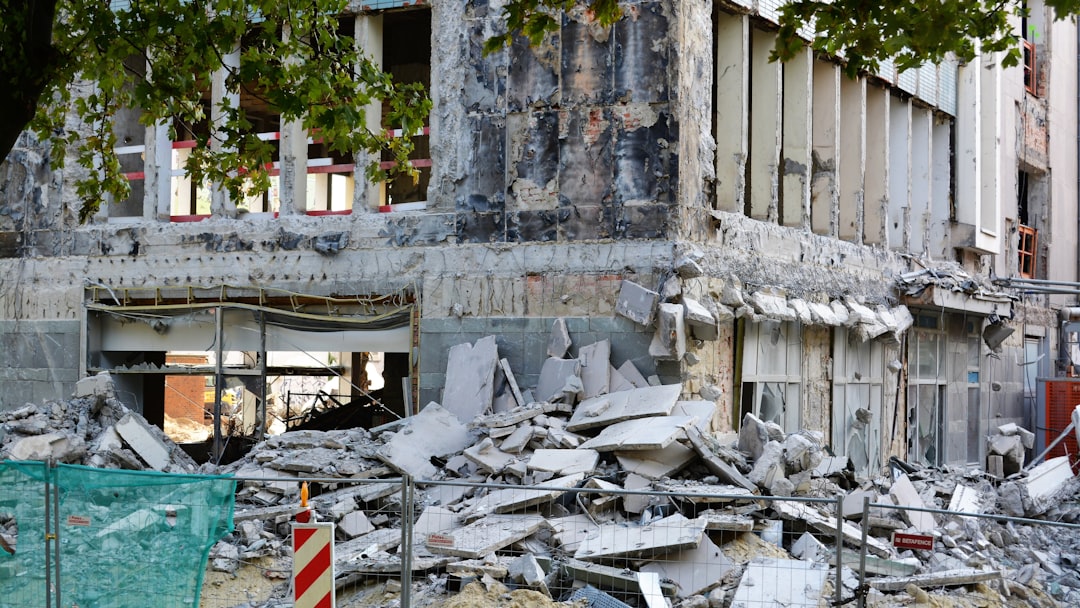
Haiti’s story is both heart-wrenching and infuriating. The 2010 earthquake killed over 200,000 people, exposing heartbreaking weaknesses in the country’s infrastructure. Many buildings simply crumbled, built with little regard for seismic safety. Recovery has been slow, and progress on updating building codes has been sluggish. Poverty and political instability make things even harder, as resources for disaster preparedness are scarce. Emergency response systems are underfunded, and public education about earthquakes is minimal. Most families rely on their own instincts, hoping for the best. The tragic reality is that another large earthquake could bring similar devastation if major changes aren’t made soon.
Turkey: A History of Destruction

Turkey’s landscape is dotted with memories of past earthquakes—devastated towns and grieving communities. The country’s location makes it exceptionally prone to strong quakes, but enforcement of building regulations has often been inconsistent. While new laws have been introduced to improve construction standards, corruption and lack of oversight have led to many unsafe buildings still being inhabited. Efforts to educate the public about earthquake safety exist, but they are not widespread enough. Many older buildings remain vulnerable, especially in densely populated cities. Emergency response has improved, but the scale of risk remains daunting. The sense of urgency is real, but action has not always kept pace with the danger.
Indonesia: A Need for Better Systems
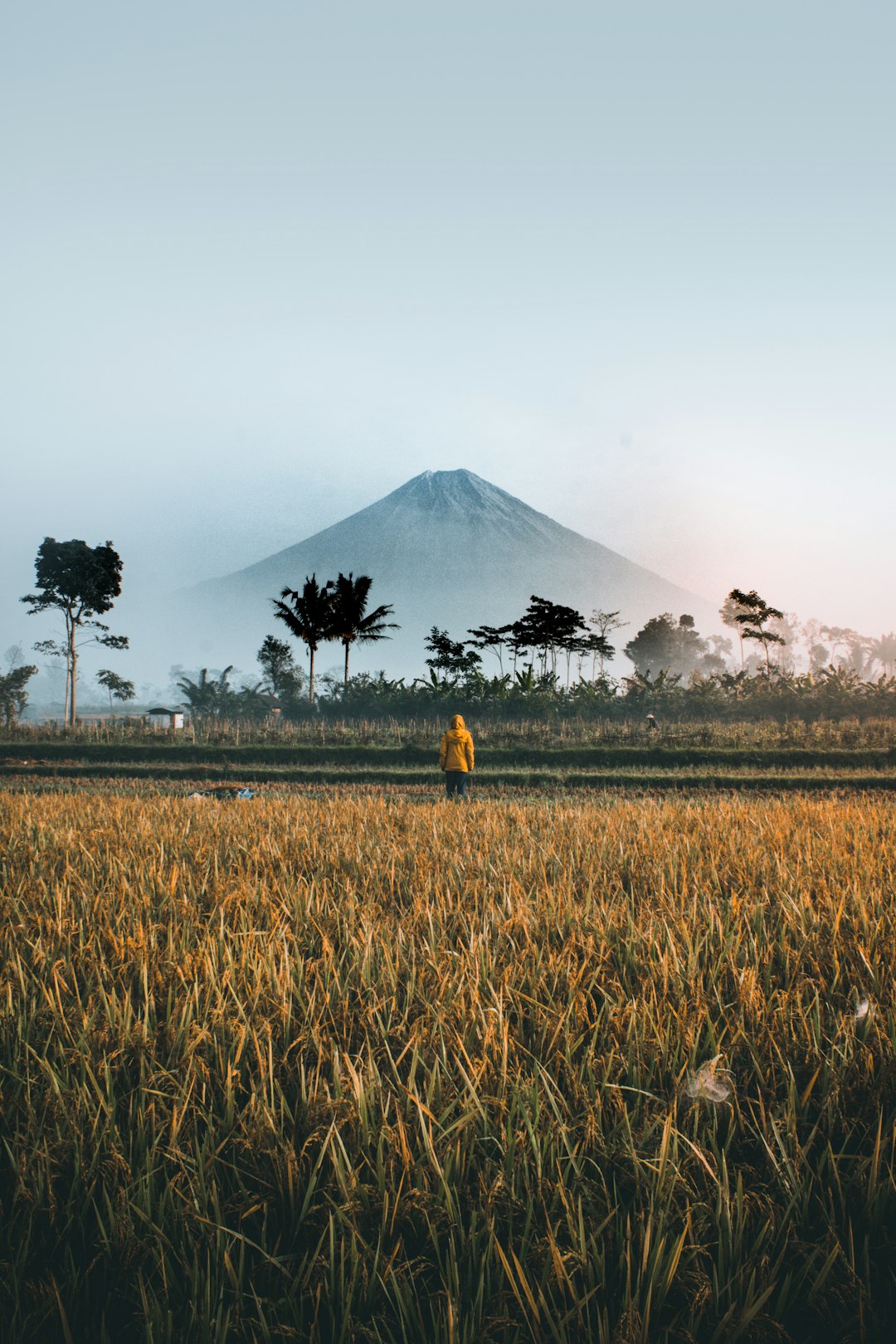
Indonesia, straddling several tectonic plates, is hit by earthquakes and tsunamis with alarming frequency. While the country has invested in early warning systems, gaps remain—especially in rural areas where communication can break down. Many communities are unprepared, lacking basic knowledge about what to do during a quake. Building codes exist, but enforcement is often weak, leading to structures that can’t withstand serious shaking. The government has made progress in recent years, but the challenges are huge. Large populations live in high-risk zones, and poverty limits the ability to retrofit or rebuild safer homes. Education campaigns are growing, but a lot more needs to be done to reach every citizen.
Philippines: High Risk, Low Preparedness
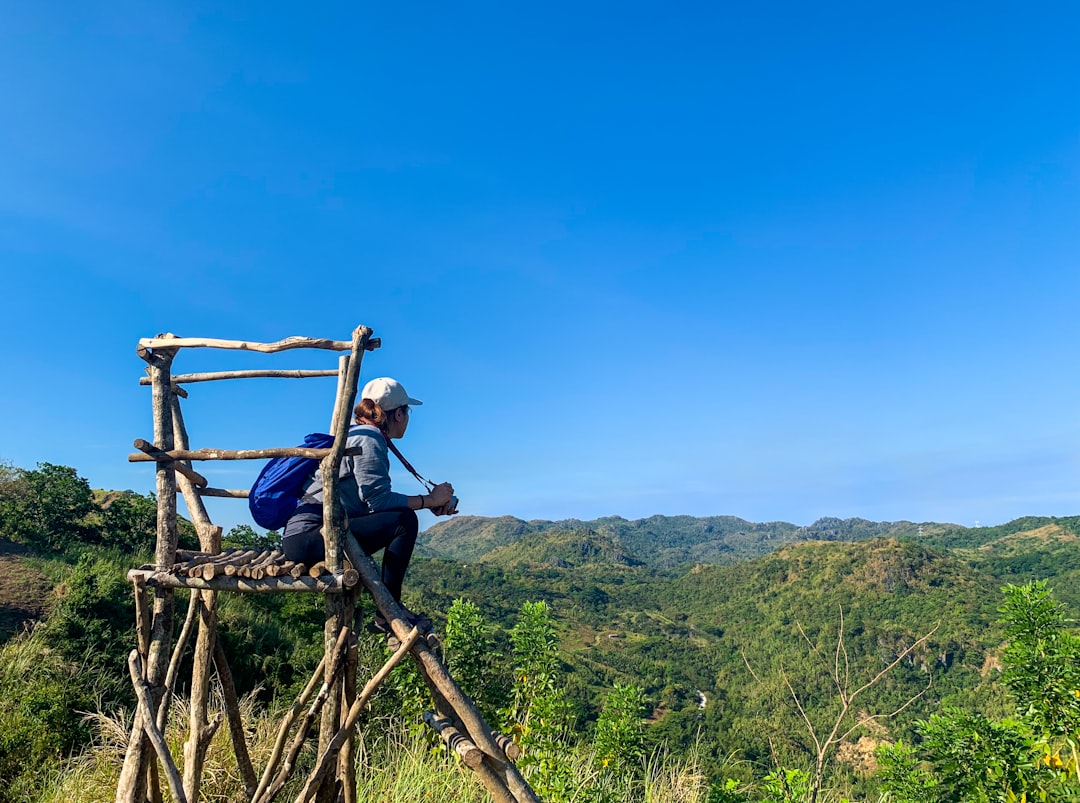
The Philippines faces a double threat: frequent earthquakes and the constant risk of tsunamis. Despite these dangers, the country struggles with outdated infrastructure, much of it unable to withstand even moderate quakes. Emergency response systems are improving but still lag behind what’s needed. Many schools and public buildings are not earthquake-resistant, putting children and families at risk. Public awareness about earthquake safety is growing, but many people still don’t know what steps to take during an emergency. Financial limitations and political distractions slow down progress. Every year, millions of Filipinos hold their breath, hoping the “Big One” doesn’t strike.
Nepal: A Fragile Situation
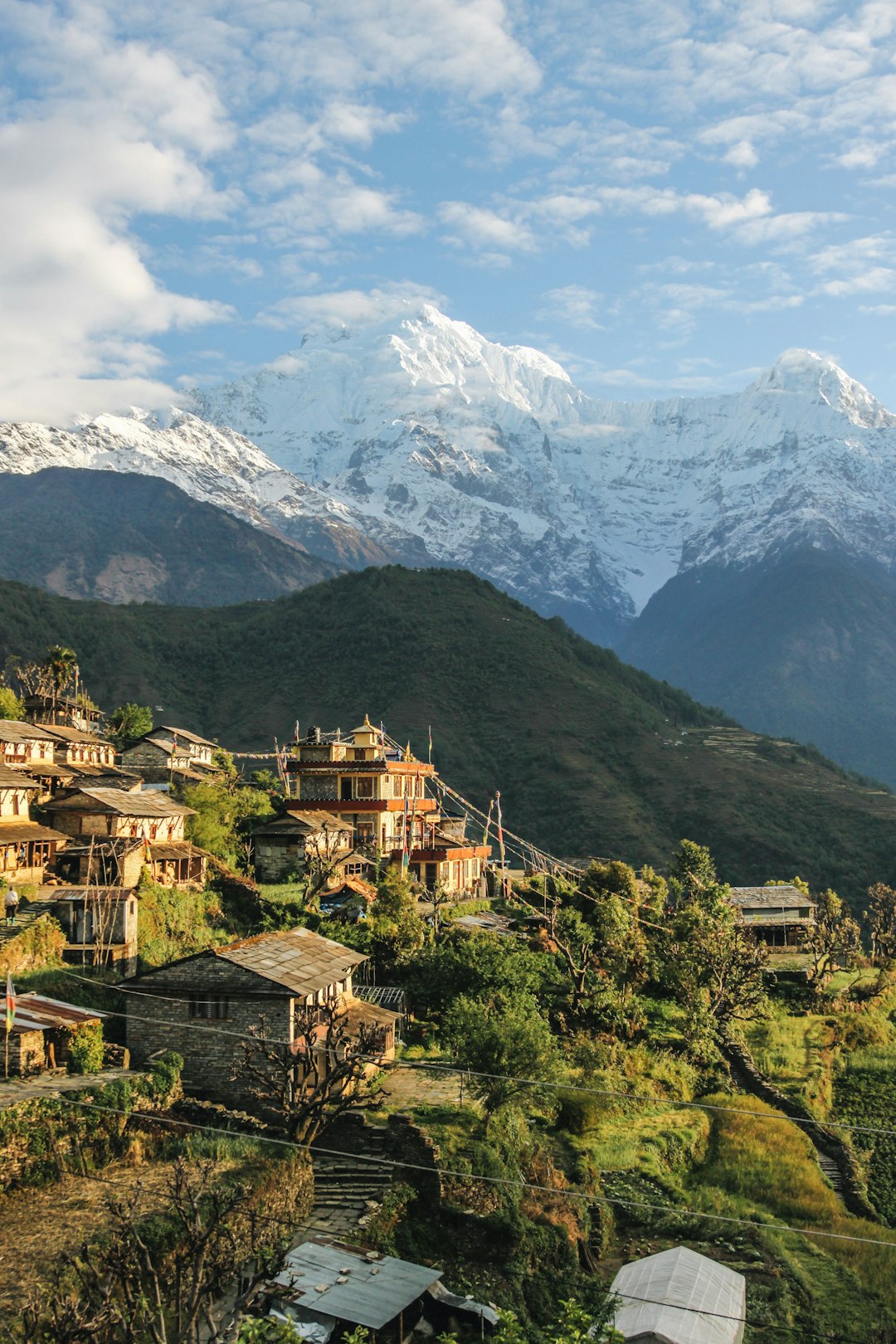
Nepal’s 2015 earthquake was a cruel wake-up call, exposing just how vulnerable the country is. Many buildings collapsed, and recovery was painfully slow. The mountainous terrain makes rescue and rebuilding even harder. Building codes have been updated, but enforcement is sporadic, especially in rural areas. Public education about earthquake safety is not widespread, leaving many people unprepared. The country faces a shortage of resources to retrofit old structures or build new, safer ones. Continued aftershocks and the constant threat of another major quake weigh heavily on the national psyche. Nepal’s struggle is a reminder of how hard it is to overcome both nature and poverty.
Mexico: Inconsistent Preparedness
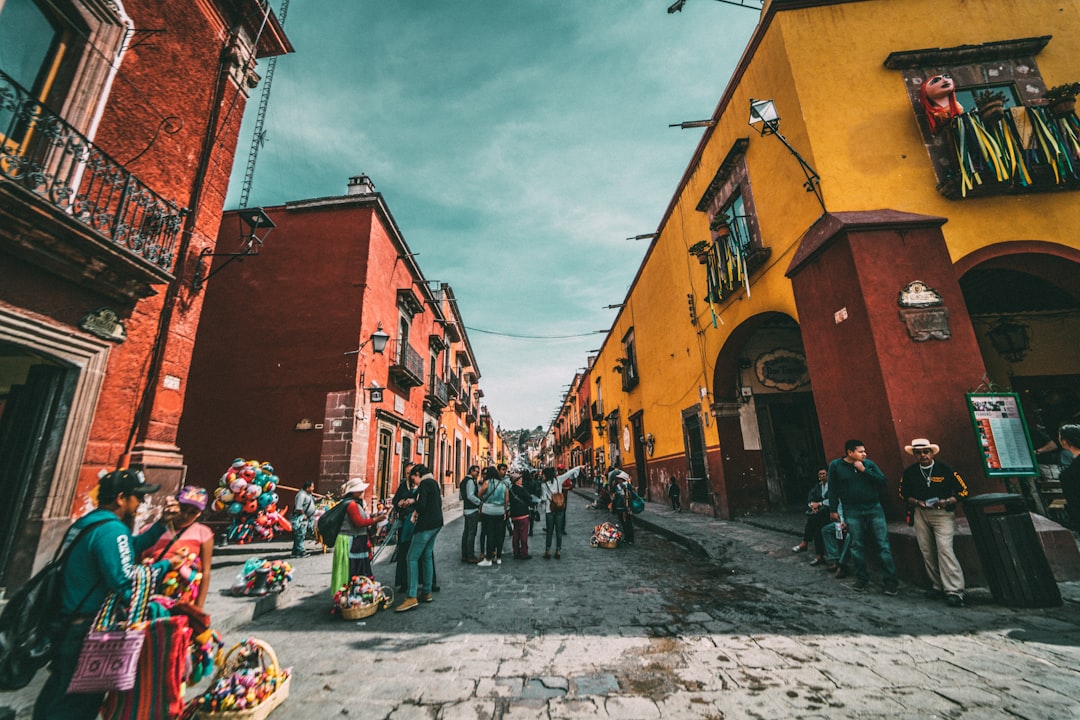
Mexico’s experience with earthquakes is a story of contrasts. In Mexico City, advanced early warning systems and improved building codes have saved lives. But outside the capital, preparedness varies wildly. Many towns and villages have little warning when a quake hits, and older buildings are often dangerously weak. Public education campaigns are not evenly distributed, leaving gaps in knowledge about earthquake safety. Some communities are well-organized and resilient, while others are left to fend for themselves. The government faces the challenge of bringing all regions up to the same standard. The difference in outcomes from one region to another is both striking and unsettling.
Bangladesh: A Growing Concern
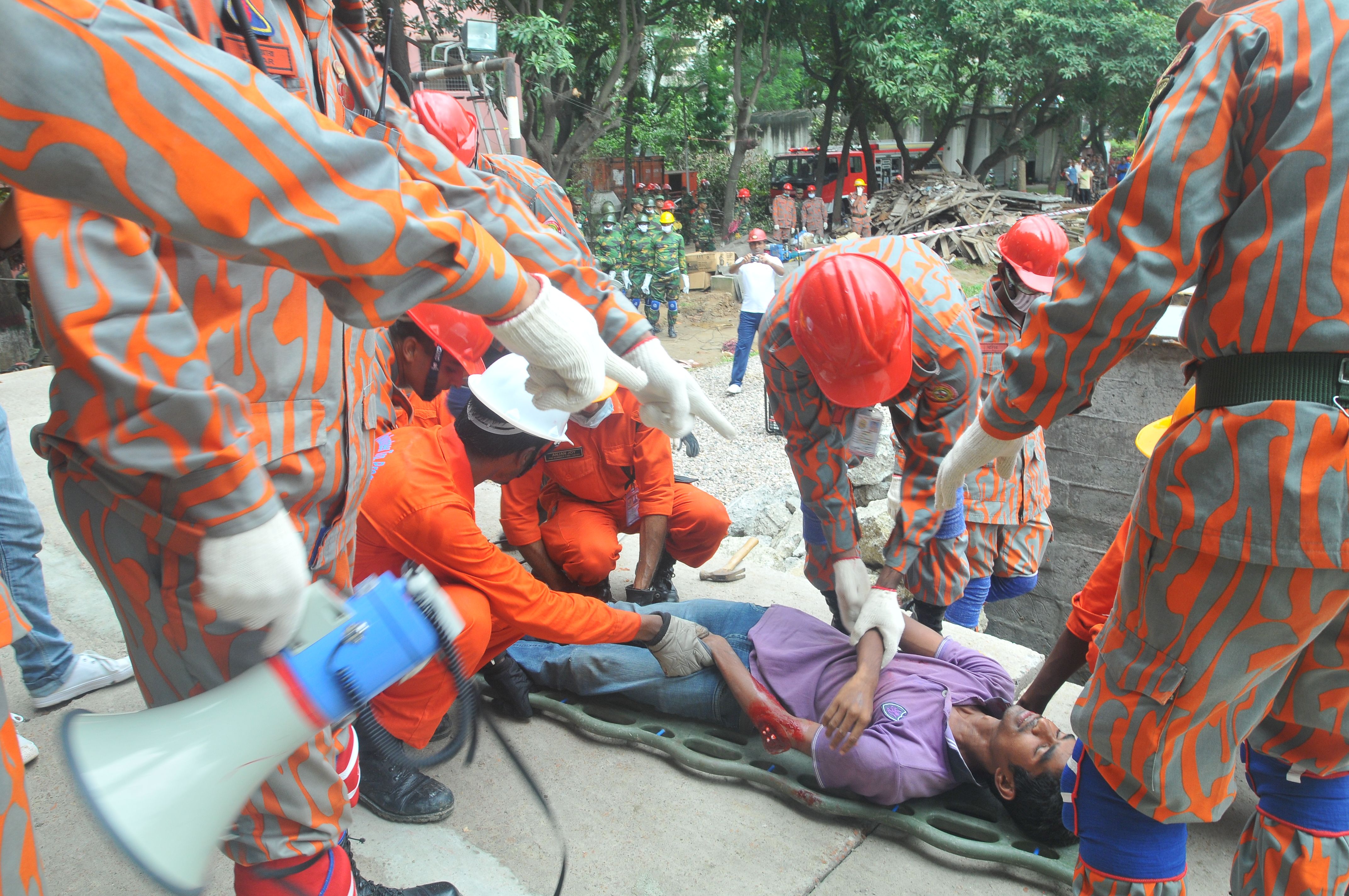
Bangladesh is emerging as a country at risk for major earthquakes, especially in its crowded urban centers. Rapid urbanization has led to a construction boom, but many new buildings do not meet seismic safety standards. Awareness of earthquake risks remains low, both among officials and the general public. Emergency response systems are still developing and may not be able to cope with a large-scale disaster. Poverty and high population density make the situation even more dangerous, as many people live in poorly built housing. The government has begun to recognize the risk, but action must be swift and decisive. The clock is ticking for Bangladesh to prepare before disaster strikes.
Summary of Key Points
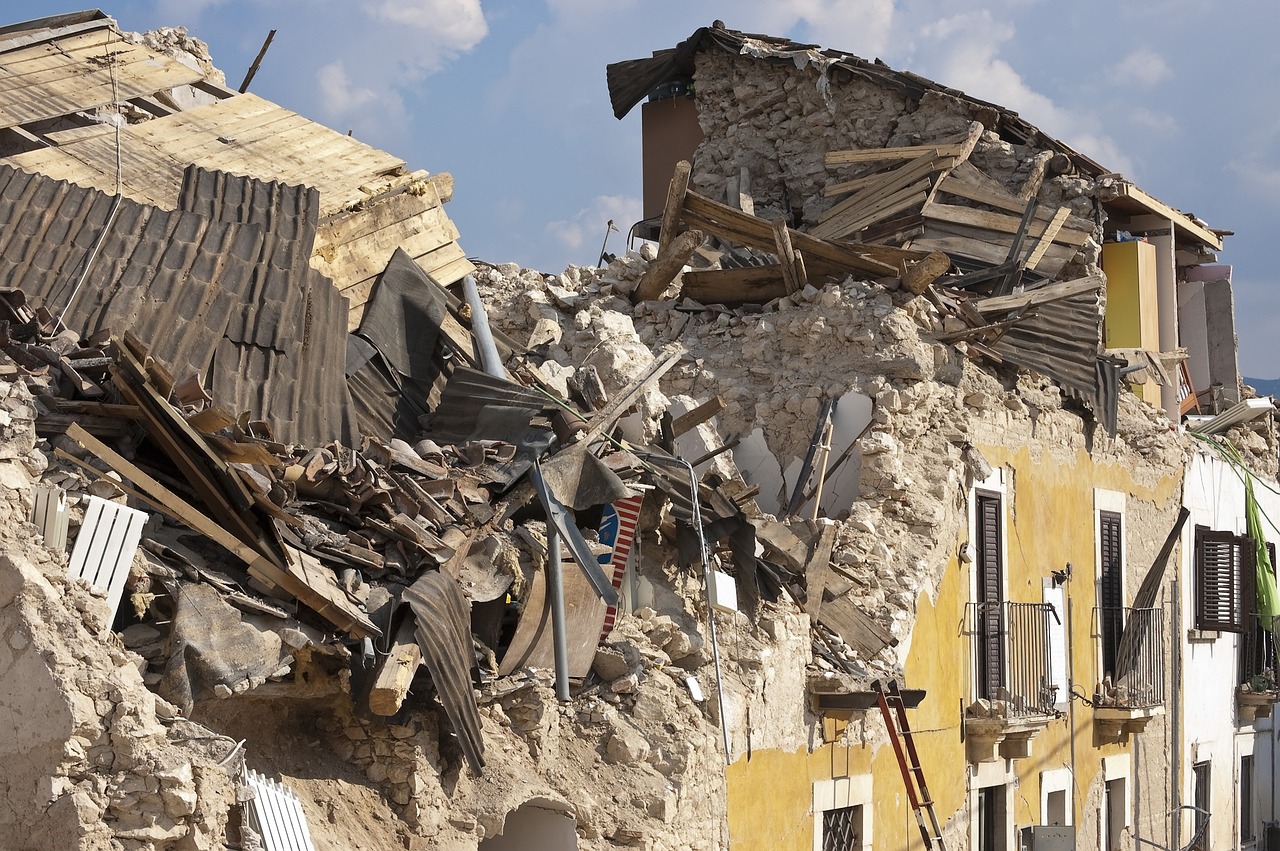
Japan, Chile, and the United States (especially California) stand out as global leaders in earthquake preparedness, thanks to strict building codes, advanced warning systems, and widespread public education. In contrast, nations like Haiti, Turkey, Indonesia, the Philippines, Nepal, Mexico, and Bangladesh remain highly vulnerable, with outdated infrastructure and inconsistent emergency responses. The difference between safety and tragedy often comes down to government action, public awareness, and a willingness to invest in the future. Are you surprised by which countries are leading the way—and which ones are still at risk?

Lena is a thoughtful and imaginative writer with a passion for storytelling across the themes of travel, environmental sustainability, and contemporary home aesthetics. With a background in cultural media and a strong visual sensibility, Anna Lena creates content that bridges inspiration with practical insight.
Her work explores the interplay between place, lifestyle, and design—guiding readers through meaningful travel experiences, eco-conscious choices, and modern approaches to living well. Known for her elegant writing style and attention to detail, she brings a fresh, human-centered perspective to every topic she covers.
Anna Lena contributes to digital publications and editorial projects where aesthetics meet purpose. Her writing not only informs but also encourages readers to live more intentionally, sustainably, and beautifully—wherever they are in the world.