

Matthias is a skilled author and digital storyteller with a focus on travel journalism, environmental issues, and modern home design. With a background in communications and a passion for global cultures, Matthias crafts engaging narratives that blend real-world exploration with thoughtful analysis and visual flair.
His writing reflects a deep interest in how climate change shapes our lives and lifestyles—from sustainable travel practices to eco-friendly living environments. Known for his clear, approachable voice and sharp editorial instincts, Matthias delivers content that resonates with readers seeking both inspiration and substance.
Whether reporting from remote destinations, breaking down sustainable design trends, or spotlighting innovative green initiatives, Matthias brings a global perspective and an eye for detail to every piece. He regularly contributes to web platforms and editorial projects that aim to foster awareness, creativity, and conscious living.
Have you ever imagined living in a home that floats gently above the waves, rising and falling with the tides? As seas creep higher and cities seek answers, floating architecture has surged from fantasy to urgent reality. Some projects dazzle with their promise and design, while others face obstacles that threaten to sink their dreams. Let’s dive into the top three triumphs in floating architecture—and shine a revealing spotlight on six ambitious projects that may need to go back to the drawing board.
The Floating Seahorse, Dubai: Luxury Below the Surface
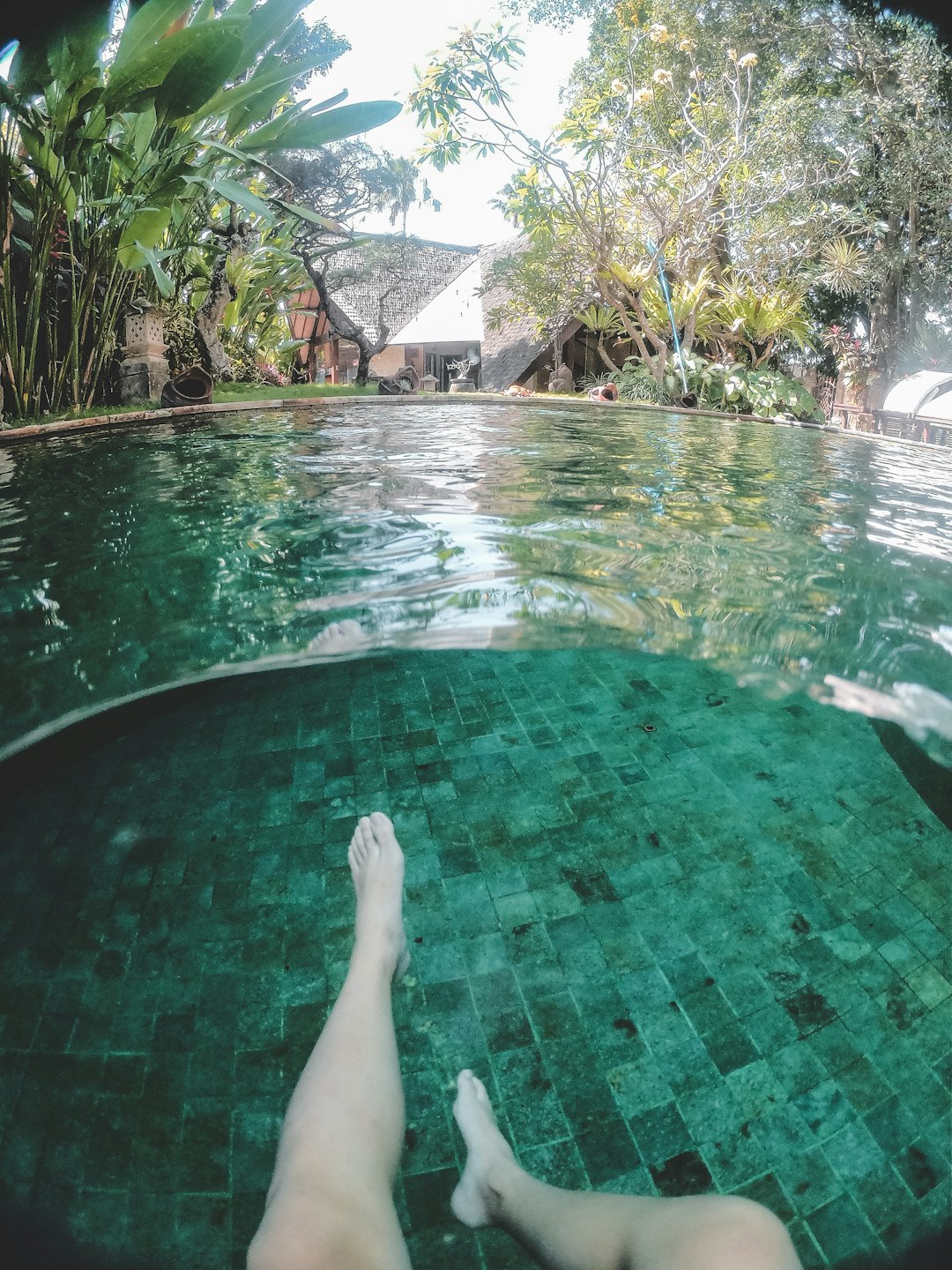
In the shimmering heart of Dubai’s Arabian Gulf, the Floating Seahorse villa turns heads and captures imaginations. Designed by the Kleindienst Group, each villa boasts three levels, and the lowest is entirely underwater. Imagine drifting off to sleep with fish gliding past your window, or sipping coffee as sunlight filters through the waves. The floating Seahorse isn’t just a luxury escape—it’s a vision of how architecture can blend indulgence with environmental care. Built with eco-friendly materials and energy-saving technologies, these villas show that floating living doesn’t have to sacrifice sustainability. With private pools and floor-to-ceiling underwater views, the project has quickly drawn global admiration. It’s a bold example of how floating structures can offer comfort, style, and respect for nature all at once.
Oceanix City, Busan: A Blueprint for Future Cities
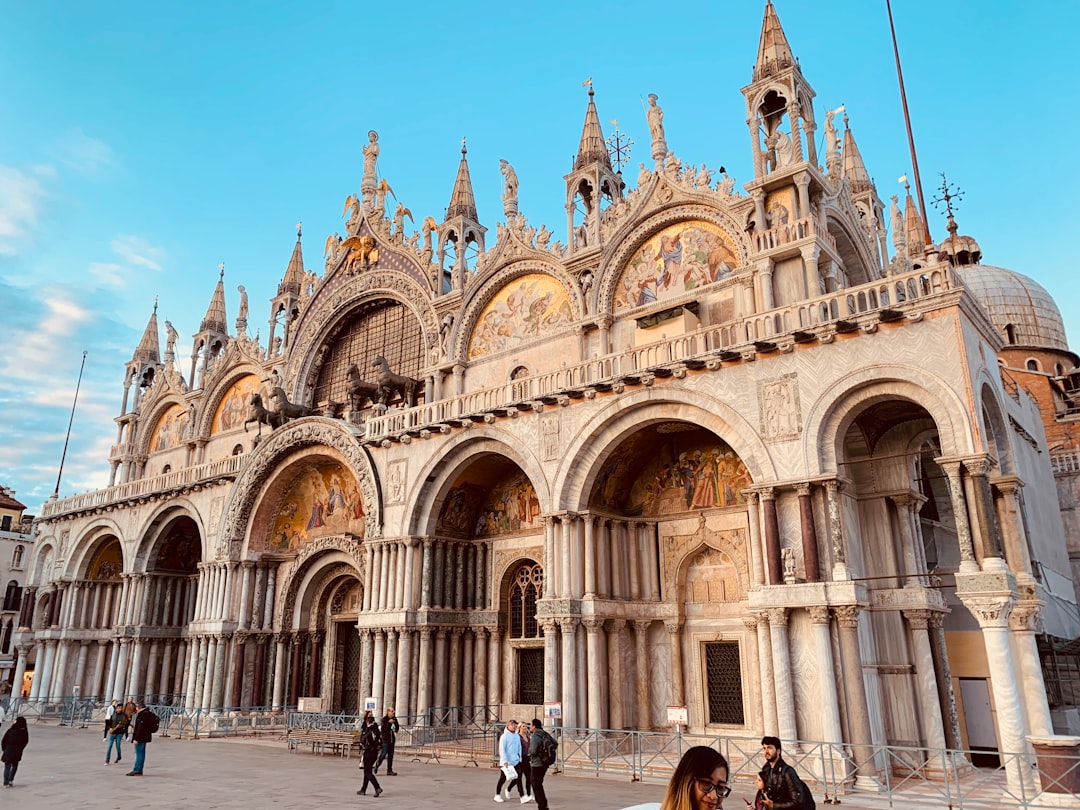
Oceanix City in Busan, South Korea, is nothing short of groundbreaking. Conceived by the Bjarke Ingels Group (BIG) alongside the United Nations, this massive floating city is designed to house up to 10,000 people. Built on modular platforms, the city can expand or contract as needed, like a living organism adapting to its environment. Each section is fully independent, powered by renewable energy, and equipped with vertical farms and advanced water purification. Oceanix City is more than a collection of homes; it’s a self-sufficient ecosystem designed to thrive in a changing climate. The ambition is inspiring—this city aims to prove that floating communities can be safe, green, and adaptable. As urban populations grow and seas rise, Oceanix offers a hopeful vision of how humans might live in harmony with the water, not in fear of it.
The Floating Pavilion, Rotterdam: A Beacon of Sustainability
In Rotterdam’s busy harbor, the Floating Pavilion stands as a symbol of what’s possible when innovation meets necessity. Created by Studio Marco Vermeulen, the structure floats on sturdy concrete blocks that rise and fall with the tides. Its three domes house exhibition spaces and classrooms, acting as a public hub for learning about water management and climate adaptation. Solar panels shimmer on the roof, while green spaces dot the exterior, making it as beautiful as it is practical. The Floating Pavilion isn’t just a showpiece—it’s a living laboratory, inspiring visitors and locals to rethink how cities can adapt to water. With its blend of technology, education, and environmental awareness, it’s a true lighthouse for floating architecture around the world.
The Lilypad, Paris: Ambition Without Anchors
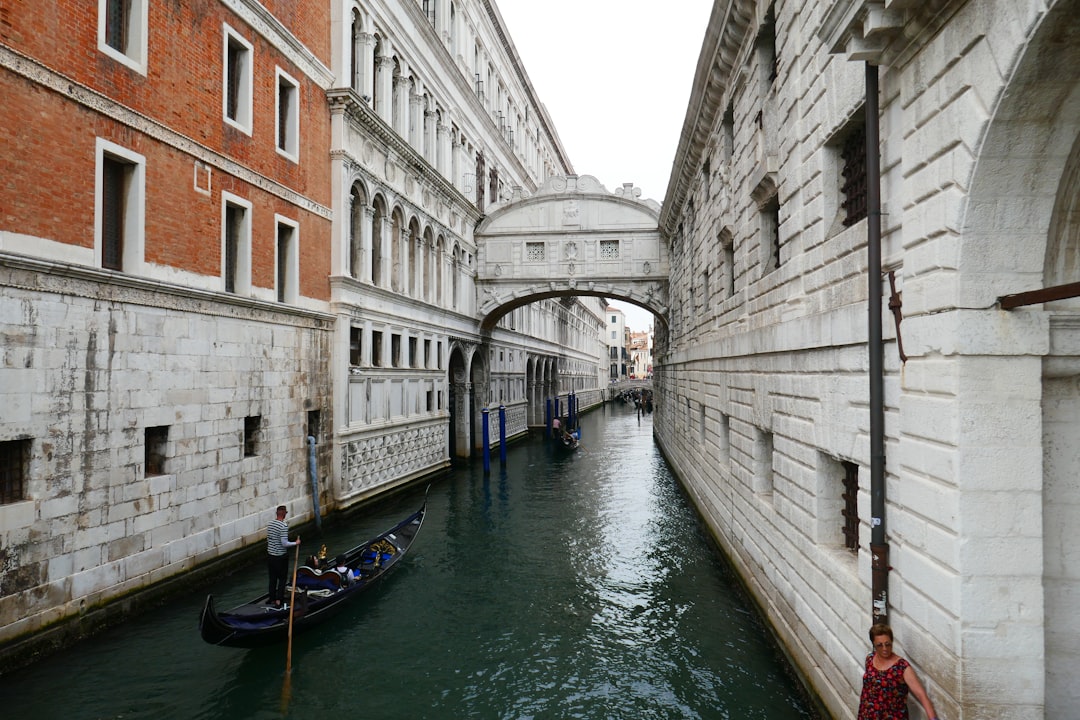
The Lilypad, designed by Vincent Callebaut, imagines a lush floating city that could shelter climate refugees. Its curving forms and green roofs look stunning in renderings, almost like a water lily drifting on a pond. But behind the beautiful images lies a serious problem: there’s no clear roadmap for making it real. The project lacks practical details about funding, regulation, and the technology needed to build at this scale. Without solid groundwork, the Lilypad risks remaining just a dream. For it to succeed, the team must tackle tough questions about logistics and community, not just aesthetics.
The Floating Island Project, Maldives: Paradise or Peril?
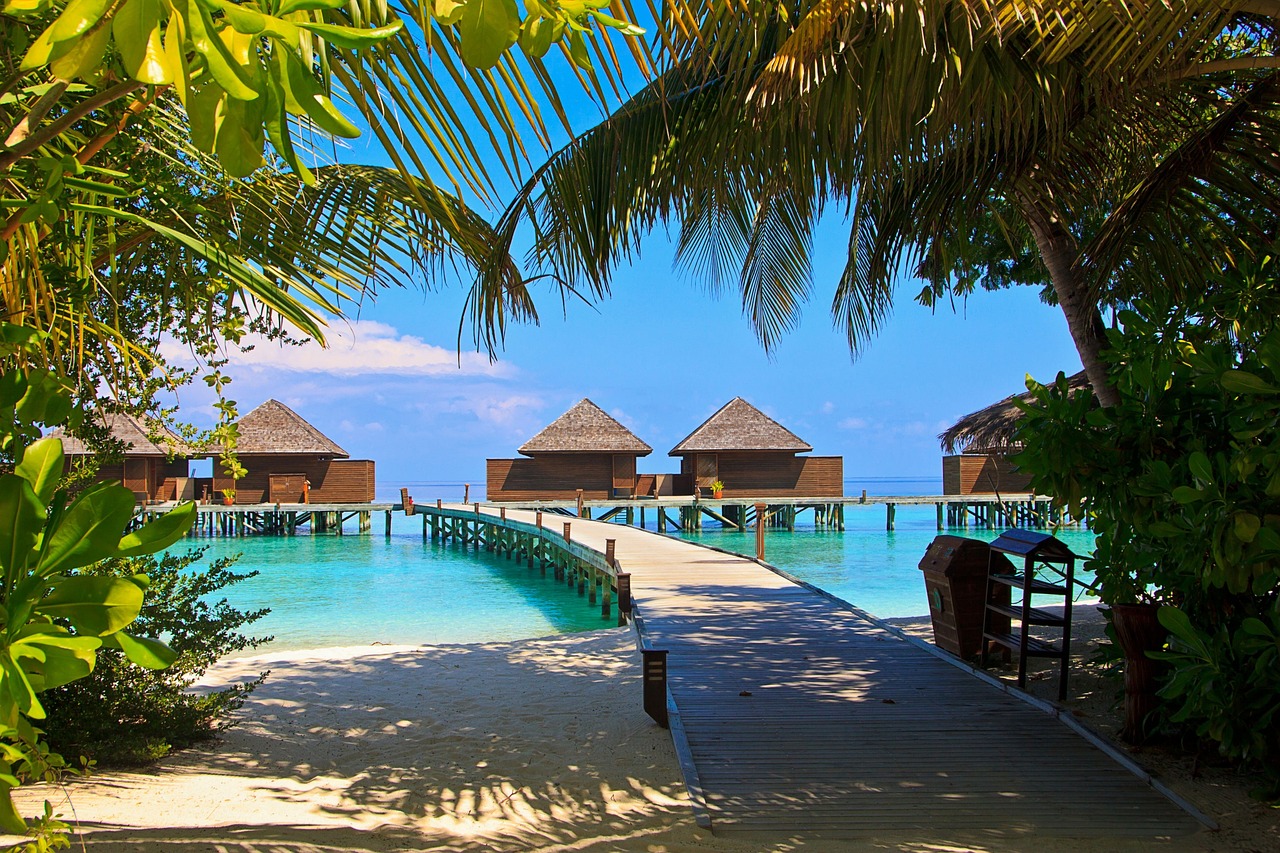
The Maldives’ Floating Island Project promises exclusive hotels and homes above turquoise waters—a tempting vision for tourists and investors alike. But beneath the surface, concerns are bubbling up. Environmentalists warn that construction could damage fragile coral reefs and disrupt marine life. For a country already at risk from rising seas, the stakes couldn’t be higher. To survive and thrive, the project must find a way to protect the natural beauty that makes it so appealing in the first place. A real commitment to ecological preservation is vital if this floating paradise is to avoid becoming a cautionary tale.
Blue21, Netherlands: Innovation Meets Resistance
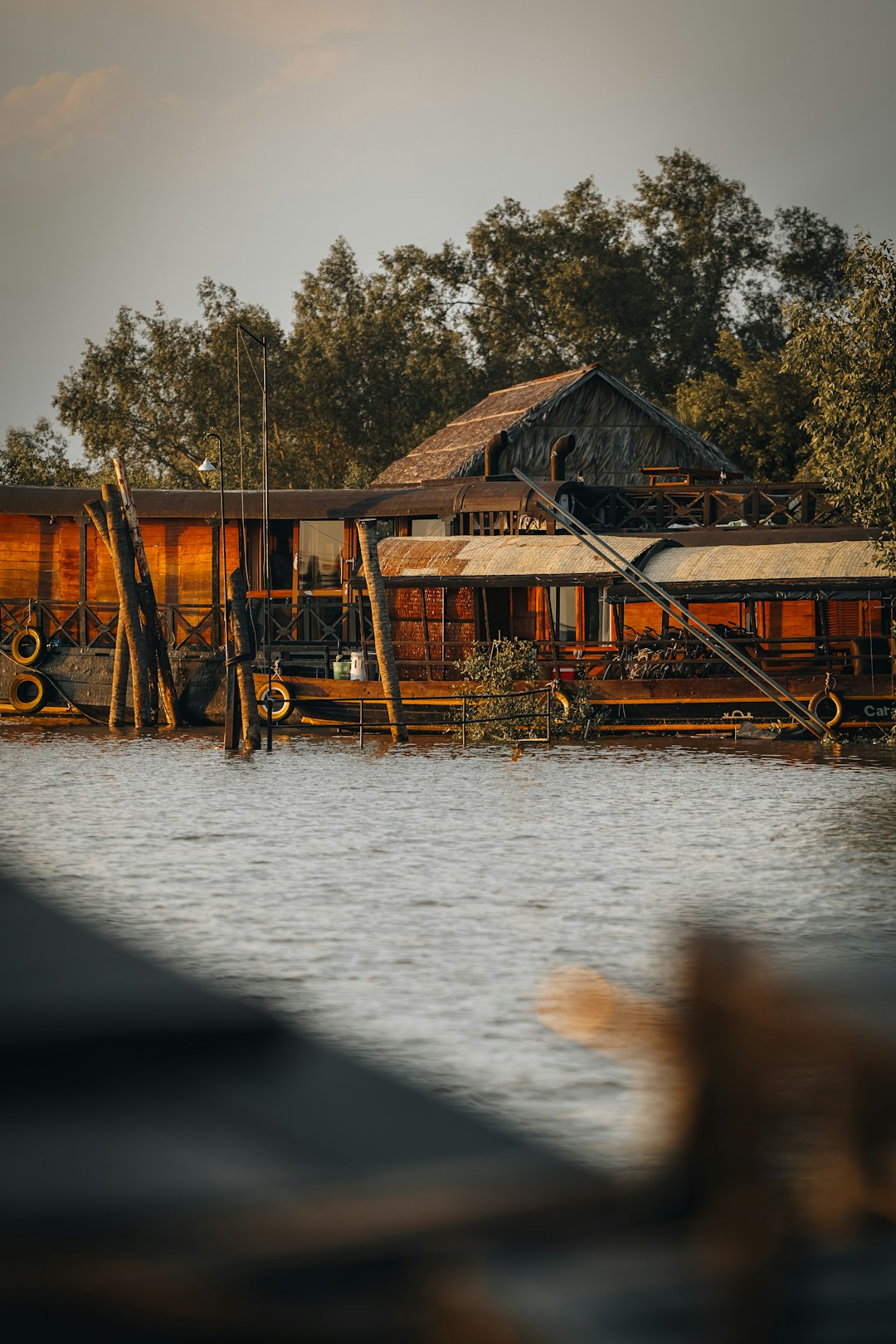
Blue21, a Dutch initiative, aims to turn water into vibrant urban neighborhoods. Floating homes, offices, and parks form the heart of the plan, promising new ways to live with water. Yet, the project struggles with public skepticism and regulatory red tape. Many locals worry about safety, access, and the impact on traditional city life. Laws and planning permissions haven’t kept pace with the bold vision, creating roadblocks at every turn. If Blue21 is to become reality, it must do a better job of listening to local voices and working closely with governments and citizens alike.
Seasteading Institute, International Waters: Freedom or Folly?
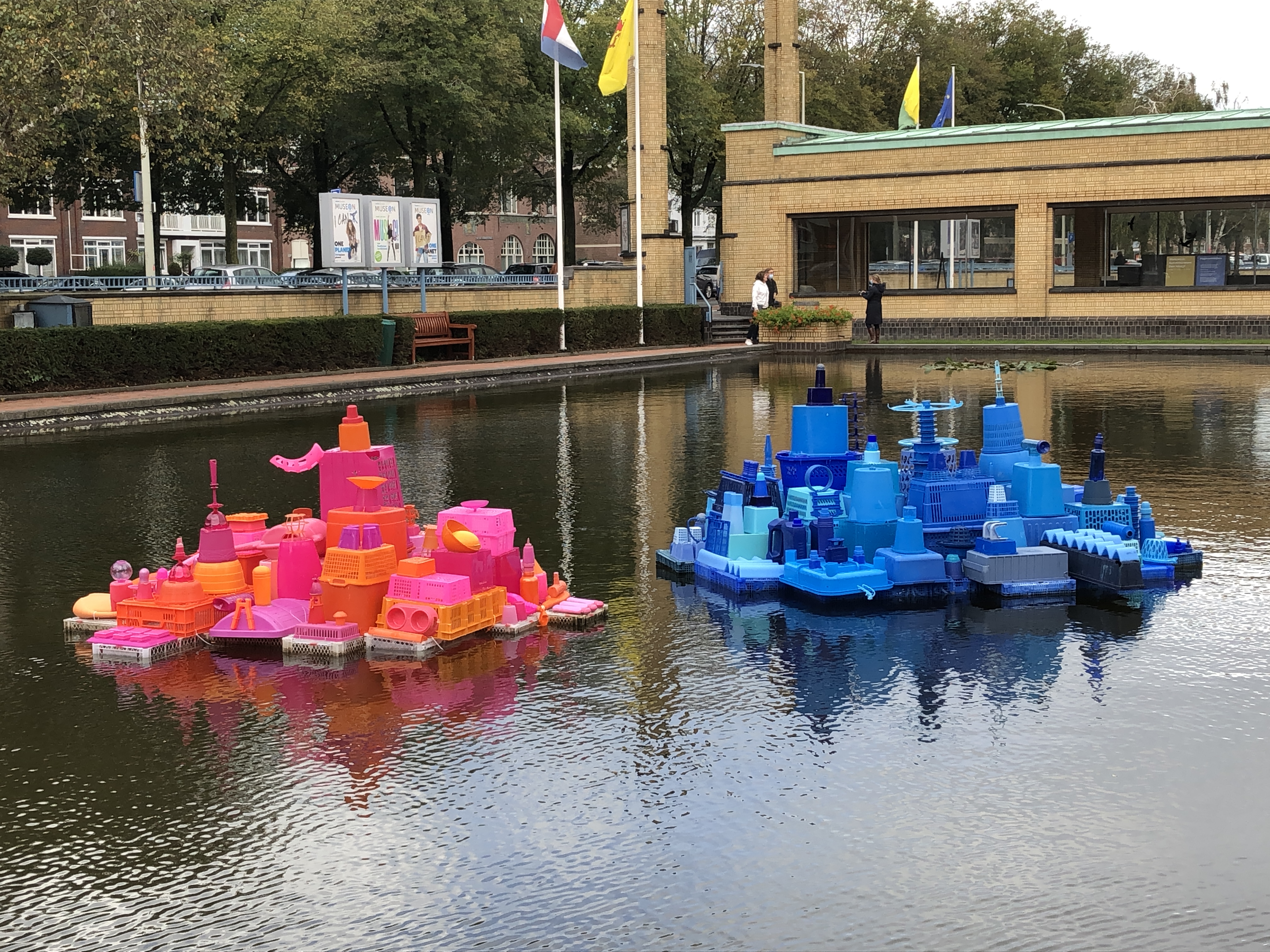
The Seasteading Institute dreams of building floating cities in the open ocean, beyond the reach of any nation’s laws. The idea is as radical as it is controversial—promising freedom and innovation, but raising a host of tough questions. Who would govern these floating societies? How would environmental protection be enforced? Critics argue that ignoring basic regulations could lead to chaos or environmental disaster. For seasteading to move forward, its leaders must address these concerns head-on and consider working with, not against, existing governments.
Floating Solar Farms, Various Locations: Power at a Price
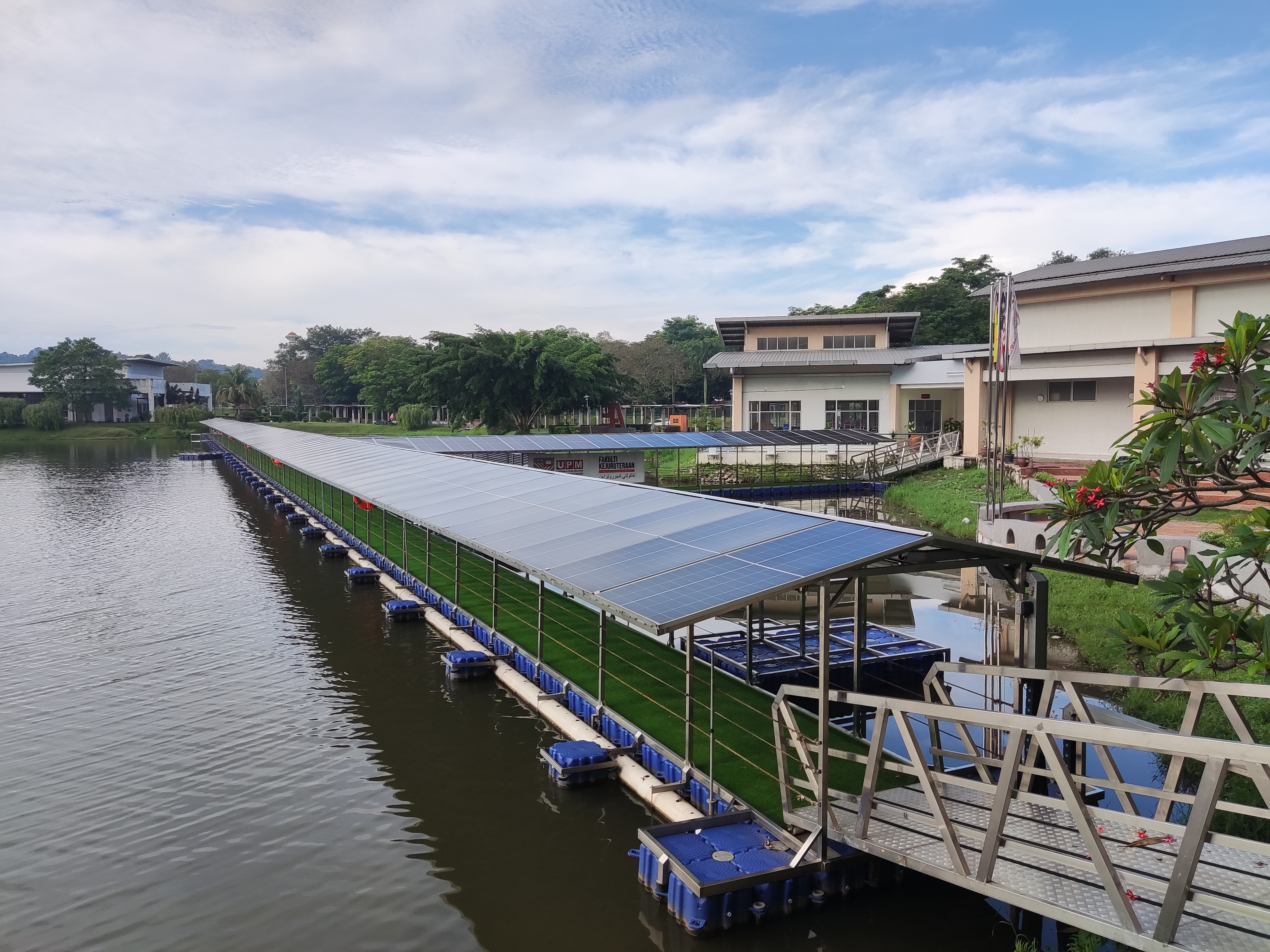
Floating solar farms are popping up across the globe, offering a clever twist on renewable energy. By placing panels on lakes, reservoirs, or seas, they save land and tap into vast resources. But some projects have run into trouble, with critics warning about harm to fish, plants, and water quality. Without careful planning, these energy solutions risk doing more harm than good. Engaging local communities and environmental experts is essential to balance clean energy goals with the health of aquatic ecosystems.
The Floating Garden, Singapore: Green Dreams, Rough Reality
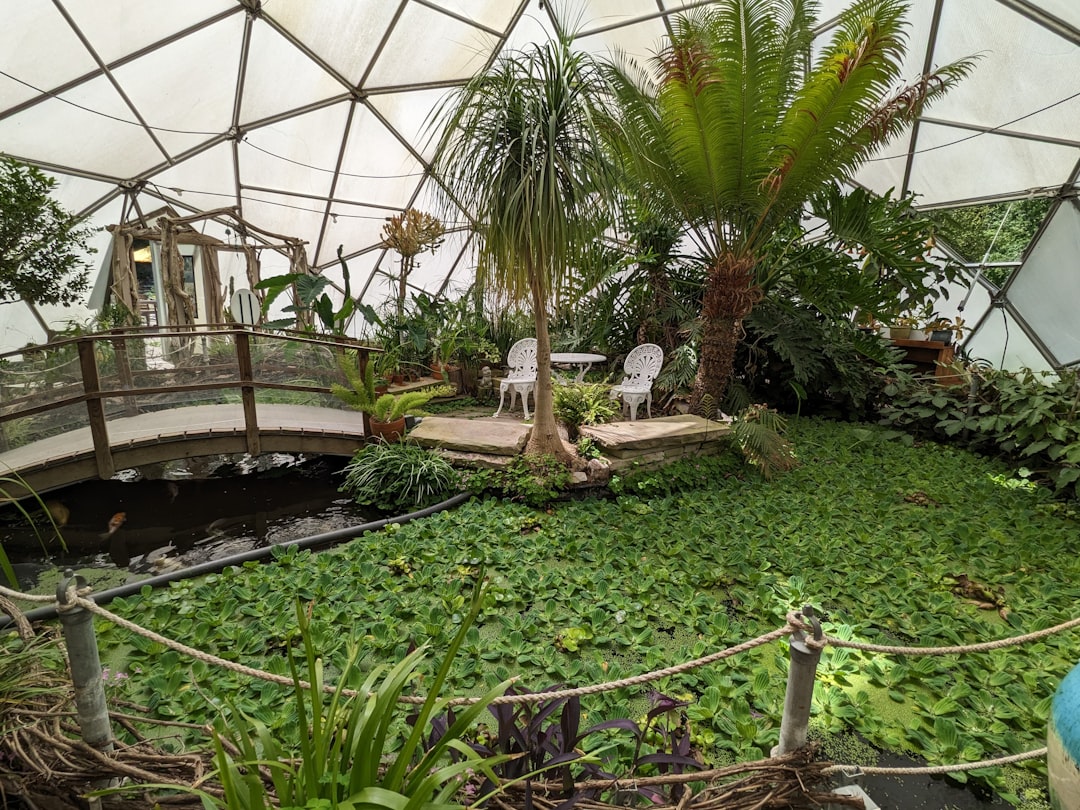
Singapore’s Floating Garden started out as an inspiring idea—a green oasis atop the water, bringing nature closer to city dwellers. But practical hurdles quickly surfaced. Maintaining the gardens proved difficult, with plants suffering from saltwater exposure and unpredictable weather. Access for the public was another challenge, limiting the garden’s appeal. For the project to bloom, designers must rethink maintenance strategies and find ways to make the space welcoming and usable for everyone.
Key Lessons from Floating Architecture’s Leaders and Learners
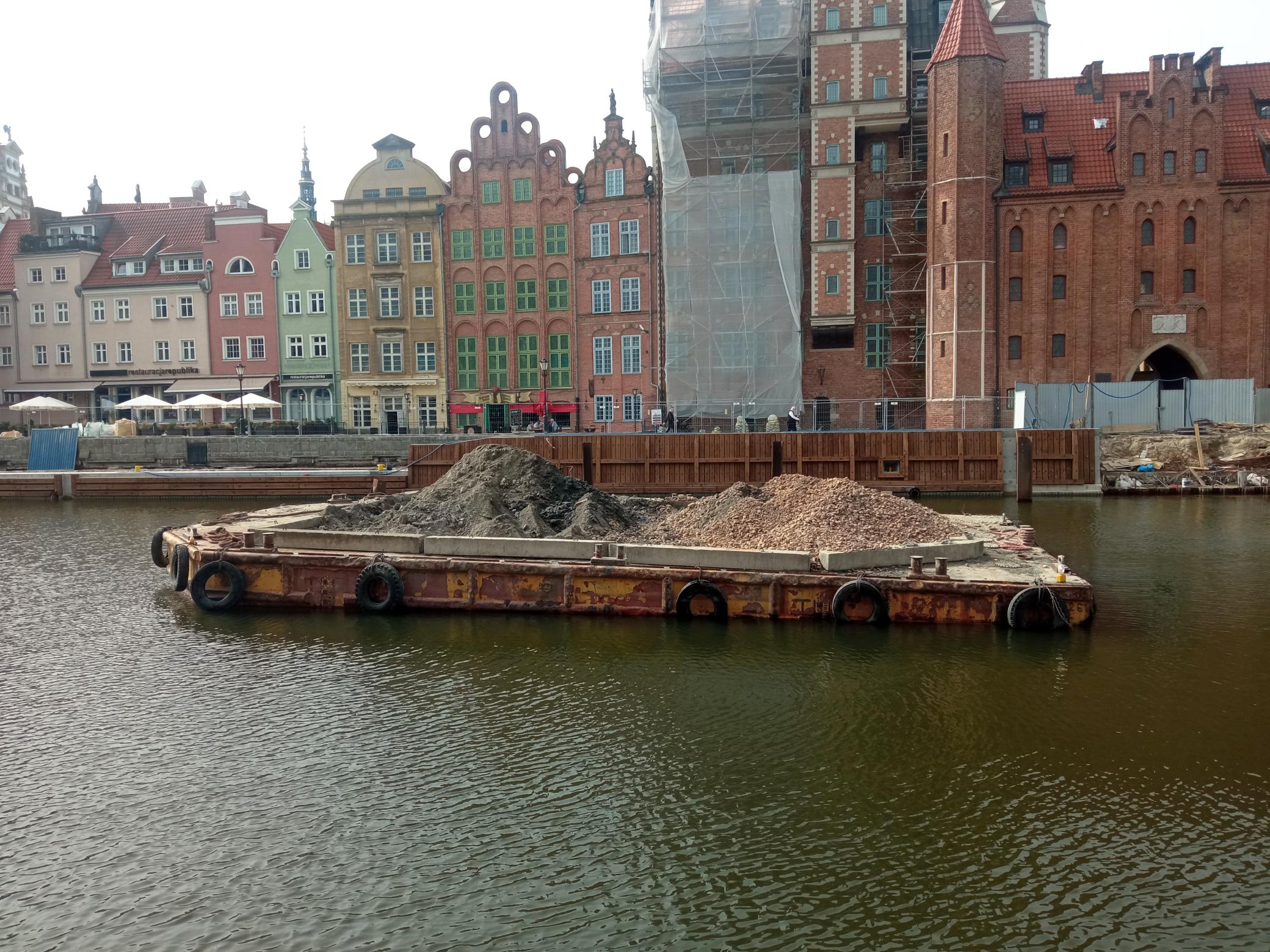
The world of floating architecture is as unpredictable as the waves themselves. The top three projects—Dubai’s Floating Seahorse, Busan’s Oceanix City, and Rotterdam’s Floating Pavilion—shine by combining innovation, sustainability, and a strong connection to their environments. Each offers a unique answer to the challenges of a changing world, from luxury living below the surface to entire cities built for resilience. Meanwhile, the six projects facing difficulties remind us that bold ideas alone aren’t enough. Environmental protection, community involvement, and practical planning are crucial at every stage. Floating architecture holds enormous promise, but only if vision is matched by responsibility and care.

Matthias is a skilled author and digital storyteller with a focus on travel journalism, environmental issues, and modern home design. With a background in communications and a passion for global cultures, Matthias crafts engaging narratives that blend real-world exploration with thoughtful analysis and visual flair.
His writing reflects a deep interest in how climate change shapes our lives and lifestyles—from sustainable travel practices to eco-friendly living environments. Known for his clear, approachable voice and sharp editorial instincts, Matthias delivers content that resonates with readers seeking both inspiration and substance.
Whether reporting from remote destinations, breaking down sustainable design trends, or spotlighting innovative green initiatives, Matthias brings a global perspective and an eye for detail to every piece. He regularly contributes to web platforms and editorial projects that aim to foster awareness, creativity, and conscious living.