
Matthias is a skilled author and digital storyteller with a focus on travel journalism, environmental issues, and modern home design. With a background in communications and a passion for global cultures, Matthias crafts engaging narratives that blend real-world exploration with thoughtful analysis and visual flair.
His writing reflects a deep interest in how climate change shapes our lives and lifestyles—from sustainable travel practices to eco-friendly living environments. Known for his clear, approachable voice and sharp editorial instincts, Matthias delivers content that resonates with readers seeking both inspiration and substance.
Whether reporting from remote destinations, breaking down sustainable design trends, or spotlighting innovative green initiatives, Matthias brings a global perspective and an eye for detail to every piece. He regularly contributes to web platforms and editorial projects that aim to foster awareness, creativity, and conscious living.
Have you ever arranged your furniture just to feel more at peace—only to find something just feels off? If you’ve tried to “Feng Shui” your space based on advice from friends or the internet, you might be falling for some of the most persistent myths out there. Some of these so-called rules can actually make your home feel less comfortable, more stressful, and even drain your happiness. Let’s dive into the most widespread Feng Shui myths that could be sabotaging your living space, so you can finally create the harmonious home you deserve.
You Must Face Your Bed Toward the Door
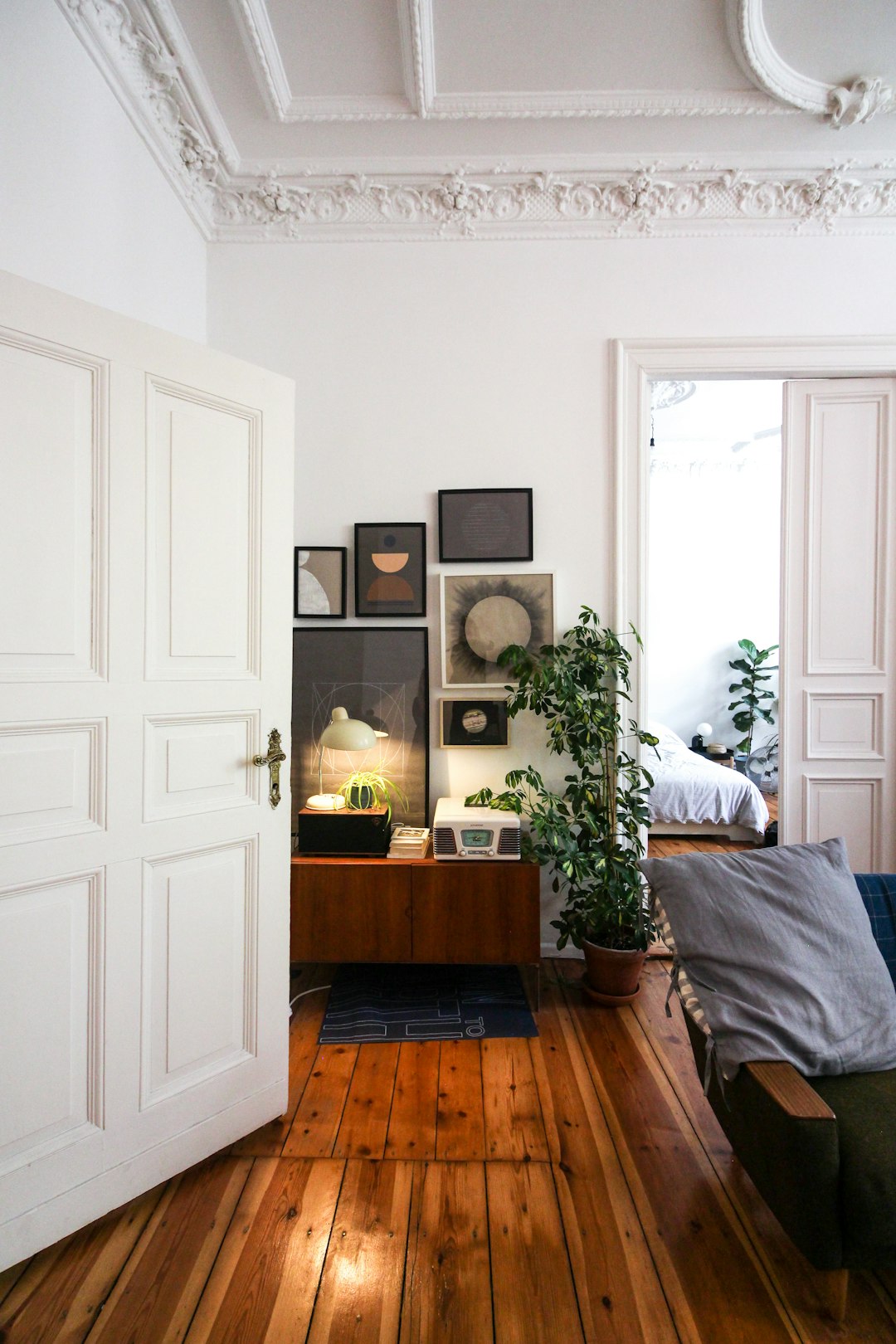
One of the most common Feng Shui myths is the belief that your bed absolutely must face the door. While the idea of a “commanding position” is rooted in traditional Feng Shui, it doesn’t mean you need to stare at your doorway every night. In fact, forcing your bed to face the door can leave you feeling exposed or anxious. Some people sleep better with their head against a solid wall and the door within view, rather than directly in front of them. Think about how you feel most secure—if facing the door makes you uneasy, trust your instincts. The goal is to create a bedroom layout that feels safe, promotes relaxation, and lets you sleep soundly. Don’t let this rigid rule override your comfort or common sense.
Mirrors in the Bedroom Ruin Relationships
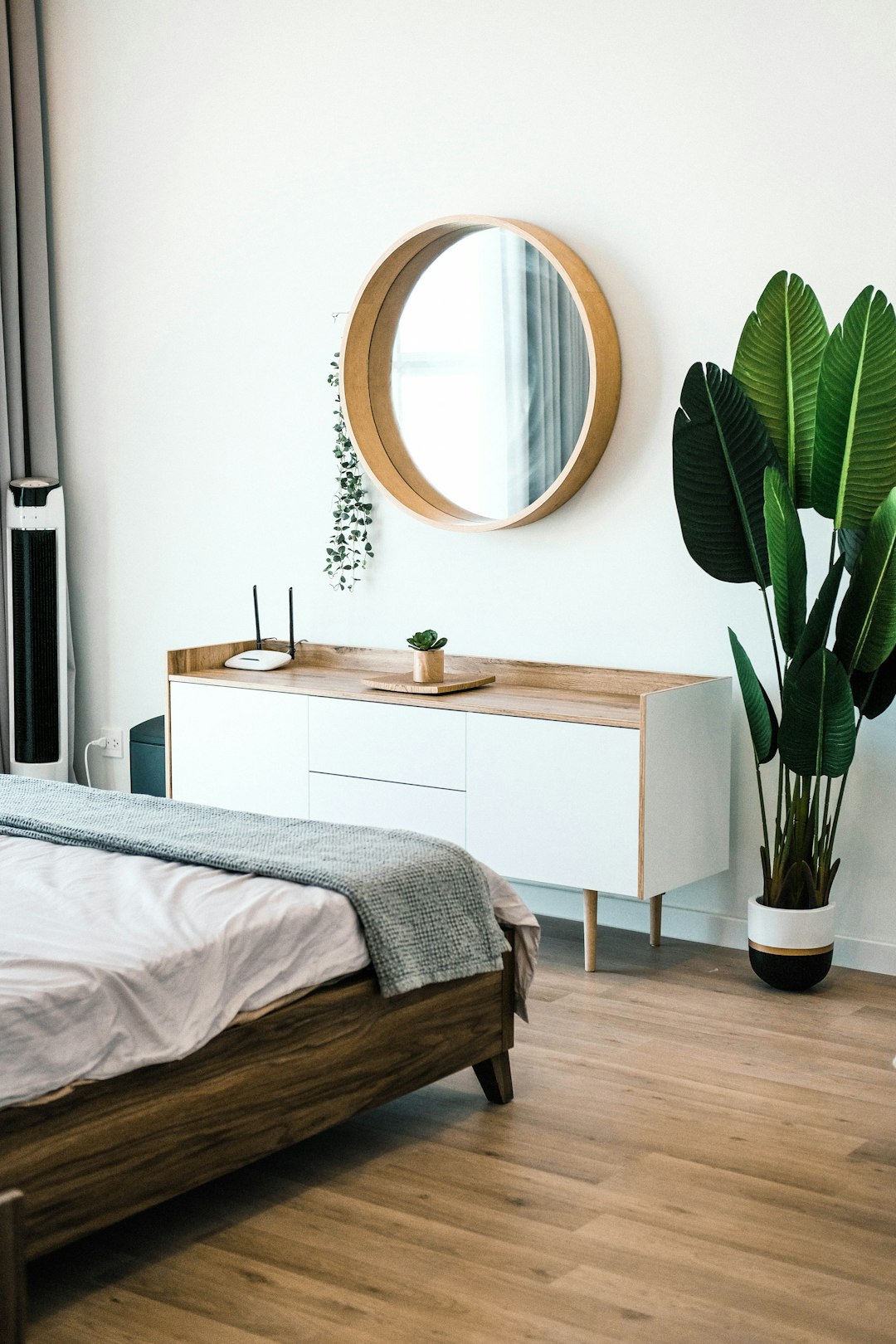
There’s a persistent fear that mirrors in the bedroom will wreck your love life or create “third parties” in your relationship. While mirrors can reflect energy, they don’t automatically doom your romance. The real concern is with mirrors that directly face the bed, as they can bounce energy around and cause restlessness. But a tastefully placed mirror on a closet door or wall can open up a small space and reflect natural light, making the room feel brighter and more inviting. Instead of banning all mirrors, consider their placement and what they reflect. If a mirror helps you get ready in the morning or brings more light into your space, it could actually boost your mood and strengthen your bond.
All Clutter Is Bad Energy
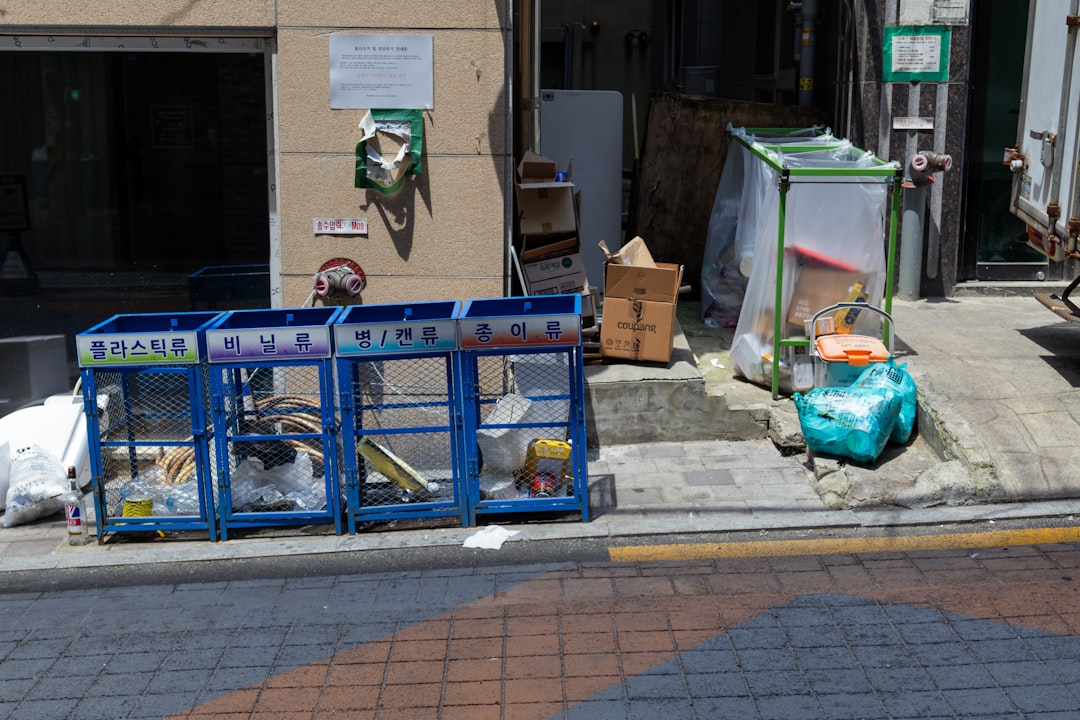
Many people believe that every bit of clutter is “bad energy” and must be eliminated for good Feng Shui. The truth is, not all clutter is the same. A pile of unread mail or unused gadgets can certainly create stress, but family photos, kids’ art projects, or a cozy stack of favorite books can add warmth and personality. The key is to sort through your belongings and keep what brings you joy or serves a purpose. Instead of obsessively purging everything, focus on organizing and displaying the things that matter most. Your home should feel lived-in and loved, not sterile or empty. Sometimes, a little meaningful clutter makes a house feel like home.
Never Put a Toilet in the Wealth Area
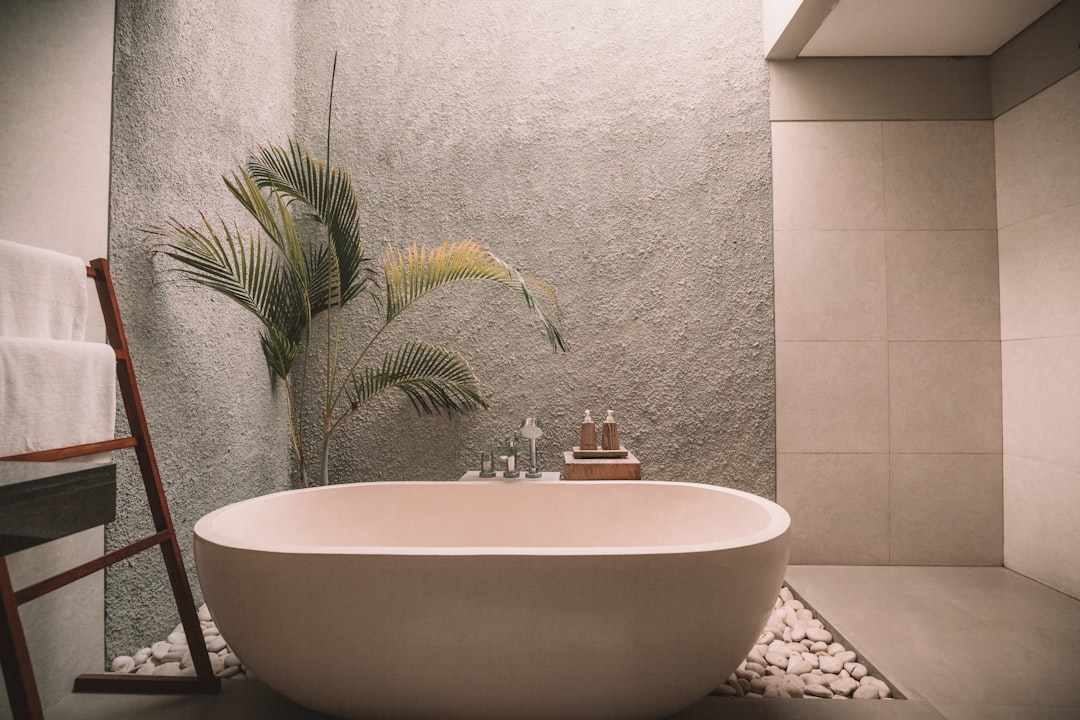
It’s shocking how many people panic when they learn their bathroom falls in the so-called “wealth area” of their home. The myth claims that a toilet here flushes away your prosperity, but homes aren’t designed around ancient energy maps. Modern apartments and houses often have bathrooms in every corner! Rather than stressing about architectural details you can’t change, use thoughtful design to uplift the space. Add vibrant plants, artwork with abundance themes, or even a gold-colored accent to suggest prosperity. Close the toilet lid and keep the bathroom tidy to minimize any sense of “drainage.” Your wealth isn’t going to disappear just because of your bathroom’s location.
Red Brings Luck Everywhere
Red is often seen as the ultimate lucky color in Feng Shui, so people splash it everywhere—from front doors to accent pillows—in the hopes of attracting fortune. But too much red can be overwhelming, causing agitation or even arguments. Think of red like hot sauce: a dash can liven things up, but overdoing it spoils the flavor. Use red as an accent in spaces where you want to boost energy, like an entryway or dining room, but balance it with calming tones elsewhere. If you’re not fond of red, you don’t need to force it into your décor for luck. True harmony comes from colors that make you feel good, not ones that make you feel on edge.
Indoor Plants = Always Good Feng Shui
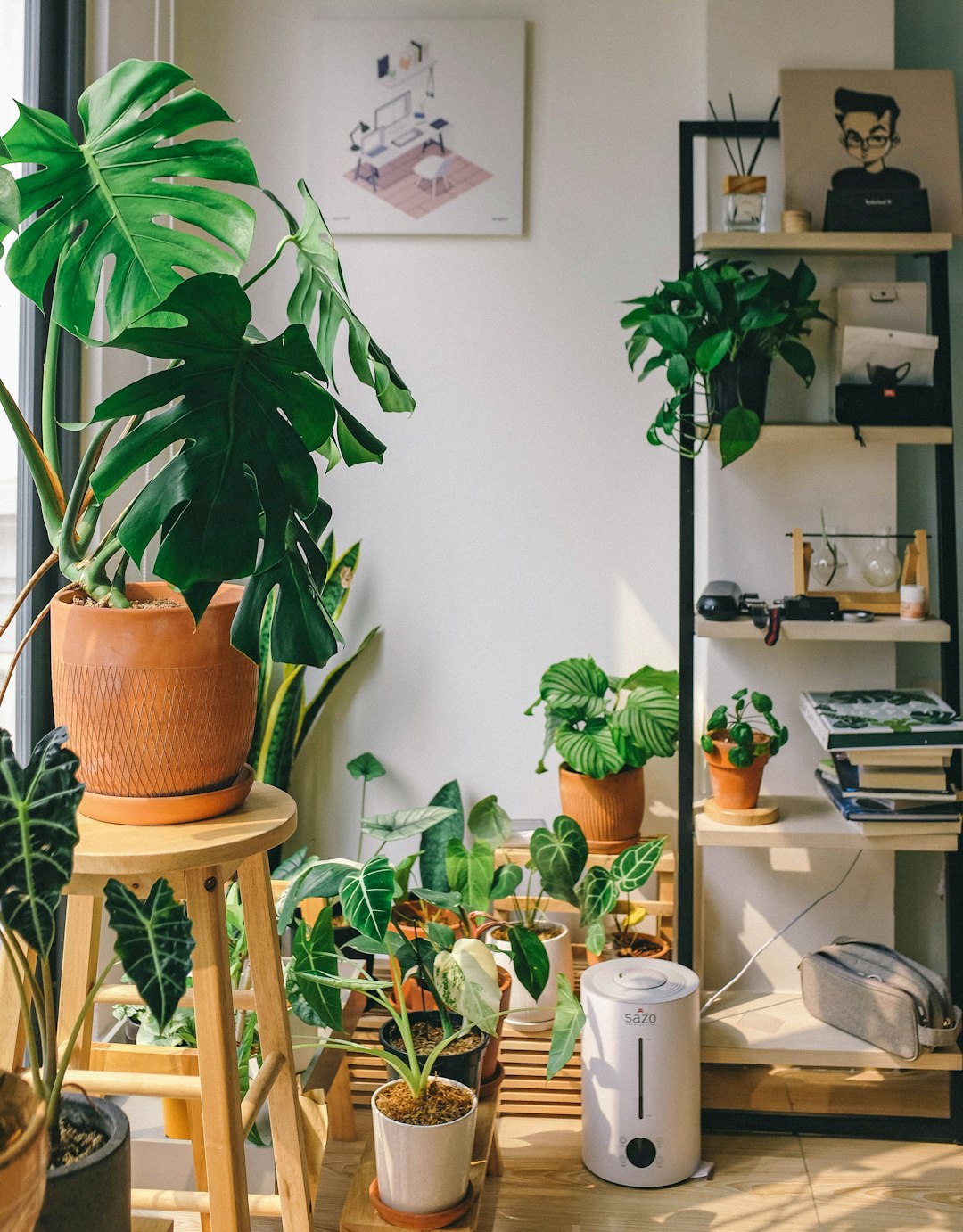
People love adding indoor plants for their supposed Feng Shui benefits, but not all greenery is created equal. Some plants, like cacti or those with sharp, spiky leaves, can create harsh energy and aren’t ideal for every room. Other plants, especially ones that are drooping, dying, or collecting dust, can actually block positive energy and drag down your mood. Choose healthy, round-leafed plants like jade, bamboo, or peace lilies to bring in vitality. Place them where they’ll thrive, and make sure to care for them regularly. Plants should make your home feel more alive, not more stressful—so if keeping them healthy is a burden, consider alternatives like fresh flowers or even nature-inspired artwork.
You Need a Water Feature for Wealth
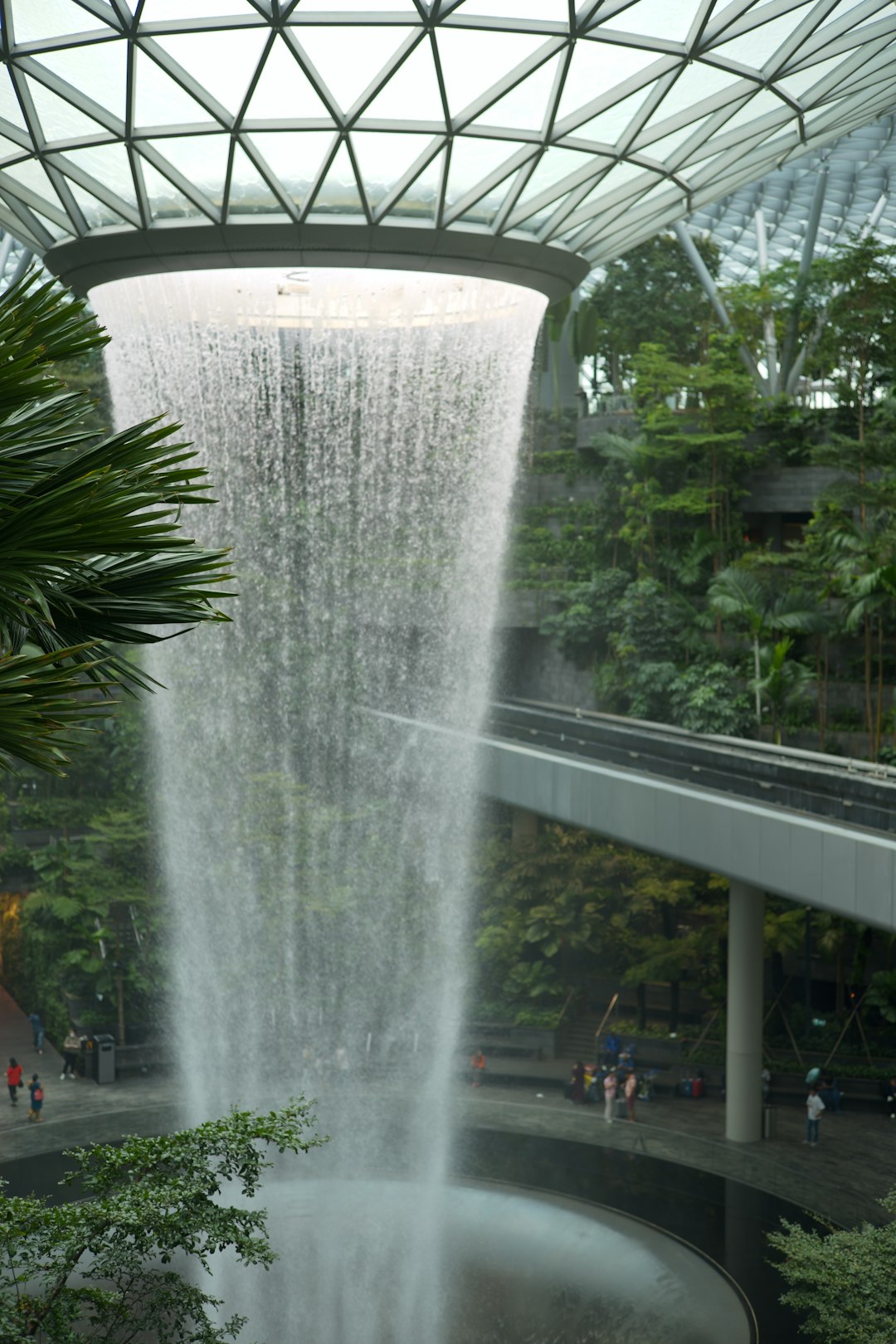
A bubbling fountain in the foyer or a fish tank in the living room—these are often touted as must-haves for attracting wealth. Yet, water features aren’t a magic ticket to prosperity, and when poorly placed or maintained, they can actually cause more stress. Algae, leaks, and noise can be distracting and even create stagnant energy. If you love the sound of water, add a small tabletop fountain or a simple bowl with fresh flowers. But don’t feel pressured if it doesn’t fit your lifestyle or space. Wealth in Feng Shui comes from overall balance, not just a single decorative element.
TVs in the Bedroom Are Forbidden
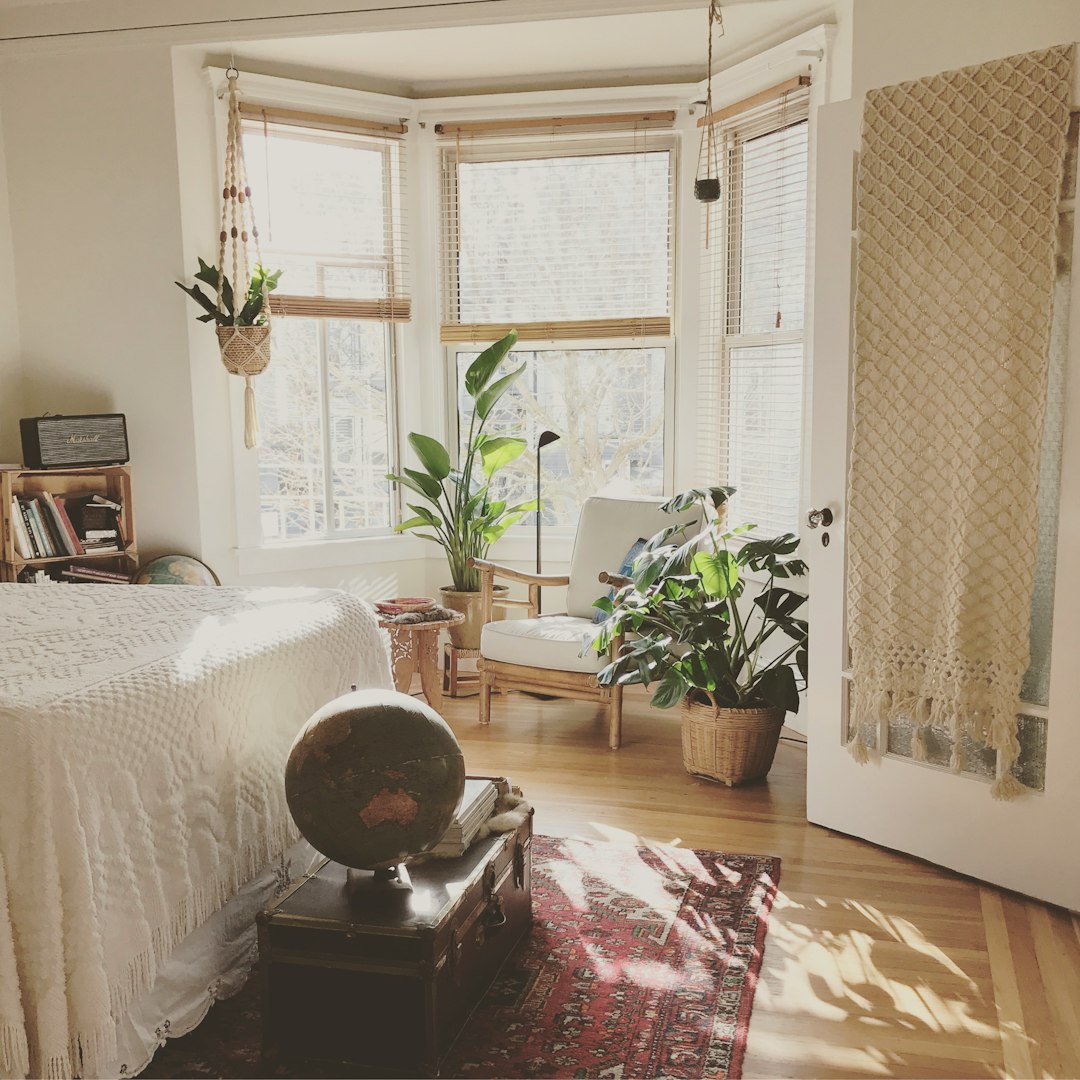
Some Feng Shui experts declare TVs in the bedroom an absolute no-no, claiming they disrupt sleep and intimacy. While it’s true that screens can be stimulating, the effect varies for everyone. For some, watching a favorite show is a cherished way to unwind at the end of the day. If a TV helps you relax and you’re still getting good rest, don’t feel guilty. Try turning it off before bedtime, or cover it with a cloth when not in use to minimize its impact. Ultimately, your comfort and habits should guide your choices—not a rigid set of rules.
Follow the Bagua Map Exactly
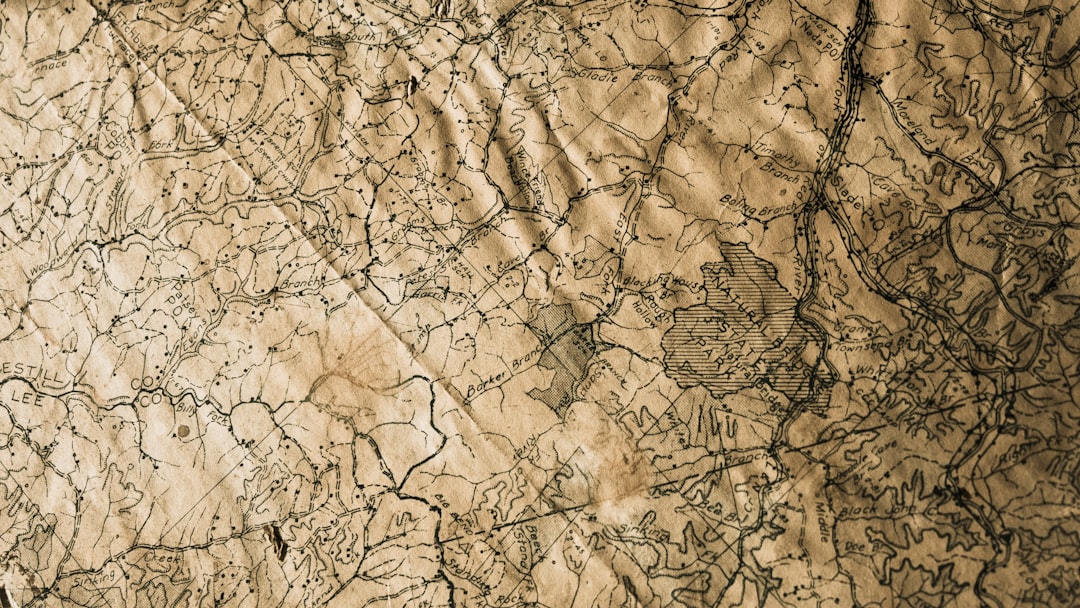
The Bagua map is a helpful tool for understanding how different areas of your home correspond to aspects of your life, but it’s not meant to be followed with military precision. Every home is unique, and forcing the Bagua onto awkward spaces can cause more confusion than harmony. Use the map as inspiration: if your “career area” falls in your kitchen, think about ways to symbolize growth or new opportunities there, like a fresh herb garden or motivational artwork. Be flexible and creative—Feng Shui is about enhancing your life, not squeezing it into a box.
Feng Shui Must Look ‘Asian’
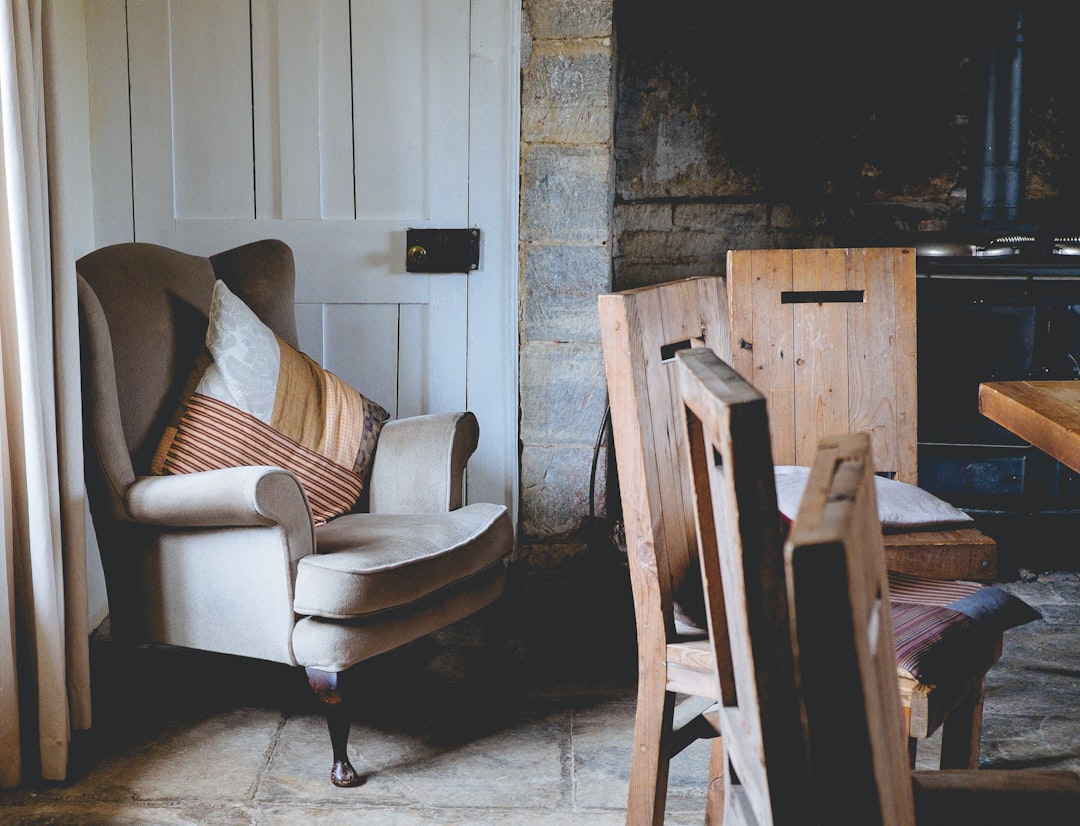
Many people think a Feng Shui home must be filled with bamboo, dragons, and Chinese lanterns. In reality, Feng Shui is about the flow of energy, not a particular look. Your home should reflect your personality, whether you love modern minimalism, rustic charm, or bold colors. The principles of balance, harmony, and intention can be applied to any style. Add meaningful objects, arrange furniture for comfort and connection, and decorate with things that make you feel good. The best Feng Shui is the one that feels like you—no matter what it looks like on the outside.

Matthias is a skilled author and digital storyteller with a focus on travel journalism, environmental issues, and modern home design. With a background in communications and a passion for global cultures, Matthias crafts engaging narratives that blend real-world exploration with thoughtful analysis and visual flair.
His writing reflects a deep interest in how climate change shapes our lives and lifestyles—from sustainable travel practices to eco-friendly living environments. Known for his clear, approachable voice and sharp editorial instincts, Matthias delivers content that resonates with readers seeking both inspiration and substance.
Whether reporting from remote destinations, breaking down sustainable design trends, or spotlighting innovative green initiatives, Matthias brings a global perspective and an eye for detail to every piece. He regularly contributes to web platforms and editorial projects that aim to foster awareness, creativity, and conscious living.