

Lena is a thoughtful and imaginative writer with a passion for storytelling across the themes of travel, environmental sustainability, and contemporary home aesthetics. With a background in cultural media and a strong visual sensibility, Anna Lena creates content that bridges inspiration with practical insight.
Her work explores the interplay between place, lifestyle, and design—guiding readers through meaningful travel experiences, eco-conscious choices, and modern approaches to living well. Known for her elegant writing style and attention to detail, she brings a fresh, human-centered perspective to every topic she covers.
Anna Lena contributes to digital publications and editorial projects where aesthetics meet purpose. Her writing not only informs but also encourages readers to live more intentionally, sustainably, and beautifully—wherever they are in the world.
Have you ever walked into a friend’s house and instantly felt overwhelmed by odd furniture arrangements, mirrors in strange places, or a sense that the space just doesn’t feel right? You’re not alone. While Feng Shui promises serenity and success, its modern application is turning some homes into bewildering battlegrounds of rules and rituals. The desire for perfect harmony has, for many, spun into a whirlwind of confusion and discomfort. Here’s a look at why well-intentioned Feng Shui can sometimes cause more chaos than calm.
Obsessing Over the “Command Position”
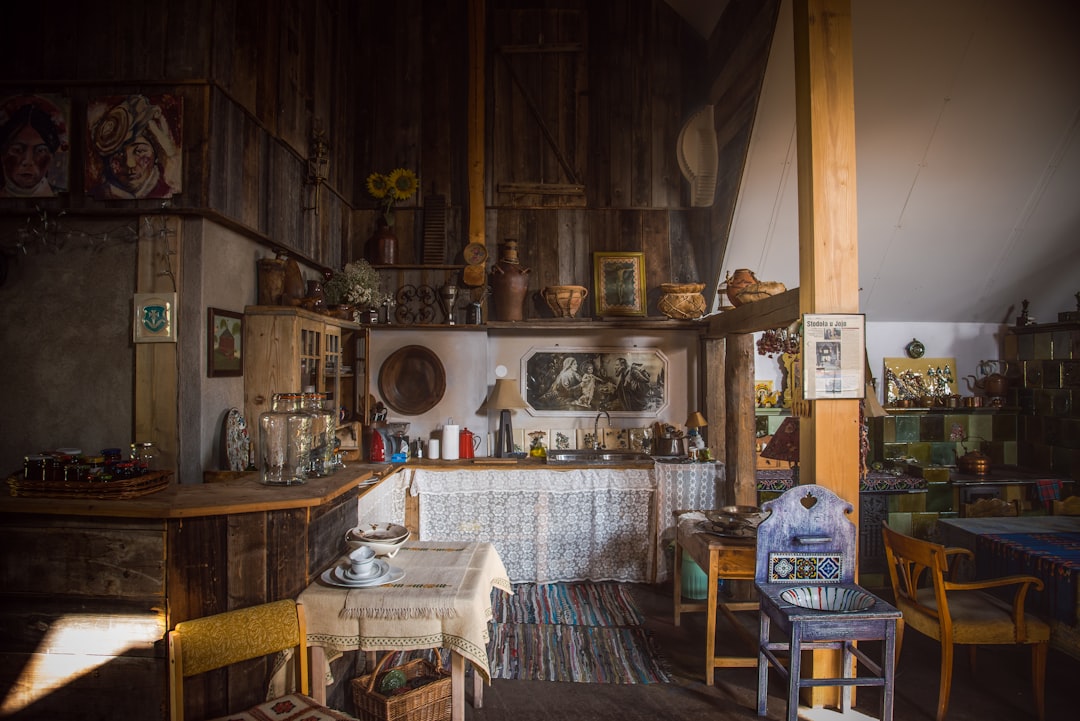
The command position, where beds, desks, or sofas must face the entrance to a room, is a cornerstone of Feng Shui. But when homeowners become fixated on this rule, it can lead to endless furniture shuffling and second-guessing. Instead of feeling empowered, people often feel trapped by the need to see the door at all times, even if it means cramming a bed into a corner or blocking a window. This obsession can make a space feel forced and unnatural, robbing it of genuine comfort. The constant rearranging can disrupt daily life, leaving family members frustrated and tired. Trying so hard to achieve the “perfect” position sometimes means ignoring what feels cozy or practical. It’s easy to become more anxious about the layout than actually enjoying the room itself.
Overloading on “Cures”
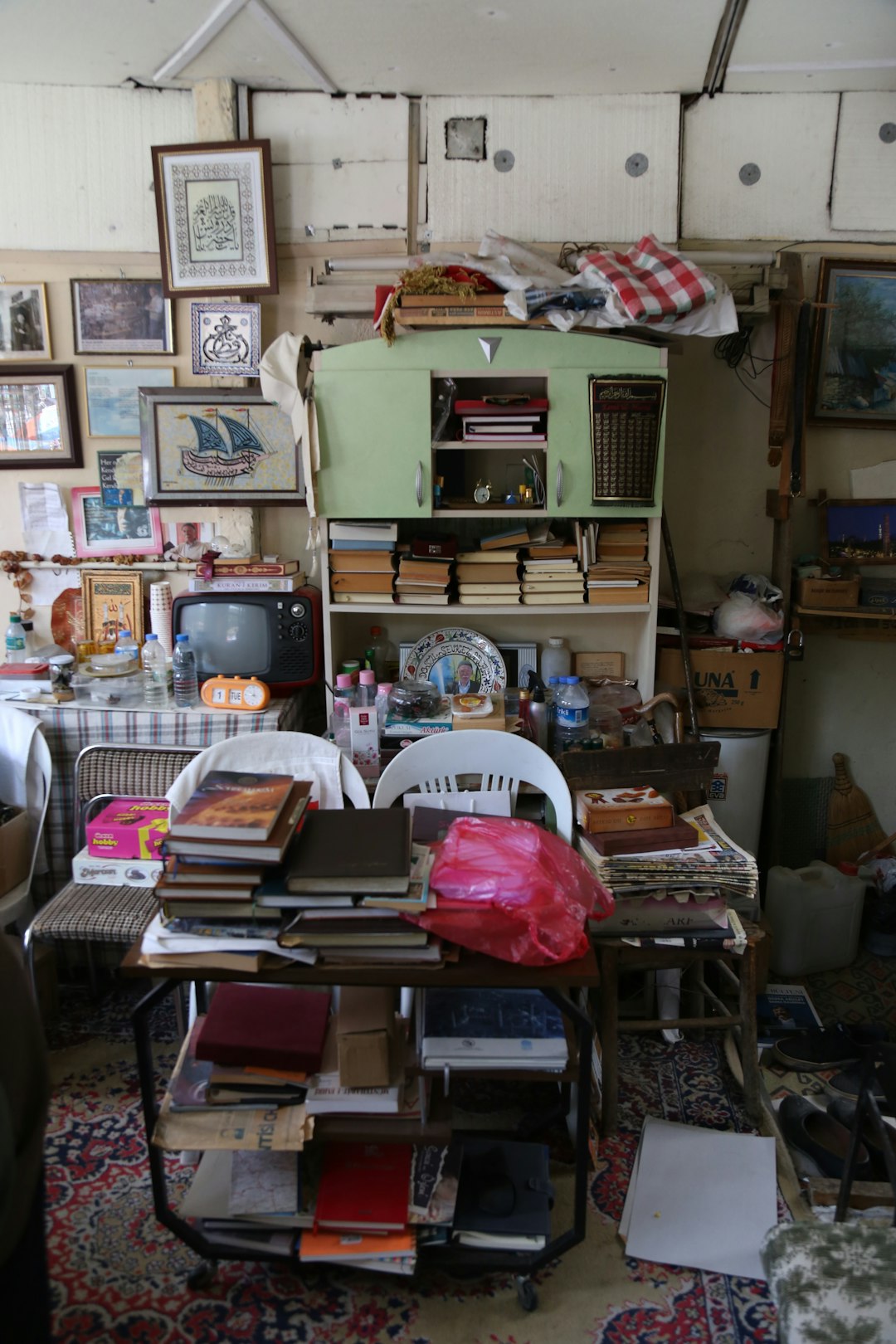
Feng Shui offers a toolkit of “cures”—mirrors, crystals, plants, fountains, and more—to supposedly correct energy imbalances. The problem arises when people go overboard, stuffing every corner with trinkets and symbols in hopes of attracting luck or warding off misfortune. Homes can quickly become cluttered shrines rather than sanctuaries. Instead of feeling lighter and more harmonious, the space starts to suffocate under the weight of too many objects. Visitors may feel confused or distracted by the visual chaos, and residents often lose sight of what truly matters to them. Ironically, the well-meaning effort to fix energy can end up creating more stress, not less.
Forcing the Bagua Map on Odd Layouts

The Bagua map divides a house into nine life areas, each corresponding to wealth, health, or relationships. In theory, it’s a helpful tool. In reality, most homes don’t fit neatly into this rigid grid. People with L-shaped layouts, open-plan spaces, or quirky rooms can find themselves at a loss. Trying to force the Bagua map onto every nook and cranny often leads to impractical or awkward solutions—like putting a water feature in the middle of the living room or hanging art in places that make no sense. The pursuit of balance sometimes turns into an exercise in frustration, as families try to fit their real lives into a one-size-fits-all mold.
Banishing All Clutter (Unrealistically)
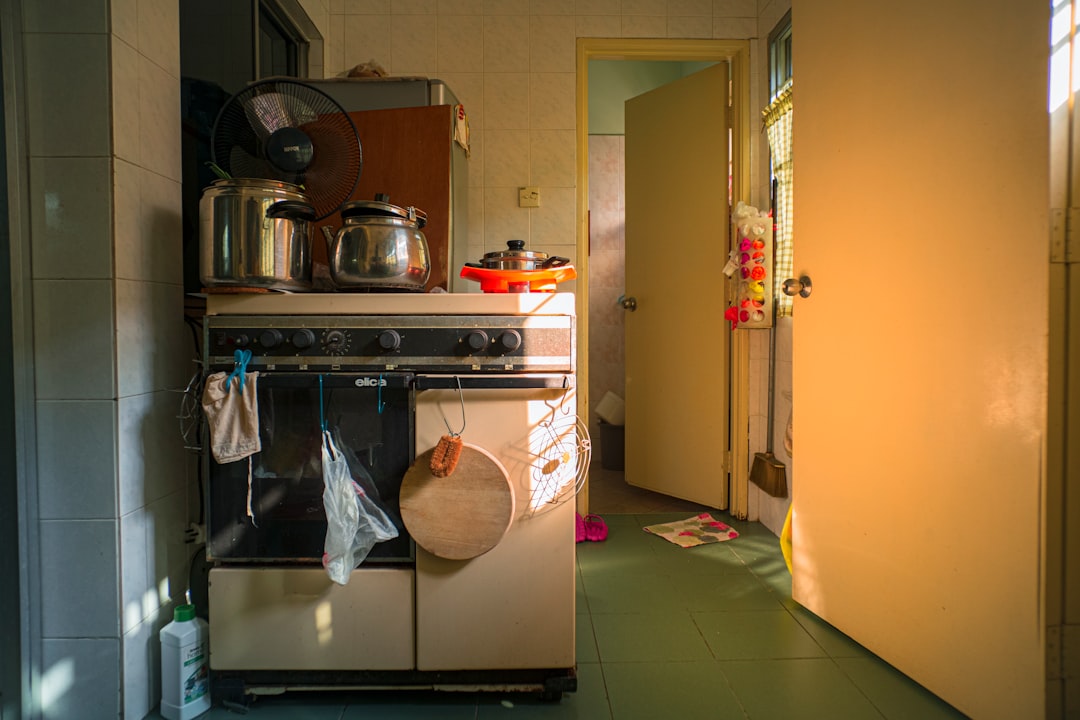
Feng Shui’s war on clutter is legendary. We’re told that every unused item blocks energy and should be cleared out immediately. But life isn’t always so simple. People have sentimental keepsakes, kids’ toys, paperwork, and daily messes that can’t just disappear. The pressure to maintain a spotless, minimalist home can be exhausting and guilt-inducing. Some people end up hiding things in closets or storage units, creating a different kind of chaos behind closed doors. The reality is that a little mess is often a sign of life, and striving for magazine-ready perfection can leave people feeling inadequate and constantly on edge.
Ignoring Personal Comfort for “Rules”
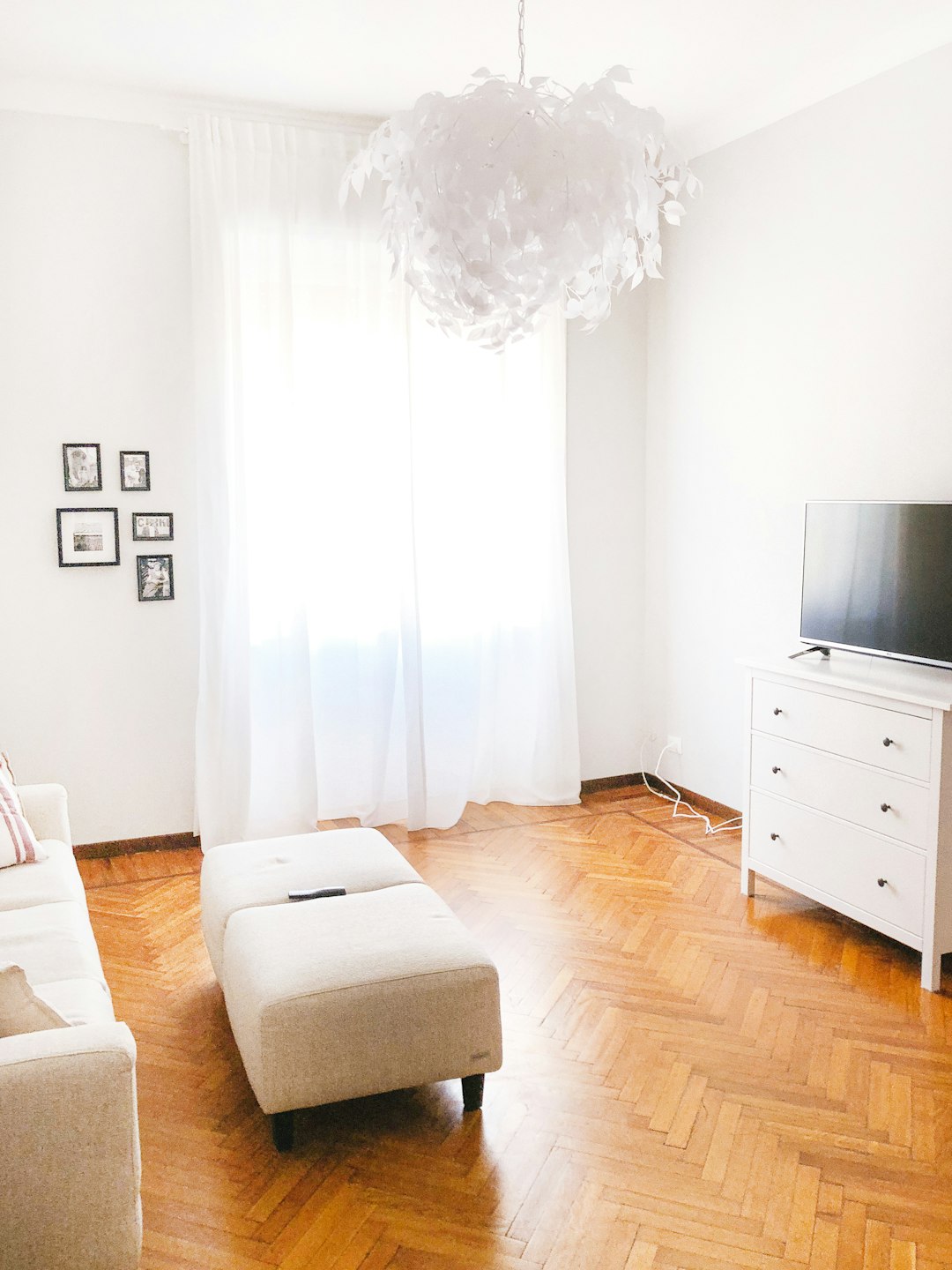
Many homeowners fall into the trap of choosing Feng Shui-approved furniture, colors, or artwork that don’t reflect their own tastes or needs. They may sacrifice a beloved armchair because it’s in the “wrong” spot, or avoid bold colors even if they bring joy. The result is a space that looks good on paper but feels sterile or impersonal. Family members might find themselves tiptoeing around, afraid to disrupt the carefully curated setup. The house stops feeling like a home and starts to resemble a showroom or an art installation. When comfort and personality are traded away for rigid rules, it’s easy to lose sight of what makes a space truly welcoming.
Misunderstanding the Importance of Intention

At its heart, Feng Shui is meant to be about setting intentions for your space and life. However, many people skip this crucial step and focus only on physical changes—moving objects, adding symbols, or adjusting layouts. Without a clear intention, these changes can feel hollow and disconnected. It’s like rearranging deck chairs on a ship that’s not moving—the energy remains stagnant. People may become disillusioned when they don’t see results, not realizing that their mindset and emotional clarity are just as important as where they place the sofa. The true power of Feng Shui lies in aligning your actions with your inner goals and desires.
Neglecting the Role of Maintenance
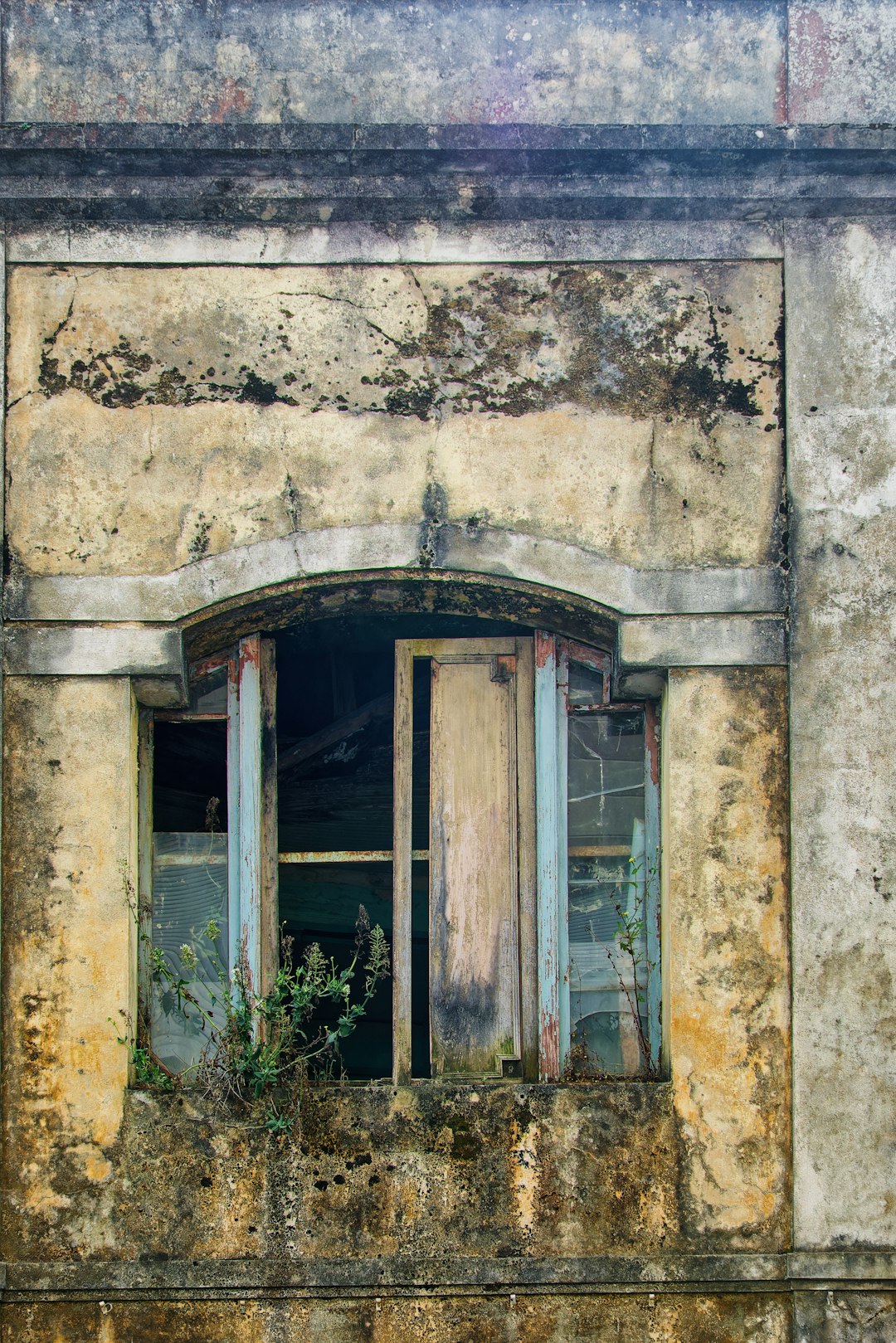
Feng Shui isn’t a “set it and forget it” solution. Yet many homeowners dive in with enthusiasm, make a few changes, and then let things slide. Dust gathers on crystals, plants wither, and well-placed mirrors become smudged. Over time, the neglected space starts to feel stagnant or even depressing. Regular maintenance—like cleaning, refreshing décor, and tending to plants—is essential to keep positive energy flowing. When this upkeep is overlooked, the benefits of Feng Shui quickly fade, and chaos can quietly creep back in. It’s similar to tending a garden: without ongoing care, even the best designs will wilt.
Relying Too Heavily on External Validation
In the age of Instagram and Pinterest, many people seek approval and advice from others for their Feng Shui arrangements. This can lead to a house filled with trends and tips that don’t actually fit the family’s lifestyle or personalities. Chasing “likes” or following online influencers may result in a space that feels disjointed or artificial. Friends might praise the look, but if it doesn’t resonate with the people living there, what’s the point? The pressure to keep up appearances can make homeowners second-guess their own instincts and preferences, causing stress and confusion instead of confidence and calm.
Overcomplicating the Basics
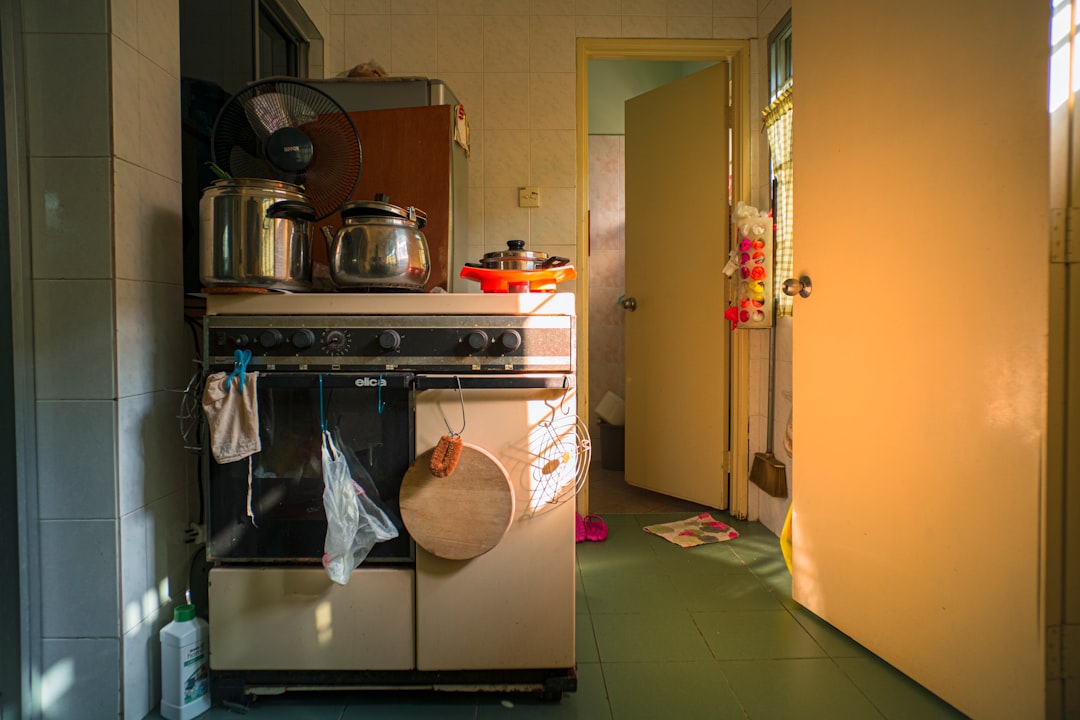
Feng Shui can be incredibly complex, with layers of advanced techniques, lucky charms, and intricate calculations. Some people get lost in the details, trying to implement every nuance they read about online or in books. This overcomplication can paralyze decision-making and make the process feel overwhelming. Instead of enjoying their space, homeowners worry about missing a step or getting something wrong. Often, the most effective changes are simple ones—like letting in more light or keeping pathways clear. When the basics are overlooked in favor of fancy fixes, the whole house can feel unbalanced and stressful.
Failing to Adapt to Change
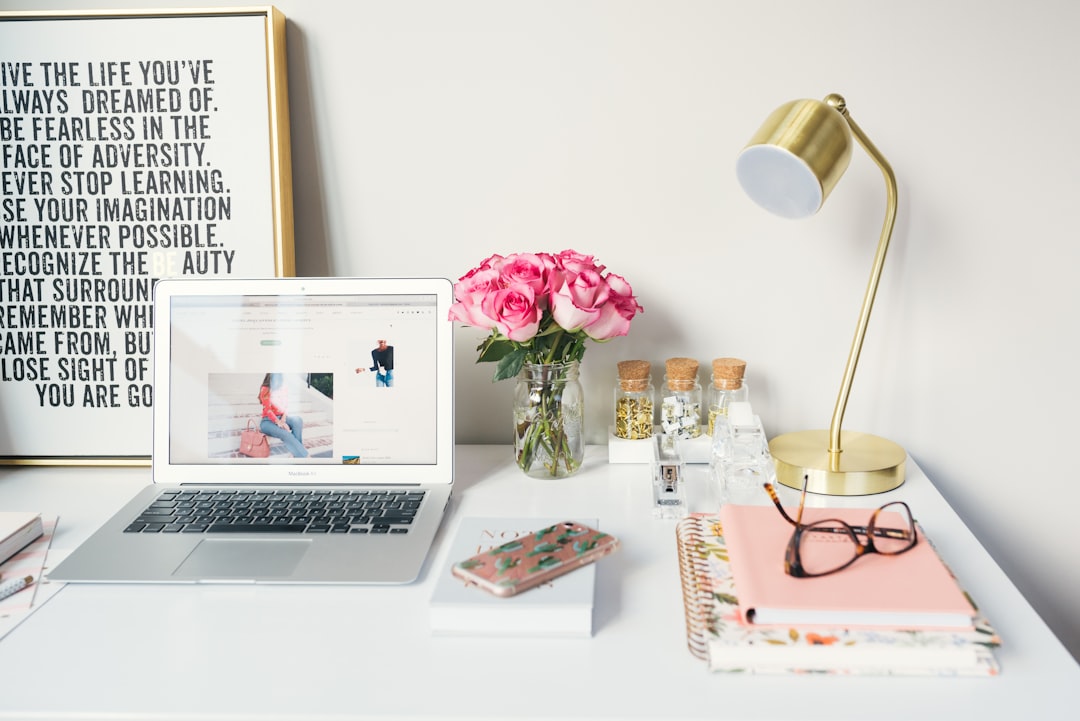
Life is in constant motion—families grow, careers shift, and tastes evolve. However, some people stick rigidly to their original Feng Shui setup, even when it no longer fits their needs or goals. They may keep a child’s room untouched long after they’ve moved out or hold onto outdated “cures” that no longer make sense. This resistance to change can create stagnation and frustration. Adapting Feng Shui practices to reflect current realities—like adjusting layouts for remote work or embracing new hobbies—helps keep the energy fresh and supportive. Holding on too tightly to old arrangements can make a home feel stuck and chaotic.
What would your house look like if you followed every rule, or none at all?

Lena is a thoughtful and imaginative writer with a passion for storytelling across the themes of travel, environmental sustainability, and contemporary home aesthetics. With a background in cultural media and a strong visual sensibility, Anna Lena creates content that bridges inspiration with practical insight.
Her work explores the interplay between place, lifestyle, and design—guiding readers through meaningful travel experiences, eco-conscious choices, and modern approaches to living well. Known for her elegant writing style and attention to detail, she brings a fresh, human-centered perspective to every topic she covers.
Anna Lena contributes to digital publications and editorial projects where aesthetics meet purpose. Her writing not only informs but also encourages readers to live more intentionally, sustainably, and beautifully—wherever they are in the world.