

Lena is a thoughtful and imaginative writer with a passion for storytelling across the themes of travel, environmental sustainability, and contemporary home aesthetics. With a background in cultural media and a strong visual sensibility, Anna Lena creates content that bridges inspiration with practical insight.
Her work explores the interplay between place, lifestyle, and design—guiding readers through meaningful travel experiences, eco-conscious choices, and modern approaches to living well. Known for her elegant writing style and attention to detail, she brings a fresh, human-centered perspective to every topic she covers.
Anna Lena contributes to digital publications and editorial projects where aesthetics meet purpose. Her writing not only informs but also encourages readers to live more intentionally, sustainably, and beautifully—wherever they are in the world.
Tariffs: More Than Just a Trade Tool
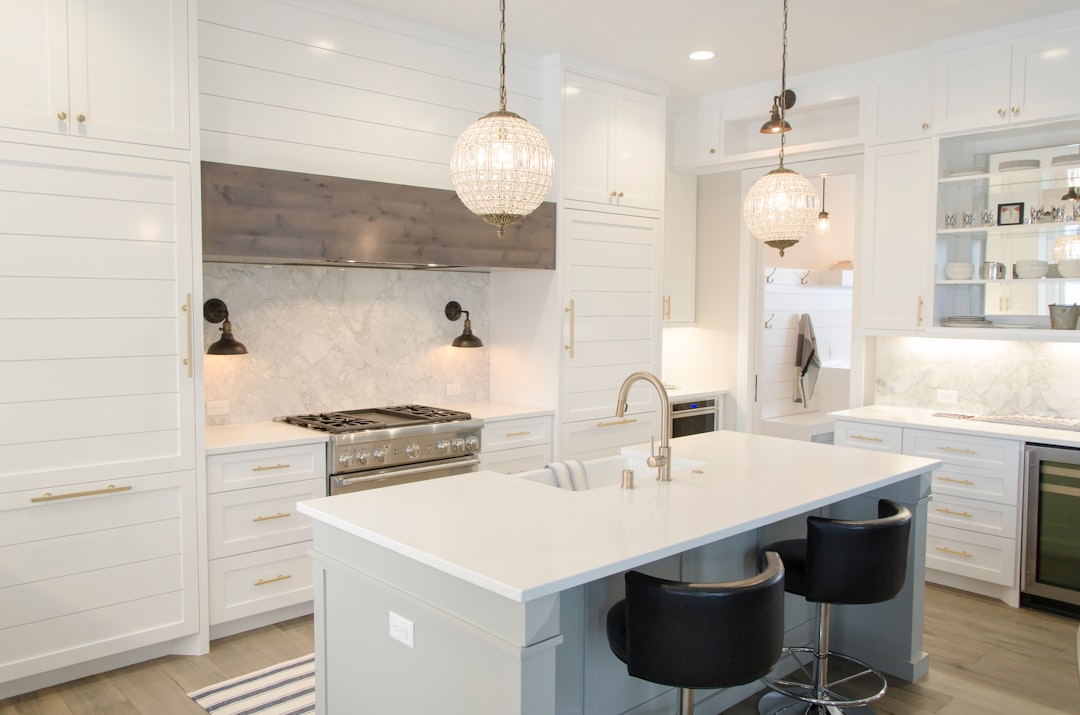
When you hear the word “tariff,” you might think of faraway factories or complicated government negotiations. But tariffs often hit much closer to home—sometimes right in your own kitchen. Tariffs are essentially taxes placed on goods imported from other countries. While they are designed to protect domestic industries or balance trade deficits, the real-world effects can be surprisingly personal. Everyday items, including kitchen countertops, can see their prices climb if tariffs expand. That means the beautiful stone slab you picked out for your remodel might suddenly cost a lot more. It’s a reminder that global politics can land right on your countertop, affecting decisions you make in the comfort of your own home.
The Countertop Market: An Evolving Landscape
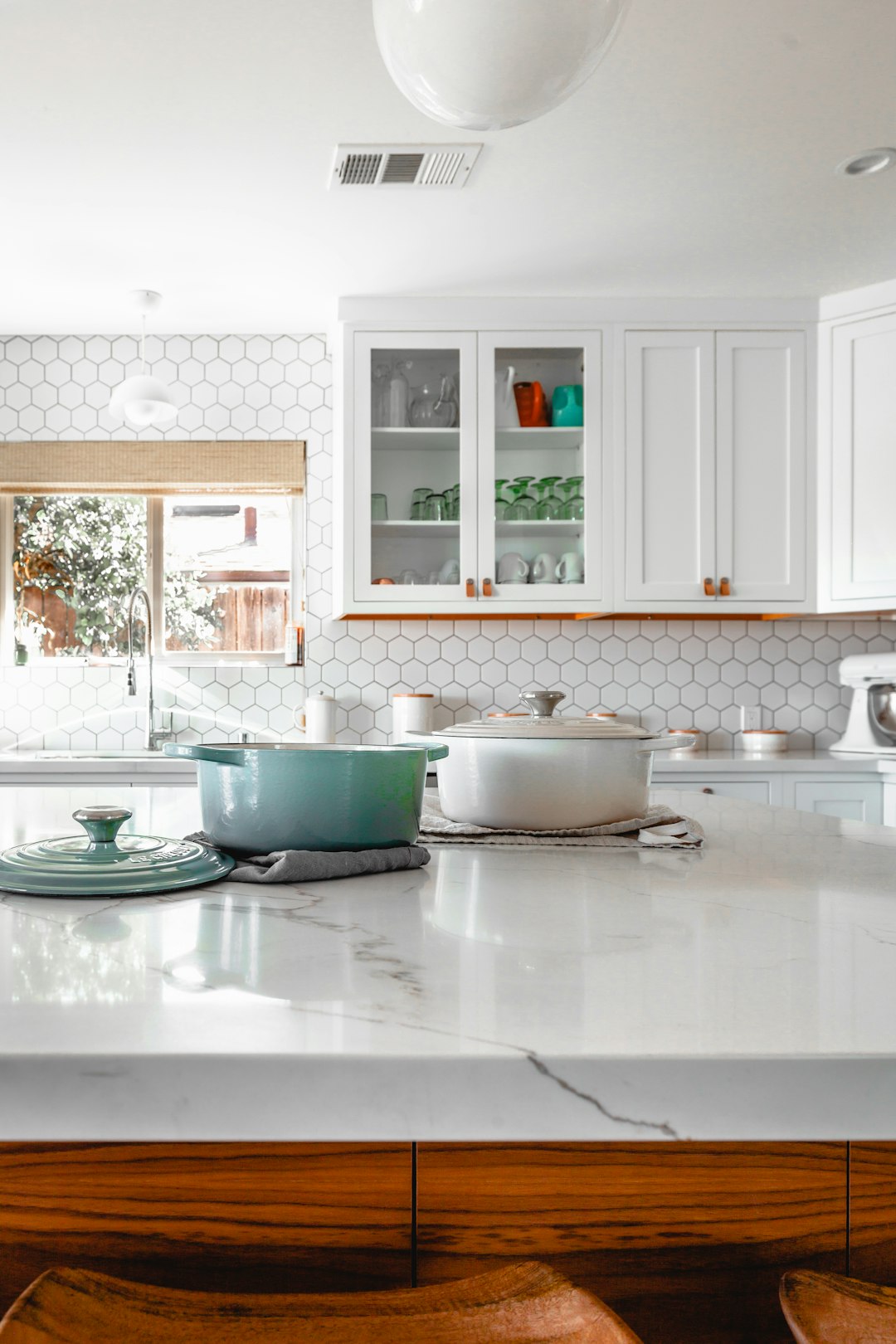
Countertops are more than just a place to chop veggies—they’re a centerpiece of the modern home. From luxurious granite to sleek quartz, and even classic laminate, the range of choices is vast. The market has grown steadily, fueled by a wave of home renovations and new constructions. Homeowners now want both style and function, pushing demand for high-quality surfaces. However, this steady growth could face hurdles if tariffs increase. Suddenly, that dream kitchen or bathroom upgrade might seem just out of reach for many. The ripple effects could transform the countertop market, shifting what’s available and at what price.
How Tariffs Shape Prices

When tariffs hit, manufacturers almost always feel the pinch first. The cost of importing raw materials like granite or quartz jumps immediately. But these companies rarely absorb the cost themselves—they pass it along to consumers. Imagine planning a kitchen remodel, only to discover the countertop you loved just went up in price overnight. This creates anxiety for homeowners, who find it tough to budget for their projects. Worse yet, fluctuating tariffs can make prices unpredictable, leaving both buyers and sellers in a constant state of uncertainty. It’s like trying to hit a moving target when planning your dream space.
Potential Tariffs on Countertop Materials
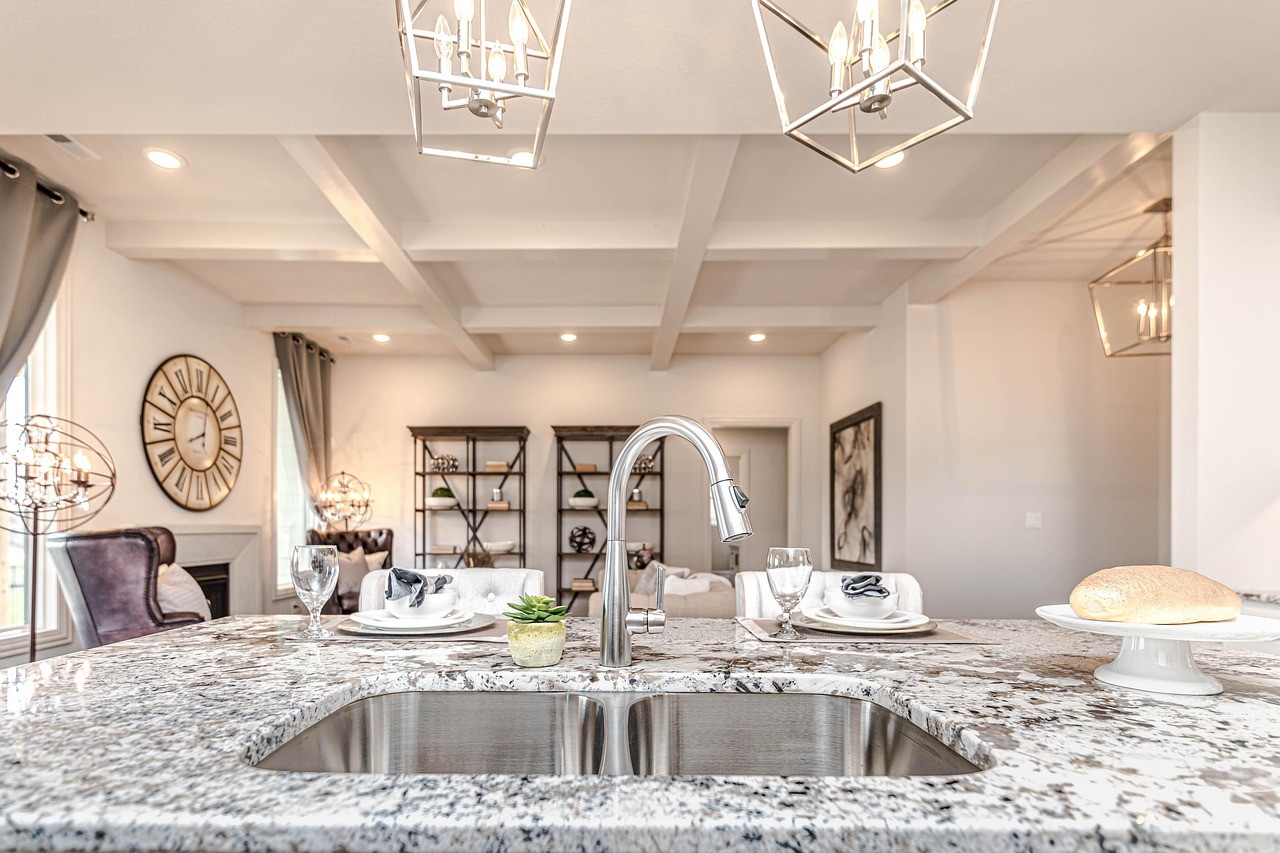
Recent discussions among policymakers suggest that tariffs could be expanded to cover more goods, including those used in home improvement. Materials like granite and quartz, which are often imported, are especially vulnerable. If tariffs increase, manufacturers will pay more for these materials, leading to higher prices for finished countertops. Even materials that are engineered or assembled domestically might see cost hikes, as their raw ingredients often come from overseas. This looming possibility is causing a stir in the industry, with both small workshops and large manufacturers bracing for the impact.
Consumers Respond to Price Hikes
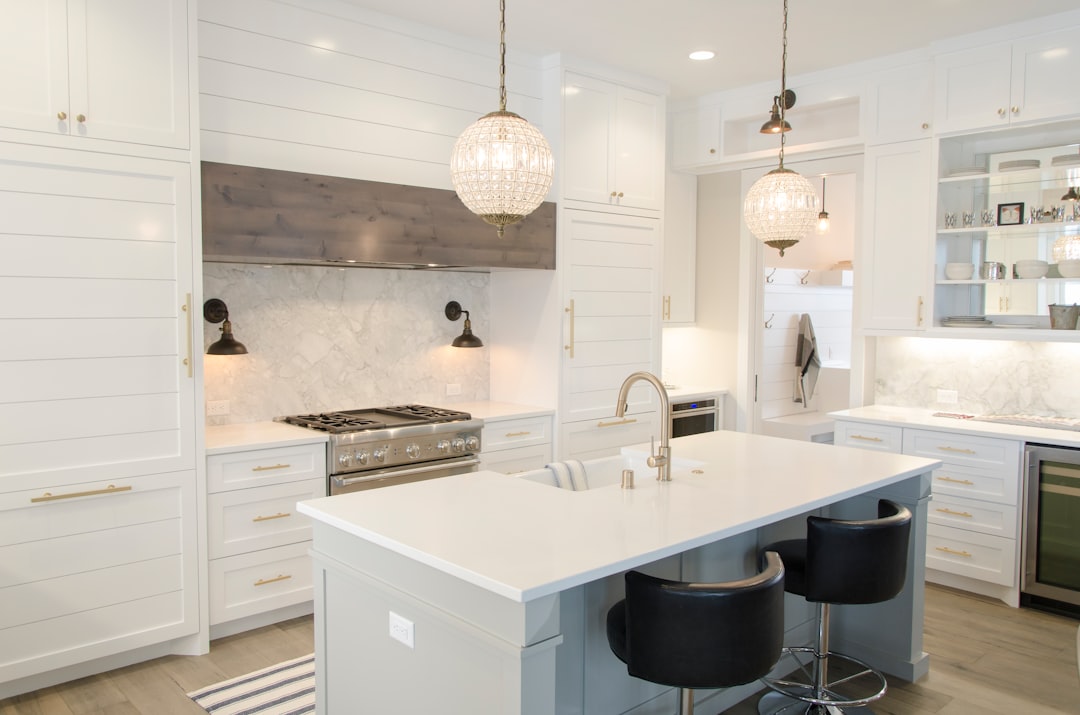
As prices for countertops start to rise, homeowners may find themselves making tough choices. Some might postpone their renovation plans, waiting for prices to stabilize or fall. Others could look for budget-friendly alternatives, like laminate or recycled materials, instead of premium options like quartz or marble. This shift in demand could reshape the market, making high-end countertops less accessible to the average buyer. Retailers might notice a drop in sales of luxury surfaces, while more affordable options see a boost. The emotional weight of seeing a long-awaited project become unaffordable can be frustrating and disappointing for many families.
Manufacturers and Retailers Face New Challenges
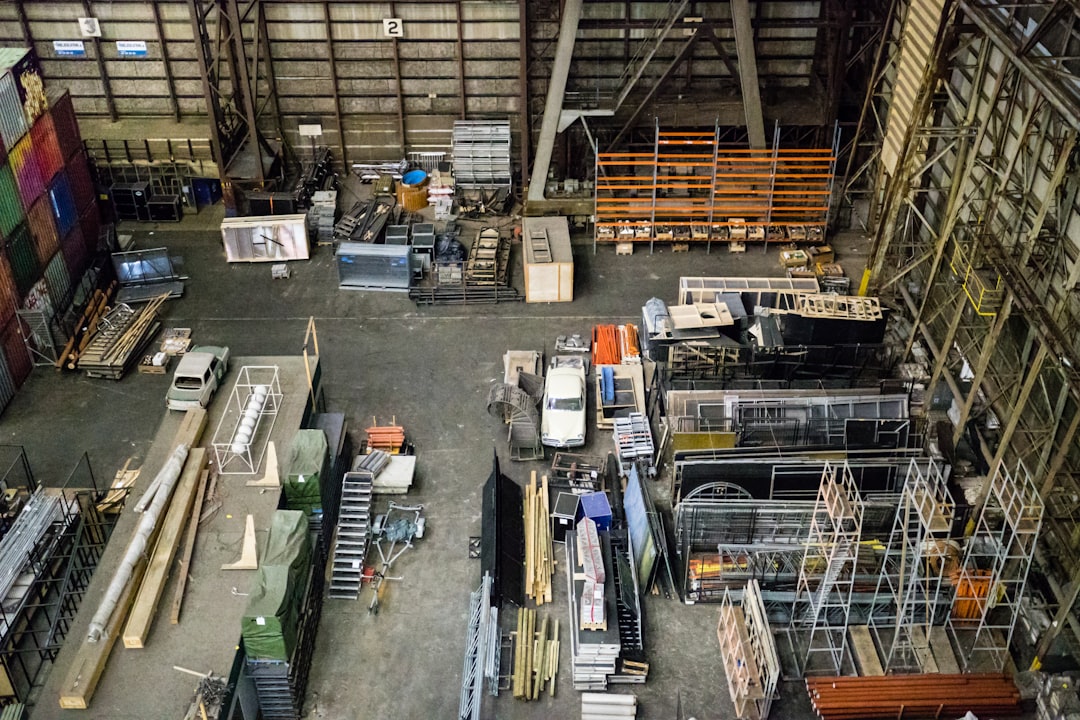
For companies that make or sell countertops, expanded tariffs create a whole new set of headaches. Increased costs may force them to rethink their pricing strategies, sometimes cutting into profits just to keep sales steady. Some businesses may try to find new sources for materials, perhaps turning to domestic suppliers or countries not affected by tariffs. Others could invest in alternative materials or production methods to stay afloat. The pressure to adapt quickly can be stressful and expensive, and not every company has the resources to weather these changes. Smaller businesses, in particular, might struggle to compete as the market shifts.
Long-Term Effects on the Industry
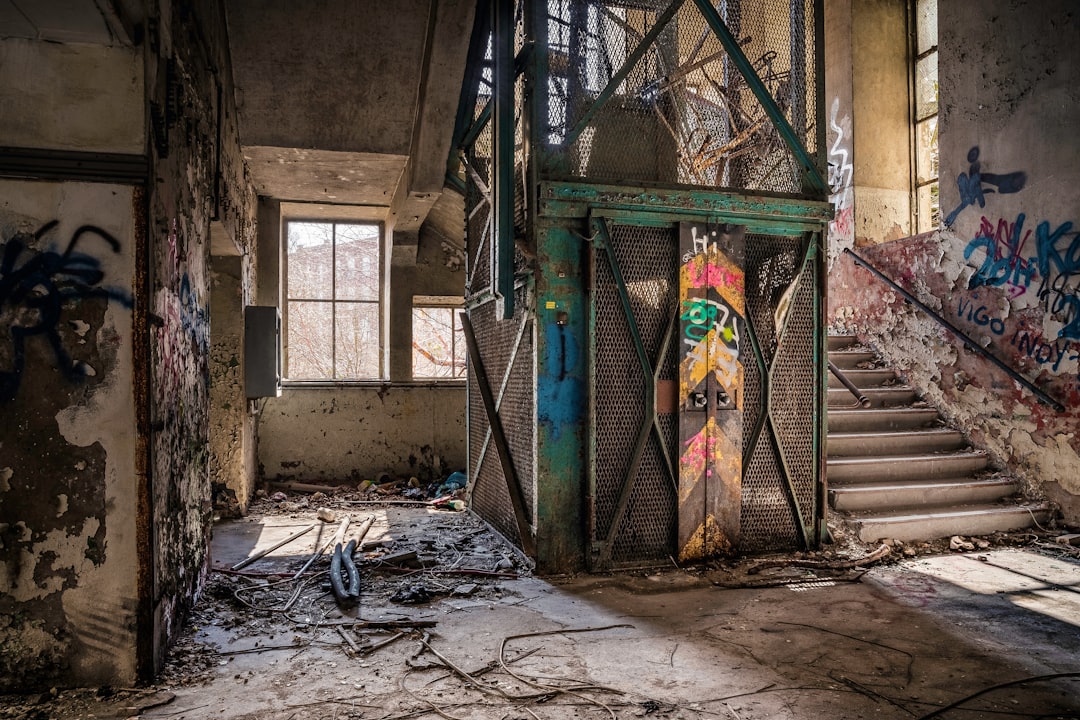
If tariffs remain high for an extended period, the countertop industry could see lasting changes. Persistent price increases might discourage homeowners from pursuing renovations altogether, shrinking the market for new countertops. Manufacturers and retailers could see reduced demand, leading to layoffs or even closures in extreme cases. Investment in innovation could slow, as companies become more cautious about spending in an unpredictable market. The industry might also become more fragmented, with only the largest or most adaptable players surviving. The landscape could look very different in just a few years if tariffs continue to expand.
Alternatives to Imported Countertops

Facing higher prices on imported materials, many consumers and businesses are starting to look elsewhere. Domestically sourced stone and recycled materials are gaining attention as cost-effective and eco-friendly alternatives. Some companies are developing new types of engineered surfaces that mimic the look and feel of traditional stone without the import costs. Innovations like recycled glass countertops or sustainable wood surfaces could become more popular. Homeowners interested in supporting local businesses might also find these options more appealing, further driving the shift away from imported materials.
Homeowners’ Dilemmas: Wait, Switch, or Pay More?
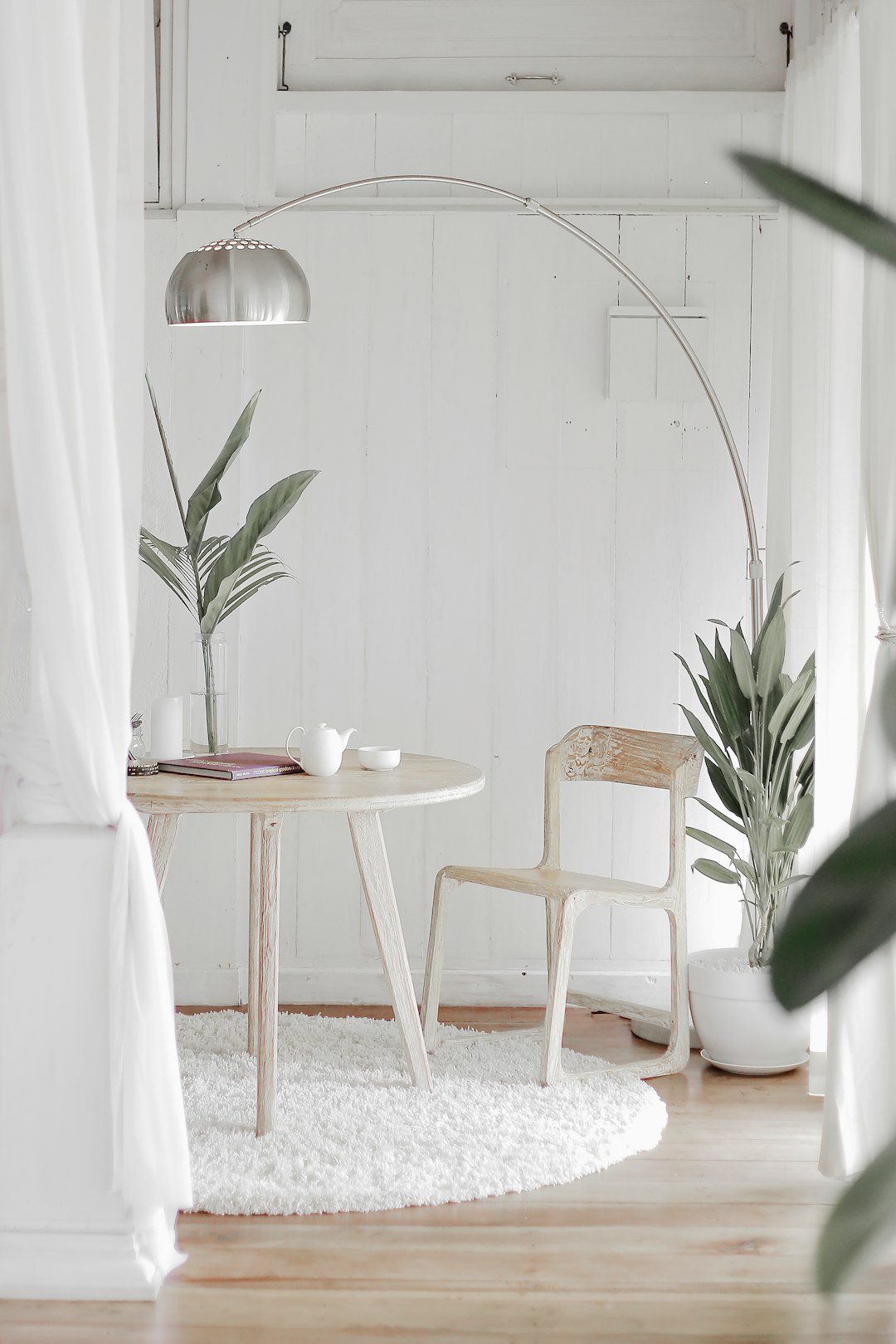
The decision to move forward with a renovation becomes much more complicated when countertop prices are in flux. Some homeowners might decide to wait, hoping tariffs will be reduced or prices will stabilize. Others could switch to a different material, perhaps choosing a less expensive or locally sourced option. Still, some will go ahead and pay the higher price, valuing the aesthetics or durability of their preferred material above the extra cost. Each choice involves trade-offs, and the uncertainty can make planning a major home project feel overwhelming.
The Ripple Effect on Related Industries

Tariffs don’t just affect countertop manufacturers—they send shockwaves through the entire home improvement ecosystem. Installers, designers, construction companies, and even realtors can feel the impact. Higher countertop prices might make new homes less attractive or reduce the appeal of remodels, affecting property values. Retailers may see fluctuating sales patterns, and suppliers of tools and accessories could also notice changes. The interconnected nature of the building industry means that a change in one area can quickly influence many others.
Industry Voices: Concerns and Hopes
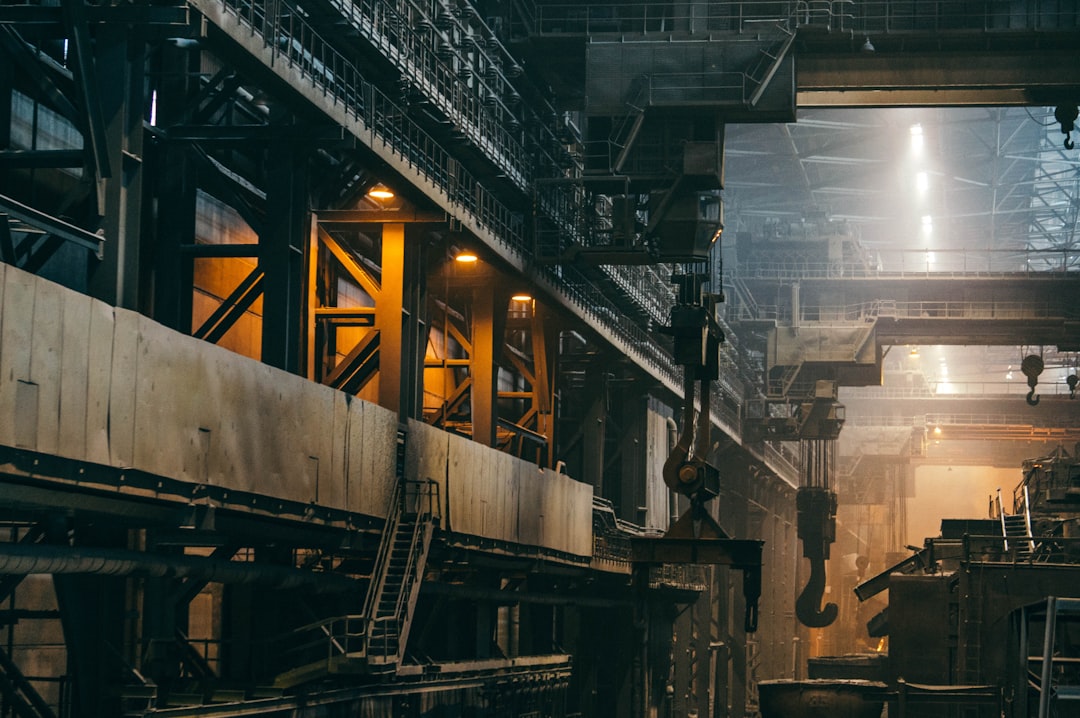
Many people within the countertop industry are voicing their concerns. Business owners talk about the challenge of balancing customer needs with rising costs. Designers worry about losing out on creative options for their clients. Homeowners share stories of postponed or scaled-back renovations. Yet there is also hope—some see this as an opportunity to innovate, to find new materials and methods that are less reliant on imports. The industry’s resilience and adaptability will be put to the test as everyone navigates this uncertain future.

Lena is a thoughtful and imaginative writer with a passion for storytelling across the themes of travel, environmental sustainability, and contemporary home aesthetics. With a background in cultural media and a strong visual sensibility, Anna Lena creates content that bridges inspiration with practical insight.
Her work explores the interplay between place, lifestyle, and design—guiding readers through meaningful travel experiences, eco-conscious choices, and modern approaches to living well. Known for her elegant writing style and attention to detail, she brings a fresh, human-centered perspective to every topic she covers.
Anna Lena contributes to digital publications and editorial projects where aesthetics meet purpose. Her writing not only informs but also encourages readers to live more intentionally, sustainably, and beautifully—wherever they are in the world.