


Matthias is a skilled author and digital storyteller with a focus on travel journalism, environmental issues, and modern home design. With a background in communications and a passion for global cultures, Matthias crafts engaging narratives that blend real-world exploration with thoughtful analysis and visual flair.
His writing reflects a deep interest in how climate change shapes our lives and lifestyles—from sustainable travel practices to eco-friendly living environments. Known for his clear, approachable voice and sharp editorial instincts, Matthias delivers content that resonates with readers seeking both inspiration and substance.
Whether reporting from remote destinations, breaking down sustainable design trends, or spotlighting innovative green initiatives, Matthias brings a global perspective and an eye for detail to every piece. He regularly contributes to web platforms and editorial projects that aim to foster awareness, creativity, and conscious living.
Tariffs have a profound impact on the design industry, altering the prices and availability of essential materials. As countries impose tariffs, designers and manufacturers are left grappling with the consequences. Some materials are more vulnerable than others to these economic shifts. Let’s delve into the 15 design materials most likely to be affected by tariffs and understand how these changes could reshape the industry landscape.
Steel: The Backbone of Construction
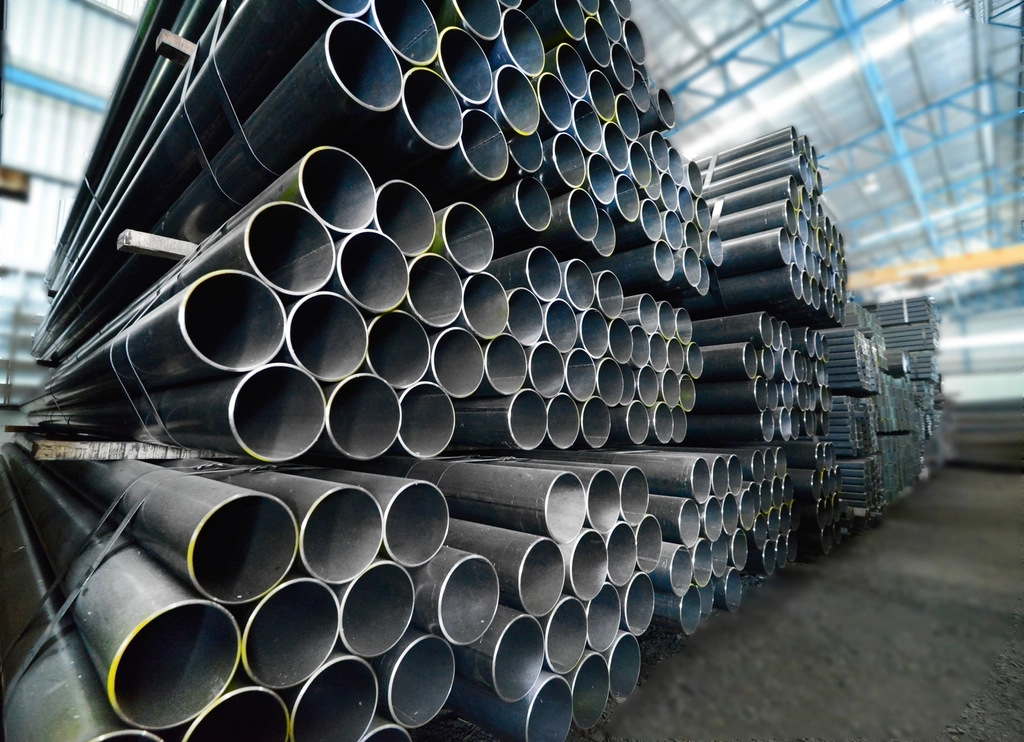
Steel is often referred to as the backbone of construction due to its strength and versatility. However, tariffs on steel imports can lead to increased costs for construction projects. When tariffs are imposed, the price of steel can skyrocket, impacting everything from skyscrapers to residential homes. For designers, this means rethinking budgets and potentially compromising on design elements. As a result, the ripple effect can be felt across the entire construction industry, affecting timelines and project feasibility.
Aluminum: Lightweight Yet Heavy on Costs
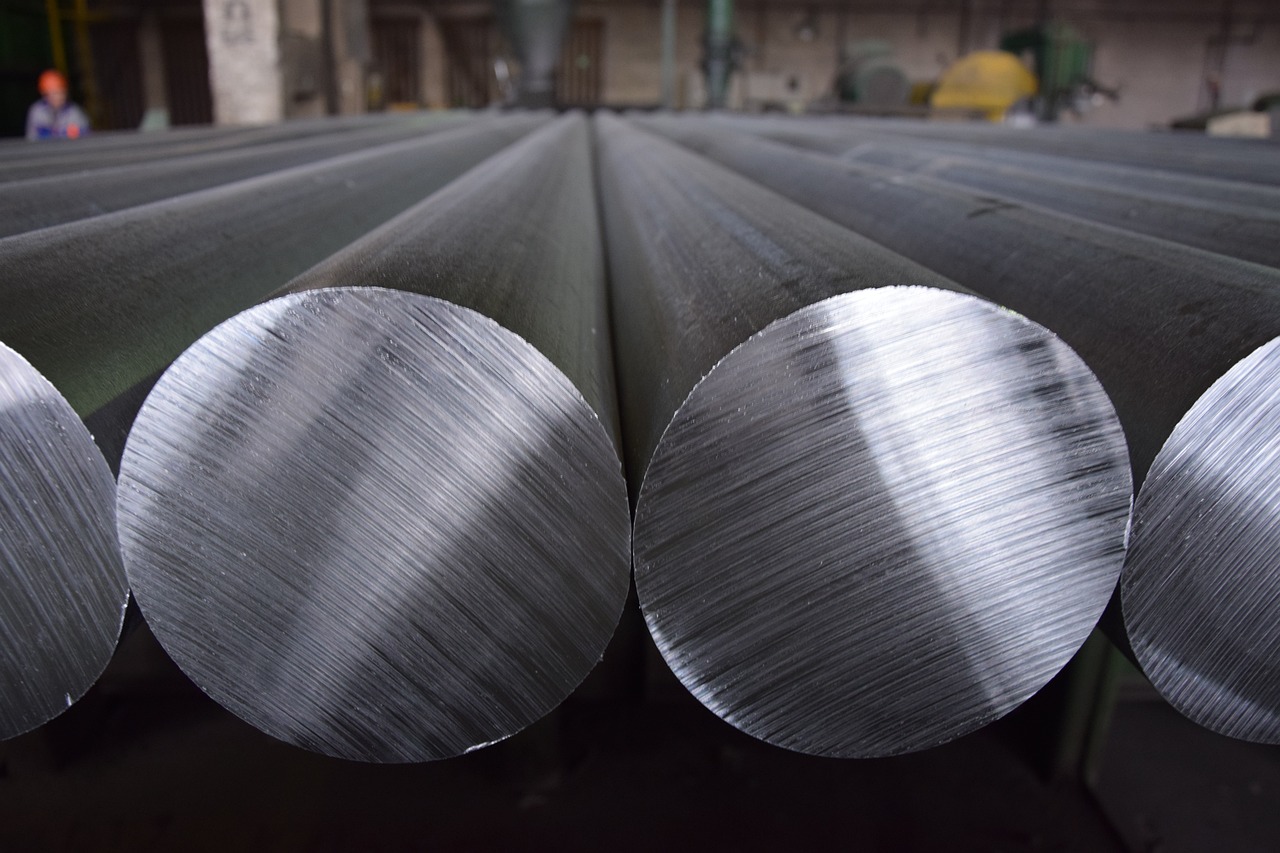
Aluminum is valued for its lightweight properties, making it a popular choice in modern design. However, tariffs can make this material significantly more expensive. Aluminum is used in a wide array of products, from window frames to car parts. When tariffs are introduced, manufacturers face difficult decisions: absorb the cost or pass it on to consumers. This can lead to a decrease in demand and a shift towards alternative materials, changing the landscape of design preferences.
Wood: Nature’s Timeless Resource
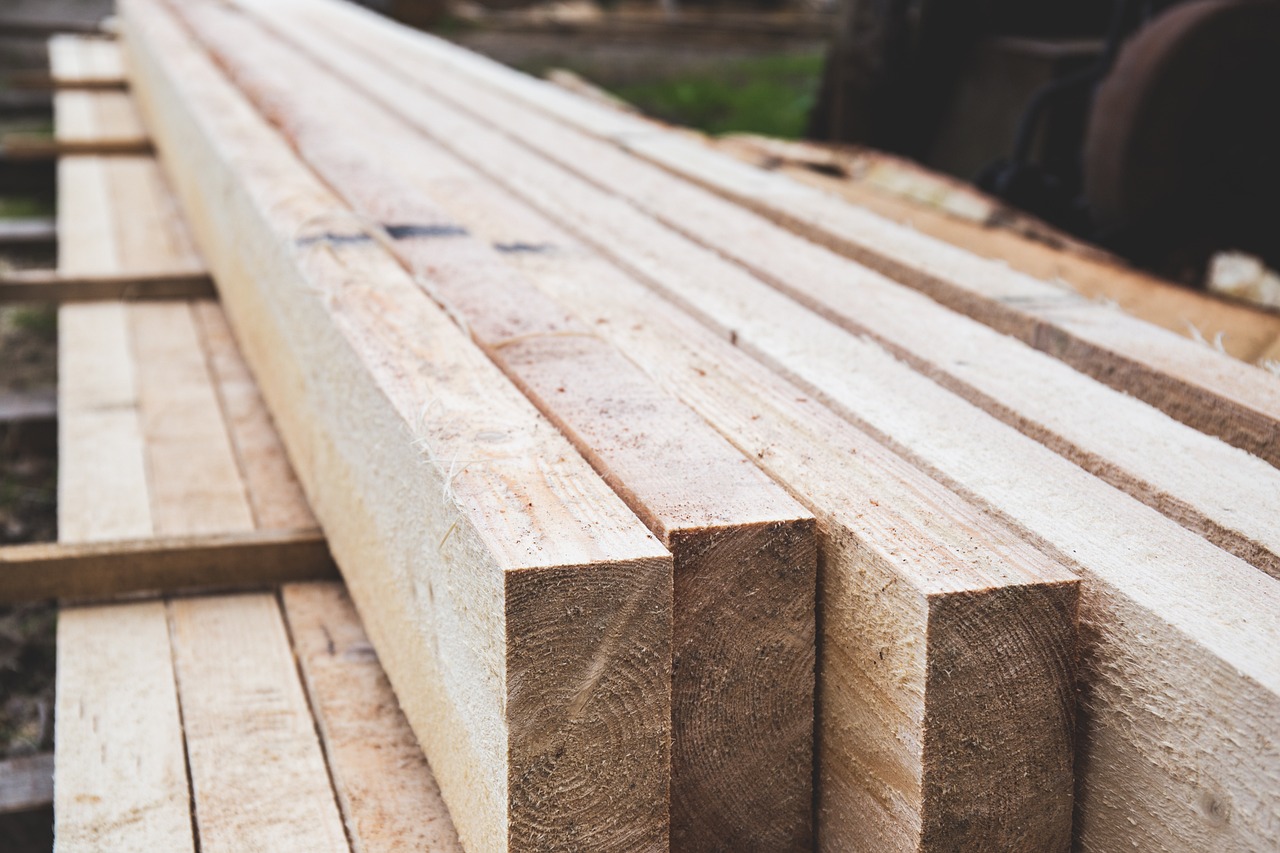
Wood has been a staple in design for centuries, cherished for its warmth and natural beauty. Tariffs on wood imports, however, can lead to price hikes that affect everything from furniture to flooring. Designers who rely on high-quality imported wood may need to explore local options or switch to engineered alternatives. This shift can influence the aesthetics and sustainability of design projects, as well as impact the livelihoods of artisans and craftsmen.
Glass: Fragile Yet Essential
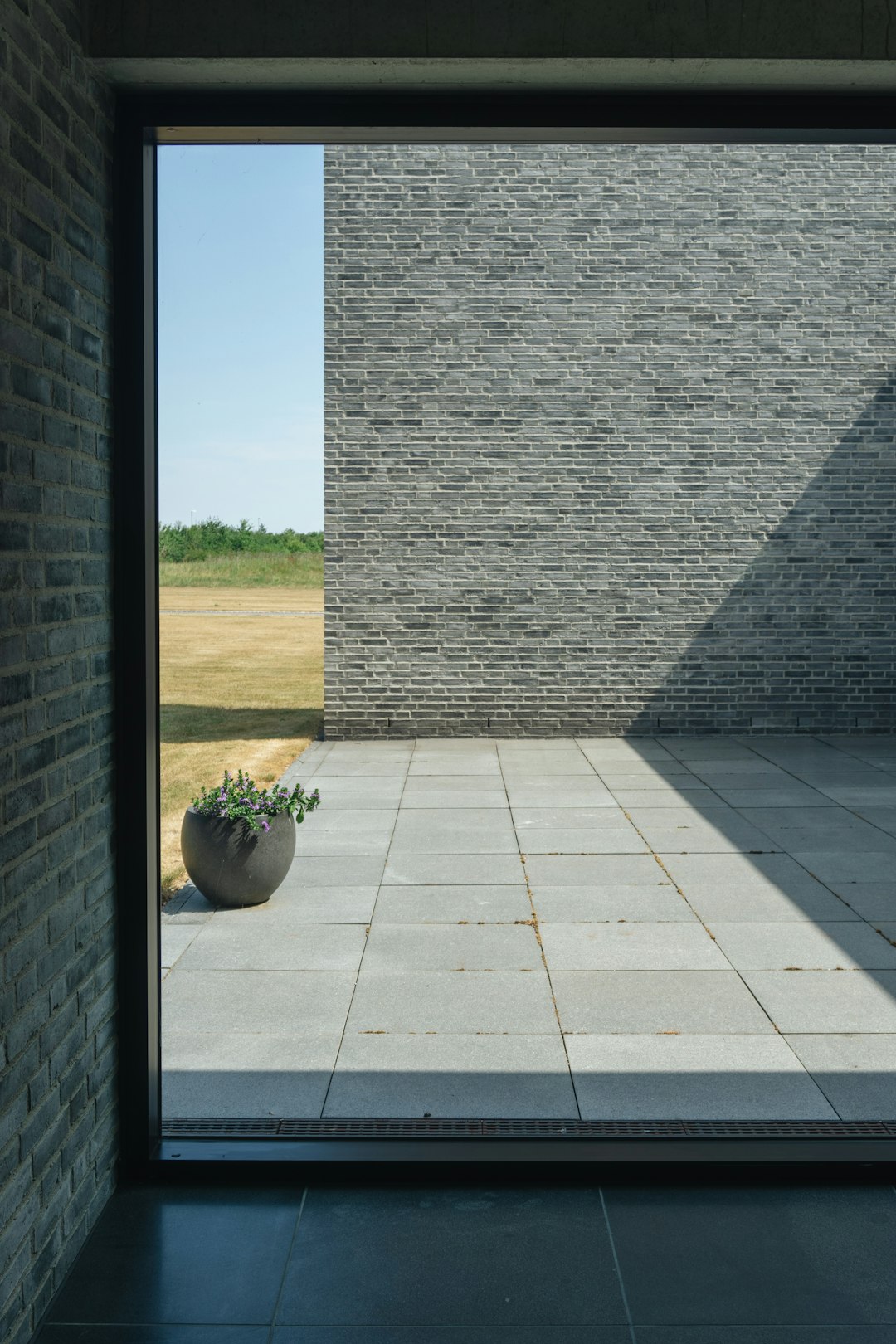
Glass is an essential component in modern architecture, providing transparency and elegance. Tariffs on glass imports can lead to cost increases that affect both commercial and residential projects. As glass is integral to the design of windows, facades, and interiors, any price change can significantly alter project budgets. Designers may need to consider alternative glazing options or reduce the use of glass in their designs, impacting the overall aesthetic and functionality.
Copper: Conductor of Innovation
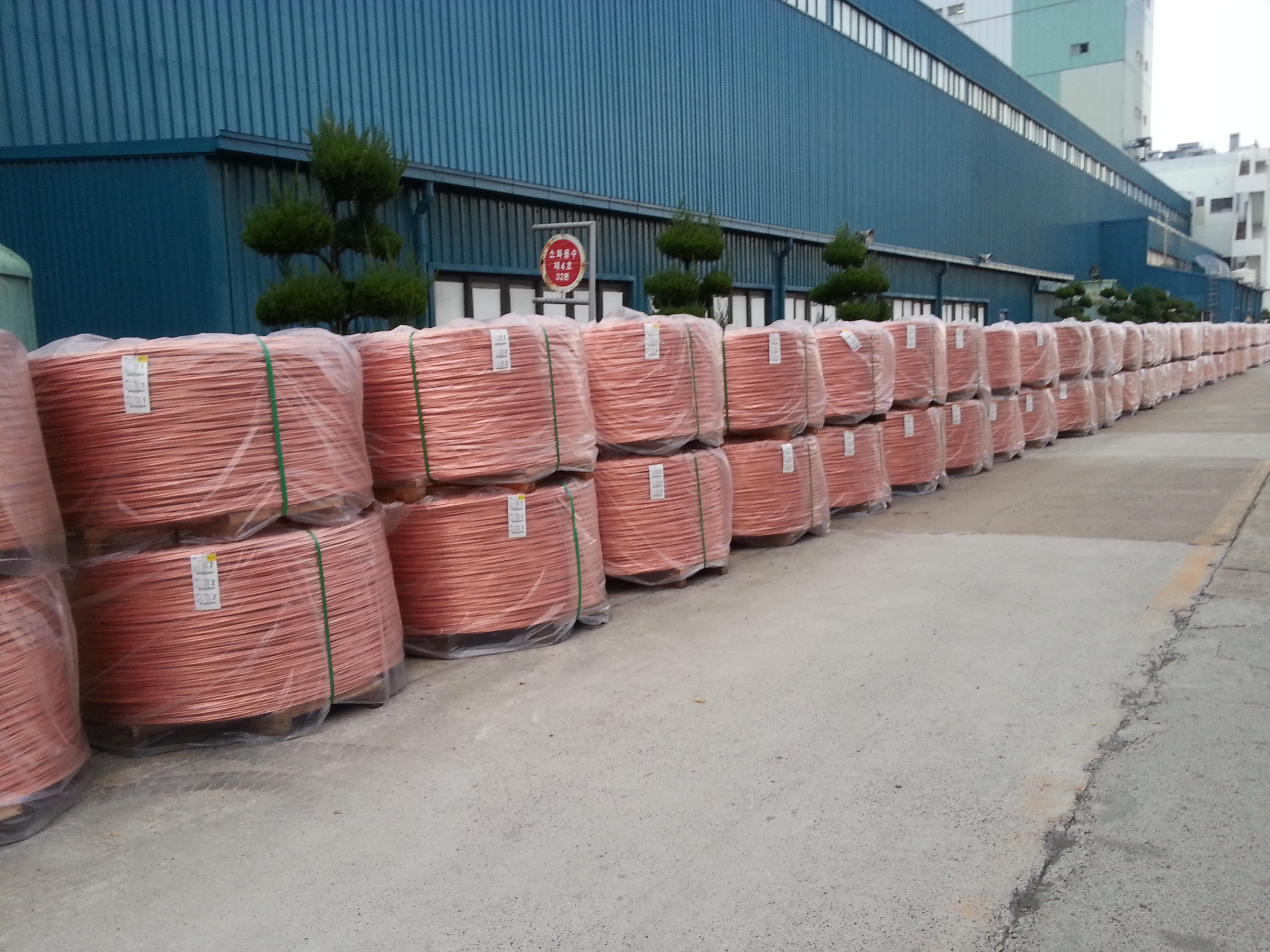
Copper is renowned for its conductive properties, making it indispensable in electrical design. Tariffs on copper imports can affect the cost of wiring and electrical components, leading to increased expenses for both residential and commercial projects. Designers and engineers may need to explore alternative materials or innovate new solutions to keep costs in check. This can drive creativity but may also compromise on efficiency and reliability.
Textiles: The Fabric of Design

Textiles play a crucial role in interior design, from upholstery to drapery. Tariffs on imported textiles can lead to higher prices for fabrics, impacting the affordability of custom designs. Designers may need to explore local textile options or experiment with synthetic materials. This can influence the texture, color palette, and overall feel of a space, as well as challenge designers to find creative solutions within budget constraints.
Plastic: Versatile Yet Vulnerable

Plastic is a versatile material used in countless design applications, from furniture to packaging. Tariffs on plastic imports can lead to increased costs, affecting manufacturers and consumers alike. As plastic is often chosen for its affordability and adaptability, any price change can disrupt supply chains and design processes. Designers may need to explore alternative materials or innovate new uses for recycled plastics, promoting sustainability and creativity.
Ceramics: Craftsmanship in Design
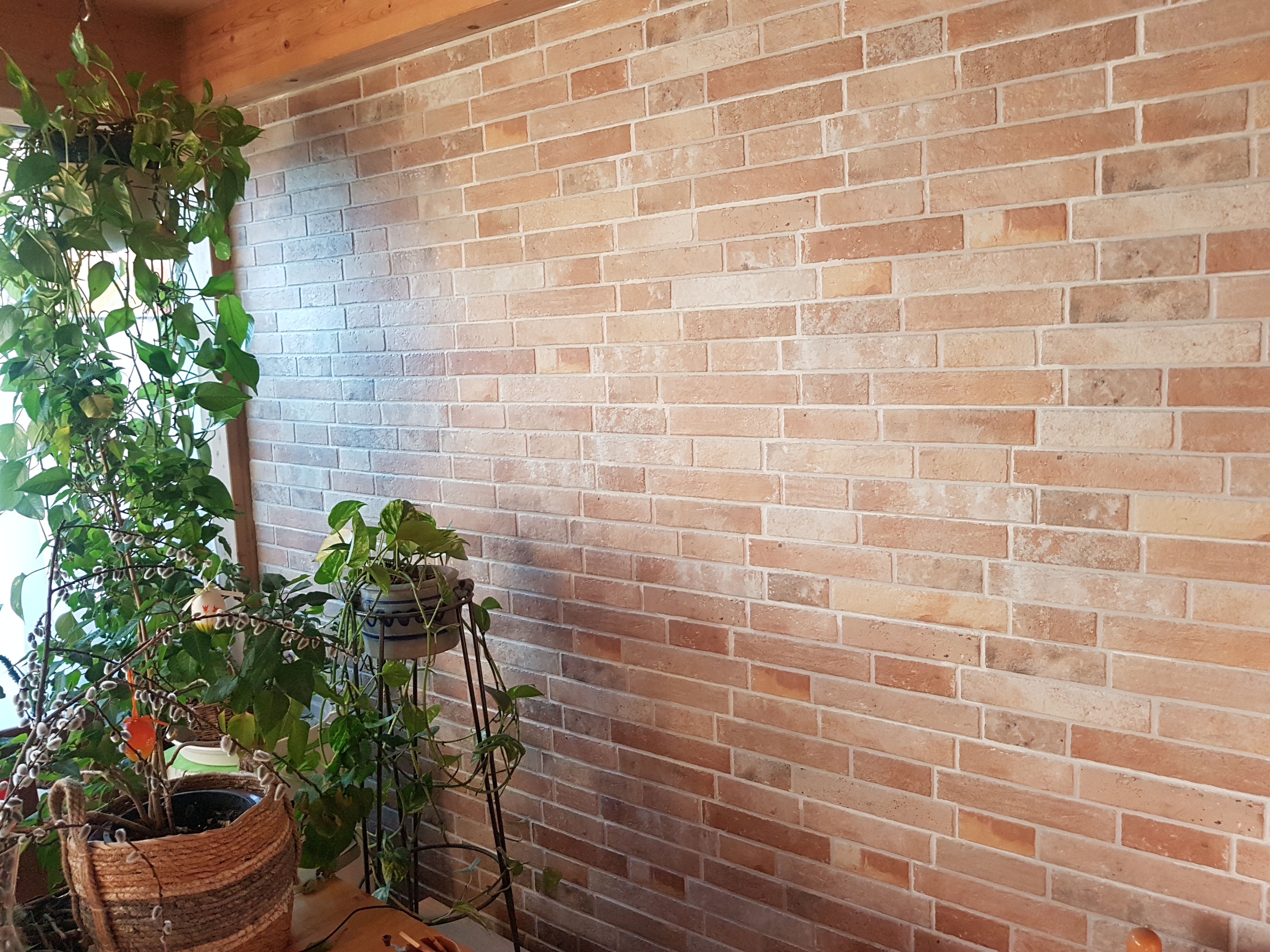
Ceramics are prized for their durability and aesthetic appeal, used in everything from tiles to decorative objects. Tariffs on ceramic imports can lead to price increases that affect both residential and commercial projects. Designers may need to explore local ceramic options or experiment with alternative materials, impacting the overall look and feel of a space. This can challenge designers to balance craftsmanship with cost-effectiveness.
Marble: Luxurious Yet Costly
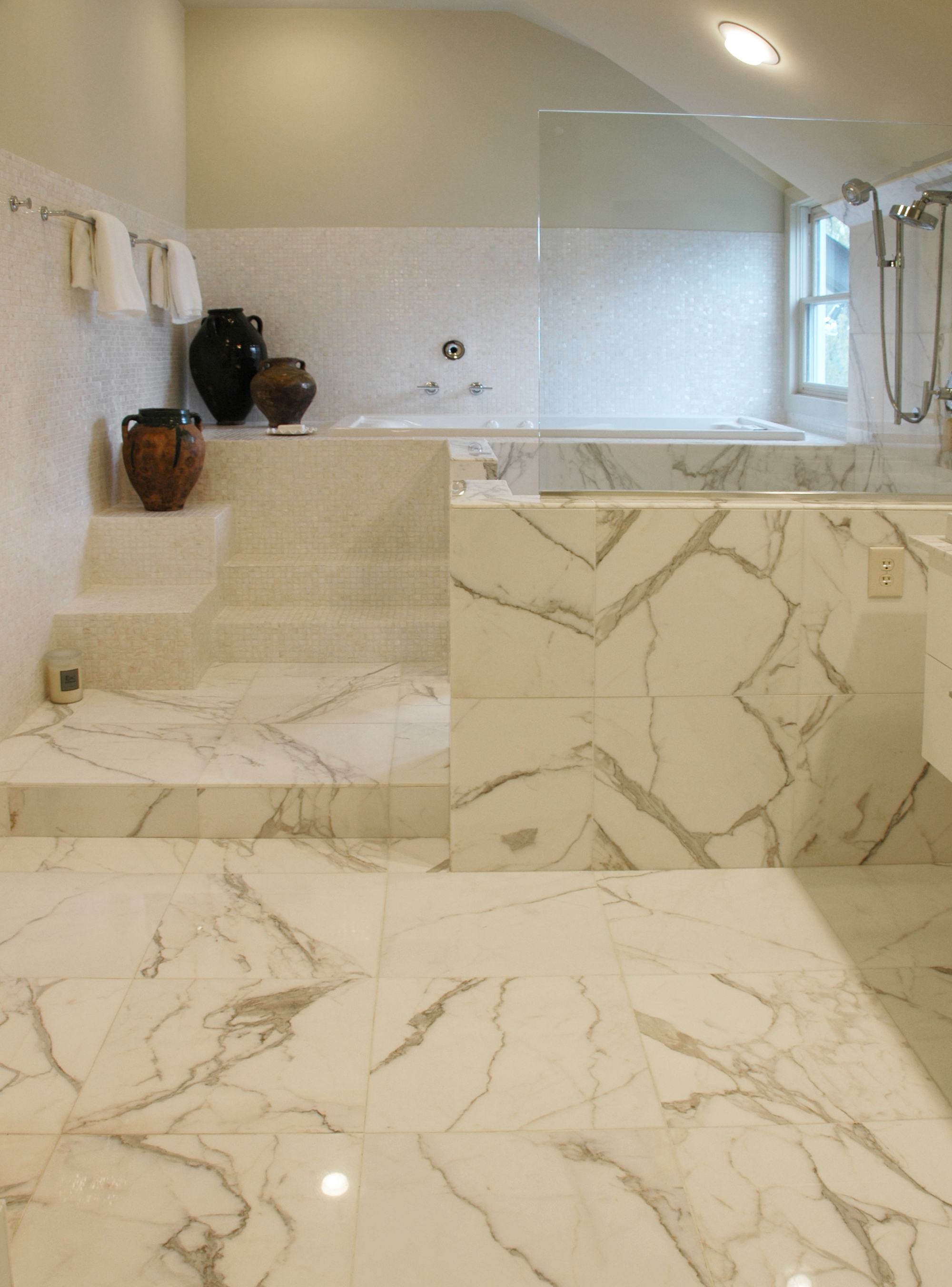
Marble is synonymous with luxury, known for its elegance and timeless beauty. Tariffs on marble imports can lead to significant price increases, affecting high-end design projects. Designers may need to consider alternative stones or engineered surfaces to achieve the desired aesthetic without breaking the budget. This can influence the perception of luxury and redefine design standards, as well as challenge designers to innovate within constraints.
Rubber: Flexibility in Design
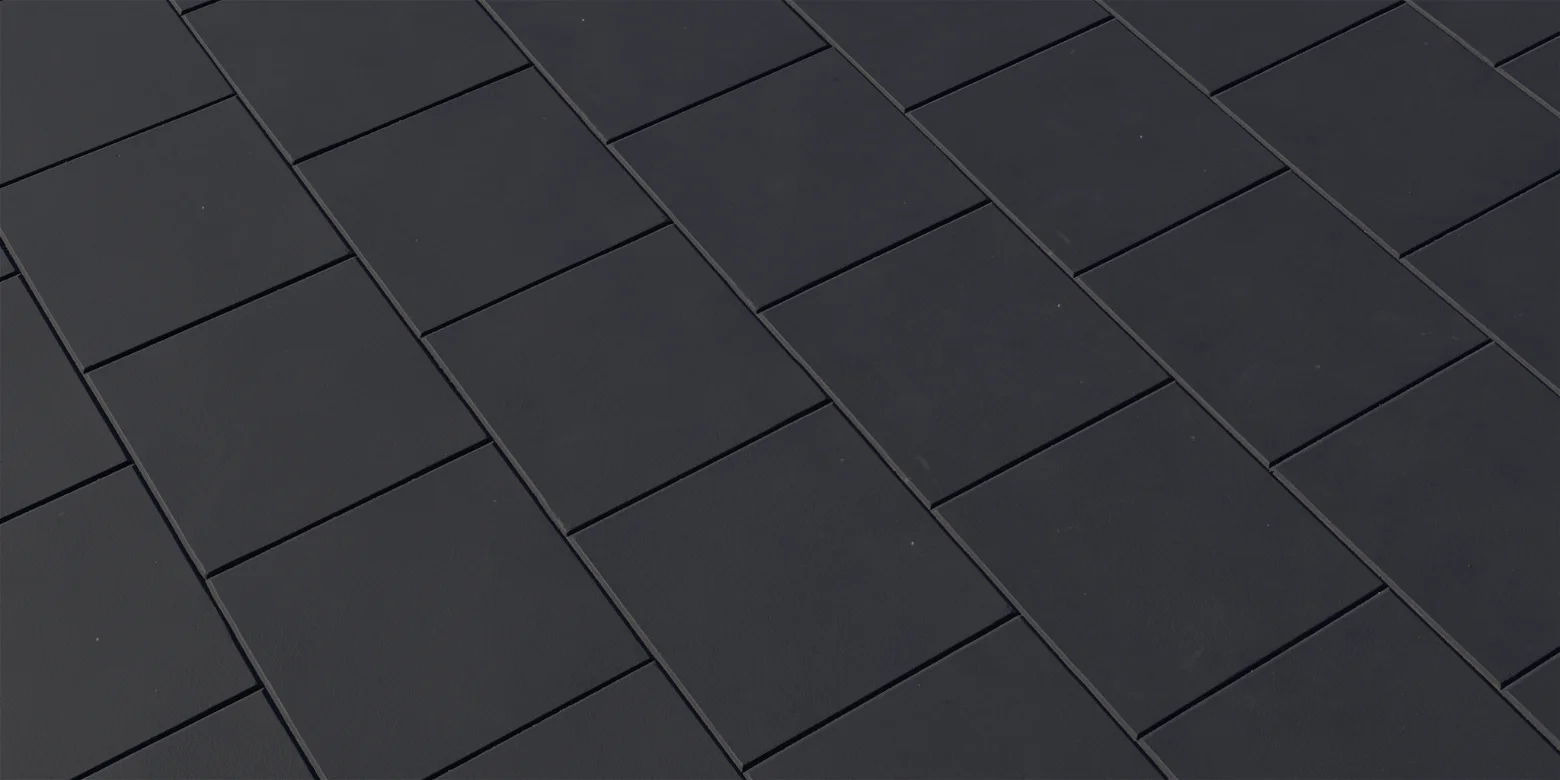
Rubber is valued for its flexibility and resilience, used in everything from flooring to industrial applications. Tariffs on rubber imports can lead to price hikes that affect both manufacturers and consumers. Designers may need to explore alternative materials or innovate new uses for recycled rubber, promoting sustainability and cost-effectiveness. This can drive creativity but may also challenge designers to balance functionality with affordability.
Granite: The Rock-Solid Choice

Granite is a popular choice for countertops and flooring, known for its durability and elegance. Tariffs on granite imports can lead to price increases that affect both residential and commercial projects. Designers may need to consider alternative stones or engineered surfaces to achieve the desired aesthetic without compromising on quality. This can influence design preferences and redefine standards of luxury and craftsmanship.
Leather: Timeless Elegance
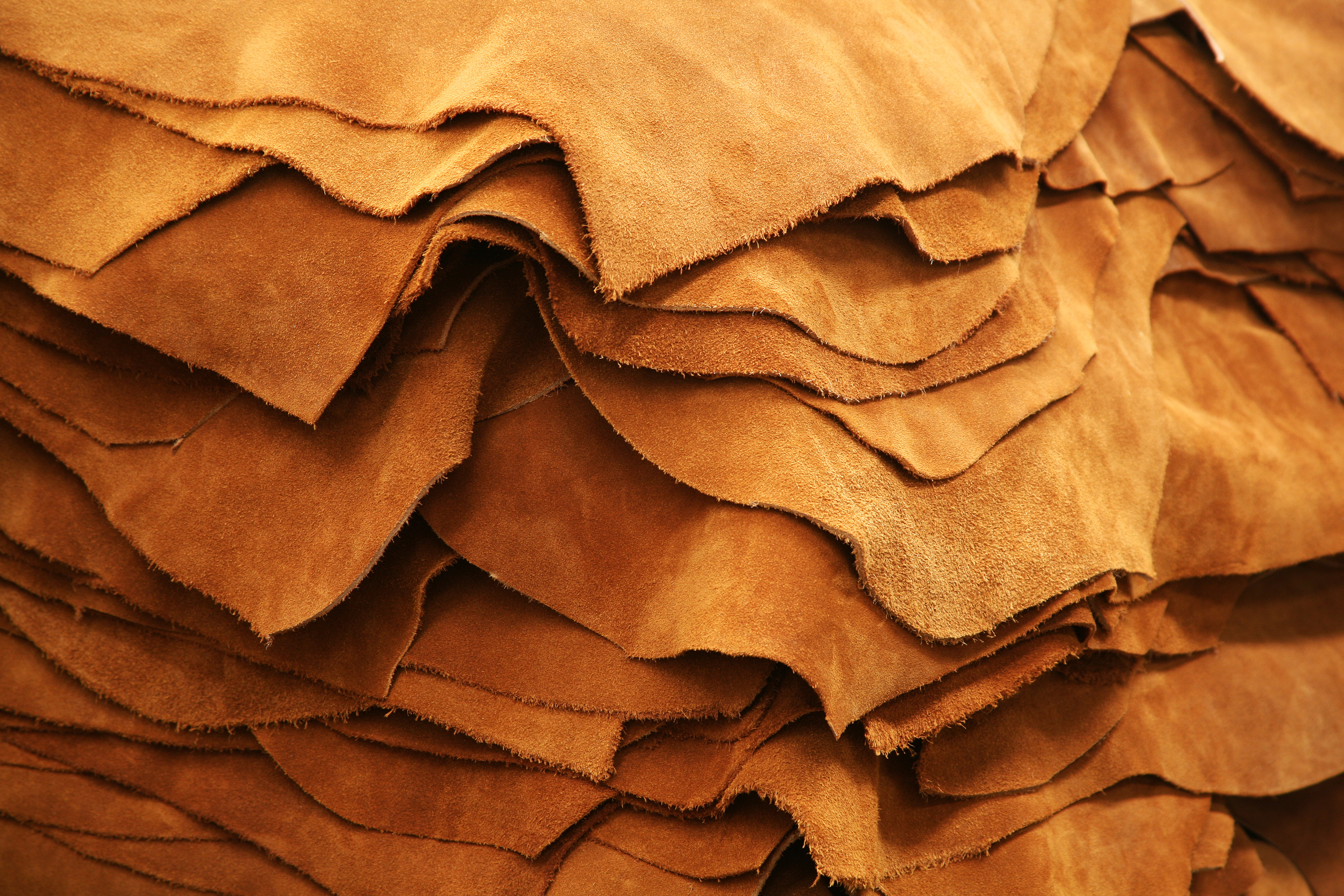
Leather is cherished for its timeless elegance and durability, used in everything from furniture to fashion. Tariffs on leather imports can lead to price hikes that affect both designers and consumers. Designers may need to explore alternative materials or innovate new uses for synthetic leathers, promoting sustainability and cost-effectiveness. This can challenge designers to balance luxury with affordability and redefine standards of quality and craftsmanship.
Concrete: The Foundation of Modern Design
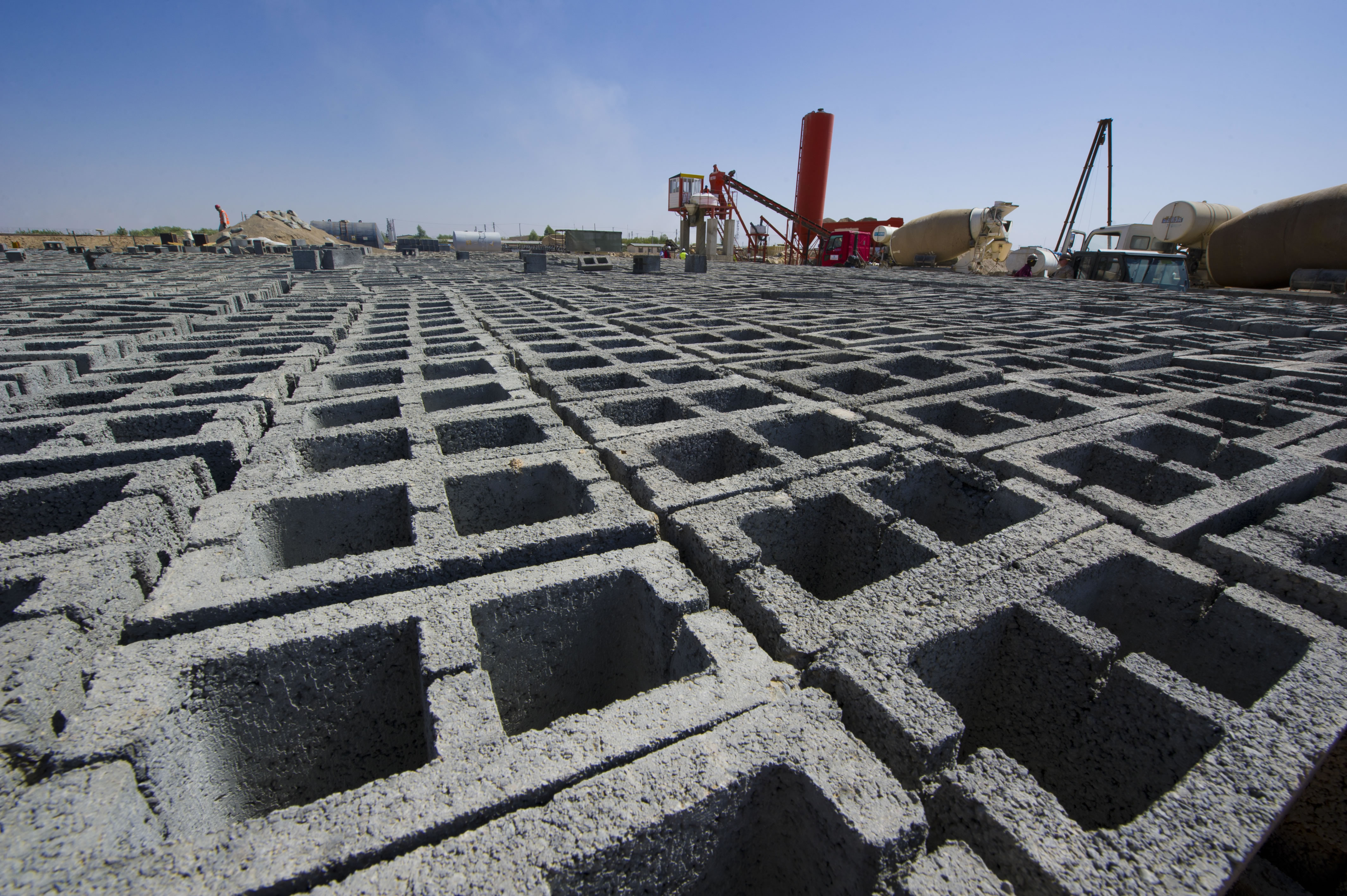
Concrete is the foundation of modern design, valued for its strength and versatility. Tariffs on concrete imports can lead to price increases that affect both residential and commercial projects. Designers may need to explore alternative materials or innovate new uses for recycled concrete, promoting sustainability and cost-effectiveness. This can drive creativity but may also challenge designers to balance functionality with affordability.
Paper: The Canvas of Creativity

Paper is the canvas of creativity, used in everything from packaging to art. Tariffs on paper imports can lead to price hikes that affect both manufacturers and consumers. Designers may need to explore alternative materials or innovate new uses for recycled paper, promoting sustainability and cost-effectiveness. This can drive creativity but may also challenge designers to balance functionality with affordability.
Fiberglass: Strength in Flexibility
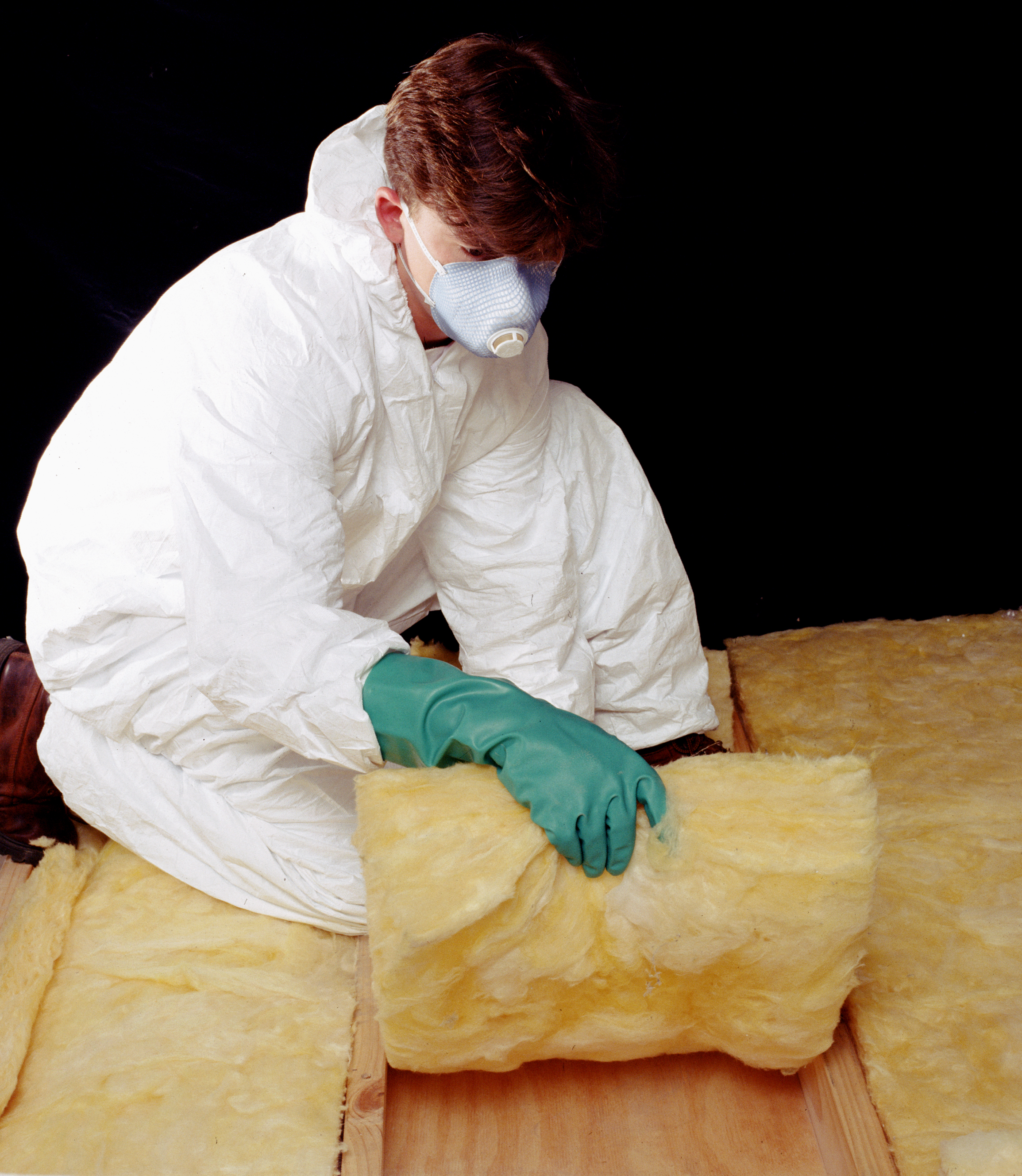
Fiberglass is valued for its strength and flexibility, used in everything from insulation to boat building. Tariffs on fiberglass imports can lead to price increases that affect both manufacturers and consumers. Designers may need to explore alternative materials or innovate new uses for recycled fiberglass, promoting sustainability and cost-effectiveness. This can drive creativity but may also challenge designers to balance functionality with affordability.

Matthias is a skilled author and digital storyteller with a focus on travel journalism, environmental issues, and modern home design. With a background in communications and a passion for global cultures, Matthias crafts engaging narratives that blend real-world exploration with thoughtful analysis and visual flair.
His writing reflects a deep interest in how climate change shapes our lives and lifestyles—from sustainable travel practices to eco-friendly living environments. Known for his clear, approachable voice and sharp editorial instincts, Matthias delivers content that resonates with readers seeking both inspiration and substance.
Whether reporting from remote destinations, breaking down sustainable design trends, or spotlighting innovative green initiatives, Matthias brings a global perspective and an eye for detail to every piece. He regularly contributes to web platforms and editorial projects that aim to foster awareness, creativity, and conscious living.