


Henrieke Otte is an accomplished writer and content editor, specializing in topics that inspire thoughtful living—ranging from global travel and sustainable lifestyles to interior design and architecture. With a keen editorial sense and a background in cultural studies, Henrieke brings depth, elegance, and clarity to every piece she crafts.
Her work is known for its engaging voice, visual sensitivity, and ability to turn complex ideas into accessible, reader-friendly narratives. Whether exploring eco-conscious destinations, dissecting climate-conscious home trends, or curating serene living spaces, Henrieke writes with a balance of creativity and insight that resonates with design-savvy, environmentally aware audiences.
Driven by a love of meaningful storytelling and a refined aesthetic, Henrieke contributes regularly to digital platforms and magazines where quality content meets visual sophistication.
1. The Rise of Eco-Friendly Materials
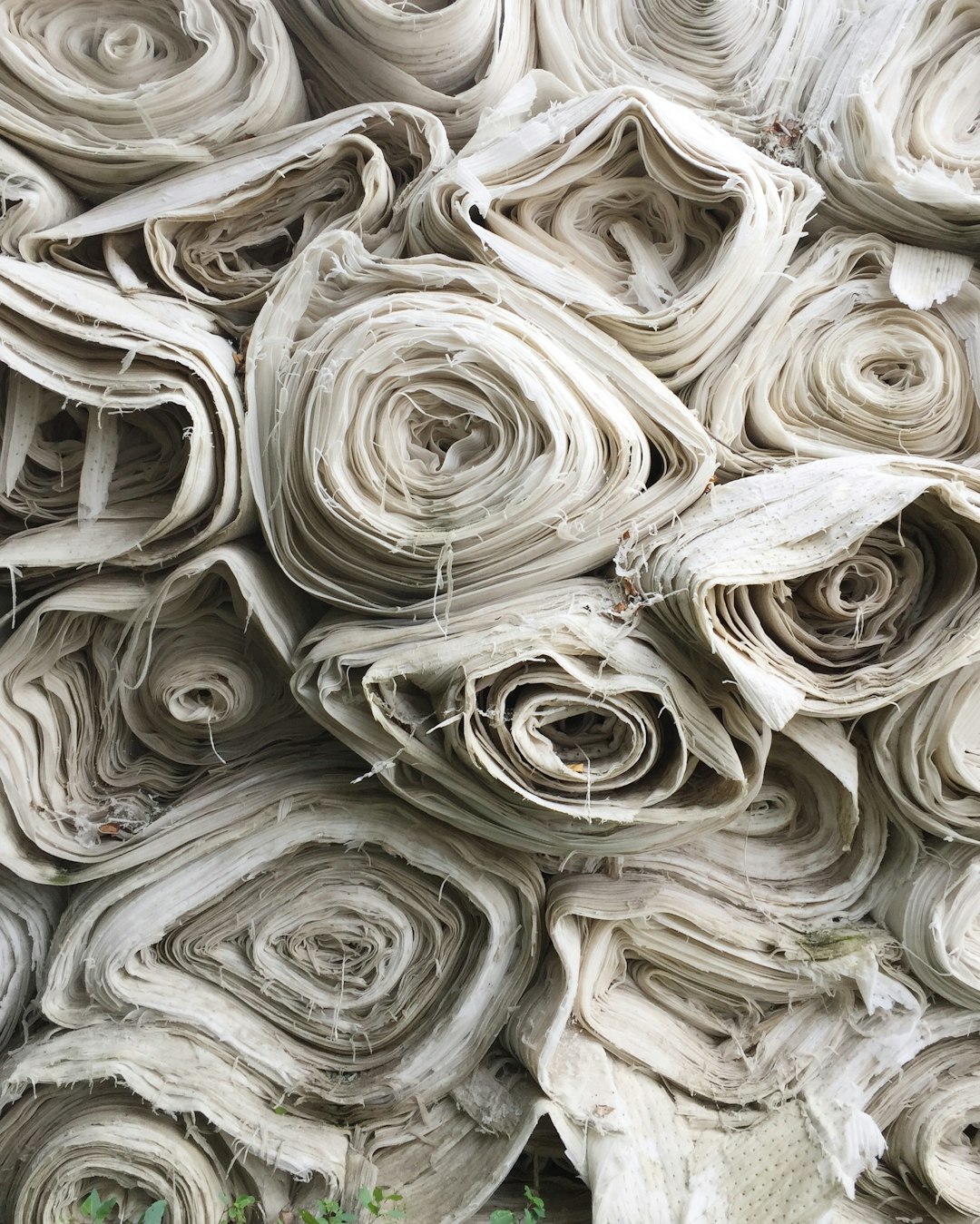
In recent years, there has been a significant surge in the use of eco-friendly materials in design, driven largely by global supply chains. Designers are increasingly opting for sustainable resources like bamboo, recycled plastics, and organic cotton. These materials are not just environmentally friendly but also cost-effective, thanks to efficient global sourcing. The demand for greener products has pushed supply chains to adapt, ensuring these materials are available in abundance. This shift is not just about being eco-conscious; it’s about meeting consumer expectations for sustainable living. The global supply chain plays a critical role in making these materials accessible to designers worldwide, impacting everything from furniture to fashion.
2. Minimalist Aesthetic Influences
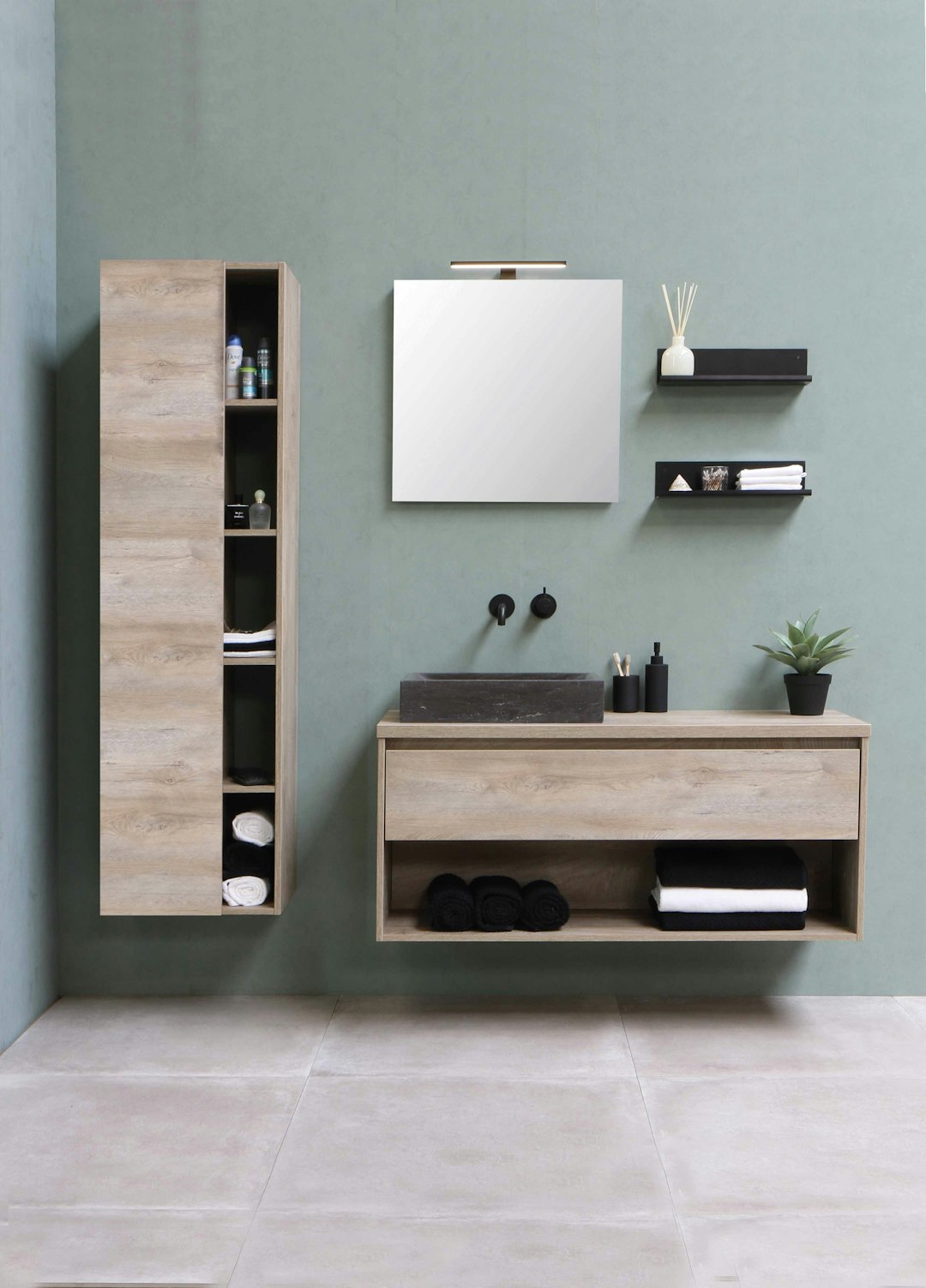
The minimalist design trend, characterized by simplicity and functionality, is heavily influenced by global supply chains. Designers can source materials from around the world, allowing them to create sleek, uncluttered designs without compromising on quality. The availability of high-quality, affordable materials from different parts of the globe has made minimalist design more accessible to the masses. This trend is not just about aesthetics; it’s a reflection of a globalized world where less is more. The supply chain’s ability to provide a wide variety of materials ensures that designers can maintain the minimalist ethos while still offering diverse product lines.
3. The Impact of Technological Advancements

Technological advancements have revolutionized design choices, and global supply chains are at the heart of this transformation. From 3D printing to smart textiles, technology has opened up new possibilities for designers. The global supply chain facilitates the distribution of these technological innovations, allowing designers to experiment with new materials and techniques. This has led to the creation of products that are not only innovative but also highly functional. The integration of technology into design is a testament to how interconnected our world has become, with supply chains bridging the gap between innovation and implementation.
4. Cultural Influences and Fusion
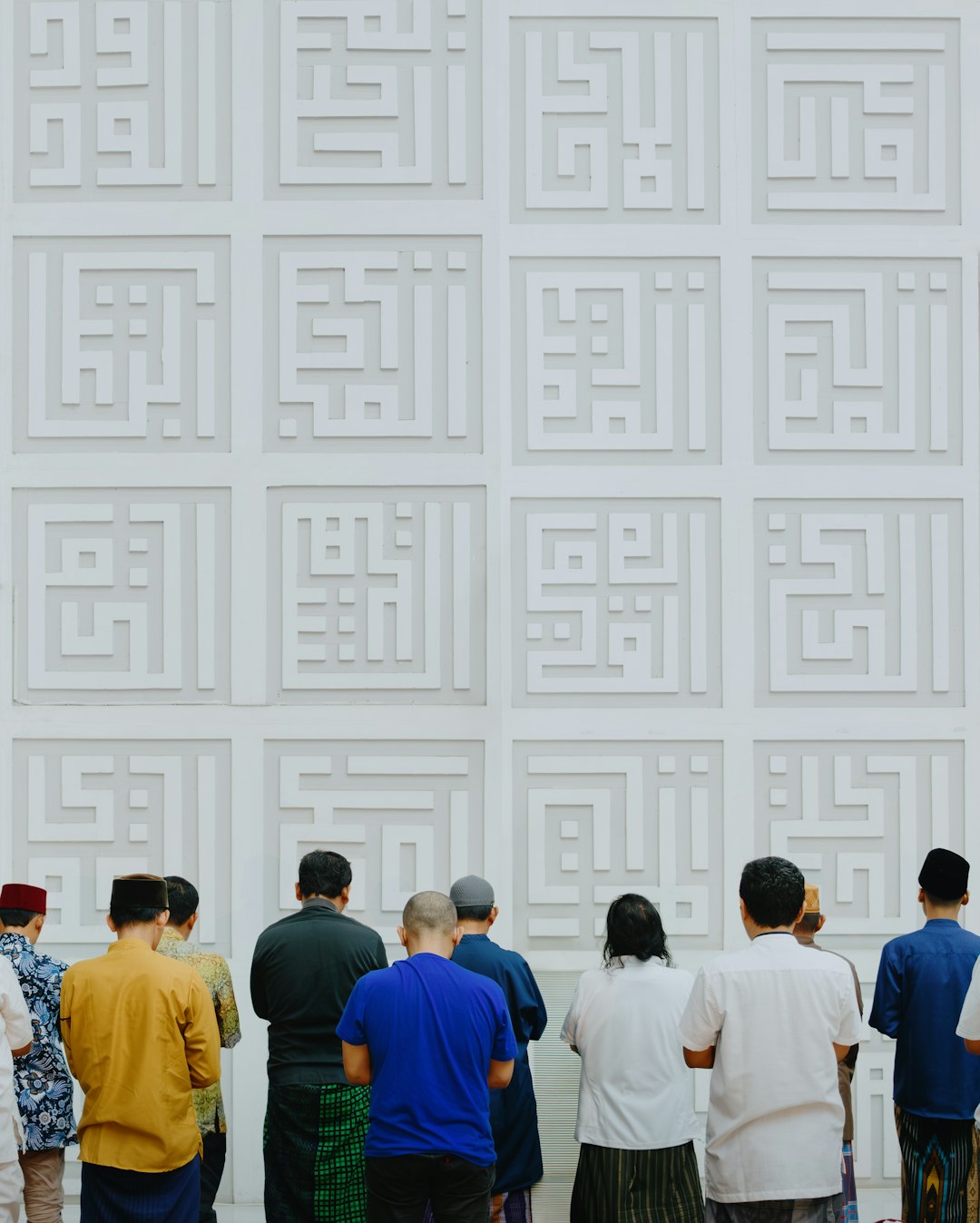
Global supply chains have enabled designers to incorporate diverse cultural elements into their creations, leading to a fusion of styles and aesthetics. By sourcing materials and inspiration from different cultures, designers can create unique products that appeal to a global audience. This cultural fusion is evident in everything from fashion to interior design, where traditional patterns and motifs are combined with modern elements. The global supply chain acts as a conduit for these cultural exchanges, allowing designers to draw inspiration from around the world and incorporate it into their work.
5. The Popularity of Modular Design

Modular design, which emphasizes flexibility and adaptability, has gained popularity due to the influence of global supply chains. Designers can source components from various suppliers worldwide, allowing them to create customizable products that meet individual needs. This approach not only reduces waste but also enhances the user experience by offering personalized solutions. The global supply chain’s ability to provide a wide range of components ensures that designers can continue to innovate and offer modular products that cater to an evolving market.
6. The Shift Towards Circular Economy
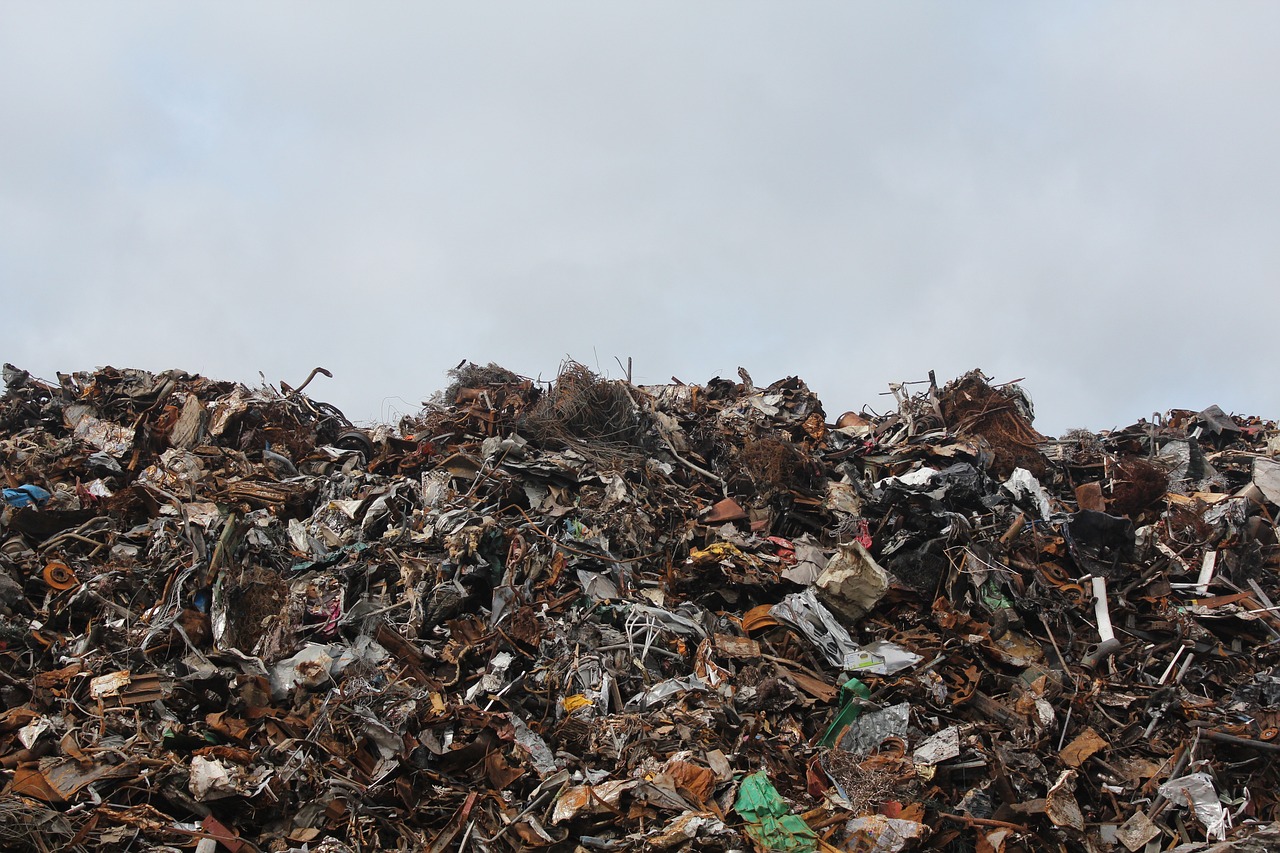
Designers are increasingly adopting principles of the circular economy, which focuses on reducing waste and maximizing resource use. Global supply chains play a crucial role in this shift by providing access to recycled and upcycled materials. By sourcing materials that can be reused or repurposed, designers can create products that have a longer lifecycle. This approach not only benefits the environment but also aligns with consumer demand for sustainable products. The global supply chain’s ability to facilitate the circular economy is a testament to its adaptability and resilience.
7. The Rise of Customization and Personalization
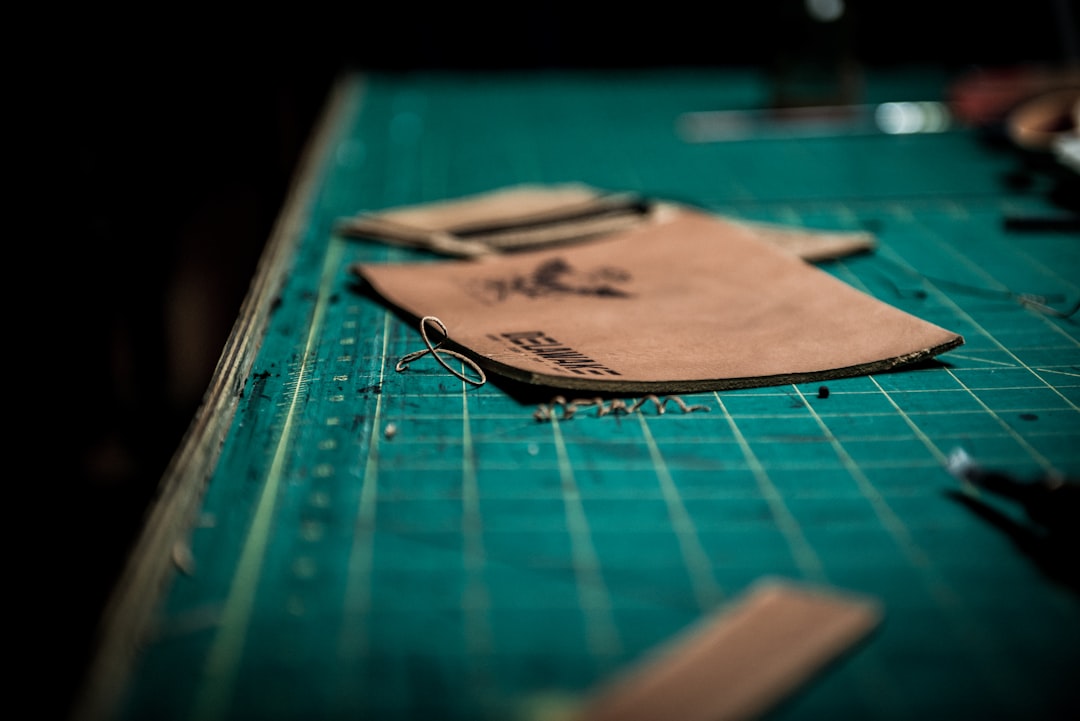
Customization and personalization have become key design trends, thanks to global supply chains. Designers can source materials and components from around the world, allowing them to create bespoke products tailored to individual preferences. This trend is particularly evident in the fashion and home decor industries, where consumers are increasingly seeking unique, personalized items. The global supply chain’s ability to provide a diverse range of materials ensures that designers can offer customized solutions that cater to a wide array of tastes and preferences.
8. The Influence of Global Trends

Global trends have a significant impact on design choices, and supply chains play a crucial role in disseminating these trends. Designers can access the latest materials, technologies, and styles from around the world, allowing them to stay ahead of the curve. This global perspective enables designers to create products that resonate with a diverse audience, reflecting the interconnected nature of the world today. The supply chain’s ability to provide real-time access to global trends ensures that designers can remain relevant and innovative in a rapidly changing market.
9. The Demand for Ethical Sourcing

Ethical sourcing has become a priority for designers, driven by consumer demand for transparency and accountability. Global supply chains have adapted to this demand by ensuring that materials are sourced responsibly and ethically. This shift has led to the creation of products that not only look good but also do good, benefiting both people and the planet. The global supply chain’s ability to provide ethically sourced materials is a reflection of its commitment to sustainability and social responsibility.
10. The Role of Collaboration and Partnerships

Collaboration and partnerships have become essential in the design world, facilitated by global supply chains. Designers can collaborate with suppliers, manufacturers, and other stakeholders worldwide, allowing them to create innovative products that meet consumer needs. These partnerships enable designers to leverage expertise and resources from different parts of the globe, resulting in products that are both innovative and functional. The global supply chain’s ability to facilitate collaboration is a testament to its role as a connector in the design ecosystem.

Henrieke Otte is an accomplished writer and content editor, specializing in topics that inspire thoughtful living—ranging from global travel and sustainable lifestyles to interior design and architecture. With a keen editorial sense and a background in cultural studies, Henrieke brings depth, elegance, and clarity to every piece she crafts.
Her work is known for its engaging voice, visual sensitivity, and ability to turn complex ideas into accessible, reader-friendly narratives. Whether exploring eco-conscious destinations, dissecting climate-conscious home trends, or curating serene living spaces, Henrieke writes with a balance of creativity and insight that resonates with design-savvy, environmentally aware audiences.
Driven by a love of meaningful storytelling and a refined aesthetic, Henrieke contributes regularly to digital platforms and magazines where quality content meets visual sophistication.