

Matthias is a skilled author and digital storyteller with a focus on travel journalism, environmental issues, and modern home design. With a background in communications and a passion for global cultures, Matthias crafts engaging narratives that blend real-world exploration with thoughtful analysis and visual flair.
His writing reflects a deep interest in how climate change shapes our lives and lifestyles—from sustainable travel practices to eco-friendly living environments. Known for his clear, approachable voice and sharp editorial instincts, Matthias delivers content that resonates with readers seeking both inspiration and substance.
Whether reporting from remote destinations, breaking down sustainable design trends, or spotlighting innovative green initiatives, Matthias brings a global perspective and an eye for detail to every piece. He regularly contributes to web platforms and editorial projects that aim to foster awareness, creativity, and conscious living.
The Allure of AI in Culinary Spaces

In 2025, luxury kitchens are experiencing a transformation that is nothing short of revolutionary. Imagine walking into a kitchen where everything seems to anticipate your needs. AI technology has seamlessly integrated into these spaces, offering a blend of efficiency and elegance that was once the stuff of science fiction. Homeowners are increasingly drawn to these advanced culinary spaces because they promise not only convenience but also a touch of futuristic luxury. The appeal lies in the ability of these kitchens to adapt to personal preferences, making cooking an effortless and enjoyable experience. This trend is driven by a growing desire for smart homes that cater to every whim, transforming the way we interact with our living spaces.
Smart Appliances: The Heart of AI Kitchens
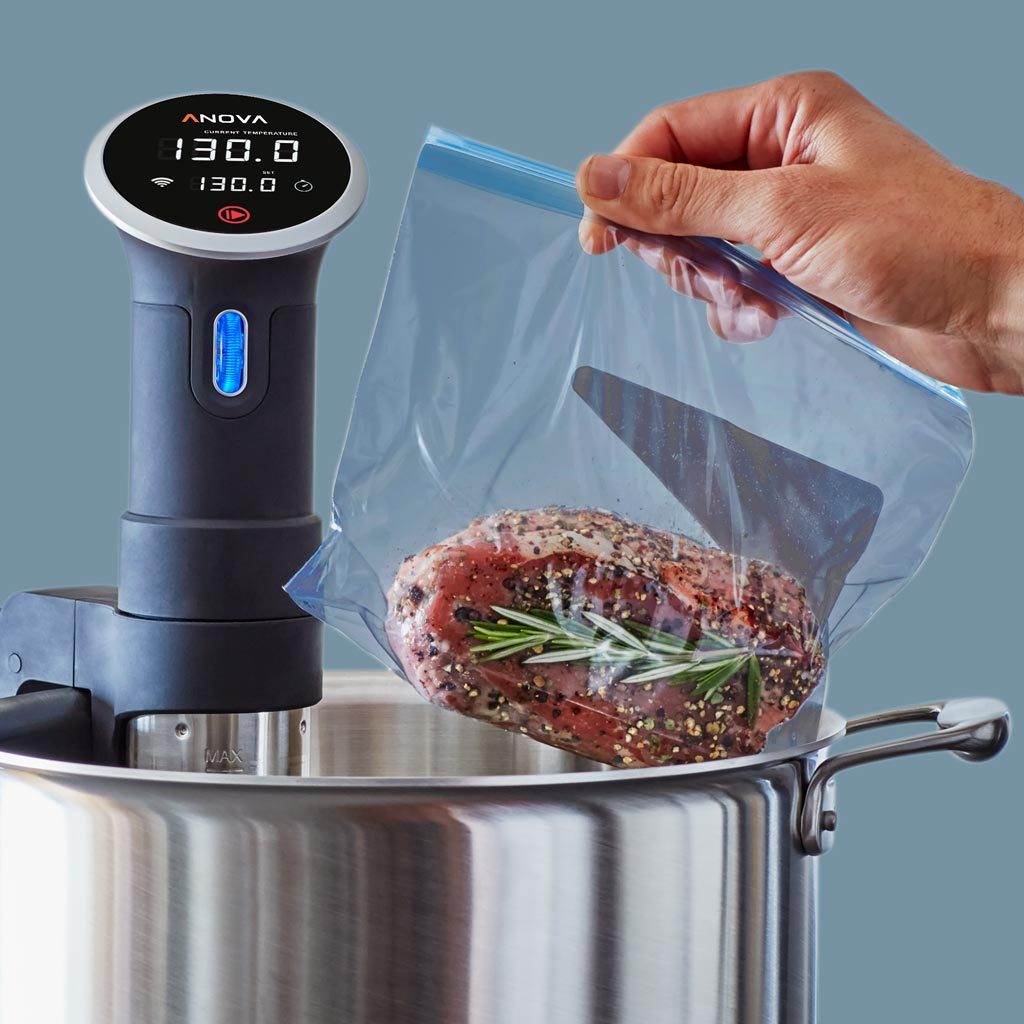
At the core of AI-integrated luxury kitchens are smart appliances that are designed to simplify and enhance the cooking process. These appliances are equipped with sensors and AI algorithms that can learn and adapt to the user’s habits. For example, smart ovens can adjust cooking times and temperatures based on the dish being prepared, ensuring perfect results every time. Refrigerators can track expiration dates and suggest recipes based on the ingredients available. This level of intelligence not only reduces waste but also makes meal preparation more efficient. The integration of AI in appliances is a game-changer, offering a level of convenience that was previously unimaginable.
Voice-Activated Assistants: Your New Sous-Chef
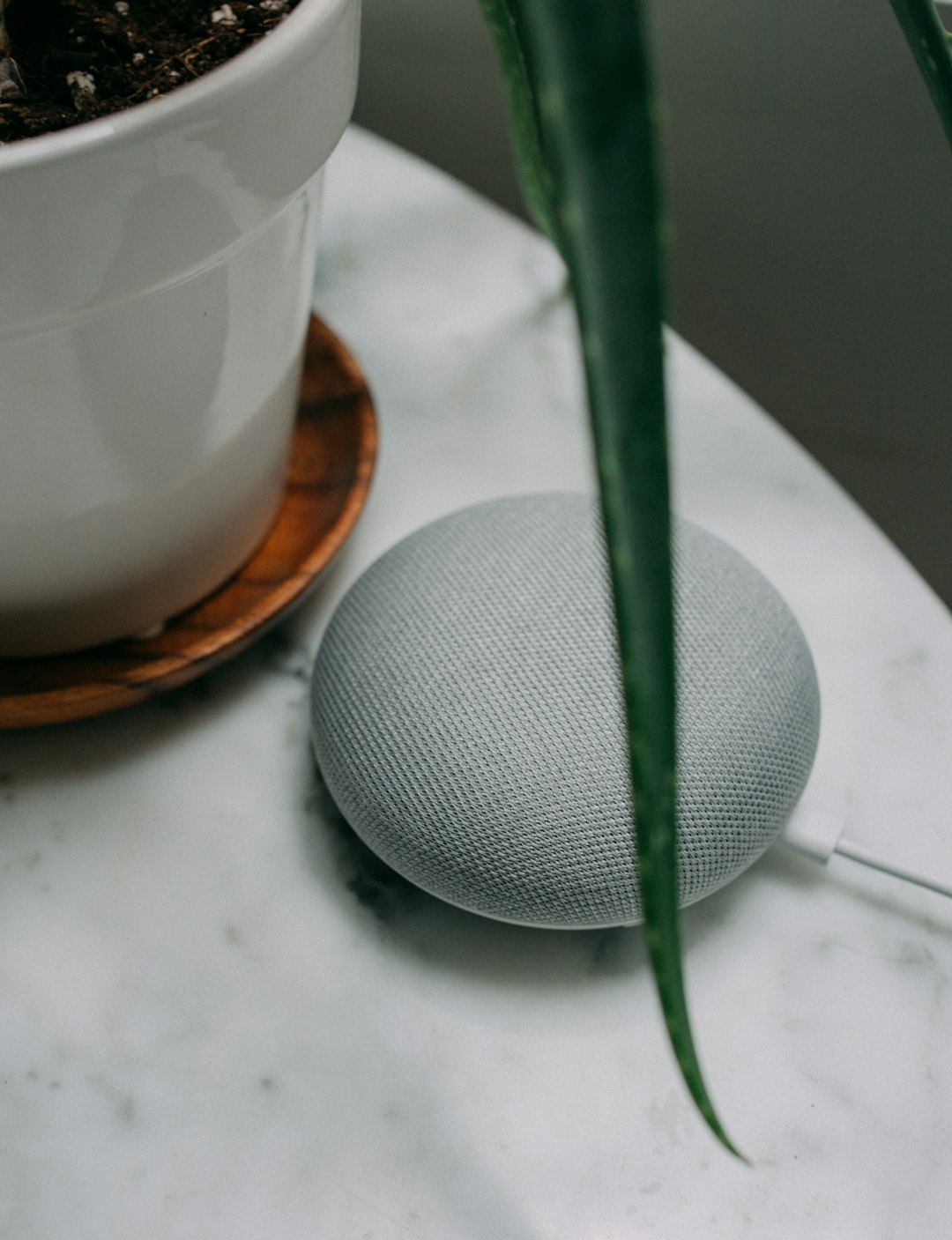
Voice-activated assistants have become an essential feature in AI-integrated kitchens, acting as a virtual sous-chef that helps manage tasks with ease. These assistants can provide step-by-step cooking instructions, set timers, and even order groceries online. The convenience of hands-free operation allows users to multitask, making the cooking process more enjoyable and less stressful. The ability to control kitchen functions with a simple voice command adds a layer of sophistication and ease that aligns perfectly with the luxury kitchen experience. As technology continues to advance, these assistants are becoming more intuitive, capable of understanding complex commands and offering personalized recommendations.
Personalized Culinary Experiences

One of the most exciting aspects of AI-integrated luxury kitchens is the ability to offer personalized culinary experiences. AI systems can analyze dietary preferences and restrictions, creating tailored meal plans that cater to individual needs. For health-conscious individuals, this means having access to nutritious recipes that align with their lifestyle goals. Additionally, AI can suggest wine pairings and even adjust recipes in real-time to accommodate last-minute changes. This level of personalization transforms the kitchen into a space that not only meets but exceeds the expectations of its users, offering a bespoke culinary experience that is both unique and delightful.
The Role of AI in Sustainable Cooking

Sustainability is a key consideration for many homeowners, and AI-integrated kitchens are playing a significant role in promoting eco-friendly practices. Smart appliances are designed to optimize energy usage, reducing the carbon footprint of the home. AI systems can also help minimize food waste by tracking inventory and suggesting recipes that utilize ingredients before they spoil. This focus on sustainability aligns with the growing awareness of environmental issues and the desire to make more responsible choices. By integrating AI technology, luxury kitchens are not only enhancing the cooking experience but also contributing to a more sustainable future.
Design Aesthetics: Merging Technology and Elegance
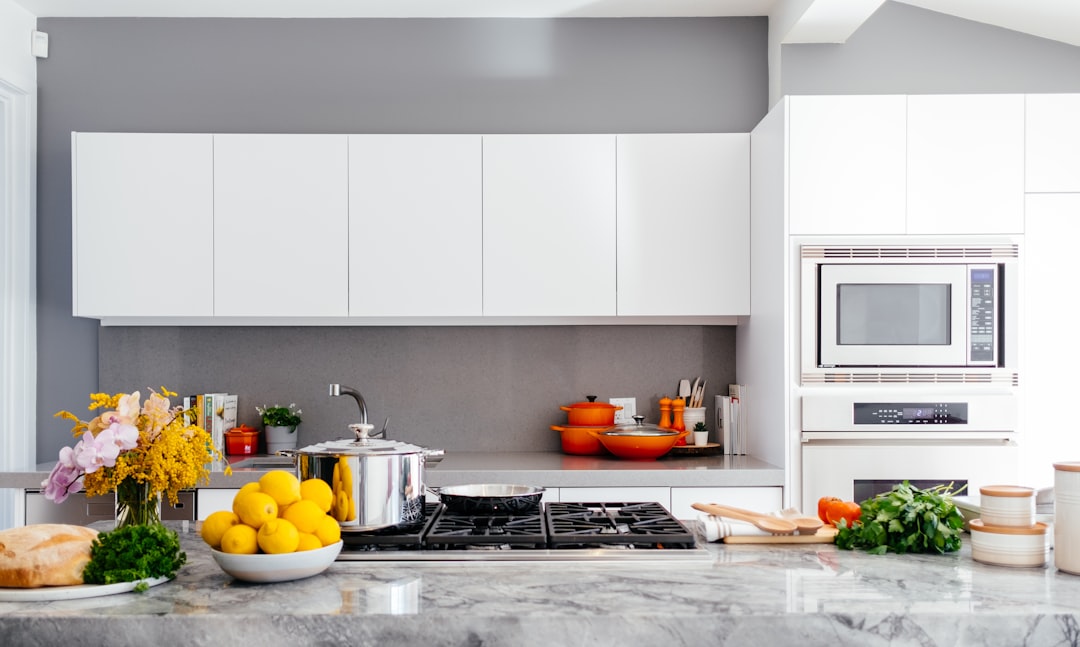
The rise of AI in luxury kitchens is not just about functionality; it’s also about design. These spaces are crafted to be visually stunning, with sleek lines and modern finishes that complement the advanced technology within. The integration of AI is done in a way that enhances the aesthetic appeal of the kitchen, creating a harmonious blend of form and function. Touchscreen interfaces, hidden sensors, and minimalist designs are common features, ensuring that the technology does not overshadow the elegance of the space. This attention to detail makes AI-integrated kitchens a symbol of sophistication and style, appealing to those who value both innovation and beauty.
Security Features: Protecting Your Culinary Haven
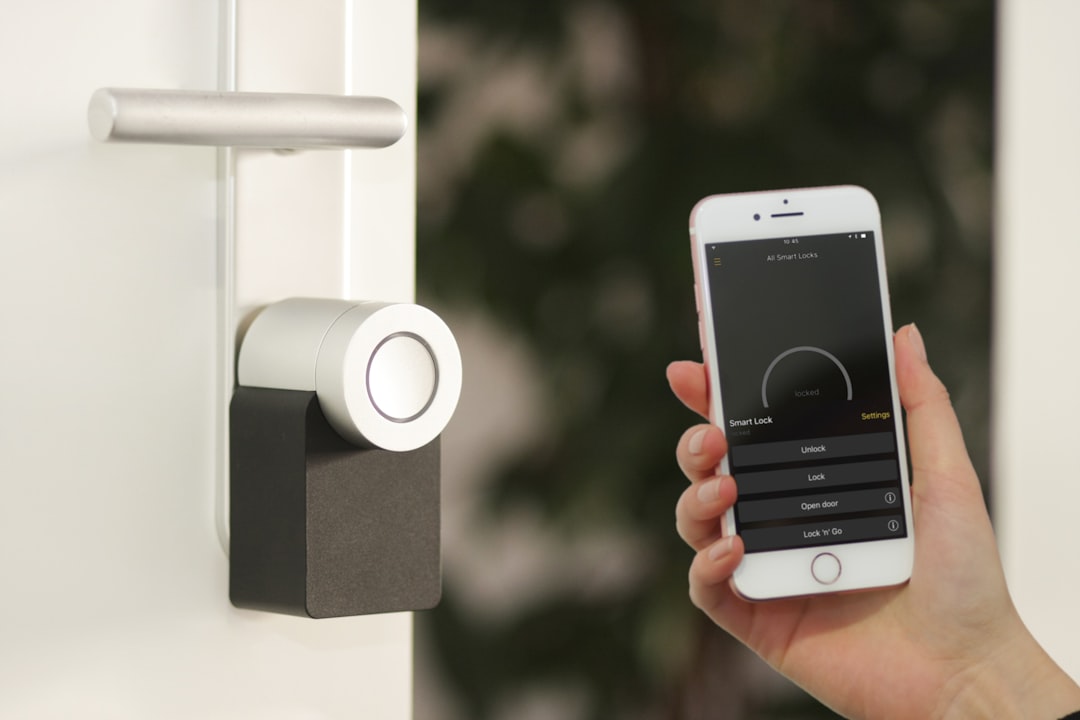
With the integration of AI technology, security has become a crucial aspect of luxury kitchens. These advanced systems are equipped with features that protect against cyber threats and ensure the safety of the home. For instance, smart locks and surveillance cameras can be controlled remotely, providing homeowners with peace of mind. Additionally, AI can detect unusual activity and alert users to potential security breaches. The emphasis on security is a reflection of the increasing reliance on technology in our daily lives, highlighting the need to protect our homes and personal information. By incorporating robust security measures, AI-integrated kitchens offer a safe and secure environment for culinary exploration.
The Future of AI-Integrated Kitchens
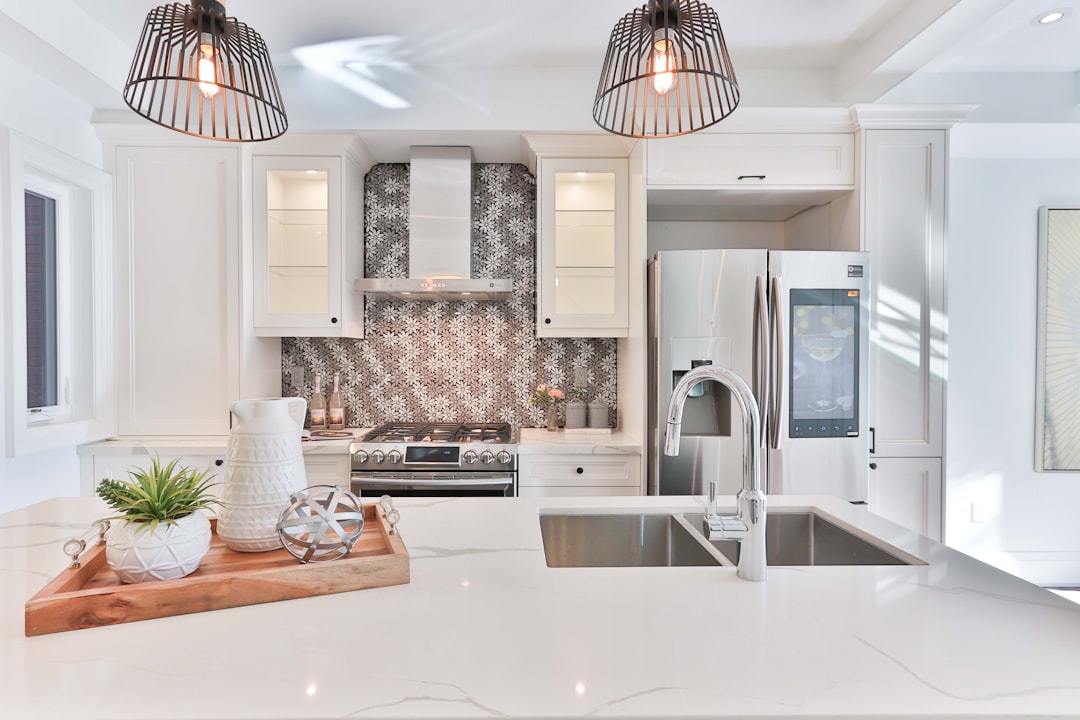
As we look to the future, the potential for AI-integrated kitchens seems limitless. The rapid advancements in technology suggest that these spaces will continue to evolve, offering even more innovative features and capabilities. From robotic chefs that can prepare gourmet meals to AI systems that can predict food trends, the possibilities are endless. The integration of AI in luxury kitchens is not just a passing trend; it is a glimpse into the future of home design and functionality. As these kitchens become more accessible, they are set to redefine the way we think about cooking and dining, offering a glimpse into a world where technology and creativity go hand in hand.
Challenges and Considerations
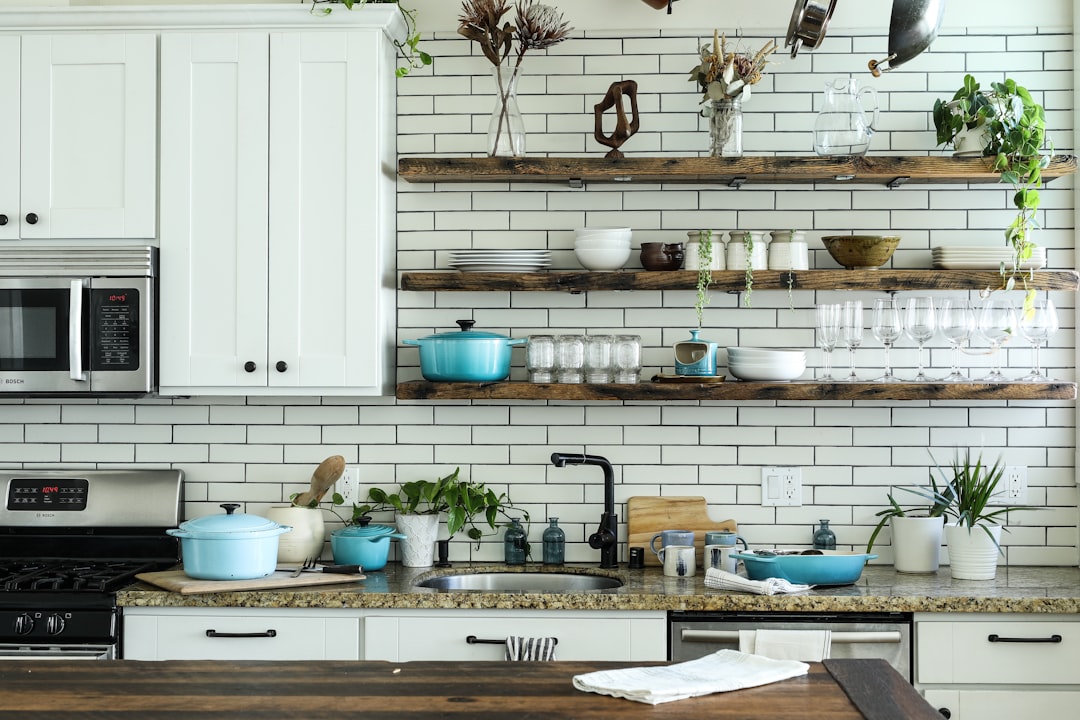
Despite the many advantages, there are challenges and considerations that come with the rise of AI-integrated kitchens. The cost of implementing such advanced technology can be prohibitive for some, making it a luxury that is not accessible to everyone. Additionally, there are concerns about privacy and data security, as these systems collect and store personal information. It is important for manufacturers to address these issues and ensure that their products are both secure and user-friendly. As the demand for AI-integrated kitchens grows, it is crucial to strike a balance between innovation and accessibility, ensuring that these spaces are both functional and inclusive.
Embracing the AI Kitchen Revolution

The rise of AI-integrated luxury kitchens in 2025 marks a significant shift in the way we approach cooking and dining. These spaces offer a glimpse into a future where technology enhances our daily lives, making tasks more efficient and enjoyable. While there are challenges to overcome, the potential benefits are undeniable. As more homeowners embrace this trend, AI-integrated kitchens are set to become a staple in modern homes, offering a unique blend of innovation, style, and convenience. The question remains: Are you ready to embrace the AI kitchen revolution?

Matthias is a skilled author and digital storyteller with a focus on travel journalism, environmental issues, and modern home design. With a background in communications and a passion for global cultures, Matthias crafts engaging narratives that blend real-world exploration with thoughtful analysis and visual flair.
His writing reflects a deep interest in how climate change shapes our lives and lifestyles—from sustainable travel practices to eco-friendly living environments. Known for his clear, approachable voice and sharp editorial instincts, Matthias delivers content that resonates with readers seeking both inspiration and substance.
Whether reporting from remote destinations, breaking down sustainable design trends, or spotlighting innovative green initiatives, Matthias brings a global perspective and an eye for detail to every piece. He regularly contributes to web platforms and editorial projects that aim to foster awareness, creativity, and conscious living.