
Henrieke Otte is an accomplished writer and content editor, specializing in topics that inspire thoughtful living—ranging from global travel and sustainable lifestyles to interior design and architecture. With a keen editorial sense and a background in cultural studies, Henrieke brings depth, elegance, and clarity to every piece she crafts.
Her work is known for its engaging voice, visual sensitivity, and ability to turn complex ideas into accessible, reader-friendly narratives. Whether exploring eco-conscious destinations, dissecting climate-conscious home trends, or curating serene living spaces, Henrieke writes with a balance of creativity and insight that resonates with design-savvy, environmentally aware audiences.
Driven by a love of meaningful storytelling and a refined aesthetic, Henrieke contributes regularly to digital platforms and magazines where quality content meets visual sophistication.
In recent years, there has been a notable trend in the American housing market that reflects a growing desire for privacy and security. As society becomes increasingly aware of the potential threats to personal safety and the value of personal space, homeowners are seeking out features that provide both. This shift is evident in the rising demand for homes with secret entrances and hidden spaces. This article explores the various factors driving this trend, including the appeal of exclusivity, the rise of fortress-like homes, and the integration of high-tech innovations.
Increased Demand for Privacy and Security
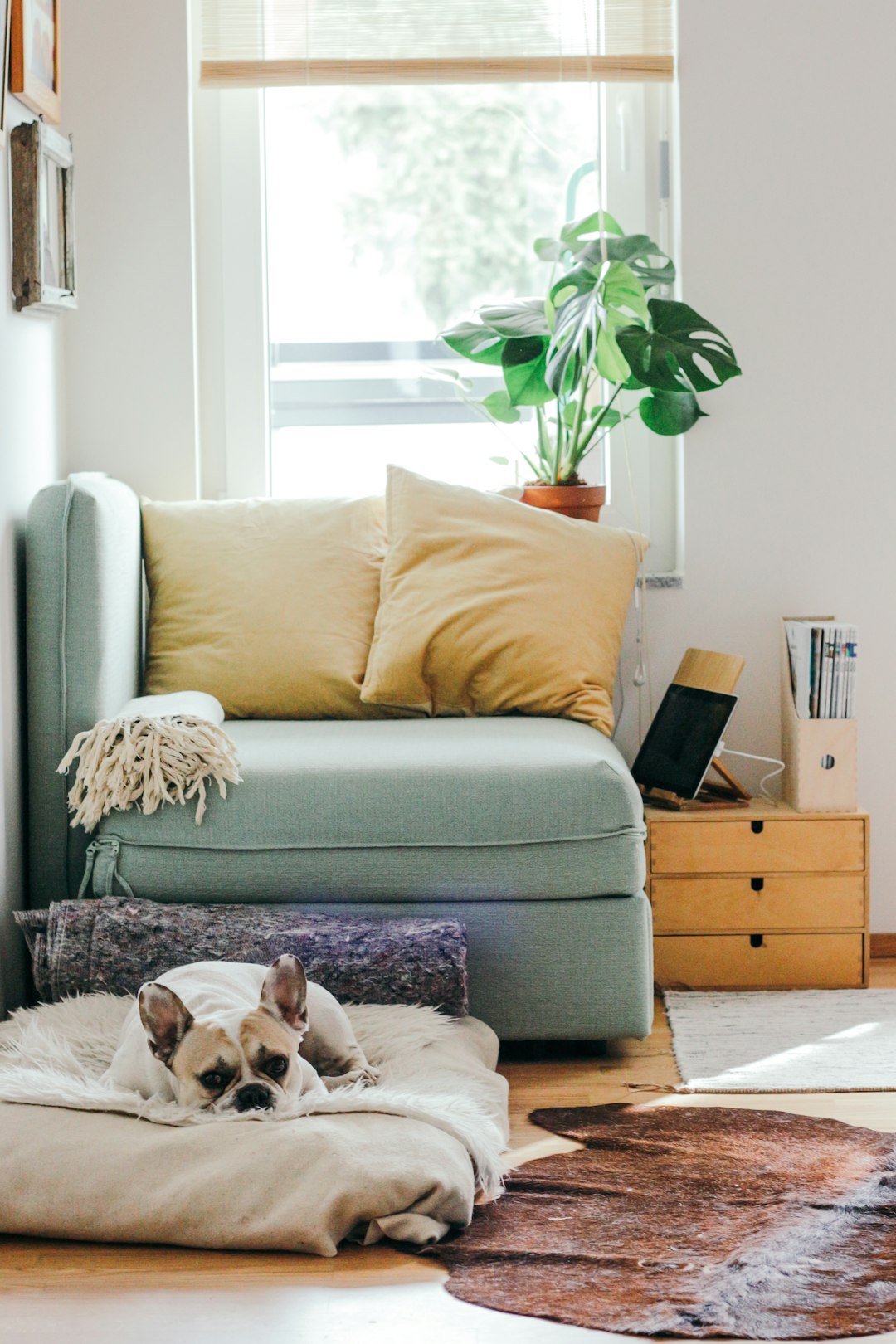
The modern homeowner is more conscious than ever about privacy and security. With the rise of technology and social media, personal information is more accessible than it has ever been, making many individuals feel vulnerable. As a result, there is a growing demand for homes that offer a sense of seclusion. Secret entrances, hidden rooms, and private spaces are becoming increasingly desirable features in residential properties. Homebuyers are looking for ways to protect their families and create a sanctuary that feels safe from the outside world. This demand is not only about physical safety but also about mental peace, providing a refuge from the constant connectivity of modern life.
The Rise of Fortress-Like Homes
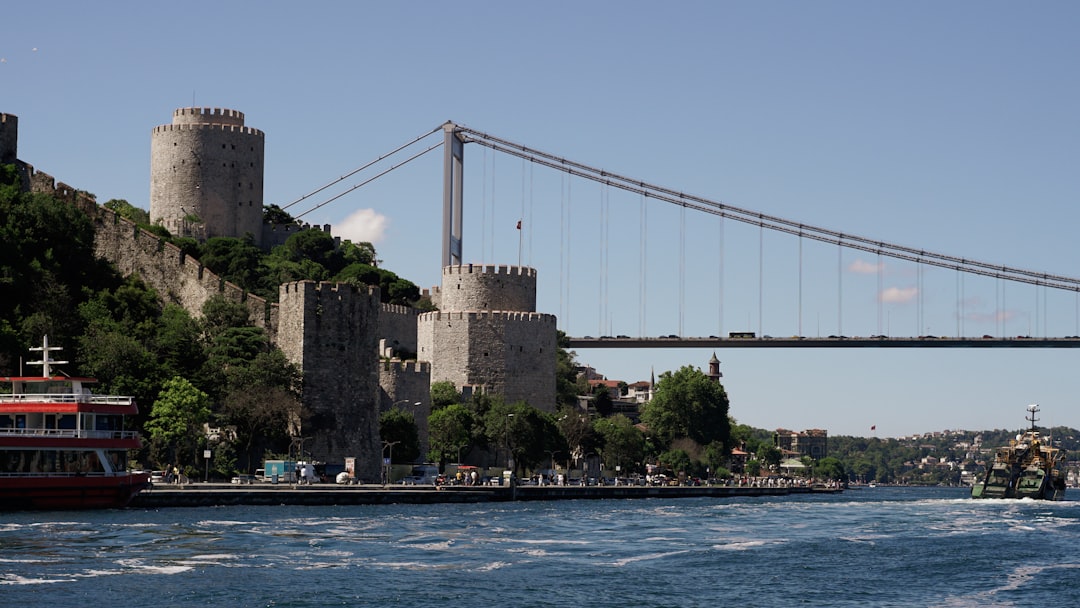
In response to the heightened concerns about safety, many homeowners are opting for fortress-like designs. These homes often feature high walls, gated entries, and elaborate security systems. The concept of a fortress home goes beyond mere aesthetics; it is about creating a secure environment that offers peace of mind. Many of these homes incorporate secret entrances that are not easily visible from the street, allowing residents to maintain their privacy while still feeling safe. This trend reflects a broader societal shift towards valuing security in residential design. Homeowners are essentially building their own castles, complete with drawbridges and moats, albeit in a modern context.
The Appeal of Exclusivity and Luxury
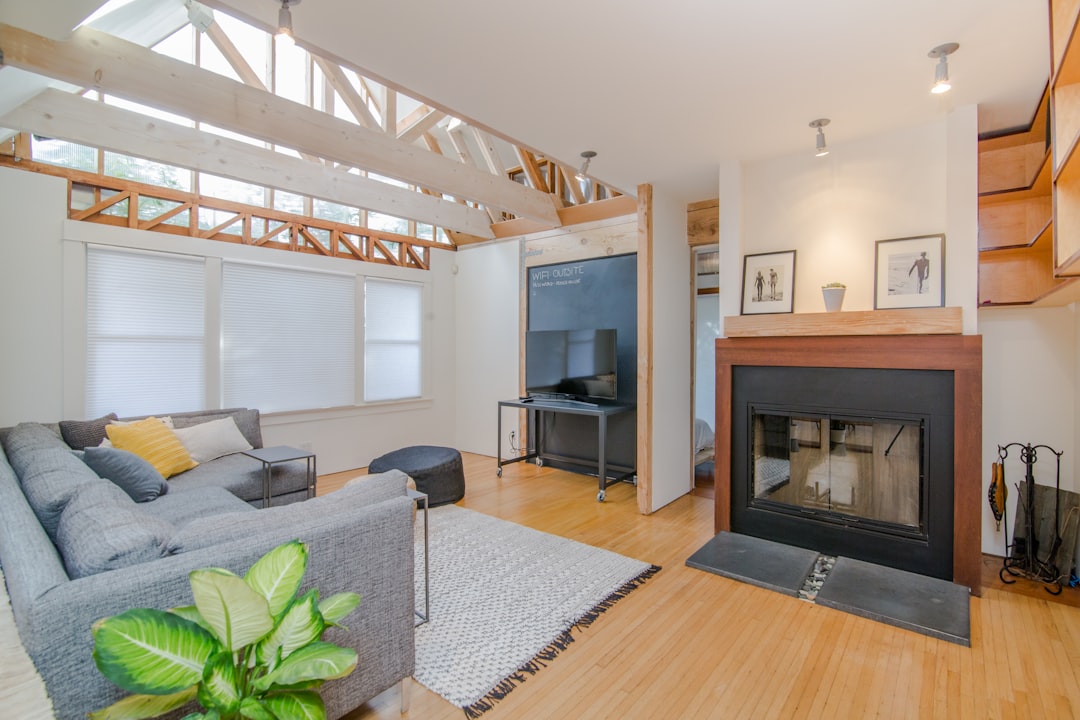
In addition to security, there is a strong appeal for exclusivity and luxury in home design. Secret entrances and hidden rooms are often seen as status symbols, showcasing a homeowner’s wealth and sophistication. These unique features can set a property apart in a competitive real estate market. Buyers are increasingly drawn to homes that offer something special, and secret entrances provide a sense of intrigue and allure. This trend is particularly prevalent among high-end properties, where luxury and exclusivity are paramount. It’s about creating an experience for the homeowner and their guests, a sense of stepping into a world that is uniquely theirs.
The Desire for Hidden Spaces and Secret Rooms
The fascination with hidden spaces and secret rooms is not a new concept, but it has gained renewed interest in recent years. Homeowners are looking for ways to incorporate these features into their designs, whether for practical purposes or as a creative expression of their personalities. Secret rooms can serve various functions, from private offices to personal libraries or even hidden playrooms for children. The versatility of these spaces allows homeowners to tailor their homes to their specific needs while adding an element of surprise and excitement. It’s akin to having a world within a world, a retreat that offers both functionality and fantasy.
High-Tech Innovation and Hidden Entrances
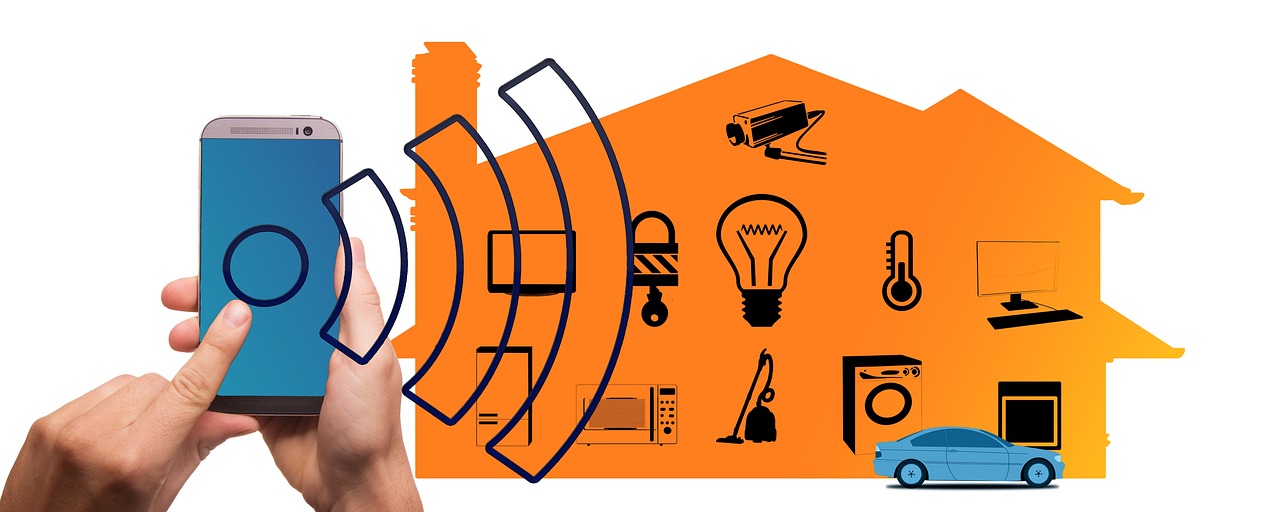
As technology continues to advance, so too does the potential for incorporating high-tech innovations into home design. Smart home technology has made it easier than ever to create secure and private spaces. Hidden entrances can now be equipped with biometric locks, remote access systems, and surveillance cameras, providing an added layer of security. Homeowners can control these features from their smartphones, allowing them to monitor their property even when they are away. This integration of technology not only enhances security but also adds a modern touch to traditional design concepts. It’s the marriage of old-world charm with cutting-edge innovation.
The Influence of Pop Culture
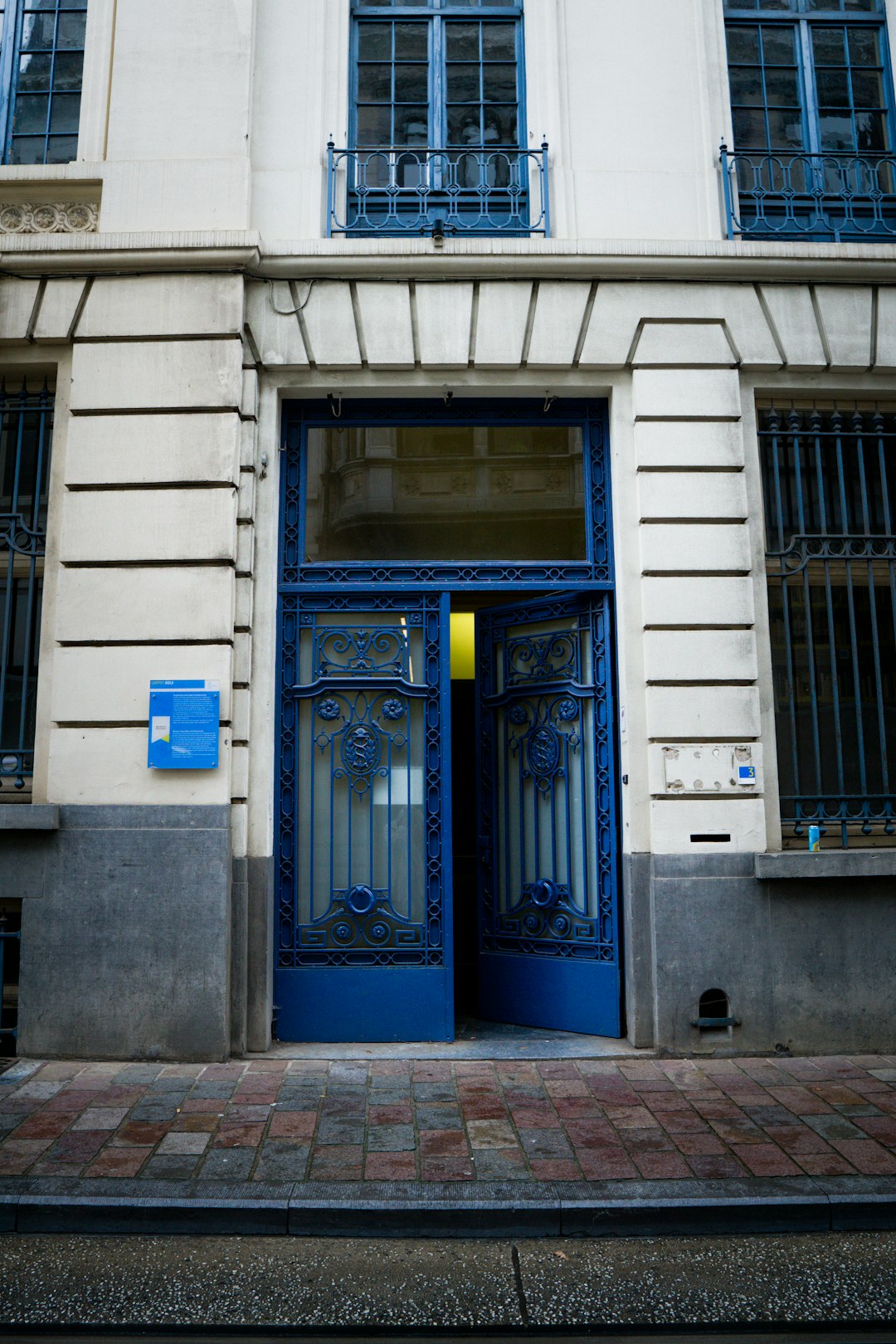
Pop culture has also played a significant role in popularizing the idea of homes with secret entrances. Movies and television shows often depict characters living in extravagant homes with hidden passages and concealed rooms. This portrayal has sparked the imagination of many homeowners, inspiring them to seek out similar features in their own homes. The allure of a secret entrance is not just about functionality; it is also about creating a narrative and a sense of adventure within the home. It’s about living out a fantasy and turning the ordinary into the extraordinary, inspired by the silver screen.
Customization and Personalization
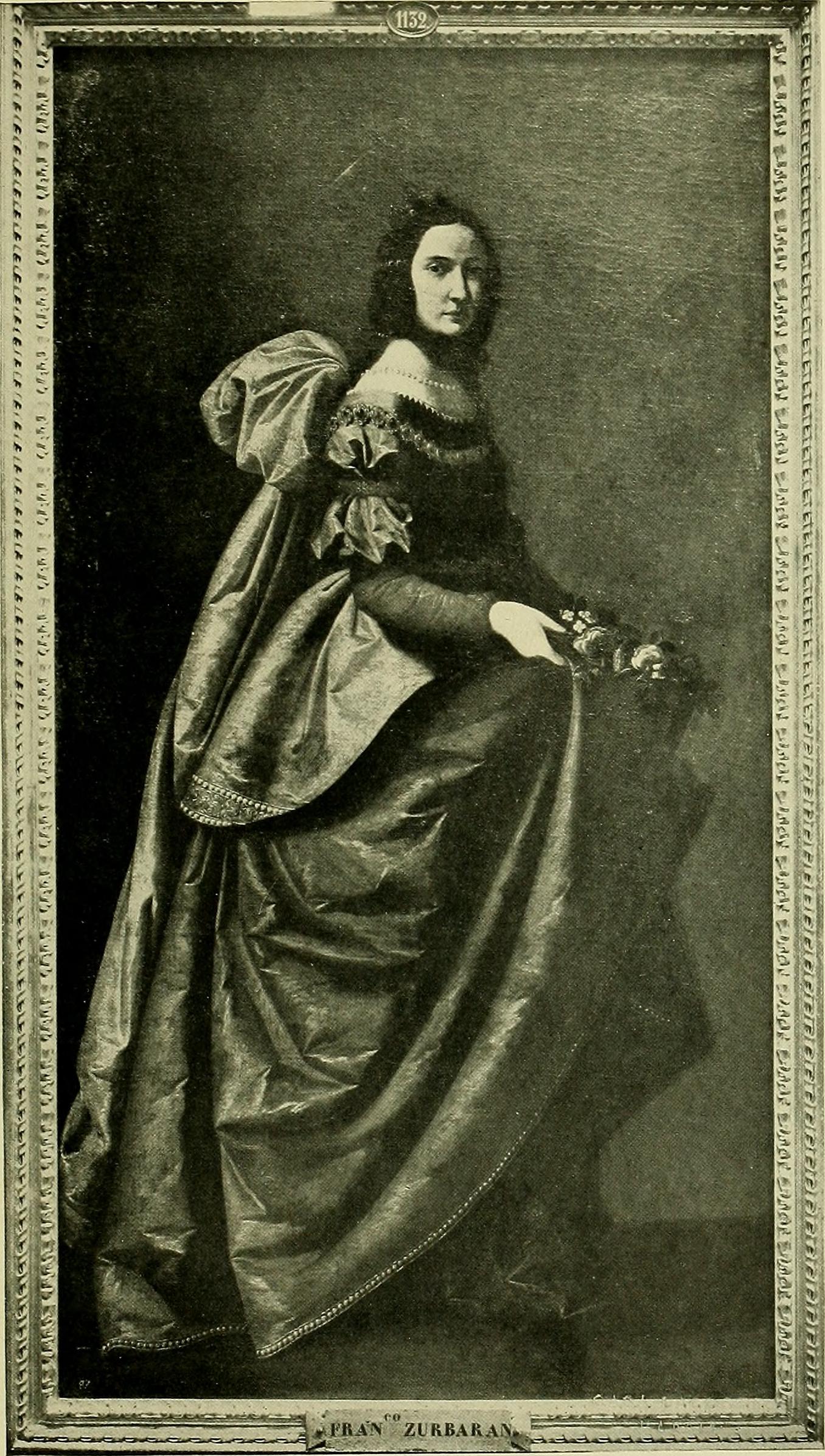
As homeowners increasingly prioritize personalization in their living spaces, the demand for secret entrances has surged. Many individuals are looking for unique ways to express their identities through their homes. Custom-built secret entrances can be designed to reflect the homeowner’s style, whether it be through hidden bookcases, trapdoors, or concealed staircases. This level of customization allows homeowners to create a space that is not only functional but also deeply personal. It’s about making a statement, crafting a home that tells a story unique to its inhabitants.
The Future of Home Design
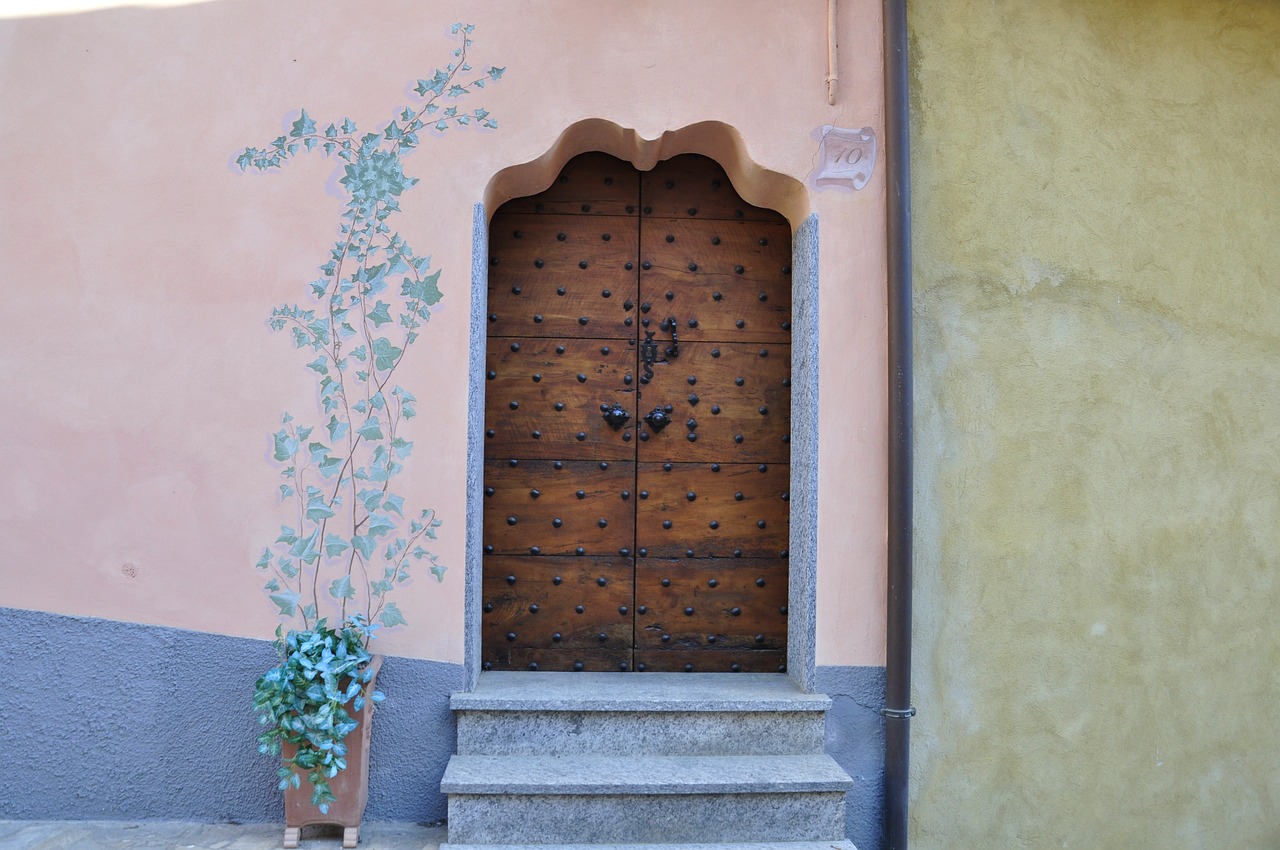
Looking ahead, it is clear that the trend towards homes with secret entrances is likely to continue. As more people recognize the importance of privacy, security, and personalization, architects and builders will need to adapt to these changing preferences. The integration of high-tech features, combined with a focus on exclusivity and luxury, will shape the future of home design. Homebuyers will increasingly seek out properties that offer unique and innovative features, making secret entrances a sought-after element in residential architecture. The homes of tomorrow will be more than just places to live; they will be experiences in themselves.
The Role of Architects and Builders
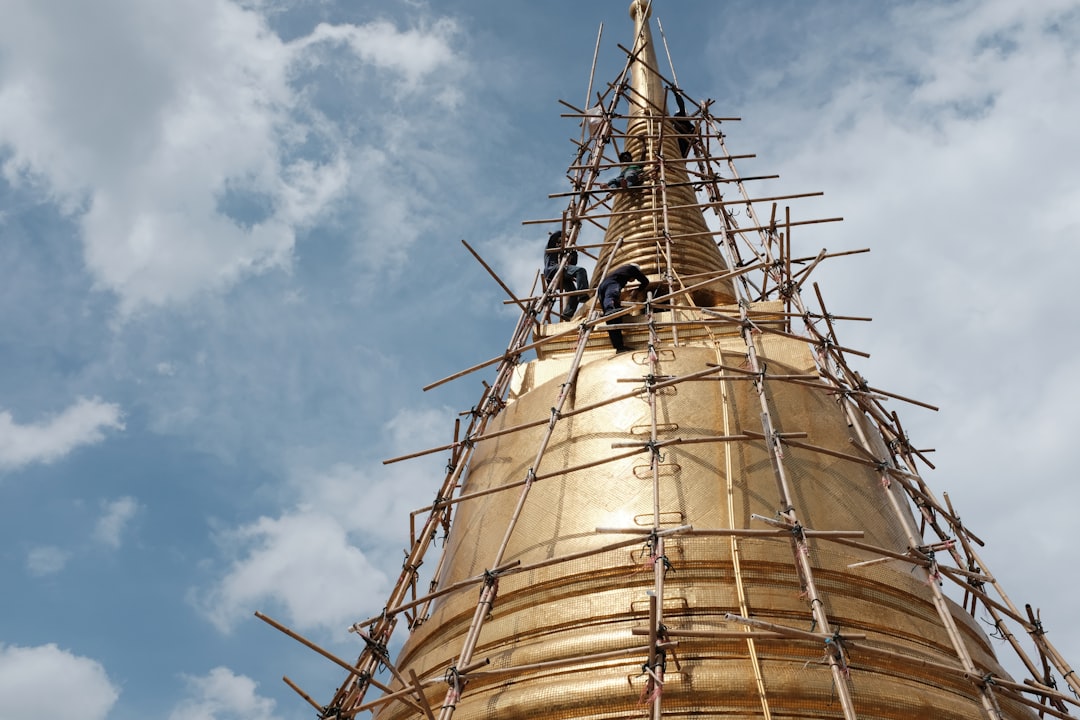
Architects and builders are at the forefront of this evolving trend, tasked with bringing these hidden features to life. They are the magicians behind the curtain, transforming ordinary spaces into extraordinary ones. The challenge lies in seamlessly integrating these secret elements into the overall design without compromising functionality or aesthetics. As demand grows, professionals in this field are innovating new ways to incorporate secret entrances that are both practical and visually appealing. The creativity and ingenuity of architects and builders will play a crucial role in shaping the homes of the future.
The Psychological Aspect of Hidden Spaces
Beyond the physical and functional aspects, there is a psychological allure to having hidden spaces in one’s home. These secret rooms and entrances provide a sense of mystery and intrigue, sparking curiosity and excitement. They offer a sense of control and agency, allowing homeowners to create a private world that is separate from the outside. This psychological aspect is a significant driver of the trend, as it taps into a primal desire for exploration and discovery. It’s about creating a sanctuary, a hidden gem within one’s own home, that offers both comfort and adventure.

Henrieke Otte is an accomplished writer and content editor, specializing in topics that inspire thoughtful living—ranging from global travel and sustainable lifestyles to interior design and architecture. With a keen editorial sense and a background in cultural studies, Henrieke brings depth, elegance, and clarity to every piece she crafts.
Her work is known for its engaging voice, visual sensitivity, and ability to turn complex ideas into accessible, reader-friendly narratives. Whether exploring eco-conscious destinations, dissecting climate-conscious home trends, or curating serene living spaces, Henrieke writes with a balance of creativity and insight that resonates with design-savvy, environmentally aware audiences.
Driven by a love of meaningful storytelling and a refined aesthetic, Henrieke contributes regularly to digital platforms and magazines where quality content meets visual sophistication.