
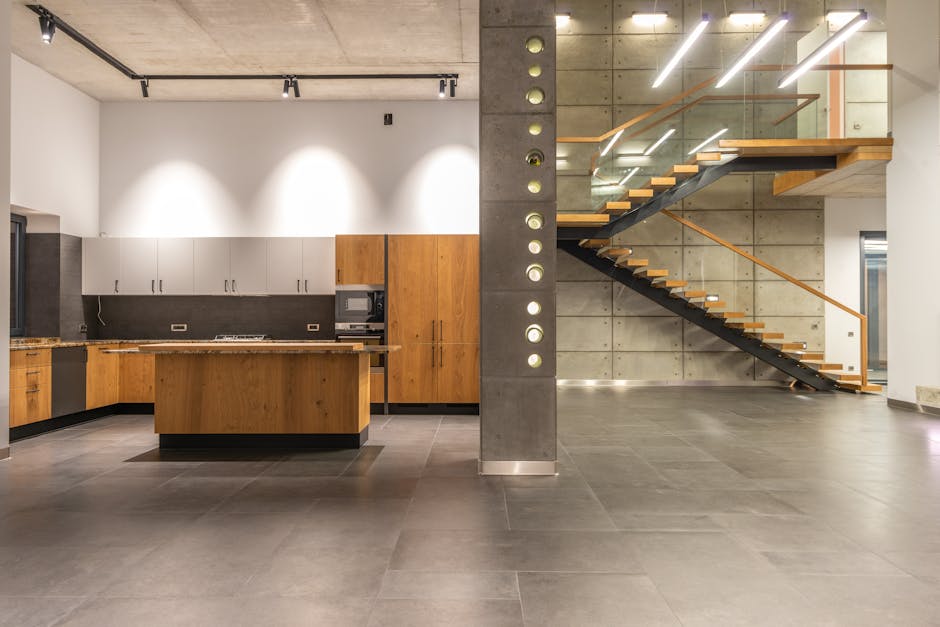

Lena is a thoughtful and imaginative writer with a passion for storytelling across the themes of travel, environmental sustainability, and contemporary home aesthetics. With a background in cultural media and a strong visual sensibility, Anna Lena creates content that bridges inspiration with practical insight.
Her work explores the interplay between place, lifestyle, and design—guiding readers through meaningful travel experiences, eco-conscious choices, and modern approaches to living well. Known for her elegant writing style and attention to detail, she brings a fresh, human-centered perspective to every topic she covers.
Anna Lena contributes to digital publications and editorial projects where aesthetics meet purpose. Her writing not only informs but also encourages readers to live more intentionally, sustainably, and beautifully—wherever they are in the world.
Gravity-Defying Designs
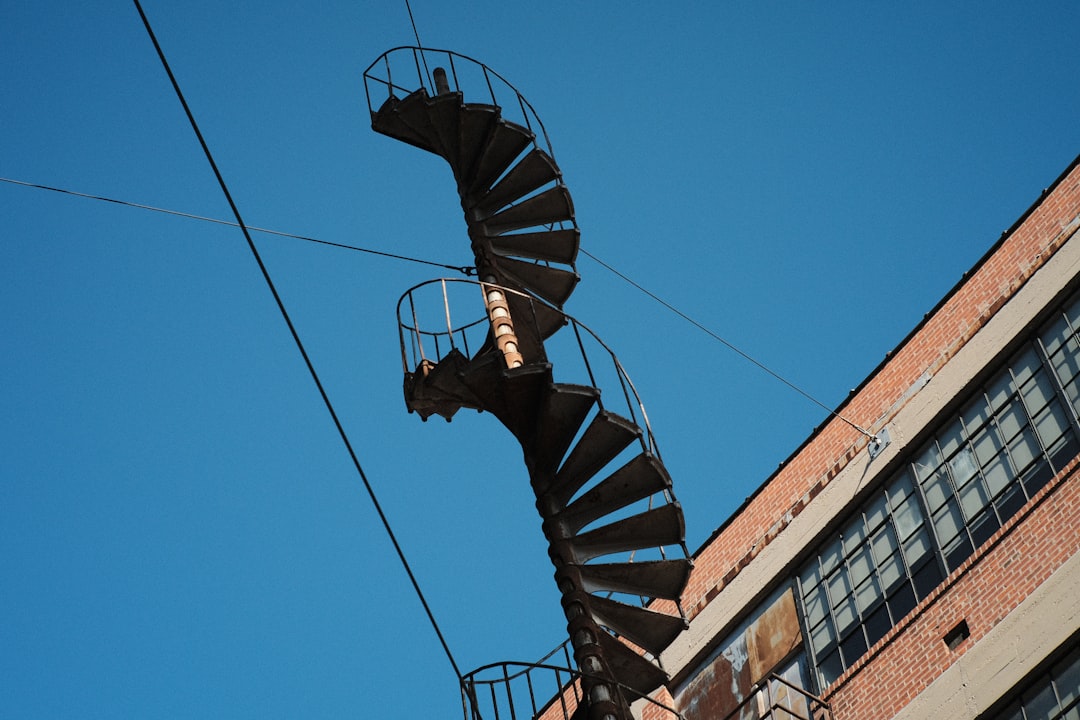
Floating staircases are an architectural marvel that seems to defy the very laws of physics. These designs create an illusion of weightlessness, with treads appearing to float in mid-air without visible support. The magic behind this lies in the meticulous engineering and use of high-strength materials. The support is often hidden within the walls, giving the staircase its name. This design not only adds a modern touch to spaces but also offers a unique visual spectacle that can transform any ordinary home into something extraordinary. Floating staircases are not just about beauty; they represent the perfect marriage between form and function.
Materials Matter
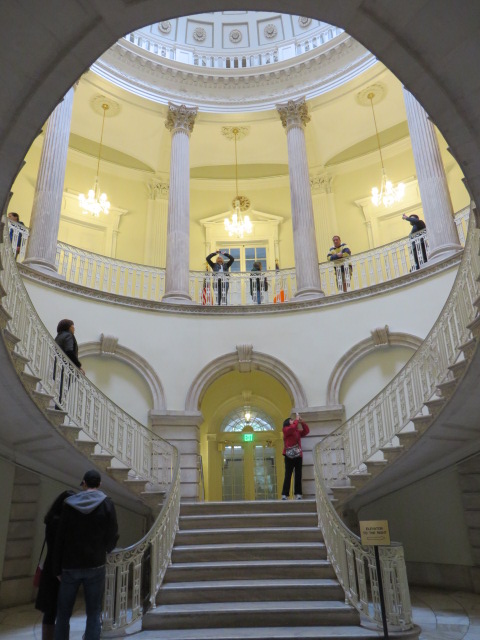
The choice of materials is crucial in constructing a floating staircase. Steel, glass, and wood are popular choices, each offering different aesthetic and structural benefits. Steel provides strength and durability, essential for supporting the weight of the staircase and its users. Glass, on the other hand, adds an element of transparency and elegance, making the space appear larger and more open. Wooden treads can bring warmth and a natural feel, complementing both modern and traditional interiors. Selecting the right material is akin to choosing the right ingredients in a recipe; it determines the final outcome’s taste and texture.
Engineering Excellence
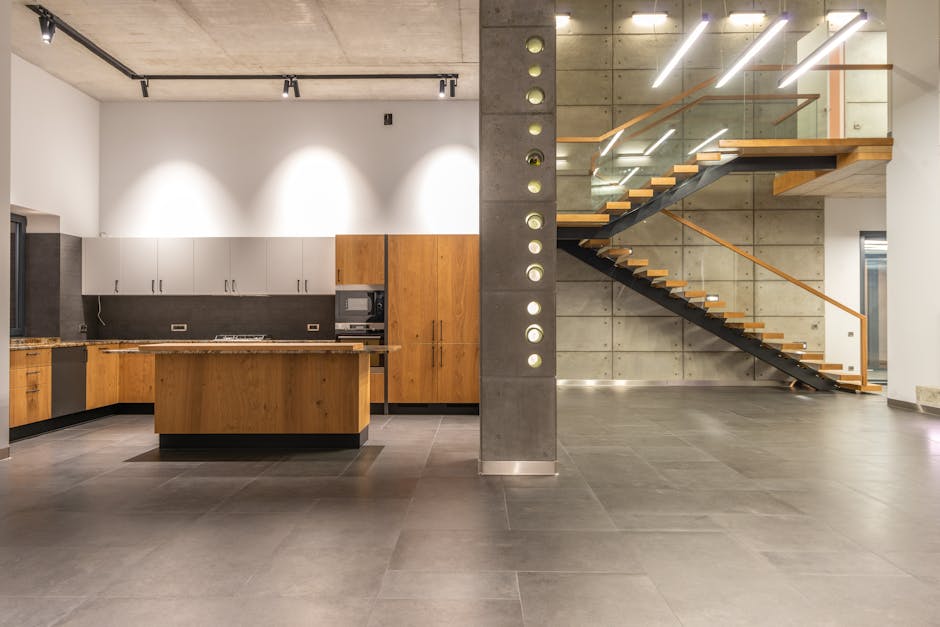
Behind every stunning floating staircase is a team of skilled engineers. These professionals perform complex calculations to ensure the staircase can safely support weight while maintaining its floating illusion. The engineering process involves determining load distribution and ensuring that the supports, often hidden, can sustain the structure. Like a magician’s trick, the beauty lies in what you don’t see. It’s the invisible elements, such as reinforced steel beams or tension cables, that make the staircase both safe and aesthetically pleasing. This intricate balancing act is a testament to human ingenuity and creativity.
Innovative Installation Techniques
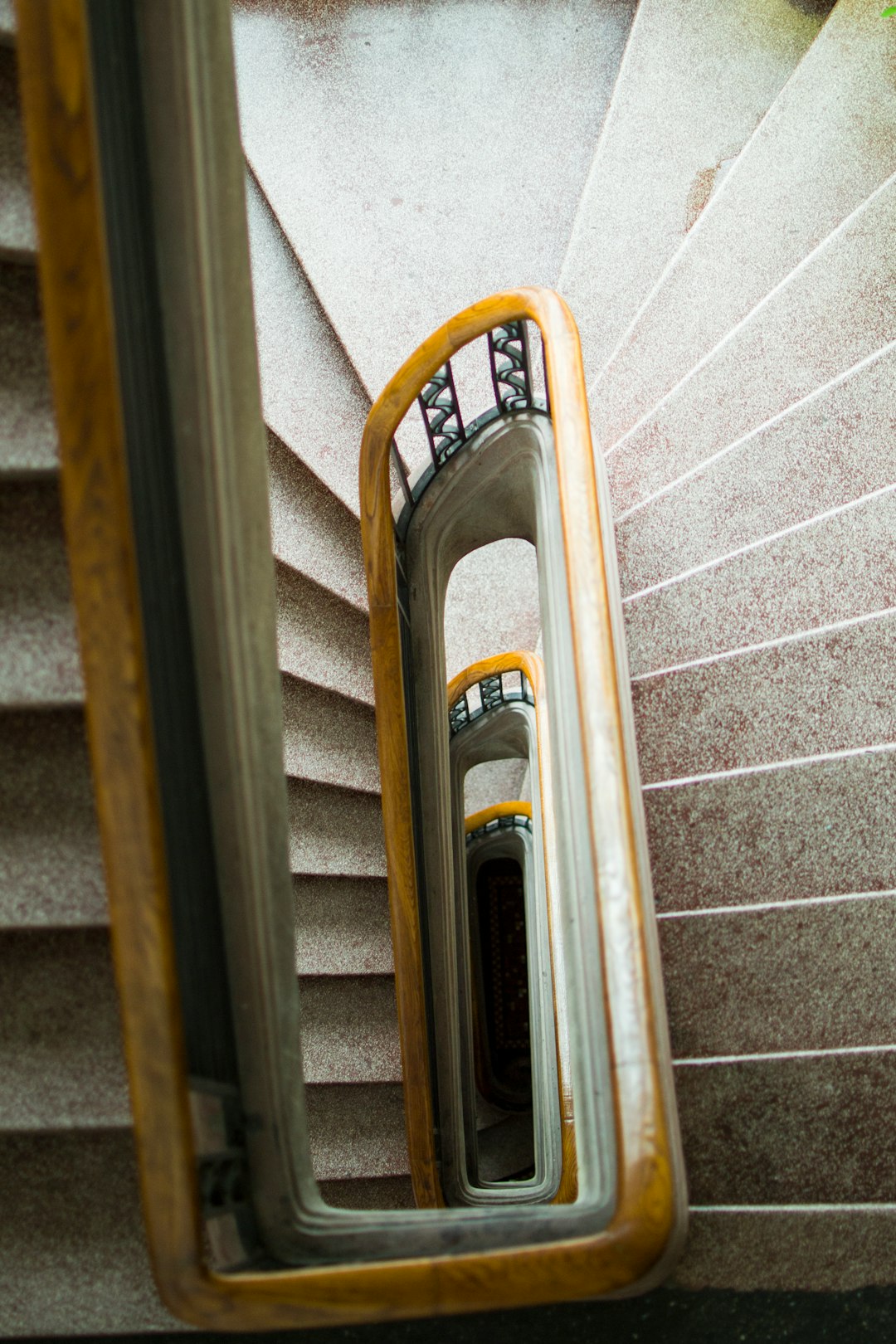
Installing a floating staircase is no small feat. It requires precision and expertise to ensure that the staircase is both secure and visually stunning. Modern installation techniques often involve anchoring the staircase to a structural wall or using a central spine for support. This process can be likened to threading a needle, where accuracy is paramount. Installers must also consider factors such as the building’s structural integrity and the staircase’s impact on the surrounding environment. The result is a seamless blend of architecture and art, where the staircase becomes a centerpiece of the home.
Safety First
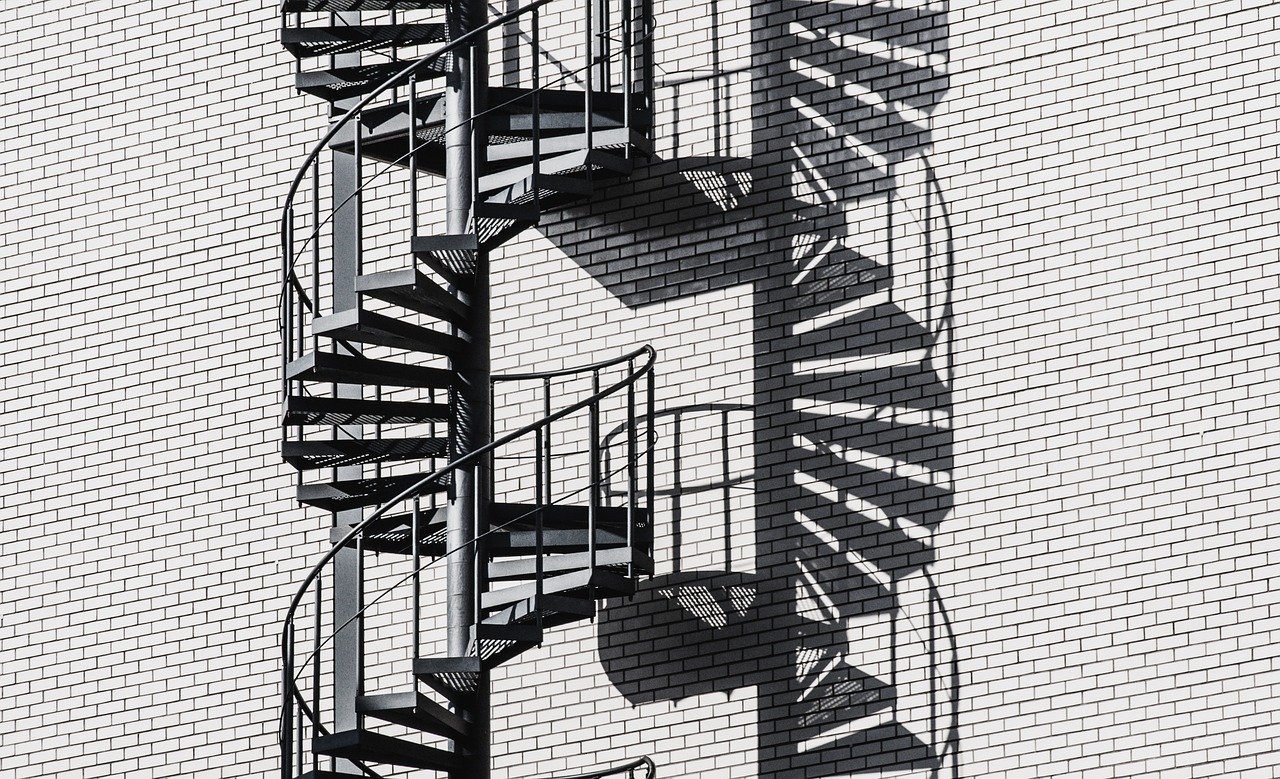
While floating staircases are a visual delight, safety remains a top priority. Designers incorporate various features to ensure user safety without compromising aesthetics. For instance, glass or metal railings are often added to provide support while maintaining the staircase’s sleek appearance. Anti-slip treatments on treads are also common to prevent accidents. It’s like adding a safety net to a tightrope walker; the thrill is in the design, but safety measures are in place to protect those who traverse it. These considerations ensure that the staircase remains a functional and secure part of the home.
Environmental Considerations
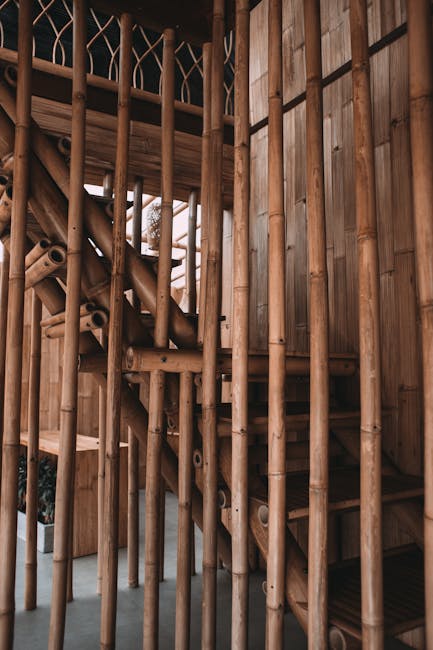
In today’s world, sustainability is more important than ever. Many floating staircase designs now incorporate eco-friendly materials and practices. Reclaimed wood, recycled steel, and low-emission glass are popular choices for those conscious of their environmental impact. Additionally, the minimalistic design of floating staircases often requires fewer materials than traditional staircases, reducing the carbon footprint. It’s a testament to how modern design can be both beautiful and sustainable. By choosing eco-friendly options, homeowners can enjoy a stunning staircase while contributing to a healthier planet.
Aesthetic Versatility
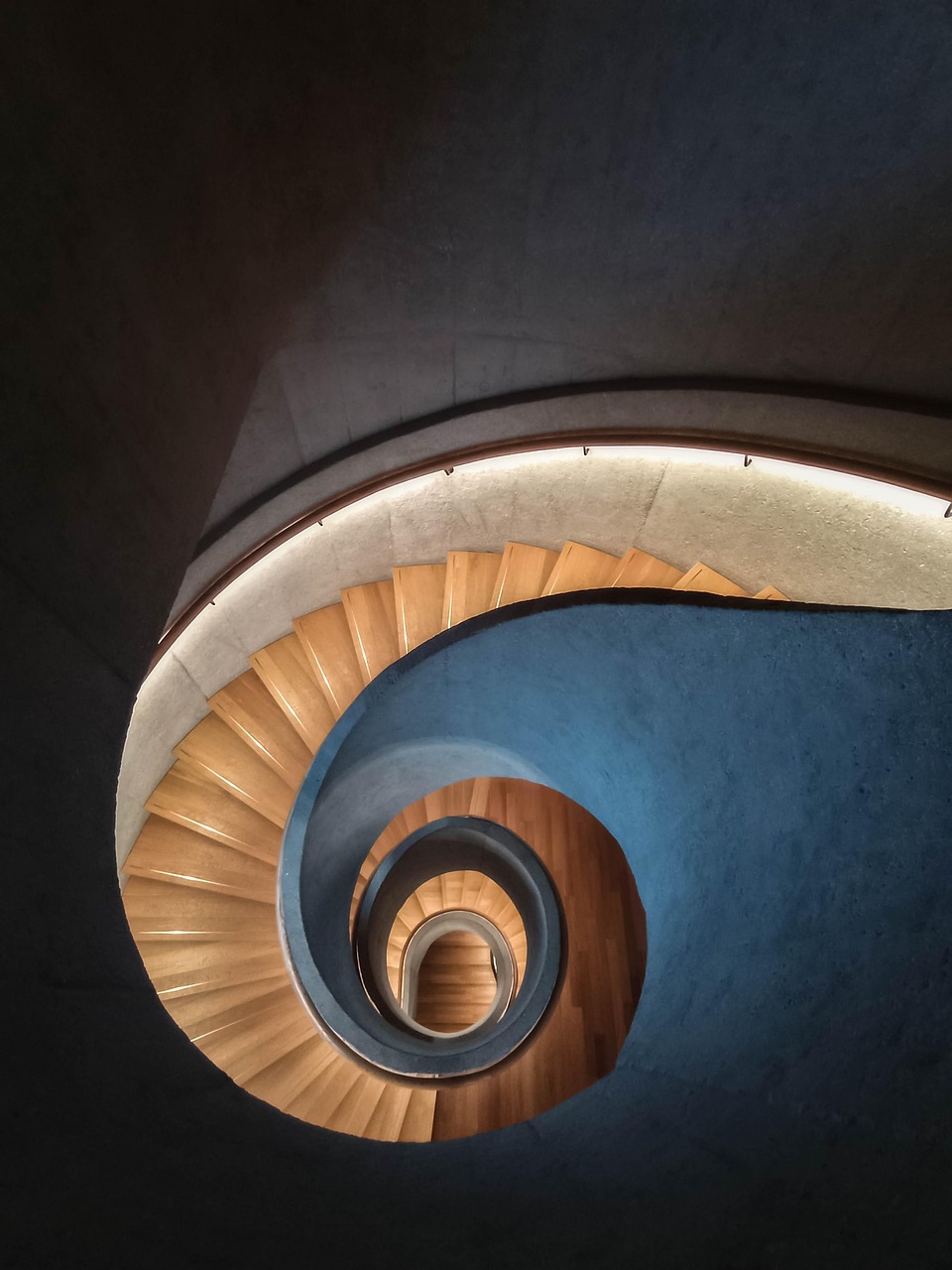
One of the most appealing aspects of floating staircases is their versatility. These staircases can be customized to fit various design themes, from ultra-modern to rustic charm. The choice of materials, colors, and finishes allows for endless possibilities in personalization. Whether it’s a sleek glass staircase in a contemporary penthouse or a wooden marvel in a country home, floating staircases can adapt to any style. This adaptability makes them a popular choice among architects and homeowners alike, providing a unique opportunity to express personal taste and creativity.
Cost Considerations
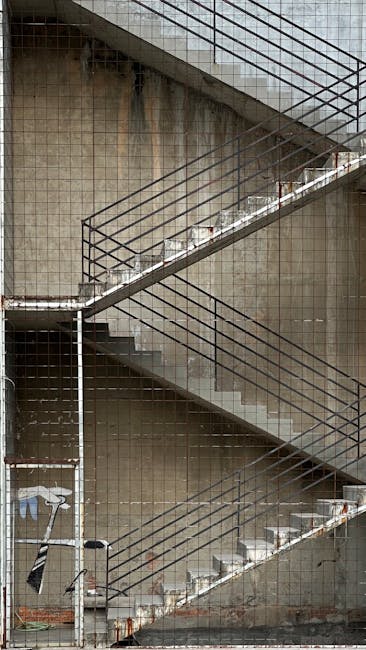
Floating staircases, while stunning, can be a significant investment. The cost varies depending on the materials used, the complexity of the design, and the installation process. However, for many, the visual impact and added value to the home justify the expense. It’s similar to investing in a piece of art; the initial cost is offset by the enjoyment and admiration it brings. Homeowners should consider their budget and weigh the benefits of a floating staircase against its cost. With careful planning, it’s possible to achieve a breathtaking design that aligns with financial considerations.
Maintenance and Longevity
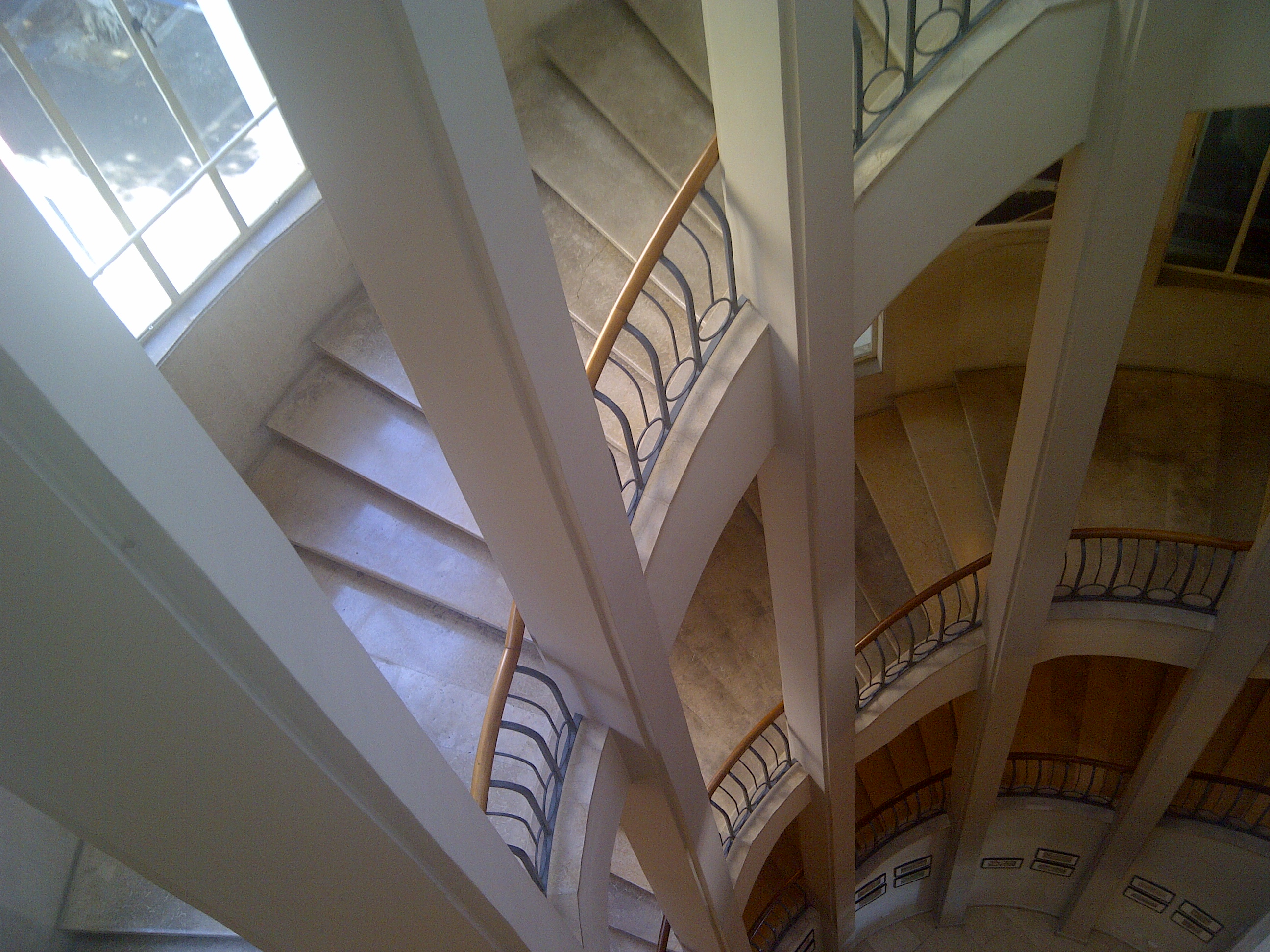
Like any architectural feature, floating staircases require maintenance to ensure longevity. Regular cleaning and inspections are necessary to keep the staircase looking its best and functioning safely. For instance, glass treads need to be cleaned to maintain their transparency, while wooden treads may require periodic sealing to protect against wear and tear. Proper maintenance is akin to caring for a prized possession; it ensures that the staircase remains a stunning focal point for years to come. By following maintenance guidelines, homeowners can enjoy the beauty and functionality of their floating staircase well into the future.
The Future of Floating Staircases
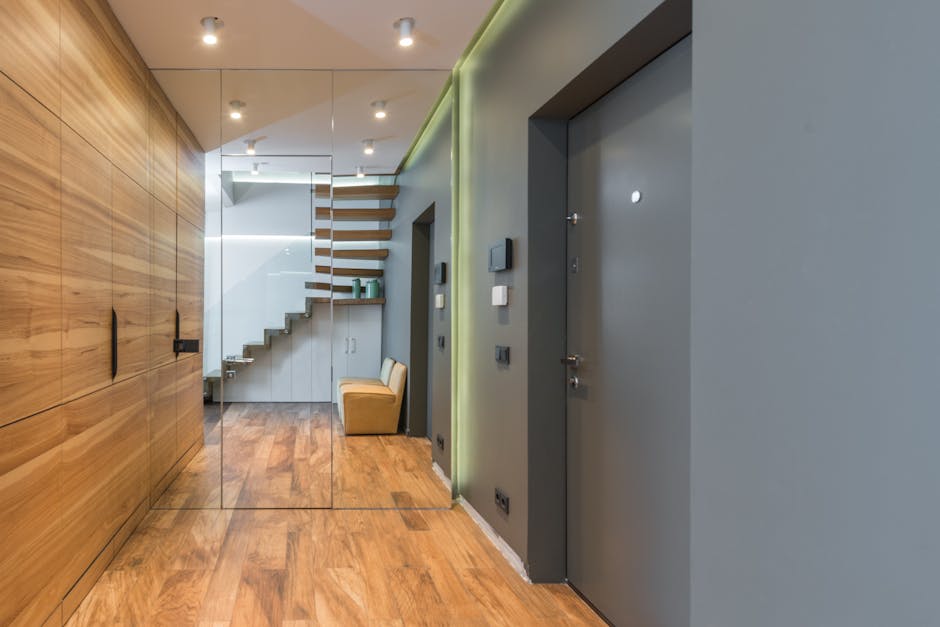
As technology advances, the possibilities for floating staircases are expanding. Innovations in materials and engineering techniques continue to push the boundaries of design. Future trends may include the integration of smart technology, such as LED lighting or motion sensors, to enhance both aesthetics and functionality. These advancements could transform floating staircases into interactive elements within the home, offering new levels of convenience and style. The future of floating staircases is bright, promising even more breathtaking designs that will captivate and inspire.

Lena is a thoughtful and imaginative writer with a passion for storytelling across the themes of travel, environmental sustainability, and contemporary home aesthetics. With a background in cultural media and a strong visual sensibility, Anna Lena creates content that bridges inspiration with practical insight.
Her work explores the interplay between place, lifestyle, and design—guiding readers through meaningful travel experiences, eco-conscious choices, and modern approaches to living well. Known for her elegant writing style and attention to detail, she brings a fresh, human-centered perspective to every topic she covers.
Anna Lena contributes to digital publications and editorial projects where aesthetics meet purpose. Her writing not only informs but also encourages readers to live more intentionally, sustainably, and beautifully—wherever they are in the world.