
Matthias is a skilled author and digital storyteller with a focus on travel journalism, environmental issues, and modern home design. With a background in communications and a passion for global cultures, Matthias crafts engaging narratives that blend real-world exploration with thoughtful analysis and visual flair.
His writing reflects a deep interest in how climate change shapes our lives and lifestyles—from sustainable travel practices to eco-friendly living environments. Known for his clear, approachable voice and sharp editorial instincts, Matthias delivers content that resonates with readers seeking both inspiration and substance.
Whether reporting from remote destinations, breaking down sustainable design trends, or spotlighting innovative green initiatives, Matthias brings a global perspective and an eye for detail to every piece. He regularly contributes to web platforms and editorial projects that aim to foster awareness, creativity, and conscious living.
The New Green Trend in Luxury Living
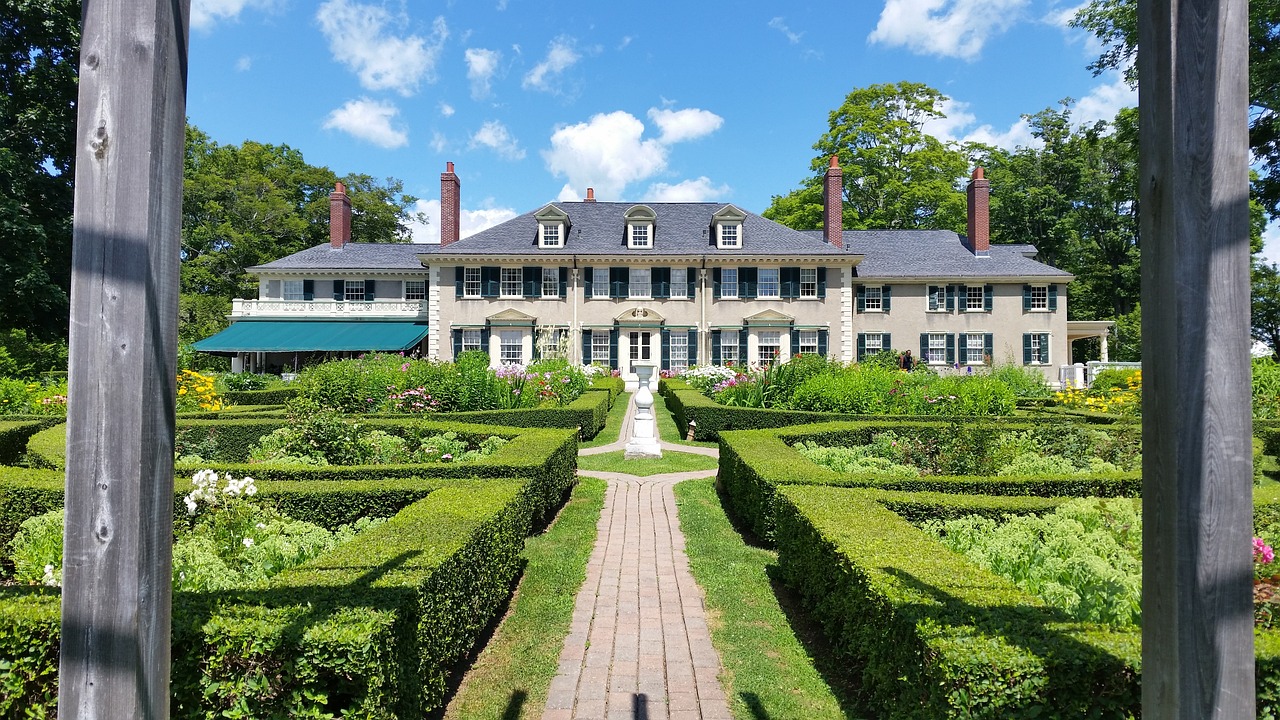
In recent years, a fascinating trend has emerged in the world of luxury real estate—mansions with rooftops that turn into lush forests. This innovative concept pushes the boundaries of eco-friendly architecture, creating an oasis amidst urban settings. These homes are designed to blend seamlessly with nature, offering a unique living experience. The idea is not just about aesthetics; it’s a commitment to sustainability. By incorporating greenery into the design, these homes help reduce carbon footprints and promote biodiversity. The increased greenery provides a habitat for various species, enriching the local ecosystem.
Architectural Marvels: Where Design Meets Nature
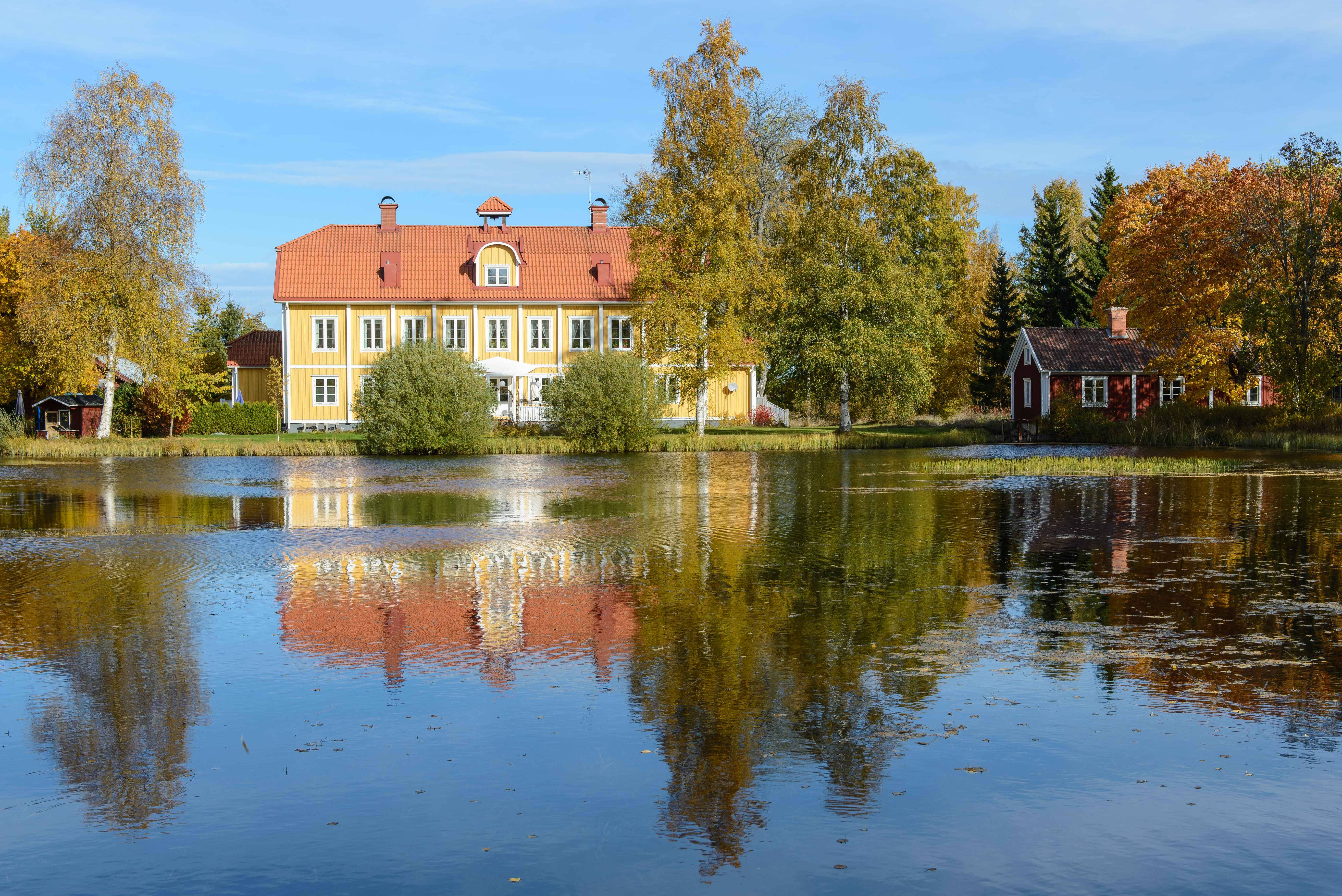
Architects are getting increasingly creative, bringing the beauty of forests to the tops of luxurious homes. These structures are not only visually stunning but also engineered to support the weight and growth of trees and plants. The roofs are designed with specialized soil systems to ensure that the vegetation thrives. It’s like having a personal park right above your head. The challenge lies in maintaining the balance between the structural integrity of the mansion and the natural demands of a forest. Architects use lightweight materials and advanced engineering techniques to make this possible.
Benefits Beyond Beauty
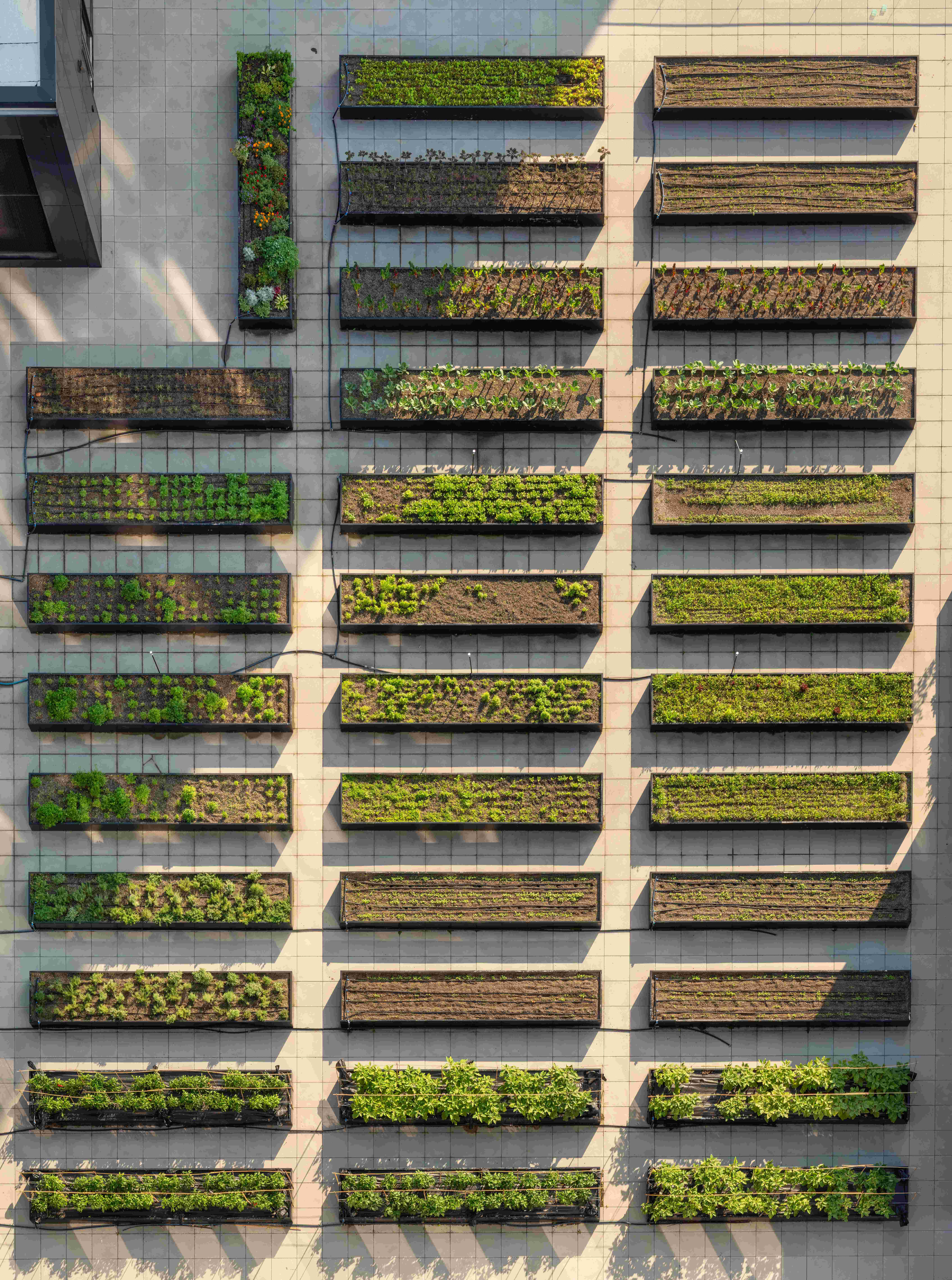
While these rooftop forests certainly add a unique charm to any home, they also offer numerous environmental benefits. The greenery helps to regulate temperature, reducing the reliance on air conditioning. This natural cooling effect is particularly advantageous in urban settings where heat islands are a concern. Moreover, the plants absorb pollutants, improving air quality around the residence. They also help in rainwater management, reducing runoff and preventing flooding. This sustainable approach not only benefits the homeowners but also contributes positively to the community at large.
Case Study: Bosco Verticale in Milan
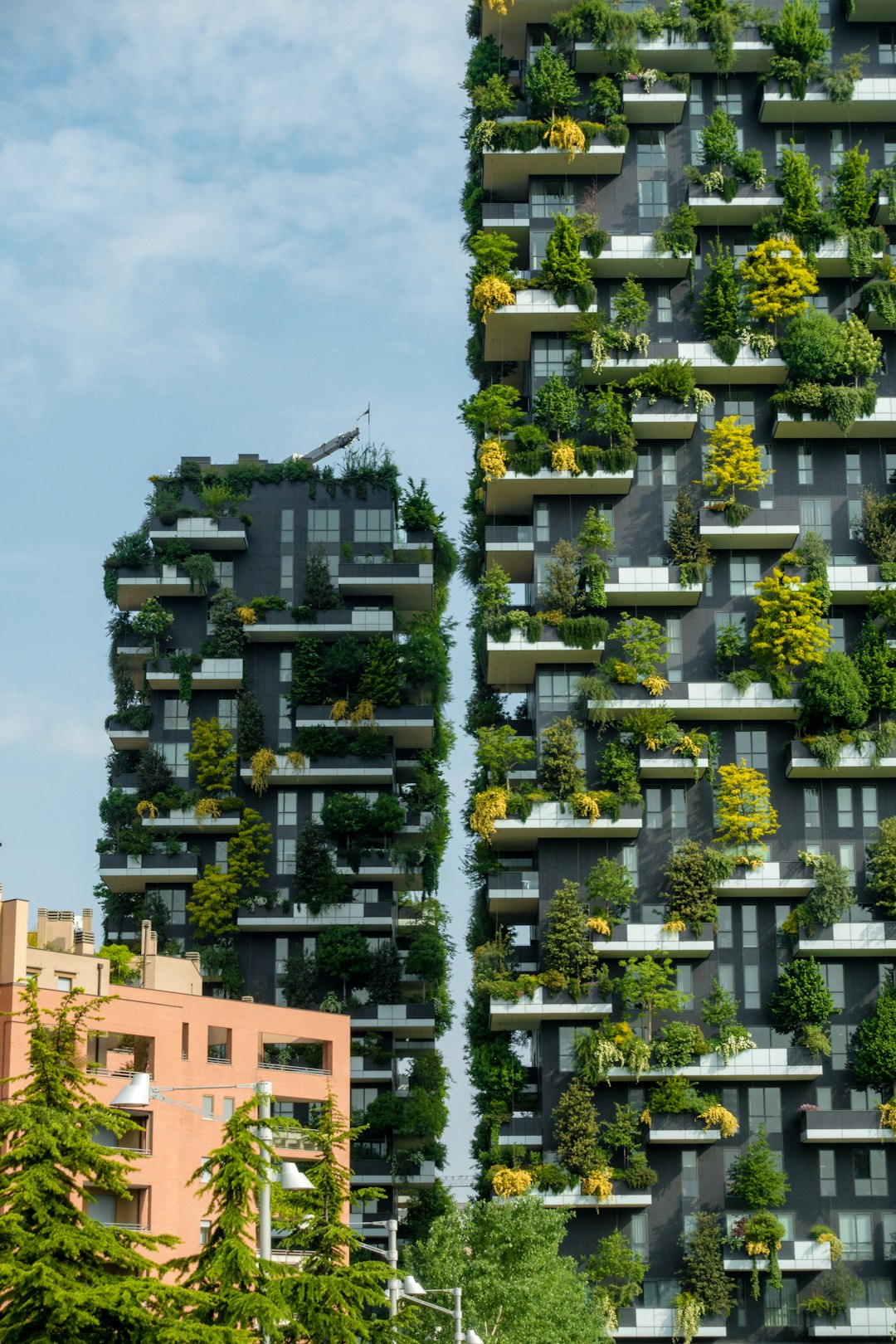
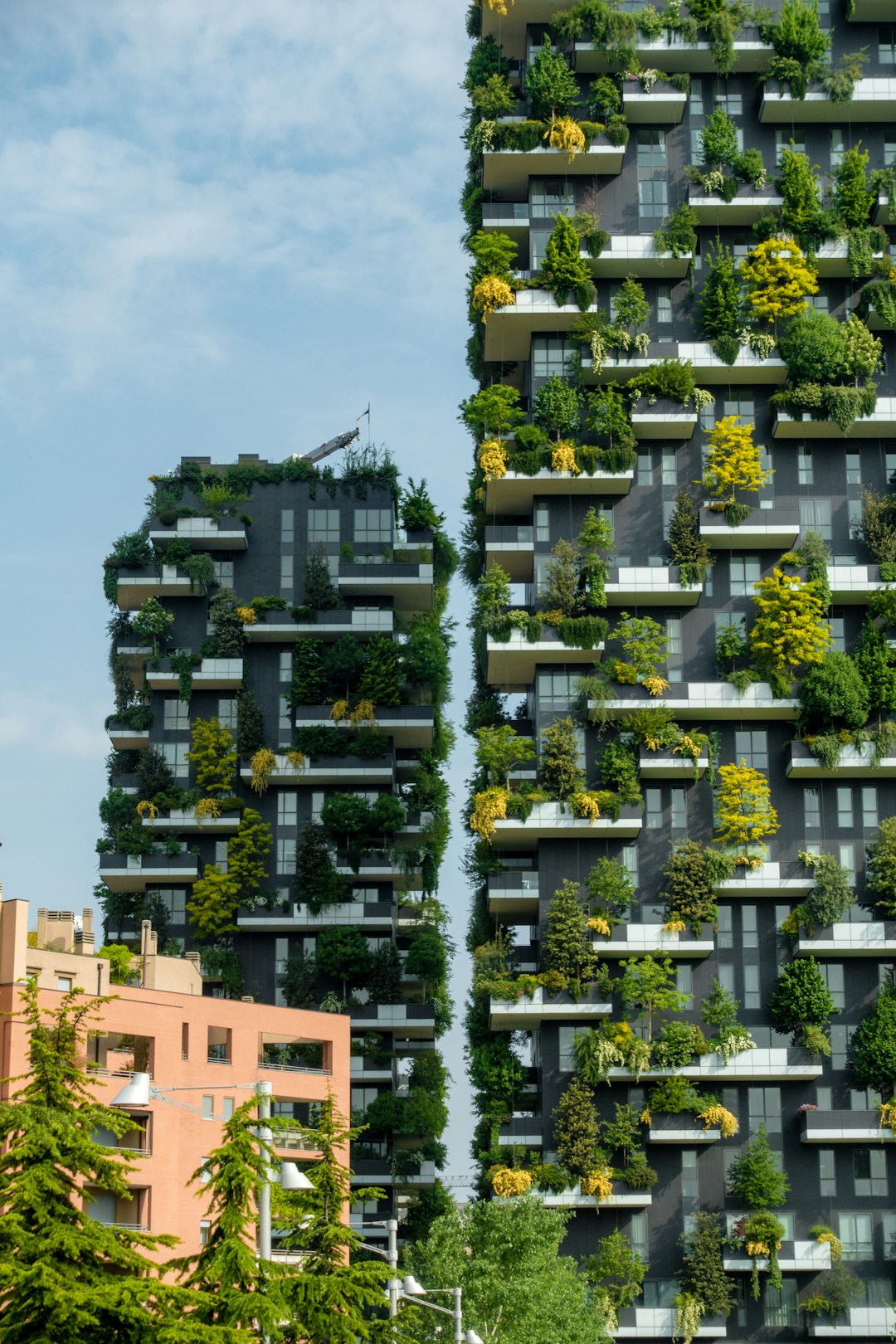
A prime example of this trend is the Bosco Verticale in Milan, Italy. These residential towers are adorned with thousands of trees and shrubs, effectively turning the buildings into vertical forests. Each tower hosts a variety of plant species, carefully selected to thrive in the local climate. This project has become a symbol of sustainable urban living, garnering international acclaim. The Bosco Verticale demonstrates how urban areas can be transformed into green spaces, offering a template for future developments. Its success has inspired architects worldwide to explore similar concepts.
Challenges of Rooftop Forests
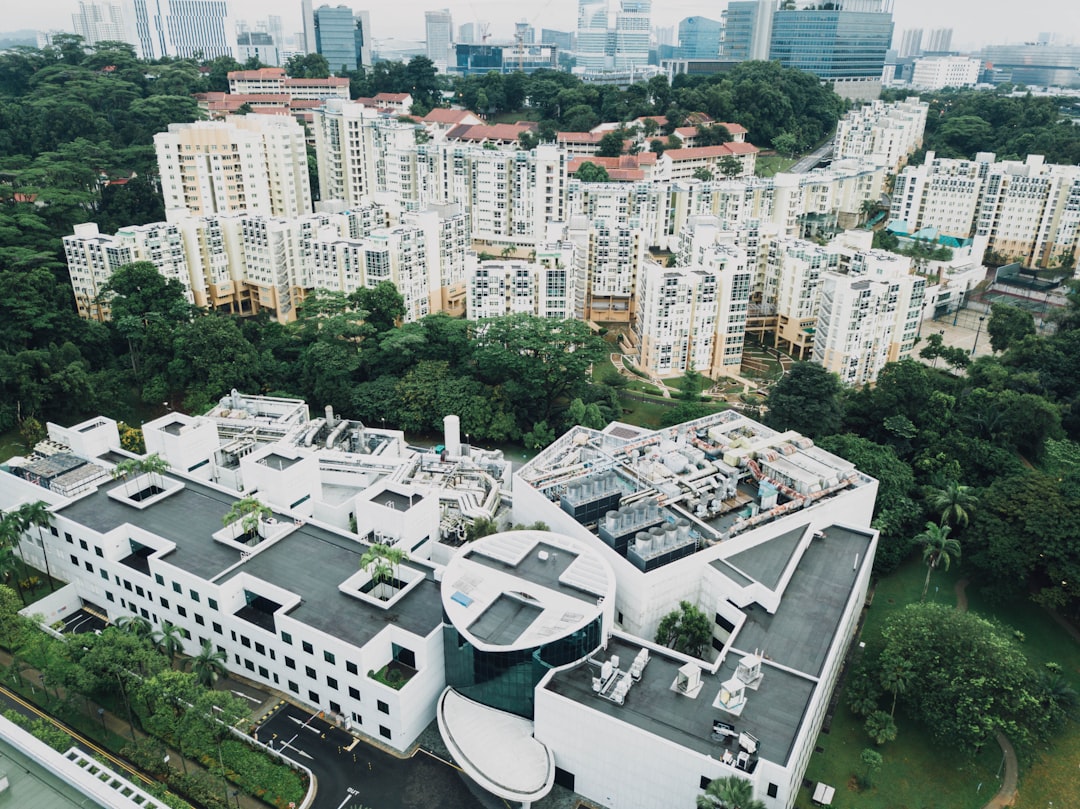
Creating a forest on a rooftop is not without its challenges. One significant concern is the weight that the structure must support. Engineers must calculate the load-bearing capacity of the building to ensure it can handle the added mass of soil, plants, and water. Additionally, maintenance is a crucial aspect. The vegetation requires regular care, including watering, pruning, and pest control. Homeowners must be committed to maintaining their green roofs to ensure they continue to thrive. Despite these challenges, the benefits often outweigh the drawbacks for those passionate about sustainable living.
Technological Innovations in Green Roofs
Technology plays a vital role in making rooftop forests viable. Advanced irrigation systems are employed to ensure that plants receive the right amount of water without wastage. Sensors monitor soil moisture levels, triggering watering when necessary. Some homes even incorporate renewable energy sources, such as solar panels, to power these systems. Furthermore, research in plant biology and soil science continues to improve the resilience of green roofs. These technological advancements make it easier for homeowners to maintain their rooftop forests while minimizing environmental impact.
Impact on Property Value
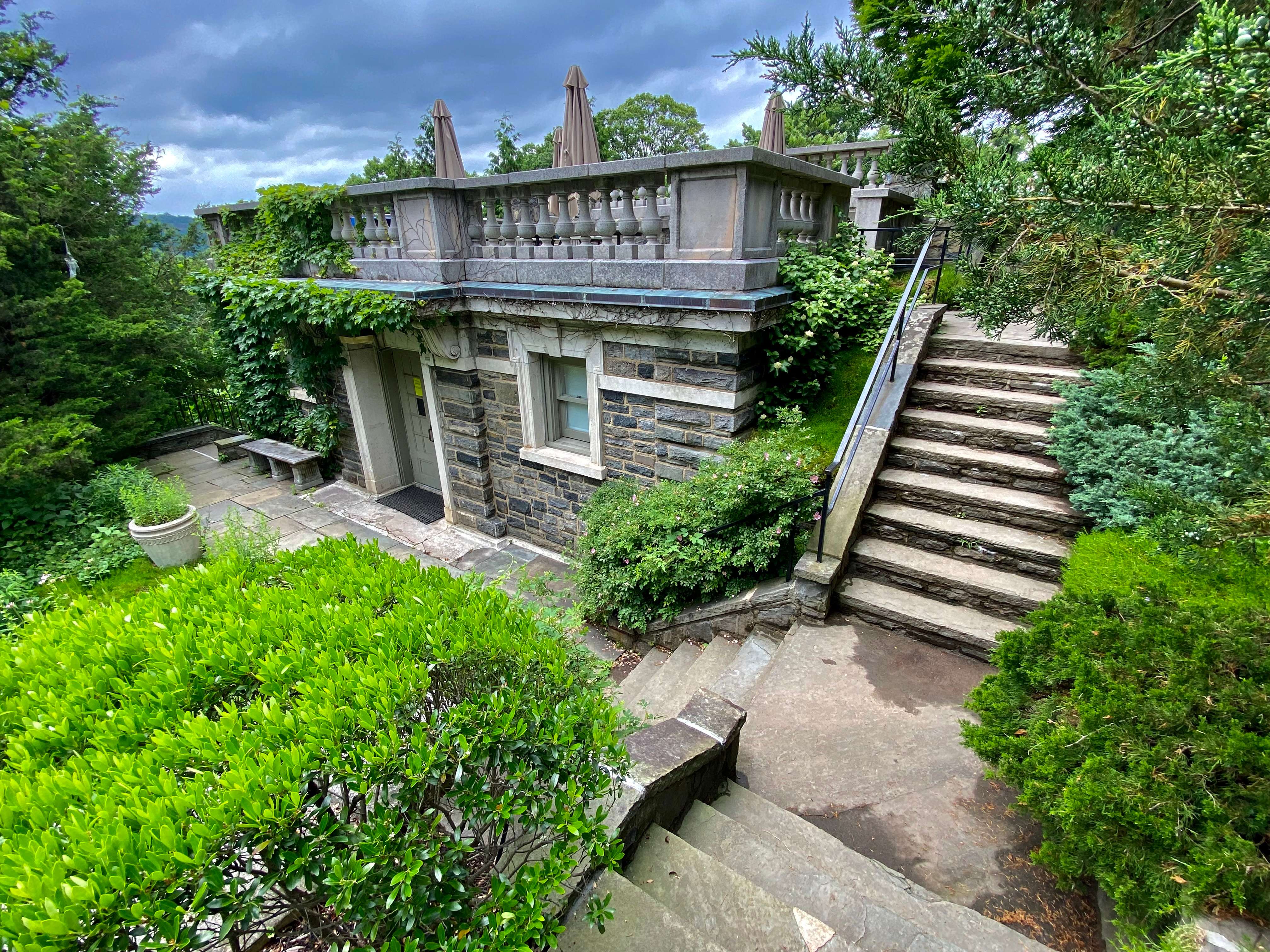
Mansions with rooftop forests are not just appealing for their aesthetics and environmental benefits; they also impact property value positively. As sustainable living becomes more desirable, homes that incorporate eco-friendly features are in high demand. These green roofs can significantly increase the market value of a property. Potential buyers are often willing to pay a premium for homes that offer a unique living experience and contribute to environmental conservation. This trend reflects a broader shift in consumer preferences towards sustainable and responsible living.
Legal and Zoning Considerations
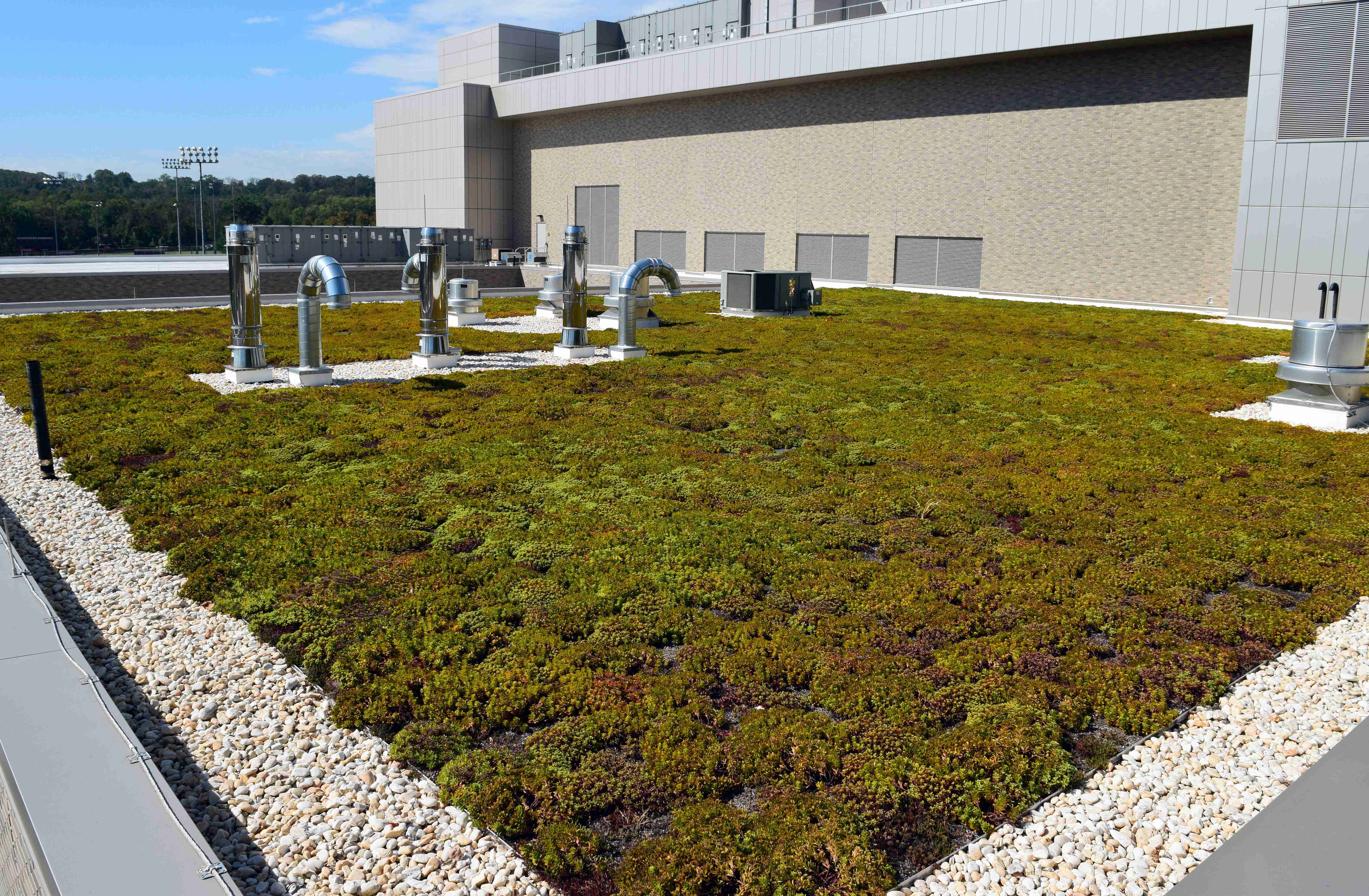
Before embarking on a project to create a rooftop forest, homeowners must navigate various legal and zoning regulations. Local authorities often have specific guidelines regarding building height, structural modifications, and environmental impact. It’s essential to obtain the necessary permits and ensure compliance with local laws. Some cities offer incentives for green roofs, such as tax breaks or grants, encouraging more property owners to adopt this sustainable practice. Understanding these legal requirements is crucial for the successful implementation of a rooftop forest.
Future of Urban Living
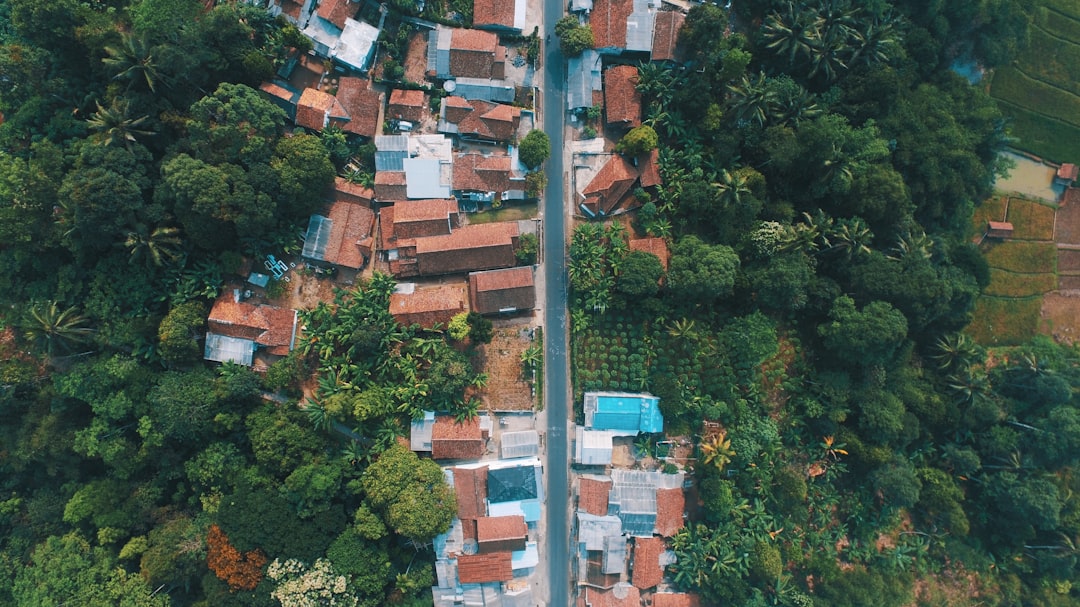
The trend of mansions with rooftop forests is indicative of a broader movement towards sustainable urban living. As cities continue to grow, integrating nature into urban environments becomes increasingly important. These green roofs offer a glimpse into the future of architecture, where buildings serve both functional and ecological purposes. They represent a harmonious blend of human innovation and natural beauty, paving the way for more sustainable cities. As more people embrace this concept, we can expect to see even more creative and ambitious designs in the years to come.
Conclusion: A Green Revolution in Real Estate
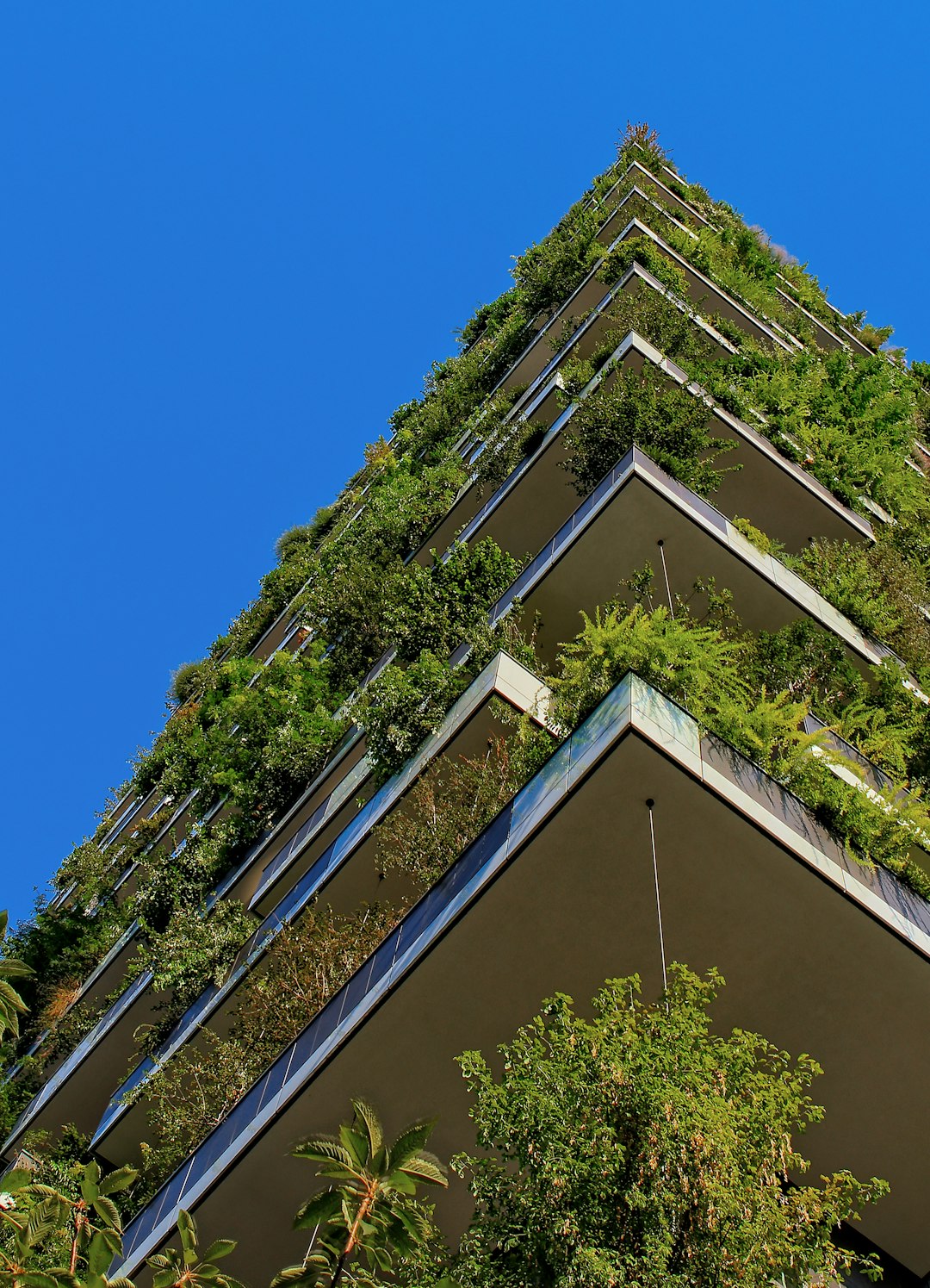
Mansions with rooftops that turn into forests are transforming the landscape of luxury real estate. They offer a unique blend of beauty, sustainability, and innovation, appealing to those who value both luxury and environmental responsibility. As this trend continues to grow, it challenges traditional notions of architecture and living spaces. The green revolution in real estate is here to stay, promising a future where urban living and nature coexist in harmony. This exciting development is just the beginning of a new era in sustainable architecture.

Matthias is a skilled author and digital storyteller with a focus on travel journalism, environmental issues, and modern home design. With a background in communications and a passion for global cultures, Matthias crafts engaging narratives that blend real-world exploration with thoughtful analysis and visual flair.
His writing reflects a deep interest in how climate change shapes our lives and lifestyles—from sustainable travel practices to eco-friendly living environments. Known for his clear, approachable voice and sharp editorial instincts, Matthias delivers content that resonates with readers seeking both inspiration and substance.
Whether reporting from remote destinations, breaking down sustainable design trends, or spotlighting innovative green initiatives, Matthias brings a global perspective and an eye for detail to every piece. He regularly contributes to web platforms and editorial projects that aim to foster awareness, creativity, and conscious living.