

Henrieke Otte is an accomplished writer and content editor, specializing in topics that inspire thoughtful living—ranging from global travel and sustainable lifestyles to interior design and architecture. With a keen editorial sense and a background in cultural studies, Henrieke brings depth, elegance, and clarity to every piece she crafts.
Her work is known for its engaging voice, visual sensitivity, and ability to turn complex ideas into accessible, reader-friendly narratives. Whether exploring eco-conscious destinations, dissecting climate-conscious home trends, or curating serene living spaces, Henrieke writes with a balance of creativity and insight that resonates with design-savvy, environmentally aware audiences.
Driven by a love of meaningful storytelling and a refined aesthetic, Henrieke contributes regularly to digital platforms and magazines where quality content meets visual sophistication.
Introduction to Extreme Environments
Humans have always sought shelter, but in some of the harshest environments on Earth, building homes presents unique challenges. From the icy tundras of the Arctic to the scorching deserts of the Sahara, architects and builders have developed innovative solutions to create livable spaces. These homes must withstand extreme temperatures, high winds, and other natural elements, showcasing the resilience and ingenuity of human beings.
Arctic Architecture: Surviving the Cold
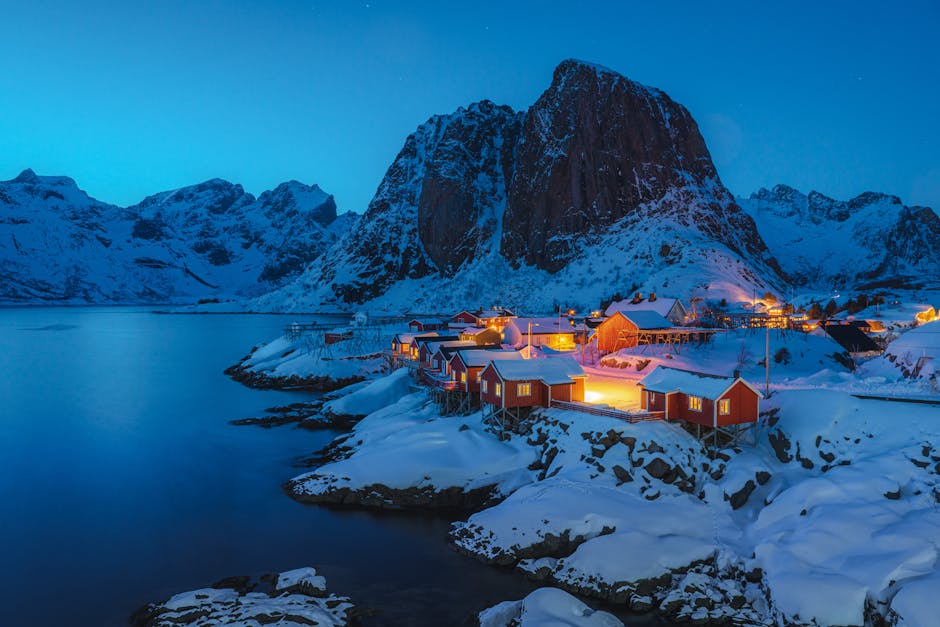
In the Arctic regions, homes are designed to combat extreme cold and heavy snowfall. Structures like the igloo, made from compacted snow, have been used for centuries by indigenous peoples. Modern Arctic homes often utilize advanced insulation materials and elevated foundations to prevent melting permafrost from destabilizing the structure. According to a study by the University of Alaska, homes built in these regions can reduce heating costs by up to 70% with proper insulation techniques. This not only makes them more energy-efficient but also more comfortable for the inhabitants. The Arctic environment demands a blend of traditional wisdom and modern technology to ensure homes are both sustainable and resilient.
Desert Dwellings: Adapting to Heat
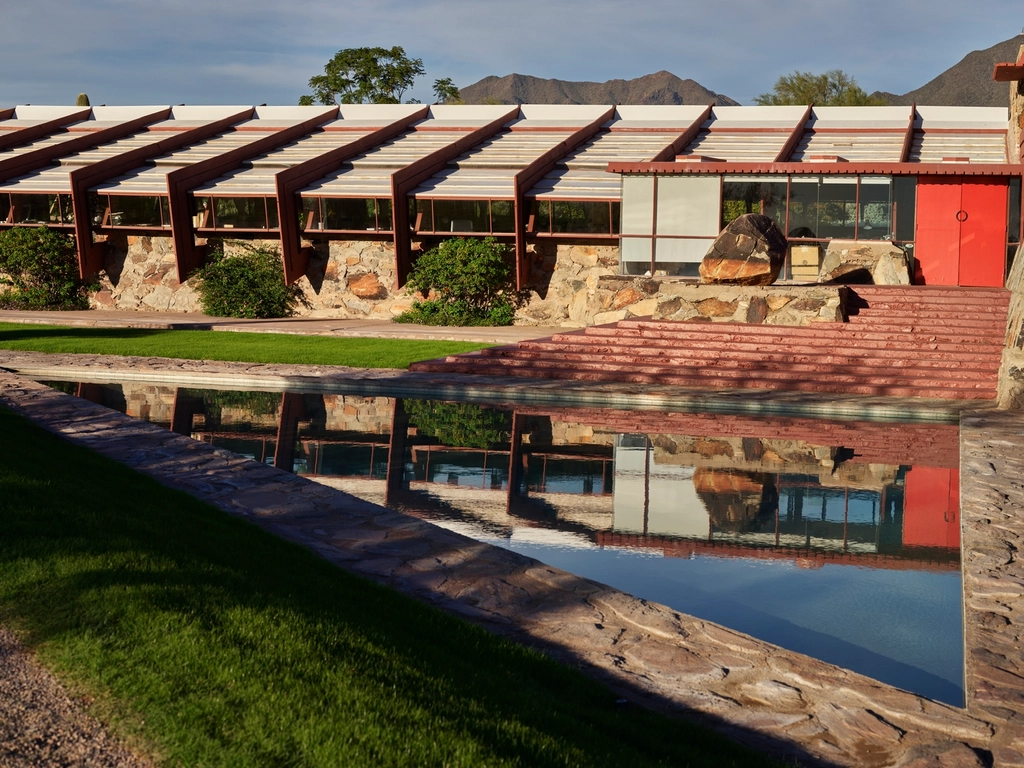
Desert environments pose their own set of challenges, with temperatures soaring during the day and plummeting at night. Homes in places like the Sahara are often built with thick walls made of adobe or stone, which help regulate indoor temperatures. The use of courtyards and strategic window placements maximizes airflow, reducing the need for artificial cooling. Research from the International Journal of Sustainable Energy shows that these traditional designs can lower energy consumption by up to 50%. By harnessing natural ventilation and thermal mass, desert dwellings offer a sustainable solution to living comfortably in hot climates.
Coastal Living: Battling the Elements
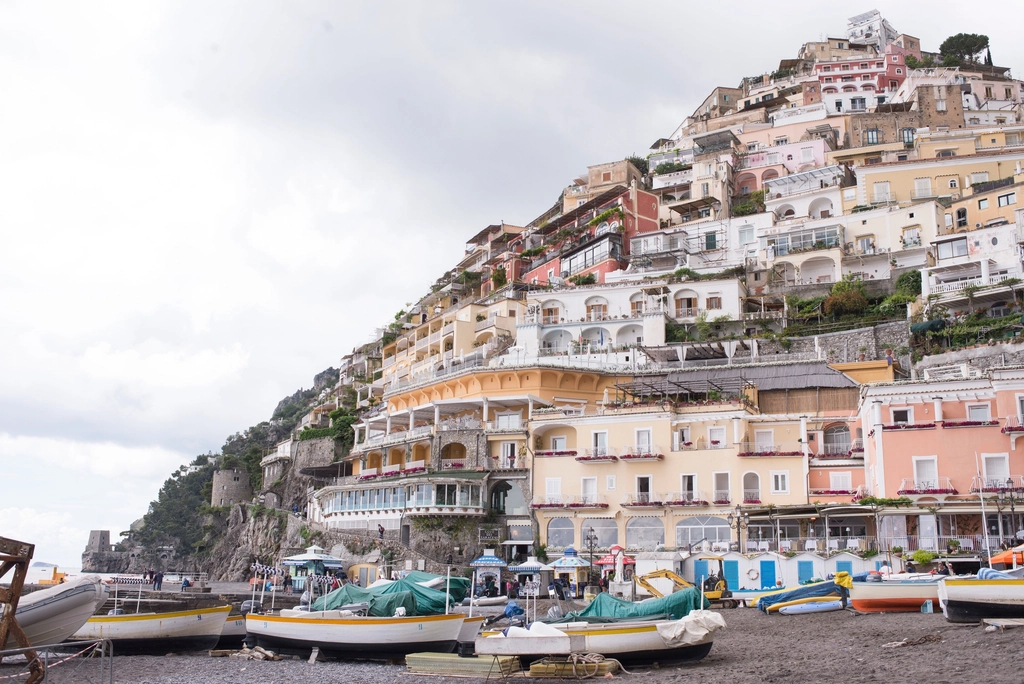
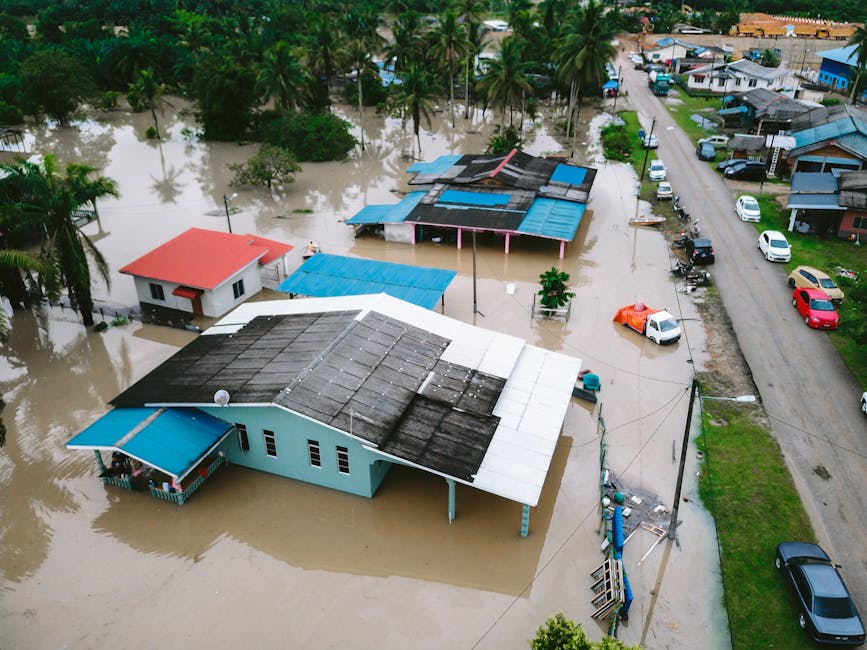
Coastal homes must withstand hurricanes, flooding, and erosion. Elevated structures on stilts are common in areas prone to flooding, allowing water to flow beneath without damaging the home. In addition, materials like concrete and steel are favored for their durability against high winds. The National Oceanic and Atmospheric Administration (NOAA) reports that homes built to modern hurricane codes can reduce damage costs by up to 80% during severe storms. Coastal architecture requires a delicate balance between aesthetics and functionality, ensuring safety without compromising on beauty.
Mountain Homes: Thriving at High Altitudes
Building in mountainous regions requires consideration of altitude, snow load, and accessibility. Homes in places like the Swiss Alps often feature steep roofs to prevent snow accumulation and are constructed with local materials to blend into the landscape. A study by the Swiss Federal Institute of Technology found that homes designed with local stone and timber can significantly reduce energy use and environmental impact. The unique challenges of mountain living demand innovative design solutions that respect both the environment and the cultural heritage of the area.
Urban Resilience: Adapting to Climate Change
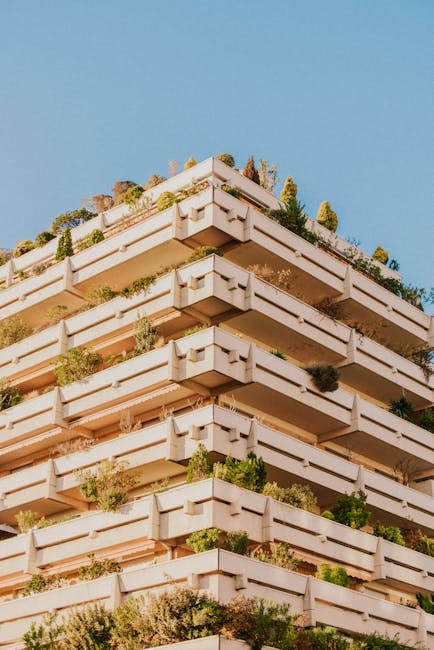
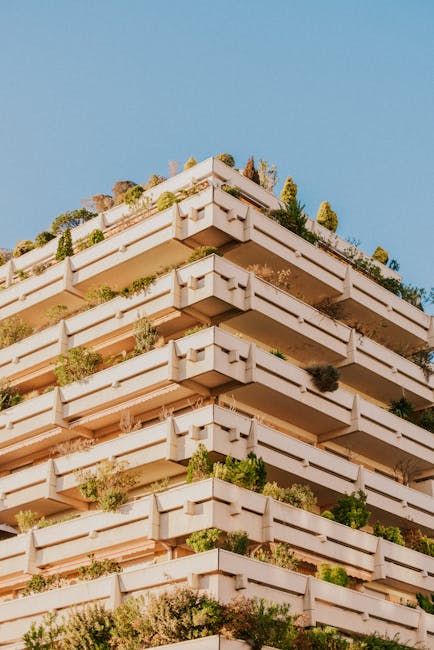
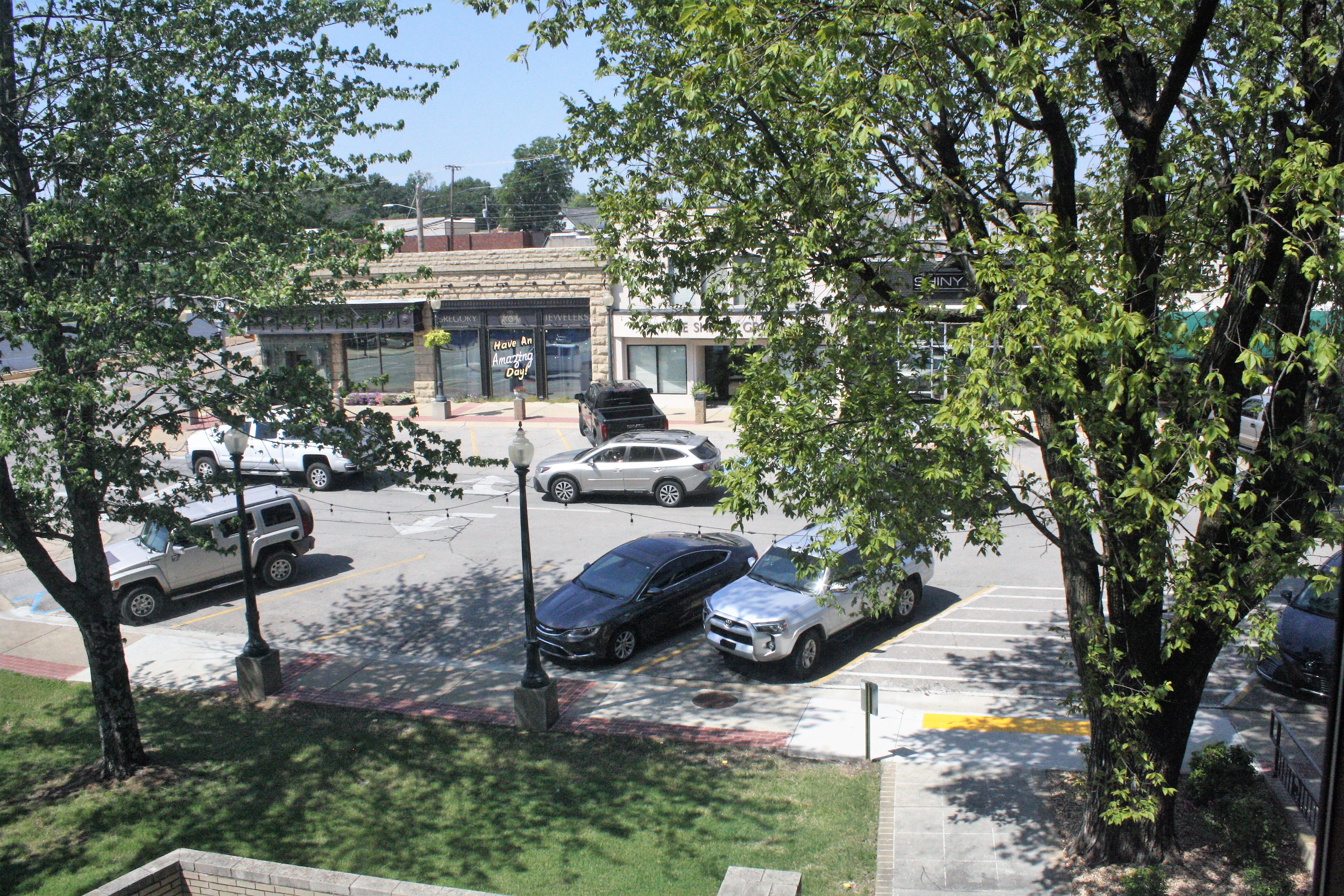
As cities face the impacts of climate change, urban architecture is evolving to create resilient homes. Green roofs, rainwater harvesting systems, and energy-efficient designs are becoming standard in urban planning. According to the World Resources Institute, implementing these sustainable practices can reduce urban heat by up to 5 degrees Celsius, improving livability in densely populated areas. Urban resilience requires a holistic approach, integrating technology, nature, and community engagement to create sustainable living spaces.
Innovations in Building Materials
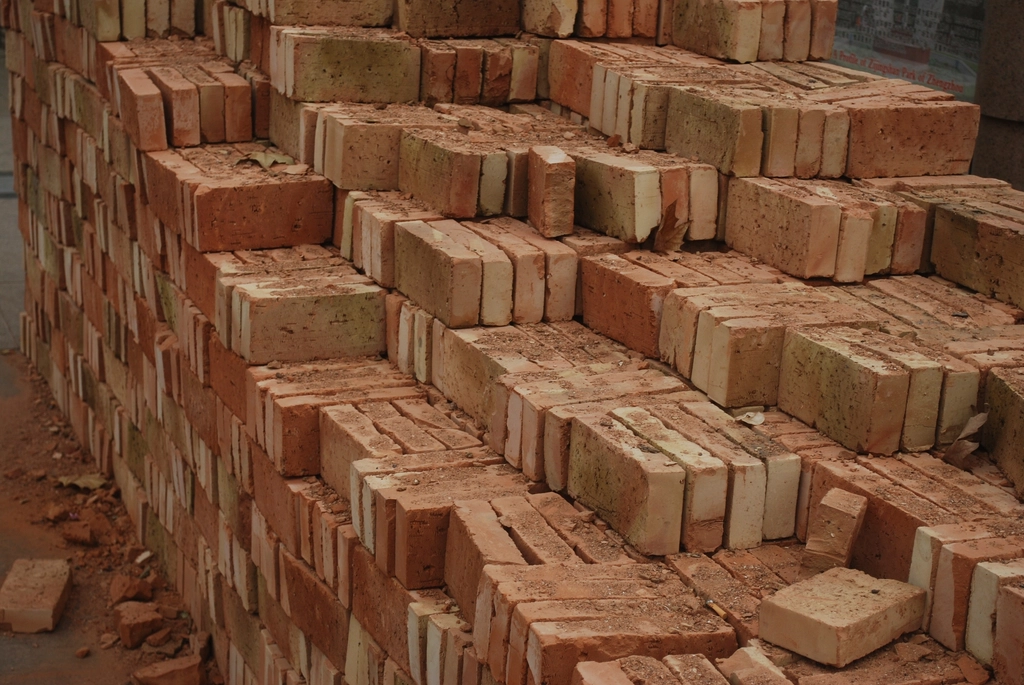
The development of new building materials is crucial for constructing homes in extreme environments. Materials like aerogel, known for its lightweight and insulating properties, are being explored for use in cold climates. Similarly, phase-changing materials that absorb and release heat can help regulate indoor temperatures in both hot and cold environments. Research from the Massachusetts Institute of Technology highlights that these innovations could revolutionize how we build in challenging conditions. By embracing new technologies, we can create more efficient and adaptable homes that meet the demands of diverse environments.
The Role of Technology in Home Design
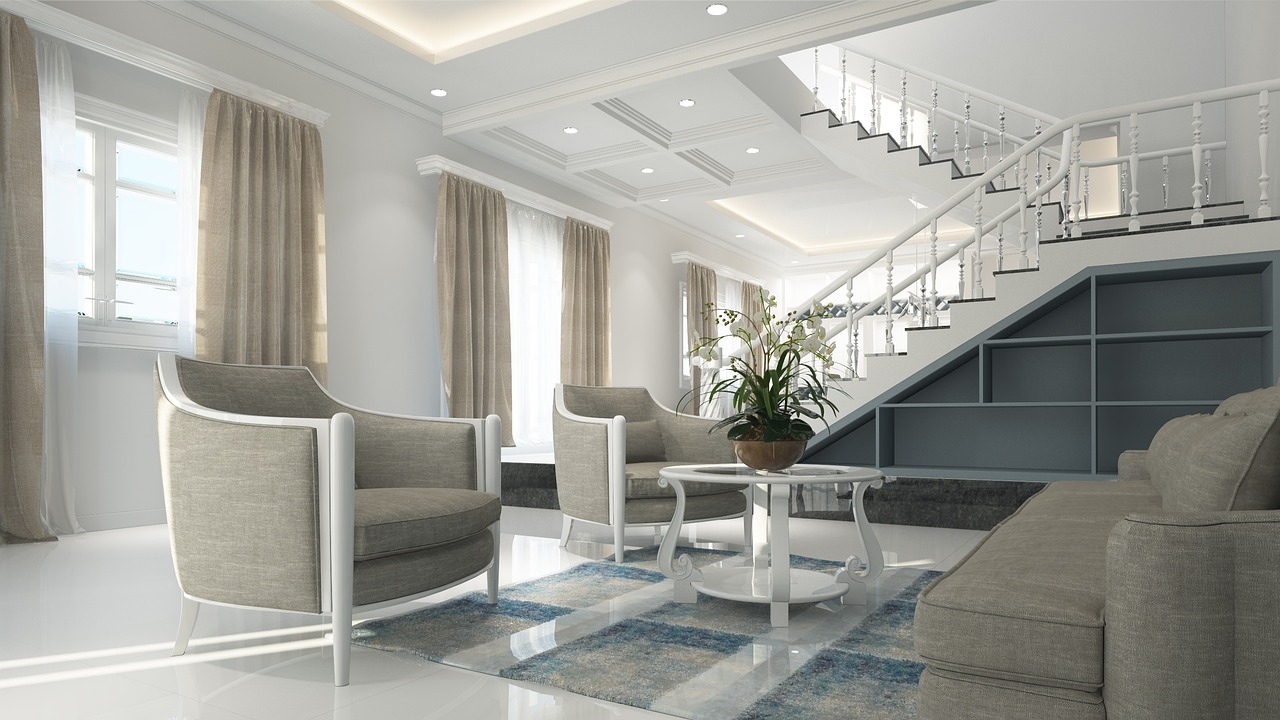
Advancements in technology have transformed home design in harsh environments. 3D printing, for instance, allows for the rapid construction of homes using local materials, reducing transportation costs and environmental impact. Drones are also being used to survey land and assess building sites, ensuring that homes are built in the safest locations. A report from the World Economic Forum suggests that these technologies could reduce construction time by up to 50%. By leveraging technology, we can build smarter, faster, and more sustainably in even the most challenging conditions.
Cultural Influences on Housing Design
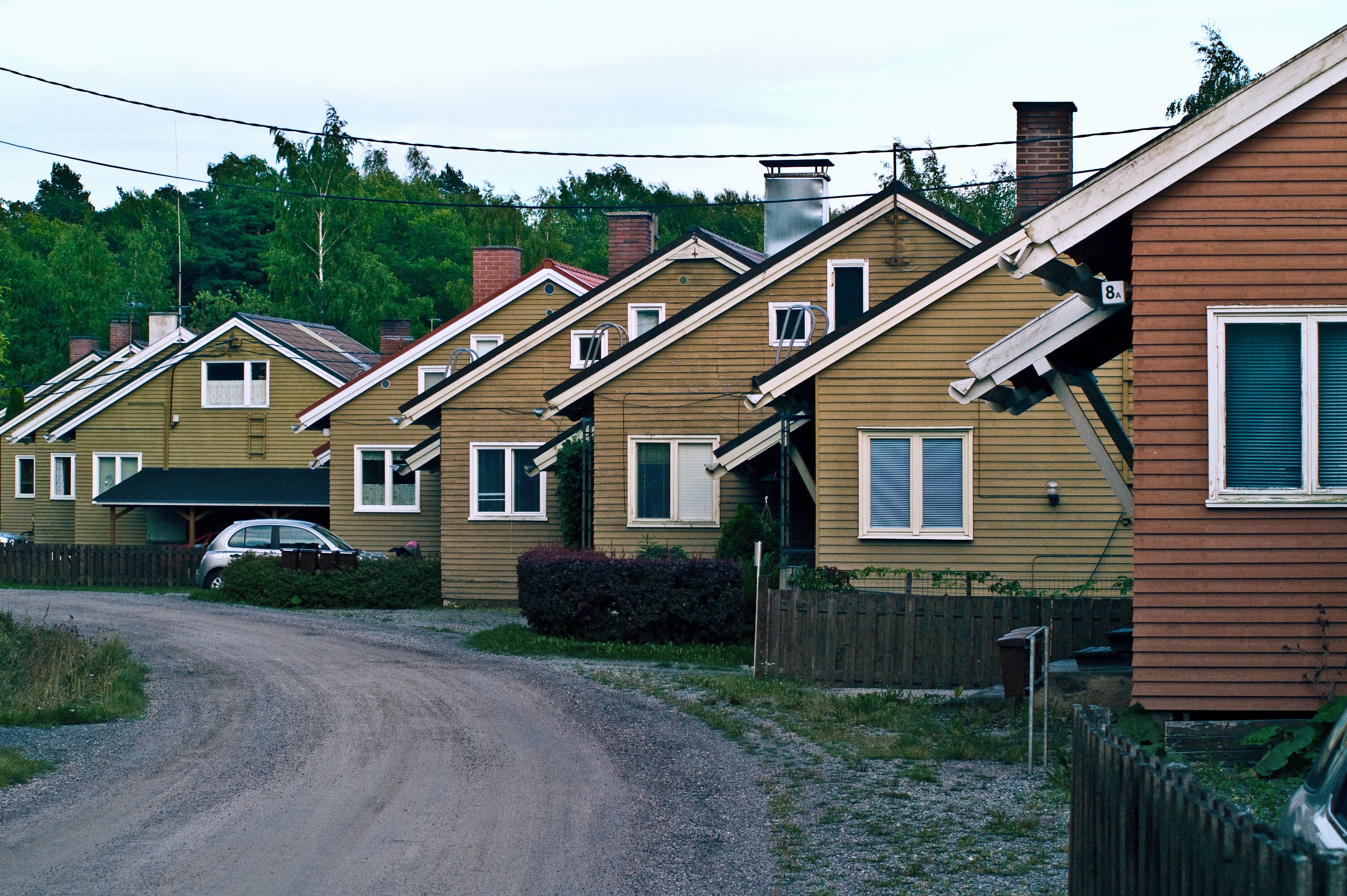
Cultural practices and traditions significantly influence how homes are built in extreme environments. For example, the use of natural materials and traditional building techniques reflects a deep connection to the land and climate. In many indigenous cultures, homes are designed to be temporary and adaptable, allowing for mobility in response to changing environmental conditions. This cultural perspective is vital for sustainable living in harsh climates. By respecting and integrating cultural wisdom, we can create homes that are both functional and harmonious with their surroundings.
Future Challenges and Solutions

As climate change continues to impact global weather patterns, the challenges of building in extreme environments will only increase. Rising sea levels threaten coastal homes, while desertification poses risks to arid regions. Addressing these challenges will require innovative solutions, collaboration between architects and environmental scientists, and a commitment to sustainable practices. The future of housing in harsh environments will depend on our ability to adapt and innovate in the face of adversity. By working together, we can build a resilient future that respects both nature and human needs.

Henrieke Otte is an accomplished writer and content editor, specializing in topics that inspire thoughtful living—ranging from global travel and sustainable lifestyles to interior design and architecture. With a keen editorial sense and a background in cultural studies, Henrieke brings depth, elegance, and clarity to every piece she crafts.
Her work is known for its engaging voice, visual sensitivity, and ability to turn complex ideas into accessible, reader-friendly narratives. Whether exploring eco-conscious destinations, dissecting climate-conscious home trends, or curating serene living spaces, Henrieke writes with a balance of creativity and insight that resonates with design-savvy, environmentally aware audiences.
Driven by a love of meaningful storytelling and a refined aesthetic, Henrieke contributes regularly to digital platforms and magazines where quality content meets visual sophistication.