
Matthias is a skilled author and digital storyteller with a focus on travel journalism, environmental issues, and modern home design. With a background in communications and a passion for global cultures, Matthias crafts engaging narratives that blend real-world exploration with thoughtful analysis and visual flair.
His writing reflects a deep interest in how climate change shapes our lives and lifestyles—from sustainable travel practices to eco-friendly living environments. Known for his clear, approachable voice and sharp editorial instincts, Matthias delivers content that resonates with readers seeking both inspiration and substance.
Whether reporting from remote destinations, breaking down sustainable design trends, or spotlighting innovative green initiatives, Matthias brings a global perspective and an eye for detail to every piece. He regularly contributes to web platforms and editorial projects that aim to foster awareness, creativity, and conscious living.
The Silent Crisis in Your Community
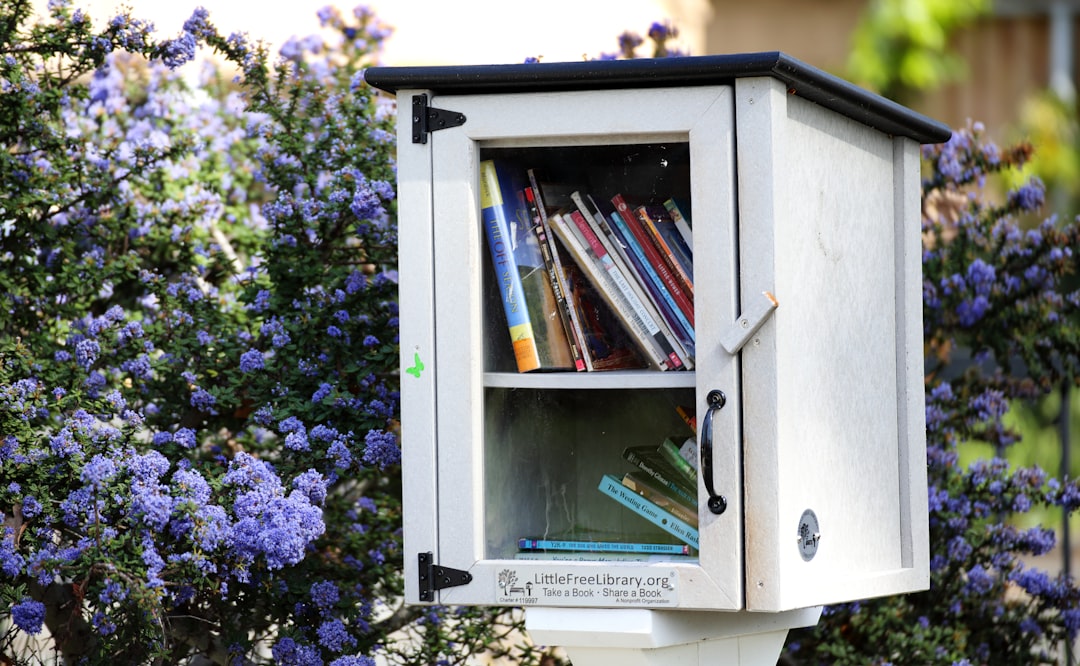
Did you know that more than 150,000 public book exchanges are registered with the organization and branded as Little Free Libraries? Picture this: in Detroit, there is as few as one book for every 42 children in certain neighborhoods. That’s not a typo – it’s a startling reality that shows how book deserts are spreading across America.
These small wooden boxes aren’t just cute yard decorations. They’re addressing a real problem that traditional libraries can’t solve alone. While your local library might close at 5 PM, a Little Free Library is open round-the-clock, welcoming readers at any hour.
The Global Movement That Started Small
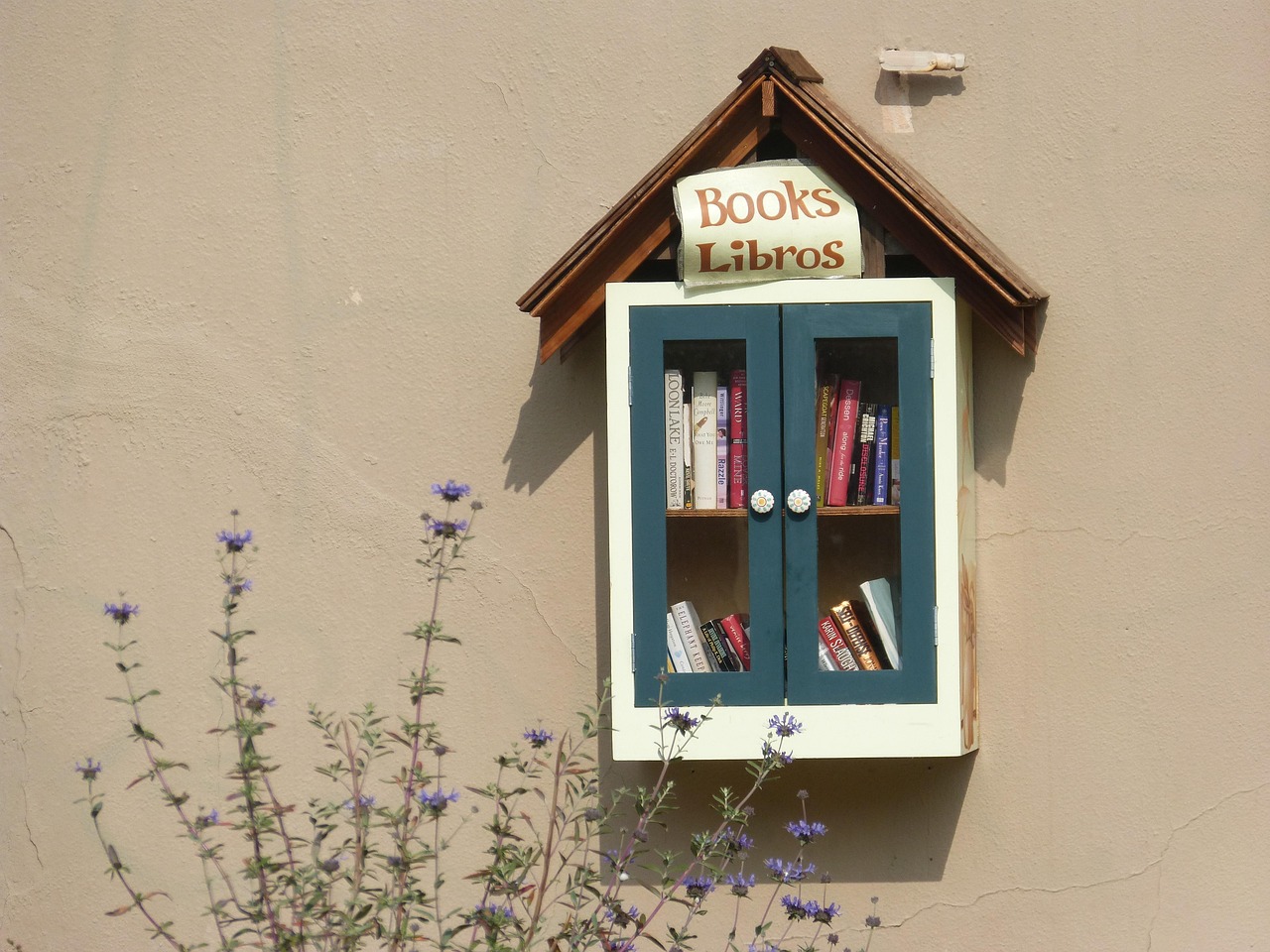
The first Little Free Library wasn’t part of some grand plan. The first Little Free Library, built by Todd Bol in 2009, was a tribute to his late mother, a teacher who loved reading. What started as one man’s memorial to his mom has now spread to something incredible. Through Little Free Libraries, present in 115 countries, millions of books are exchanged each year, with the aim of increasing access to books for readers of all ages and backgrounds.
This isn’t just happening in wealthy suburbs anymore. The movement has reached places where books are scarce, where public libraries are underfunded, and where communities are hungry for connection. It’s proof that sometimes the biggest changes start with the smallest gestures.
Why Your Neighborhood Needs This Now
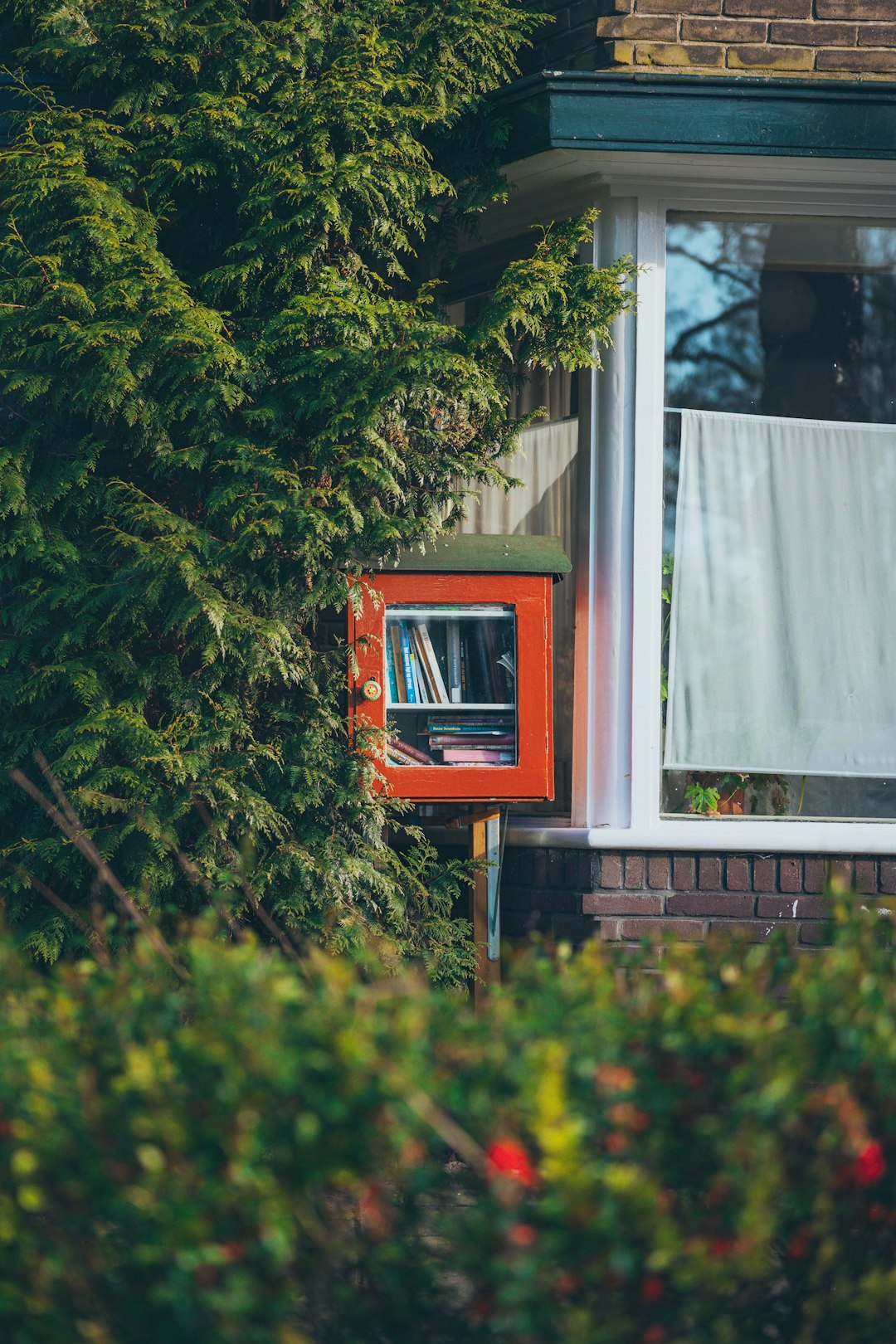
93% of Impact Library recipients agree that their granted little library is providing access to books to people who have little-to-no access to books elsewhere. But it’s not just about the books – it’s about what happens when neighbors start talking to each other again. Little Free Libraries across the United States, and increasingly in other countries, have generated discussion, promoted collaboration between neighbours, and led to sharing. In other words, they have built communities.
In a world where we barely know our neighbors’ names, these little boxes create conversations. People stop, browse, chat about books they’ve read, and suddenly strangers become friends. It’s social infrastructure disguised as a simple book exchange.
The Research Behind Community Building
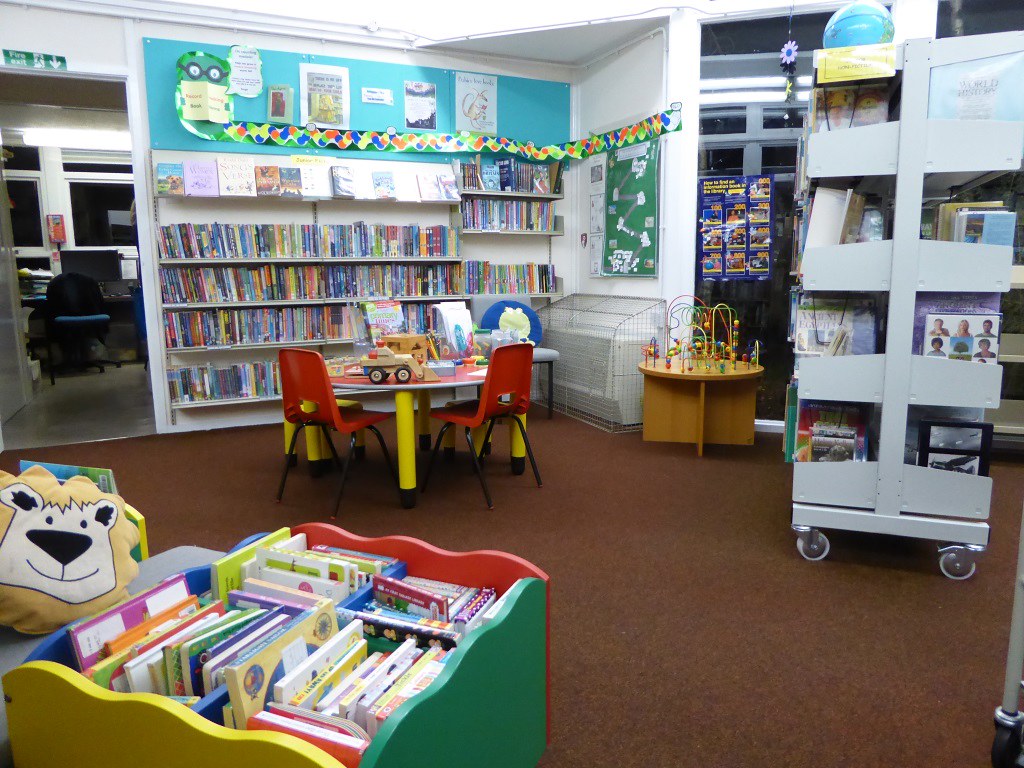
Studies show that especially in so-called book deserts, Little Free Library is an essential part of the ecosystem of children, literacy, and libraries. But the impact goes beyond just reading. Descriptive and multivariate findings on library services offered in response to weather extremes, economic hardships, and the COVID-19 pandemic revealed that Midwestern libraries provide high levels of service to their patrons, regardless of community resources.
The emotional connection runs deep too. People recount their desire to build a sense of community and share their love of reading with neighbours. One steward shared, “I love books and I want to be able to help foster that love in our neighbourhood as well”.
Understanding the Controversy
Not everyone’s convinced these little boxes are helpful. Schmidt joined with human geographer and librarian Jordan Hale of the University of Toronto to study Little Free Libraries, including mapping Toronto’s book boxes in relation to public library branch locations. The geographical analysis of Toronto’s Little Free Libraries confirmed their suspicions: the city’s book-exchange boxes didn’t water so-called “book deserts” but instead existed in affluent areas with easy access to public library branches.
Some worry that another potential unintended consequence of the LFLs is decreasing visits to public libraries, which could provide officials seeking to defund them with evidence that they are no longer relevant or necessary. These concerns are valid, but they miss the point – Little Free Libraries aren’t replacements for public libraries, they’re supplements.
Getting Started: Your First Steps

Ready to bring one to your neighborhood? Little Free Library is a nonprofit organization with a mission to build community, inspire readers, and expand book access for all through a global network of volunteer-led Little Free Libraries. The process is simpler than you might think, but it requires commitment.
First, you’ll need to register your library with the official organization. This gives you access to resources, a charter number, and connects you to a global network. The Little Free Library app makes it easy to find little library locations near you, and it’s where your library will be listed once it’s up and running.
Choosing the Perfect Location
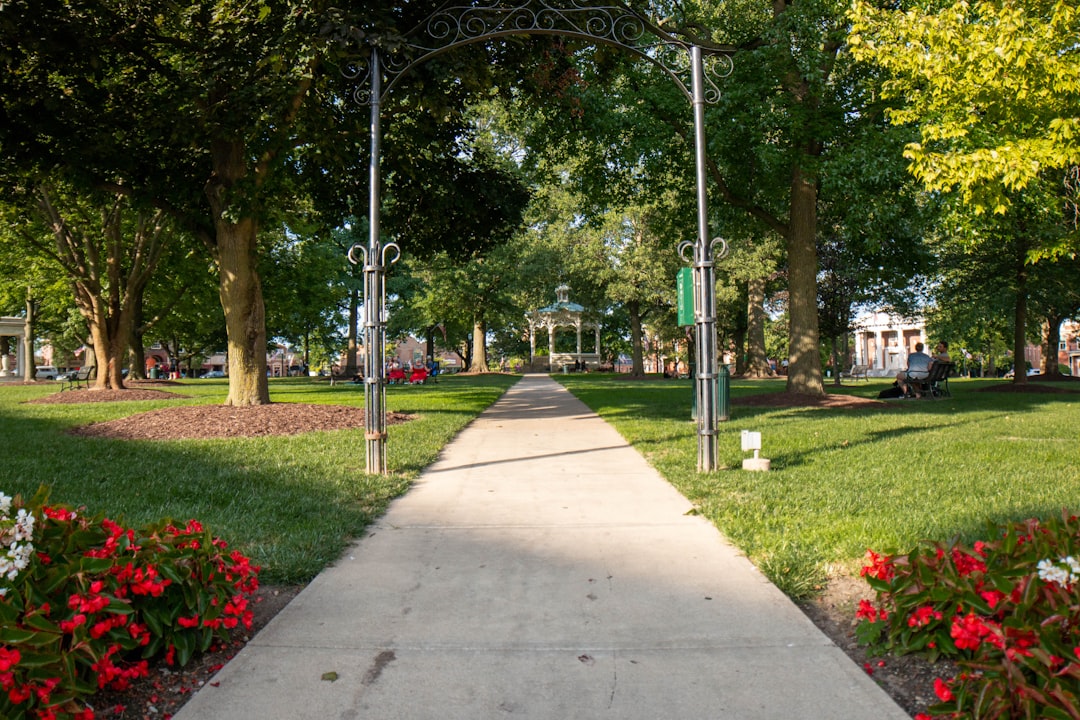
Location can make or break your Little Free Library’s success. You want high foot traffic but also safety and accessibility. Think about places where people naturally walk – near bus stops, parks, or busy sidewalks. The spot should be visible from the street but not obstructing traffic or blocking views for drivers.
Check local regulations first. Some cities have specific rules about placing structures in right-of-ways or front yards. Don’t let bureaucracy discourage you – most communities are supportive once they understand the purpose. If you hit roadblocks, consider partnering with local businesses, schools, or community centers that might host your library.
Building vs. Buying Your Library
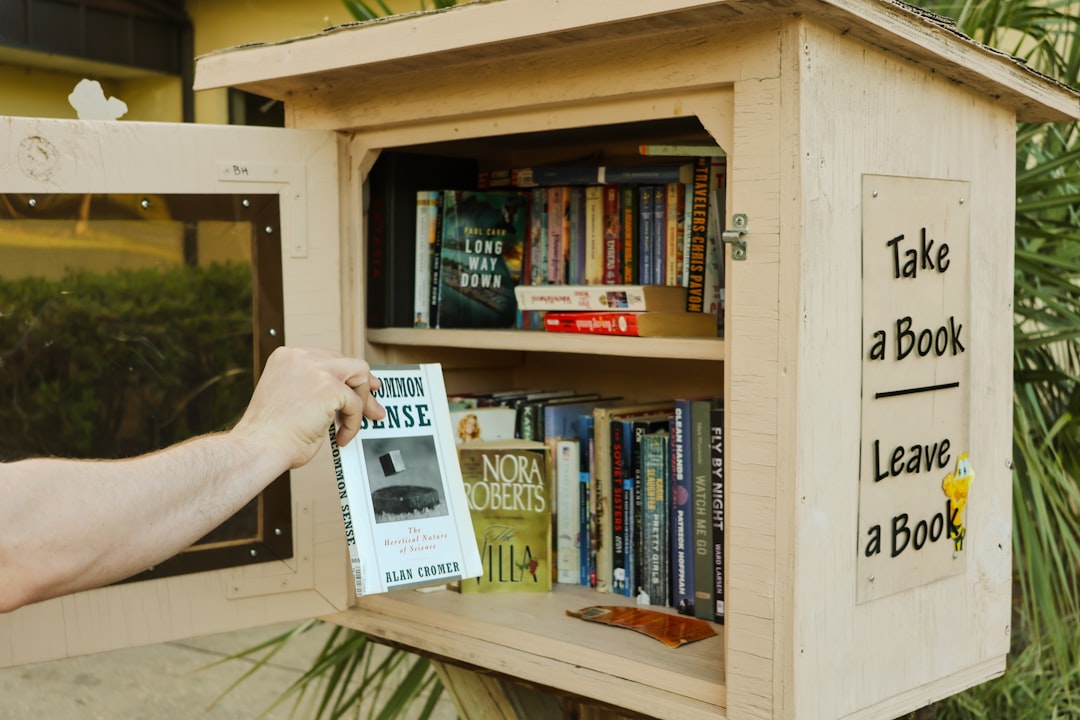
You have two main options: build your own or buy a pre-made one. Use these Little Free Library plans to build one in your yard or community that allows everyone you know to share their love of reading. Building your own can be a fun family project and costs less, typically running between fifty to one hundred dollars for materials.
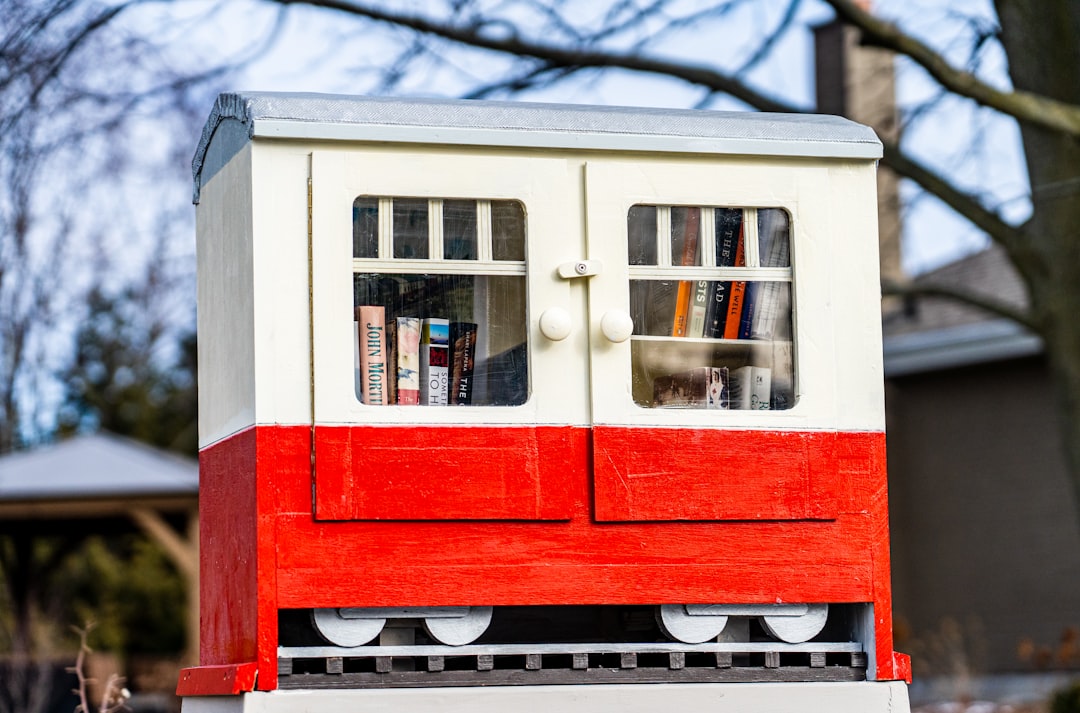
If you’re not handy with tools, buying a ready-made library is worth considering. Shop for Little Free Library boxes, little library kits and plans, library signs, gifts, apparel, and more. The official Little Free Library shop offers various styles, from simple wooden boxes to elaborate mini-houses.
Stocking Your Library Strategically
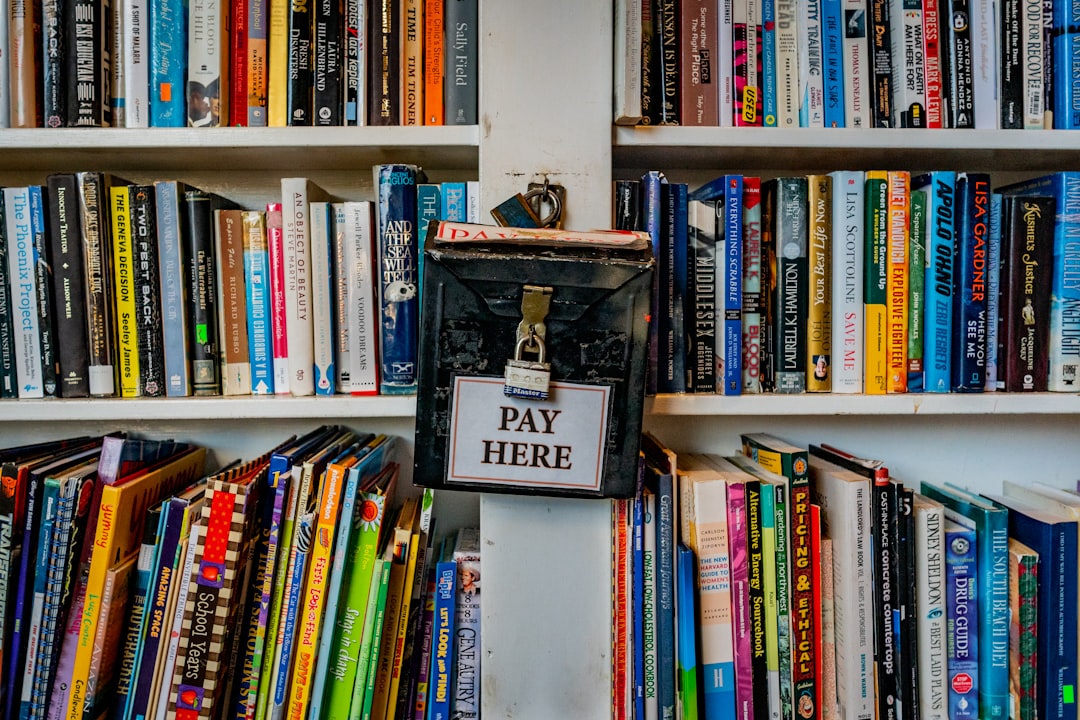
The books you start with set the tone for your library. Include a mix of genres, reading levels, and age groups. Children’s books tend to disappear quickly, so stock up on those. Adult fiction, especially popular paperbacks, also moves fast. Don’t forget about non-fiction – cookbooks, DIY guides, and local history books often find eager readers.
Quality matters more than quantity. Start with maybe twenty to thirty books rather than cramming in hundreds. Weathered books are fine, but avoid anything damaged, outdated, or inappropriate for a general audience. Remember, you’re curating a collection that represents your community’s interests and values.
Maintenance: The Key to Long-Term Success
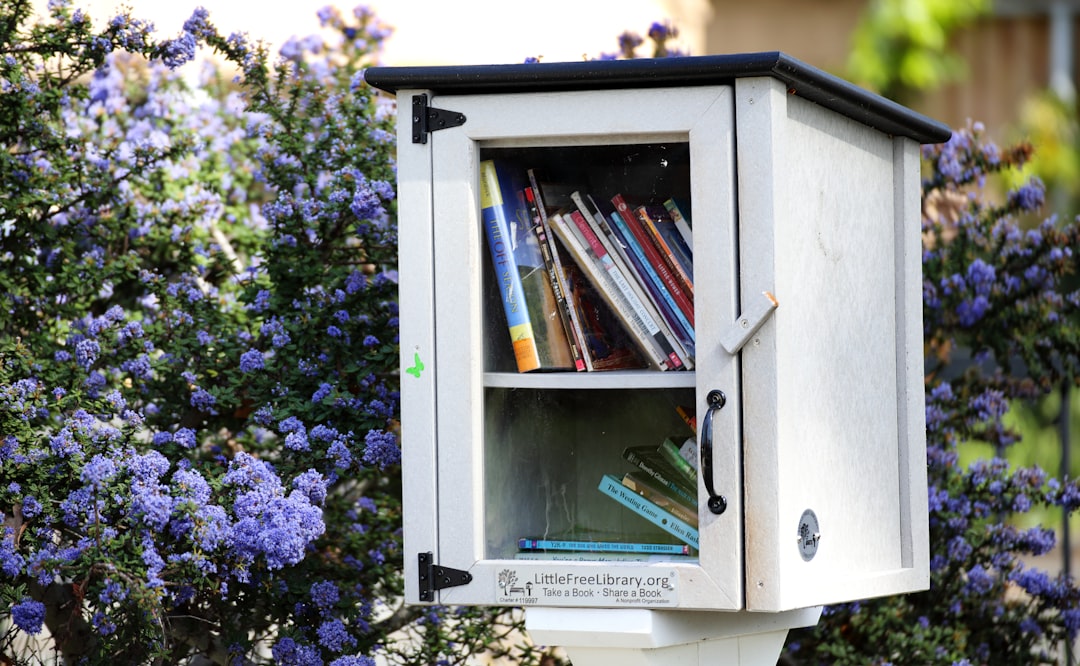
Here’s what nobody tells you about Little Free Libraries: they need regular care. If you’ve thought of starting one, but were wondering about the cost of a Little Free Library, this will give you an idea of what to expect. Beyond initial setup costs, you’ll spend time and money maintaining your library.
Plan to check your library at least weekly. You’ll need to organize books, clean the interior, and watch for weather damage. During busy seasons, you might need to restock every few days. Budget for ongoing book purchases, cleaning supplies, and occasional repairs. It’s not expensive, but it’s consistent.
Building Community Around Your Library
Your Little Free Library becomes truly special when it becomes a community hub. In a time when many are isolated by screens and fast-paced routines, this simple wooden box has helped restore a sense of community. It stands as a beacon of love and literacy in a community often overlooked, reminding us that East LA is home to readers, dreamers, and people who care deeply for one another.
Consider hosting events around your library. Book clubs, story time for kids, or themed book swaps can bring neighbors together. Social media can help spread the word – share photos of interesting books, celebrate milestones, and encourage community members to post about their finds.
Handling Challenges and Setbacks
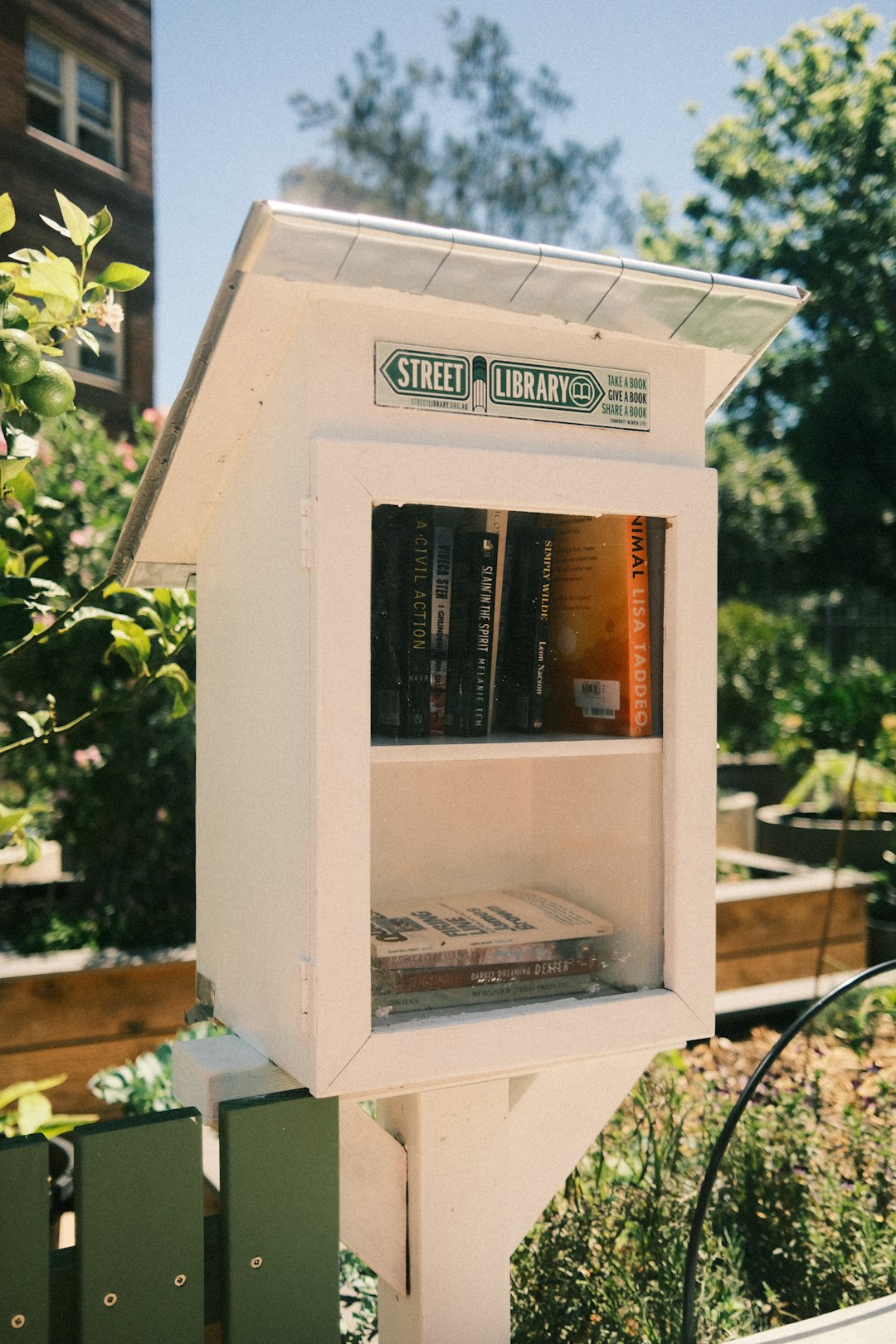
Not everything will go smoothly. Books might get damaged by weather, vandalism could occur, or you might face complaints from neighbors. These challenges are normal and manageable with the right approach.
Weather protection is crucial. Make sure your library has proper drainage and weatherproofing. If vandalism becomes a problem, consider adding security features like locks or cameras, though this might reduce accessibility. For neighbor complaints, communication is key – explain the benefits and invite them to participate rather than just complain.
Measuring Your Impact
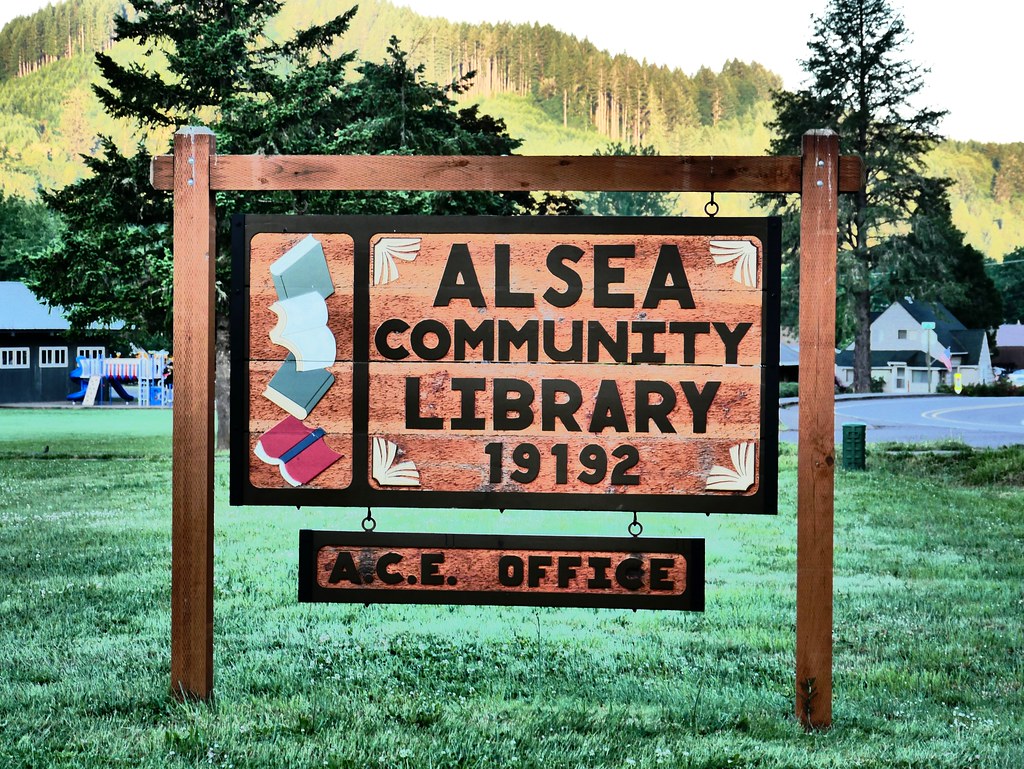
Submit a photo and story about the impact of the library after installation is part of the commitment when you receive a library through the Impact Library Program. But tracking your library’s success goes beyond formal requirements.
Keep a simple log of book turnover, community feedback, and special moments. Take photos of particularly active periods or interesting book selections. These records help you understand what’s working and what needs adjustment. They also provide great material for sharing your library’s story with others who might want to start their own.
The Lasting Legacy
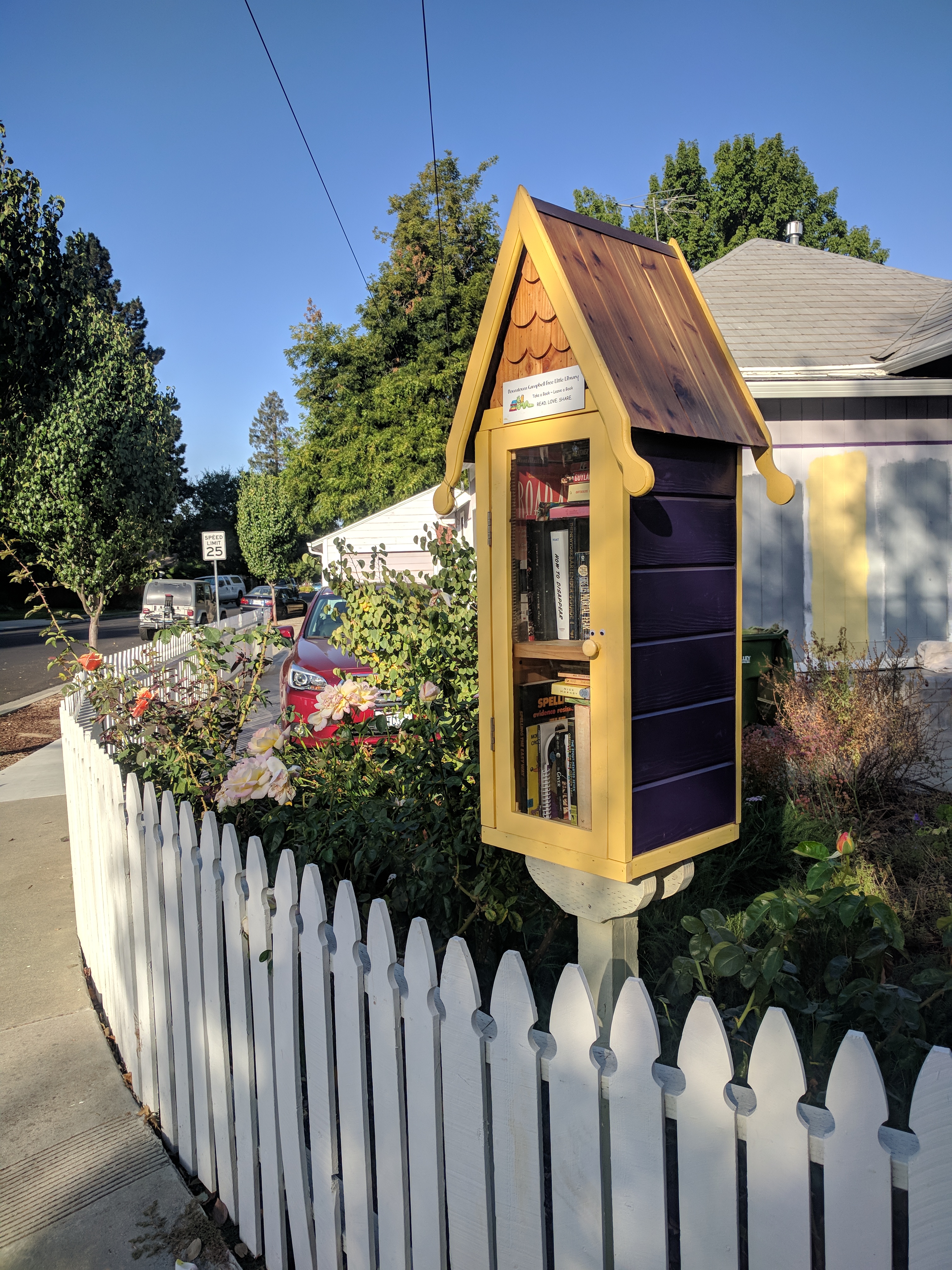
When you start a Little Free Library, you’re not just sharing books – you’re planting seeds for stronger communities. If you’re not familiar with Little Free Library, it’s a non-profit organization that aims to provide books for all people, regardless of their income, interests or age. Not only that, but they also want to help bring communities together and act as a mini-town square, which I absolutely love.
Your little wooden box might seem small, but its impact ripples outward. Children discover new authors, adults find escape in novels, neighbors chat about shared interests, and communities grow stronger. In a world that often feels divided, Little Free Libraries remind us that connection is possible through the simple act of sharing stories.
So when you see that empty corner in your neighborhood, that spot where people walk by without really seeing each other, imagine a Little Free Library there. Picture the conversations it might start, the books it might circulate, and the community it might help build. What story will your neighborhood tell?

Matthias is a skilled author and digital storyteller with a focus on travel journalism, environmental issues, and modern home design. With a background in communications and a passion for global cultures, Matthias crafts engaging narratives that blend real-world exploration with thoughtful analysis and visual flair.
His writing reflects a deep interest in how climate change shapes our lives and lifestyles—from sustainable travel practices to eco-friendly living environments. Known for his clear, approachable voice and sharp editorial instincts, Matthias delivers content that resonates with readers seeking both inspiration and substance.
Whether reporting from remote destinations, breaking down sustainable design trends, or spotlighting innovative green initiatives, Matthias brings a global perspective and an eye for detail to every piece. He regularly contributes to web platforms and editorial projects that aim to foster awareness, creativity, and conscious living.