


Matthias is a skilled author and digital storyteller with a focus on travel journalism, environmental issues, and modern home design. With a background in communications and a passion for global cultures, Matthias crafts engaging narratives that blend real-world exploration with thoughtful analysis and visual flair.
His writing reflects a deep interest in how climate change shapes our lives and lifestyles—from sustainable travel practices to eco-friendly living environments. Known for his clear, approachable voice and sharp editorial instincts, Matthias delivers content that resonates with readers seeking both inspiration and substance.
Whether reporting from remote destinations, breaking down sustainable design trends, or spotlighting innovative green initiatives, Matthias brings a global perspective and an eye for detail to every piece. He regularly contributes to web platforms and editorial projects that aim to foster awareness, creativity, and conscious living.
The Sacred Six AM Boundary
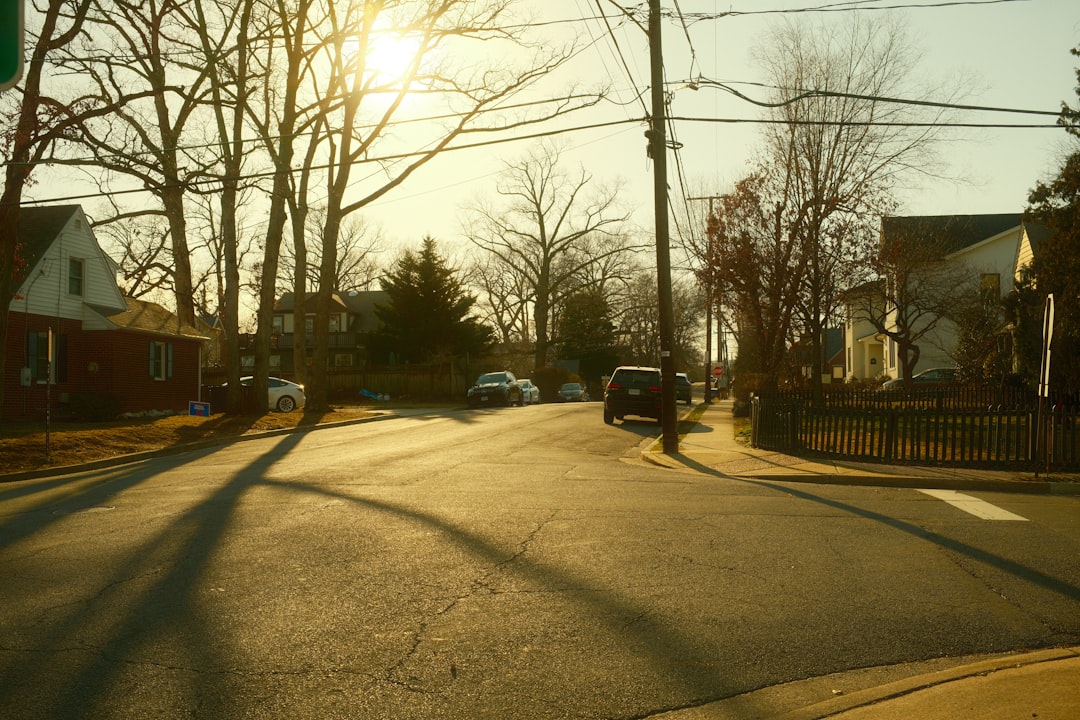
Every neighborhood has its invisible rules, and none is more universally understood than the quiet morning hour. The time between roughly six and eight in the morning represents something sacred – a buffer zone between the night’s rest and the day’s obligations. Most local noise ordinances designate “quiet hours” from 10 p.m. to 7 a.m. on weekdays and until 8 or 9 a.m. on weekends. This isn’t just bureaucratic red tape; it’s a codification of what neighbors have always known intuitively.
The person who fires up their lawnmower at dawn isn’t just breaking a rule – they’re violating a social contract that keeps communities functioning. Running a power mower might be permitted at 10 a.m. on Saturday, but not at 7 a.m. These morning hours serve as a transitional space where coffee brews quietly, dogs are walked with hushed voices, and car doors close with deliberate gentleness.
The Noise Nuisance Reality

Research solidly supports claims that noise is a health hazard, not just a nuisance. According to the Centers for Disease Control and Prevention, exposure to certain everyday sounds at close range, such as lawnmowers and motorcycles, can cause hearing damage. But the impact goes beyond physical harm. When neighbors consistently disrupt quiet hours, they’re affecting sleep patterns, stress levels, and overall quality of life for everyone around them.
The statistics on noise complaints tell a sobering story. Many towns prohibit sustained noise that exceeds a certain decibel level. The decibel limits are set according to the time of day and the neighborhood zoning. When a neighbor complains, police place decibel level monitoring equipment at a certain distance and take a reading. This systematic approach reveals just how seriously communities take noise violations.
What makes morning noise particularly egregious is its timing. The daily early morning tooting across the street for the carpool is a violation. Even something as seemingly innocent as honking for a friend becomes a neighborhood disruption when it happens at 6:30 AM.
The Apartment Quiet Hour Covenant
In multi-family housing, the quiet hour agreement becomes even more crucial. Quiet hours generally begin somewhere around 10 p.m. and end anywhere between 5 a.m. and 8 a.m. Quiet hours might also be different on weekdays and weekends. These aren’t arbitrary restrictions – they’re essential for maintaining sanity in close quarters.
Standard rental and lease agreements contain a clause entitled “Quiet Enjoyment.” This clause gives tenants the right to occupy their rental in peace—and imposes upon them the responsibility not to disturb their neighbors. The beauty of this arrangement is its reciprocal nature. You get peaceful mornings, but you also have to provide them for others.
The Decibel Mathematics of Courtesy

Understanding the actual numbers behind noise ordinances reveals how carefully communities have thought about neighbor relations. Noise levels of activities ranged from 51 to 86 dB(A), depending on the types of noise and actions taken to lower the noise levels. Of the activities measured, the loudest noise was generated from the use of a handheld drill (86 dB(A)), while the quietest noise was recorded when furniture was dragged across a carpeted floor (51 dB(A)). For context, a normal audible conversation between two persons can reach 60 dB.
These measurements from Singapore’s noise research show that even simple activities like moving furniture can become problematic without proper consideration. The difference between acceptable and disruptive noise often comes down to just a few decibels and the time of day.
The Pet Noise Equation

Pets are another major contributor to noise pollution. The NYC noise ordinance states that owners must do their best to limit noise from animals, especially during quiet hours. A single bark is not a cause for complaint. But residents have the right to contact law enforcement if animal noise persists for more than ten continuous minutes during the day (7 am to 10 pm) or five straight minutes during quiet hours (10 pm to 7 am).
The specificity of these regulations – ten minutes versus five minutes – reveals how much thought goes into balancing pet ownership with neighborhood peace. It’s not about eliminating all animal sounds, but about ensuring that pet owners take responsibility for managing their animals’ impact on others.
The Construction Courtesy Calendar

Construction is one of the biggest contributors to noise pollution. To help curb some of this unwanted noise, construction is limited to the hours between 7 am and 6 pm on weekdays. In addition, only certain types of construction are permitted on weekends between the hours of 10 am and 4 pm and must be at least 300 feet from a place of worship.
These restrictions demonstrate how communities balance necessary work with residential peace. Even productive, necessary noise has its place and time. The weekend restrictions are particularly telling – they acknowledge that Saturday morning is precious to many people and shouldn’t be disrupted without compelling reason.
The Courtesy Hour Concept

Courtesy Hours are in effect 24 hours a day, seven days a week. Residents are expected to comply with the reasonable requests of fellow residents or Housing staff members and go about their activities in a quieter manner. This concept extends beyond official quiet hours to embrace a philosophy of constant consideration.
The idea is revolutionary in its simplicity: even when you’re technically allowed to make noise, you should still think about how it affects others. This creates a culture of mutual respect that goes far beyond what any ordinance could mandate.
The Early Morning Etiquette Unwritten Rules

Even if your complex doesn’t have set quiet hours, it’s still considerate to keep it down at night and early in the morning. This acknowledgment that courtesy extends beyond official rules captures the essence of good neighbor behavior. Remember that not everyone knows your schedule or follows the same one. Your neighbors may be totally unaware when your child has nap time or that you have a standing Zoom call with your manager Friday mornings. If you let them know nicely, they’ll probably accommodate you—especially if you return the favor.
The key insight here is that good neighbor relations require both consideration and communication. Simply being quiet isn’t enough – you need to understand the rhythms and needs of those around you.
The Small Claims Court Reality
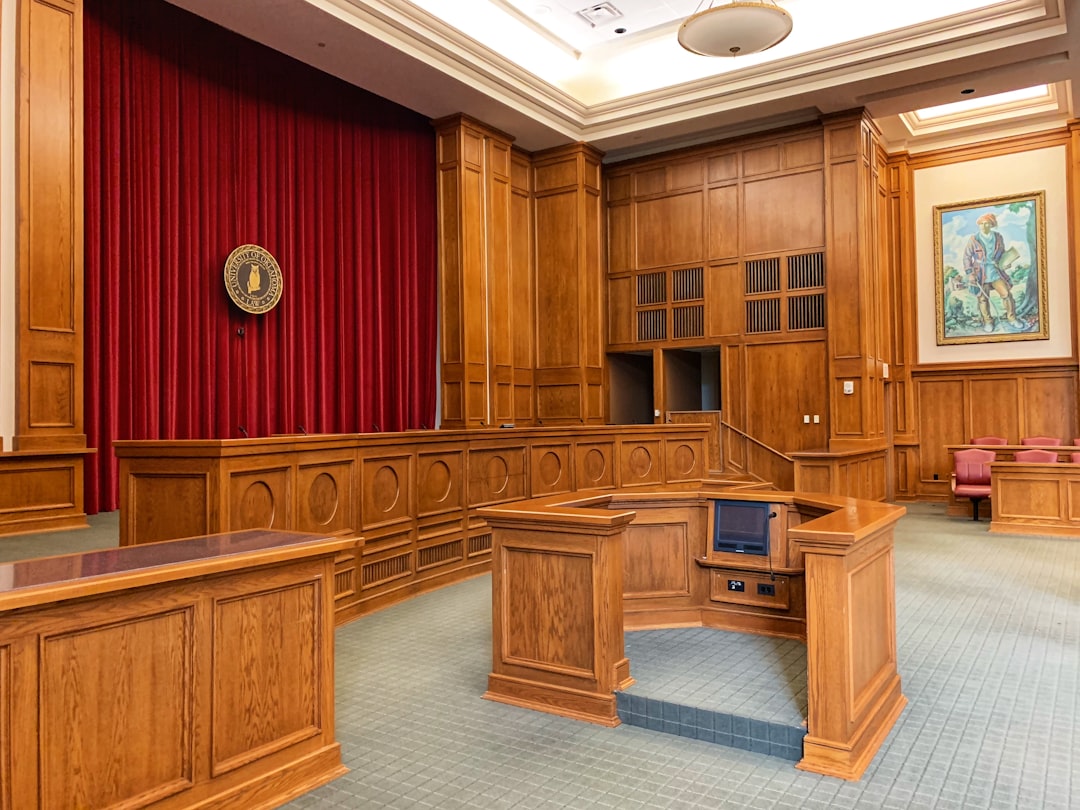
When neighbor courtesy breaks down, the legal system provides remedies that reveal how seriously society takes these issues. Most states limit small claims judgments to anywhere from $2,500 to $7,500. Generally, you can demand compensation of $20 to $30 daily for the noise. If the noise impacted your job performance, you could demand more.
The fact that courts will award money for noise violations demonstrates that disrupted sleep and peace aren’t just minor inconveniences – they’re genuine harms with measurable impacts on people’s lives. Twenty to thirty dollars per day might not sound like much, but it adds up quickly for chronic violators.
The Technology of Neighborhood Peace
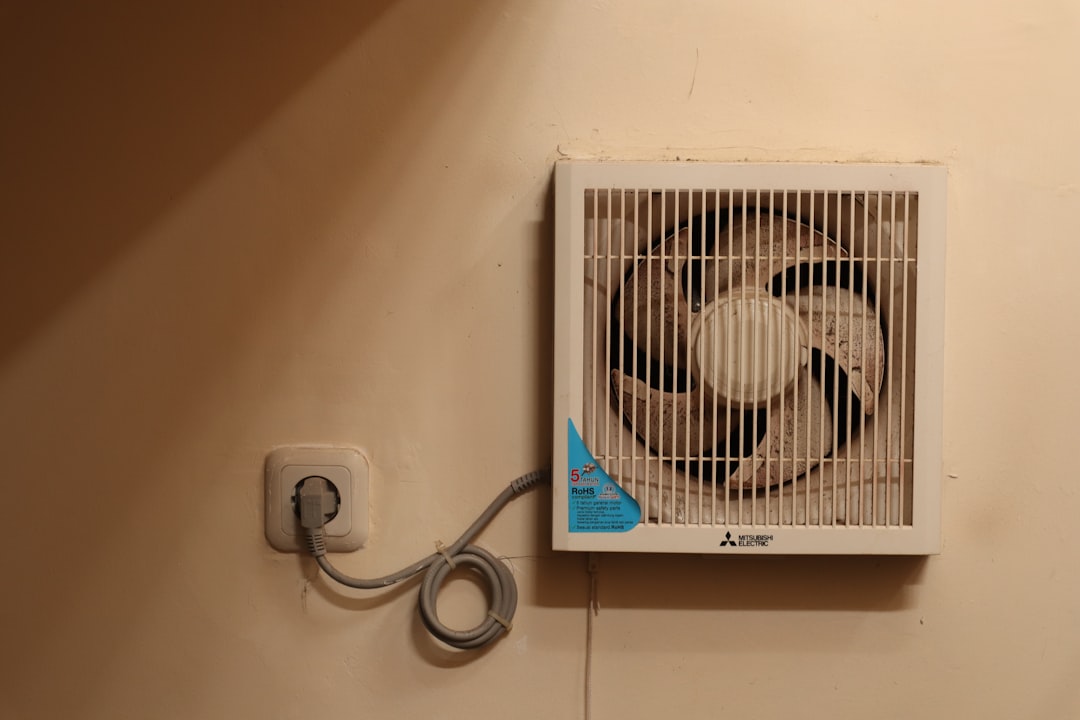
Air conditioners are another contributor to noise pollution, especially in older units. While the use of AC is permitted during quiet hours, residents have a responsibility to ensure the unit doesn’t make too much noise. A single AC or another circulating unit must not exceed a volume of more than 42 decibels. Buildings with multiple devices must not exceed a volume of more than 45 decibels.
These technical specifications show how modern life requires constant calibration between personal comfort and community harmony. Even essential appliances must be managed with neighbors in mind.
The Documentation Culture

Regardless of how you proceed, don’t delay in gathering evidence to support your case. This might mean taking photos, recording what you hear from within your property boundaries, saving examples of damaged property, and writing down notes (with date and time) of what you are experiencing.
The need for documentation reflects how seriously noise disputes can escalate. Keep track of the dates and times when you feel like your neighbors are out of line. That way, you have documented examples if you end up needing to involve your landlord. This systematic approach to tracking problems shows that neighbor relations, while ideally casual and friendly, sometimes require formal intervention.
The Golden Rule of Neighbor Relations

At the end of the day, remember the golden rule: Think about how you’d like others to treat you, and give them the same courtesy. This will always result in all-around more understanding, neighborly relationships. Being a good neighbor comes down to being considerate of those around you. This means taking others into account when making decisions that could impact them, such as parking in shared spaces or walking pets responsibly. Small gestures like offering help when needed or checking in on elderly neighbors can go a long way in fostering positive relationships within the community.
The morning quiet hours become a daily opportunity to practice this fundamental principle. Each time you close your car door softly at dawn or wait until 8 AM to start your yard work, you’re participating in a community-wide act of mutual respect.
The Enforcement Reality

Everyone, including the court and police, expects noise to be part of the urban environment and a temporary amount of noise, such as caused by a New Year’s party or a brief bit of construction, is simply not going to be taken very seriously by the powers that be. You may get them to give a warning to the neighbor or landlord, but little more. They will not be going to jail or paying you damages. But a continuing or repeated violation of reasonable noise levels is another matter and relief will normally be available.
This realistic assessment shows that while occasional noise is expected, chronic violations cross a line that communities won’t tolerate. The quiet morning hours aren’t about perfect silence – they’re about reasonable consideration for others during vulnerable sleep times.
The Community Investment Effect

People who have an emotional investment in their neighborhood and neighbors are more likely to look out for each other. It also changes the energy of a neighborhood, making it seem more warm and inviting, which boosts home valuation. This economic dimension reveals that neighbor courtesy isn’t just about being nice – it’s about protecting everyone’s investment in the community.
The quiet morning hours become a symbol of this investment. When neighbors respect these informal boundaries, they’re contributing to a neighborhood culture that makes everyone’s property more valuable and everyone’s daily life more pleasant.
The Conclusion: Morning as Community Contract

The unspoken pact of quiet mornings represents something deeper than noise control – it’s a daily renewal of the social contract that makes community life possible. Every morning when you choose to whisper instead of shout, to close doors gently instead of slamming them, to wait an extra hour before starting noisy activities, you’re participating in a collective act of civilized behavior.
These small courtesies compound over time, creating neighborhoods where people want to live, work, and raise families. The alternative – a world where everyone prioritizes their own convenience over community harmony – leads to the kind of urban alienation that drives people away from shared spaces and into isolation.
Did you expect that something as simple as being quiet in the morning could carry such weight in holding communities together?

Matthias is a skilled author and digital storyteller with a focus on travel journalism, environmental issues, and modern home design. With a background in communications and a passion for global cultures, Matthias crafts engaging narratives that blend real-world exploration with thoughtful analysis and visual flair.
His writing reflects a deep interest in how climate change shapes our lives and lifestyles—from sustainable travel practices to eco-friendly living environments. Known for his clear, approachable voice and sharp editorial instincts, Matthias delivers content that resonates with readers seeking both inspiration and substance.
Whether reporting from remote destinations, breaking down sustainable design trends, or spotlighting innovative green initiatives, Matthias brings a global perspective and an eye for detail to every piece. He regularly contributes to web platforms and editorial projects that aim to foster awareness, creativity, and conscious living.