


Lena is a thoughtful and imaginative writer with a passion for storytelling across the themes of travel, environmental sustainability, and contemporary home aesthetics. With a background in cultural media and a strong visual sensibility, Anna Lena creates content that bridges inspiration with practical insight.
Her work explores the interplay between place, lifestyle, and design—guiding readers through meaningful travel experiences, eco-conscious choices, and modern approaches to living well. Known for her elegant writing style and attention to detail, she brings a fresh, human-centered perspective to every topic she covers.
Anna Lena contributes to digital publications and editorial projects where aesthetics meet purpose. Her writing not only informs but also encourages readers to live more intentionally, sustainably, and beautifully—wherever they are in the world.
The Psychology Behind Our Need for Community Stories
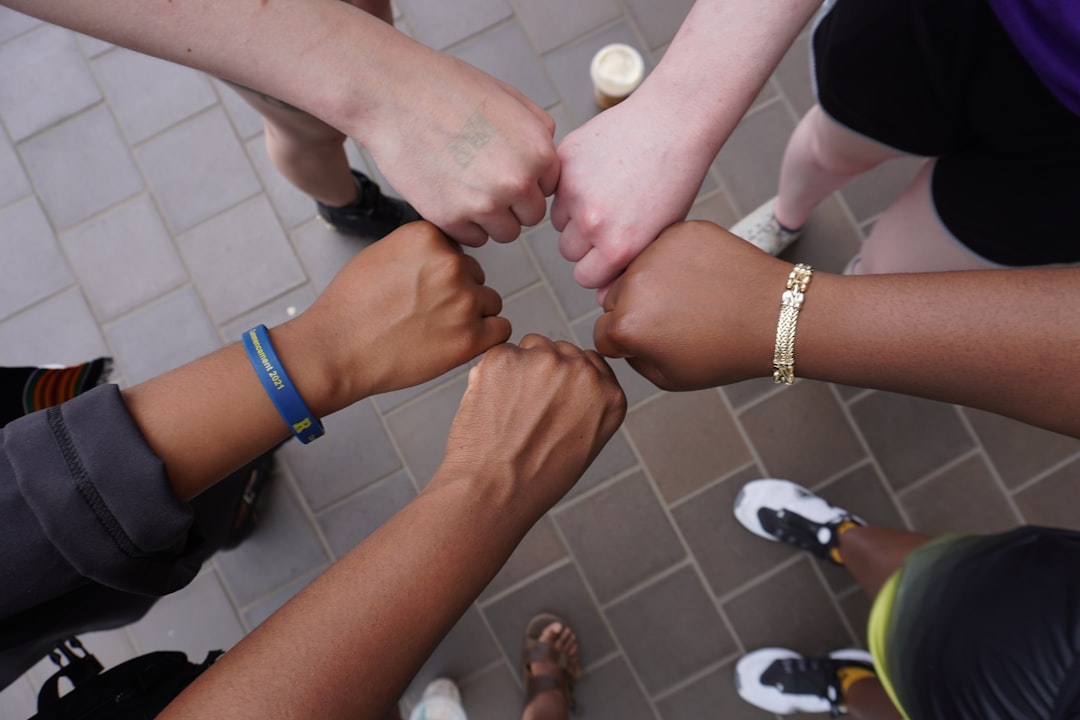
There’s something magical about the moment when a stranger becomes a neighbor, and a neighbor becomes family. It doesn’t happen overnight, and it’s not just about proximity. According to social psychologists Baumeister and Leary (1995), the need to belong is a fundamental human motivation. We’re wired to seek connection, and inside jokes provide micro-signals that say, “You’re one of us.” This tiny spark of recognition lights up our brain’s reward system, creating a sense of social safety.
When we understand a local reference or laugh at a neighborhood inside joke, we’re not just having a good time. Inside jokes activate the brain’s reward system, triggering feelings of social safety and belonging. Think about it like this: every community has its own secret language, and once you’re fluent in it, you’ve essentially been handed the keys to the kingdom.
How Shared Experiences Create Invisible Bonds
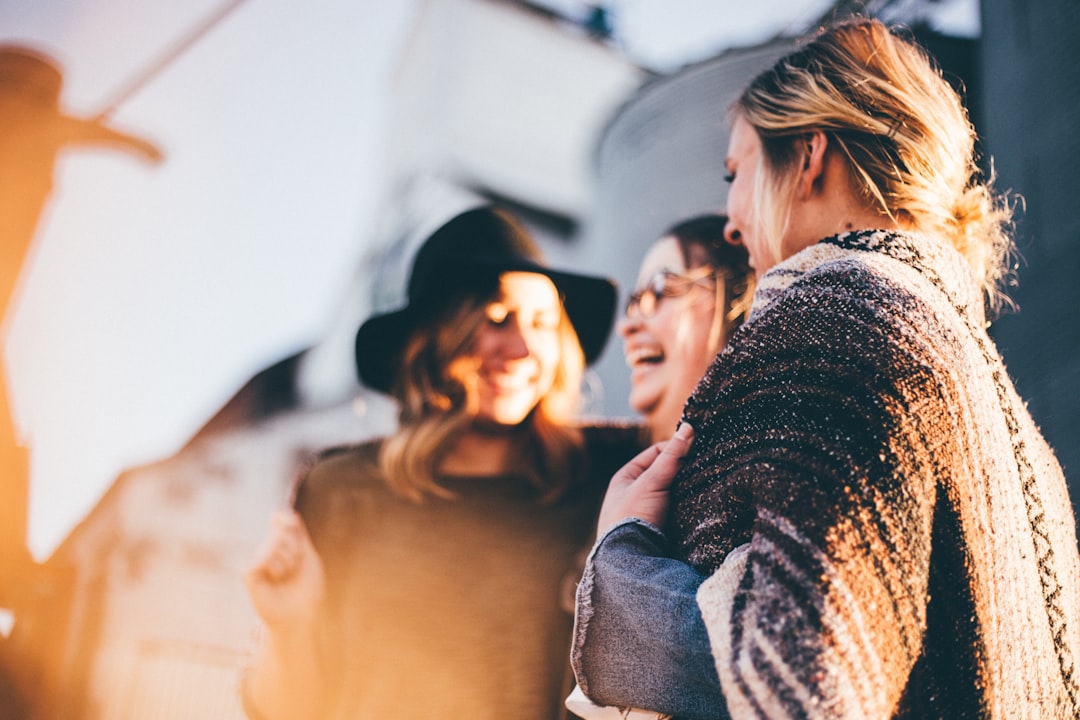
The foundation of an inside joke is a shared experience. This could be anything from a funny event, an awkward moment, or something utterly random that only the people involved would fully understand. In neighborhoods, these shared experiences might be as simple as everyone knowing about the house with the mysteriously perfect lawn, or the local coffee shop owner who remembers everyone’s order but never their name.
Inside jokes are like private landmarks in a shared landscape. They might arise from a random phrase, an awkward moment, or a completely unfunny situation that, with time and retelling, becomes legendary. These moments become the building blocks of community identity. These moments are markers of time spent together. They’re the unpolished gems of connection that only make sense if you were there—and that’s exactly what makes them matter.
The Power of Collective Memory in Community Building

Individuals’ sense of belonging (SoB) to their neighborhood is an understudied psychosocial factor that may influence the association between neighborhood characteristics, health, and disparities across socio-demographic groups. Using 2014–2016 data from the Survey of the Health of Wisconsin (SHOW, N = 1,706), we conduct a detailed analysis of SoB and health in an American context.
Research shows that community belonging, an important constituent of subjective well-being, is an important target for improving population health. When neighbors share stories about the blizzard of ’98 or the time the whole block came together to help Mrs. Johnson move, they’re not just reminiscing. They’re actively reinforcing the social fabric that holds their community together.
Why Local Characters Become Neighborhood Legends
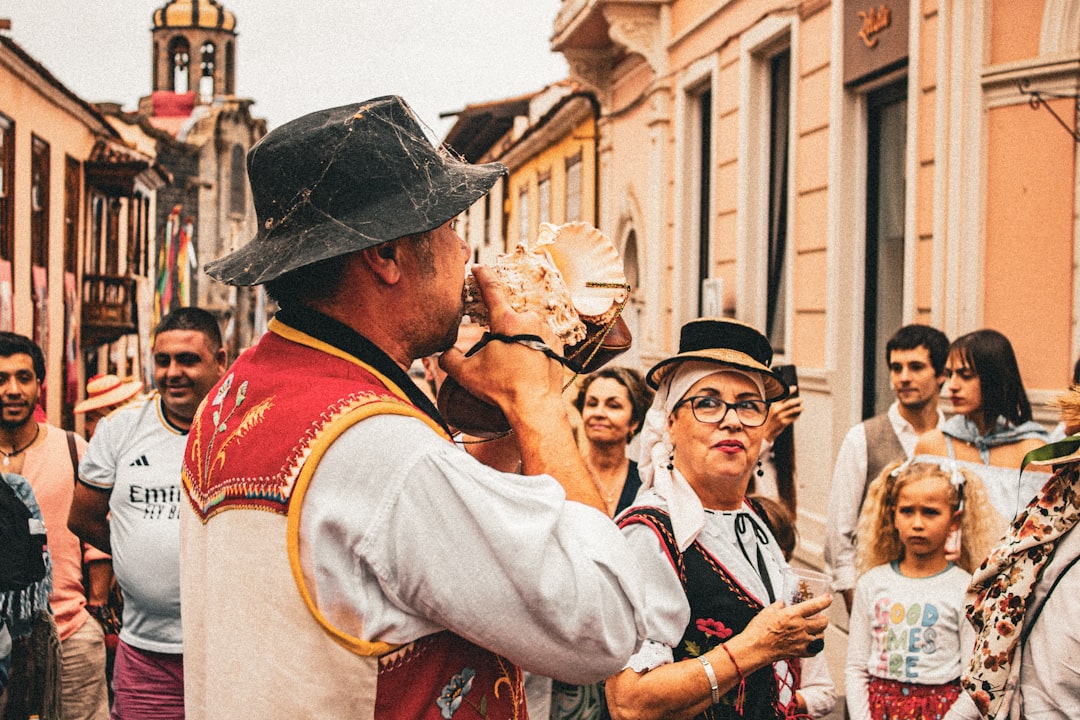
Every neighborhood has them – the local characters who become part of the community’s folklore. Maybe it’s the guy who walks his cat on a leash every morning, or the woman who decorates her house for every possible holiday. These individuals become central to the neighborhood’s identity, not because they’re trying to be famous, but because they represent something authentic and consistently present in the community.
These local legends serve as conversation starters, reference points, and shared touchstones. Inside jokes aren’t just passive memories—they’re active reinforcers of identity. As humor researcher Rod Martin points out, shared laughter builds cohesion. When new residents hear about these characters, they’re being inducted into the neighborhood’s cultural heritage.
The Role of Ritual and Routine in Community Connection

Community events are essential for strengthening village identity by fostering social cohesion and a sense of belonging among residents. Think about your neighborhood’s annual block party, the informal dog-walking meetups at the local park, or the way everyone seems to emerge from their homes when the ice cream truck plays its tune. These rituals create opportunities for shared experiences that later become inside jokes and local legends.
Social cohesion is critical for any community, and community centers play a significant role in nurturing it. By offering a wide array of activities and programs that cater to different age groups, interests, and cultural backgrounds, these centers create opportunities for people to gather, interact, and forge meaningful relationships.
Digital Age Challenges to Neighborhood Intimacy

In today’s digital age, face-to-face interactions are becoming increasingly rare, yet these personal connections are vital for nurturing social cohesion. Community centers offer a venue where individuals can engage with one another in meaningful ways. The challenge modern neighborhoods face is that we’re more connected than ever, yet somehow more isolated.
However, digital communities thrive on niche humor, proving shared weirdness fosters belonging even online. Neighborhood Facebook groups, NextDoor apps, and local social media pages have become new venues for inside jokes and local legends to spread. The mailman who leaves encouraging notes, the neighbor who started a little free library, or the family whose Halloween decorations are so elaborate they become a tourist attraction – these stories now have digital platforms to flourish.
The Architecture of Belonging: How Physical Spaces Shape Community

Community identity is the collective sense of character and social cohesion that binds residents to their locale. It’s shaped by various factors, including history, culture, and, importantly, the physical environment. The design of our neighborhoods – from the width of sidewalks to the placement of benches – directly impacts how likely we are to interact with each other.
Architecture, in this context, does more than provide shelter; it reflects and influences the community’s values, traditions, and aspirations. When buildings and spaces resonate with local culture and history, they strengthen the community’s connection to its environment, enhancing its unique identity. A neighborhood with front porches encourages different types of interactions than one with privacy fences and back decks.
Breaking Down Barriers: When Inside Jokes Become Exclusionary

While inside jokes and local legends can build community, they can also create barriers. An in-joke may be used to build community, sometimes at the expense of outsiders. Part of the power of an in-joke is that its audience knows that many do not understand it. New residents might feel left out when conversations are filled with references they don’t understand.
Perceived inside jokes among a group can make a person feel like the odd one out, but it’s often not intentional, we just desperately want to fit in. So much so that we’ll pretend to go along with an inside joke in a group we have no shared experience with, according to behavioral researcher Michael Norton. The key is creating pathways for newcomers to gradually become part of the community’s shared understanding.
The Economics of Community: How Local Businesses Foster Belonging
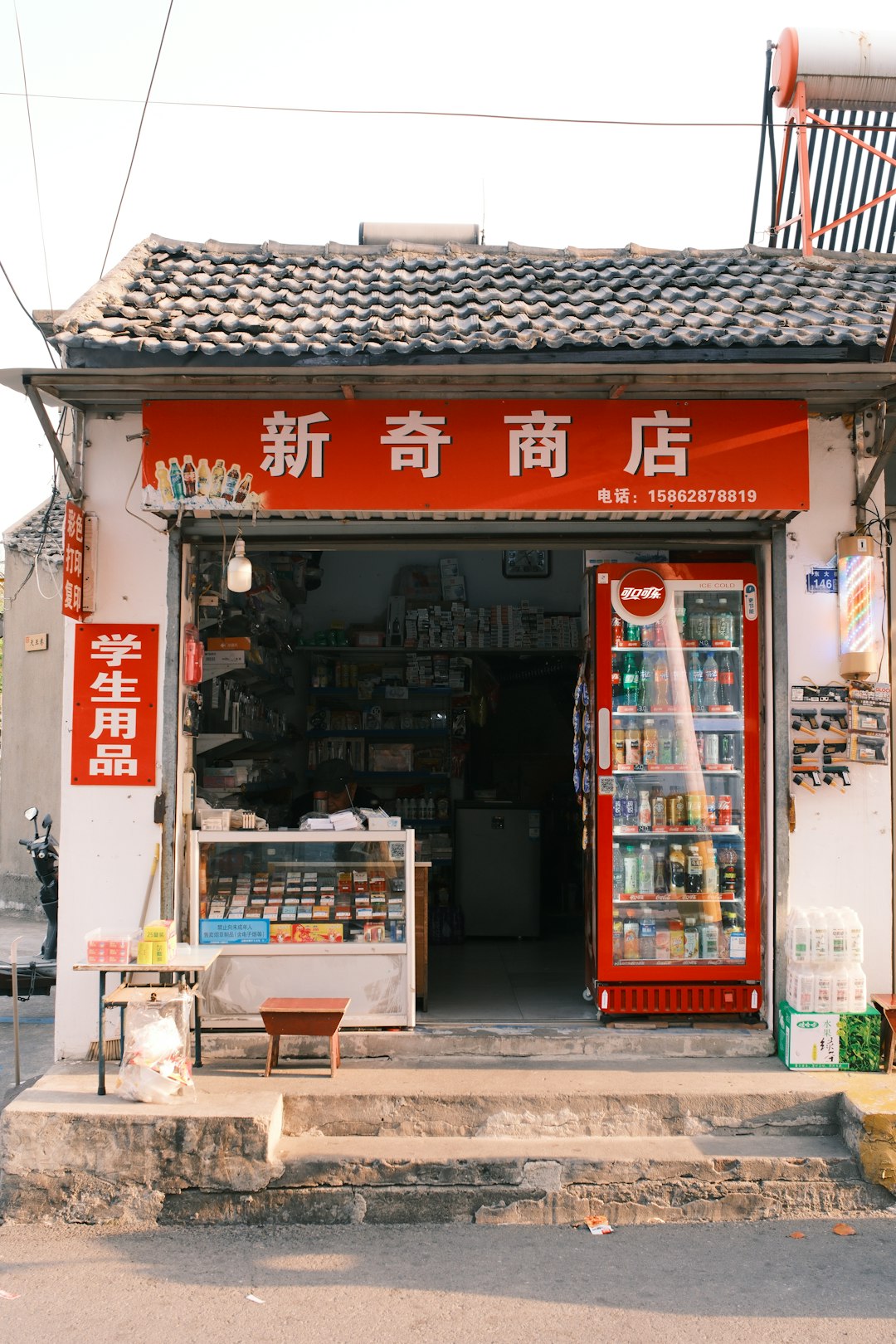
By integrating mixed-use developments, which combine residential, commercial and recreational spaces, planners can foster economic growth and provide employment opportunities within the community. The presence of local businesses not only creates jobs and promotes local social enterprise, but also contributes to the character and unique identity of the town.
Local businesses often become the unofficial community centers where inside jokes are born and legends are made. The barista who draws hearts in everyone’s coffee, the hardware store owner who knows exactly what you need before you do, or the restaurant that becomes “your place” – these establishments become integral to neighborhood identity. To support local businesses, planners can allocate spaces for small-scale enterprises, such as neighbourhood shops, markets and community-based services. Encouraging the establishment of local businesses promotes entrepreneurship, helps to retain spending within the community, and strengthens the local economy.
Social Cohesion Across Different Demographics

Not everyone experiences neighborhood belonging in the same way. Amongst the full sample, gentrification has a positive association with all six factors. However, this relationship depends upon respondents’ level of income, length of residency, and racial identity. White residents and those with shorter length of residency report higher levels of social cohesion as gentrification increases, but there is no such association amongst racial minority groups and longer-term residents.
This research reveals that the same neighborhood changes can create vastly different experiences for different residents. Racial and Ethnic Differences in Community Belonging and its Impact on Cognitive Function in Older Adults. J Gerontol B Psychol Sci Soc Sci. 2025 May 8;80(6):gbaf028. Understanding these differences is crucial for creating truly inclusive communities where everyone can participate in the local culture.
Building Bridges: How Communities Can Foster Inclusivity

Effective town planning goes beyond creating physical infrastructure; it involves fostering community engagement, communication and collaboration. When planners actively involve residents, local organisations and stakeholders in the decision-making process, it builds a sense of ownership and empowerment within the community.
Creating inclusive communities requires intentional effort. Suddenly, you’re not just explaining a joke—you’re extending belonging. This might mean organizing events that bring different groups together, creating mentorship programs that pair long-time residents with newcomers, or simply being more mindful about including context when sharing local stories.
The Future of Neighborhood Connection

As I stood in that familiar circle of college friends, cracking up at memories no one else would understand, I was reminded of something simple but profound: shared weirdness is sacred. Yes, we bond over deep conversations and meaningful life events—but sometimes, the strongest connections come from laughing at something completely ridiculous together.
The challenge for future neighborhoods is maintaining this sense of shared weirdness while remaining open to new residents and changing demographics. In a world that often feels heavy and divided, these moments of lightness are not trivial. They’re essential. Inside jokes remind us that we’ve been part of something. The neighborhoods that thrive will be those that can balance preservation of local culture with openness to evolution and change.
Making Home Out of Geography

These silly, obscure references are more than just punchlines—they’re psychological glue. They connect us through shared history, mutual trust, and the comfort of being “in on it.” In a world that’s increasingly fragmented and superficial, inside jokes offer something rare: belonging.
What transforms a neighborhood from merely a place where you live into a place you call home isn’t the architecture or the amenities – it’s the accumulation of shared stories, inside jokes, and local legends. These seemingly trivial elements create the emotional infrastructure that makes community possible. Inside jokes mean good memories were made. They mean a sense of humor is shared and there’s a certain level of friendship compatibility.
The magic happens when you realize you’re not just living somewhere – you’re part of something bigger, something uniquely yours and everyone else’s at the same time. That’s when geography becomes home, and neighbors become family.

Lena is a thoughtful and imaginative writer with a passion for storytelling across the themes of travel, environmental sustainability, and contemporary home aesthetics. With a background in cultural media and a strong visual sensibility, Anna Lena creates content that bridges inspiration with practical insight.
Her work explores the interplay between place, lifestyle, and design—guiding readers through meaningful travel experiences, eco-conscious choices, and modern approaches to living well. Known for her elegant writing style and attention to detail, she brings a fresh, human-centered perspective to every topic she covers.
Anna Lena contributes to digital publications and editorial projects where aesthetics meet purpose. Her writing not only informs but also encourages readers to live more intentionally, sustainably, and beautifully—wherever they are in the world.