
Henrieke Otte is an accomplished writer and content editor, specializing in topics that inspire thoughtful living—ranging from global travel and sustainable lifestyles to interior design and architecture. With a keen editorial sense and a background in cultural studies, Henrieke brings depth, elegance, and clarity to every piece she crafts.
Her work is known for its engaging voice, visual sensitivity, and ability to turn complex ideas into accessible, reader-friendly narratives. Whether exploring eco-conscious destinations, dissecting climate-conscious home trends, or curating serene living spaces, Henrieke writes with a balance of creativity and insight that resonates with design-savvy, environmentally aware audiences.
Driven by a love of meaningful storytelling and a refined aesthetic, Henrieke contributes regularly to digital platforms and magazines where quality content meets visual sophistication.
The Great Fence Divide Is Bigger Than You Think
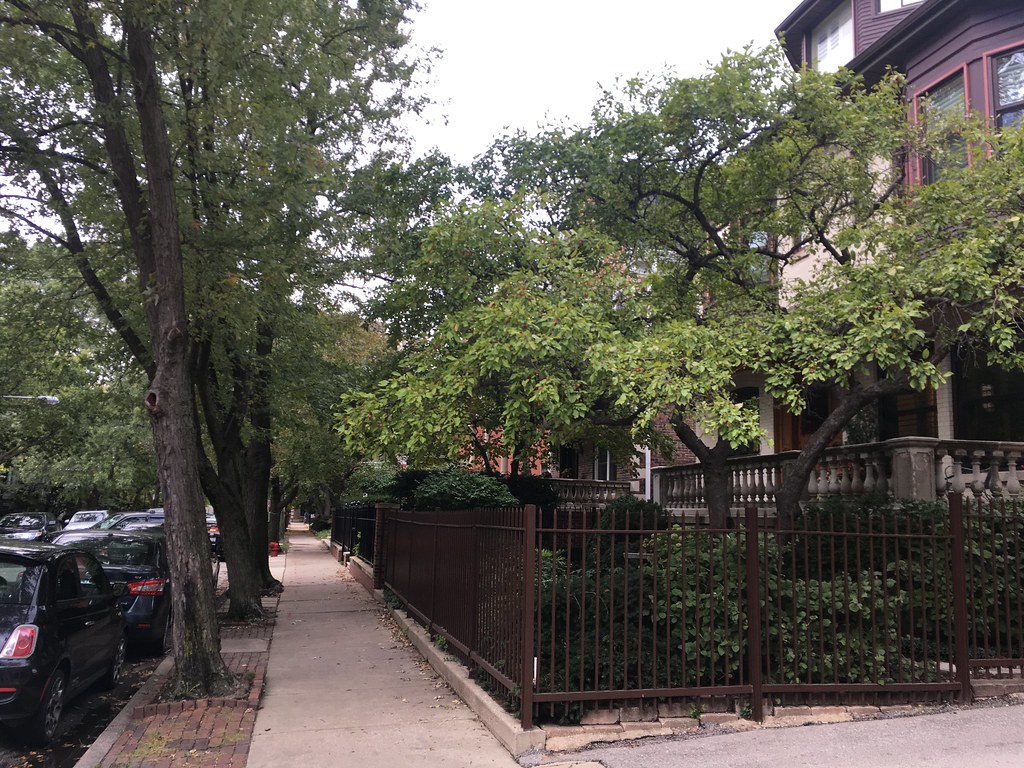
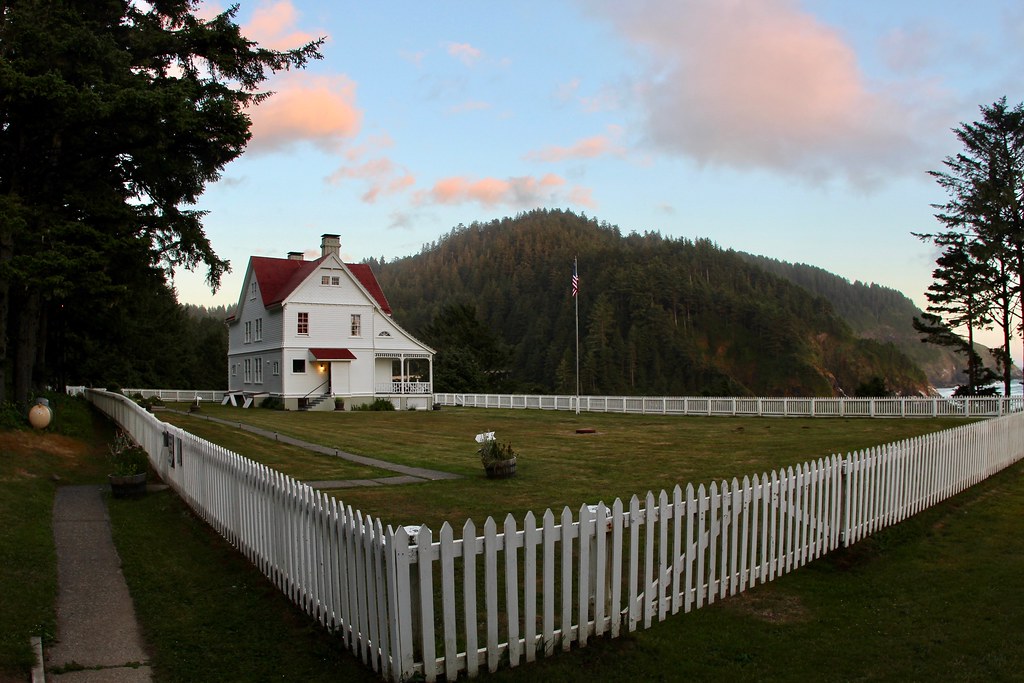
A groundbreaking study of nearly 1,000 front yards in Buffalo’s Elmwood Village neighborhood found that the livelier and more open the front yard, the more content and connected the resident. Those with obstructions in place, such as fences and hedges, correlated to a lower sense of place. Meanwhile, 2025 data shows more homeowners are designing their outdoor spaces as private retreats, with a 22% increase in privacy-driven features such as fences, hedges, and secluded outdoor zones. This creates a fascinating paradox: we’re craving connection while simultaneously building barriers.
When Fences Actually Make Neighborhoods Less Friendly
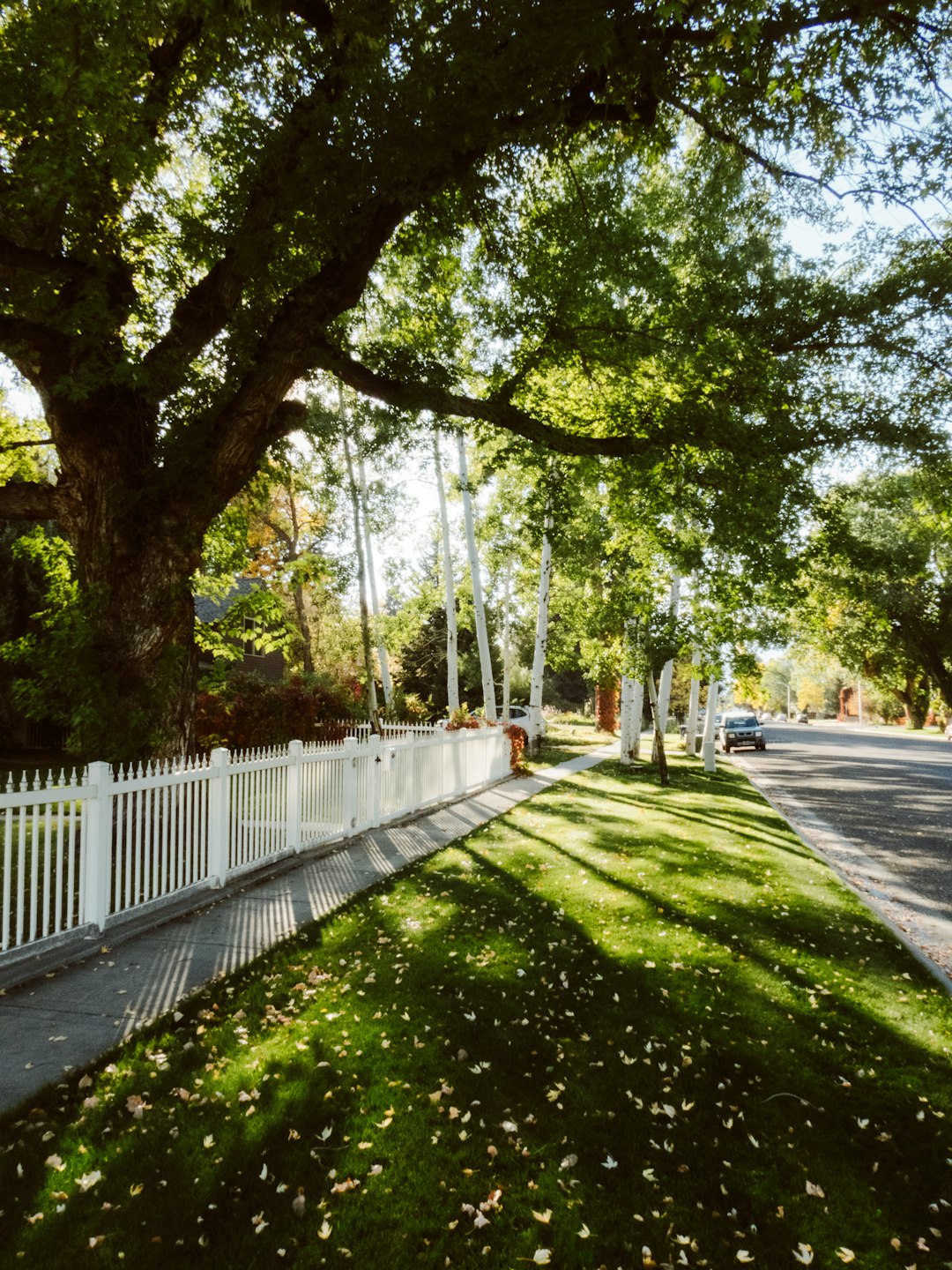
Research reveals that elements that facilitate socializing – a garden chair, a porch, a bench – were associated with a strong boost in residents’ sense of place in every aspect measured, whether it was their view of their home, their street or their neighborhood. At the same time, front yards can be used to cordon off the home, blocking views or discouraging access with fences, hedges and warnings. Other lawns say “stay away,” whether it’s through imposing fences or foreboding signs. The message is clear: barriers can literally block community connection.
The Privacy Paradox Gripping Modern Neighborhoods
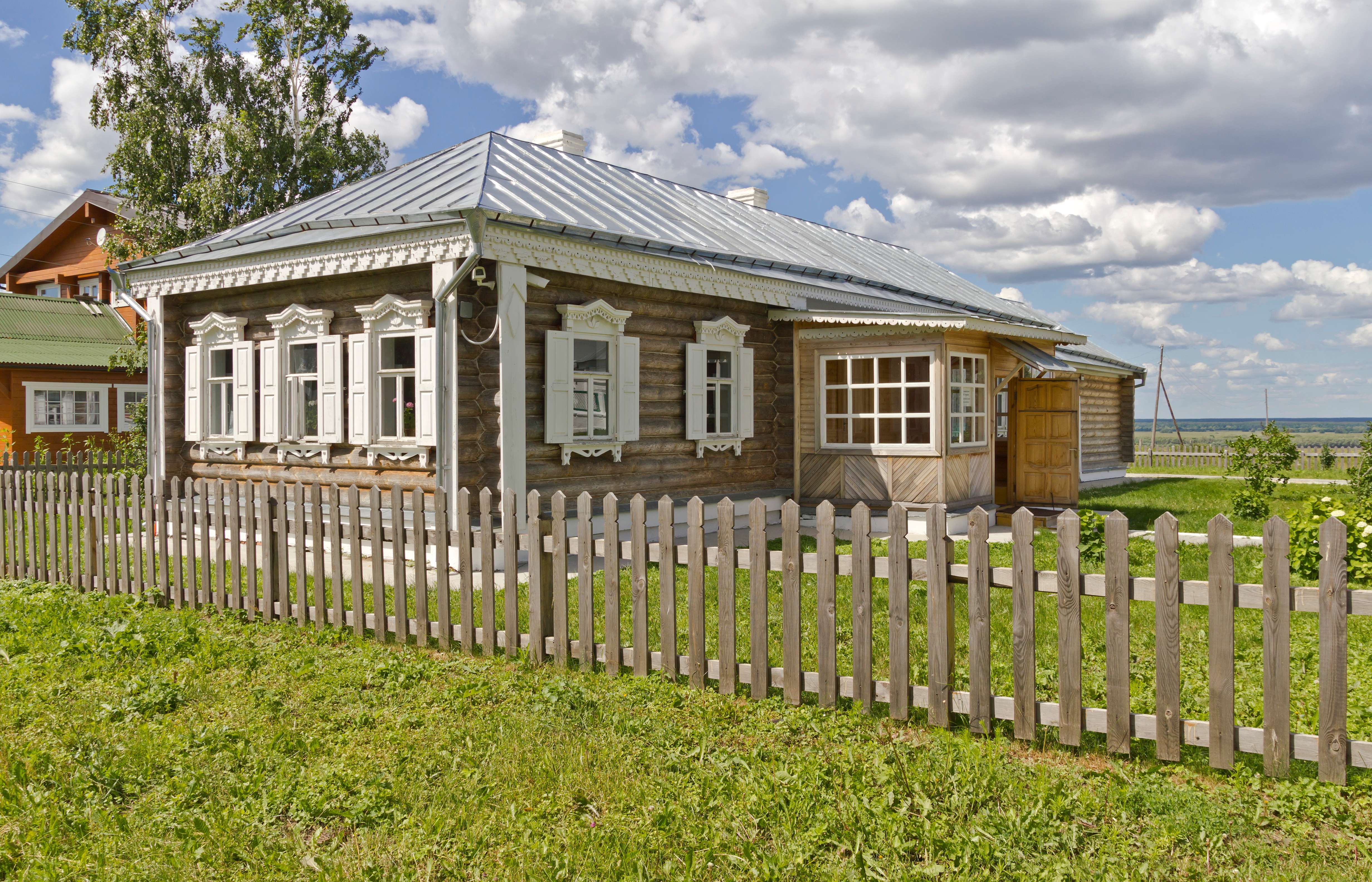
In 2025, more homeowners are designing their outdoor spaces as private retreats, with a 22% increase in privacy-driven features such as fences, hedges, and secluded outdoor zones. Privacy in 2025 is less about isolation and more about restoration. The truth is that Americans value personal privacy, although attitudes vary from one region to the other. In some neighborhoods, unless you have a good reason for putting up a fence, folks may think you’re just being unfriendly. Spending on fences is up 32% year over year, with homeowners choosing from wood, composite, and mixed-material options, as well as natural screens like tall hedges.
The Real ROI Drama Most Homeowners Don’t Know
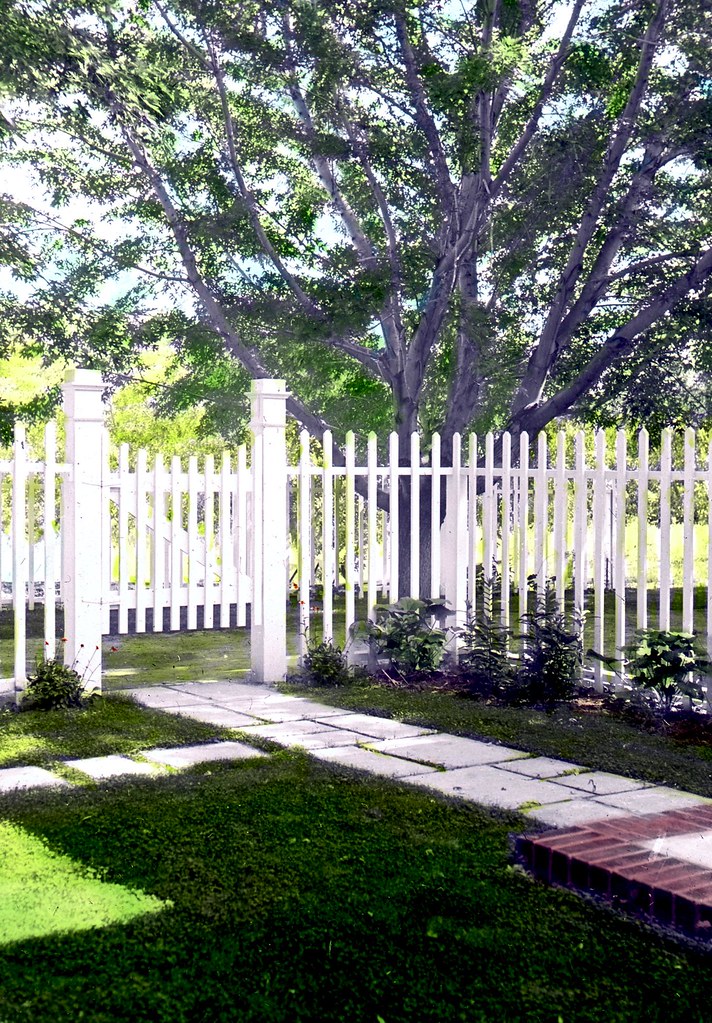
From an appraisal perspective, installing a fence will provide a somewhat minimal return on investment (ROI), typically in the range of 30-40% of the cost of the upfront investment. According to the National Association of Realtors (NAR), landscaping features, including fences, can add up to 20% to a home’s value. In Illinois, where the median home value is around $233,000, this can translate to an increase of nearly $46,600. A study by HomeLight indicates that 67% of real estate agents believe that a fence increases a property’s appeal.
Fence Wars: The Legal Nightmares Breaking Up Neighborhoods
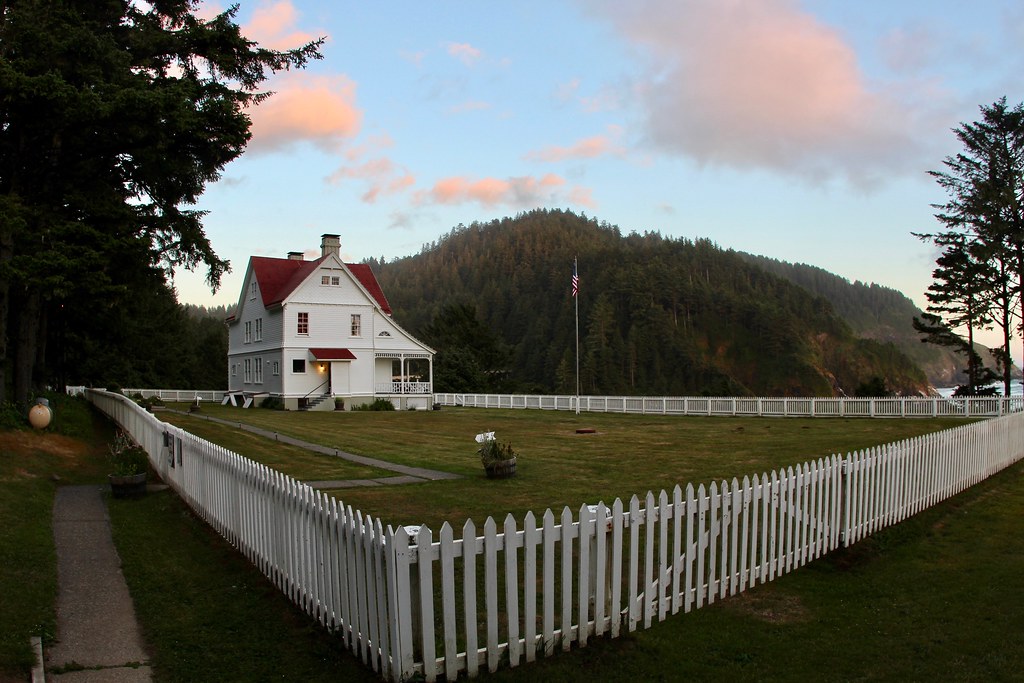
Property line fences frequently trigger disputes between neighbors, particularly in California, where dense housing and high real estate values increase the potential for disagreements over property boundaries, shared maintenance responsibilities, and fence ownership. One of the most common issues is the placement of the fence. Neighbors may disagree about where the property line is, leading to accusations of encroachment. If one neighbor builds a fence, the other may be reluctant to share the costs, even though California law generally mandates equal financial responsibility.
The Surprising Science Behind Open Yards and Happiness
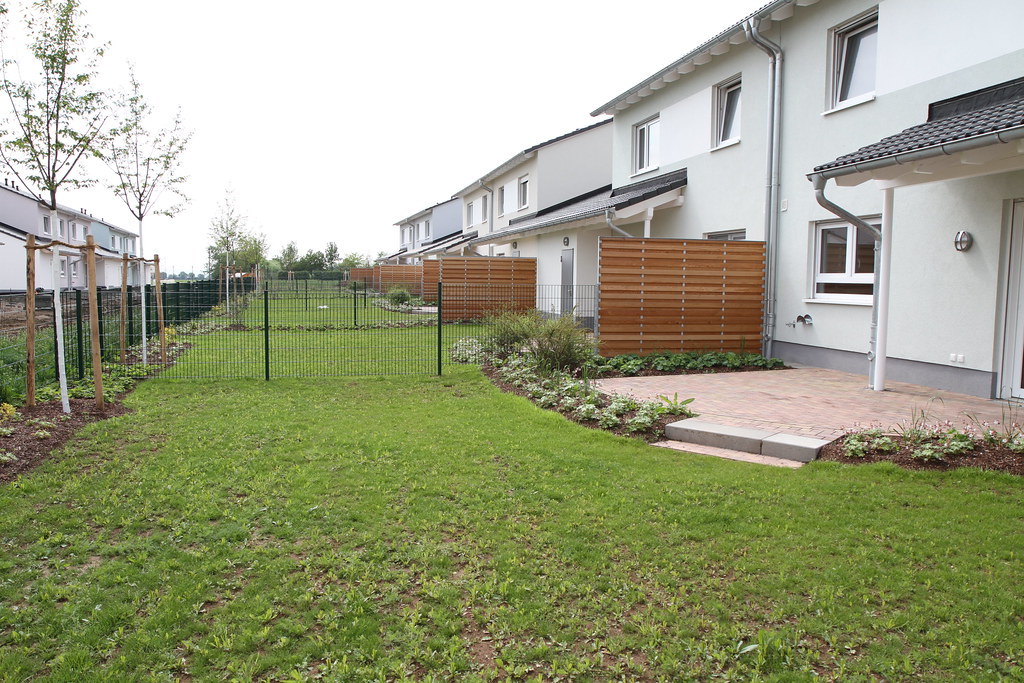
Even objects as simple as toys or plastic playground gear left out in the front yard seemed to indicate a strong sense of place. To us, this says a couple of things: Homeowners trust that their property won’t get stolen, and parents don’t seem all too concerned about letting their kids play outside with neighborhood friends. For decades, psychological, geographical and design research has linked a sense of place to happier neighborhood residents and stronger ties among neighbors. The study validates urbanists’ decades-old contention that lively front yards make for more connected neighborhoods.
The Billion-Dollar Fence Industry’s Hidden Influence
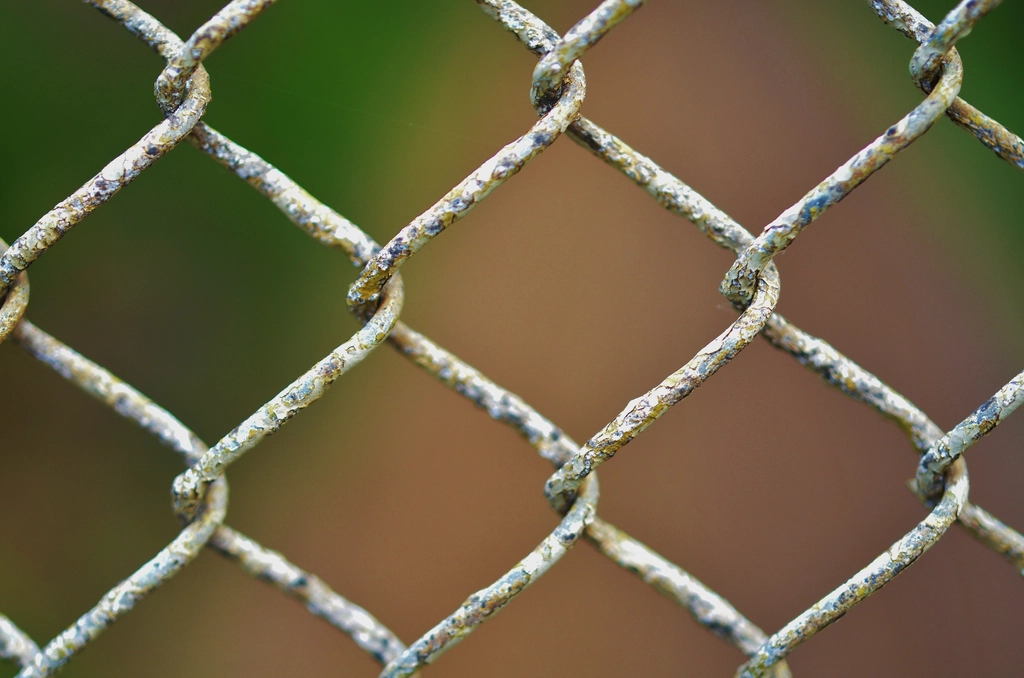
The global fencing market revenue is projected to reach USD 53.01 billion by 2033. The projections indicate continued expansion, with revenue expected to rise to USD 47.62 billion in 2031, USD 50.24 billion in 2032, and culminating at USD 53.01 billion by 2033. US residential fencing demand is forecast to grow 1.0% annually to $6.7 billion in 2027. Market value will be hindered by a moderation in material prices from a high 2022 base and relatively weak growth in linear feet terms as new housing construction declines.
The New Fence Rebellion: When Neighbors Fight Back
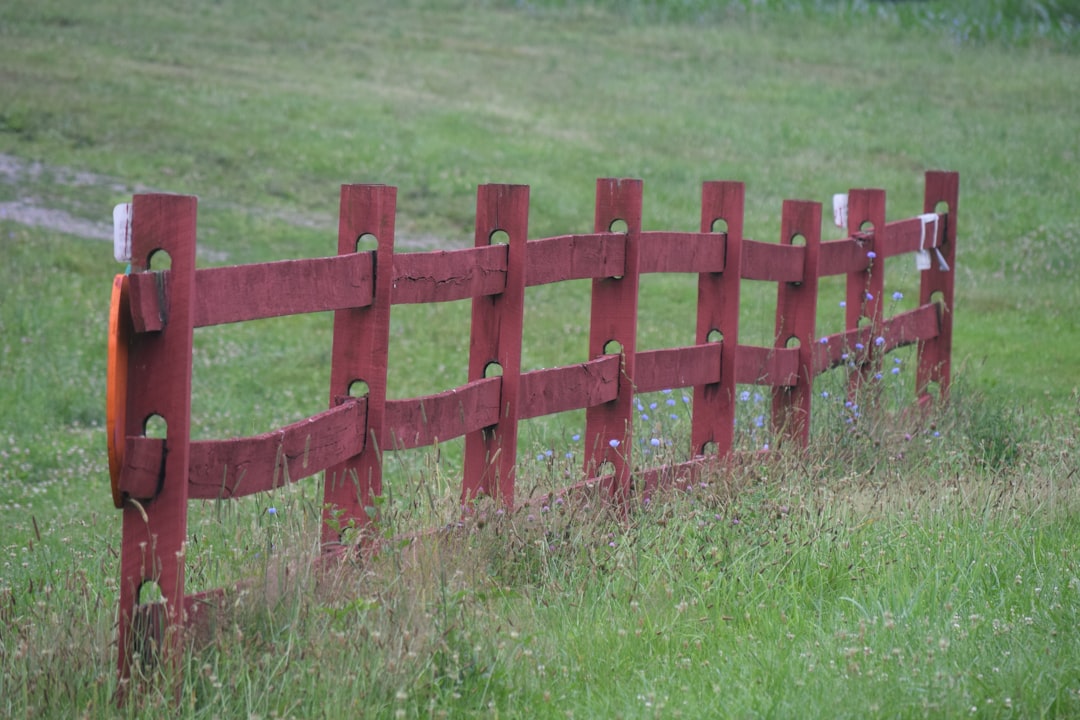
Good fences might make good neighbors, but only if they meet increasingly strict height requirements. Many communities are capping fence heights at 4 or 6 feet to preserve neighborhood sight lines and aesthetic harmony. Wildlife corridors are another consideration, with some regulations requiring gaps for animal passage. Your dream of a fortress-like backyard may need to be scaled down considerably. Many states have laws that regulate “spite fences.”
The Dark Side of Security: When Fences Create More Problems
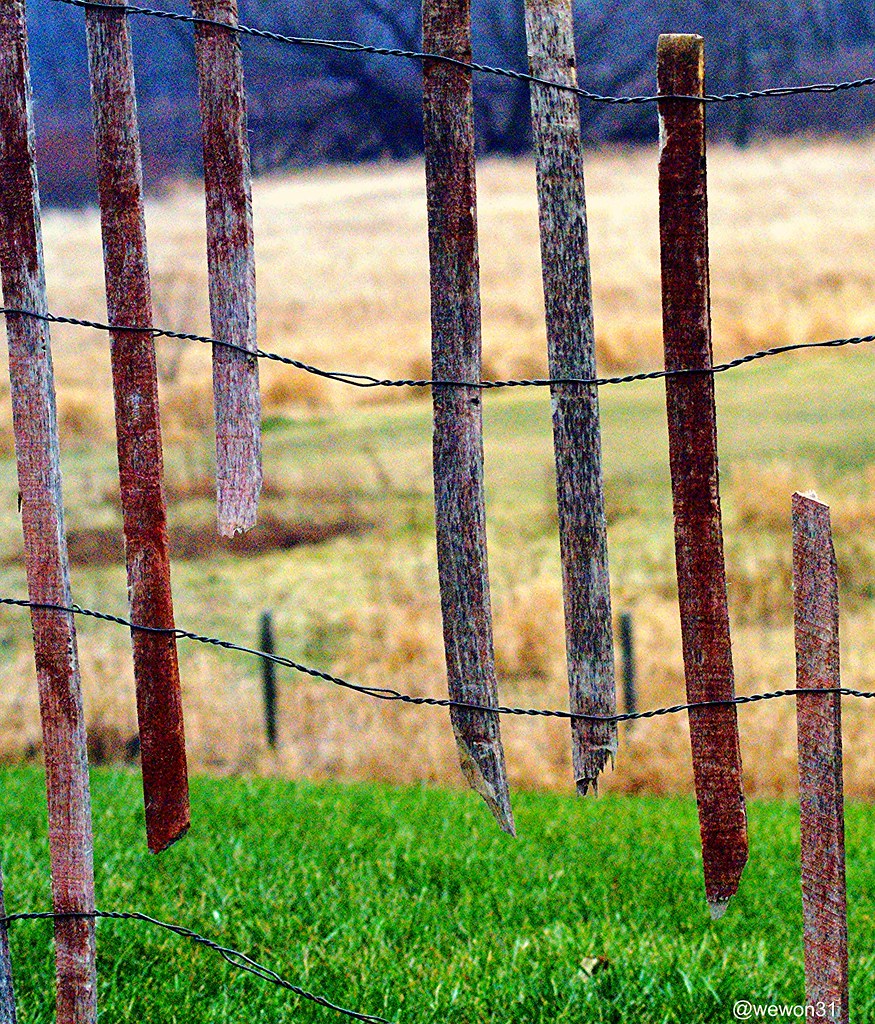
Fence specialists have seen several cases where a fence is in the wrong location, which can cause issues when it comes time to sell. If your fence is off your property line, it gives buyers a false impression of where their future property ends and begins and may create difficulties or worse with neighbors who feel encroached on. If a fence is “damaged, broken or leaning, or if the wood is rotting,” it may be time to repair your fence. Additionally, if your fence is dated or out of style, or does not fit the general aesthetic of your neighborhood, consider removing it.
The Technology Revolution Making Fences Smarter But Scarier

Smart homes are the future, and fences are getting their fair share of tech upgrades! Think automated gates that open with a tap on your smartphone or motion-sensing lights that brighten up your yard as you approach. Even smart cameras can be integrated into fences for added security. As technology advances, so does our desire for convenience, security, and innovation. Tech features to watch include solar-powered lighting, motion detectors, remote-controlled gates, and even integrated cameras that connect to your home security system.
The Material Wars: What Your Fence Choice Says About You
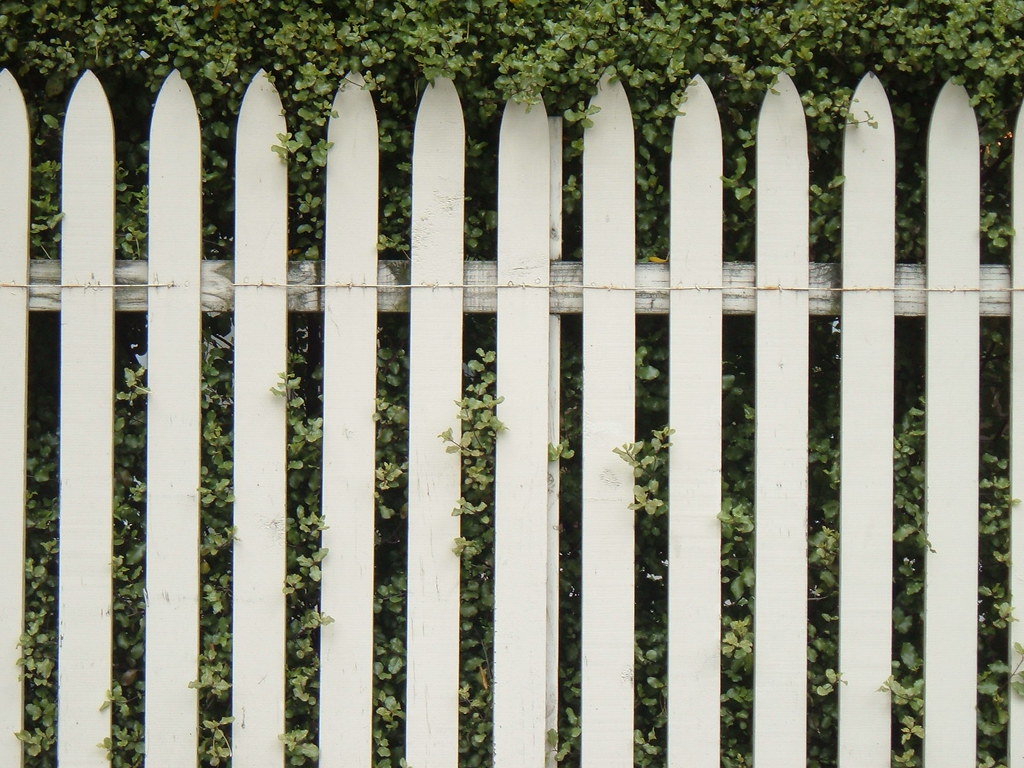
Vinyl fences are durable, easy to clean, and can last for 20 to 30 years without needing repainting. The material is also resistant to rot and insect damage. An aluminum privacy fence costs $75 to $130 per linear foot installed. Though they cost more than wood or vinyl fences, their durability and 30- to 50-year lifespan balances the higher cost. Sustainability is here to stay, and it’s making a major impact on fence design in 2025. Homeowners are opting for eco-friendly materials that not only look good but are good for the planet too.
The Generational Divide: Millennials vs. Boomers on Boundaries
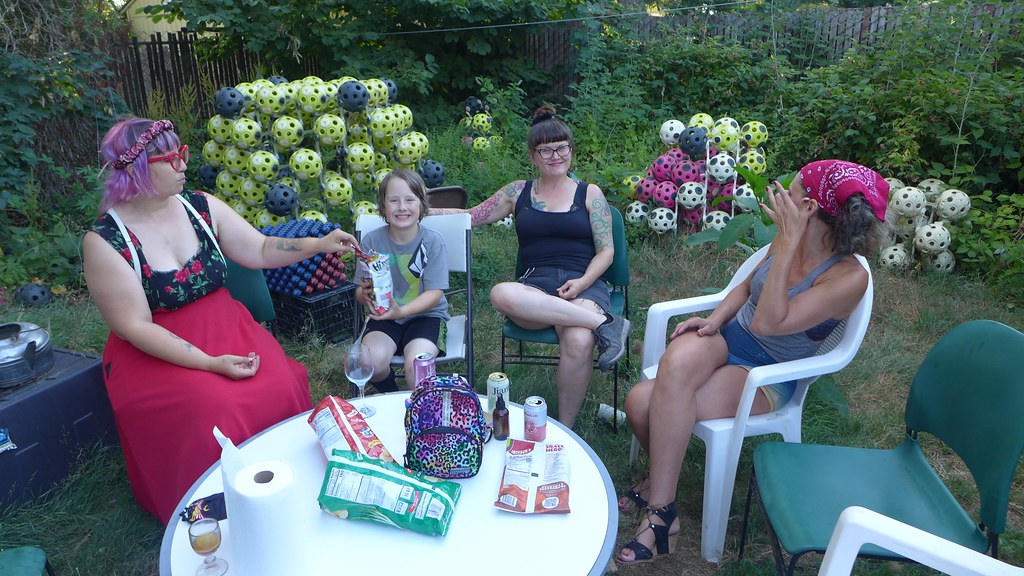
During the early pandemic days, the “Social Front Yard” emerged, with front lawns turning into informal gathering spots for neighbors and friends. As outdoor areas became true extensions of the home, functionality took center stage, with homeowners looking for ways to maximize their yards for gathering. Today, as the world has opened back up, our yards have taken on a new role as personal sanctuaries for rest, personal expression, and connection with nature. Today’s outdoor spaces are designed to flow effortlessly from the home into the surrounding landscape.
The Final Verdict: Finding Balance in a Divided World
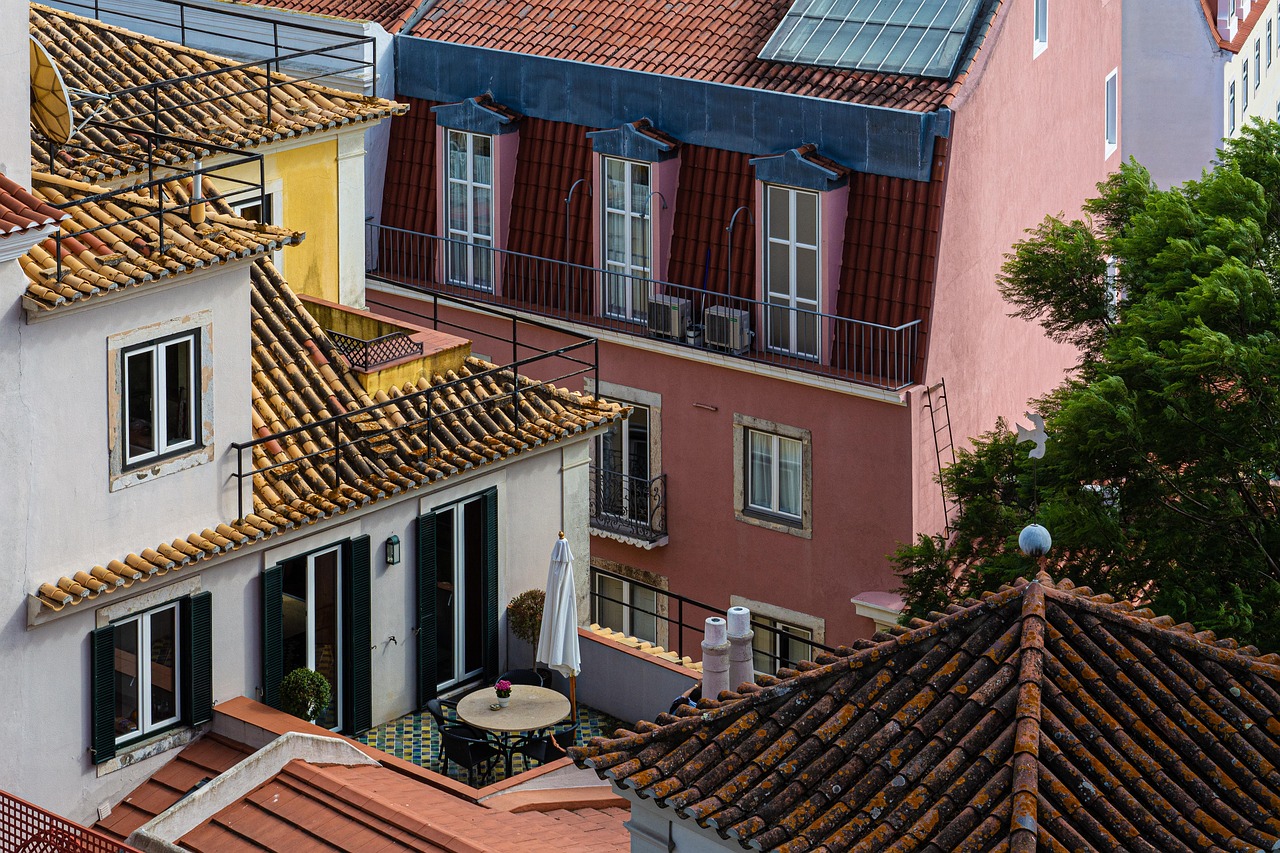
A fence in good condition can not only add to the overall appeal of the home, but is often a sought-after amenity in areas of high traffic or in neighborhoods where kids or pets are common. Along with any monetary value, a fence can provide security and peace of mind in addition to its use as a defined boundary. While the potential to increase home value is a compelling reason to install a fence, several additional benefits enhance a property’s living experience and appeal. These advantages extend beyond the immediate financial return, contributing to a home’s desirability and functionality.
The fence debate isn’t really about wood versus vinyl or privacy versus openness. It’s about how we define home, community, and safety in an increasingly connected yet fragmented world. As we build our boundaries, we’re also building our future neighborhoods. The question isn’t whether to fence or not to fence — it’s how to fence responsibly while keeping our communities alive.

Henrieke Otte is an accomplished writer and content editor, specializing in topics that inspire thoughtful living—ranging from global travel and sustainable lifestyles to interior design and architecture. With a keen editorial sense and a background in cultural studies, Henrieke brings depth, elegance, and clarity to every piece she crafts.
Her work is known for its engaging voice, visual sensitivity, and ability to turn complex ideas into accessible, reader-friendly narratives. Whether exploring eco-conscious destinations, dissecting climate-conscious home trends, or curating serene living spaces, Henrieke writes with a balance of creativity and insight that resonates with design-savvy, environmentally aware audiences.
Driven by a love of meaningful storytelling and a refined aesthetic, Henrieke contributes regularly to digital platforms and magazines where quality content meets visual sophistication.