
Lena is a thoughtful and imaginative writer with a passion for storytelling across the themes of travel, environmental sustainability, and contemporary home aesthetics. With a background in cultural media and a strong visual sensibility, Anna Lena creates content that bridges inspiration with practical insight.
Her work explores the interplay between place, lifestyle, and design—guiding readers through meaningful travel experiences, eco-conscious choices, and modern approaches to living well. Known for her elegant writing style and attention to detail, she brings a fresh, human-centered perspective to every topic she covers.
Anna Lena contributes to digital publications and editorial projects where aesthetics meet purpose. Her writing not only informs but also encourages readers to live more intentionally, sustainably, and beautifully—wherever they are in the world.
The Silent Health Crisis Hidden in Plain Sight

Picture this: you’re walking through your neighborhood, and everyone seems busy with their own lives. People rush past with their heads down, and you can’t remember the last time you had a meaningful conversation with someone next door. This scenario isn’t just happening in your neighborhood—it’s occurring globally, and it’s affecting our health in ways we’re only beginning to understand.
Research shows that around 16% of people worldwide – one in six – experience loneliness, and about 1 in 3 adults in the U.S. report feeling lonely. But here’s the surprising part: while the latest estimates suggest that loneliness is most common among adolescents and younger people, people of all ages experience loneliness, including roughly twelve percent of older adults.
The implications are staggering. Loneliness and isolation are indicators of social disconnection that can lead to poor mental and physical health outcomes, including increased risk for heart disease, stroke, dementia, type 2 diabetes, depression, anxiety, and premature mortality. Think about that—being disconnected from your community literally shortens your life.
When Your Zip Code Determines Your Health

Recent groundbreaking research has revealed something fascinating about neighborhood connections and health outcomes. In a study of 17,800 zip code areas across 50 US states, researchers found that friendship patterns within communities directly correlate with health outcomes. Communities with higher economic connectedness—meaning people from different income levels actually form friendships—showed remarkable health benefits.
The numbers are compelling: a 1% increase in community economic connectedness was associated with significant decreases in prevalence of diabetes (-0.63%), hypertension (-0.31%), and high cholesterol (-0.14%). This isn’t just about having more friends; it’s about having diverse friendships that cross economic lines.
But here’s where it gets interesting. Higher community support ratios and volunteering rates were both significantly associated with worse population health. This counterintuitive finding suggests that strong bonding within similar groups, without broader connections, might actually limit community health benefits.
The Ripple Effect of Real Relationships

Community involvement offers numerous benefits, from improving our mental and physical health to enhancing our sense of purpose and belonging. When neighbors become genuine friends, something magical happens—they start looking out for each other in ways that no government program or corporate initiative can replicate.
Consider the simple act of checking on an elderly neighbor during a heatwave, or helping a single parent with groceries. These moments might seem small, but they create a web of support that strengthens everyone involved. Research suggests that high levels of social capital are associated with numerous positive health outcomes, such as lower mortality rates, better mental health, and reduced crime and violence.
The beauty of these connections is that they’re organic and authentic. Unlike superficial social media interactions, face-to-face community bonds create strong social networks and high levels of social participation at the individual level that encourage more active lifestyles, including regular physical activity.
Breaking Down the Barriers to Connection

So why aren’t we all naturally connected to our neighbors? The obstacles are more complex than you might think. Certain conditions may increase a person’s risk of social isolation and loneliness, including living in rural areas, limited transportation, and language barriers.
But there’s hope. The availability of resources that exist in a community, such as parks, libraries, public transportation, and programs, support the development of social connection. This means that creating opportunities for neighbors to meet and interact isn’t just nice—it’s essential for public health.
Sometimes, simply smiling and saying hello to neighbors can open the door to new friendships. Don’t be afraid to take the first step in reaching out to others. The person next door might be waiting for someone to make the first move.
The Science Behind Neighborhood Bonds

The research is clear about what makes communities thrive. Studies have found that neighborhood generalized trust, reciprocity, supportive networks and social capital components are each inversely associated with crime victimization. When people trust their neighbors and feel supported, crime rates actually drop.
What’s fascinating is how these connections work at a neurological level. Emotional pain from loneliness can activate the same stress responses in the body as physical pain. When this goes on for a long time, it can lead to chronic inflammation and reduced immunity. Your body literally treats social isolation like a physical injury.
On the flip side, social connection can protect health across the lifespan. It can reduce inflammation, lower the risk of serious health problems, foster mental health, and prevent early death. Think of strong neighbor relationships as a form of preventive medicine.
Building Bridges Across Economic Lines
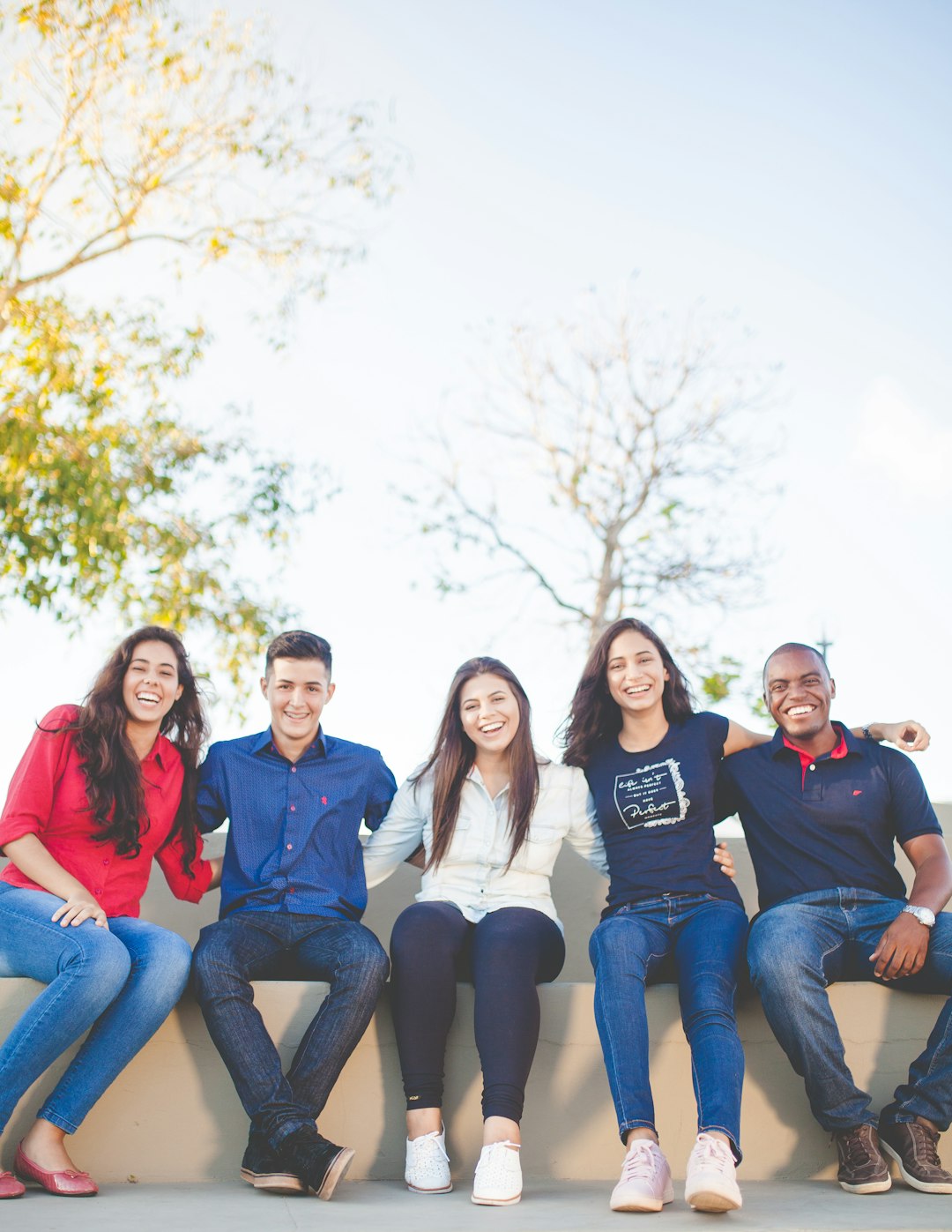
One of the most powerful aspects of neighborhood connections is their ability to bridge economic divides. Residents of neighborhoods with differing levels of services and amenities face different issues when mobilizing to improve their neighborhoods, and the projects that people invest in vary by neighborhood socioeconomic status.
This is where the magic happens. When a wealthy neighbor becomes genuine friends with someone from a lower-income household, both benefit. The connection provides emotional support, practical help, and often opens doors to opportunities that wouldn’t exist otherwise.
These cross-class friendships create what researchers call “bridging social capital”—connections that span different social groups. Unlike “bonding social capital” that connects similar people, bridging capital actually improves community health outcomes across the board.
The Unexpected Health Benefits of Helping Others
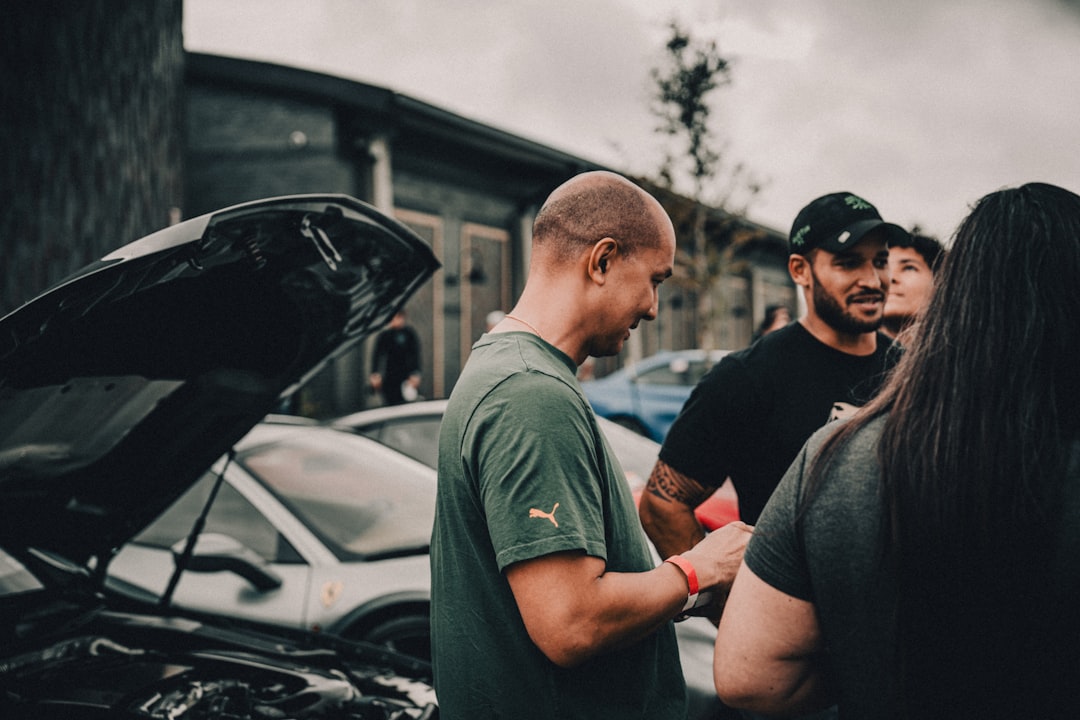
Here’s something that might surprise you: helping your neighbors might benefit your health more than theirs. People who engage in meaningful, productive activities with others tend to live longer, boost their mood, and have a sense of purpose. These activities seem to help maintain their well-being and may improve their cognitive function.
When you shovel snow for an elderly neighbor or help organize a block party, you’re not just being nice—you’re investing in your own longevity. The act of giving and contributing to your community creates a sense of purpose that’s been linked to better mental health and longer life.
This isn’t just feel-good psychology. People who are lonely are twice as likely to get depressed, and loneliness can also lead to anxiety, and thoughts of self-harm. By contrast, helping others and feeling needed by your community provides a natural antidote to these mental health challenges.
Creating Safe Spaces for Connection

Not all neighborhoods are equally conducive to forming relationships. Developing environments in communities that are safe spaces for relationship building and support for dealing with loneliness and isolation can be beneficial. This means more than just physical safety—it’s about creating emotional safety where people feel comfortable reaching out.
Simple changes can make a huge difference. A well-lit community garden, regular neighborhood walks, or even informal coffee meetups can transform a collection of houses into a real community. These spaces give people permission to be vulnerable and authentic with each other.
The key is consistency and inclusivity. Some groups, such as people with disabilities, refugees or migrants, LGBTQ+ individuals, and indigenous groups and ethnic minorities, may face discrimination or additional barriers that make social connection harder. True community building requires intentional effort to welcome everyone.
Technology’s Double-Edged Impact

While technology can connect us globally, it can also isolate us from our immediate neighbors. The report underscores the need for vigilance around the effects of excessive screen time or negative online interactions on the mental health and well-being of young people.
However, technology isn’t inherently bad for community building. Many neighborhoods now use apps to organize events, share resources, and coordinate help during emergencies. The key is using technology to enhance face-to-face connections rather than replace them.
Think of technology as a tool to facilitate real-world meetings. A neighborhood Facebook group that organizes weekly walks or a group chat that coordinates carpools can strengthen rather than weaken community bonds—if it leads to actual human interaction.
The Economic Impact of Connected Communities
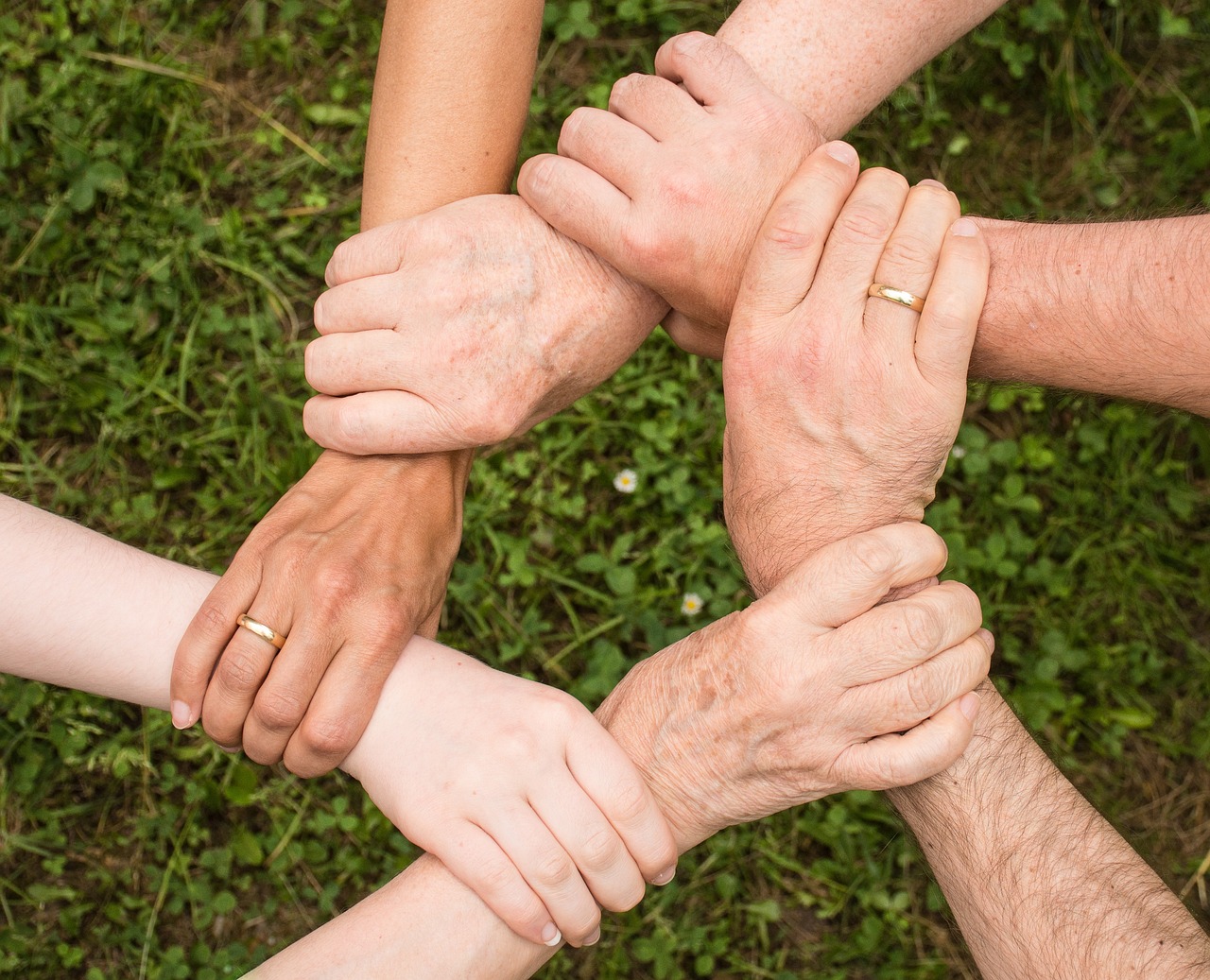
Strong neighborhood bonds aren’t just good for health—they’re good for the economy too. Teenagers who felt lonely were 22% more likely to get lower grades or qualifications, and adults who are lonely may find it harder to find or maintain employment and may earn less over time.
Connected communities also create informal support networks that reduce the burden on formal social services. When neighbors help each other with childcare, elder care, and emergency support, it reduces costs for everyone involved.
At a community level, loneliness undermines social cohesion and costs billions in lost productivity and health care. Communities with strong social bonds tend to be safer, healthier and more resilient, including in response to disasters. During the pandemic, neighborhoods with strong existing bonds adapted better to challenges and recovered faster.
Small Actions, Massive Impact

The beauty of building neighborhood connections is that it starts with incredibly simple actions. Stay in touch with family, friends, and neighbors. Connect in person, online, or by phone. The cumulative effect of these small interactions can transform entire communities.
Consider organizing a regular neighborhood potluck, starting a community garden, or simply making it a point to learn your neighbors’ names. Help others. Run errands for people with limited mobility or access to transportation. These gestures create a ripple effect that strengthens the entire social fabric.
The goal isn’t to become best friends with everyone on your street—it’s to create a network of mutual support and recognition. When people feel seen and valued by their neighbors, it changes how they move through the world.
The Future of Community Connection

As we move forward, the importance of neighborhood bonds will only grow. WHO calls on all Member States, communities and individuals to make social connection a public health priority, and the first-ever resolution on social connection was adopted by the World Health Assembly in May 2025.
This isn’t just a trend—it’s a recognition that human connection is as vital to health as clean water and nutritious food. The communities that thrive in the coming decades will be those that prioritize relationship-building and mutual support over individual achievement.
The power to transform your neighborhood lies in your hands. As a social species, we are accountable to help our lonely children, parents, neighbors, and even strangers in the same way we would treat ourselves. Every conversation, every gesture of kindness, every moment of genuine connection contributes to something bigger than yourself.
Building Your Community, One Neighbor at a Time
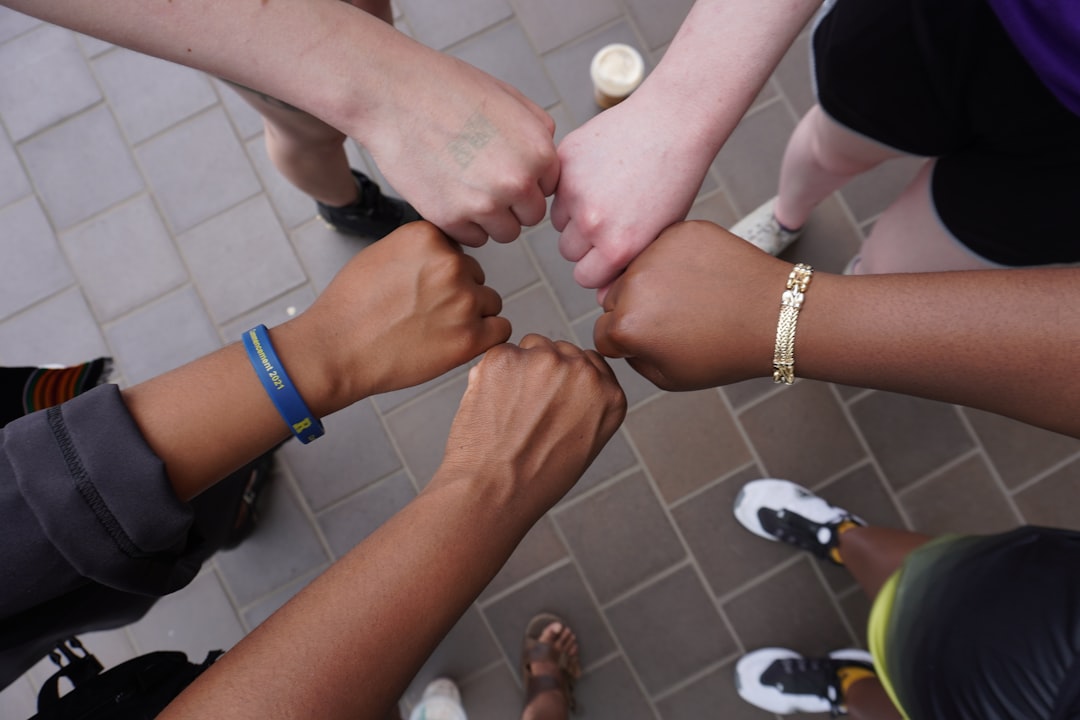
The research is overwhelming: strong neighborhood connections literally save lives, improve health outcomes, and create more resilient communities. But this isn’t about grand gestures or expensive programs—it’s about the daily choice to see your neighbors as potential family members rather than strangers.
Start small. Learn someone’s name today. Offer to help with groceries tomorrow. Organize a simple gathering next week. These aren’t just nice things to do—they’re investments in your own health, your neighbors’ wellbeing, and the future of your community.
The bonds you build today will determine the community you live in tomorrow. In a world where you can order anything online and work from anywhere, the one thing you can’t buy is the feeling of belonging that comes from being known and valued by the people who live around you. But you can create it, one conversation at a time. What neighbor will you connect with today?

Lena is a thoughtful and imaginative writer with a passion for storytelling across the themes of travel, environmental sustainability, and contemporary home aesthetics. With a background in cultural media and a strong visual sensibility, Anna Lena creates content that bridges inspiration with practical insight.
Her work explores the interplay between place, lifestyle, and design—guiding readers through meaningful travel experiences, eco-conscious choices, and modern approaches to living well. Known for her elegant writing style and attention to detail, she brings a fresh, human-centered perspective to every topic she covers.
Anna Lena contributes to digital publications and editorial projects where aesthetics meet purpose. Her writing not only informs but also encourages readers to live more intentionally, sustainably, and beautifully—wherever they are in the world.