

Lena is a thoughtful and imaginative writer with a passion for storytelling across the themes of travel, environmental sustainability, and contemporary home aesthetics. With a background in cultural media and a strong visual sensibility, Anna Lena creates content that bridges inspiration with practical insight.
Her work explores the interplay between place, lifestyle, and design—guiding readers through meaningful travel experiences, eco-conscious choices, and modern approaches to living well. Known for her elegant writing style and attention to detail, she brings a fresh, human-centered perspective to every topic she covers.
Anna Lena contributes to digital publications and editorial projects where aesthetics meet purpose. Her writing not only informs but also encourages readers to live more intentionally, sustainably, and beautifully—wherever they are in the world.
The Great Fence Debate: Why Everyone Assumes You Need One
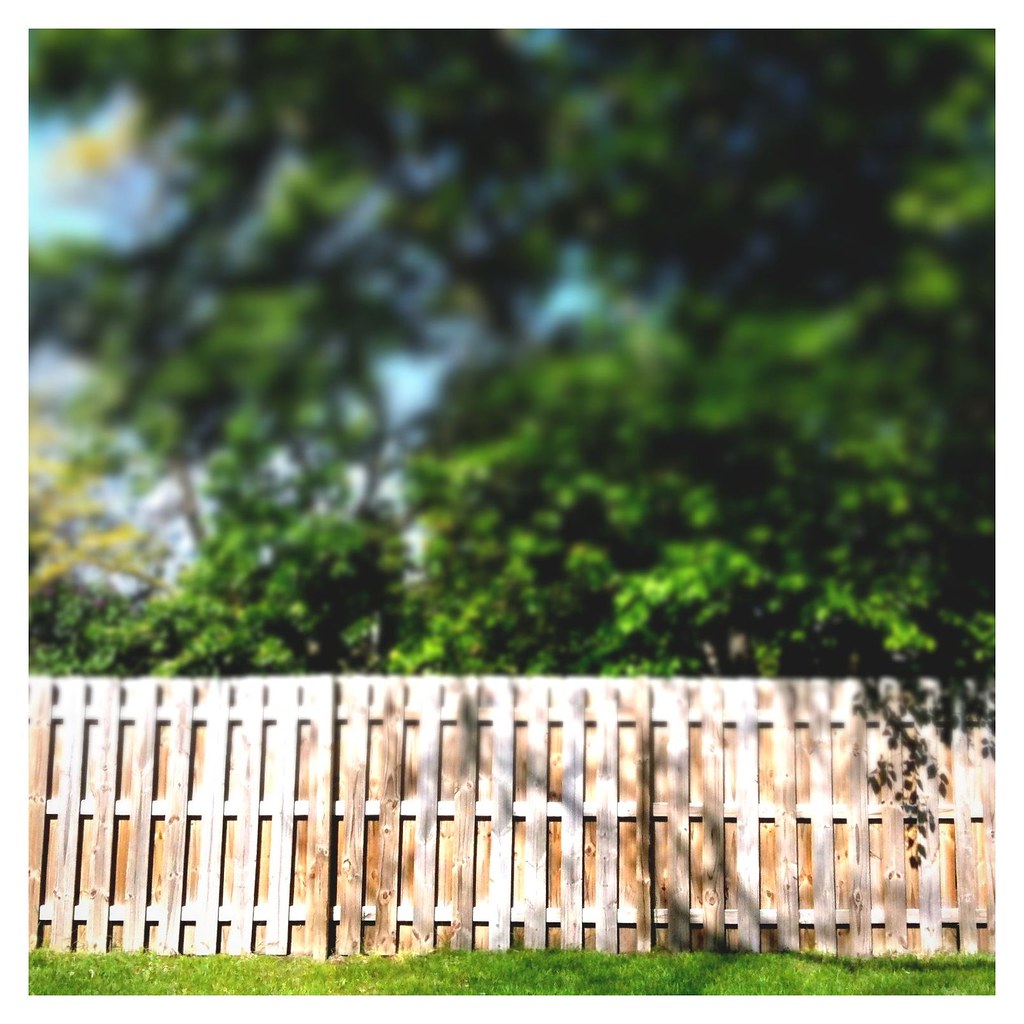
Here’s something that might surprise you: there are no laws that state you must erect fencing around your property. I know, I know – it sounds crazy given how everyone seems to have one these days. But legally speaking, you’re completely free to live fence-free in most situations.
This revelation often shocks homeowners who’ve spent years dealing with neighbor disputes and costly fence repairs. The assumption that fencing is mandatory has become so ingrained in our culture that we never question it. Yet the truth is, laws of this sort only apply alongside railways, around disused mines, around building sites adjacent to highways or to pen livestock into a particular field.
When You Actually Do Need a Fence (The Legal Exceptions)
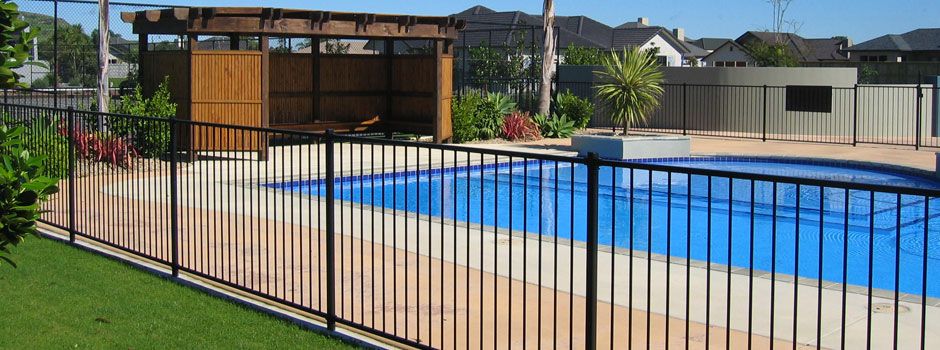
Before you tear down that old fence, let’s talk about when fences are actually required by law. Florida law mandates that fences be built around public and private pools, as well as other water features like spas and hot tubs. The fence must completely enclose the pool area, ensuring safety for both children and pets. Pool fences must be at least four feet tall. Similarly, Texas law governs pool fences for safety. Chapter 757 of the Texas Health and Safety Code states that pools must have a fence surrounding them that are at least 48 inches high.
Living next to a railway, containing livestock, or if your deeds require you to, are all common reasons to why you may be legally obliged. These exceptions make sense from a safety perspective – nobody wants cattle wandering into traffic or children falling into pools.
The Psychology Behind Our Fence Obsession
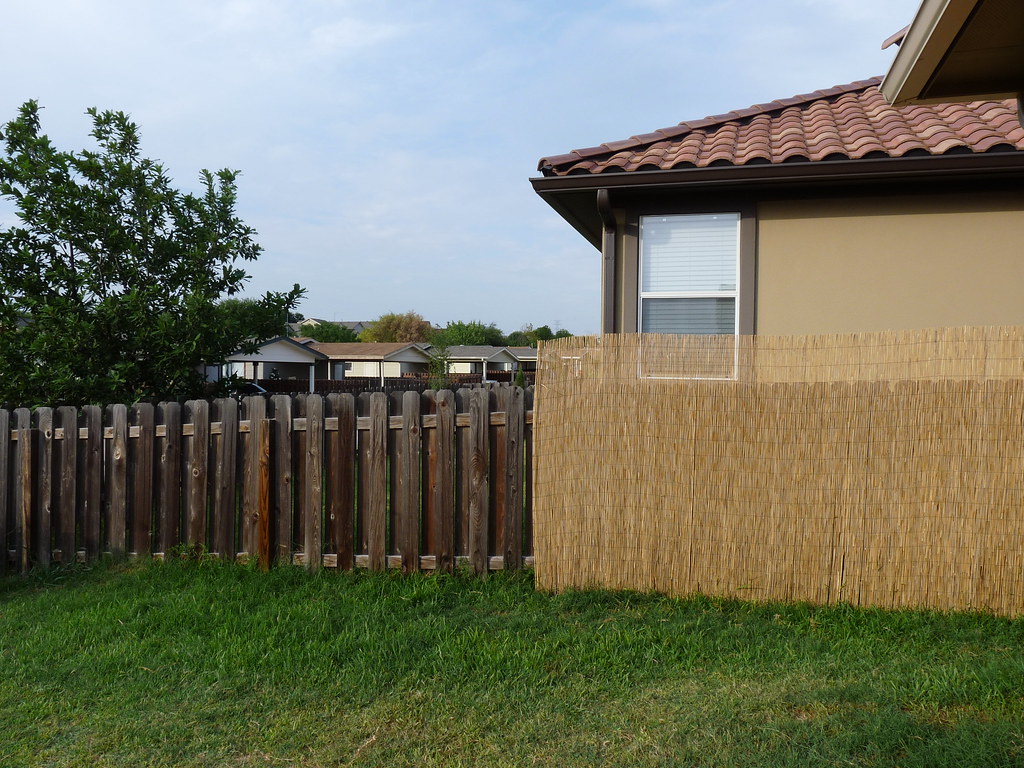
So why do we all think we need fences? The answer lies in our collective psychology and social expectations. Fences are essential to protecting privacy in your backyard, keeping pets safely in, and establishing property lines. Few people today question that a good fence is essential to a newly built or remodeled home. Gone are the days of vast, interconnected backyards.
The shift toward fenced properties reflects our changing relationship with our neighbors and community. We’ve traded the open neighborhoods of the past for clearly defined boundaries that offer privacy and security. Yet this cultural norm doesn’t equal legal requirement.
The Financial Reality of Fence-Free Living
Living without a fence can save you thousands of dollars, both upfront and in ongoing maintenance. Consider the typical costs: installation can range from $15-50 per linear foot depending on materials, plus annual maintenance, repairs, and eventual replacement. Over a 20-year period, you might spend $10,000-30,000 on fencing for an average property.
This absence of any legal obligation can be particularly distressing if you have a neighbour who’s either let their fence rot away, has a wall that isn’t being maintained or has sections of it missing. In short, there’s nothing in the law that you can use to force them to repair it. This reality highlights an important point – you’re not legally responsible for maintaining boundaries that aren’t required in the first place.
Property Line Myths That Keep Us Fenced In
One of the biggest myths perpetuating fence culture is the belief that property lines must be physically marked. It’s common to assume that you automatically own the fence on the left hand side of the house as you look at it from the street. But this isn’t set out in law. Believing that that the smooth side of the fence should face the neighbour when being erected is another common misconception. In reality, there is no clear rule.
Property lines exist in legal documents, not in physical barriers. Your deed defines your boundaries whether there’s a fence there or not. The fence doesn’t create the boundary – it’s simply one way to mark it.
Navigating Neighbor Expectations Without Fences
Living fence-free requires some finesse with neighbors who might expect traditional boundaries. The key is communication and understanding. Many neighbors appreciate the open feel of unfenced properties, especially when it creates larger, more connected outdoor spaces for everyone to enjoy.
If privacy is a concern, consider creative alternatives like strategically placed landscaping, trees, or hedges that provide natural barriers without the legal complications of fences. These solutions often look better, cost less long-term, and don’t require permits or neighbor agreements.
The Good Neighbor Fence Law Trap
The Good Neighbor Fence Law California (Civil Code § 841) requires adjoining property owners to equally share the responsibility for the maintenance and cost of boundary fences, unless otherwise agreed. By default, both neighbors share the cost of building or repairing a boundary fence under the California Good Neighbor Fence Law, unless one party can prove the work was unnecessary or unfair.
This law can actually trap you into fence ownership you never wanted. From a purely legal standpoint, the neighbor, in most circumstances, can build the fence and even ask you to pay 50 percent of the cost of the fence. Their fence project may hinge more on the issue of notice than anything else. If you live in a jurisdiction where the neighbor must serve you notice before embarking on the fence project, then that neighbor is indeed unable to build and remain within the laws of your area.
Alternative Boundary Solutions for Modern Living
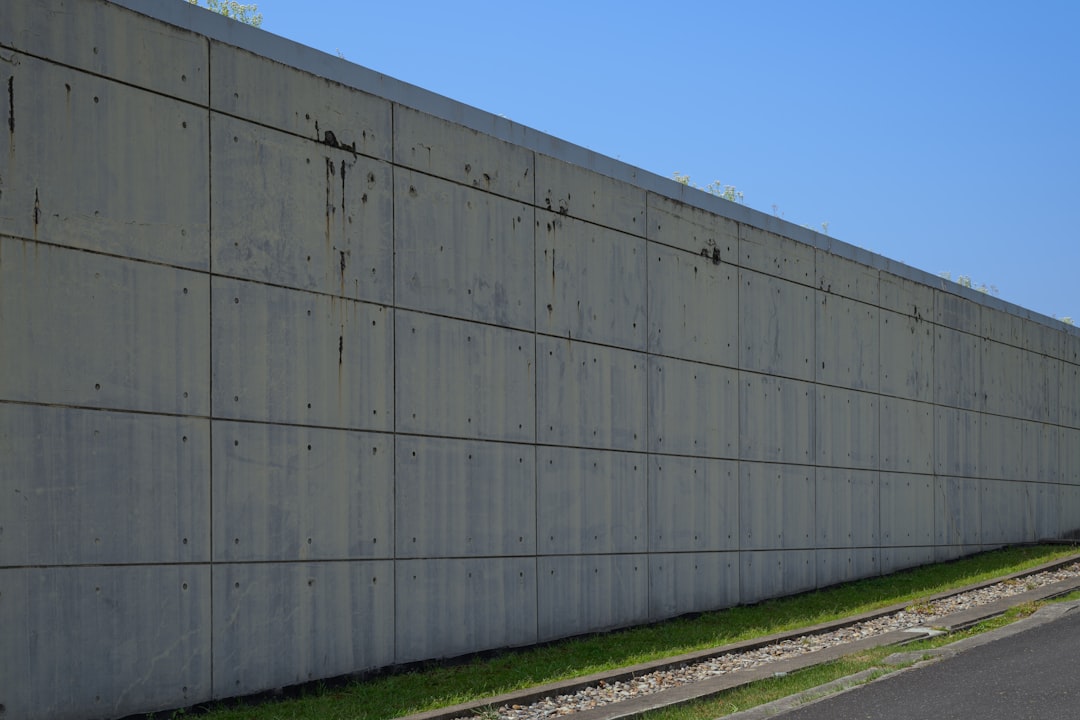
Who says boundaries need to be physical barriers? Modern landscaping offers countless alternatives that can define your space without the legal complications of fences. Consider living walls made from native plants, decorative stone borders, or even artistic installations that mark property lines creatively.
These alternatives often provide better environmental benefits, supporting local wildlife and requiring less maintenance than traditional fences. They also tend to increase property values more than standard fencing while creating more attractive outdoor spaces.
The Environmental Case Against Fences

While fences are needed as boundaries or to keep livestock contained, they serve as a barrier to wildlife moving across the landscape. Whether animals are traveling during seasonal migrations or in search of food, fences can prevent wildlife from reaching the habitat and resources they need. One of the easiest ways to keep migration corridors and landscapes open to wildlife – and to be the best wildlife neighbor – is to make fences wildlife friendly.
Living fence-free supports local ecosystems and wildlife movement patterns. It’s a small but meaningful way to contribute to environmental conservation while saving money and reducing your property maintenance burden.
HOA Rules vs. Legal Requirements
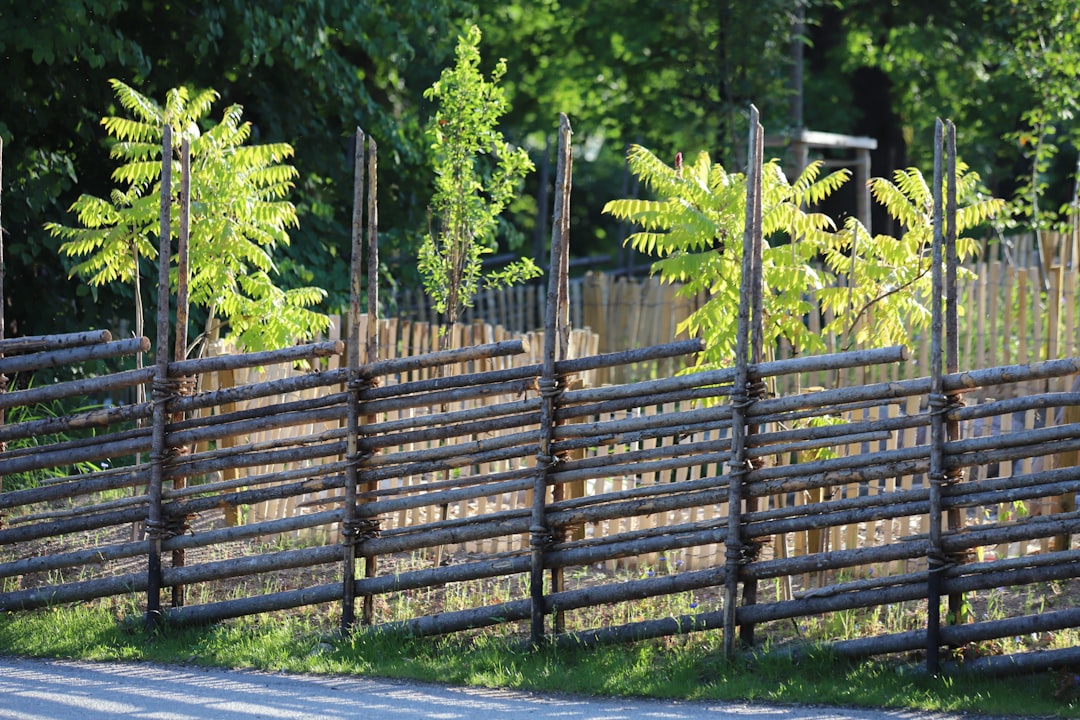
Homeowner associations (HOAs) can also impose fence restrictions on residents living within certain subdivisions. The main focus for HOAs is keeping the community’s aesthetics consistent. This ensures they align with the rules created by the communities’ … Ordinances and HOA rules can change. Understanding the difference between legal requirements and HOA rules is crucial for fence-free living.
While you can’t be legally forced to install a fence (in most cases), your HOA might have different ideas. Review your HOA covenants carefully – some require fences while others prohibit them entirely. These are contractual obligations, not legal requirements, but they can still have consequences.
State-by-State Variations in Fence Freedom
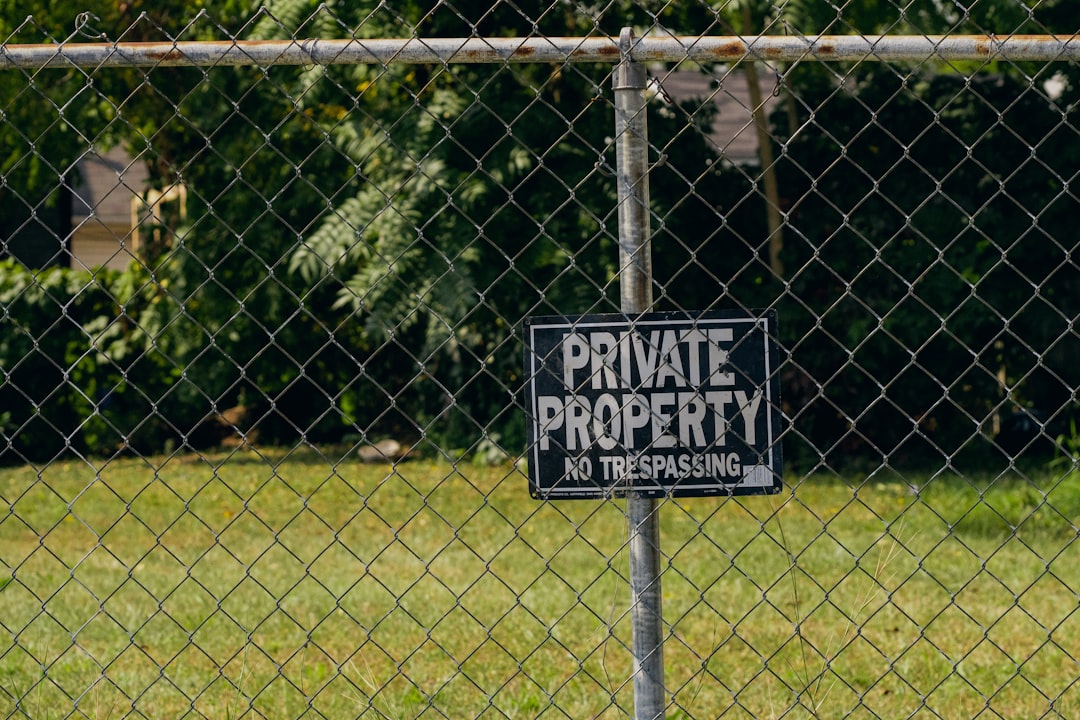
These regulations vary widely from state to state. For example, North Carolina property law doesn’t regulate fences much, except if the property owner keeps livestock. If you don’t have livestock, you just have to keep the fence within the bounds of your land (unless there is a contrary agreement with your neighbor).
Some states are more fence-friendly than others. Under Florida law, adjoining landowners are under no legal obligation to erect fences dividing their land. If one landowner does decide to build a boundary fence, the adjoining landowner is not obligated to share in this expense unless it was agreed to in advance. This creates ideal conditions for fence-free living.
Insurance and Liability Considerations
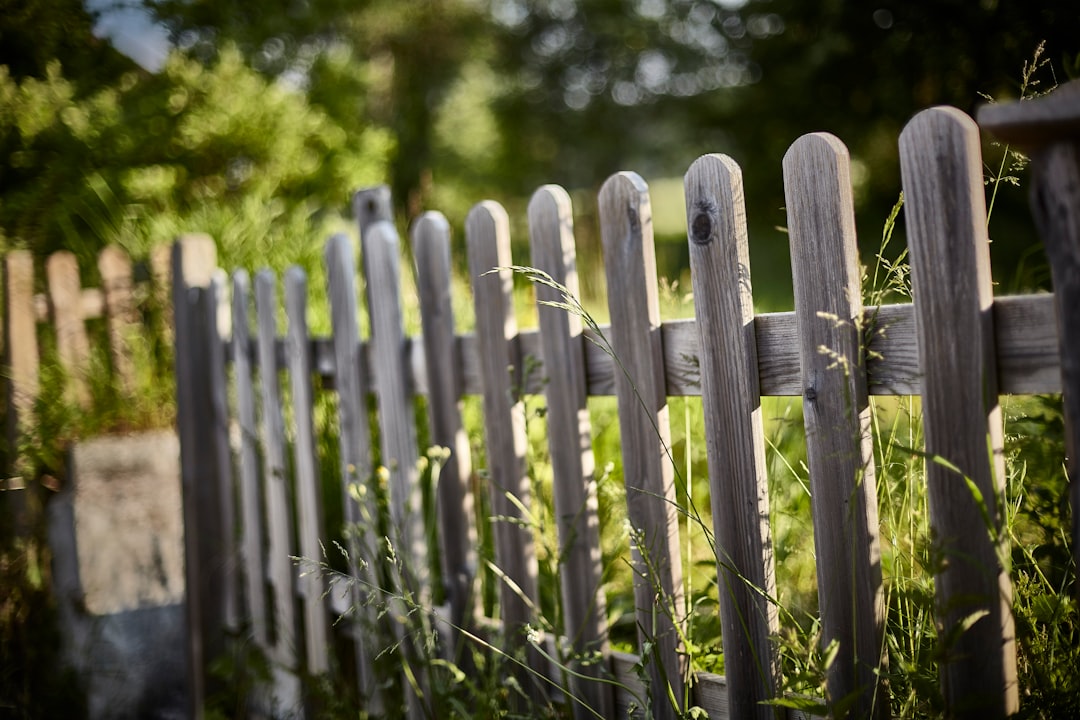
One concern many homeowners have about fence-free living is liability. What if someone gets hurt on your property? The truth is, if an injury or damage were to occur as a result of the damaged fence, they could be forced to pay extensive reparations. Unless the deeds specify for the garden boundary wall to be maintained, there is no legal requirement for the owner to maintain the wall. However, the owner could be liable if the fence or wall causes damage or injury because it has been neglected.
Interestingly, you might actually reduce liability by removing potential hazards like deteriorating fences. Check with your insurance provider about how fence-free living affects your coverage – you might even get a discount for reduced risk.
The Future of Fence-Free Communities

As housing costs rise and environmental awareness grows, more communities are embracing fence-free living. This trend reflects a broader shift toward sustainable, community-oriented development that prioritizes shared spaces over individual boundaries.
Some new developments are specifically designed around the concept of minimal or no fencing, creating more open, connected neighborhoods that foster community interaction while reducing environmental impact. These communities often report higher satisfaction levels and stronger neighbor relationships.
Making the Transition to Fence-Free Living
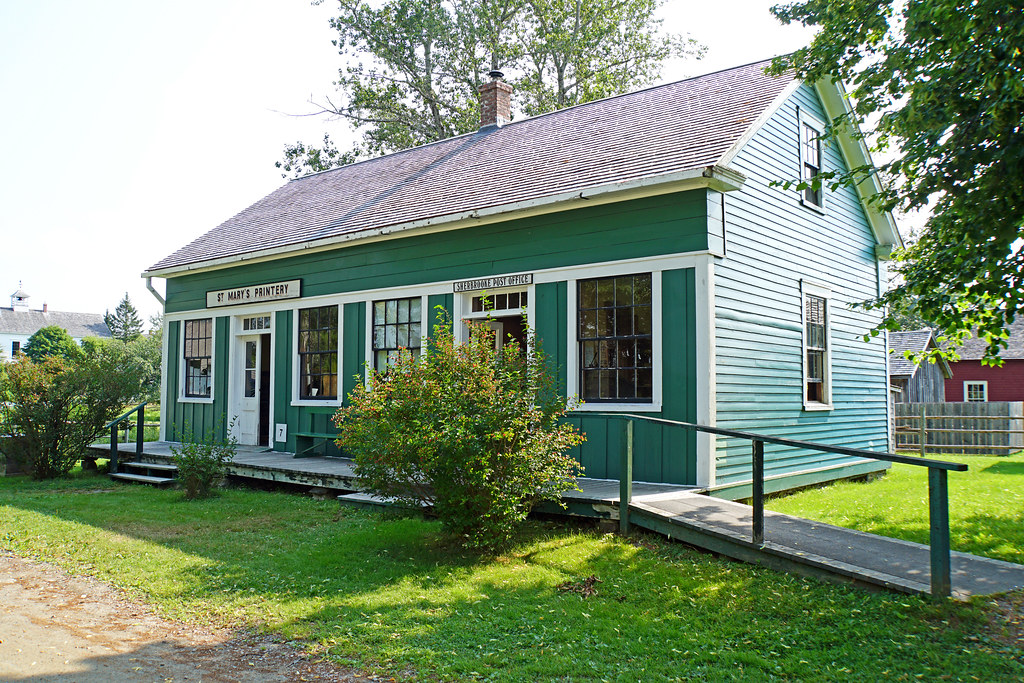
If you’re considering removing your fence, start by checking your local regulations and HOA rules. Then communicate with your neighbors about your plans – most will be supportive once they understand the benefits. Consider a gradual transition, perhaps starting with removing sections in good condition while leaving others until you’re comfortable with the change.
Remember, you can always change your mind later. The beauty of fence-free living is its flexibility – you’re not locked into expensive, permanent structures that might not suit your evolving needs. Living without borders isn’t just about saving money; it’s about creating more open, connected, and sustainable communities for everyone.

Lena is a thoughtful and imaginative writer with a passion for storytelling across the themes of travel, environmental sustainability, and contemporary home aesthetics. With a background in cultural media and a strong visual sensibility, Anna Lena creates content that bridges inspiration with practical insight.
Her work explores the interplay between place, lifestyle, and design—guiding readers through meaningful travel experiences, eco-conscious choices, and modern approaches to living well. Known for her elegant writing style and attention to detail, she brings a fresh, human-centered perspective to every topic she covers.
Anna Lena contributes to digital publications and editorial projects where aesthetics meet purpose. Her writing not only informs but also encourages readers to live more intentionally, sustainably, and beautifully—wherever they are in the world.