

Matthias is a skilled author and digital storyteller with a focus on travel journalism, environmental issues, and modern home design. With a background in communications and a passion for global cultures, Matthias crafts engaging narratives that blend real-world exploration with thoughtful analysis and visual flair.
His writing reflects a deep interest in how climate change shapes our lives and lifestyles—from sustainable travel practices to eco-friendly living environments. Known for his clear, approachable voice and sharp editorial instincts, Matthias delivers content that resonates with readers seeking both inspiration and substance.
Whether reporting from remote destinations, breaking down sustainable design trends, or spotlighting innovative green initiatives, Matthias brings a global perspective and an eye for detail to every piece. He regularly contributes to web platforms and editorial projects that aim to foster awareness, creativity, and conscious living.
The Shocking Reality Behind Basement Apartment Conversions
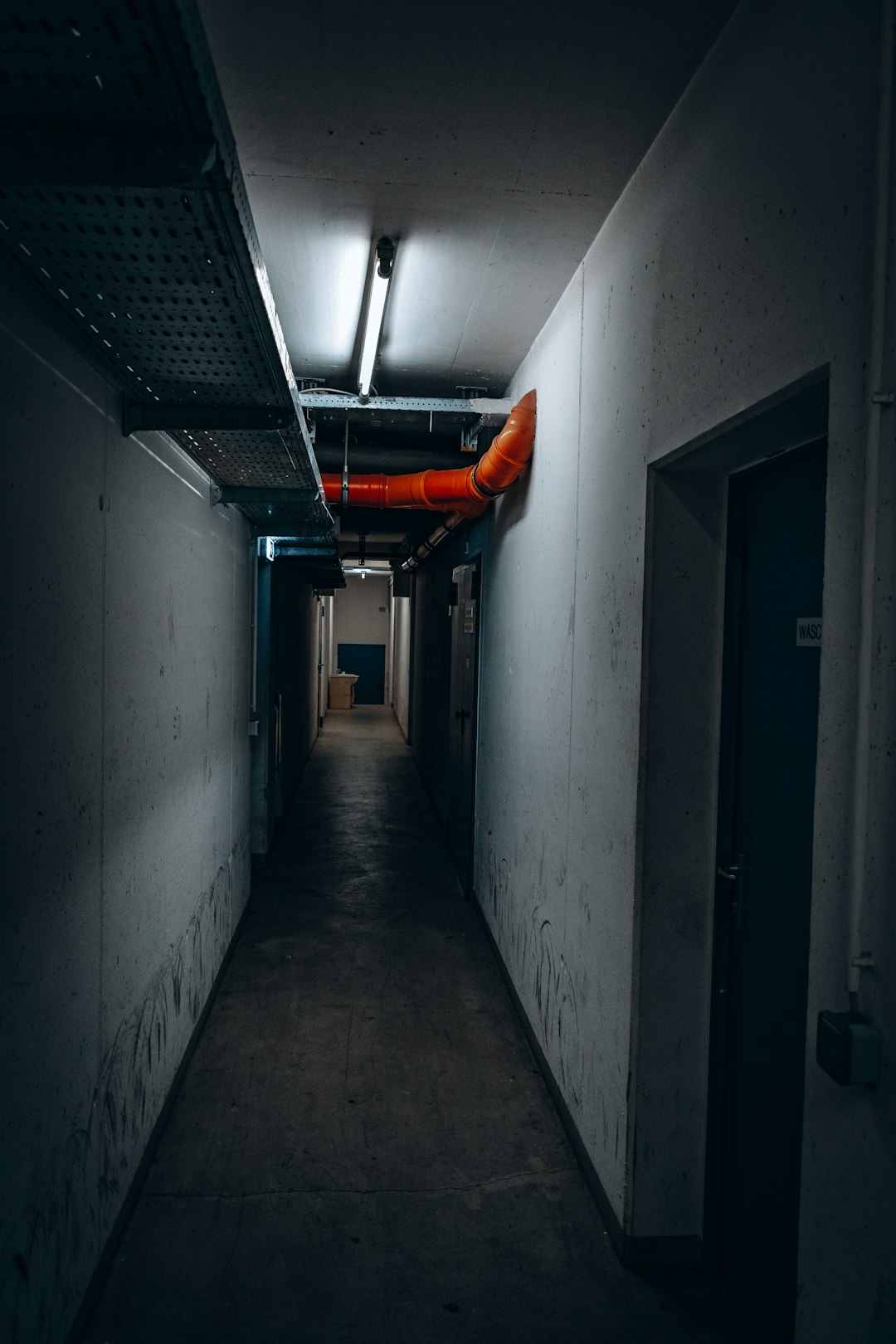
When Hurricane Ida devastated New York City in 2021, eleven people lost their lives in basement apartments. When the remnants of Hurricane Ida caused flooding across New York City in 2021, 11 New Yorkers who lived in basement apartments died. These deaths exposed the dark reality of illegal housing: what seems like affordable shelter can become a deadly trap. Basement apartments have always been a critical supplement to New York City’s housing stock. They are particularly advantageous because they create new rental units without the cost of acquiring land, rent for less than comparable above-grade units, and provide homeowners with a source of revenue to help pay a mortgage, maintain the property, or cover other expenses.
The tragedy wasn’t just about flooding – it revealed how hundreds of thousands of New Yorkers live in substandard housing that violates basic safety codes. Occupants of illegal basement and cellar apartments face potential dangers such as carbon monoxide poisoning, inadequate light and ventilation, and inadequate egress in the event of a fire. These aren’t just minor inconveniences; they’re life-threatening conditions that people endure because they can’t afford anything else.
The Million-Dollar Mistake: Why Legal Conversions Are Financially Impossible
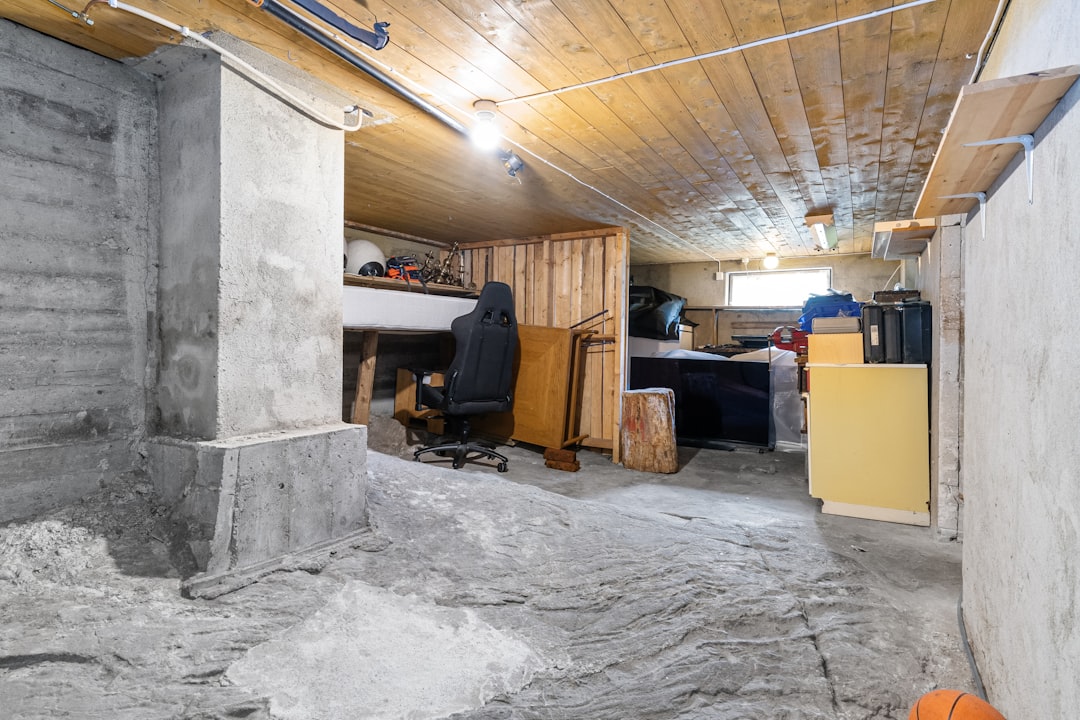
Existing state laws are raising the costs of converting an unregulated basement unit up to legal building code standards to as much as $1 million, city officials said at a City Council hearing Tuesday. They mandate features like building-wide fire sprinklers and safety railings on roofs, and have pushed cost estimates for the four homeowners who have yet to begin construction into the $500,000 to $1 million range, she said. These astronomical costs make it nearly impossible for most homeowners to legalize their basement apartments, even when they want to do the right thing.
The city’s own pilot program tells the story perfectly. Of 800 homeowners who expressed interest in participating, 100 received detailed cost assessments, Darga said — and of those, only 12 said they could shoulder the financial cost. When 88% of interested homeowners can’t afford the legal conversion process, the system is fundamentally broken.
The Daily Fine Trap: How Violations Add Up to Financial Ruin
The financial consequences of running illegal apartments are staggering. If caught, homeowners can face fines of $1,000 per day until the violation is resolved, fees that can amass up to $25,000. So when faced with a potential $25,000 fine or evicting someone paying less than $2,000 a month in rent, it makes sense for homeowners to kick their tenants to the curb if caught. This creates a vicious cycle where landlords are incentivized to hide violations rather than fix them.
The enforcement is often inconsistent but when it hits, it hits hard. HPD had yet to follow up with 57 percent of the more than 1,700 vacate orders the agency issued to basement homeowners from 2020 to the end of 2024, and only 18 percent of those cases were closed during that time, according to an analysis of city data. In the same period, DOB received more than 57,000 complaints for illegal occupancy, which includes attics, garages, basements, and other illegal dwelling spaces.
The Inspection Avoidance Game: Why Enforcement Often Fails
The cat-and-mouse game between landlords and inspectors reveals how broken the system really is. When inspectors went to investigate these claims, homeowners refused to answer the door 63 percent of the time, the data shows. If an inspector is unable to gain access after their second inspection attempt, DOB can close the case. Only 6 percent of all complaints resulted in a violation being served against the homeowner, the data shows.
This avoidance strategy works because the system is designed to be inefficient. Landlords know that if they just don’t answer the door twice, the problem goes away. It’s a systematic failure that allows dangerous conditions to persist while giving everyone involved plausible deniability.
The Tenant Blacklist: How Reporting Problems Can Backfire
Tenants living in illegal apartments face an impossible choice: report dangerous conditions and risk eviction, or stay silent and risk their safety. However, for basement dwellers, a call to 311 may lead to a Department of Buildings (DOB) or HPD inspector discovering their illegal living space, risking eviction. As a result, many opt to keep quiet for fear of outing themselves. This silence allows dangerous conditions to persist unchecked.
The fear is justified. Another risk is being added to the tenant blacklist, which can make it very difficult to rent another apartment in New York City. We calculated that a family that faces an eviction will lose at a minimum of half a week worth of one earner’s wages just in time spent in court. The system punishes tenants for seeking help, creating a culture of silence around unsafe housing.
The Pilot Program Failure: Only 5 Participants Out of 8,000
New York City’s basement apartment pilot program, launched with great fanfare in 2019, has been a spectacular failure. At a City Council oversight hearing on accessory dwelling units and legalizing basement apartments – also a stated priority of New York City Mayor Eric Adams – city officials said that there are just five active participants in the pilot conversion program. In Brooklyn Community District 5, where this pilot was launched, about 8,000 homeowners were identified by the city as potentially eligible in the area and contacted about the program.
The program’s failure wasn’t due to lack of interest – it was due to impossible costs and regulations. While zoning, location and other technical limitations kept some homeowners from participating in the pilot, others were effectively excluded because the conversions were financially infeasible. Darga said that the department has found that the building and safety requirements in the Multiple Dwelling Law double the cost of a conversion.
The Geographic Inequality: Wrong Areas Get Help
The latest state pilot program reveals another layer of dysfunction: it’s focused on the wrong neighborhoods. Six of 15 districts in the program to allow subterranean apartment conversions are in Manhattan, a borough with only 1% of the city’s basement and cellars in smaller homes. In Queens, however, a majority of basement tenants who seek legal advice for poor living conditions, evictions or agency vacate orders tend to live in areas excluded from the new pilot programs — like Corona, Elmhurst, Flushing, and many parts of southeast Queens, including Jamaica, St.
This geographic mismatch isn’t accidental – it’s political. Nearly half of all vacate orders issued for illegal occupancies were doled out in Queens, according to Department of Housing Preservation and Development records — more than any other borough. Not all vacate orders in the data are for illegal basement apartments, however advocates say the records roughly sketch a picture of the issue.
The Vulnerable Population Problem: Who Really Lives in Illegal Apartments
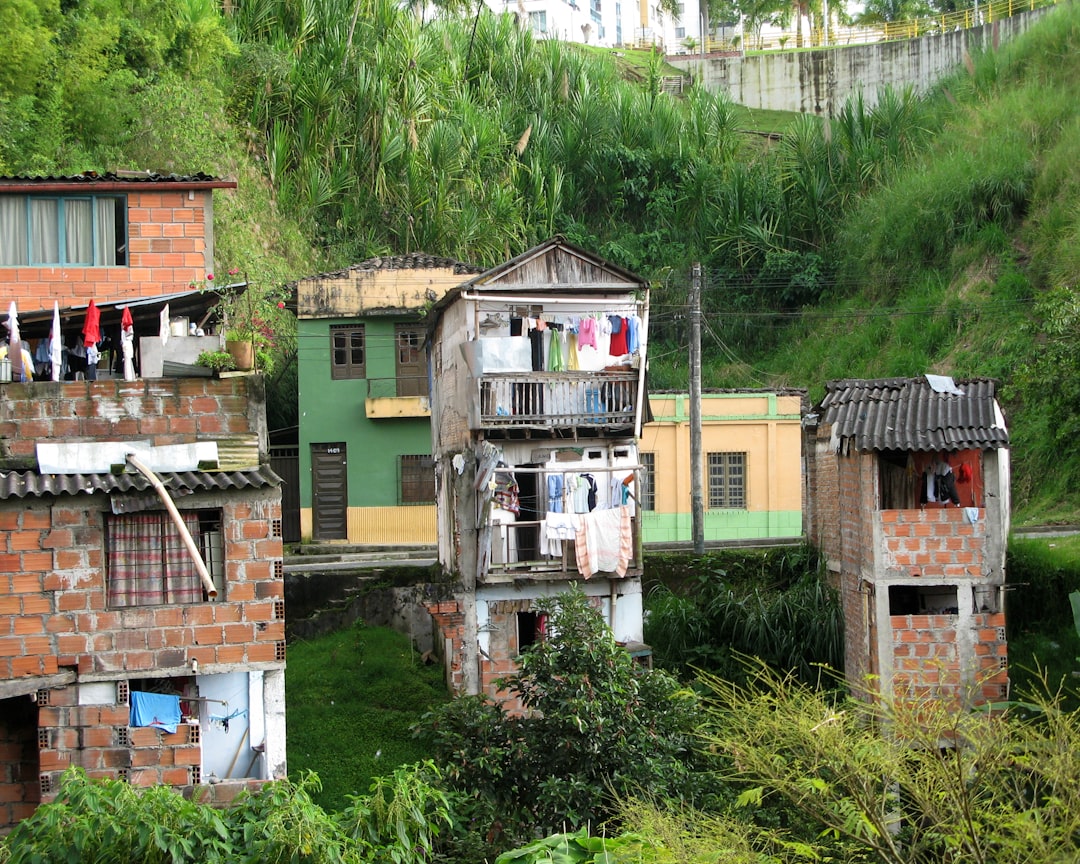
The people most affected by illegal apartments are also the most vulnerable to exploitation. I will say that all my clients that are living in basements, they really are struggling the most. Oftentimes they’re undocumented, they’re low-income, and so they really are part of the housing crisis where rent is just too high, and it’s really all that they can afford.
The demographics paint a stark picture. Bad landlords also tend to have an outsized impact on people who are economically vulnerable, with 29% of people living in units owned by these landlords living below the poverty line, compared with 19% of New Yorkers overall. The high cost of renting an apartment in New York City may be forcing the most economically vulnerable to make a terrible compromise.
The Insurance and Legal Liability Nightmare

Running illegal apartments creates a complex web of insurance and legal problems that extend far beyond simple fines. When someone dies or gets injured in an illegal unit, the liability exposure can be catastrophic. Standard homeowner’s insurance policies typically exclude coverage for illegal conversions, leaving landlords personally liable for accidents, injuries, or deaths.
The legal ramifications multiply when tenants discover their apartments are illegal. Renting out illegal apartments can have serious legal ramifications for landlords. They may face fines, citations, or legal action from local authorities for violating building and zoning codes. In severe cases, landlords might be required to pay substantial penalties or even lose rental income if authorities shut down the illegal units. The financial exposure can easily exceed a year’s worth of rental income.
The Hidden Health Costs: More Than Just Housing
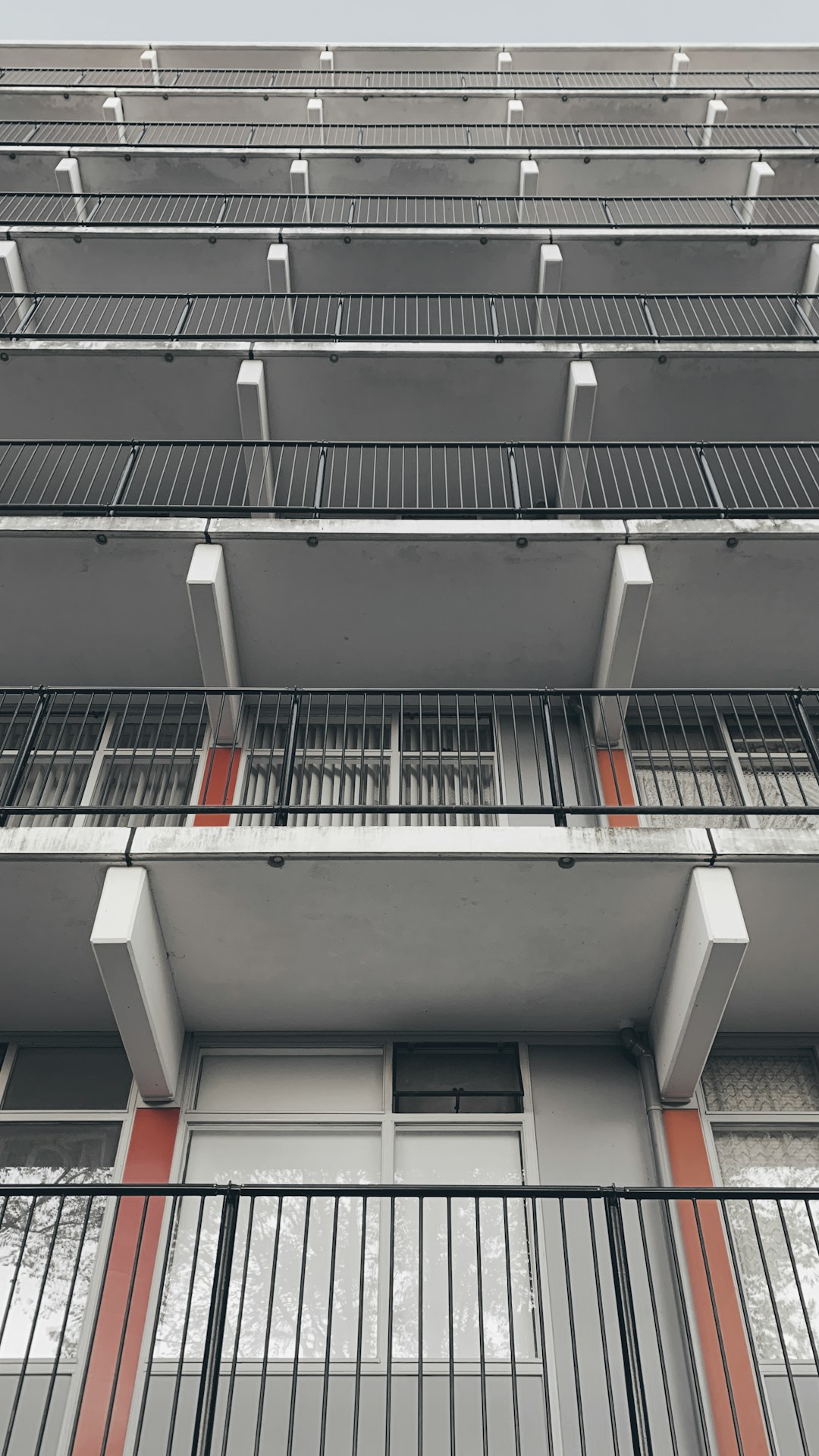
The health impacts of illegal apartments create costs that ripple through the entire healthcare system. Poor ventilation, inadequate lighting, and exposure to carbon monoxide don’t just affect individual tenants – they create public health burdens that everyone pays for. Neglected, substandard housing can also have a negative impacts on city, state and federal budgets. Lack of affordable, high-quality housing can impact health, driving up costs such as Medicaid and Medicare.
The psychological costs are equally significant. Living in constant fear of eviction, dealing with unsafe conditions, and having no legal recourse creates stress that affects work performance, family relationships, and overall quality of life. These aren’t just individual problems – they’re community problems that affect neighborhood stability and economic development.
The Economic Ripple Effects: Beyond Individual Costs
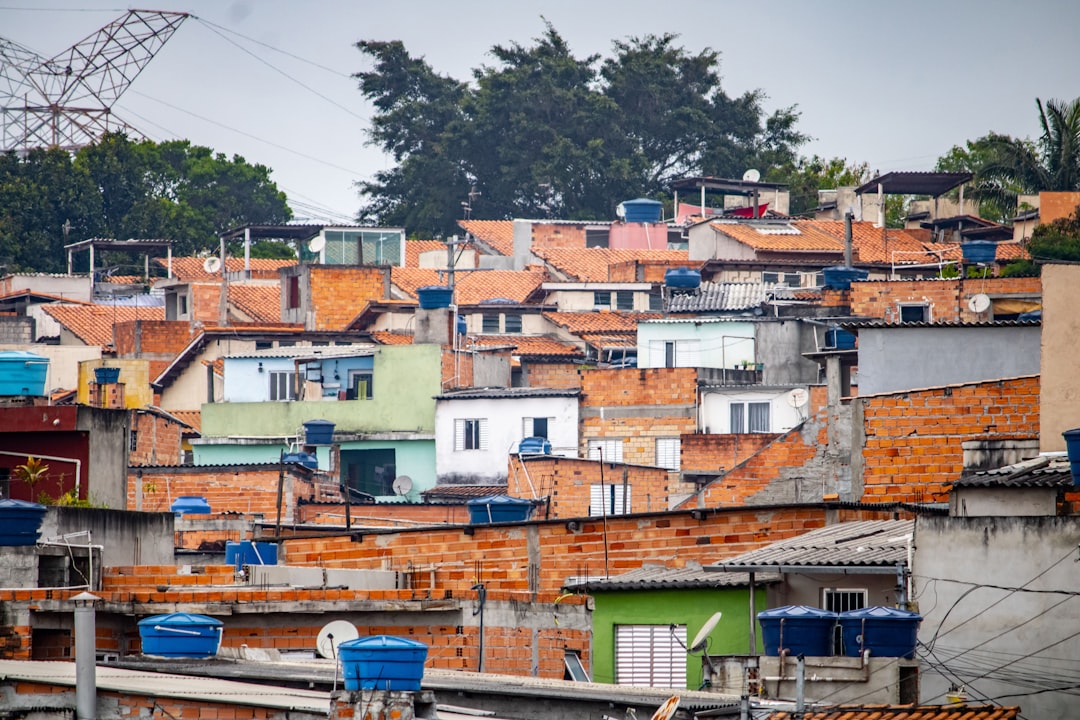
The economic impact of illegal apartments extends far beyond the immediate costs to landlords and tenants. Residents displaced by bad landlords may lose access to educational and employment opportunities, as well as, to their social network. Remaining residents find themselves having to make difficult decisions, such as whether to pay the rent late or forgo a health treatment. These disruptions create cascading economic effects throughout communities.
The research shows that the problem is concentrated in areas that can least afford it. Bad landlords are not evenly distributed. Our research finds that people living in buildings owned by landlords with high levels of evictions and violations are disproportionately concentrated in the Bronx, as well as in a few specific neighborhoods where resources are already stretched thin.
The Path Forward: What Needs to Change
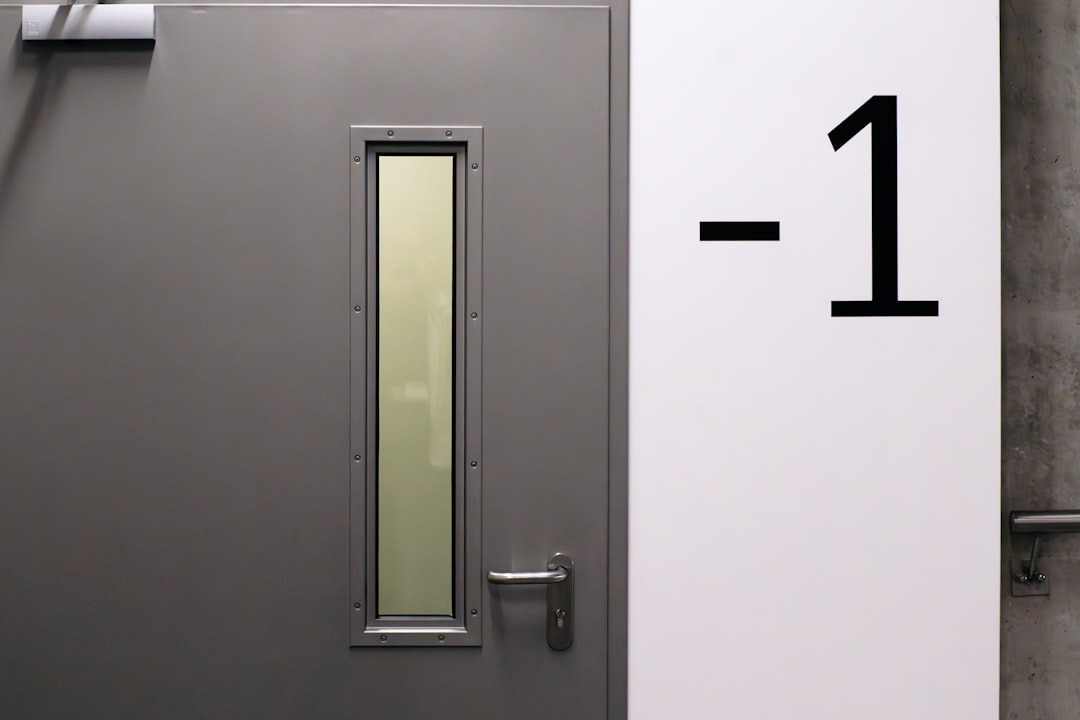
The current system is fundamentally broken and needs comprehensive reform. The state budget seeks to overcome these challenges by updating the existing building codes and granting amnesty to owners of illegal basement apartments. The goal will be to make the regulations more flexible while ensuring the health and safety of tenants. This approach acknowledges that the current regulatory framework is counterproductive.
The solution requires more than just regulatory changes – it needs financial support for conversions. This legislation further recognizes that there are costs associated with basement and cellar legalization and other climate resiliency improvements that can protect these units against damages from future extreme weather events. If enacted, the city of New York would be authorized to establish a program to provide loans and grants to building owners who need financial assistance to convert their basements, thereby expanding the city’s stock of safe, healthy, and legal housing.
The current system forces everyone into an impossible situation: landlords can’t afford to comply with the law, tenants can’t afford to live anywhere else, and the government can’t effectively enforce regulations that are fundamentally unworkable. Until these underlying problems are addressed, the hidden costs of illegal apartments will continue to exceed the visible costs of rent, creating a burden that falls disproportionately on the most vulnerable members of society.

Matthias is a skilled author and digital storyteller with a focus on travel journalism, environmental issues, and modern home design. With a background in communications and a passion for global cultures, Matthias crafts engaging narratives that blend real-world exploration with thoughtful analysis and visual flair.
His writing reflects a deep interest in how climate change shapes our lives and lifestyles—from sustainable travel practices to eco-friendly living environments. Known for his clear, approachable voice and sharp editorial instincts, Matthias delivers content that resonates with readers seeking both inspiration and substance.
Whether reporting from remote destinations, breaking down sustainable design trends, or spotlighting innovative green initiatives, Matthias brings a global perspective and an eye for detail to every piece. He regularly contributes to web platforms and editorial projects that aim to foster awareness, creativity, and conscious living.