
Lena is a thoughtful and imaginative writer with a passion for storytelling across the themes of travel, environmental sustainability, and contemporary home aesthetics. With a background in cultural media and a strong visual sensibility, Anna Lena creates content that bridges inspiration with practical insight.
Her work explores the interplay between place, lifestyle, and design—guiding readers through meaningful travel experiences, eco-conscious choices, and modern approaches to living well. Known for her elegant writing style and attention to detail, she brings a fresh, human-centered perspective to every topic she covers.
Anna Lena contributes to digital publications and editorial projects where aesthetics meet purpose. Her writing not only informs but also encourages readers to live more intentionally, sustainably, and beautifully—wherever they are in the world.
The Numbers Don’t Lie: America’s Growing Appetite for Edible Landscaping

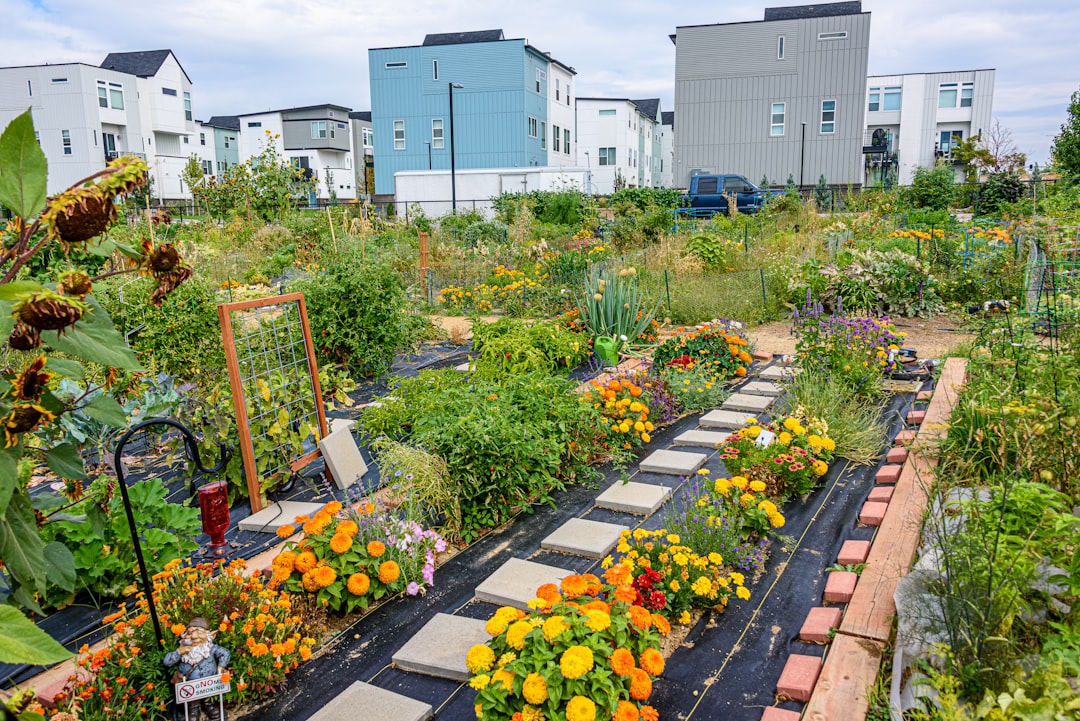
Here’s something that might surprise you: 67% of adults are growing or planning to grow edible plants, including vegetables (52%), herbs (33%), and fruits (31%). That’s not just a hobby anymore—it’s a full-blown movement. When I first learned that edible landscaping is becoming popular as homeowners seek to grow their own foods, I couldn’t help but think about how different my grandmother’s victory garden was from today’s Instagram-worthy food forests.
The transformation is happening fast. The number of households engaging in food gardening has grown from 36 million households to 42 million households in just 5 years, with the highest increase among millennials and households with children. It’s like watching a quiet revolution unfold right in suburban America’s front yards.
Economic Boom: The Business Side of Backyard Bounty
Let’s talk money because this trend is creating serious cash flow. Gardening supplies and equipment sales are predicted to grow to $127 billion in 2024 since more than 38% of U.S. households plan on gardening more in the next year. That’s bigger than many tech sectors!
What’s driving this spending spree? The average garden yields $600 of produce in a year, and when subtracting the $70 spent per household, the average household returns about $530 each year from its garden. With grocery prices soaring, people are literally growing their own inflation hedge.
The Millennials Are Leading This Green Revolution
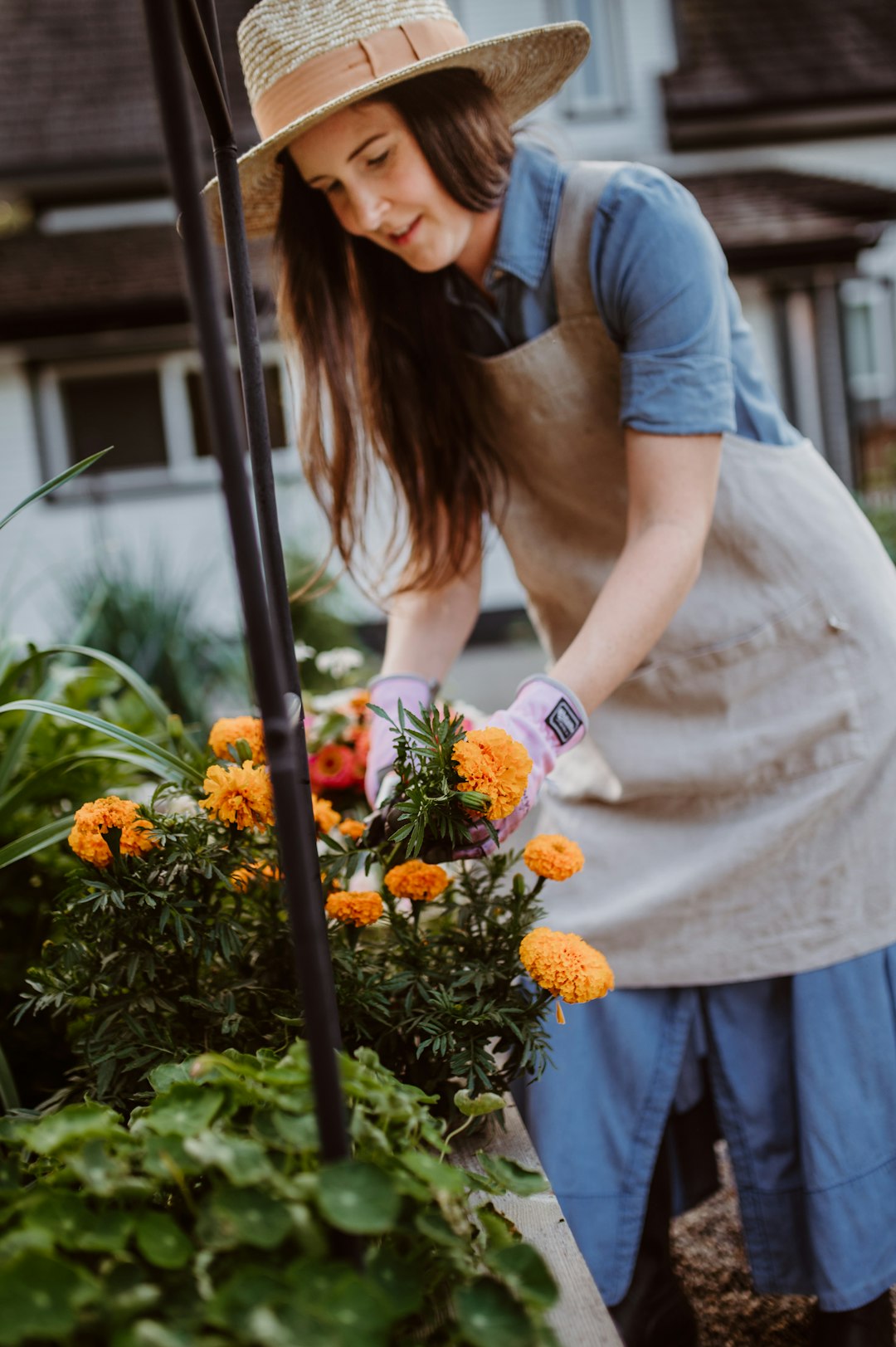
If you think this is just baby boomers reliving their farming days, think again. Interest in gardening is still growing and the millennial generation grows at a higher rate than any other age group, taking over the baby boomers gardener demographics. Young families are looking at their perfectly manicured lawns and asking, “Why aren’t we eating this?”
The demographics tell a fascinating story. 79% of people who garden attended college or are college graduates, and they’re not just growing random plants. Within the food category, growing vegetables was the most popular trend, and tomatoes were the most popular vegetable grown in 86% of the food gardens.
From Victory Gardens to Instagram Gardens: The Historical Echo
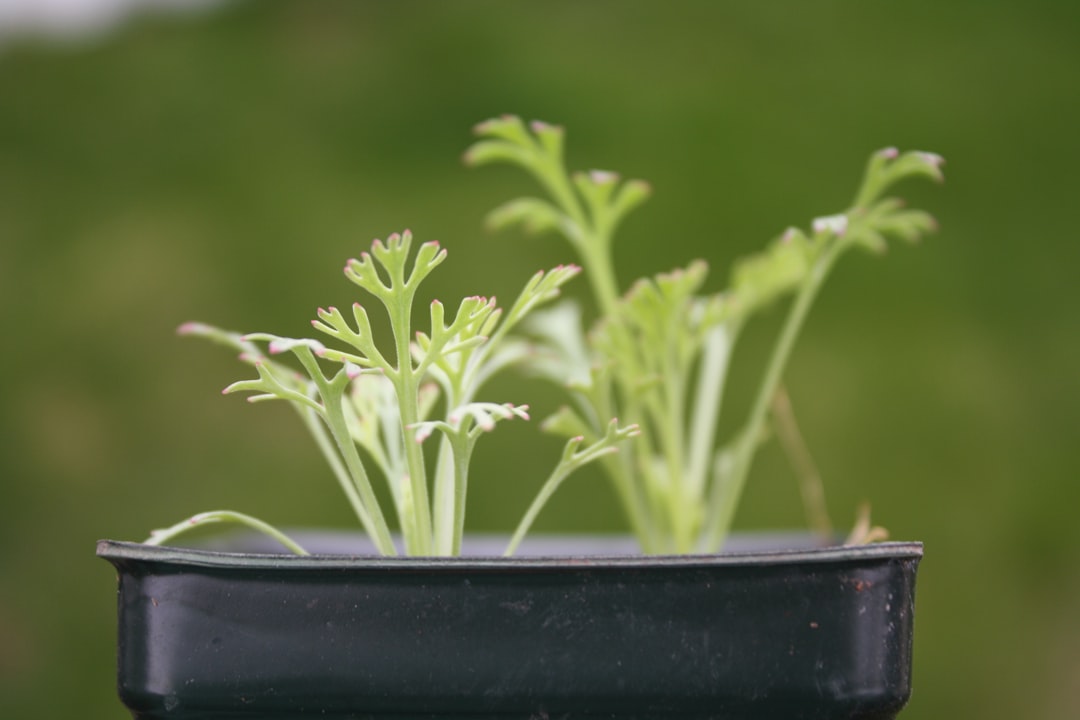
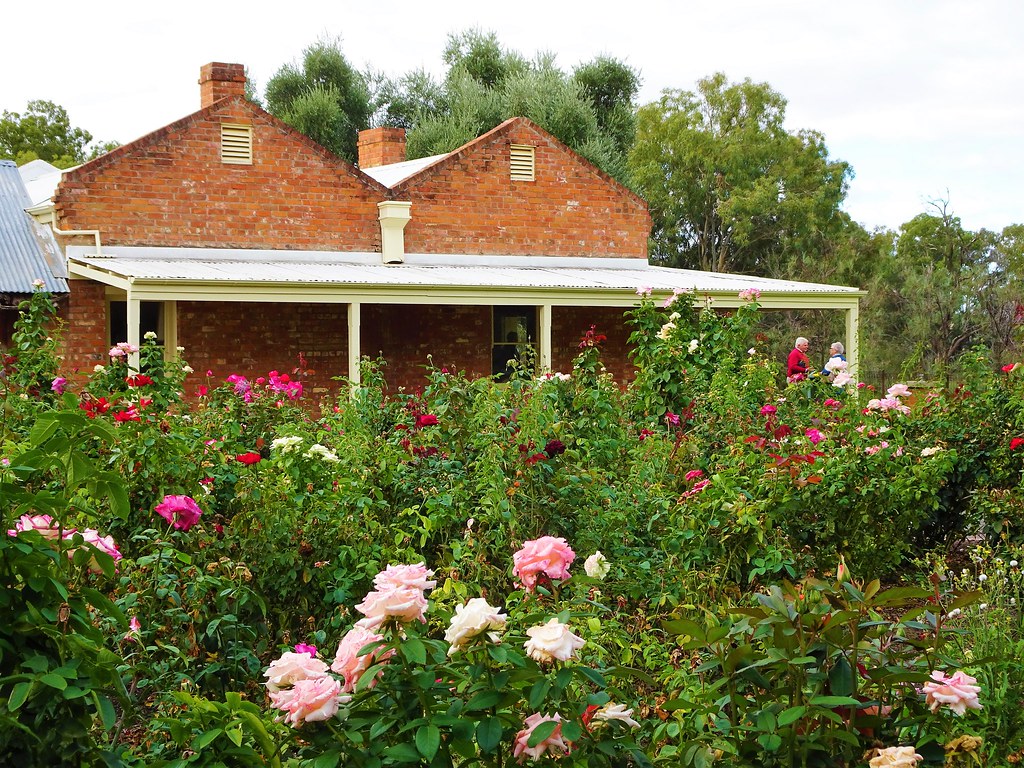
There’s something beautifully cyclical about this whole thing. In 1943, during World War II, Americans took a significant step towards self-sufficiency by growing approximately 40% of their produce at home. This initiative, known as the Victory Garden movement, was more than just a wartime necessity. Today’s edible landscaping movement feels like history rhyming with itself.
The modern Victory Garden represents more than food production; it embodies a shift toward mindful living. By reconnecting with the earth, we not only nourish our bodies but also nurture our spirits. This resurgence reminds us that small actions, like planting seeds, can lead to profound changes in our lives and communities.
Professional Landscapers Are Catching On
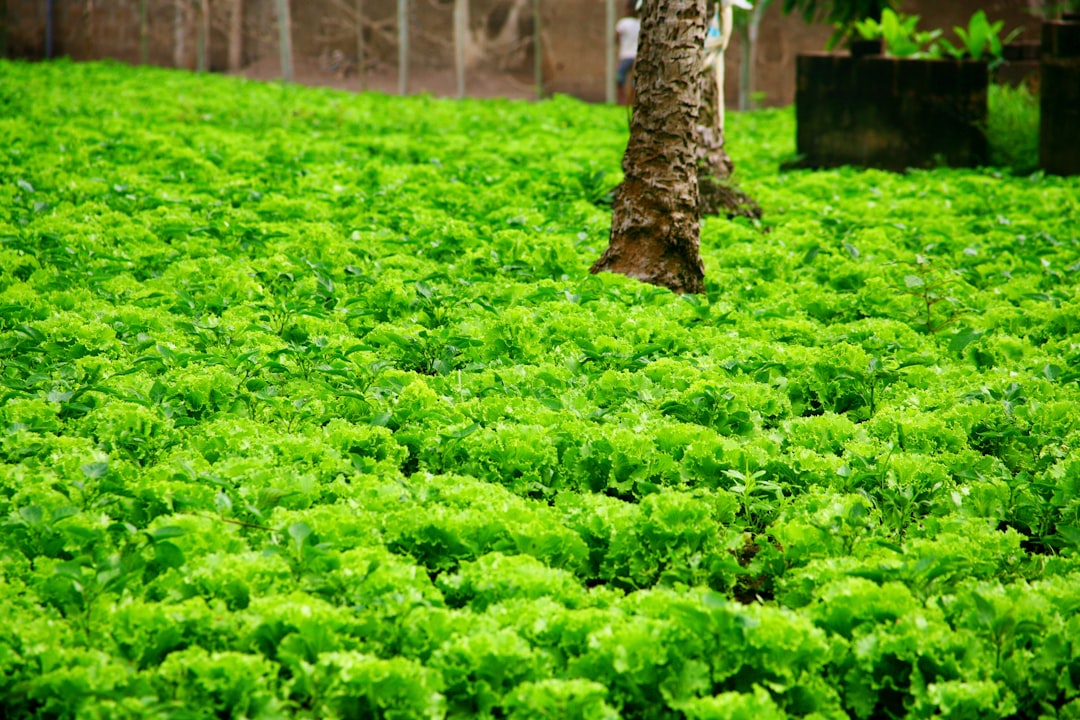
The landscaping industry has taken notice. Clients will look for landscapes that offer aesthetic value and produce food, such as fruit trees, vegetable gardens, and herb plants. This trend ties into the broader demand for sustainability and self-sufficiency. Smart contractors are pivoting their services to meet this demand.
Edible landscaping is becoming more popular, with 48% of new landscape designs including edible plants. That’s nearly half of all new projects! The industry is literally growing along with the plants.
Technology Meets Tomatoes: The Modern Tools
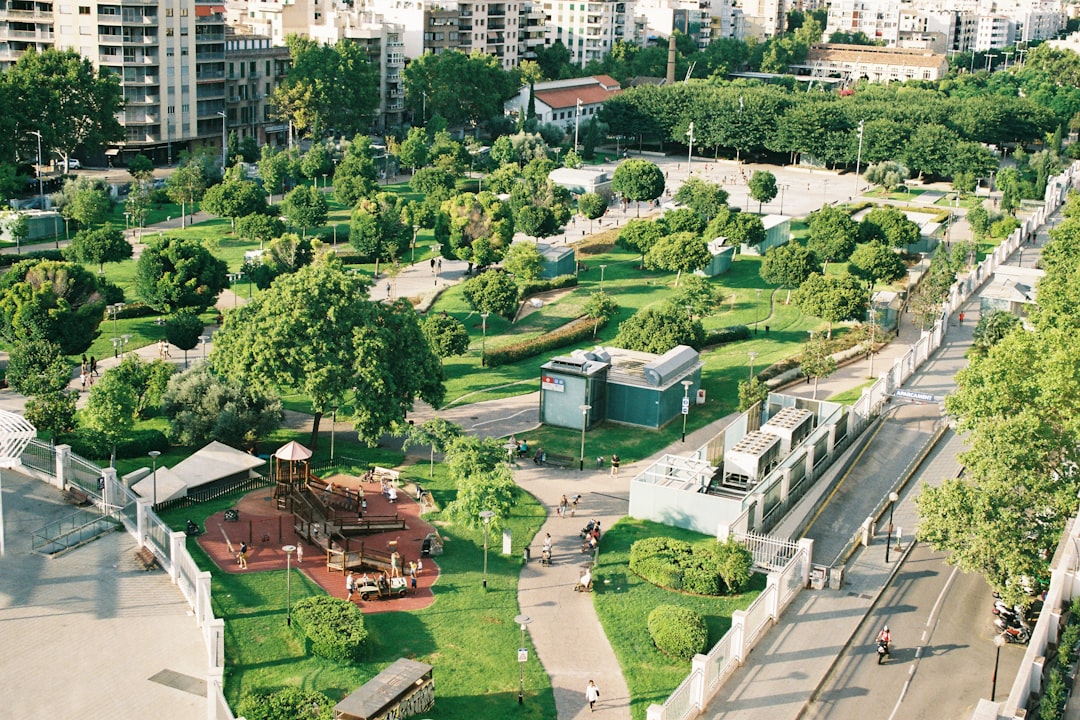
This isn’t your grandpa’s garden anymore. Landscape contractors are beginning to use artificial intelligence (AI) and augmented reality (AR) to create detailed design plans and visualizations, making it easier for clients to envision the final product. These innovations improve operational efficiency and offer contractors a competitive edge.
The tech revolution is making food gardens more accessible than ever. You don’t need acres of land to start a garden. Even urban dwellers can create thriving green spaces using creative techniques like vertical gardening, container planting, or hydroponics.
The Sustainability Factor: More Than Just Pretty Plants
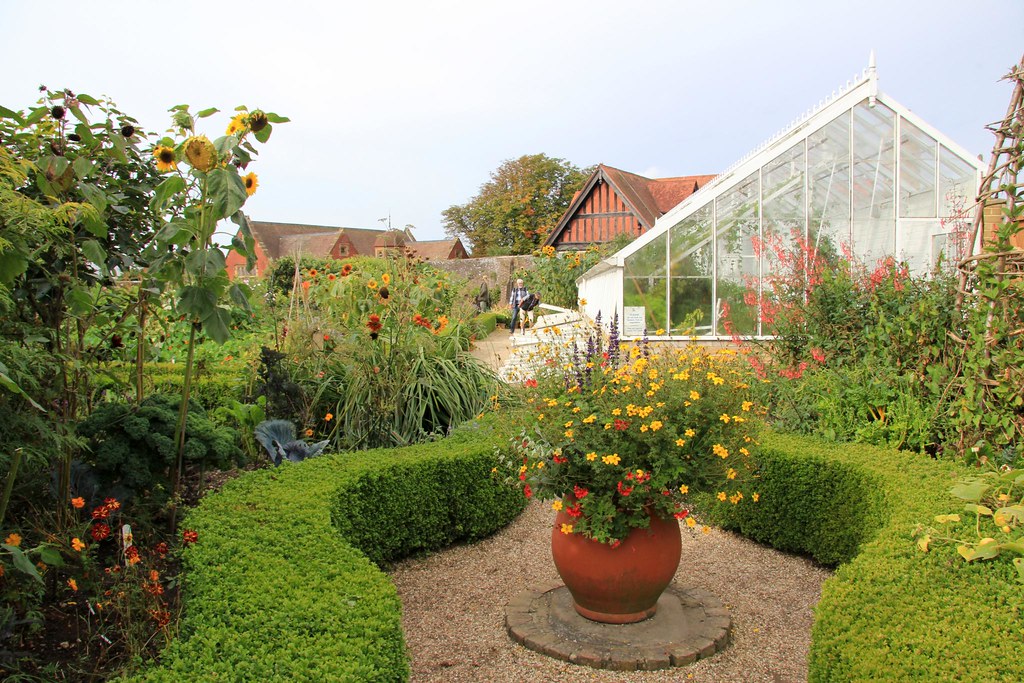
Environmental consciousness is driving much of this trend. Growing trend towards sustainable landscaping practices, with many consumers opting for organic gardening methods reflects a broader cultural shift towards sustainability. People want to know where their food comes from, and they want to reduce their carbon footprint.
Commercial farming often prioritizes quantity over quality, resulting in nutrient-poor crops. In contrast, homegrown fruits and vegetables are harvested at peak ripeness, retaining their full flavor and nutritional value. It’s like the difference between a supermarket tomato and one that’s still warm from the sun.
Community Gardens: Where Neighbors Become Partners
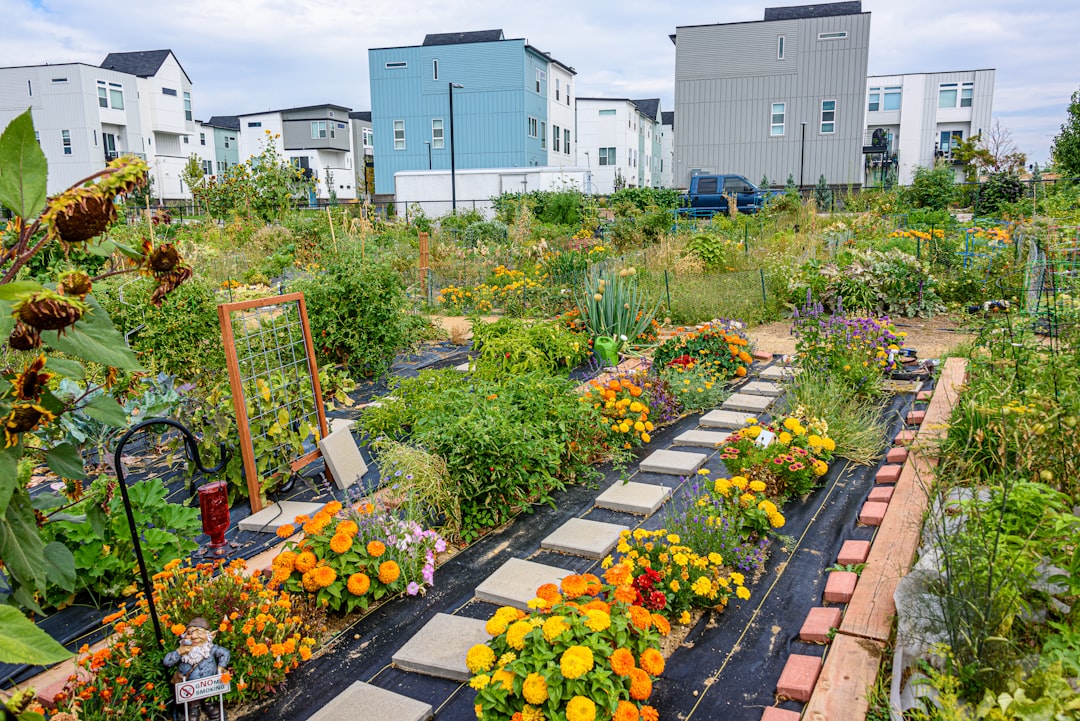
The social aspect is huge. More and more new housing developments are being built with community gardens as part of the initial landscape design process. According to an article in USA Today, gardens are popping up not only in new single-family and luxury condo developments, but also in new and decades-old affordable housing projects.
One of the most powerful aspects of the original Victory Garden movement was its ability to bring people together. In 2024, we can revive this community spirit by sharing gardening tips, trading seeds, and even working on communal garden projects. Consider joining or forming a local gardening club or community garden.
The Health Benefits: Physical and Mental Wellness
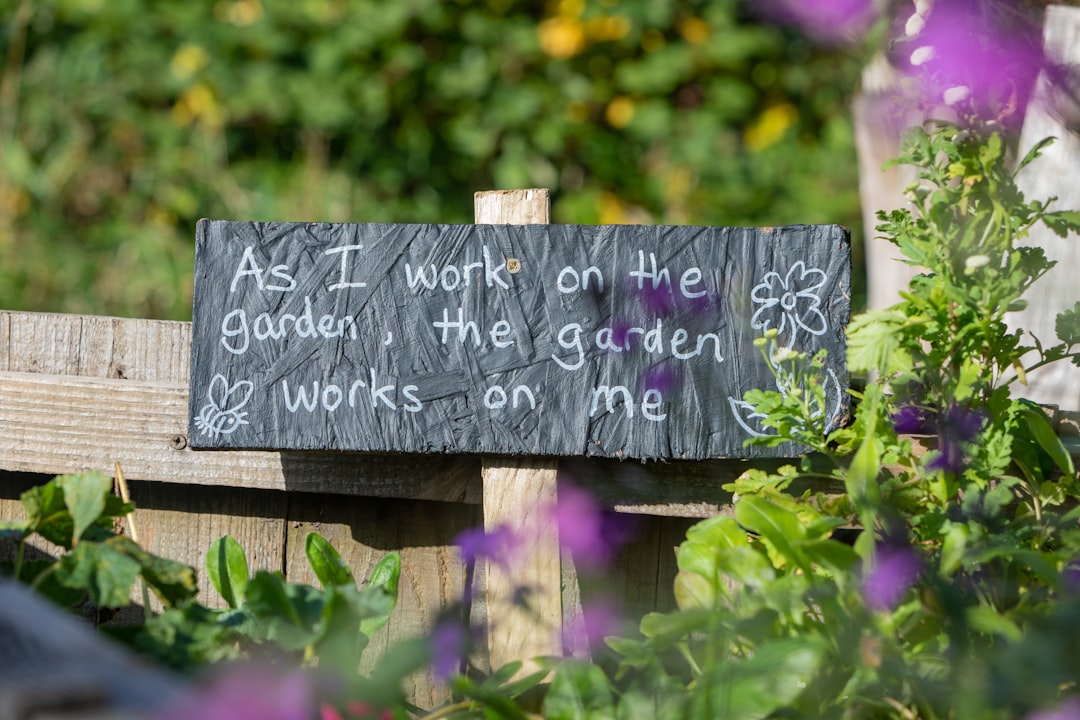
Let’s be honest—gardening is therapy you can eat. Multiple scientific studies linked gardening to emotional well-being and an increased sense of accomplishment and happiness. Here are some of the key findings: Gardening fosters self-esteem and a sense of accomplishment. Gardening relieves stress, anxiety, and depression.
The simple act of thinking about, and getting involved with, the elements of nature – dirt, water, sun, weather – can melt away stress and provide untold benefits, both physically and spiritually. It’s like meditation that produces salad.
Regional Variations: Not All Yards Are Created Equal
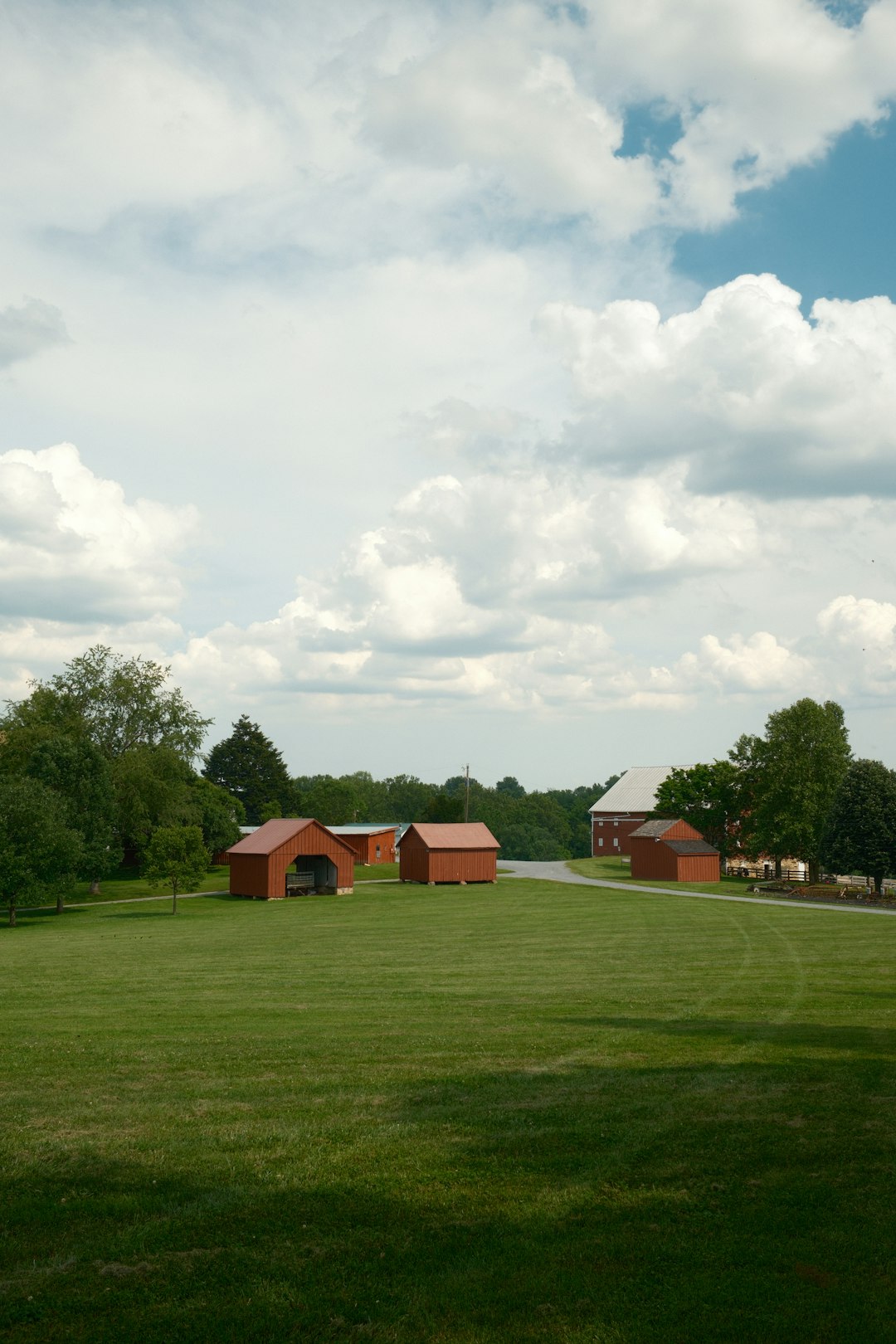
The movement looks different across the country. States like Florida, California, and New York remain hotspots for the industry, and a high concentration of lawn care businesses start in these places. Climate plays a huge role in what people can grow and when.
Warmer states like Florida, Texas, and California see higher demand year-round, while northern states experience seasonal peaks. Understanding regional trends can help you target your marketing efforts more efficiently. A California food forest looks very different from a Minnesota micro-homestead.
The Future: Where Are We Heading?
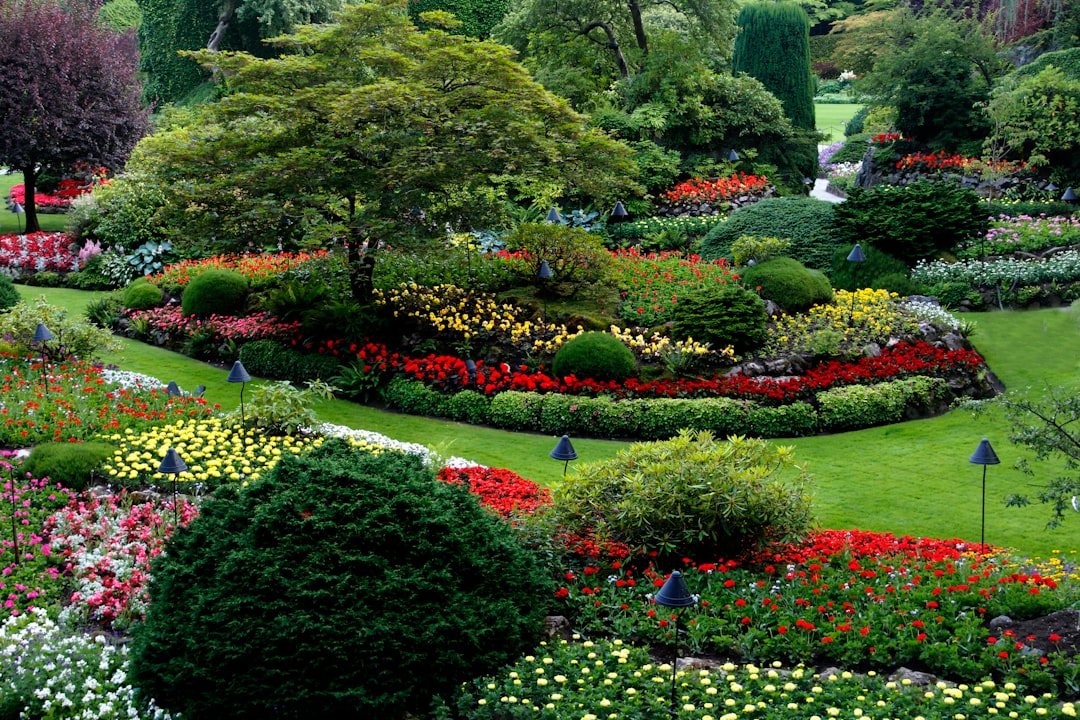
The projections are exciting. The United States landscaping market is valued at USD 186 billion in 2025 and is forecast to reach USD 245 billion by 2030, advancing at a 5.7% CAGR. That’s sustainable growth in every sense of the word.
Homeowners continue to invest in meditation gardens, edible plantings, and shaded entertainment zones that integrate pergolas, lighting, and audio. The trend aligns with wellness spending and remote work preferences that elevate yard use throughout the week. Our outdoor spaces are becoming extensions of our homes, and we want them to feed us too.
The Real Impact: Beyond the Backyard
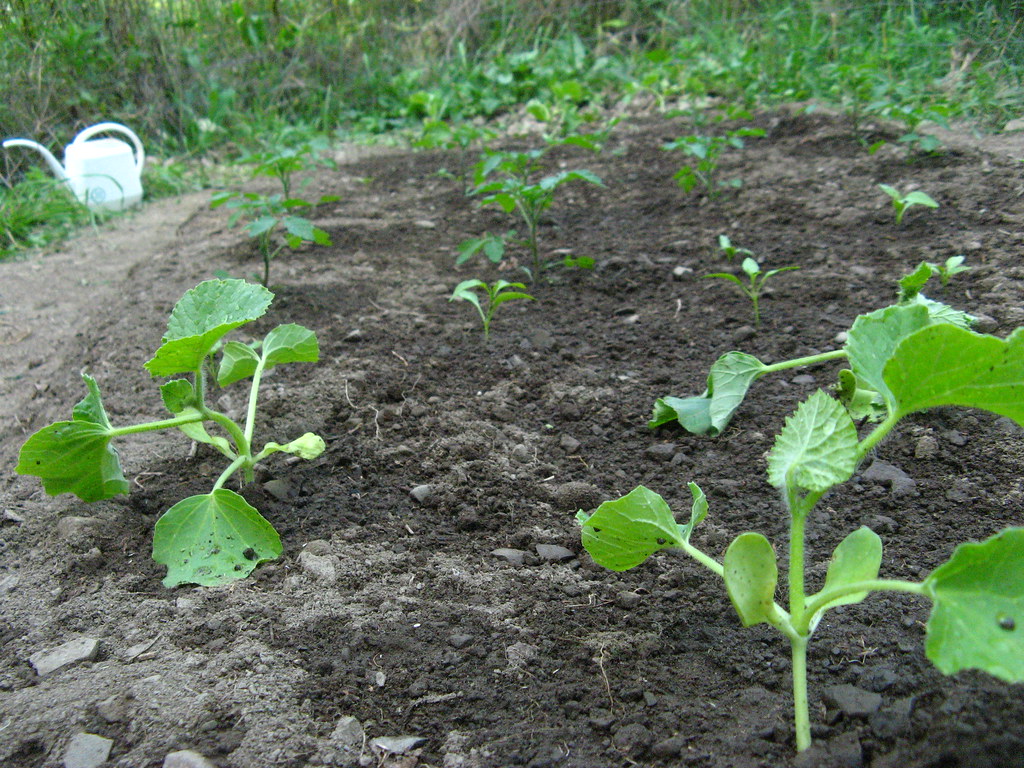
This movement is creating ripple effects throughout society. Victory garden resurgence is on the rise as uncertainty in our present food supply chain increases. By proactively planting a victory garden we not only create food security, but enjoy its therapeutic benefits as well.
The resurgence of Victory Gardens reminds us that small actions can create ripples of positive change. Whether you grow a single herb on your windowsill or cultivate a lush backyard oasis, every step toward self-sufficiency contributes to a healthier, more sustainable future.
The transformation from ornamental lawns to edible landscapes represents more than just a gardening trend—it’s a fundamental shift in how we think about our relationship with food, community, and the environment. Whether you’re motivated by economics, sustainability, health, or simply the joy of growing something beautiful and delicious, this movement offers something for everyone. What started as a few scattered herbs in suburban backyards has grown into a nationwide revolution that’s reshaping both our landscapes and our lifestyles. The question isn’t whether this trend will continue—it’s how quickly it will spread to your neighborhood.

Lena is a thoughtful and imaginative writer with a passion for storytelling across the themes of travel, environmental sustainability, and contemporary home aesthetics. With a background in cultural media and a strong visual sensibility, Anna Lena creates content that bridges inspiration with practical insight.
Her work explores the interplay between place, lifestyle, and design—guiding readers through meaningful travel experiences, eco-conscious choices, and modern approaches to living well. Known for her elegant writing style and attention to detail, she brings a fresh, human-centered perspective to every topic she covers.
Anna Lena contributes to digital publications and editorial projects where aesthetics meet purpose. Her writing not only informs but also encourages readers to live more intentionally, sustainably, and beautifully—wherever they are in the world.