

Matthias is a skilled author and digital storyteller with a focus on travel journalism, environmental issues, and modern home design. With a background in communications and a passion for global cultures, Matthias crafts engaging narratives that blend real-world exploration with thoughtful analysis and visual flair.
His writing reflects a deep interest in how climate change shapes our lives and lifestyles—from sustainable travel practices to eco-friendly living environments. Known for his clear, approachable voice and sharp editorial instincts, Matthias delivers content that resonates with readers seeking both inspiration and substance.
Whether reporting from remote destinations, breaking down sustainable design trends, or spotlighting innovative green initiatives, Matthias brings a global perspective and an eye for detail to every piece. He regularly contributes to web platforms and editorial projects that aim to foster awareness, creativity, and conscious living.
The Rise of Soil-Free Gardening Revolution
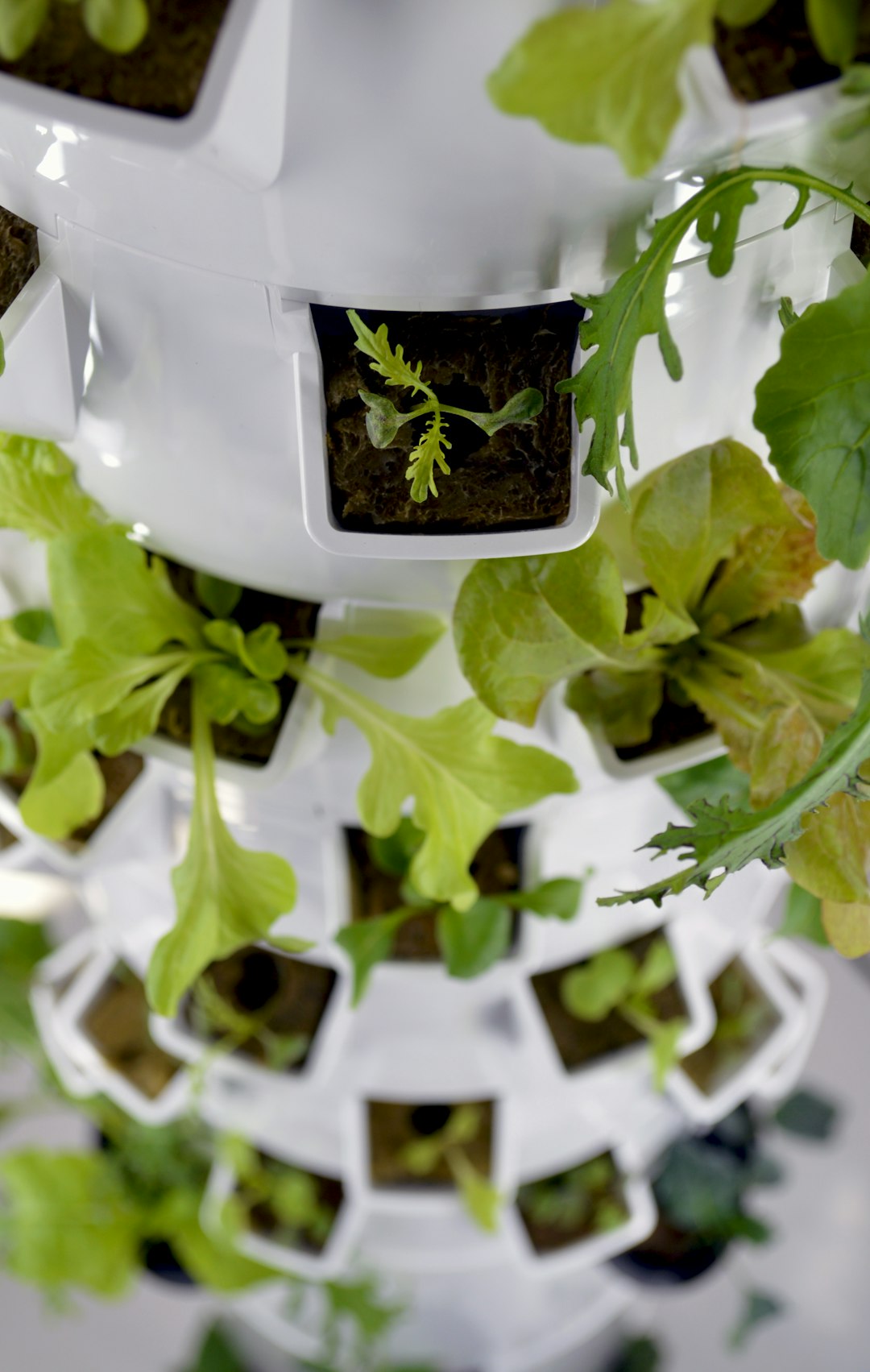
Picture this: you’re wearing your favorite white shirt while harvesting fresh lettuce, strawberries, and herbs from your own garden. No mud under your fingernails, no dirt-stained knees, and no worry about ruining your clothes. This isn’t some fantasy – it’s the reality of hydroponic gardening, where plants grow in nutrient-rich water instead of soil.
The hydroponics market was valued at USD 5.02 billion in 2024 and is expected to grow at a CAGR of 7.80% to reach USD 7.94 billion by 2030. This explosive growth reflects a fundamental shift in how we think about growing food. Traditional farming methods, while effective, often require extensive physical labor, soil preparation, and dealing with weather uncertainties.
Smart Technology Takes Root in Home Gardens
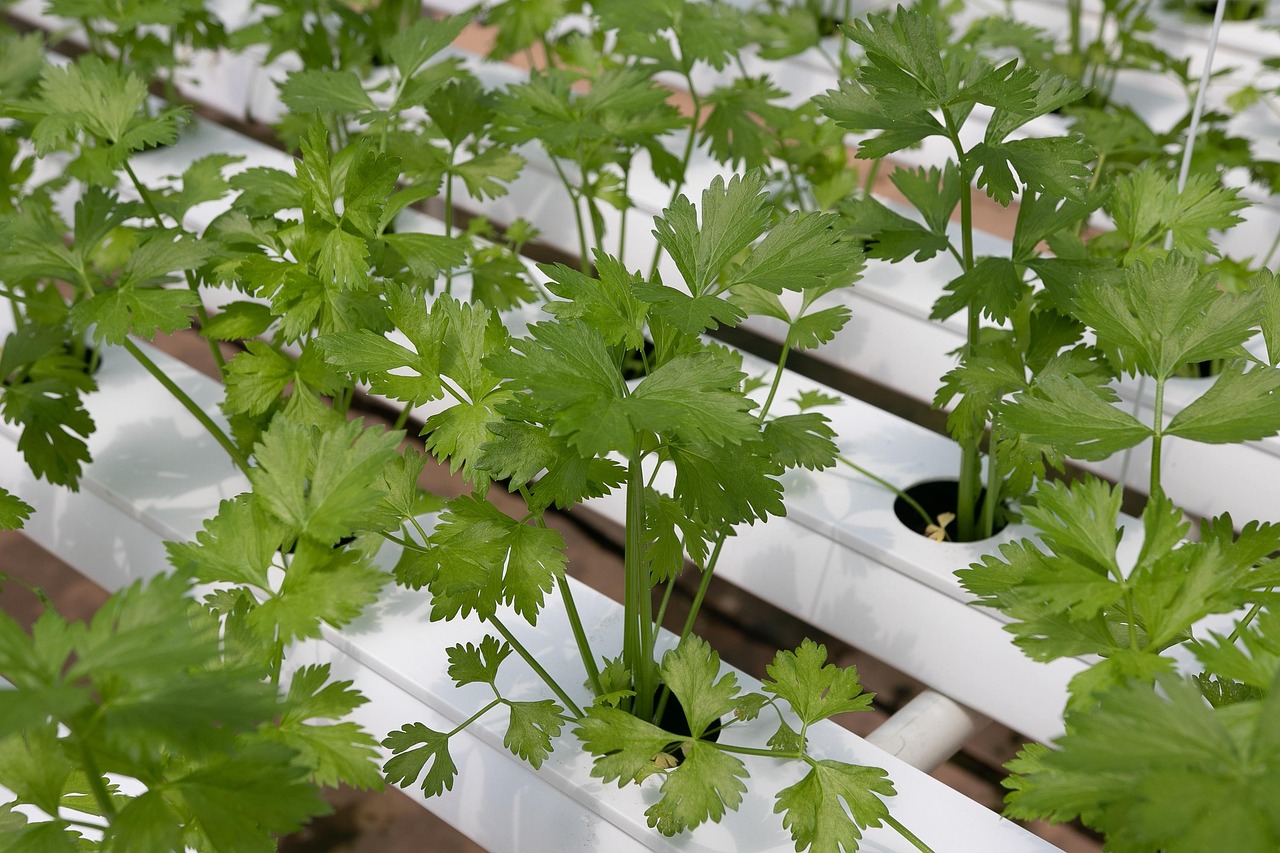
Modern hydroponic systems use cameras and sensors to automatically adjust water and lights to maximize yield, acting like having your own personal gardener. These aren’t your grandfather’s farming tools – they’re sophisticated pieces of technology that can monitor pH levels, nutrient concentrations, and even plant health in real-time.
Systems like the Spider Farmer Smart Hydroponic feature direct Wi-Fi connection and smartphone app control, allowing users to set LED lighting schedules and receive real-time low water level and nutrient solution reminders. These systems automatically adjust water, light, and nutrients for optimal plant growth, with options ranging from compact 5-pod units to expansive 21-pod systems.
Water Conservation That Actually Works
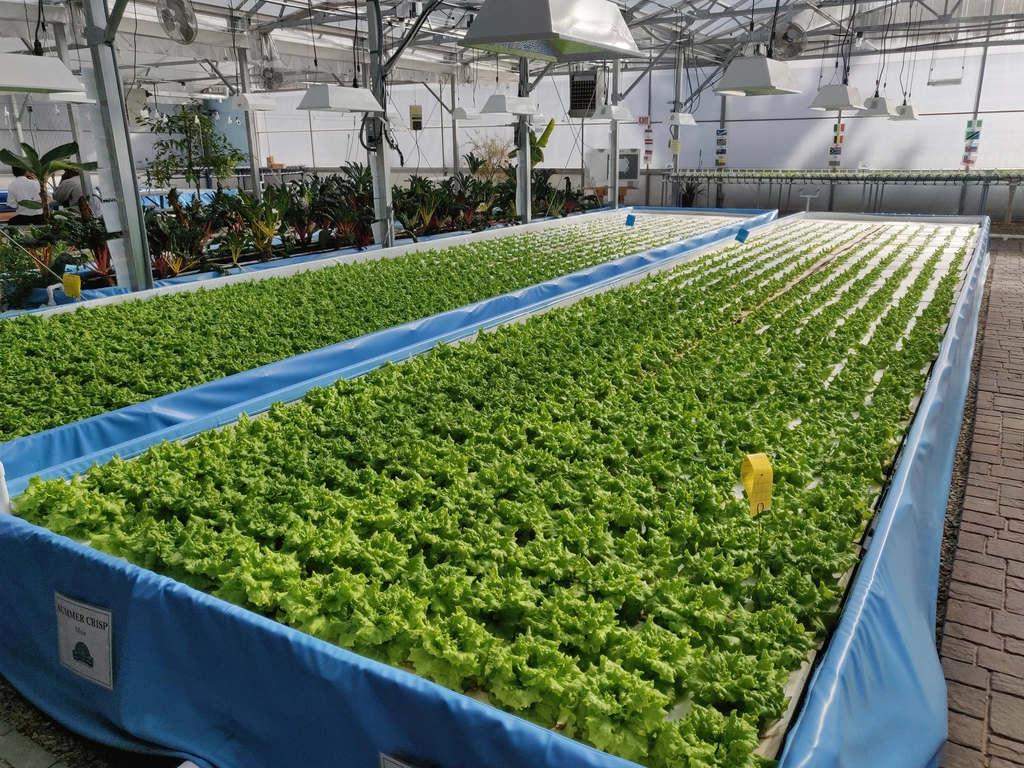
Here’s where hydroponics gets really impressive. Hydroponic farming techniques have been found to reduce water usage by up to 90% compared to conventional soil-based farming. Hydroponic systems use as much as 10 times less water than traditional field crop watering methods because water is captured and reused rather than allowed to run off and drain to the environment.
This efficiency comes from the fact that water in hydroponic systems can be recycled repeatedly, while outdoor farms lose significant amounts of water to evaporation and runoff. Think of it like the difference between taking a shower and filling up a bathtub – the controlled environment means every drop counts.
The App-Controlled Garden Experience
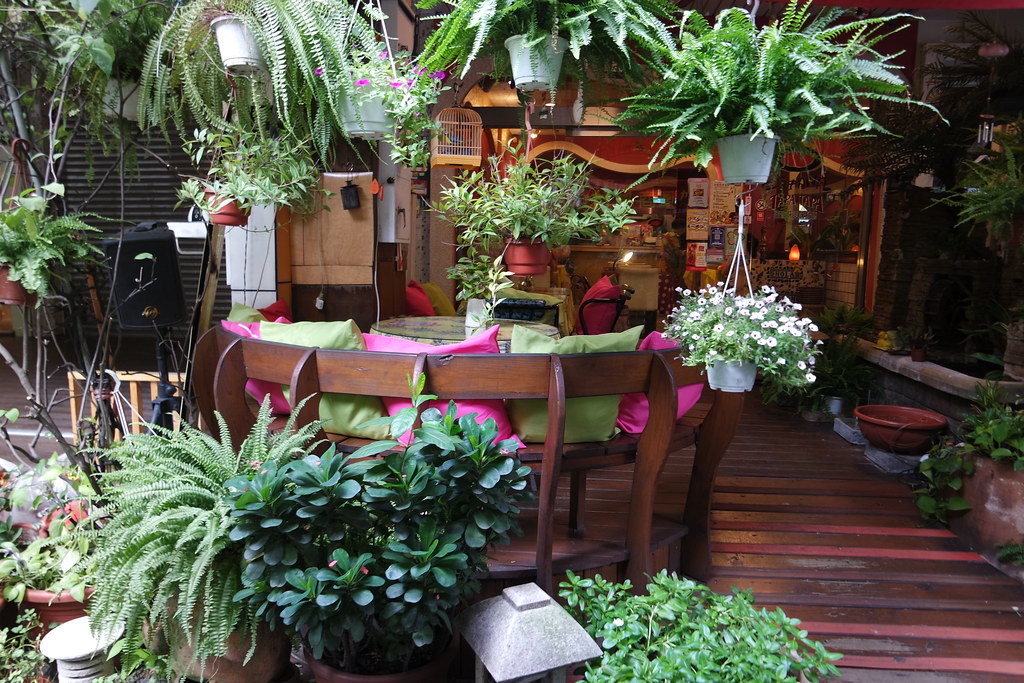
Modern hydroponic systems connect to smartphone apps that allow users to input their plants, monitor growth cycles, get real-time care reminders, and control timers, LED lights, and automatic watering systems. These systems accelerate plant growth up to 5 times faster than traditional soil methods while saving up to 90% water, with apps that track temperature, humidity, light intensity, and planting progress.
The convenience factor is remarkable. Users report that setup and maintenance is super-easy, with app connectivity being seamless and seeds sprouting within a couple of days. It’s like having a digital green thumb that never gets tired.
Automated Nutrient Management Systems
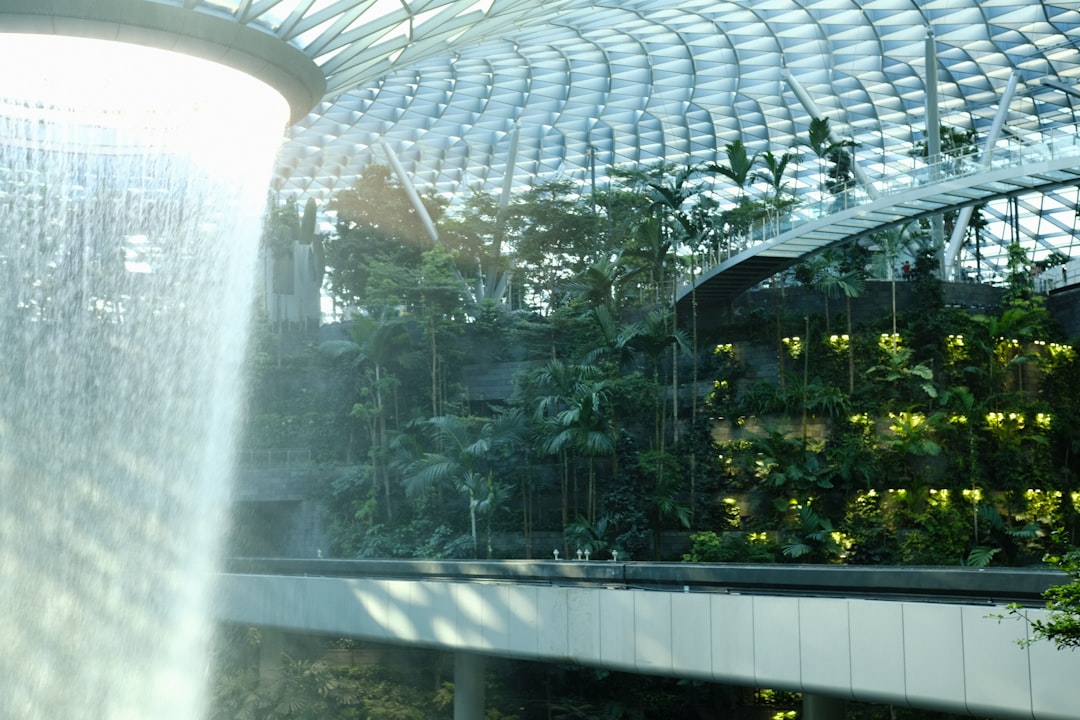
Automated hydroponic systems use sensors to measure pH level, electrical conductivity, and water temperature in reservoirs, automatically adjusting these parameters. Making sure reservoirs are always pH balanced and plants are well-fed can increase yield by 30%.
Advanced systems like Growee can inject nutrients with precision down to a single drop, working effectively with reservoirs as small as 7 gallons or as large as 500 gallons. This level of precision would be impossible to achieve manually and ensures plants get exactly what they need when they need it.
Clean Growing Environments and Pest Control
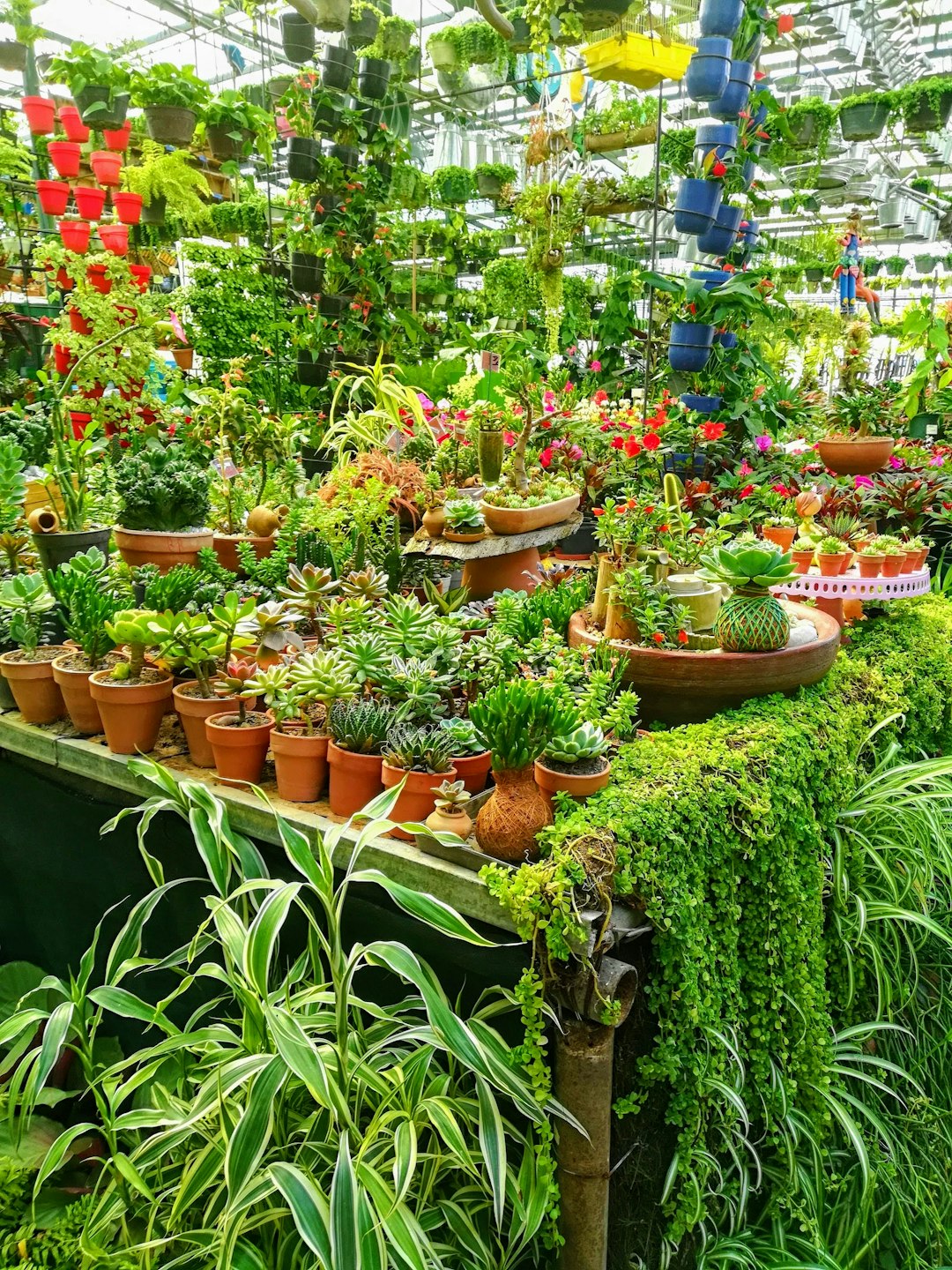
The soil-free environment minimizes the risk of soil-borne diseases and pests, making monitoring and management of plant health easier. Hydroponic systems are less susceptible to pests and diseases, reducing the need for pesticides and creating a safer working environment.
This means you can say goodbye to dealing with aphids, fungus gnats, and other soil-dwelling pests that plague traditional gardening. The soilless process minimizes the risk of invasion by bugs and weeds, ensuring a much cleaner and simpler growing process.
Space-Efficient Vertical Growing Solutions
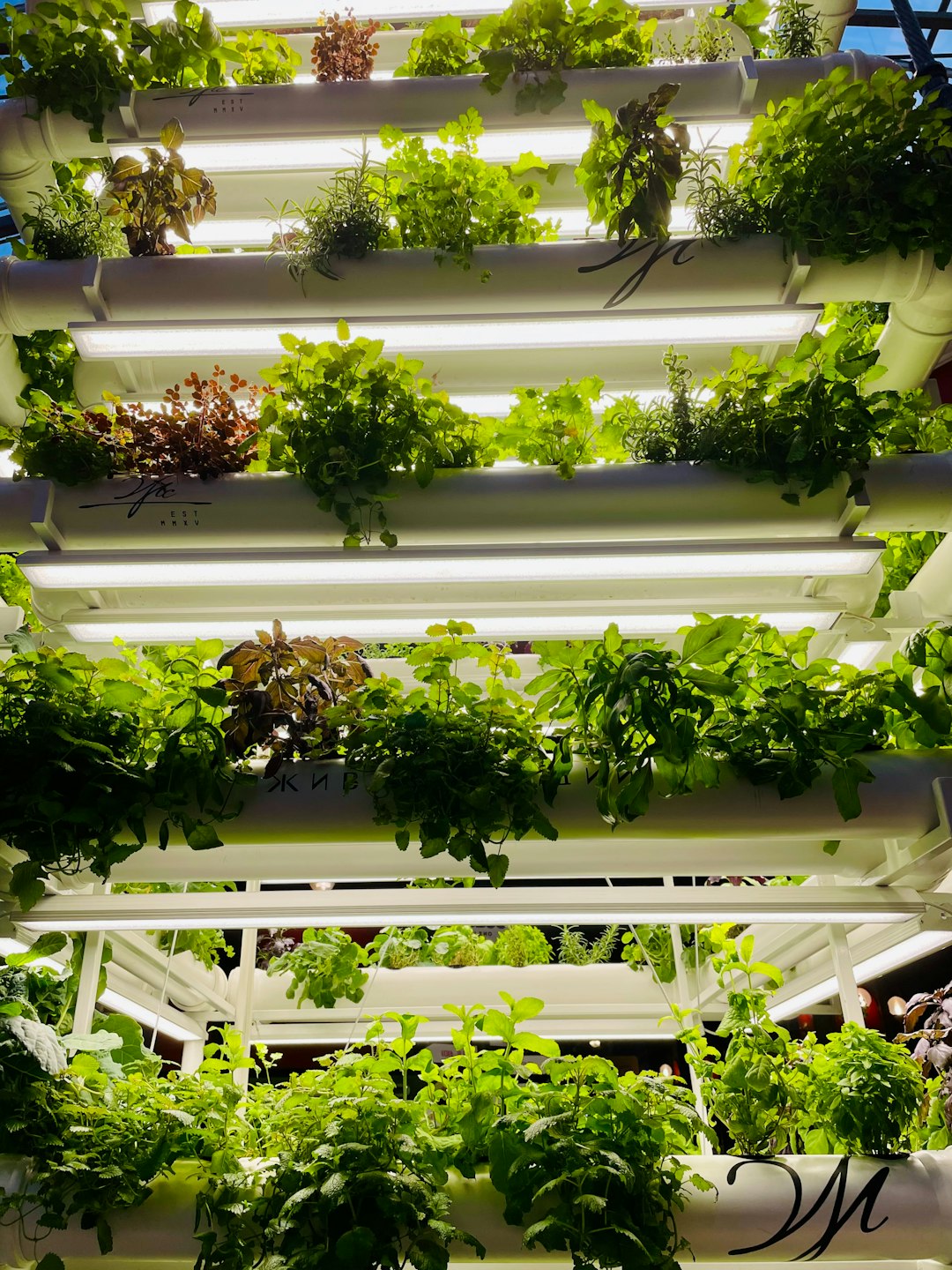
Vertical integration of plants allows farmers to optimize total space usage, making it possible to reduce land use by up to 90-99% while also increasing productivity. Vertical hydroponic systems allow farmers to maximize space, making them ideal for urban settings.
Imagine growing 30 plants in the same floor space that would typically accommodate just 3 traditional pots. These systems can produce up to 10 times higher yields than traditional soil gardening in the same footprint, guaranteeing a steady supply of nutrient-rich produce.
Year-Round Growing Independence
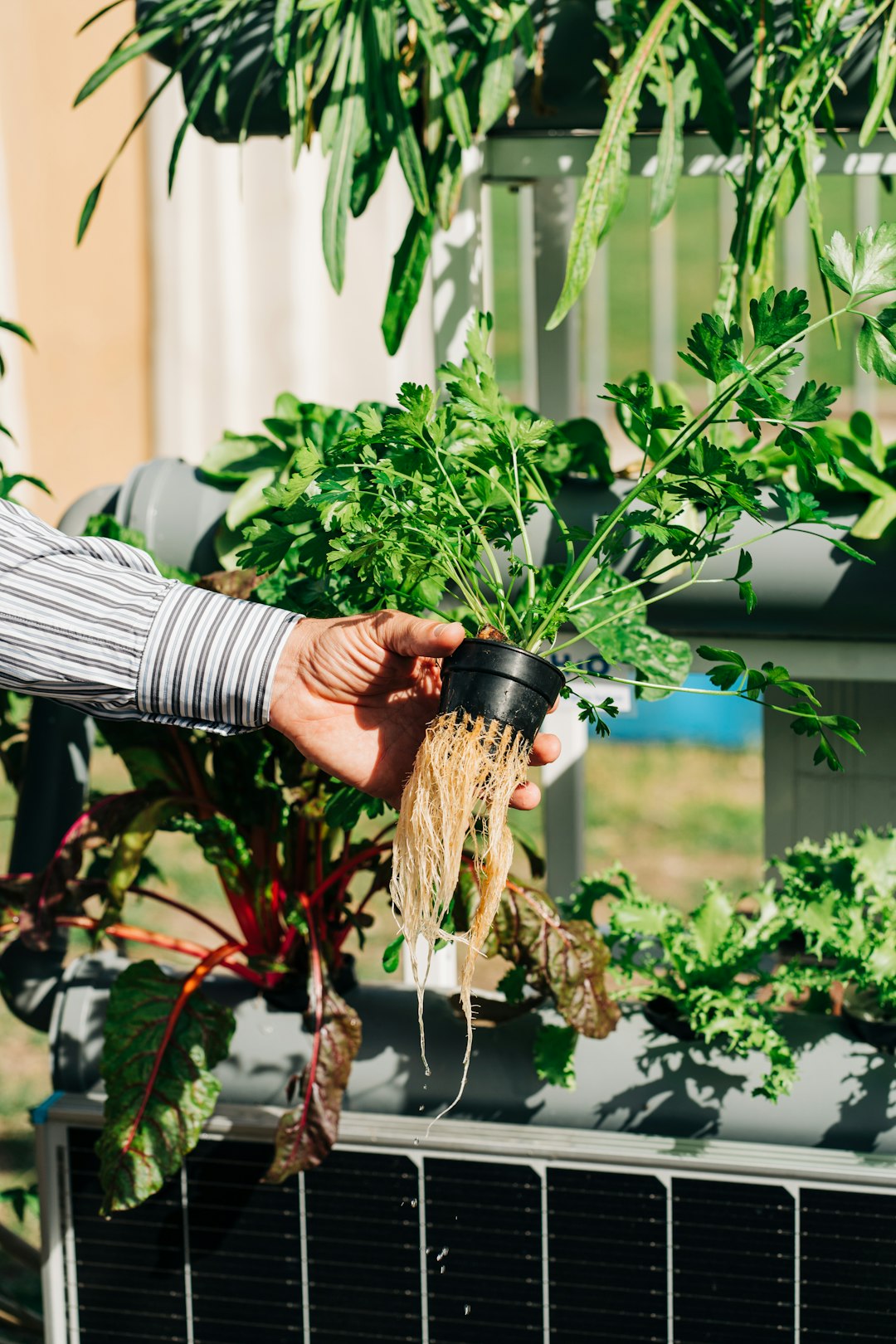
Climate control in hydroponic systems means crops can be produced regardless of season, with plants growing 25-30% faster due to direct access to nutrients. Research demonstrates the feasibility of achieving uninterrupted tomato production regardless of external weather conditions, with continuous pepper production maintained throughout the year.
This independence from seasons and weather patterns means you can enjoy fresh strawberries in December or crisp lettuce during a summer drought. The adaptability allows for year-round output, removing seasonal farming limitations and enabling cultivation in various environments from arid deserts to urban rooftops.
LED Lighting Systems That Simulate Sunlight
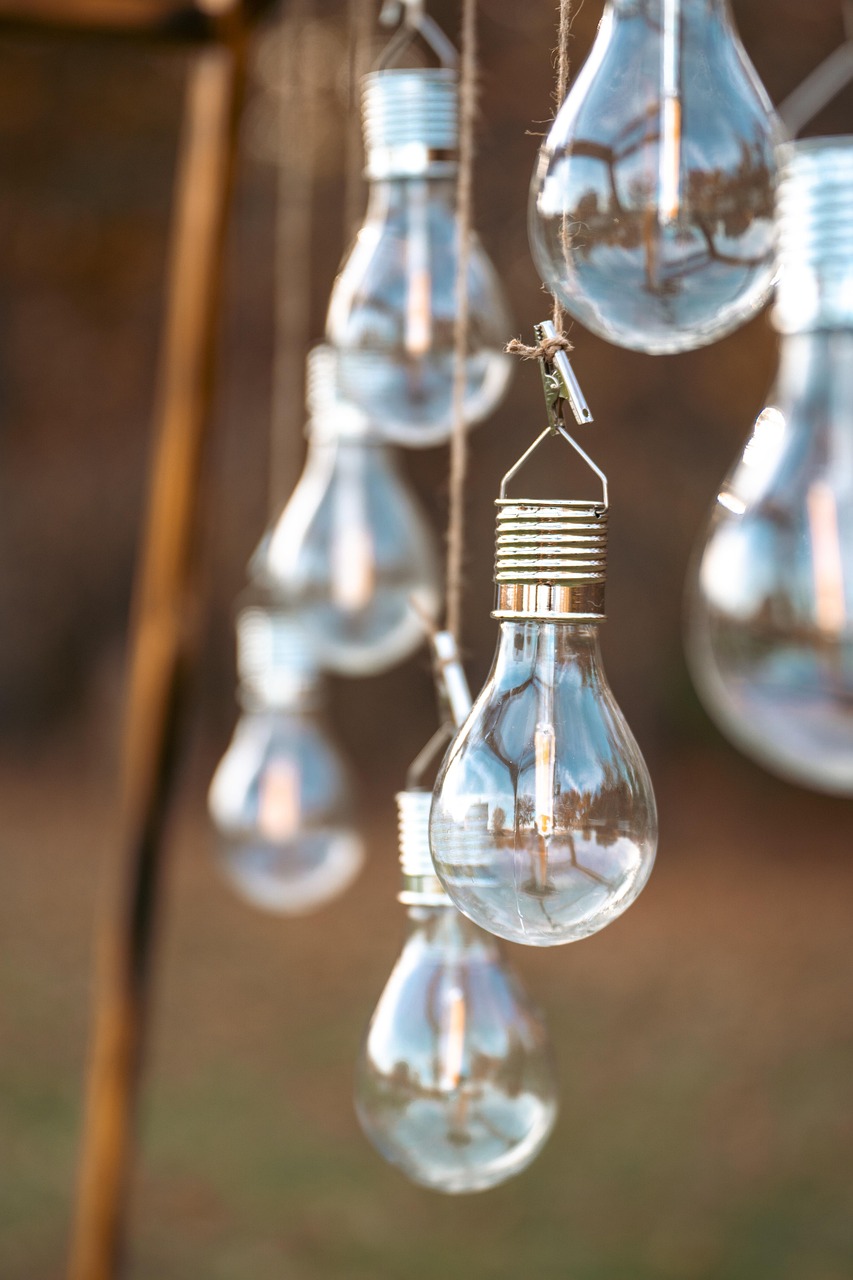
Most hydroponic garden systems come with LED grow lights made to mimic natural sunlight, providing a similar light spectrum with combinations of red and blue lights that are especially beneficial for plant growth. LED grow lights are more energy efficient and can be customized to the specific spectrum of light that plants need.
The integration of IoT technologies and automatic control algorithms allows for precise control of lighting conditions, with specific light conditions enhancing photosynthetic rates and reducing energy consumption by over 38%. Modern systems can adjust light intensity and duration based on plant type and growth stage.
Real-Time Monitoring and Control Systems

Advanced systems can monitor basic parameters such as pH, electrical conductivity, and water level, with the capability to add additional sensors for other parameters as needed. The monitoring apps provide real-time data and alerts to ensure optimal growing conditions.
Users can get live views of their plants along with current temperature, humidity, water level, watering schedule, and light intensity, with pre-installed cameras and sensors capturing everything automatically. It’s like having a 24/7 plant babysitter that never needs a break.
Market Growth and Consumer Adoption
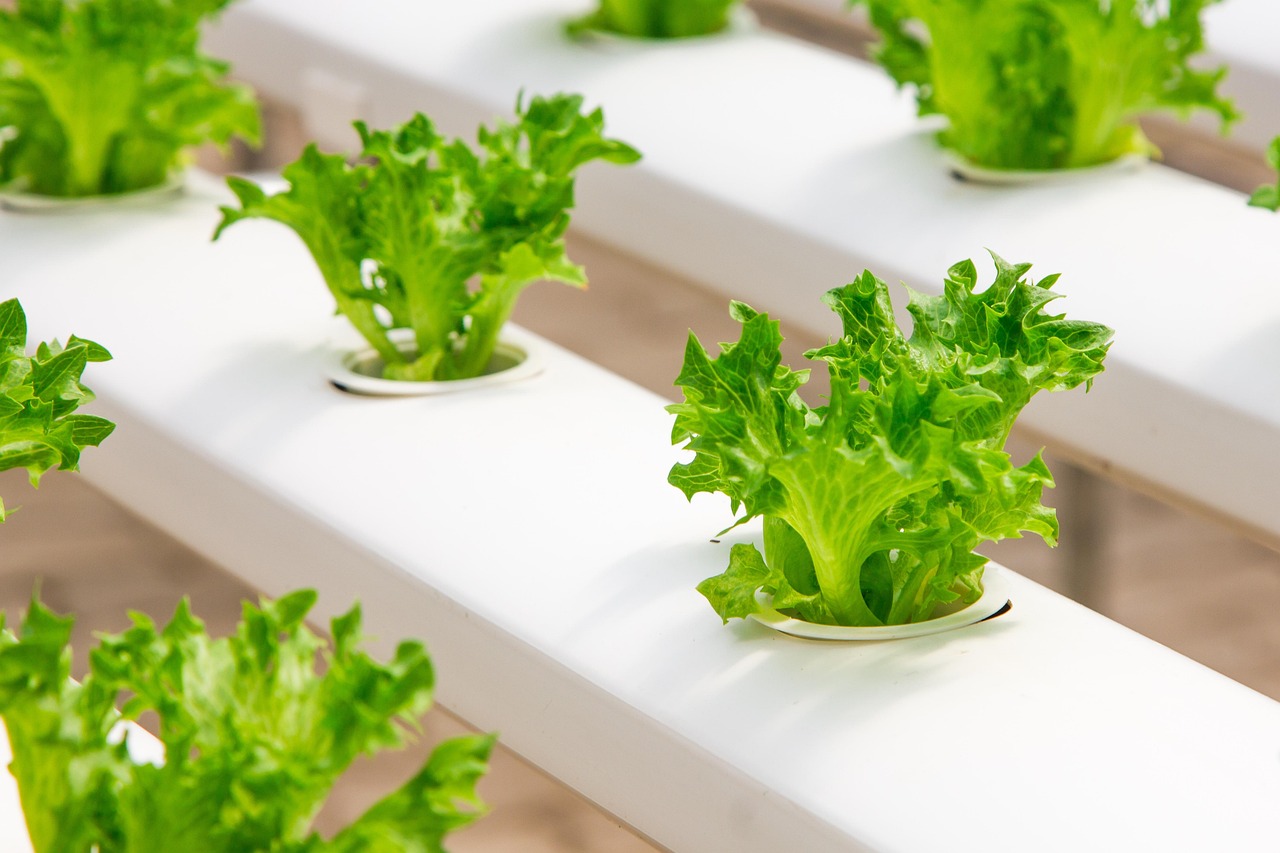
The global hydroponics market size was valued at USD 5.00 billion in 2023 and is projected to reach USD 10.98 billion by 2030, growing at a CAGR of 12.4%, with rapid growth linked to expanding utilization in indoor vegetable cultivation. More than 700 companies are operating in the hydroponics space globally, with around 300 startup farms currently involved in the market.
This isn’t just a niche hobby anymore – it’s becoming mainstream. Recent expansions include Bright Farms opening greenhouse hydroponic farms in Illinois, Texas, and Georgia to increase their capacity to supply leafy greens. Major corporations and tech entrepreneurs are investing heavily in this technology.
Environmental Impact and Sustainability Benefits
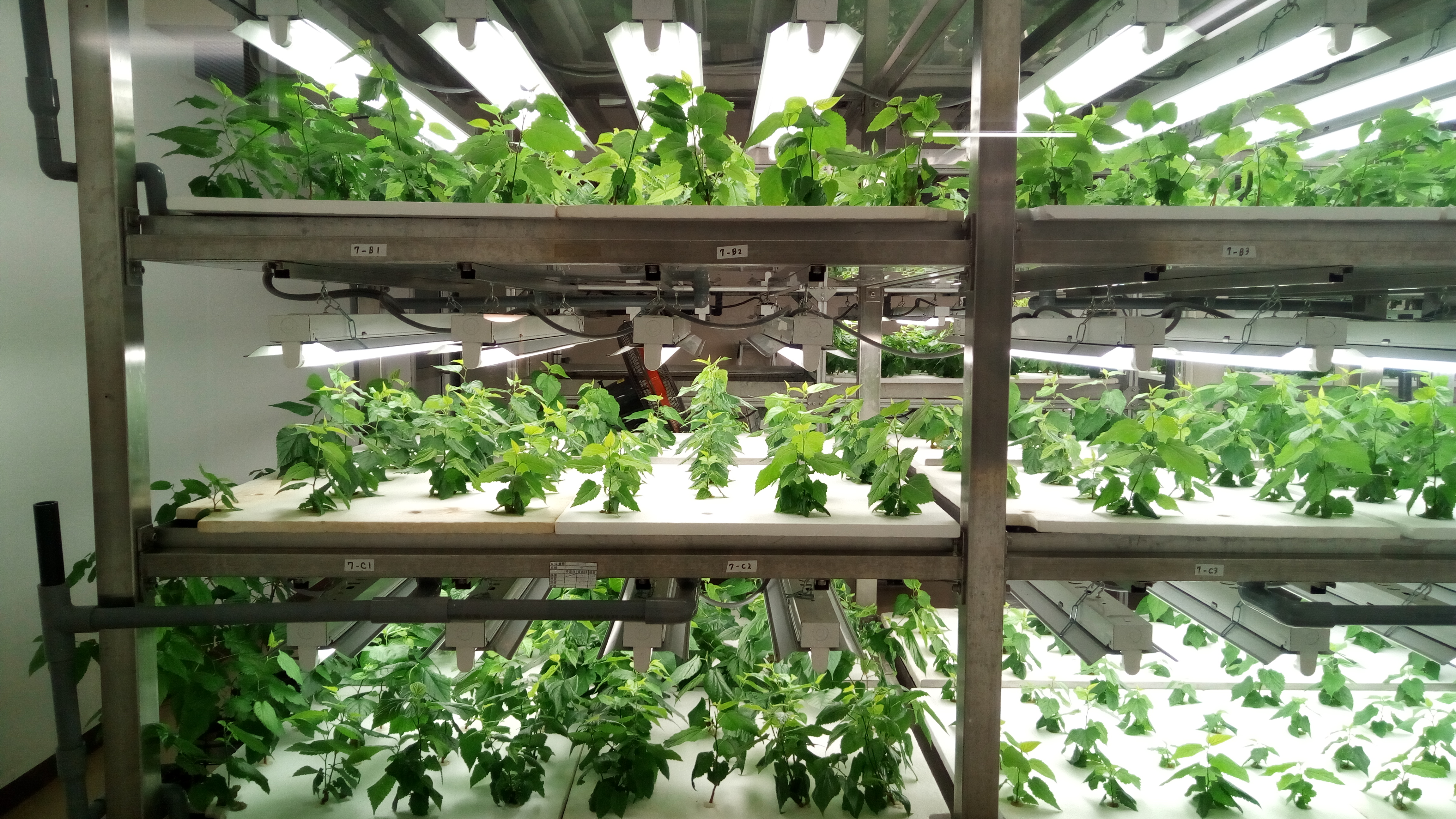
Hydroponics has a lower carbon footprint compared to traditional farming methods, using controlled environments and water recirculation that require less land and produce fewer emissions. With hydroponic farming in urban areas, produce can get from greenhouse to shelf in less than 48 hours, and because products don’t have to travel as far, emissions are greatly reduced.
The controlled environment allows for minimal or no use of pesticides and herbicides, making hydroponic farming more sustainable by protecting the environment, reducing harmful effects on human health, and producing cleaner and safer crops. You’re not just growing food – you’re contributing to a more sustainable future.
The Future of Clean, High-Tech Gardening
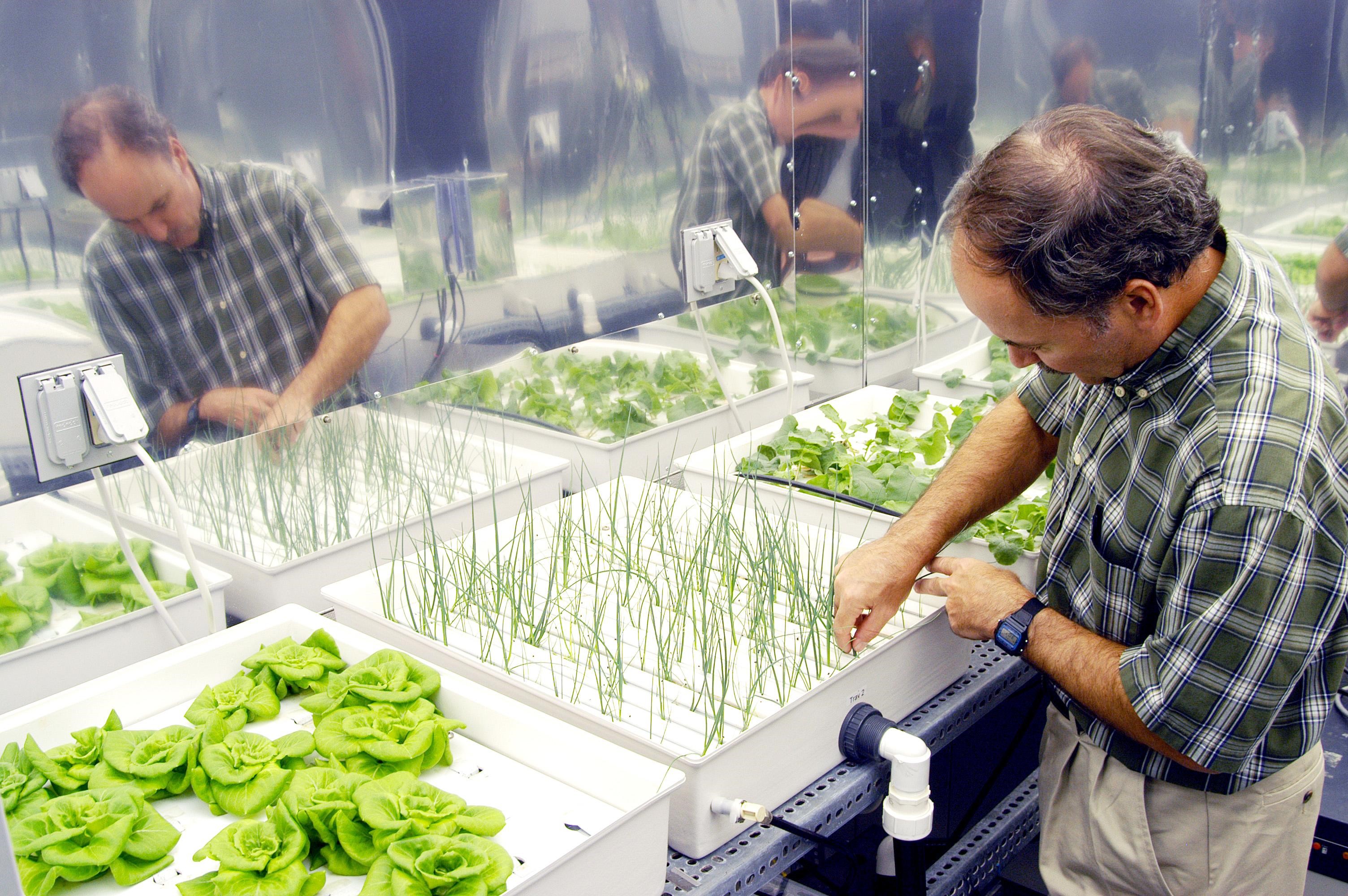
The convergence of technology and agriculture is creating opportunities we couldn’t have imagined just a decade ago. The combination of hydroponics with smart technology eliminates the need for soil and reduces water usage by providing nutrients directly to plant roots. These technologies enable real-time monitoring and control, reducing labor costs and increasing net present value significantly, with automation leading to ninefold increases in annual net income.
As artificial intelligence and machine learning continue to advance, we can expect even more sophisticated systems that predict plant needs, optimize growth conditions, and potentially eliminate the need for human intervention entirely. The dirty, back-breaking work of traditional gardening is becoming a thing of the past.
Conclusion
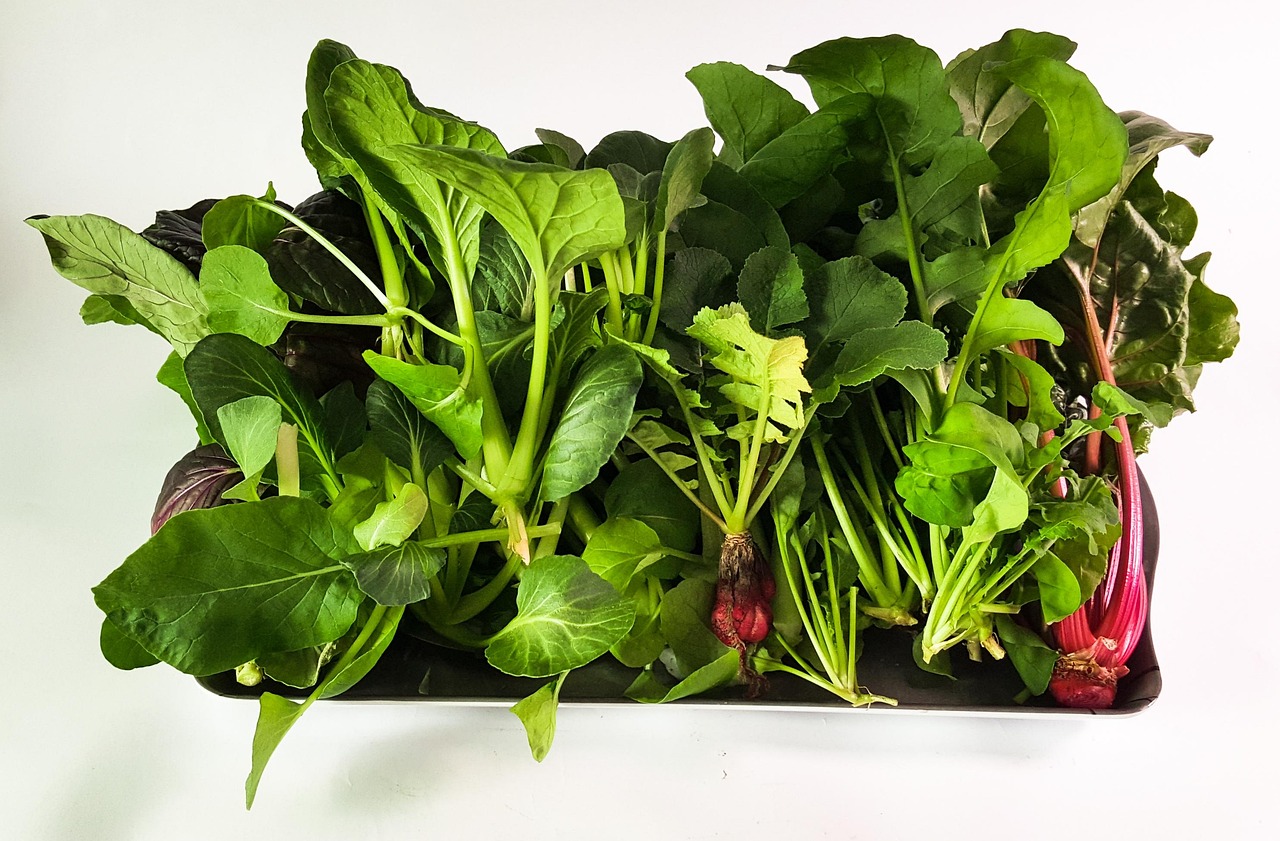
So, can you garden without getting dirty? Absolutely. Modern hydroponic systems have transformed gardening from a soil-dependent, labor-intensive activity into a clean, automated, and incredibly efficient process. With smartphone apps controlling everything from lighting to nutrient delivery, you can literally tend to your garden while wearing your best clothes.
The technology isn’t just convenient – it’s revolutionary. From 90% water savings to 5x faster growth rates, hydroponics offers benefits that traditional soil-based gardening simply cannot match. As the market continues to grow and technology advances, we’re moving toward a future where fresh, healthy food can be produced anywhere, anytime, without ever getting your hands dirty.
Who would have thought that the cleanest way to grow food would also be the most efficient? The future of gardening is here, and it’s squeaky clean.

Matthias is a skilled author and digital storyteller with a focus on travel journalism, environmental issues, and modern home design. With a background in communications and a passion for global cultures, Matthias crafts engaging narratives that blend real-world exploration with thoughtful analysis and visual flair.
His writing reflects a deep interest in how climate change shapes our lives and lifestyles—from sustainable travel practices to eco-friendly living environments. Known for his clear, approachable voice and sharp editorial instincts, Matthias delivers content that resonates with readers seeking both inspiration and substance.
Whether reporting from remote destinations, breaking down sustainable design trends, or spotlighting innovative green initiatives, Matthias brings a global perspective and an eye for detail to every piece. He regularly contributes to web platforms and editorial projects that aim to foster awareness, creativity, and conscious living.