

Henrieke Otte is an accomplished writer and content editor, specializing in topics that inspire thoughtful living—ranging from global travel and sustainable lifestyles to interior design and architecture. With a keen editorial sense and a background in cultural studies, Henrieke brings depth, elegance, and clarity to every piece she crafts.
Her work is known for its engaging voice, visual sensitivity, and ability to turn complex ideas into accessible, reader-friendly narratives. Whether exploring eco-conscious destinations, dissecting climate-conscious home trends, or curating serene living spaces, Henrieke writes with a balance of creativity and insight that resonates with design-savvy, environmentally aware audiences.
Driven by a love of meaningful storytelling and a refined aesthetic, Henrieke contributes regularly to digital platforms and magazines where quality content meets visual sophistication.
The 97% Truth: Most Garden Bugs Are Your Allies
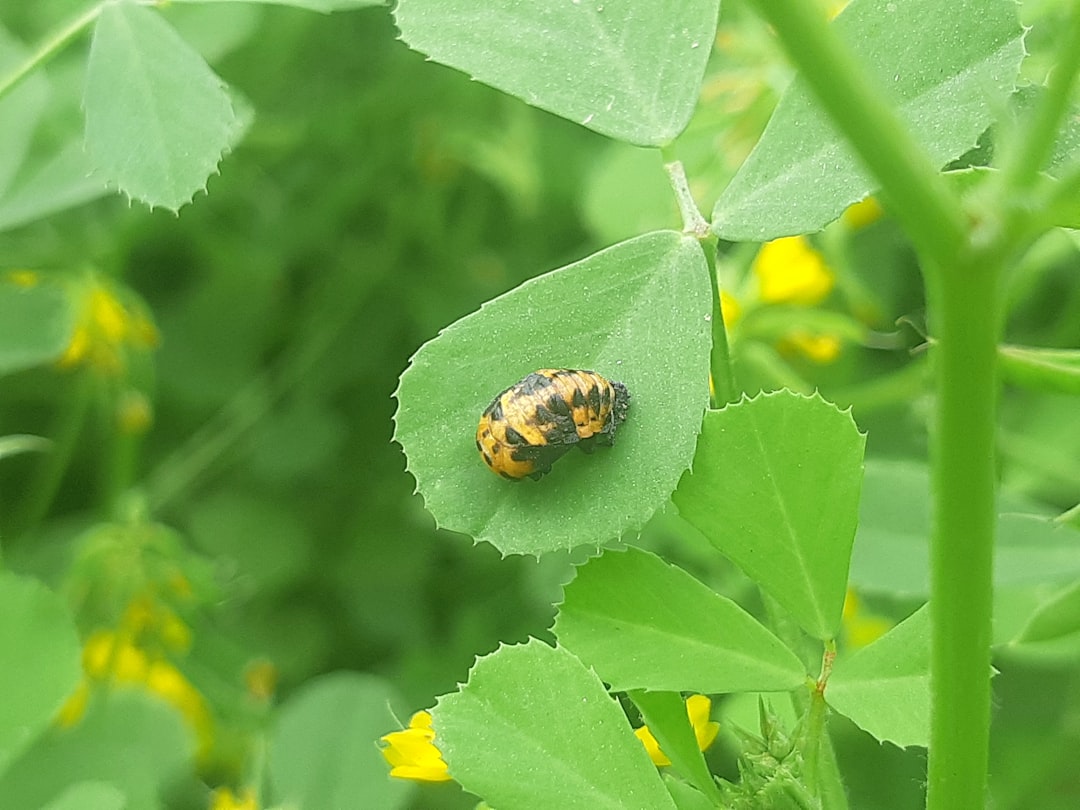
Your backyard is buzzing with a shocking statistic that might surprise you. Most insects found in your garden don’t harm plants. In fact, 97 percent of the insects you see fall into this category! This means that tiny army of critters you spot on your tomato plants? They’re likely working for you, not against you.
The misconception that all bugs are bad has led to unnecessary chemical warfare in our gardens. Very few (less than 1% of species) are pests. Most insects provide vital benefits to people and the environment. Think of your garden as a bustling city where there are more than 12,500 species of insects…in Florida, alone! Each one has a specific job to do.
Secret Chemical Conversations Right Under Your Nose
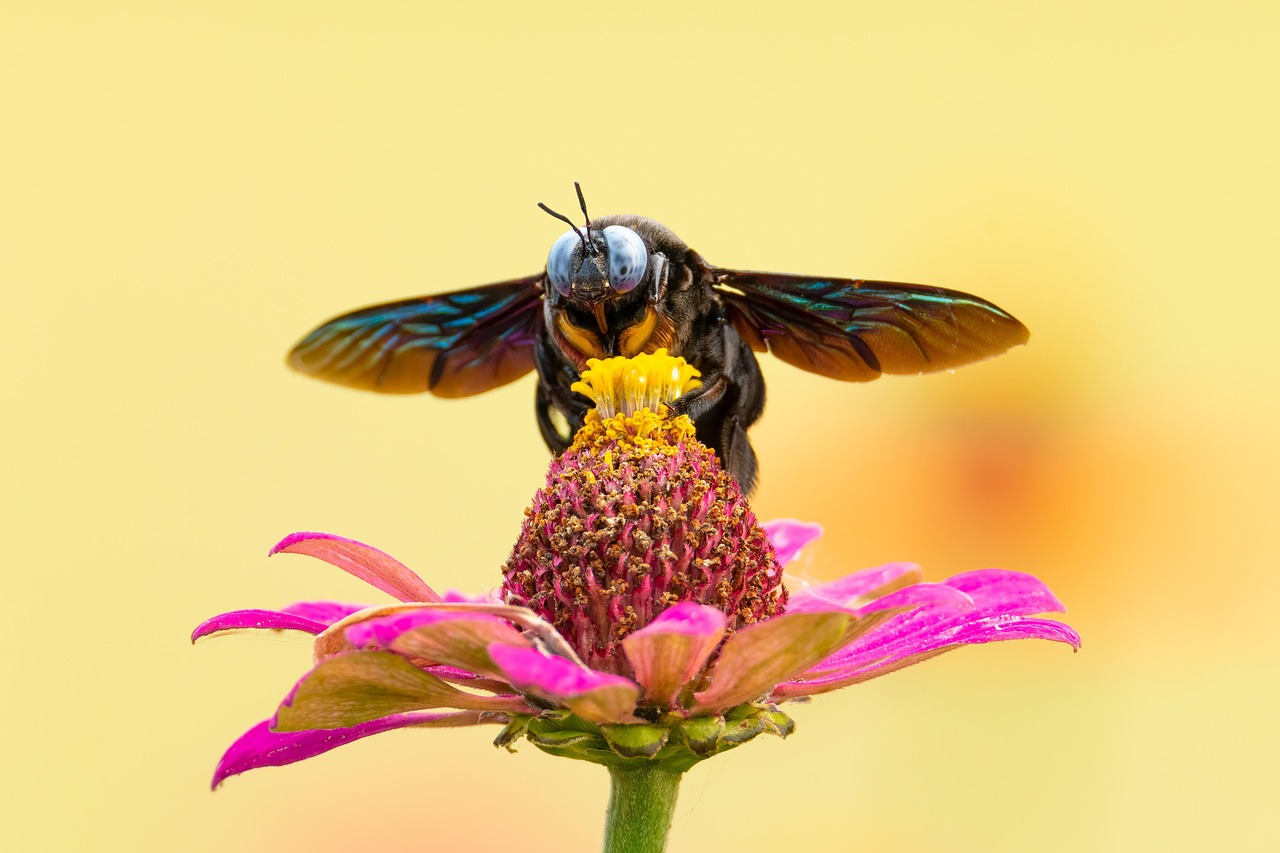
While you’re sleeping, an invisible communication network is operating in your garden. Insects are among some of the most adept pheromone users in the animal kingdom. Honeybees release an alarm pheromone when they sting. While stinging means certain death for the individual, it also means that their pheromones attract the attention of others in the colony who will rush to defend the nest.
Even more fascinating, fruit flies also use pheromone communication using scents produced by their poop! This is one of the ways the fruit fly attracts a mate and, in studies, it was proven that greater activity was noted in areas where there were more fruit fly droppings. Your garden is basically hosting a complex chemical internet you can’t see or smell.
The Cockroach’s Surprising Social Network
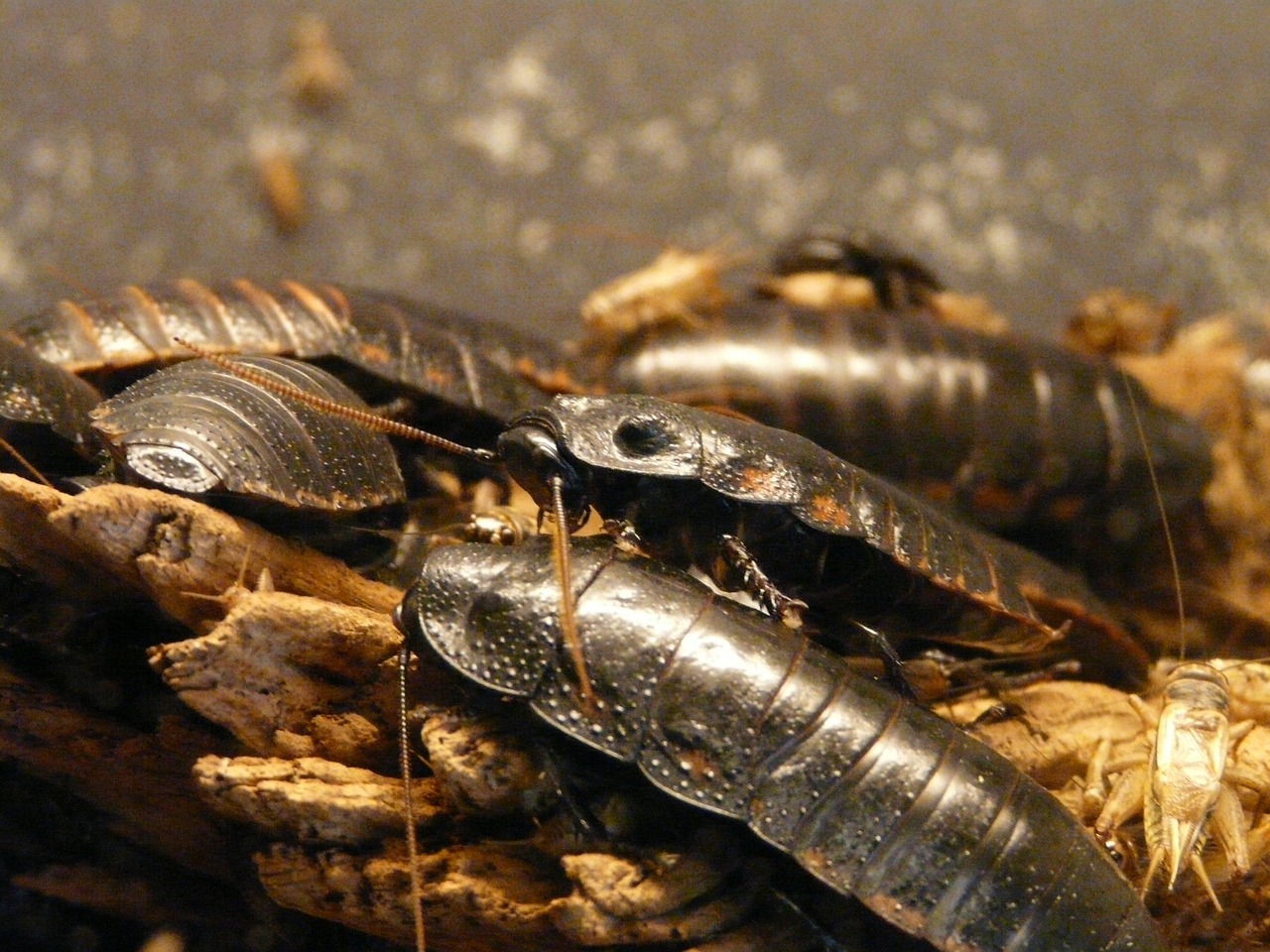
For a long time, it was believed that cockroaches foraged alone, but research has shown that the exact opposite is true. These insects look for food in groups and they’ll even recommend good food sources to others of the same species. That’s right – cockroaches have their own version of Yelp reviews.
It’s also been demonstrated that cockroaches are able to use tactile communication using their antennae. In studies, researchers noticed that the insects would touch one another with their antennae which resulted in them making a collective decision on where to shelter. They’re essentially high-fiving each other to make group decisions about the best hiding spots in your garden.
The Pollinator Crisis Nobody Talks About
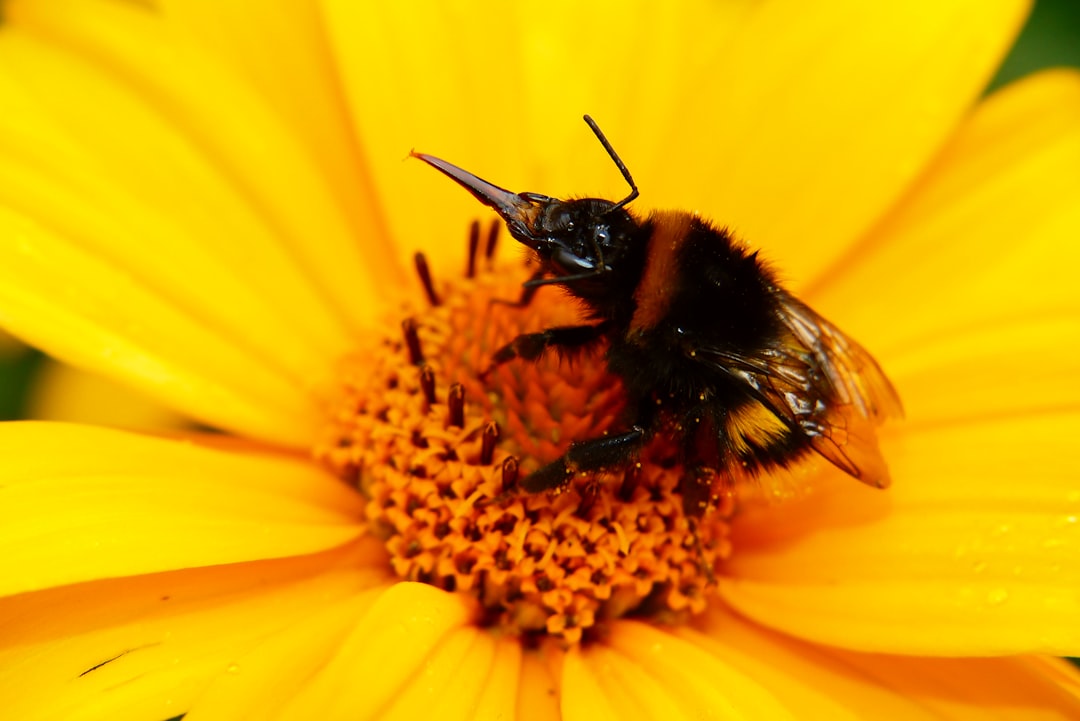
Here’s a sobering reality check: Approximately 16% of vertebrate pollinators, such as birds and bats, and 40% of invertebrate pollinators, such as bees and butterflies, are at risk of extinction. In North America specifically, the eastern population of the monarch butterfly has declined by 80% over the past decades, while the relative abundances of several bumble bee species have declined by up to 96%.
Recent research from 2024 shows the situation is getting worse. Bee and butterfly populations are in decline in major regions of North America due to ongoing environmental change. These declines have been linked to various factors including climate change, habitat loss, and invasive species. A 15-year study found that some bee populations have fallen by more than 80%. By the end of the study, the number of species present had fallen by almost 40%. The number of individual bees decreased by more than 60% over the 15-year period.
Plants Are Tattletales to Insects
Injured plants emit certain chemical compounds, which can infiltrate a healthy plant’s inner tissues and activate defenses from within its cells. A better understanding of this mechanism could allow scientists and farmers to help fortify plants against insect attacks or drought long before they happen.
The most mind-blowing part? Healthy trees of the same species, located 30 or 40 meters away and with no root connections to the damaged trees, also put up the same chemical defenses to prepare against an insect invasion. Another pair of scientists around that time found similar results when studying damaged sugar maple and poplar trees. Your garden plants are basically running a neighborhood watch program.
The Underground Hotel System
All those leaves are cozy apartments for moths and butterflies to wait out the winter. And they’re not alone: Snails, worms, beetles, millipedes, mites and more join them, supporting an intricate food web above them. That pile of leaves you’re about to bag up? It’s actually a five-star hotel for beneficial insects.
Bees, moths, wasps and spiders love living in their pithy stems, tiny high-rises for stem-nesting species. What do raspberries, bee balm, rose thistles and desert willows have in common? They’re providing micro-condos for insects that most gardeners never realize exist.
The Lazy Gardener’s Secret Weapon
“If you really want to invite insects to your yard, be a lazy gardener,” he says. “You can still have your garden look great with edges of manicured lawn, and the messiness out of the way. But it means less work so you don’t have to manicure all your lawn, and you’ll definitively get a lot more habitat.”
The key is understanding that the key is to create a mosaic of natural habitats, from sticks to stems to leaves, that provide homes for the next generation of insects. Like humans, insects need food and shelter. Your perfectly manicured garden might look pretty, but it’s essentially a food desert for beneficial insects.
The Pollution Problem You Can’t See
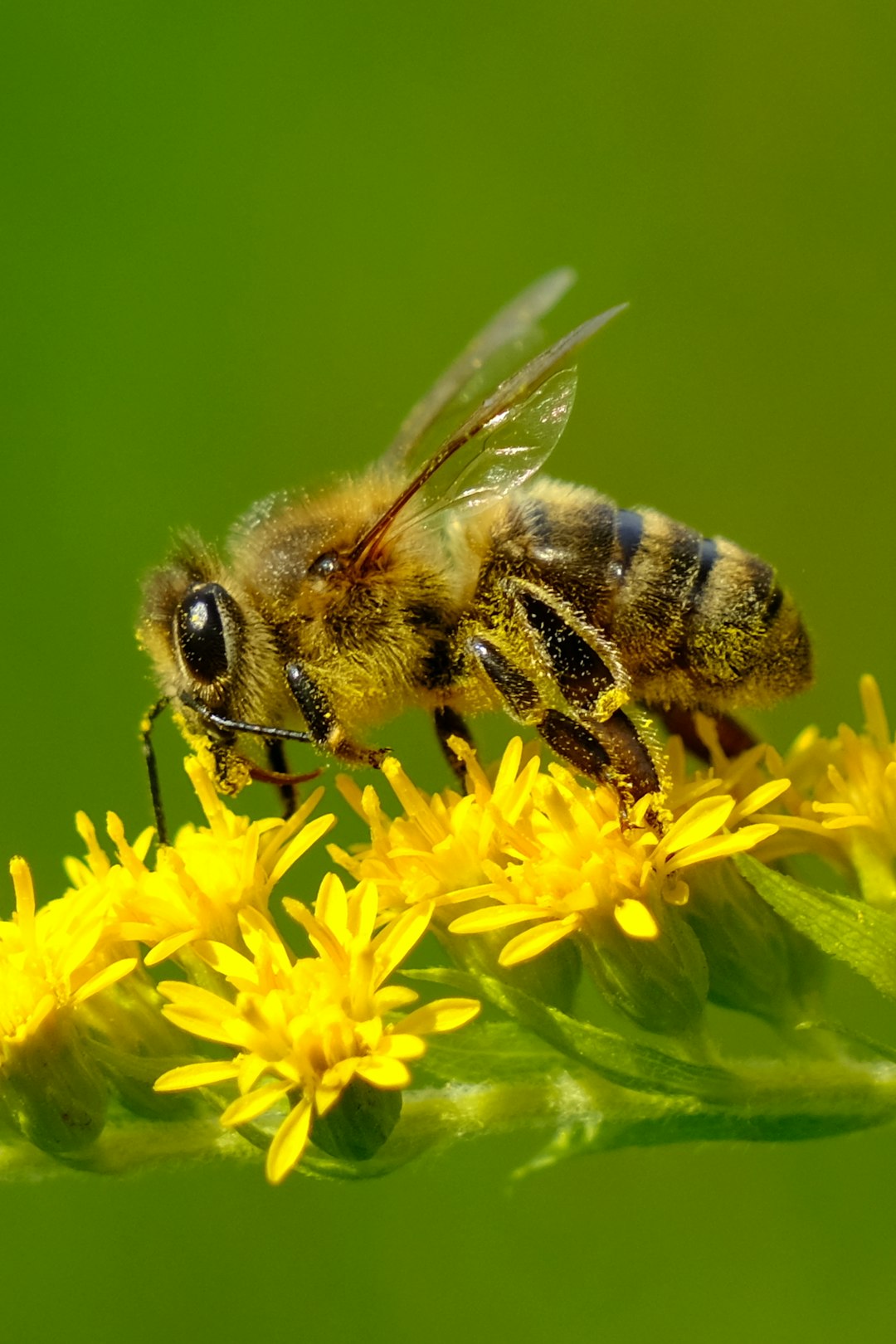
One study found that air pollution, such as from cars, has been inhibiting the ability of pollinators such as bees and butterflies to find the fragrances of flowers. Pollutants such as ozone, hydroxyl, and nitrate radicals bond quickly with volatile scent molecules of flowers, which consequently travel shorter distances intact. Pollinators must thus travel longer distances to find flowers.
Climate change is adding another layer of complexity. Increasing temperature could have severe effects on blend composition and, hence, on odour-guided behaviour in insects: the amount of each compound in the blend is a function of its volatility. With increasing temperature, highly volatile compounds might evaporate faster than those of low volatility, resulting in a novel blend with which the insect has not evolved.
The Bee’s Economic Report Card
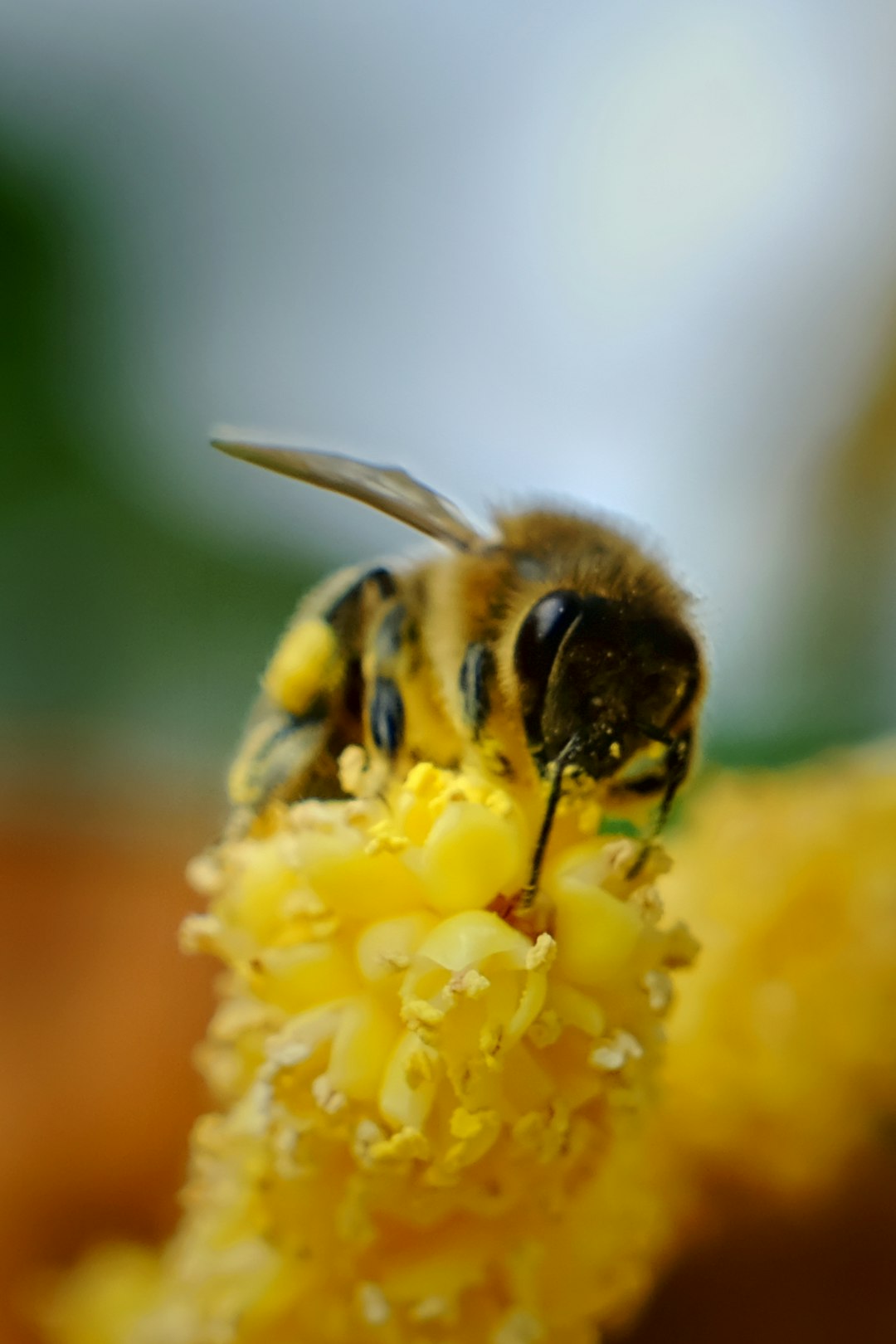
Insects pollinate most wild plants and global crops, the latter service valued at more than half a trillion dollars. To put this in perspective, pollination by animals improves the global crop output by an additional USD $235–$577 billion annually, with the greatest economic benefits recorded in the Mediterranean, Southern and Eastern Asia, and Europe.
The recent 2025 colony losses have been devastating. In January 2025, commercial beekeepers discovered sudden mass honey bee colony losses (60-100%). This isn’t just an environmental issue – it’s an economic crisis happening in backyards across America.
The Invisible Workforce in Your Soil
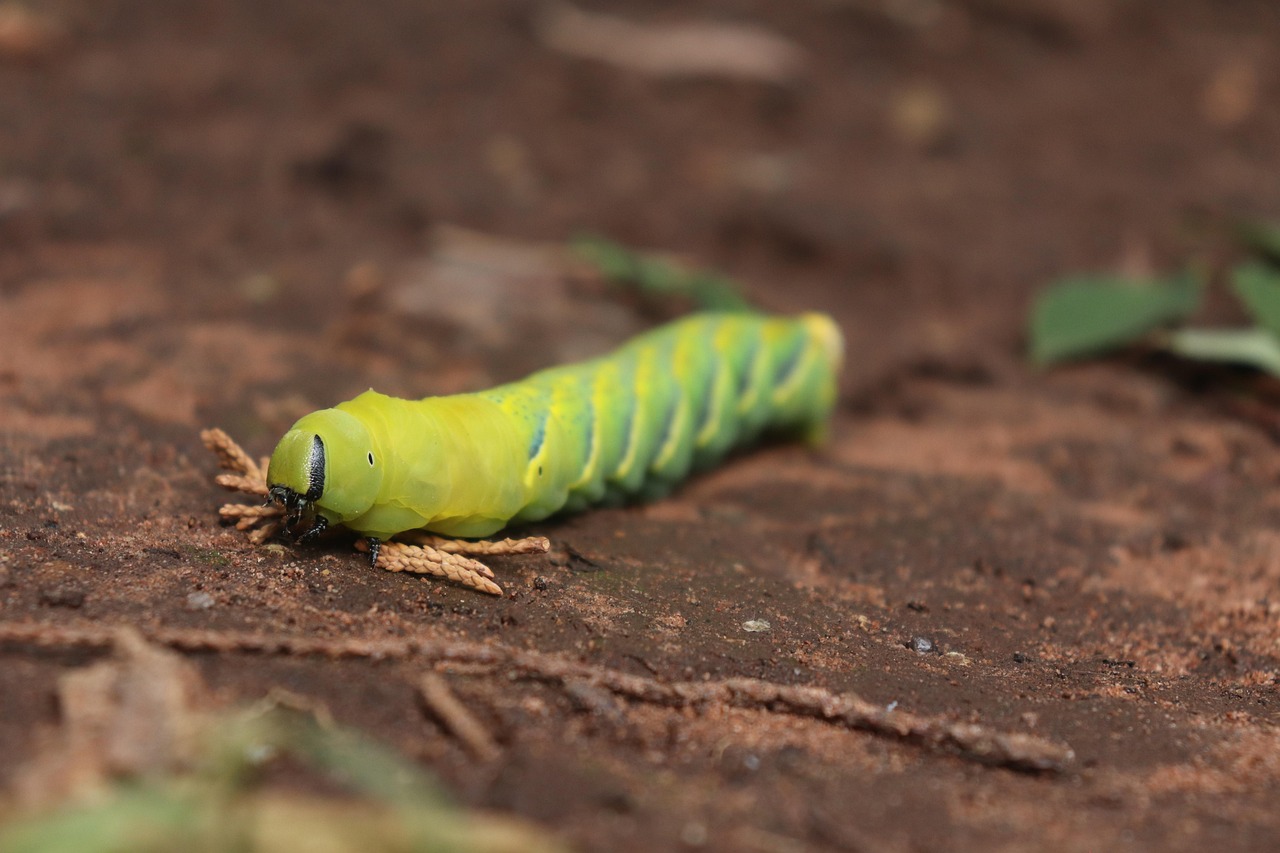
Ground Beetle. These insects are wanted for conspiring to eat many soil-dwelling pests such as slugs, snails, cutworms, and root maggots. While you’re focused on what’s happening above ground, there’s an entire ecosystem of beneficial predators working the night shift in your garden soil.
Parasitic Wasp. These insects are wanted for parasitizing the eggs and larvae of cutworms, cabbage loopers, codling moths, tomato hornworms, as well as all stages of aphids, whiteflies, scales, and other pests. These tiny wasps are like microscopic pest control specialists, targeting specific problems you might not even notice.
The Personality Traits of Garden Bugs
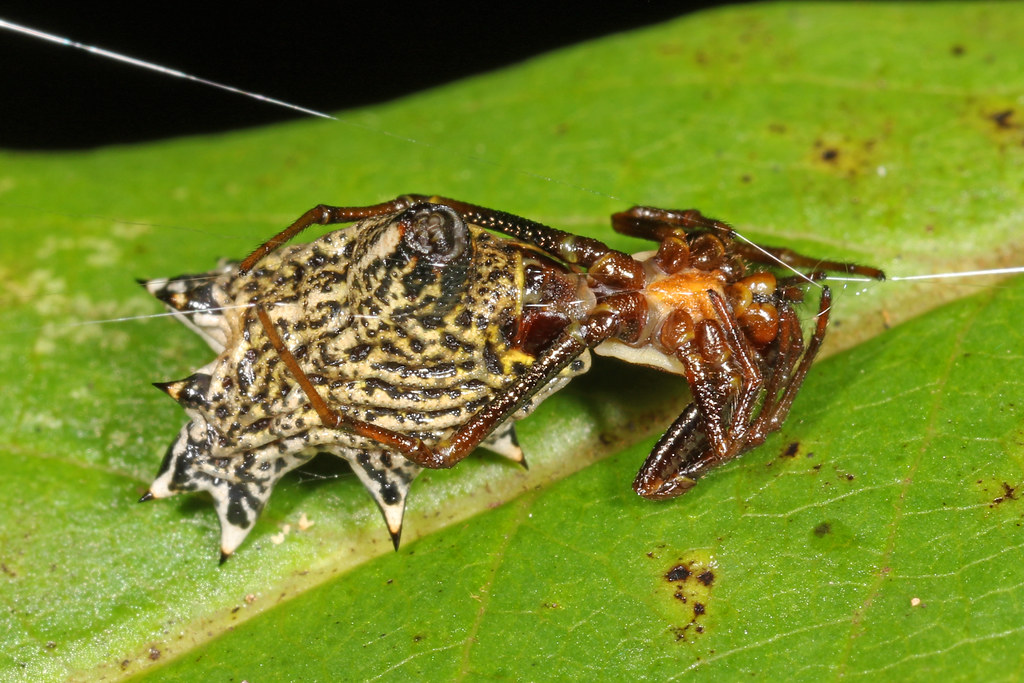
Recent studies indicate individuals have “personalities”; for example, some may be more adventurous than others. Yes, that’s right – insects have personalities. Some aphids are risk-takers, while others are more cautious about where they feed.
The study of insect behavior involves the analysis of any and all activities performed by an insect in relation to its surrounding environment. However, insects also behave spontaneously, in the absence of any obvious stimulus. Thus, behavior includes studies to understand how an insect takes in information from its environment, processes that information, and acts.
The Future is Uncertain
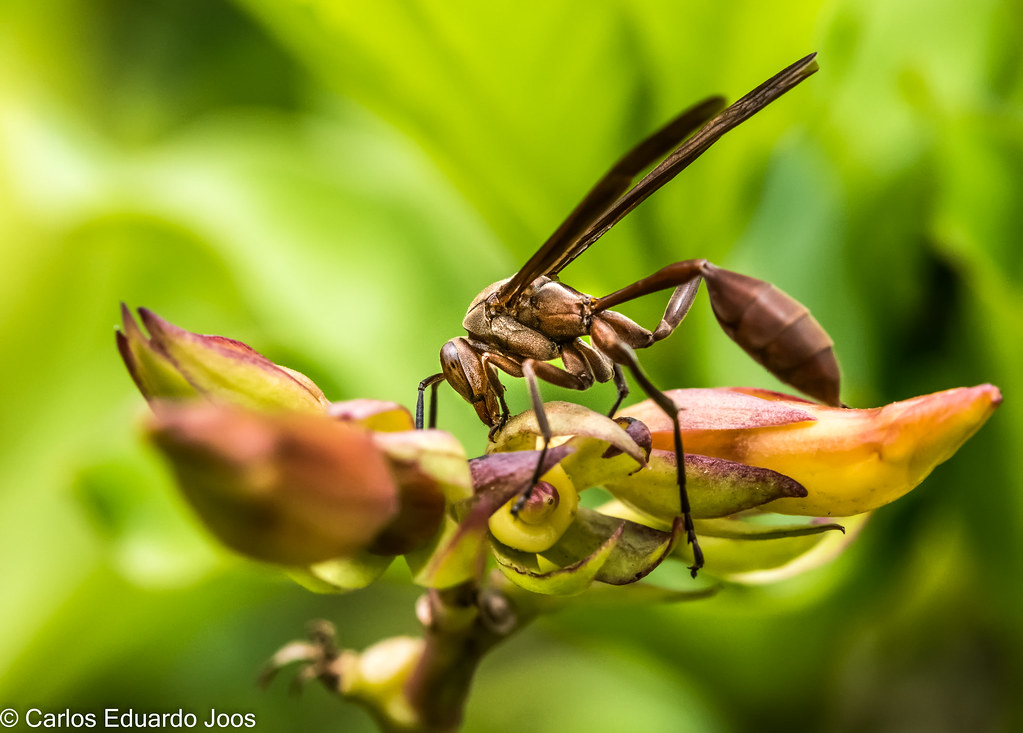
Climate change is the most prominent threat to pollinators — such as bumblebees, wasps, and butterflies — who are essential for biodiversity conservation, crop yields and food security. The research suggests that many of the threats to pollinators result from human activities.
Flowers are blooming earlier as temperatures warm, costing some pollinators the opportunity to feed. Some insects feed only on specific plants; if these blooms die before insects arrive, the insects go hungry and fewer plants get pollinated. Your garden is becoming a victim of mismatched timing between plants and their insect partners.
What Your Garden Can Do
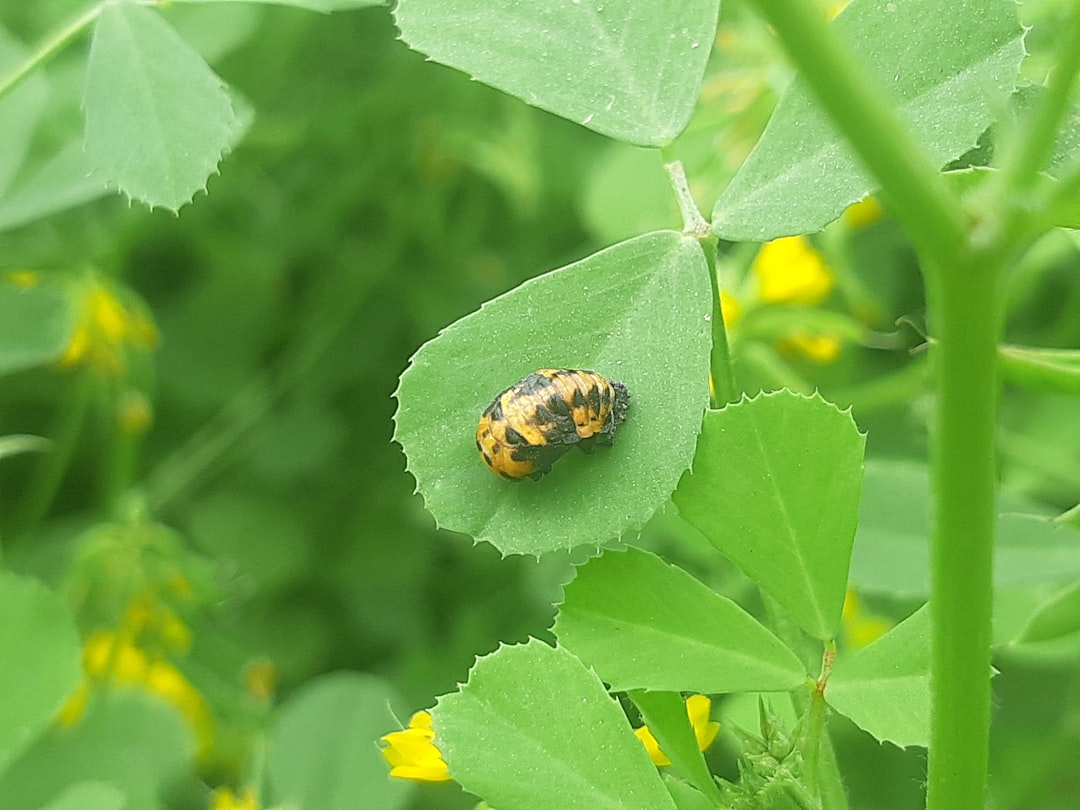
Most beneficial insects need to supplement their diets with pollen and nectar. You can attract them to your garden and encourage them to stay and hunt for pests by offering them a variety of nectar and pollen-rich flowers. The solution isn’t complicated – it’s about creating diversity.
If you have a wildflower garden, leave the flower stalks over the winter as food for wildlife, and then trim the stalks early in the spring at a variety of heights about 8 to 24 inches off the ground. Plant a diversity of native shrubs. As a bonus, bundle leftover stems together for future nesters on the side of your yard.
Your backyard is a complex ecosystem where millions of interactions happen every day without your knowledge. The next time you step outside, remember that you’re not just walking through a garden – you’re navigating a secret world of chemical conversations, personality-driven decisions, and economic powerhouses that keep our planet running. The question isn’t whether bugs belong in your garden, but whether you’re ready to welcome them back home.

Henrieke Otte is an accomplished writer and content editor, specializing in topics that inspire thoughtful living—ranging from global travel and sustainable lifestyles to interior design and architecture. With a keen editorial sense and a background in cultural studies, Henrieke brings depth, elegance, and clarity to every piece she crafts.
Her work is known for its engaging voice, visual sensitivity, and ability to turn complex ideas into accessible, reader-friendly narratives. Whether exploring eco-conscious destinations, dissecting climate-conscious home trends, or curating serene living spaces, Henrieke writes with a balance of creativity and insight that resonates with design-savvy, environmentally aware audiences.
Driven by a love of meaningful storytelling and a refined aesthetic, Henrieke contributes regularly to digital platforms and magazines where quality content meets visual sophistication.