
Matthias is a skilled author and digital storyteller with a focus on travel journalism, environmental issues, and modern home design. With a background in communications and a passion for global cultures, Matthias crafts engaging narratives that blend real-world exploration with thoughtful analysis and visual flair.
His writing reflects a deep interest in how climate change shapes our lives and lifestyles—from sustainable travel practices to eco-friendly living environments. Known for his clear, approachable voice and sharp editorial instincts, Matthias delivers content that resonates with readers seeking both inspiration and substance.
Whether reporting from remote destinations, breaking down sustainable design trends, or spotlighting innovative green initiatives, Matthias brings a global perspective and an eye for detail to every piece. He regularly contributes to web platforms and editorial projects that aim to foster awareness, creativity, and conscious living.
Container Revolution: When Pots Become Gardens
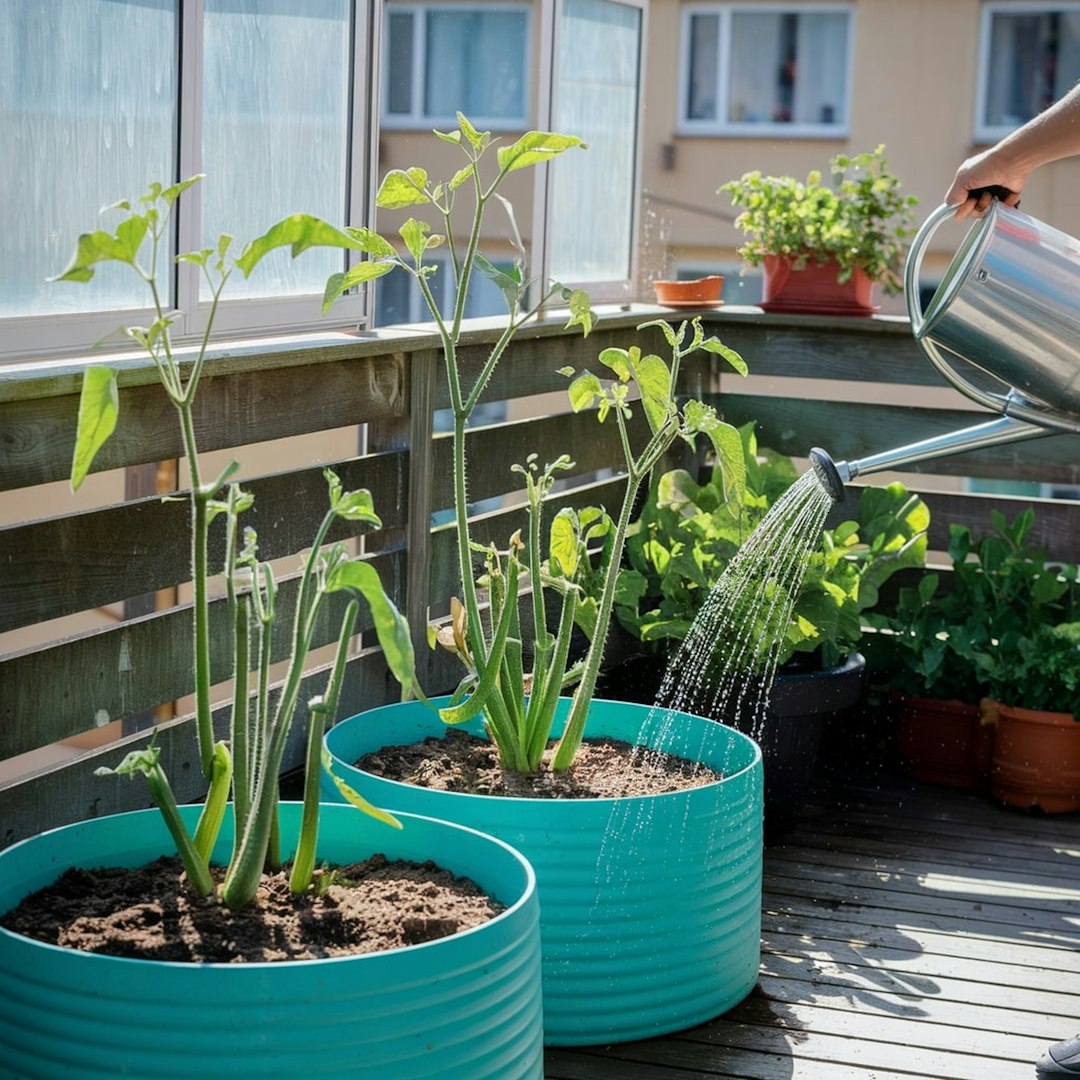
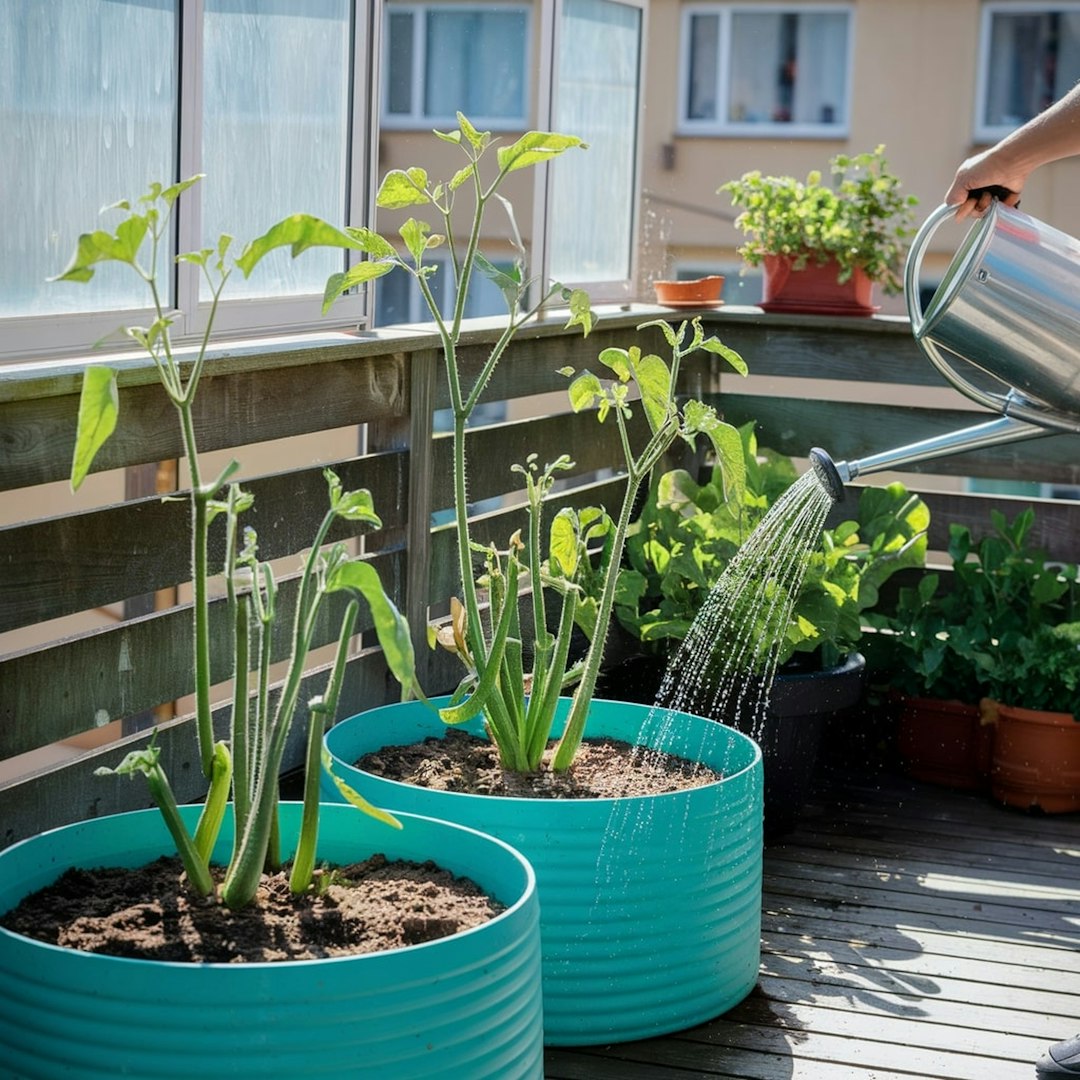
The popularity of container gardening increased by 20% during 2020-2023, especially among apartment dwellers and this trend is showing no signs of slowing down. Think of containers as your plant’s personal mobile homes—they can move to chase sunlight, escape harsh weather, or simply relocate when you get tired of their current spot.
Herbs can be grown in a variety of containers, from plastic or clay pots to fun items like old wheelbarrows. Just make sure your containers have adequate drainage. The secret isn’t having the perfect pot—it’s understanding that almost anything can become a planter with the right modifications.
Vertical Farming: Growing Up Instead of Out
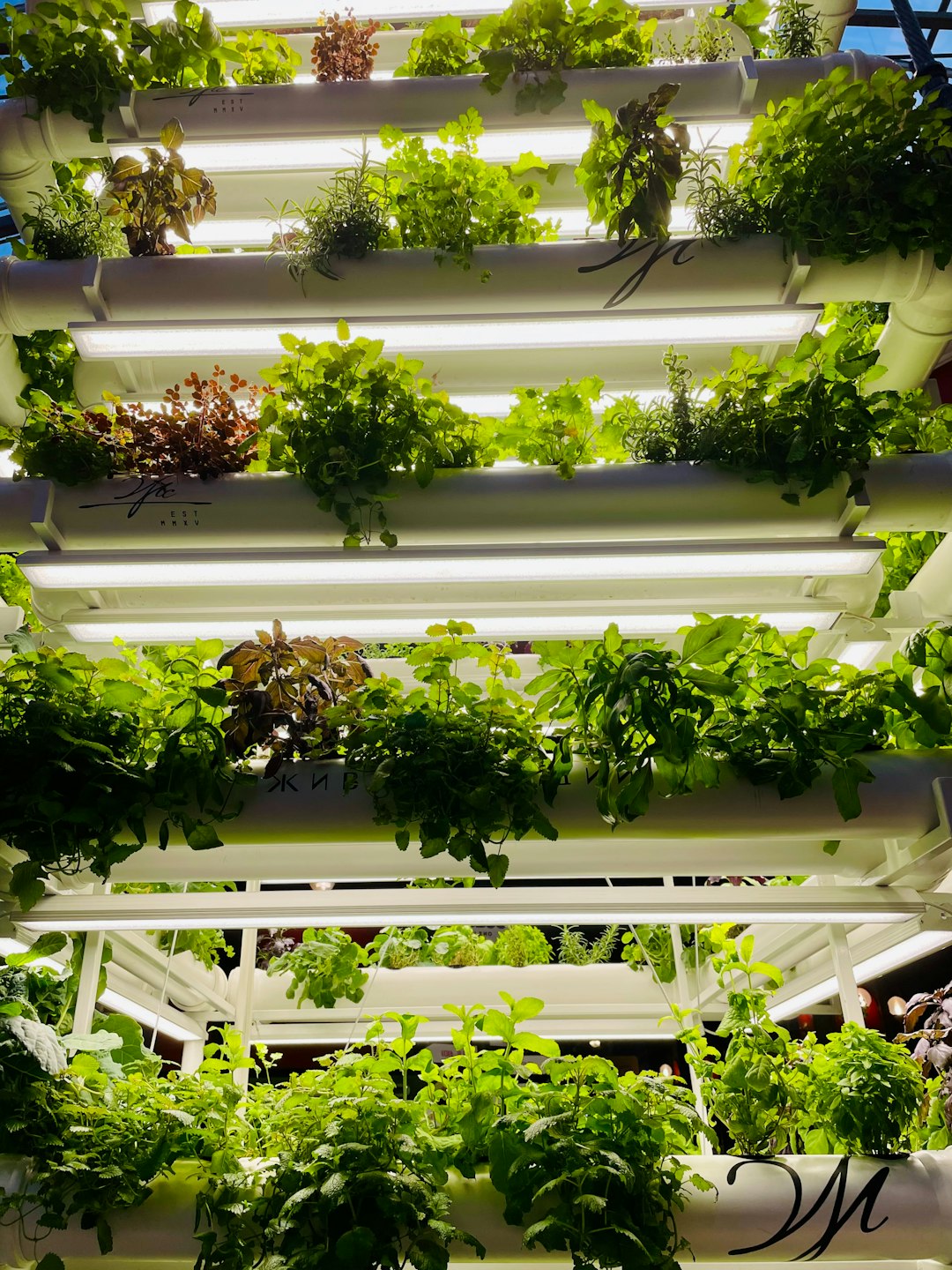
The vertical design uses 90% less land normally required to grow produce. With Tower Garden’s aeroponic technology, you can produce 30% more yields using 90% less space than traditional gardening. Imagine transforming a single wall into a productive farm that could feed your family fresh greens year-round.
The plant towers are often stackable, stretching upwards toward your ceiling, versus taking up space on your floor horizontally. Most indoor vertical garden products come with everything you need to set up your growing system, from LED grow lights to seedling pods to a built-in water system. It’s like having a personal grocery store that grows upward instead of outward.
Hydroponic Systems: Soil-Free Growing Miracles
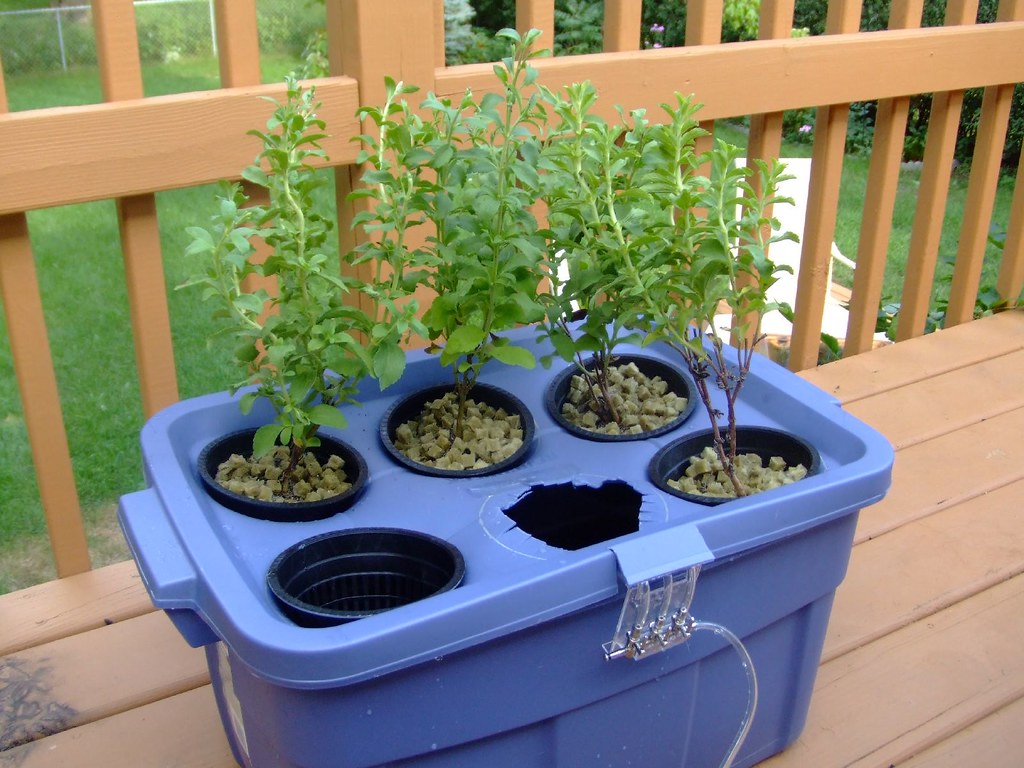
With up to 10 times higher yields than traditional soil gardening in the same footprint, an indoor hydroponics growing system from Gardyn guarantees a steady supply of nutrient-rich produce producing up to 10 pounds each month, straight from your very own produce aisle. Our indoor growing systems save 95% more water than traditional gardening methods while creating virtually no waste.
Lettuce Grow’s vertical hydroponic garden, The Farmstand, uses 95 percent less water than a soil-based equivalent and is made from ocean-bound plastic. But hydroponic growing holds a lot of promise — especially in fresh food-scarce areas or places with difficult weather patterns or depleted soils. It also uses less water since you’re only watering roots instead of the additional dirt around the plant.
Windowsill Wonders: Kitchen Counter Cultivation
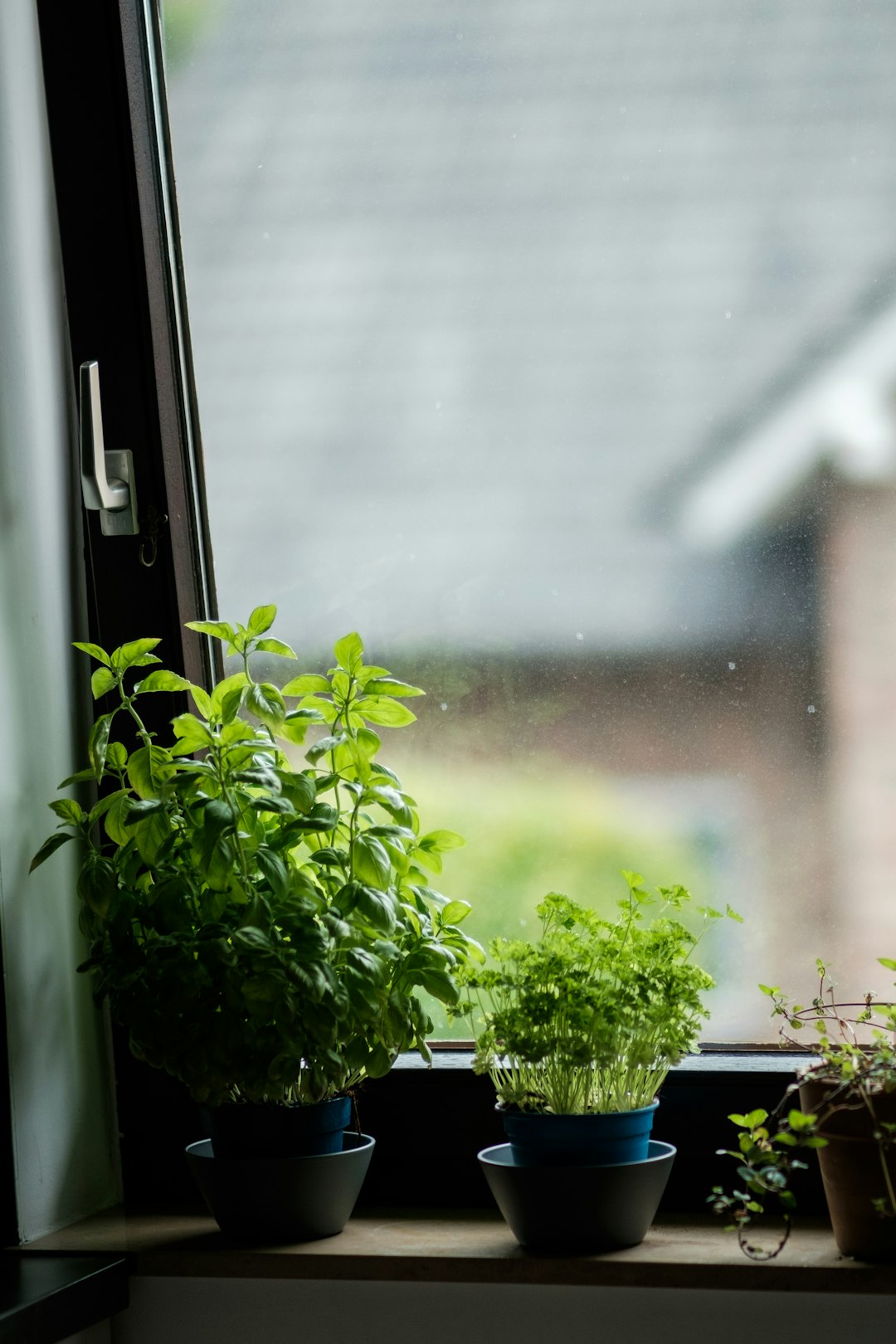
It’s estimated that at least 37.6 million U.S. homes contain at least one indoor plant. It’s one of the easiest and most accessible forms of growing so it’s no surprise half of all gardeners nurture both indoors and out. Your kitchen window isn’t just for looking outside—it’s prime real estate for growing.
Most herbs need a minimum of six hours of sunlight each day. East and west windows are the best as a south facing window in summer can get far to hot. If your space receives limited sunlight, consider using artificial grow lights to supplement the natural light. Even the tiniest windowsill can become a productive herb garden with the right approach.
Smart Gardens: Technology Meets Gardening
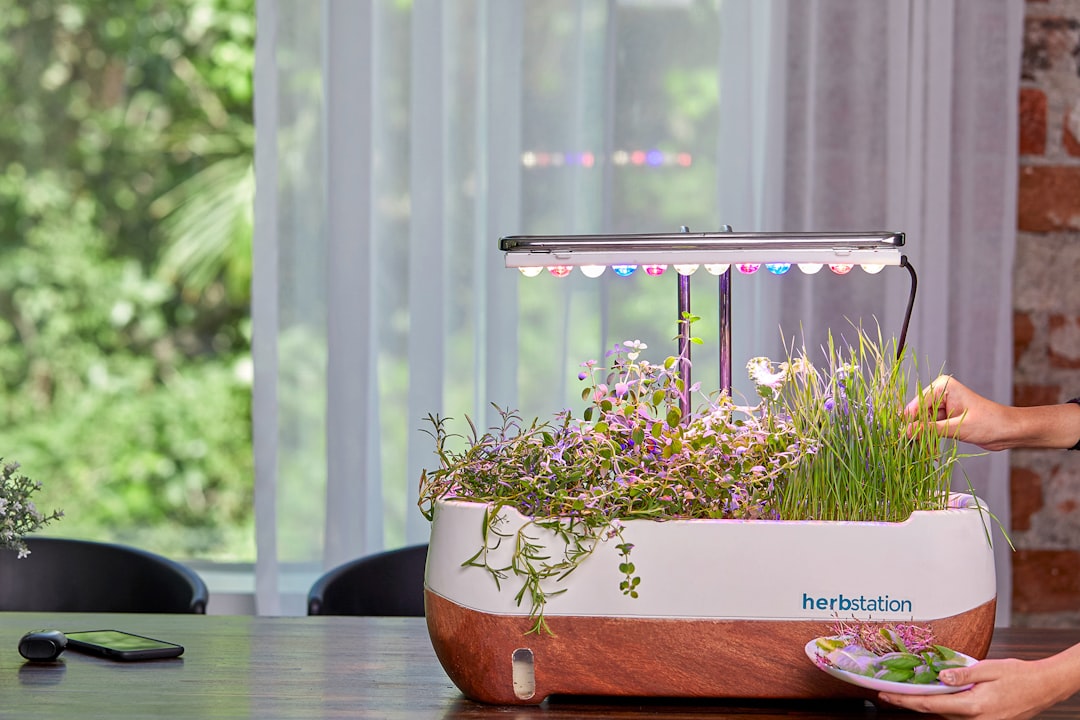
Kelby, your Gardyn system’s virtual gardener, does all the work for you. Get a live view of your plants, as well as your indoor hydroponic home system’s current temperature, humidity, water level, watering schedule, and light intensity. Pre-installed cameras and sensors capture everything and run the show. Every step of the way, Kelby will also provide personalized recommendations for little tweaks you can make for an even better harvest.
While there are hands-on options that include seeds and containers, you can also find effortless kits that do most of the work for you, including grow lights, timers, and self-watering (hydroponic) systems. These systems are perfect for busy people who want fresh herbs without the daily maintenance hassle.
Balcony Farming: Small Space, Big Harvests
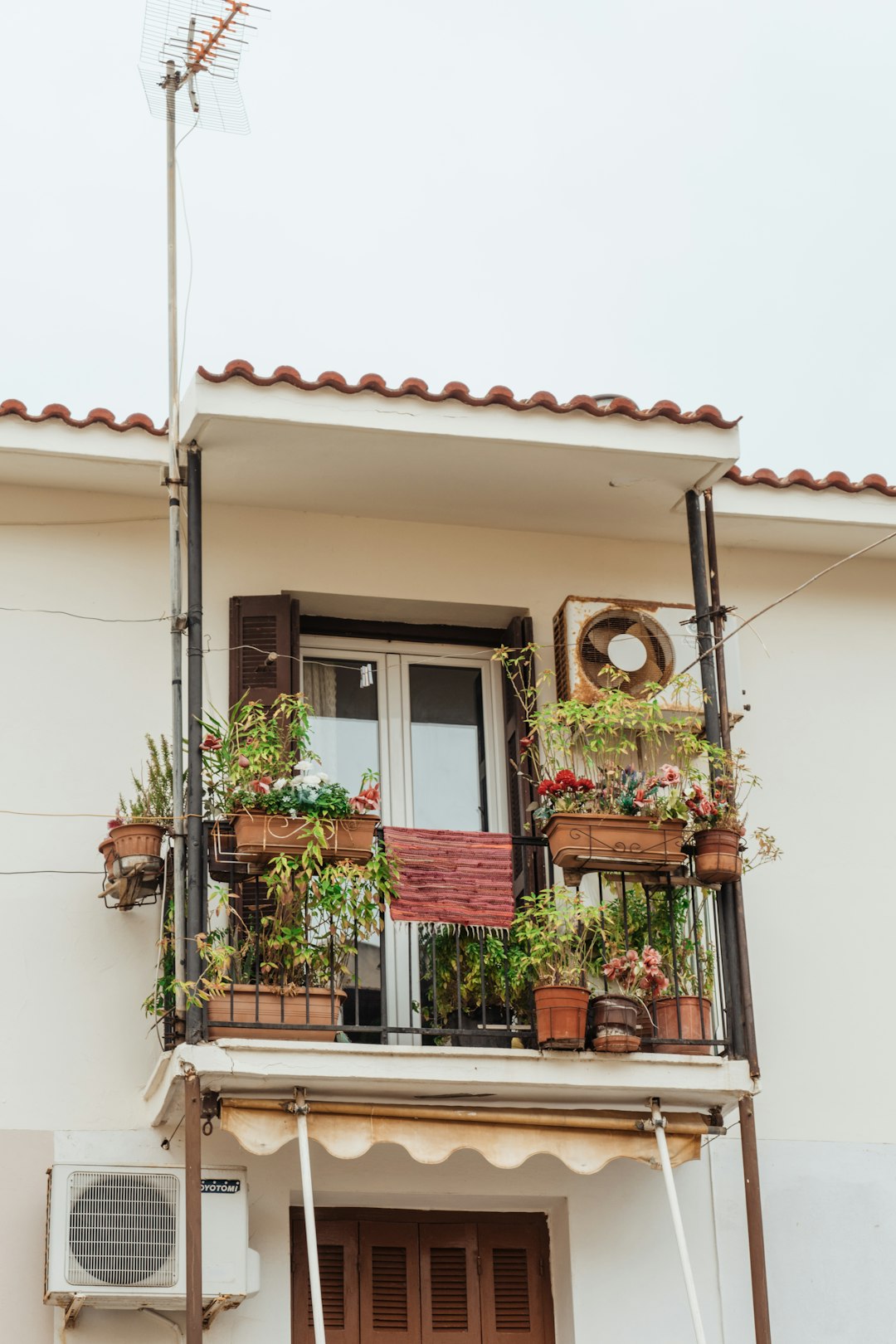
A couple pots or one long container, and you can be stepping outside to your patio or balcony to cut some fresh herbs for dinner every night. Growing herbs can be easy, and the right planter choice can make all the difference. Depending on the size of your balcony, you may want to consider a variety of planter sizes to find what works best for you.
Railing planters, hanging baskets, grow bags, standard pots, buckets, vertical planters, and window boxes–there are plenty of options. Most herbs grow best in full sun or partial shade. If you have a south, southeast, or southwest-facing balcony, you’re in luck! Even a tiny balcony can become a productive growing space with creative container placement.
Microgreens: Maximum Nutrition in Minimal Space
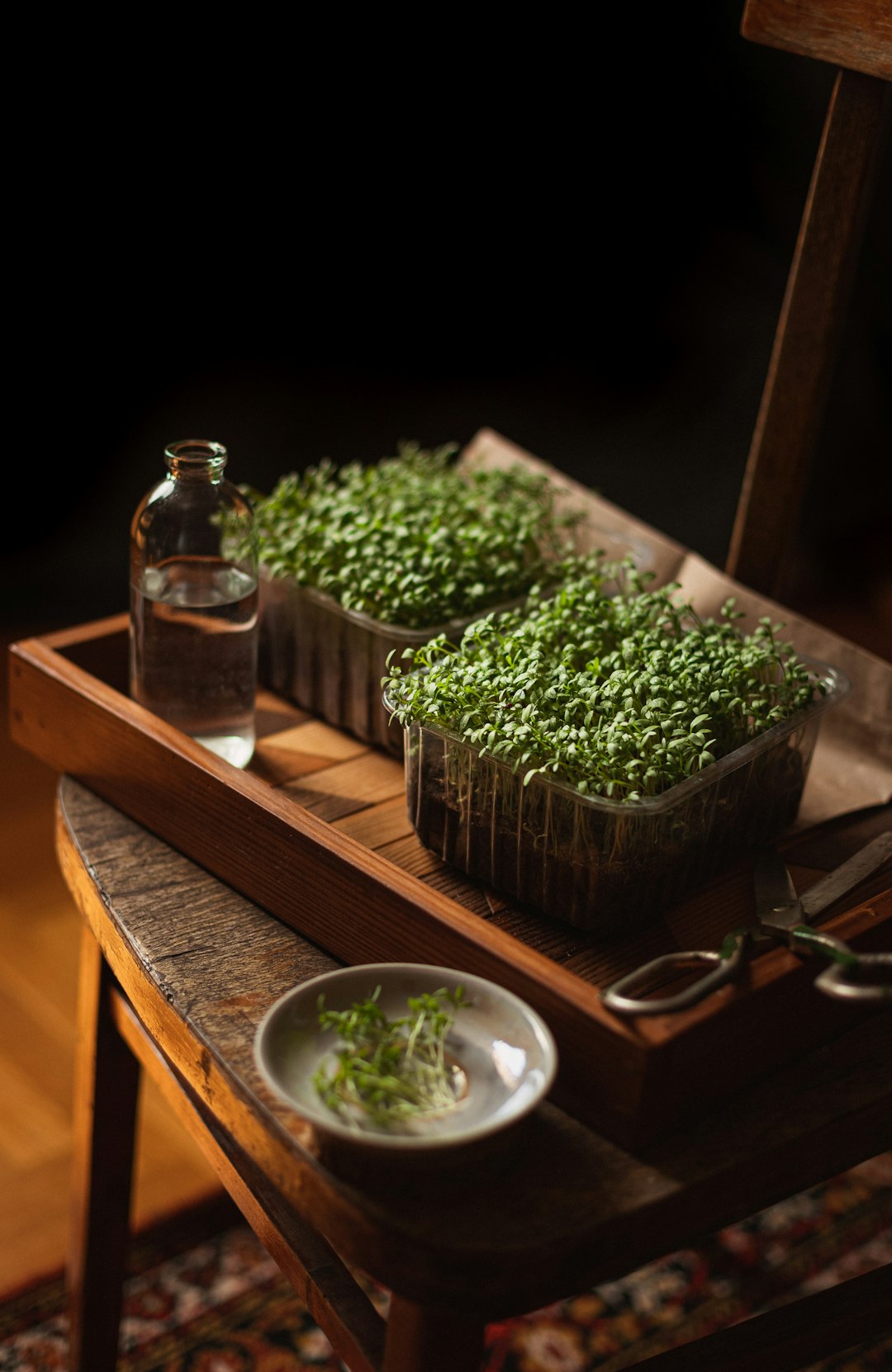
A big bowl of green leaves can be a prime source of vitamins A, C, K, and folic acid. These seedlings of herbs and vegetables are even more nutrient-rich and tasty than mature ones. To grow microgreens, you will need seeds of various greens and a wide but shallow tray. Think of microgreens as the nutritional powerhouses of the plant world—they pack more vitamins per bite than their full-grown counterparts.
Growing microgreens is like having a fast-food restaurant for healthy eating. They’re ready to harvest in just 7-14 days, require minimal space, and can be grown continuously for a constant supply of fresh nutrients.
Apartment-Friendly Vegetables: Beyond Herbs
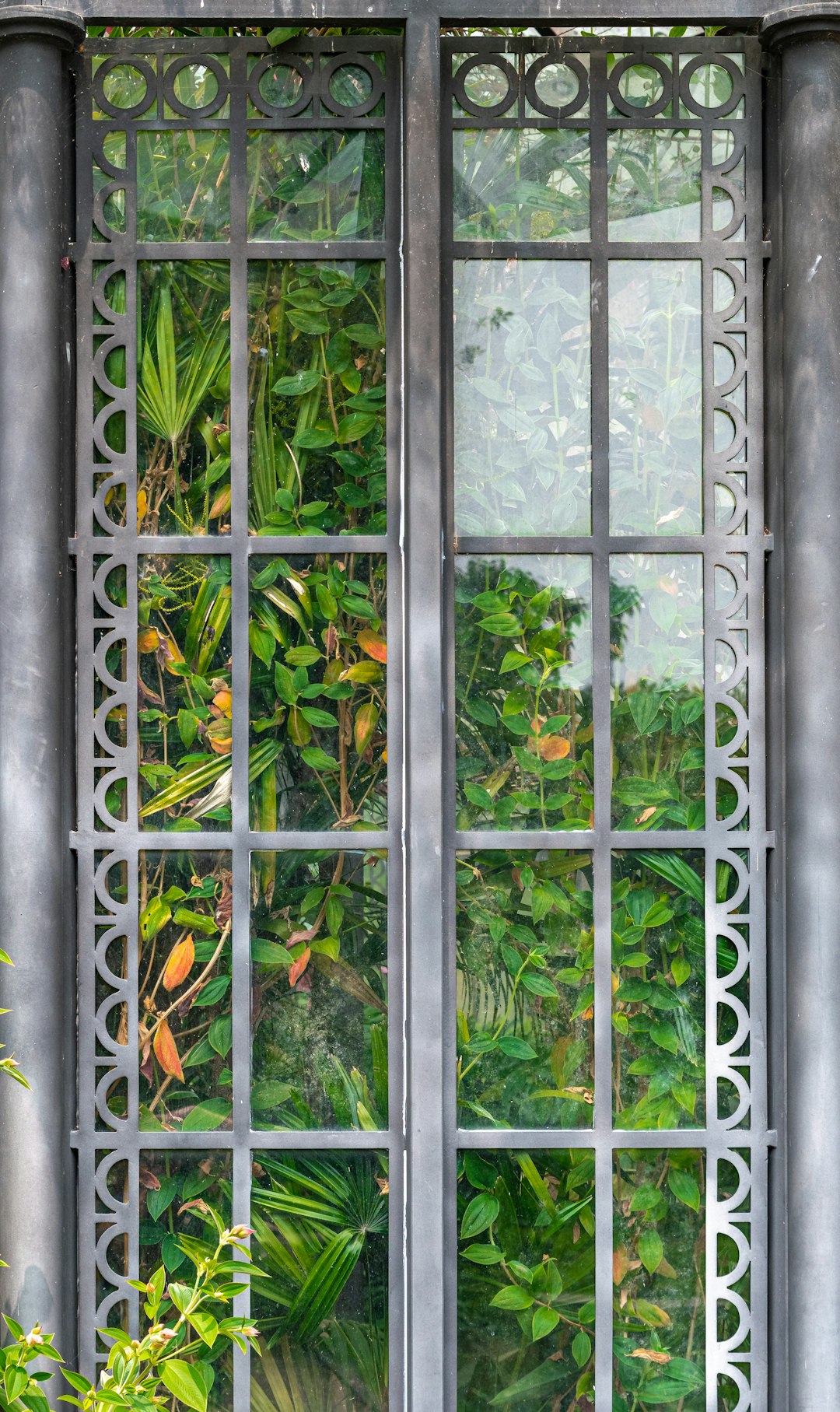
After green onions, growing lettuce is one of the easiest things in windowsill gardening! It doesn’t require a sunny window; a few hours of direct and indirect sunlight is enough. Growing tomatoes on a windowsill is easy if you have a south or west-facing window—a great way to grow and enjoy fresh, organic, juicy tomatoes indoors. For best results, choose dwarf types (cherry, grape, or spoon tomatoes are perfect).
Radishes grow so fast and require little care, and don’t mind the small pots. Plus, their leaves are also edible, and you can prepare delicious exotic recipes from them. Not just peas but beans can be grown on windowsills too if there is space and enough exposure to sunlight. They are easy to grow and do well in a bright spot.
DIY Growing Systems: Budget-Friendly Solutions
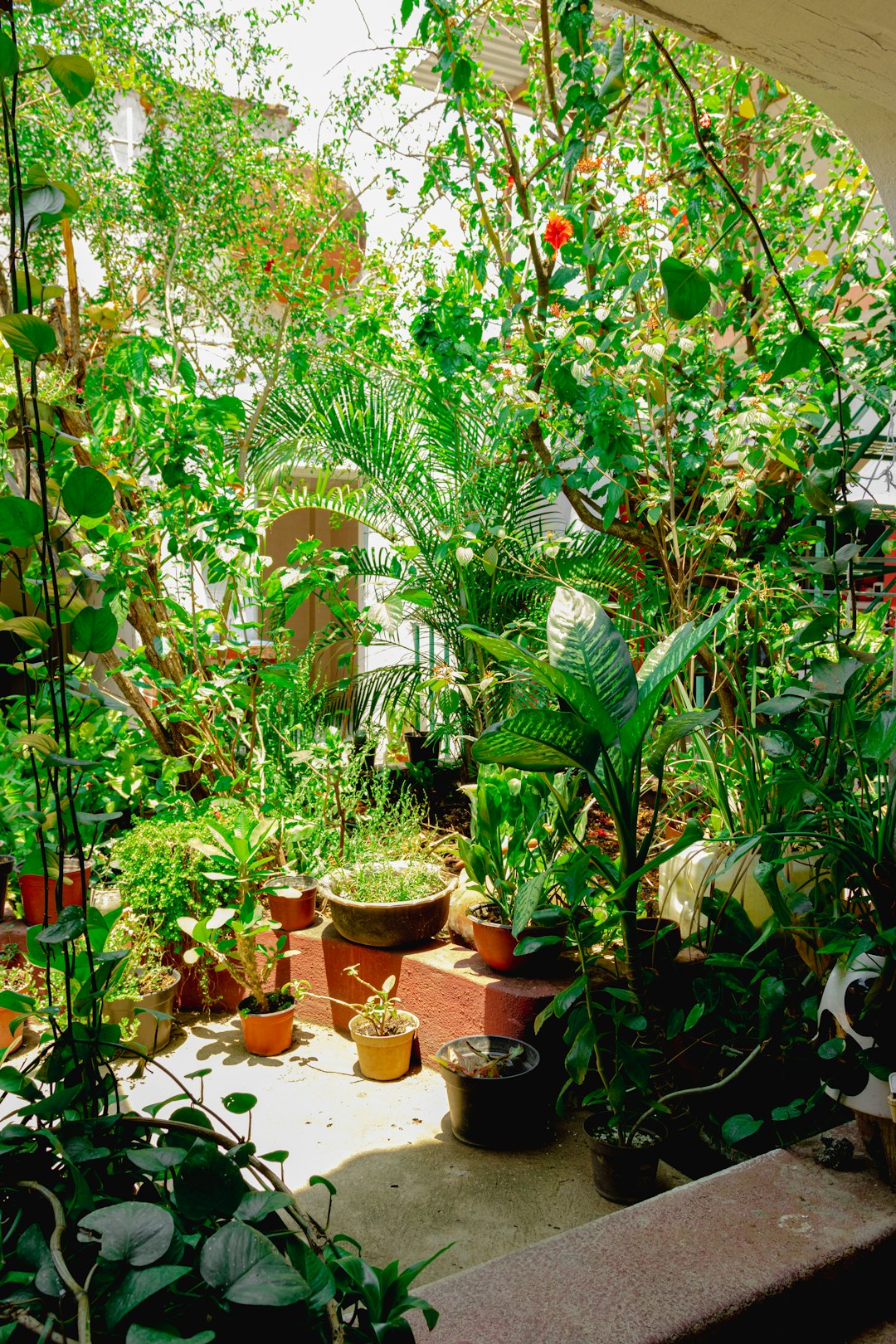
You can DIY a hydroponic system with budget materials, like an aquarium pump from a local pet supply store and some additional components. Or get crafty with HGTV’s guide to creating a vertical soil-based garden out of PVC pipes. If you have plastic bottles on hand (hey, it happens), you can take some inspiration from window farms and upcycle them into a vertical garden. While not ideal for fastening to drywall because of the adjacent moisture, you can hang them from your windows and grow small perennials and even herbs.
In general, prioritize ways you can upcycle materials, recirculate water, and maximize the natural resources you have on hand (hiii, sunshine). Creating your own growing system is like being a plant engineer—you’re designing custom solutions for your specific space and needs.
Wall-Mounted Gardens: Vertical Space Maximization
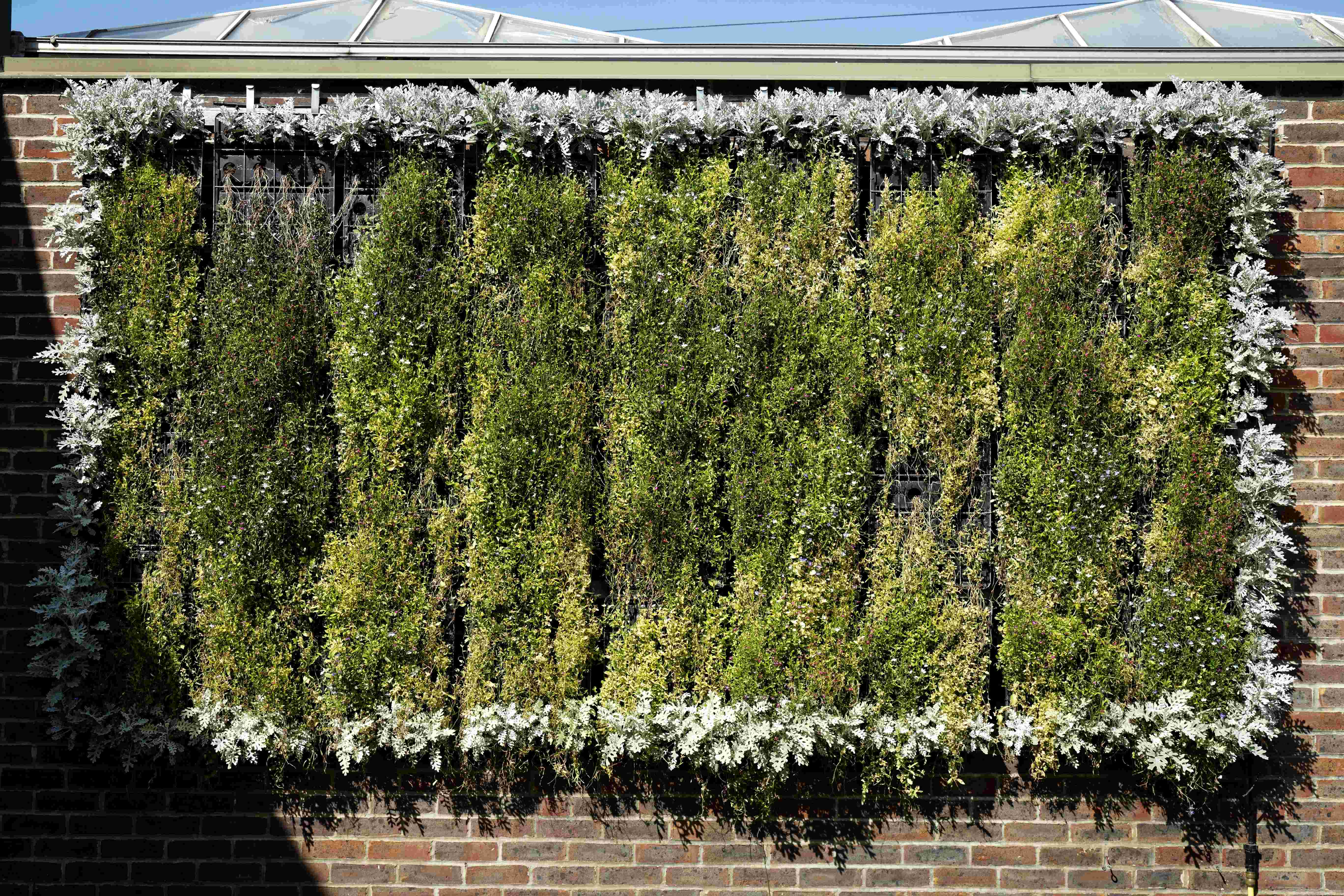
Ponix promises on its website that “you neither need a balcony nor water to grow your vertical farm at home.” The company’s hydroponic farm, named Herbert, is a wall-like slab with shelves mounted to it where the plants grow accompanied by overhead LEDs. As of this writing, I’m leaning towards Ponix Systems’ Herbert as the best option for indoor farming in a tiny space, as it only requires a wall, not floor or table space.
Herbert can grow up to 15 plants at a time. Because it lives on a wall-mounted panel, Herbert definitely takes up the least amount of space of any farm on this list. Wall-mounted systems are perfect for studio apartments or tiny homes where every square foot of floor space counts.
Herb-Growing Mastery: The Kitchen Essentials
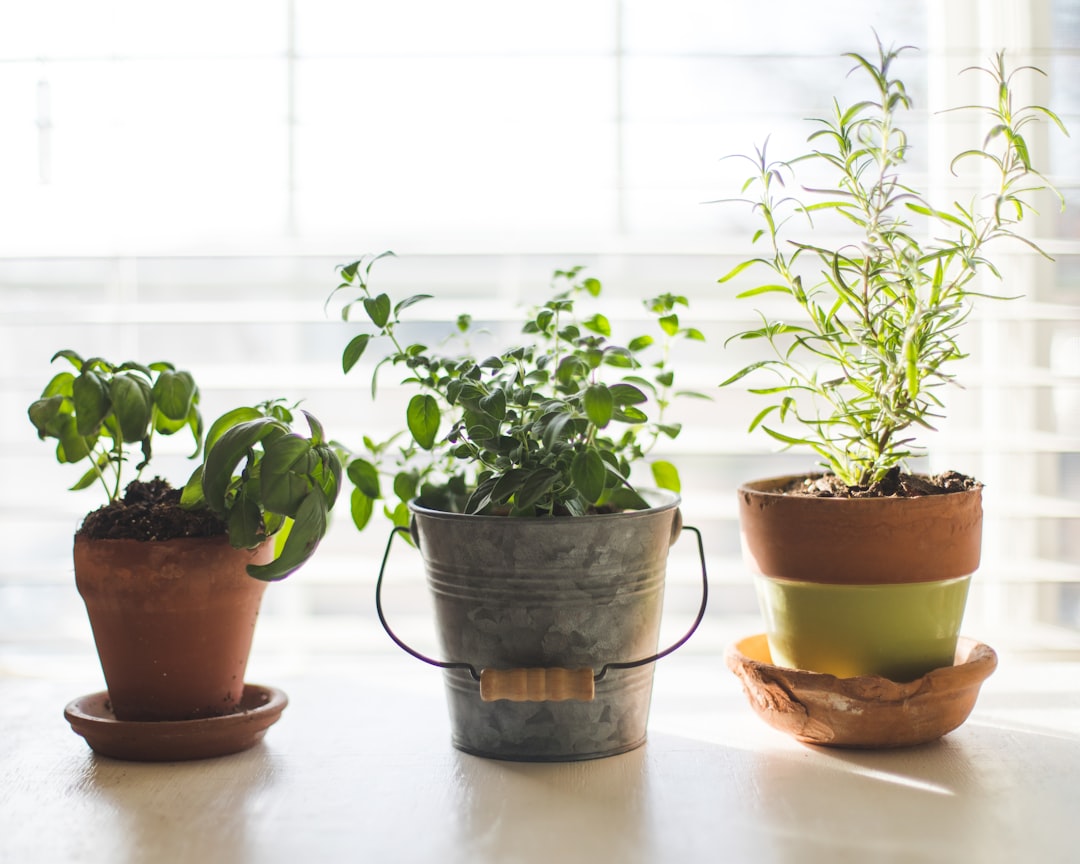
Many herbs, like basil and thyme, make easy-to-grow container plants. Thyme is one of the best herbs for container gardening; it’s low maintenance, drought-tolerant, and can take a bit of neglect. Plus, it looks fantastic when planted at the front of a container where the tiny leaves can mound over the edge of the pot.
Mint can be invasive in garden beds, but is easy-to-grow in pots, making it one of the best herbs for container gardening. Basil is my go to herb in summer and my gardens are full of different varieties like Genovese, Nufar, Dolce Fresca, or Spicy Globe, but I also love growing basil on my sunny back deck. Basil is a warm weather annual herb and thrives when grown in pots and window-boxes.
Year-Round Growing: Beating the Seasons

Additionally, they engage more in indoor gardening during the colder months. For year-round herb growth, it’s best to use a herb and salad cloche. So, you may think, what is a cloche? It is a glass cover that protects plants from harsh weather conditions, such as frost during winter. Not only will the cloche protect your herbs, but it will also help your seedlings develop stronger root systems. This way, you can enjoy fresh herbs all year, no matter the weather.
In my zone 5 garden, rosemary is an annual, but growing it in pots makes it easy to bring indoors to a sunny windowsill once the days start to cool down in mid-autumn. The key to year-round growing is understanding that plants can migrate indoors and outdoors with the seasons.
Cost-Effective Growing: Budget-Friendly Options
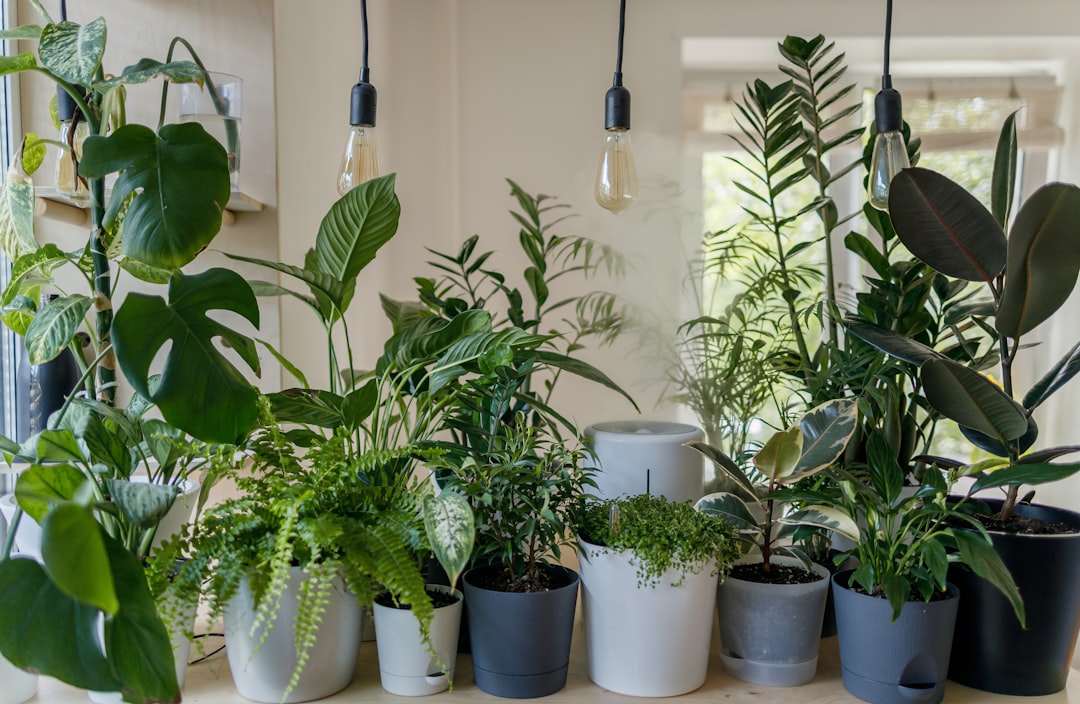
Almost 36% of households participated in indoor houseplant gardening last year. Buying plants on sale, using water wisely, and growing plants from seeds were the most common gardening tactics to combat inflation in U.S. households. Gardening is probably one of the most budget-friendly hobbies out there. Seeds are cheap. The only thing gardening requires is your time.
Your Gardyn literally pays for itself. Growing vegetables are cheaper in the long turn compared to buying them from the grocer store. Even expensive hydroponic systems can pay for themselves within months when you calculate the cost of store-bought herbs and vegetables.
Advanced Growing Techniques: Maximizing Your Harvest
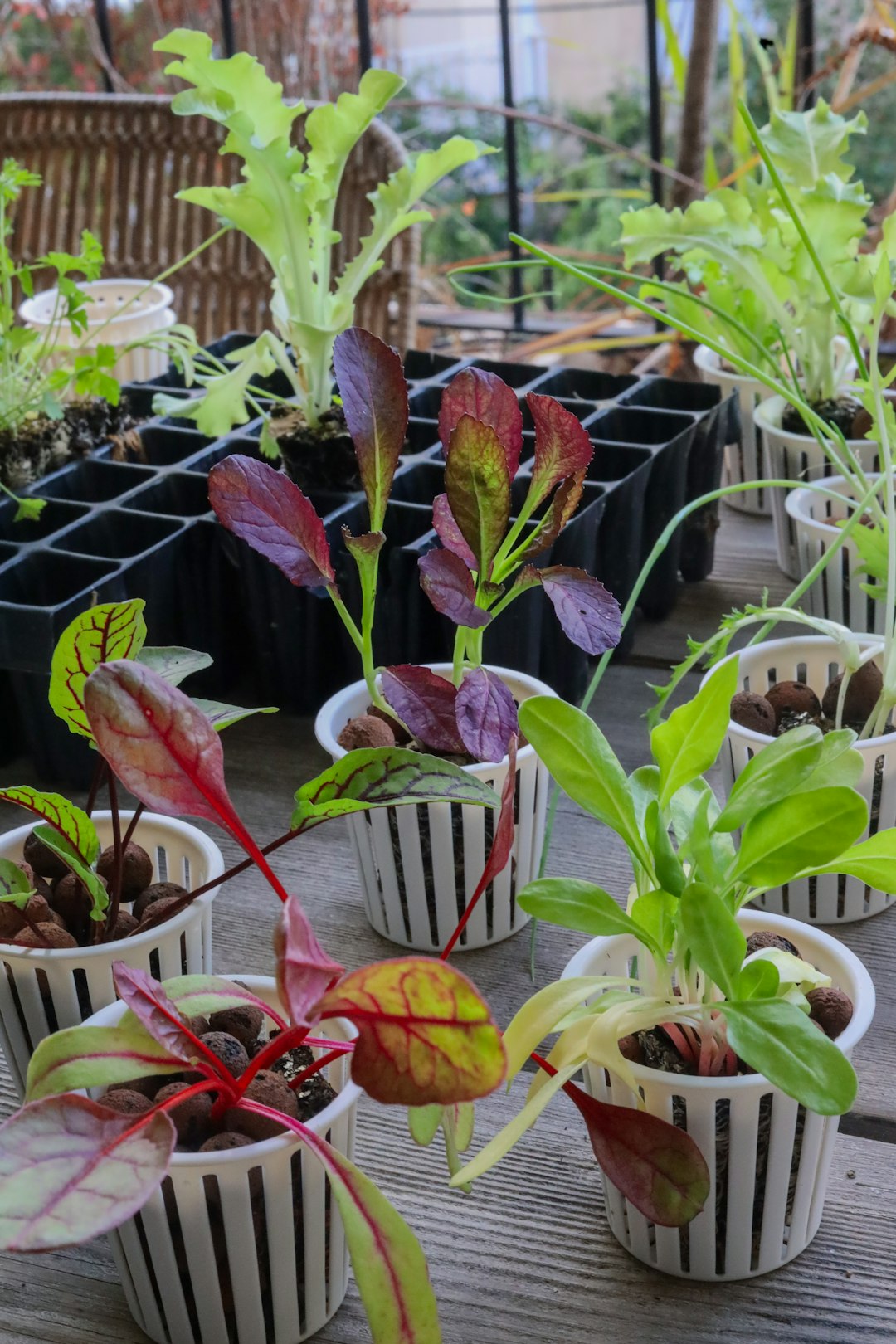
The Farmstand is a true all-in-one self-watering self-fertilizing hydroponic vertical garden. It literally only requires 5-minutes of maintenance once a week, allows you to grow up to 36 plants in 4 sq ft, and it takes 95% less water than traditional gardening. Nutraponics® is a modular, stackable and hydroponic mobile vertical growing ecosystem, specifically engineered to maximize yield in an automated & controlled environment with minimal effort. A modular design that makes it easy to stack up an add to the tower without having to buy new equipment.
The average greenhouse vegetable yield is 30-50% higher than outdoor counterparts, due to controlled conditions and Harvest up to three times faster than traditional soil gardening. Enjoy fresh, vibrant produce in a fraction of the time! Advanced techniques aren’t just about fancy equipment—they’re about creating optimal growing conditions that nature might not provide.
Growing food without a yard isn’t just possible—it’s becoming the norm for millions of people worldwide. With over 77 million households digging into their gardens annually—spending around $503 each and dedicating 4.3 hours weekly—Americans are not only cultivating vegetables, herbs, and pollinator havens but also nurturing a growing obsession with indoor plants, composting, and urban agriculture. Whether you choose a simple windowsill herb garden or an advanced hydroponic tower system, the key is starting small and growing your confidence along with your plants. Your fresh, homegrown food awaits—no yard required.

Matthias is a skilled author and digital storyteller with a focus on travel journalism, environmental issues, and modern home design. With a background in communications and a passion for global cultures, Matthias crafts engaging narratives that blend real-world exploration with thoughtful analysis and visual flair.
His writing reflects a deep interest in how climate change shapes our lives and lifestyles—from sustainable travel practices to eco-friendly living environments. Known for his clear, approachable voice and sharp editorial instincts, Matthias delivers content that resonates with readers seeking both inspiration and substance.
Whether reporting from remote destinations, breaking down sustainable design trends, or spotlighting innovative green initiatives, Matthias brings a global perspective and an eye for detail to every piece. He regularly contributes to web platforms and editorial projects that aim to foster awareness, creativity, and conscious living.