

Matthias is a skilled author and digital storyteller with a focus on travel journalism, environmental issues, and modern home design. With a background in communications and a passion for global cultures, Matthias crafts engaging narratives that blend real-world exploration with thoughtful analysis and visual flair.
His writing reflects a deep interest in how climate change shapes our lives and lifestyles—from sustainable travel practices to eco-friendly living environments. Known for his clear, approachable voice and sharp editorial instincts, Matthias delivers content that resonates with readers seeking both inspiration and substance.
Whether reporting from remote destinations, breaking down sustainable design trends, or spotlighting innovative green initiatives, Matthias brings a global perspective and an eye for detail to every piece. He regularly contributes to web platforms and editorial projects that aim to foster awareness, creativity, and conscious living.
First Things First: Don’t Panic, But Don’t Ignore It
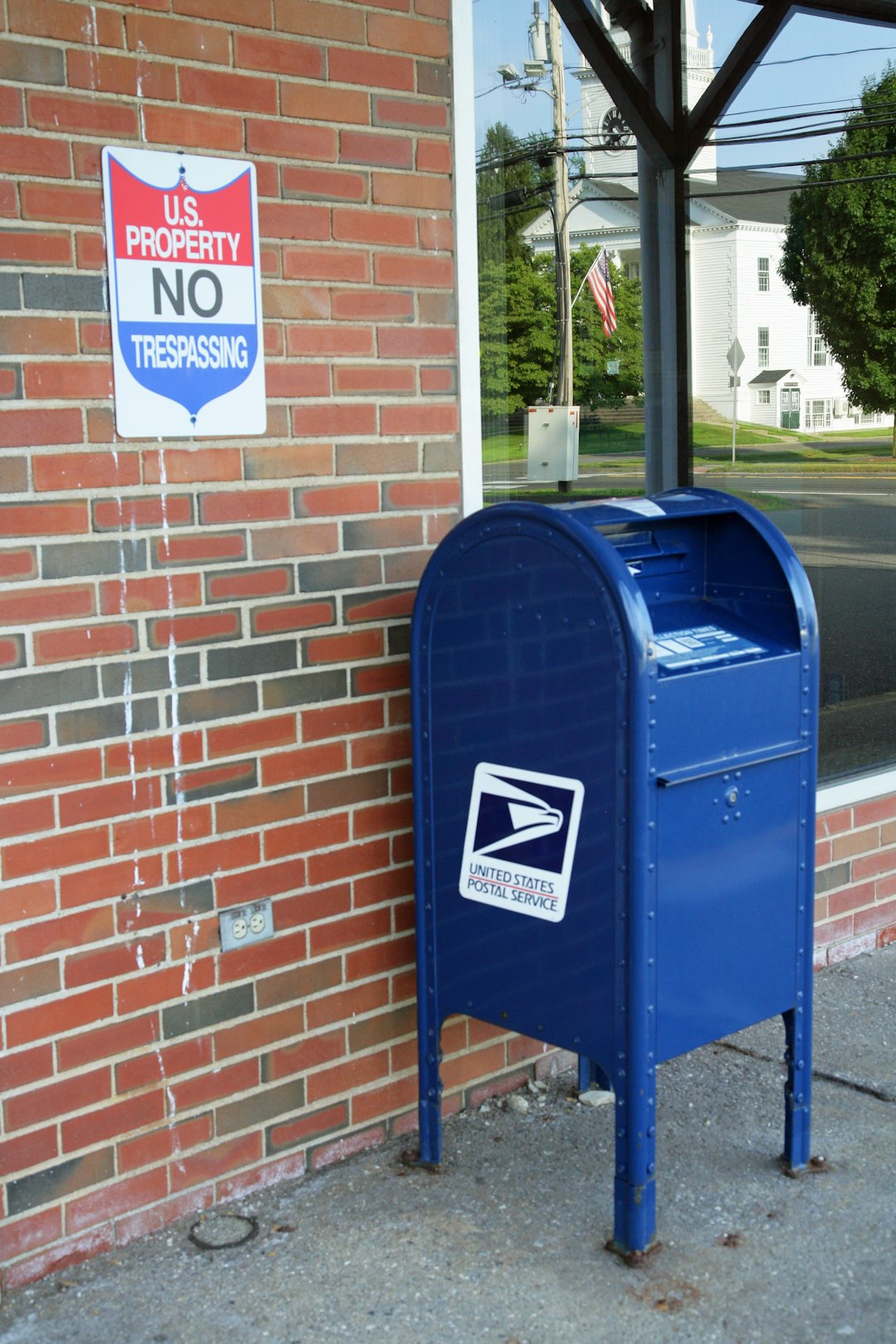
Getting a code violation notice in your mailbox feels like receiving a letter from the IRS – your heart skips a beat, and you might want to pretend it doesn’t exist. But here’s the thing: this is generally considered an official warning that requires issues to be resolved within a certain timeframe. The key is to breathe, read it carefully, and understand that this isn’t the end of the world.
Think of it like getting a speeding ticket – annoying, yes, but manageable with the right approach. The notice tells you exactly what’s wrong, what needs to be fixed, and how long you have to fix it. Typically, property owners are given 30 days to take corrective action, though this can vary by jurisdiction.
Understanding What You’re Actually Dealing With
Code violations aren’t all created equal, and understanding the type you’re facing can help you sleep better at night. Last year, Richmond code enforcers issued property owners more than 4,000 notices of violation for failing to safely maintain their buildings, letting grass grow more than a foot high or accumulating trash and broken-down cars. Most violations fall into predictable categories that are easier to fix than you might think.
Citywide, more than half of the violations were classified as environmental, meaning they dealt with problems like out-of-control vegetation and piles of trash or other junk. These environmental violations are typically the most straightforward to address – think overgrown grass, accumulated debris, or that old car you’ve been meaning to move.
Know Your Rights and the Appeal Process
Here’s something many people don’t realize: you can appeal a code violation notice if you believe it was issued in error. This isn’t just a formality – it’s a real right that property owners have. The appeal process typically involves submitting a written request for a hearing with the local code enforcement office.
The appeal process varies by location, but most jurisdictions give you about 30 days from the notice date to file your appeal. All appeals must be filed with the relevant board within 30 days of initial notice. If you genuinely believe the violation was issued incorrectly, don’t be afraid to use this process – it exists for a reason.
The Smart Way to Respond Within the Timeframe

Time is your most valuable resource when dealing with a code violation. The exact deadline will be stated in the violation notice, so mark it on your calendar immediately. But here’s a pro tip: don’t wait until the last minute to start addressing the issue.
Start by contacting the code enforcement office within the first few days of receiving the notice. Ask specific questions about what exactly needs to be done to achieve compliance. The inspector will clarify exactly which permit or license will fix your violation – the violation notice should also do this, but sometimes the notices aren’t super clear. Ask the inspector exactly what they are looking for, and why. This conversation can save you time and money by ensuring you fix the right thing the first time.
Documentation is Your Best Friend

Before you do anything else, document everything. Take photographs of the current condition of your property, save all correspondence with the code enforcement office, and keep receipts for any work you have done. This documentation serves two purposes: it protects you legally and helps track your progress.
If you’re planning to appeal the violation, documentation becomes even more critical. A copy of your code violation notice (required). Supporting documents or photographs. Written testimony from witnesses are all things you’ll need to support your case. Think of it as building a case file – the more organized you are, the better your chances of success.
When to Call in the Professionals

Not every code violation requires hiring a lawyer or contractor, but some definitely do. If you’re dealing with building code violations, electrical issues, or structural problems, it’s worth getting professional help. Building codes set standards for building construction and maintenance to ensure they are safe and habitable. Common examples may include constructing buildings that are not permitted in a neighborhood, such as a shed; failure to follow electrical or plumbing codes when building or remodeling.
On the other hand, environmental violations like overgrown grass or accumulated debris are usually DIY-friendly. Use your judgment – if it’s something you can safely handle yourself, do it. If it requires specialized knowledge or could be dangerous, call in the experts.
The Cost of Compliance vs. The Cost of Ignoring
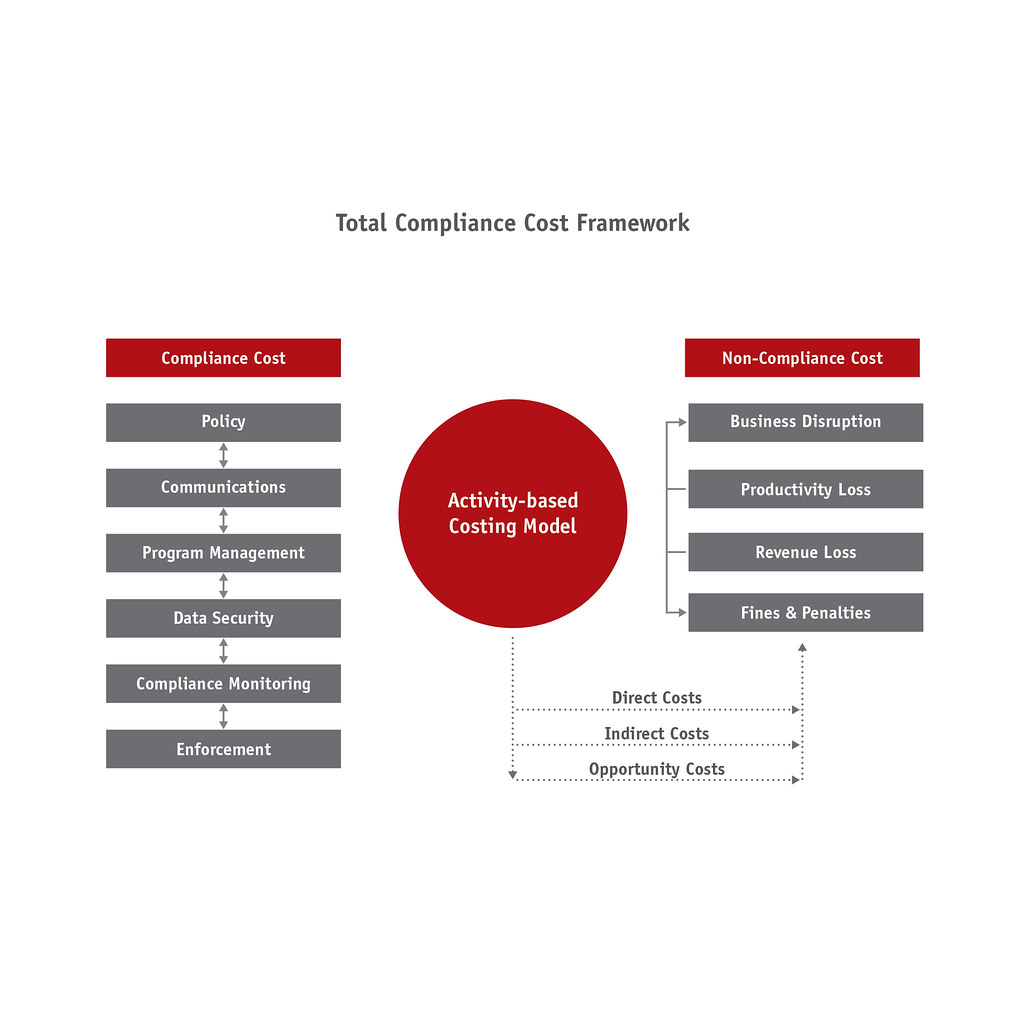
Let’s talk money, because that’s probably what’s keeping you up at night. The cost of fixing a code violation is almost always less than the cost of ignoring it. Failing to address a code violation can result in escalating enforcement actions, including fines, additional penalties, and potential legal action.
The penalties can be significant. For immediately hazardous violations, a civil penalty of not less than $2,500 nor more than $25,000 may be imposed for each violation. Even for less serious violations, the fines add up quickly and can include daily penalties until the issue is resolved.
Dealing with Difficult or Unclear Notices
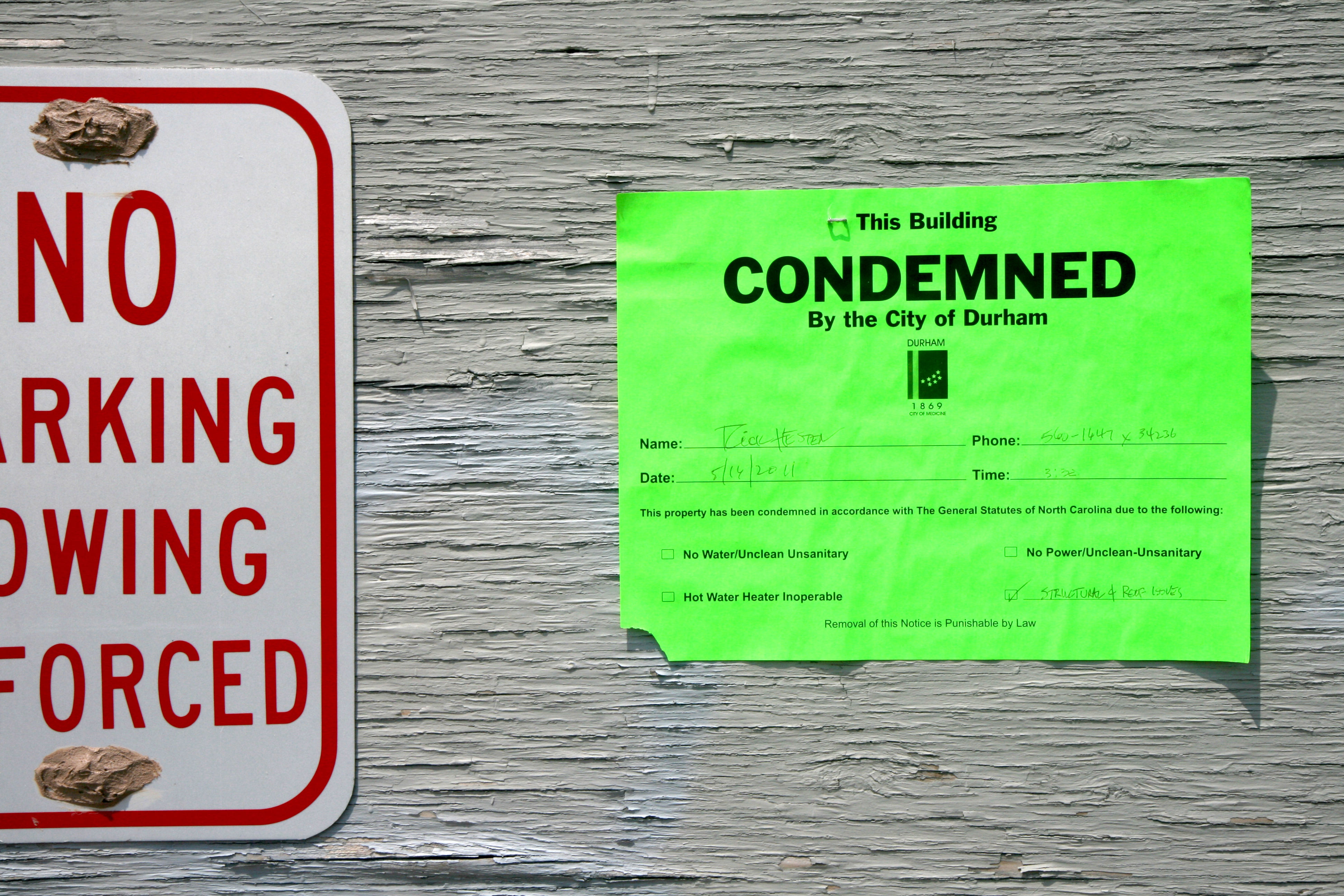
Sometimes code violation notices are about as clear as mud. If you’re staring at your notice and have no idea what it’s actually asking you to do, you’re not alone. This is where that phone call to the code enforcement office becomes crucial.
Don’t be embarrassed to ask for clarification. Code enforcement officers would rather spend five minutes explaining what needs to be done than deal with the paperwork of escalating enforcement actions. Once you know what you’re aiming at, prepare the necessary documents for your zoning permit or building permit or food license or whatever other kind of application. File them with Licenses and Inspections – marking on the forms that the applications are in response to a violation.
Building a Positive Relationship with Code Enforcement

Here’s something that might surprise you: code enforcement officers are people too, and they appreciate property owners who are genuinely trying to comply. To ensure violators resolve issues, it’s important to keep an open line of communication with them. Being respectful, responsive, and proactive in your communication can go a long way.
Don’t approach code enforcement as adversaries. They’re not trying to ruin your life – they’re trying to maintain community standards and safety. If you’re making a good faith effort to comply, most officers will work with you to find reasonable solutions.
Preventing Future Violations

Once you’ve handled your current violation, the last thing you want is to go through this process again. The best defense is a good offense when it comes to code compliance. Regular property maintenance, staying informed about local regulations, and addressing issues before they become violations can save you significant stress and money.
Consider doing a quarterly walk-around of your property to identify potential issues before they become problems. Keep your grass cut, clear debris promptly, and address maintenance issues as they arise. Progressive enforcement actions aim to ensure compliance while providing property owners with multiple opportunities to address violations. Understanding these steps and acting promptly can help mitigate penalties and resolve issues efficiently.
Remember, receiving a code violation notice isn’t a personal attack on your character or competence as a property owner. It’s simply a notification that something needs attention. By approaching it systematically, staying organized, and communicating effectively with code enforcement, you can resolve the issue and move on with your life. The key is to act promptly, stay calm, and remember that this too shall pass – probably sooner than you think.

Matthias is a skilled author and digital storyteller with a focus on travel journalism, environmental issues, and modern home design. With a background in communications and a passion for global cultures, Matthias crafts engaging narratives that blend real-world exploration with thoughtful analysis and visual flair.
His writing reflects a deep interest in how climate change shapes our lives and lifestyles—from sustainable travel practices to eco-friendly living environments. Known for his clear, approachable voice and sharp editorial instincts, Matthias delivers content that resonates with readers seeking both inspiration and substance.
Whether reporting from remote destinations, breaking down sustainable design trends, or spotlighting innovative green initiatives, Matthias brings a global perspective and an eye for detail to every piece. He regularly contributes to web platforms and editorial projects that aim to foster awareness, creativity, and conscious living.