


Matthias is a skilled author and digital storyteller with a focus on travel journalism, environmental issues, and modern home design. With a background in communications and a passion for global cultures, Matthias crafts engaging narratives that blend real-world exploration with thoughtful analysis and visual flair.
His writing reflects a deep interest in how climate change shapes our lives and lifestyles—from sustainable travel practices to eco-friendly living environments. Known for his clear, approachable voice and sharp editorial instincts, Matthias delivers content that resonates with readers seeking both inspiration and substance.
Whether reporting from remote destinations, breaking down sustainable design trends, or spotlighting innovative green initiatives, Matthias brings a global perspective and an eye for detail to every piece. He regularly contributes to web platforms and editorial projects that aim to foster awareness, creativity, and conscious living.
The Numbers Don’t Lie: America’s Permit Problem
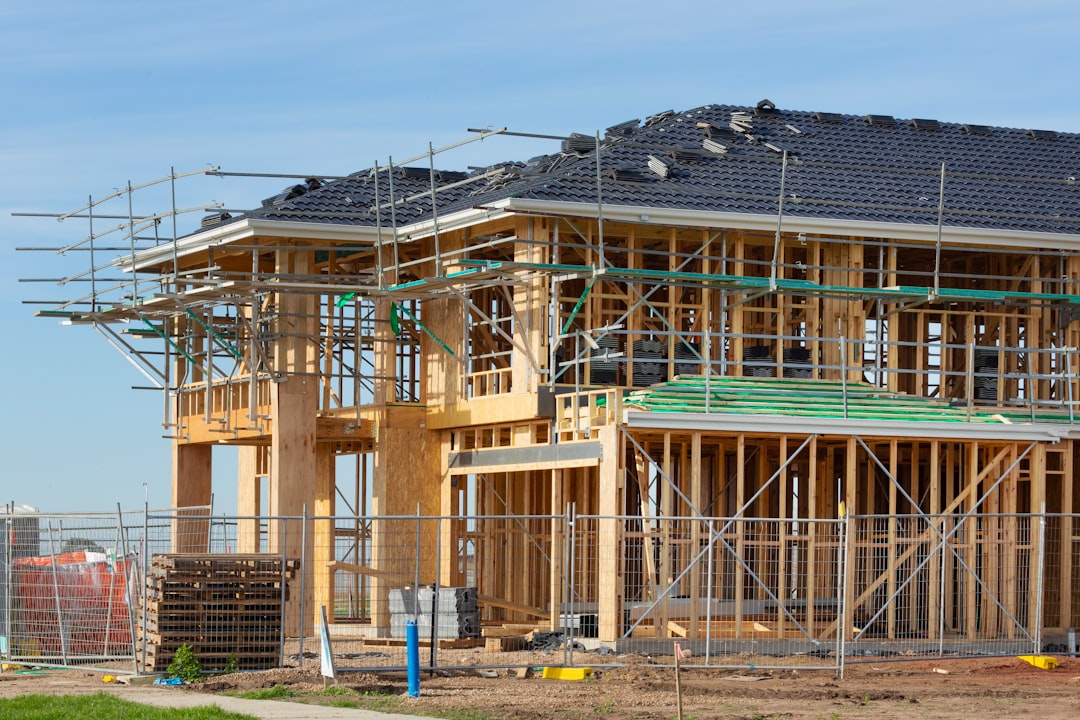
Here’s something that might shock you: up to 50% of American homes have some form of unpermitted work lurking behind their walls. That’s right – half of all homes in the country have construction that was done without proper permits. The data gets even more interesting when you look at what’s happening in the permit world right now.
Building Permits in the United States decreased to 1394 Thousand in May from 1422 Thousand in April of 2025. Meanwhile, Over 2024, the total number of single-family permits issued year-to-date (YTD) nationwide reached 981,834. On a year-over-year (YoY) basis, this is an increase of 8.0% over the 2023 level of 909,227. What’s driving this surge in permitted work? Perhaps it’s the growing awareness of what can go wrong when you skip the paperwork.
When the Bill Comes Due: The Real Cost of Skipping Permits

Think a permit is expensive? Wait until you see what happens when you don’t get one. You may be charged $500 or more daily for violating building permit laws. Your county can also put a lien on your home if you don’t pay the fine. That’s not a typo – we’re talking about daily fines that can quickly spiral into thousands of dollars.
The penalties vary wildly by state, creating a confusing patchwork of consequences. For example, in Massachusetts, you can be fined up to $1,000 a day for building without a permit. Building without a permit in California can cost contractors up to $5,000 per violation, while building without a permit in Texas can hit you with a triple permit fee plus $500. Suddenly, that $200 permit fee doesn’t seem so bad, does it?
The Insurance Nightmare Nobody Talks About

Here’s where things get really messy. Because permits ensure the safety of your property, insurance companies consider unpermitted work negligible. As you may know, most insurance providers will not provide coverage when damage results from negligence. Let that sink in for a moment – your insurance company can deny your claim if they discover unpermitted work was involved.
The stakes are higher than most homeowners realize. Your Insurer Can Deny a Claim Related to Work Done Without a Permit If you don’t get a permit for a DIY project, or if you hire a contractor who doesn’t obtain a necessary permit, that can come back to bite you if you need to file a homeowners insurance claim. Even worse, Home insurers may also completely drop the property from coverage. Selling a home with unpermitted work isn’t illegal, but mortgage companies may demand loan payback if a buyer knowingly purchases a home with unpermitted work that wasn’t previously disclosed.
The Selling Dilemma: Disclosure or Disaster

Planning to sell your home? That unpermitted deck or bathroom renovation just became a major headache. Yes, you can sell a house with unpermitted work, and you are required to disclose to buyers any known unpermitted work done on your house, even if it was done by previous owners. This disclosure requirement isn’t just a suggestion – it’s a legal obligation in most states.
Real estate professionals see this problem constantly. “I would say out of 10 homes at random, at least four of them would have some form of unpermitted work, 40% to 50%,” says Shawn Engel, a top Denver-area real estate agent. The impact on your sale can be significant, with buyers often demanding lower prices or walking away entirely when they discover unpermitted work.
The “But Everyone Does It” Trap
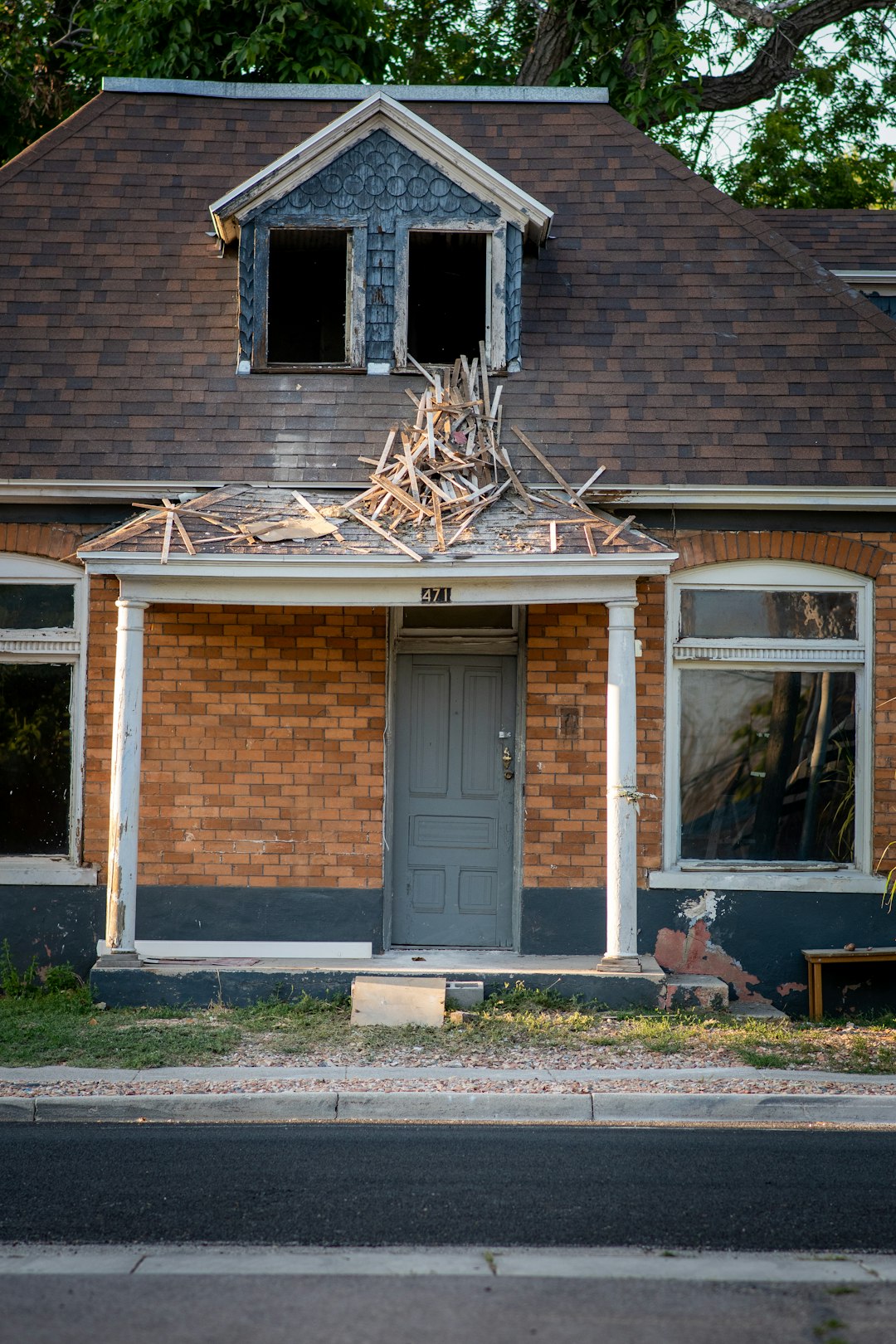
The temptation to skip permits is understandable. Many homeowners figure they can save money and time by avoiding the bureaucratic hassle. Permits cost money, and contractors and homeowners alike may skip them to lower the cost of the project. Because permit laws vary, inexperienced contractors and homeowners may not know that a permit is required.
Some homeowners have additional motivations. Some owners intentionally don’t pull permits, so their assessed real estate value remains artificially low. For example, an owner finishes their basement with a home theater, a full kitchen, and a gym. While this might save money on property taxes in the short term, it creates a ticking time bomb for the future.
The Retroactive Fix: Expensive but Necessary
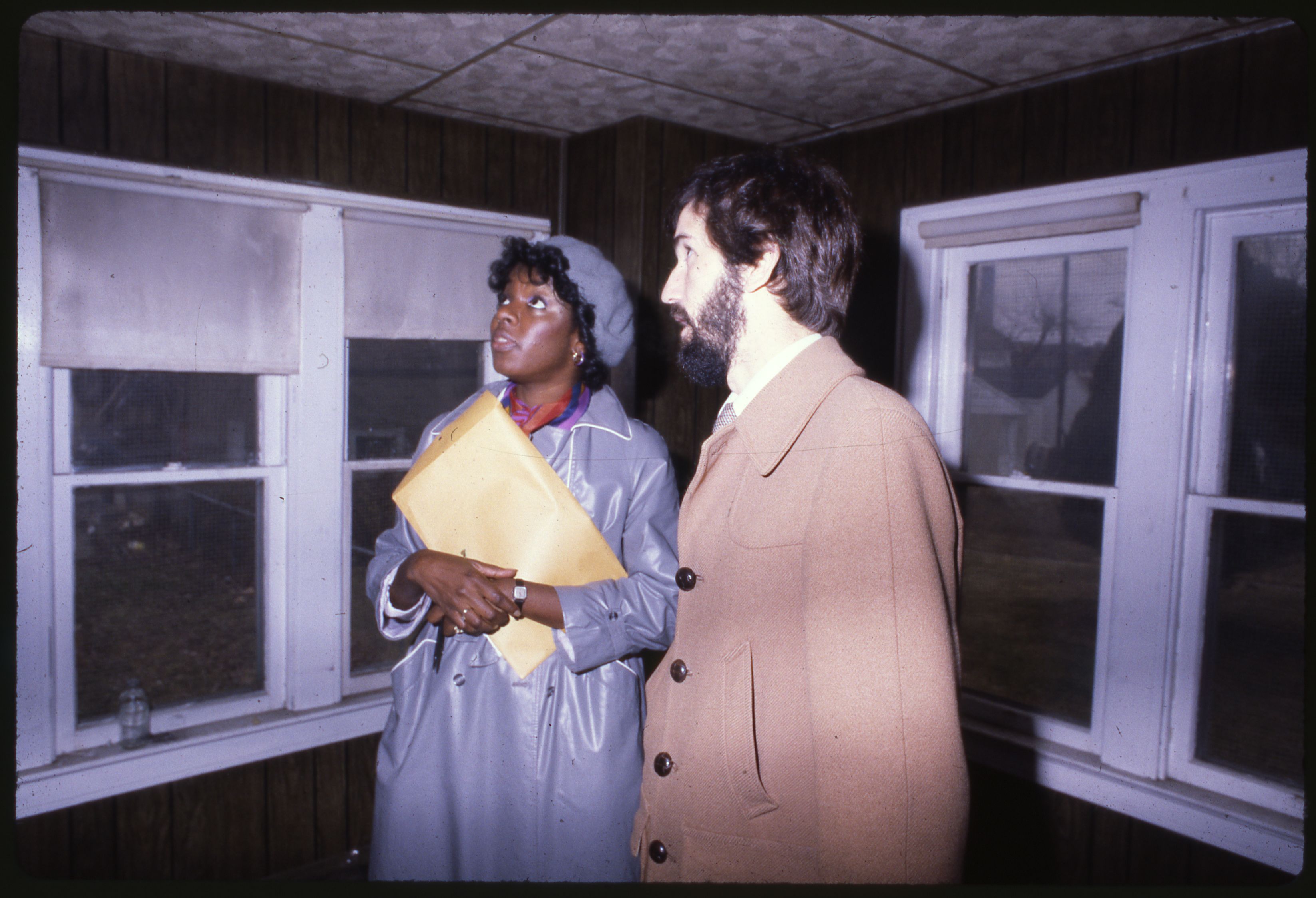
What if you discover unpermitted work in your home after you’ve already bought it? There’s a process called remediation, but it’s not for the faint of heart. We’re here to warn you that is expensive and time-consuming. However, it is also necessary. The process involves contacting your local building department, having the work inspected, and potentially redoing portions that don’t meet code.
You can notify your insurer that you had unpermitted work done and have it inspected to see if it meets code. If it does and you pay any relevant permit fees and fines, your homeowners insurance policy can cover the upgrades you made. This shows that insurance companies aren’t entirely unsympathetic – they just want to ensure the work meets safety standards.
The Contractor Conundrum

Not all unpermitted work is the result of DIY disasters. Sometimes contractors are the culprits. Contractors commonly include pulling permits in their fees, but the homeowner must confirm when a building permit is necessary. If a project goes forward without a permit, the fee will likely fall to both the homeowner and the contractor.
The consequences for contractors can be severe. Contractors who violate the law are subject to disciplinary action by CSLB, including civil penalty assessments of up to $5,000 per violation, an order of correction that requires payment of permit fees and any assessed penalties imposed by the local building department, and suspension or revocation of the license. This creates a powerful incentive for legitimate contractors to follow the rules.
The Safety Reality Check

Beyond the financial and legal implications, there’s a fundamental safety issue at stake. Their purpose is to ensure the safety of the work and its compliance with building, construction, and zoning codes, for both the homeowners’ personal safety and public safety, along with broader considerations. Permits aren’t just bureaucratic red tape – they’re a vital safety mechanism.
The consequences of skipping this safety net can be severe. The company may not be licensed and insured and may use products and methods that can make your home unsafe. If the work is done without a permit and isn’t inspected, you may not know if the contractor cuts corners and puts your family in danger – until something happens and someone gets hurt. When you put it that way, the permit process seems like a bargain.
The Bottom Line: Why Permission Beats Forgiveness
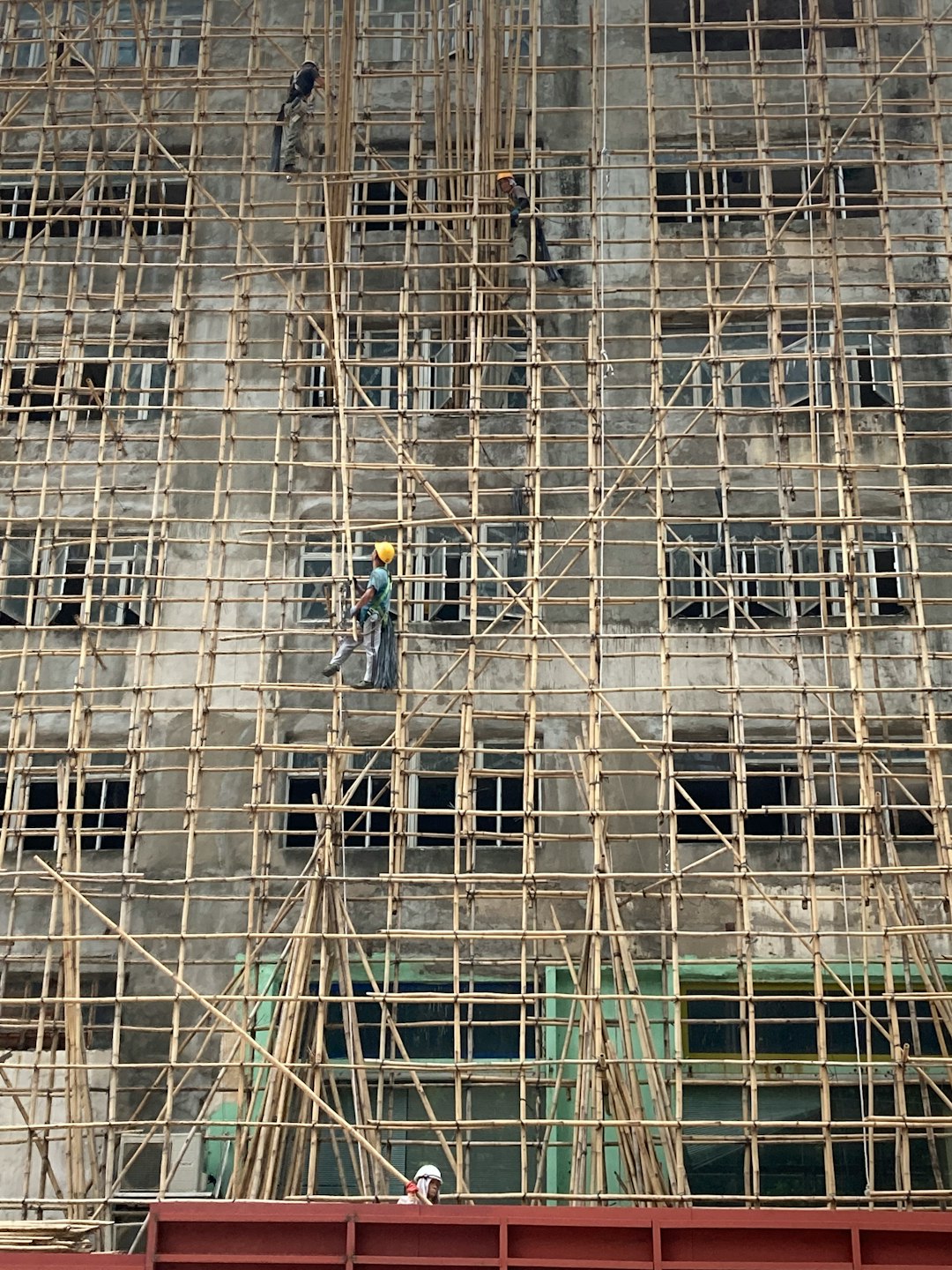
The old saying “it’s easier to ask forgiveness than permission” definitely doesn’t apply to home construction permits. Building without a permit may seem like a shortcut, but the potential consequences far outweigh any temporary savings in time or money. From substantial daily fines to legal action and complications with future property transactions, the risks of unpermitted construction can have lasting impacts on your property and finances.
The smart money is on getting permits upfront, even if it means dealing with bureaucracy and additional costs. My answer is always a resounding YES if it is required. That’s the advice from a real estate agent with 37 years of experience, and it’s wisdom worth heeding. The permit process might be annoying, but it’s infinitely better than the alternative – which could cost you your home’s insurability, its resale value, and potentially your financial security.

Matthias is a skilled author and digital storyteller with a focus on travel journalism, environmental issues, and modern home design. With a background in communications and a passion for global cultures, Matthias crafts engaging narratives that blend real-world exploration with thoughtful analysis and visual flair.
His writing reflects a deep interest in how climate change shapes our lives and lifestyles—from sustainable travel practices to eco-friendly living environments. Known for his clear, approachable voice and sharp editorial instincts, Matthias delivers content that resonates with readers seeking both inspiration and substance.
Whether reporting from remote destinations, breaking down sustainable design trends, or spotlighting innovative green initiatives, Matthias brings a global perspective and an eye for detail to every piece. He regularly contributes to web platforms and editorial projects that aim to foster awareness, creativity, and conscious living.