

Lena is a thoughtful and imaginative writer with a passion for storytelling across the themes of travel, environmental sustainability, and contemporary home aesthetics. With a background in cultural media and a strong visual sensibility, Anna Lena creates content that bridges inspiration with practical insight.
Her work explores the interplay between place, lifestyle, and design—guiding readers through meaningful travel experiences, eco-conscious choices, and modern approaches to living well. Known for her elegant writing style and attention to detail, she brings a fresh, human-centered perspective to every topic she covers.
Anna Lena contributes to digital publications and editorial projects where aesthetics meet purpose. Her writing not only informs but also encourages readers to live more intentionally, sustainably, and beautifully—wherever they are in the world.
The Two-Footcandle Rule That Most Homeowners Don’t Know Exists
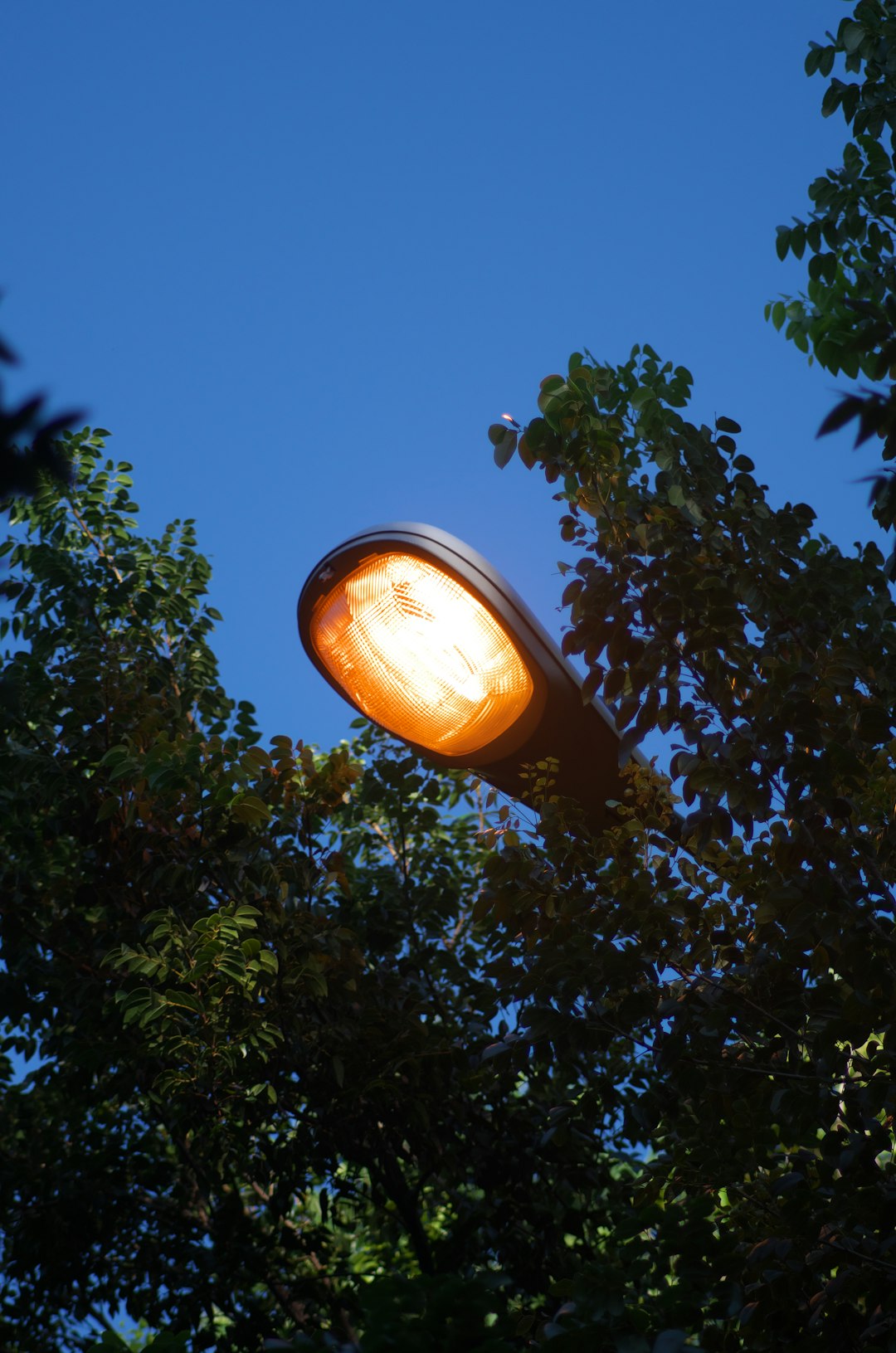
That blazing new floodlight your neighbor just installed might be breaking the law in ways they never imagined. In cities like Los Angeles, no person shall construct, establish, create, or maintain any stationary exterior light source that may cause neighboring residential properties to be illuminated by more than two footcandles of lighting intensity. To put this in perspective, two footcandles is roughly the brightness of a well-lit office space or the illumination from a full moon on a clear night. When your neighbor’s flood light is bright enough to read a book by from your backyard, it’s likely exceeding legal limits.
The reality is that most homeowners have no idea these restrictions exist. Many cities and counties have specific ordinances that govern outdoor lighting, with places like Tucson, Arizona requiring all outdoor lighting to be fully shielded and limiting the amount of light that can spill onto neighboring properties. These aren’t just suggestions from homeowners associations – they’re actual municipal codes with real enforcement mechanisms.
What makes this particularly frustrating is that direct glare is defined as glare resulting from high luminances or insufficiently shielded light sources that is in the field of view. If you can see the actual bulb from your property, the installation is already violating basic design principles that many local codes require.
The Hidden Energy Efficiency Standards That Could Land Your Neighbor in Trouble
As of 2023, most outdoor flood lights must achieve at least 45 lumens per watt according to Department of Energy standards. This might sound like a technical detail, but it’s actually a legal requirement that many older flood lights simply can’t meet. If your neighbor installed an older halogen or incandescent flood light, they might be violating federal energy efficiency standards without realizing it.
The twist gets even more interesting when you consider local upgrades to these standards. New York City requires all new and replacement flood lights on city-owned properties to be LED fixtures, which can use up to 80% less energy than traditional options. While this specific rule applies to city properties, many municipalities are adopting similar requirements for private residences.
What’s particularly sneaky about these regulations is that they often get updated without much fanfare. A flood light that was perfectly legal when installed five years ago might now be considered non-compliant. The homeowner thinks they’re following the rules, but the rules have quietly changed around them.
Color Temperature Restrictions That Are More Common Than You Think
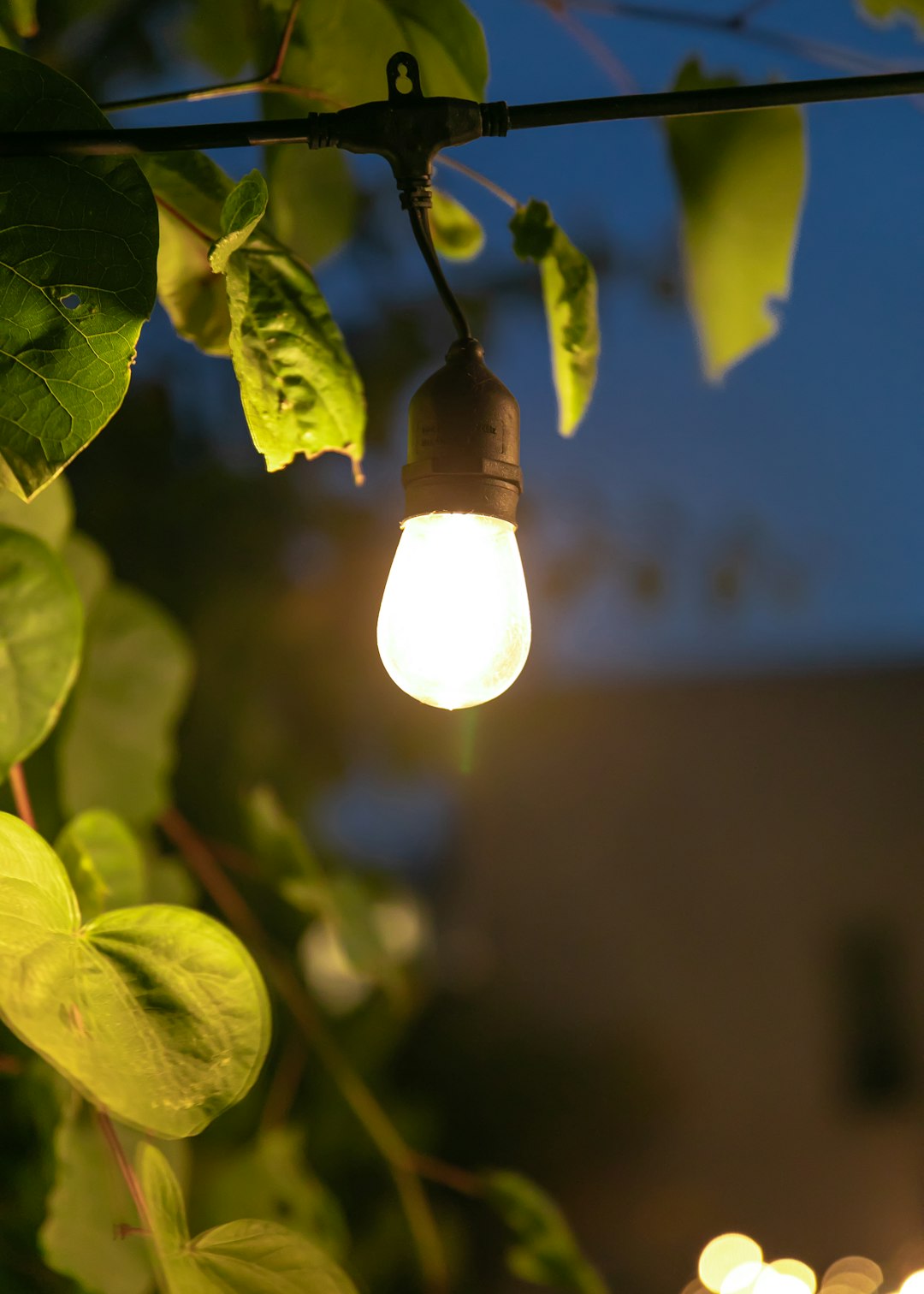
Here’s something that catches many homeowners off guard: Many areas now cap color temperatures at 3000K or lower for outdoor lighting due to their impact on wildlife and human health. That bright, blue-white LED flood light that looks so modern and efficient? It might be illegal in your area. The city of Phoenix, Arizona recently updated its outdoor lighting ordinance to require all new and replacement outdoor lighting to have a correlated color temperature of 3000K or less.
The reasoning behind these restrictions isn’t just about aesthetics. This warmer light has shown less impact on nocturnal wildlife and human circadian rhythms. But from a legal standpoint, it means that the super-bright daylight-colored flood light your neighbor installed could be violating local ordinances even if it meets all other requirements.
The enforcement of these color temperature rules is becoming increasingly common. San Bernardino County, for example, requires that the correlated color temperature of all outdoor lighting shall be 3,000 Kelvin or less except for seasonal lighting. The problem is that most people don’t even know what color temperature means, let alone that it’s regulated.
The Nighttime Curfew Laws That Nobody Talks About
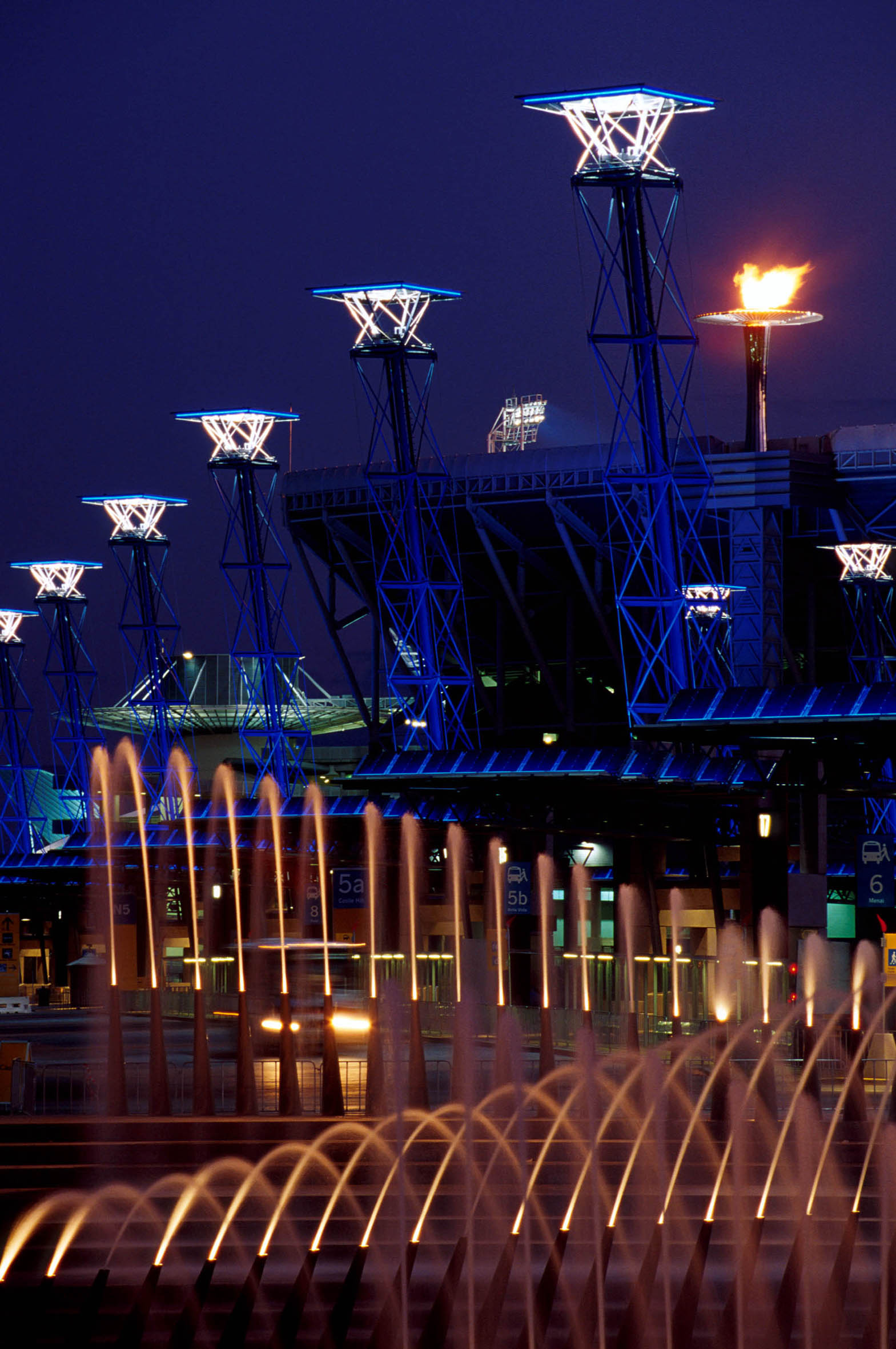
To reduce light pollution and conserve energy, many areas enforce lighting curfews, with places like Flagstaff, Arizona requiring commercial properties to turn off or dim their outdoor lighting by 11 PM or when the business closes. While these curfews often apply to commercial properties, some residential areas have adopted similar restrictions. That flood light that stays on all night might be breaking local curfew laws.
The residential applications of these curfews are often more nuanced. Some regulations allow exceptions for security lighting, but often with stricter controls, requiring motion sensors and timers to minimize unnecessary illumination. So even if your neighbor’s flood light is legal during certain hours, keeping it on continuously might violate local ordinances.
What makes these curfew violations particularly problematic is that they’re often complaints-based. Your neighbor might have been running their flood light all night for months without any issues, but once someone files a complaint, local code enforcement starts paying attention. Suddenly, what seemed like a non-issue becomes a legal problem.
Property Line Violations That Are Surprisingly Strict
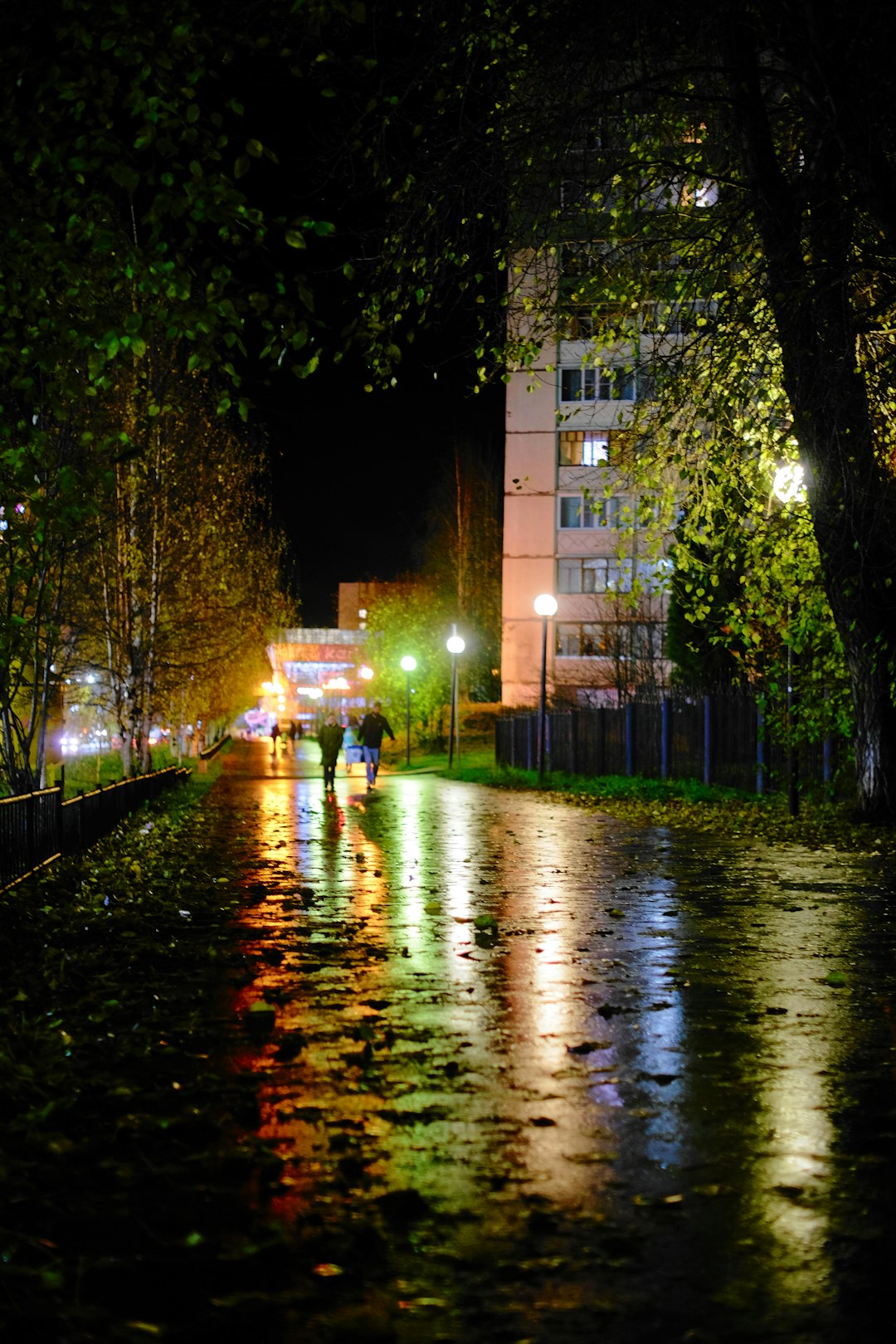
The concept of light trespass is more legally defined than most people realize. Many municipalities limit the amount of light that can spill onto neighboring properties, with the city of Boulder, Colorado restricting light trespass to 0.1 foot-candles at residential property lines. To put this in perspective, 0.1 foot-candles is roughly the amount of light from a candle at 10 feet away.
San Bernardino County uses a standard of maximum 0.5-foot candle measured at the property line of any adjacent residential property, with a stricter standard of 0.1-foot candle for light trespass in mountain and desert regions. These measurements aren’t just guidelines – they’re enforceable legal standards that can result in fines and mandatory corrections.
The practical reality is that most flood lights, especially those aimed broadly or installed without proper shielding, easily exceed these limits. All outdoor fixtures need to be fully shielded, installed and maintained in such a manner that the shielding does not permit light trespass in excess of one-tenth foot-candles. Most homeowners have no idea their lighting is being measured against such specific standards.
The Fines and Penalties That Actually Get Enforced

When violations are discovered, the penalties can be more serious than expected. In cities with strict outdoor lighting codes, such as Austin or San Antonio, fines typically range from $100 to $500 per violation, with repeat offenders facing higher penalties. Some jurisdictions impose daily fines for unresolved violations, meaning that flood light violation can become an expensive ongoing problem.
The enforcement process typically starts with a complaint and investigation. City code enforcement officers investigate complaints, typically starting with a property inspection, and if a violation is confirmed, the property owner receives a notice of violation with a timeframe for correction. What catches many homeowners off guard is how quickly this can escalate if they don’t respond appropriately.
In extreme cases, courts may issue injunctive relief requiring modifications or removal of problematic lighting, and failure to comply can result in contempt of court proceedings, additional fines, or other legal repercussions. There’s even potential for criminal charges in cases where lighting is deliberately installed to harass or harm a neighbor, potentially leading to charges such as harassment or disorderly conduct.
The Shielding Requirements That Most Installations Ignore
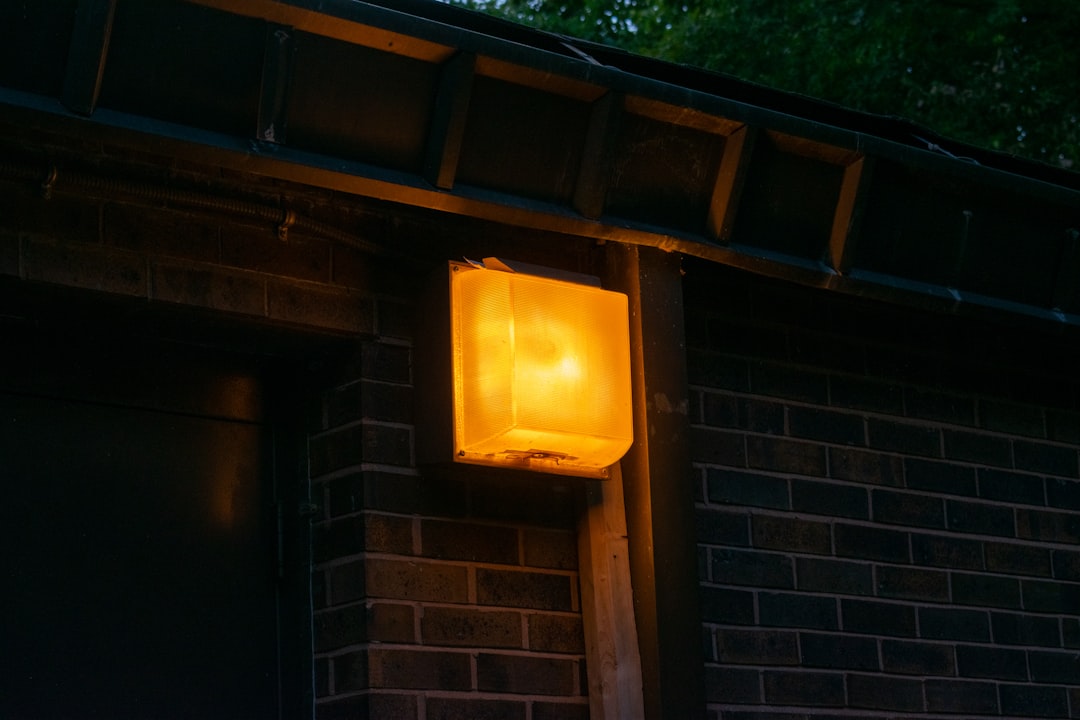
Proper shielding isn’t just a good idea – it’s often legally required. All exterior spotlighting and floodlighting shall be so shielded that the light source cannot be seen from adjacent properties and no lighting shall constitute a hazard to drivers at night on public streets. This means that if you can see the actual light bulb from your property, your neighbor’s installation is likely violating local codes.
The technical requirements for shielding can be quite specific. Some jurisdictions require flood light fixtures to be either aimed down at least 45 degrees from the vertical or have the front of the fixture shielded so that no portion of the light bulb extends below the bottom edge of the shield. These aren’t suggestions – they’re legal requirements that can be enforced through citations and fines.
What makes this particularly problematic is that if you can see a shining bulb from a distance, the light system is poorly designed, and you should be able to see only lit ground, instead of the bulb itself. Most homeowners install flood lights without any consideration of shielding requirements, creating immediate code violations.
The Recent Legal Changes That Caught Everyone Off Guard
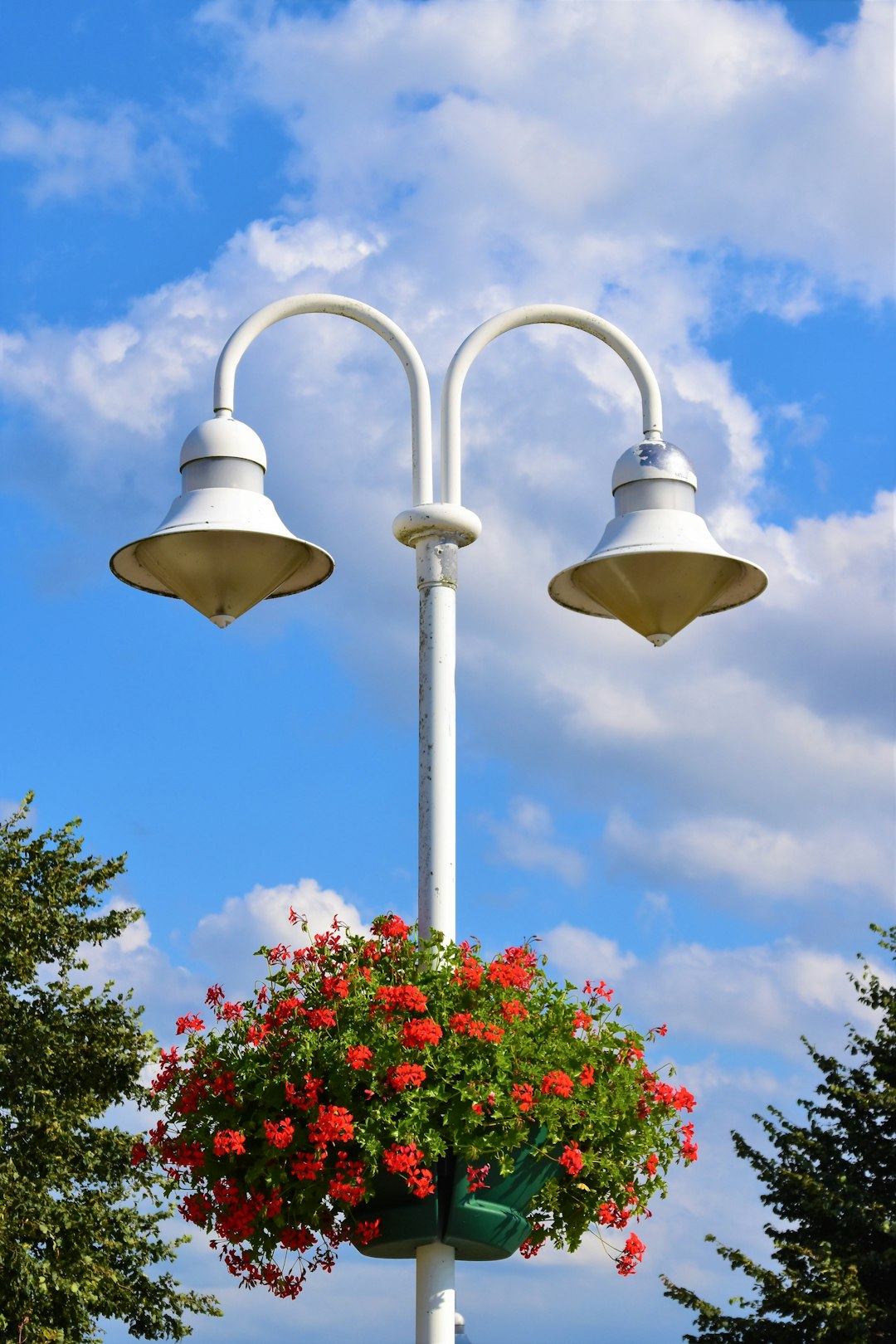
The legal landscape around outdoor lighting has been changing rapidly. Illinois recently passed the Outdoor Lighting Control Act, which became effective on January 1, 2025, making it one of the first state statutes in the country to address light pollution caused by modern outdoor LED lighting. While this specific law applies to state-owned properties, it signals a broader trend toward stricter lighting regulations.
These changes often happen without much public notice. San Bernardino County’s revised Light Trespass Ordinance went into effect to combat night-time light pollution and light trespass by businesses, with residents granted until January 2024 to comply. The problem is that many homeowners were completely unaware of these changes until they received violation notices.
The enforcement of these new regulations is becoming increasingly systematic. Violations result in fines, with County Code Enforcement handling complaints related to the ordinance. What used to be handled informally between neighbors is now becoming a matter of official code enforcement.
Why Most Homeowners Never Learn About These Laws
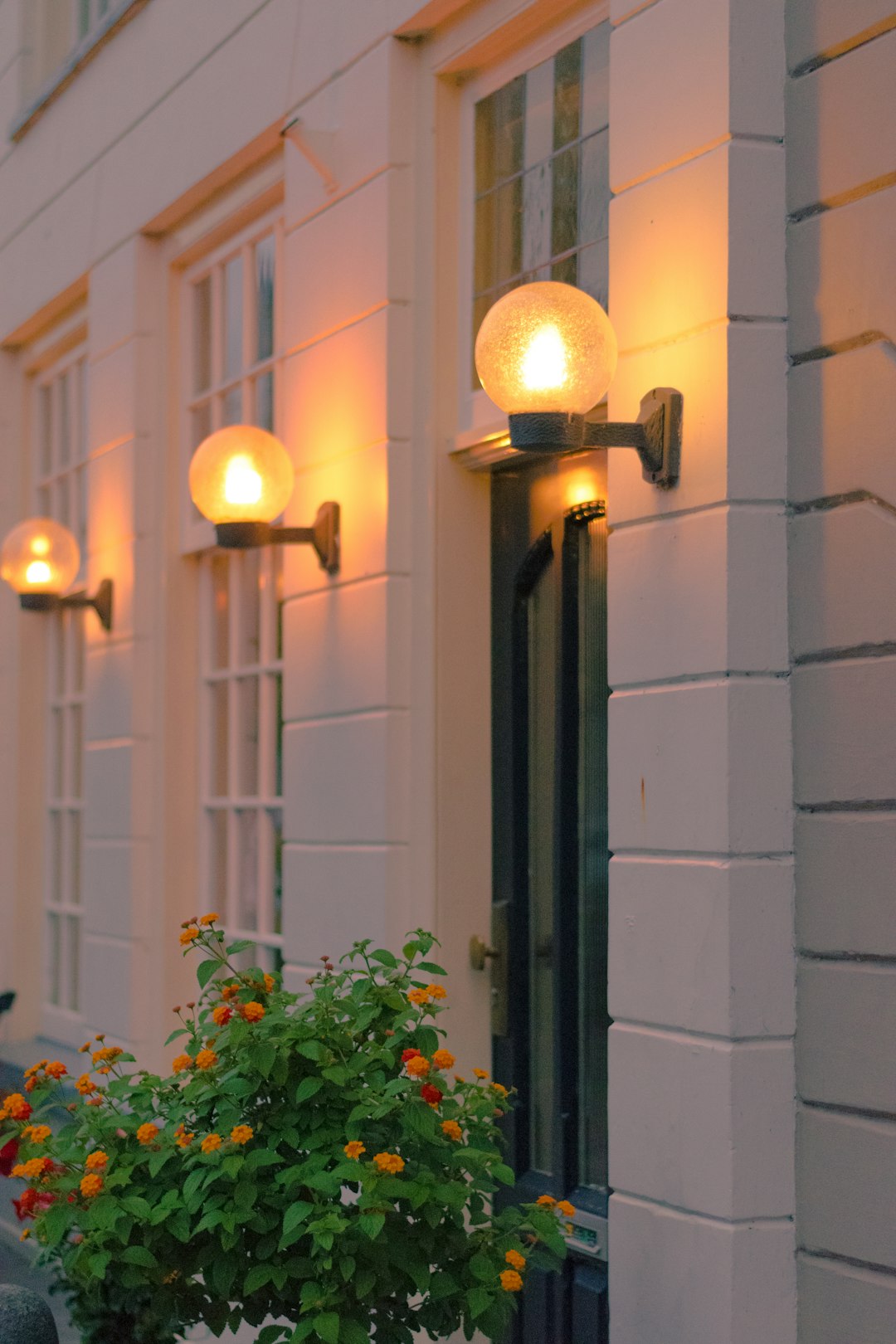
The fundamental problem is that outdoor lighting regulations are rarely publicized in ways that reach average homeowners. Your neighbor may not even realize that their unshielded lighting is shining on your property, wasting energy and money, and creating a safety hazard, as many people believe that more and brighter lighting makes us safer, but no conclusive evidence suggests that’s true.
The disconnect between installation and regulation is significant. Most people buy flood lights at hardware stores where there’s no information about local lighting codes. The packaging doesn’t include warnings about municipal regulations, and installation contractors rarely mention legal requirements. Neighbors probably don’t even realize their lighting is bothersome, as these lights were probably installed during the daytime, and the neighbor has probably never seen the view from your side of the property.
The educational gap is compounded by the fact that these regulations are often buried in municipal codes that most residents never read. Your neighbors probably don’t even realize their lighting is bothersome, so it’s important to stay positive and don’t argue when approaching them about potential violations.
The Legal Remedies Available When Neighbors Won’t Comply
When friendly conversations don’t work, legal remedies are available. Even when municipalities don’t have specific laws about light pollution, you could bring a lawsuit on “common law” nuisance grounds. Light pollution is recognized as a “nuisance” by courts in most parts of the United States, defined as a type of conduct that disturbs a neighbor’s use or enjoyment of property.
The legal process typically escalates in stages. If your neighbor doesn’t cooperate, your next move might be to retain an attorney to send a demand letter outlining whatever applicable local statutes or housing association regulations your neighbor is violating, and attorney demand letters tend to get more attention than a simple neighborly request.
The good news is that as long as you have made reasonable adjustments to prevent light trespass, the law is probably on your side if your neighbor complains about your lighting. The key is understanding what constitutes “reasonable adjustments” under local codes and ensuring any lighting installations meet those standards from the beginning.

Lena is a thoughtful and imaginative writer with a passion for storytelling across the themes of travel, environmental sustainability, and contemporary home aesthetics. With a background in cultural media and a strong visual sensibility, Anna Lena creates content that bridges inspiration with practical insight.
Her work explores the interplay between place, lifestyle, and design—guiding readers through meaningful travel experiences, eco-conscious choices, and modern approaches to living well. Known for her elegant writing style and attention to detail, she brings a fresh, human-centered perspective to every topic she covers.
Anna Lena contributes to digital publications and editorial projects where aesthetics meet purpose. Her writing not only informs but also encourages readers to live more intentionally, sustainably, and beautifully—wherever they are in the world.