

Matthias is a skilled author and digital storyteller with a focus on travel journalism, environmental issues, and modern home design. With a background in communications and a passion for global cultures, Matthias crafts engaging narratives that blend real-world exploration with thoughtful analysis and visual flair.
His writing reflects a deep interest in how climate change shapes our lives and lifestyles—from sustainable travel practices to eco-friendly living environments. Known for his clear, approachable voice and sharp editorial instincts, Matthias delivers content that resonates with readers seeking both inspiration and substance.
Whether reporting from remote destinations, breaking down sustainable design trends, or spotlighting innovative green initiatives, Matthias brings a global perspective and an eye for detail to every piece. He regularly contributes to web platforms and editorial projects that aim to foster awareness, creativity, and conscious living.
The Shocking Truth About Plant Parent Failure Rates
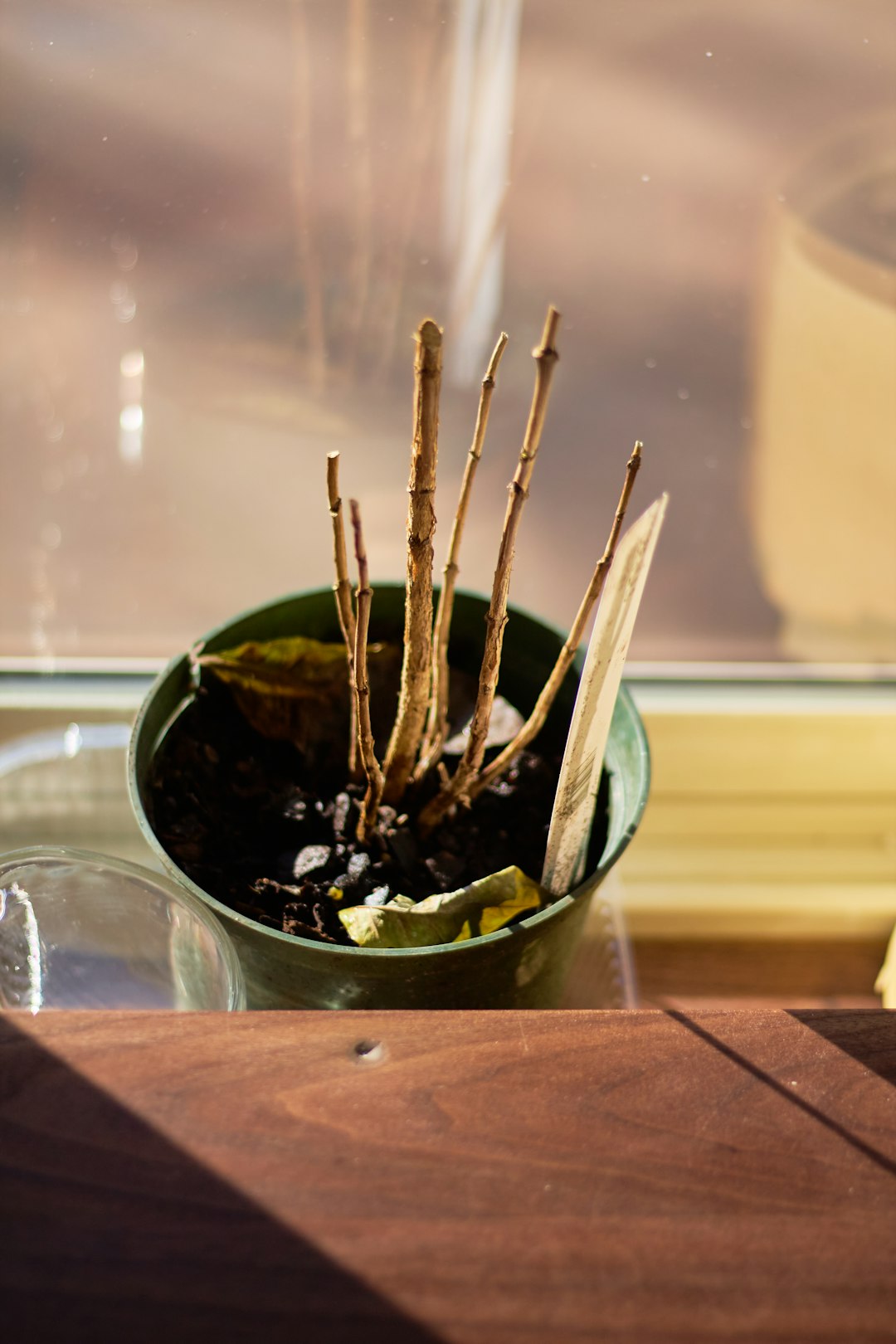
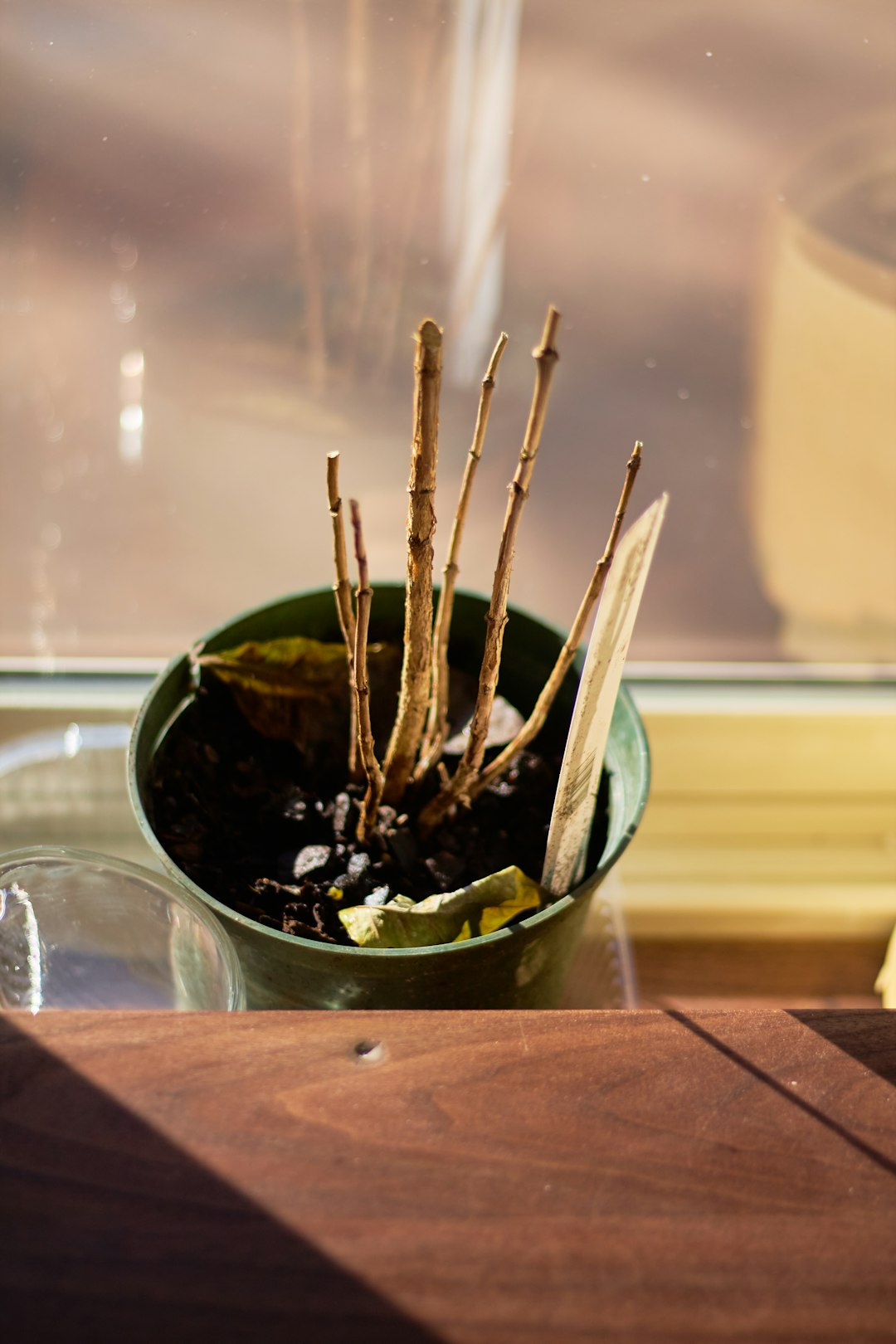
Here’s something that might surprise you: the average plant parent has killed seven houseplants, and if you’re feeling terrible about your own plant casualties, you’re definitely not alone. What’s even more revealing is that almost half of adults surveyed admitted they’ve killed an average of five houseplants, making plant death practically a rite of passage in the houseplant world.
The statistics paint a sobering picture of our collective plant-parenting struggles. At 37 percent, the largest share of non-expert gardeners participating in a survey stated they killed one to two indoor plants in a year. But before you throw in the towel and switch to artificial plants, consider this: even professional botanists and garden center employees have committed what they humorously call “plant murder.”
Overwatering: The Silent Plant Killer Everyone Gets Wrong
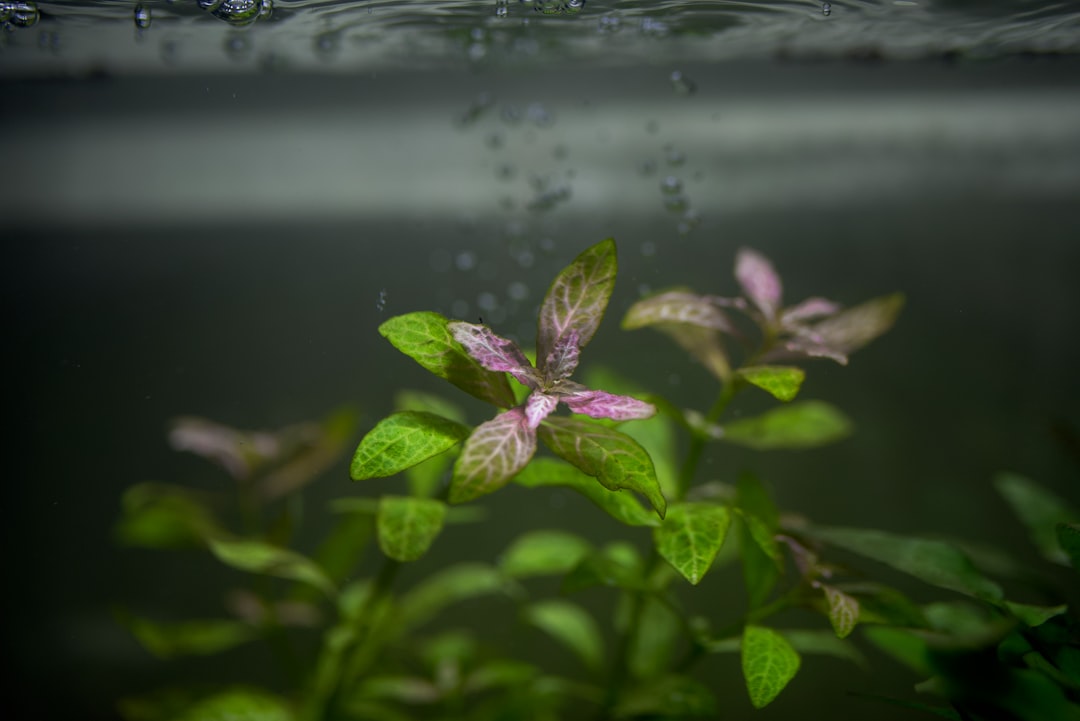
Watering too much is the main reason people killed plants at 50%, making overwatering the number one houseplant killer across the board. This might seem counterintuitive since we naturally associate water with life, but regular overwatering is the most common cause of dead plants, as it quickly leads to root rot.
The problem isn’t just about quantity—it’s about technique. The most common error when watering houseplants is not fully saturating the soil. Even plants that like to go totally dry between waterings need to be fully saturated when watering time comes around. Think of it like this: would you rather have a glass of water every few days or a few drops every day? Your plants feel the same way about their hydration needs.
The Light Catastrophe That’s Hiding in Plain Sight
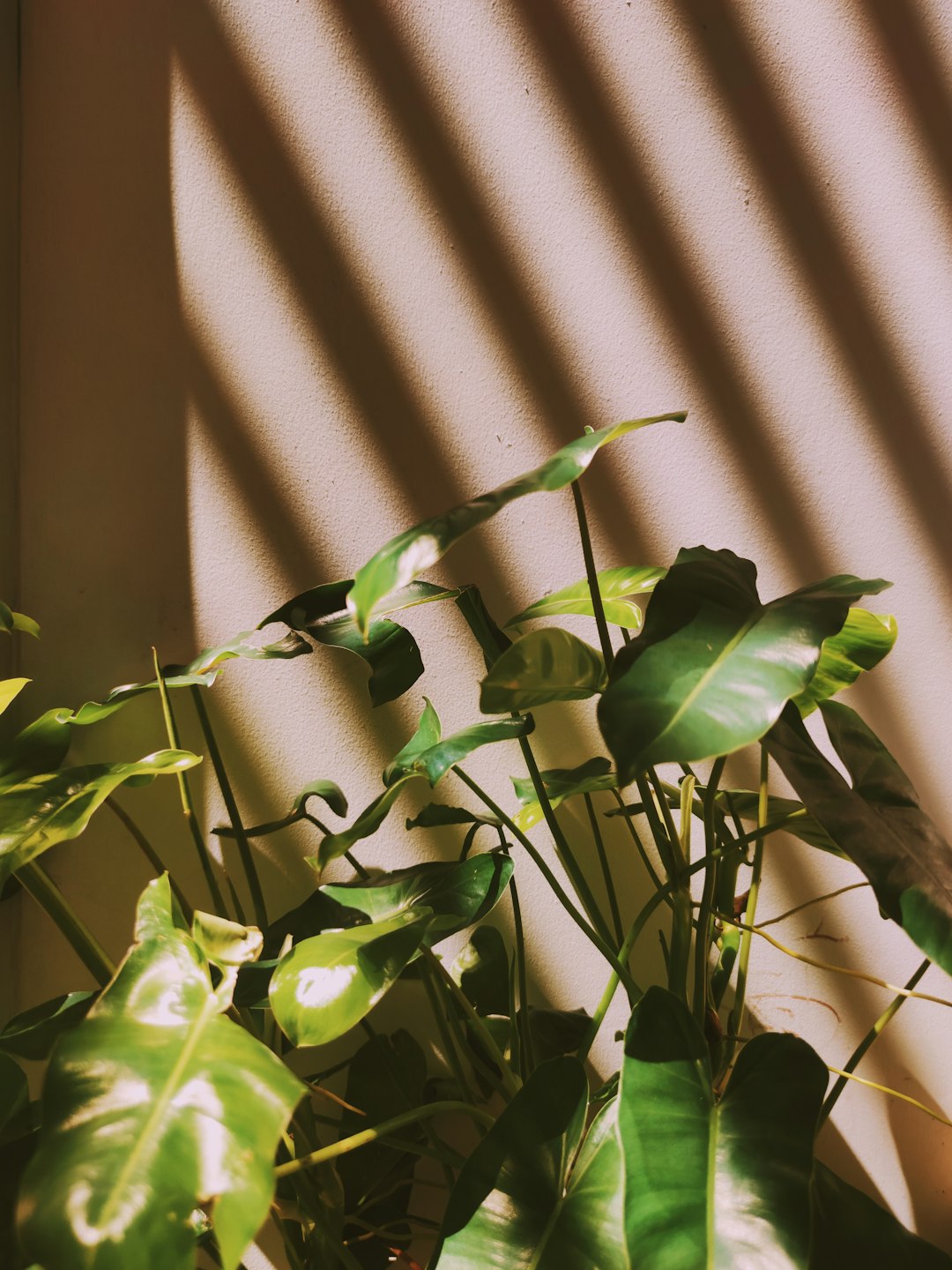
After overwatering, giving plants the wrong amount of light is the second most common mistake. What makes this particularly devastating is that if a plant isn’t receiving the light it needs, it will not grow and thrive for you, it’s as simple as that. Yet most people choose plants based on where they want them to look good, not where they’ll actually survive.
Here’s the reality check: there really aren’t any plants that like lower light. When we talk about “low light plants,” we mean plants that will tolerate these conditions better than others. Many plants are sold saying that they thrive in low to high light, however, that is not necessarily the case. This marketing misleads well-meaning plant parents into creating impossible situations for their green companions.
The Fertilizer Trap That Kills With Kindness
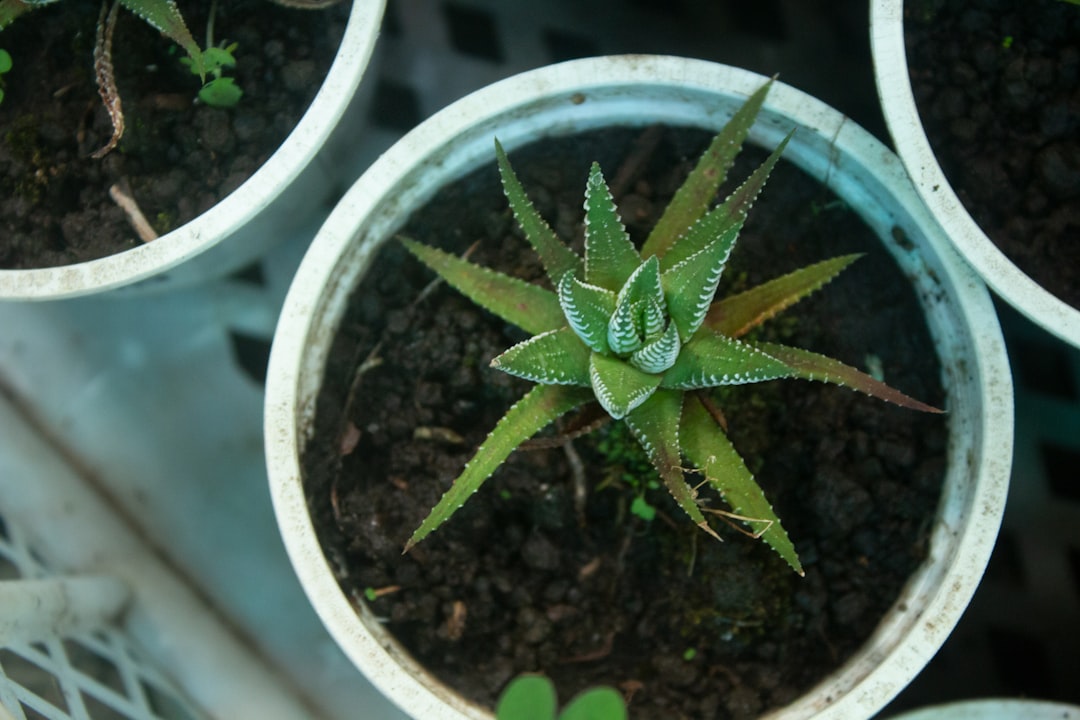
Plant parents often fall into the “more is better” mindset with fertilization, but excessive fertilizer use effectively ‘burns’ the roots, causing stress and damage that is difficult to repair. We’re especially bad about overfeeding houseplants in the winter when they are growing more slowly or may even be dormant.
The solution requires restraint and timing. For houseplants that get more light, feed them monthly during their growing season, which is early spring to late summer for most types of indoor plants. Plants can do without fertilizer from November through March when the plant isn’t actively growing. Remember, a hungry plant is better than a burned one.
Wrong Pot, Wrong Plant, Wrong Results
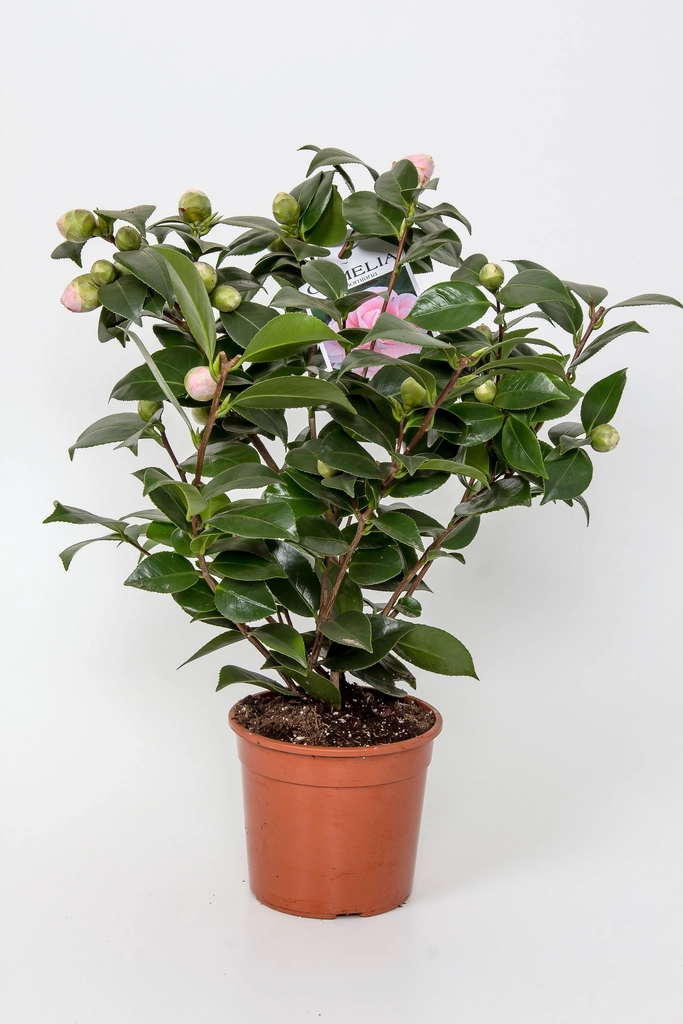
The relationship between pot size and plant health is more critical than most people realize. Plants in too small a container in proportion to their size need to be watered more often and should probably be transplanted into the next size larger pot. But the opposite problem is equally deadly: plants growing in pots too big for their root system have a hard time using all the water the large amount of potting medium can hold and often exhibit symptoms of overwatering.
Drainage is another crucial factor that many beginners overlook. If you install a plant in a container without drainage holes, water will pool and collect at the base of the container, resulting in soggy roots that are prone to fungal diseases. It’s like forcing someone to wear shoes that don’t fit—eventually, problems will develop.
The Deadly Habit of Treating All Plants the Same
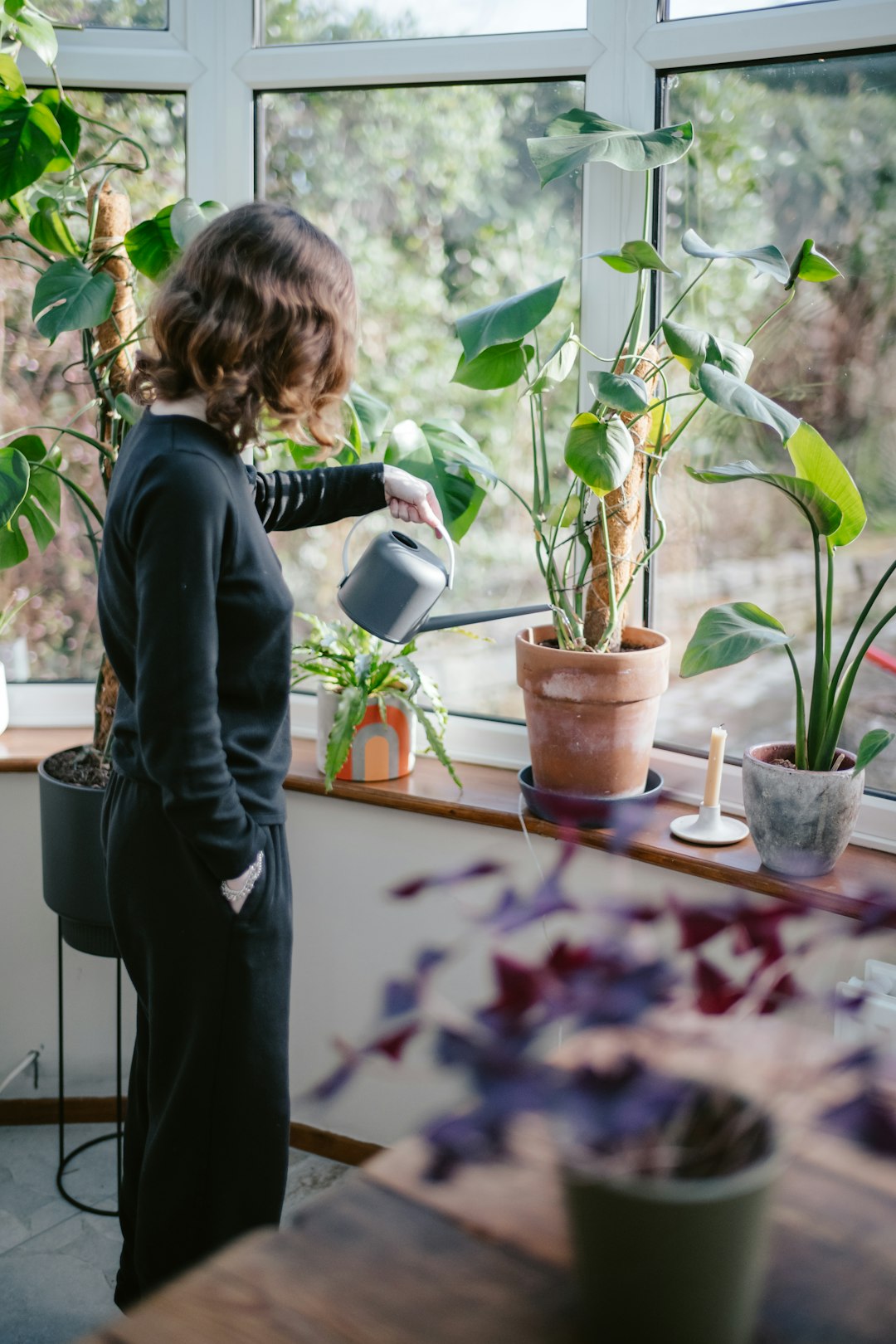
One of the most common mistakes is applying a one-size-fits-all approach to plant care. Each plant needs a different frequency of watering, type of soil, and amount of light. Cacti and succulent plants love dry soil because they originate from dry, desert regions. More tropical plants enjoy moist soil and humid air, which emulates their rainforest roots.
The key is understanding your plant’s natural habitat. If you’re not sure how much your specific varietals need, take cues from their natural habitats. Many popular houseplants, like philodendrons, come from tropical regions of the world where it rains regularly. This biological programming doesn’t change just because they’re now living in your living room.
The Misting Myth That’s Actually Harmful
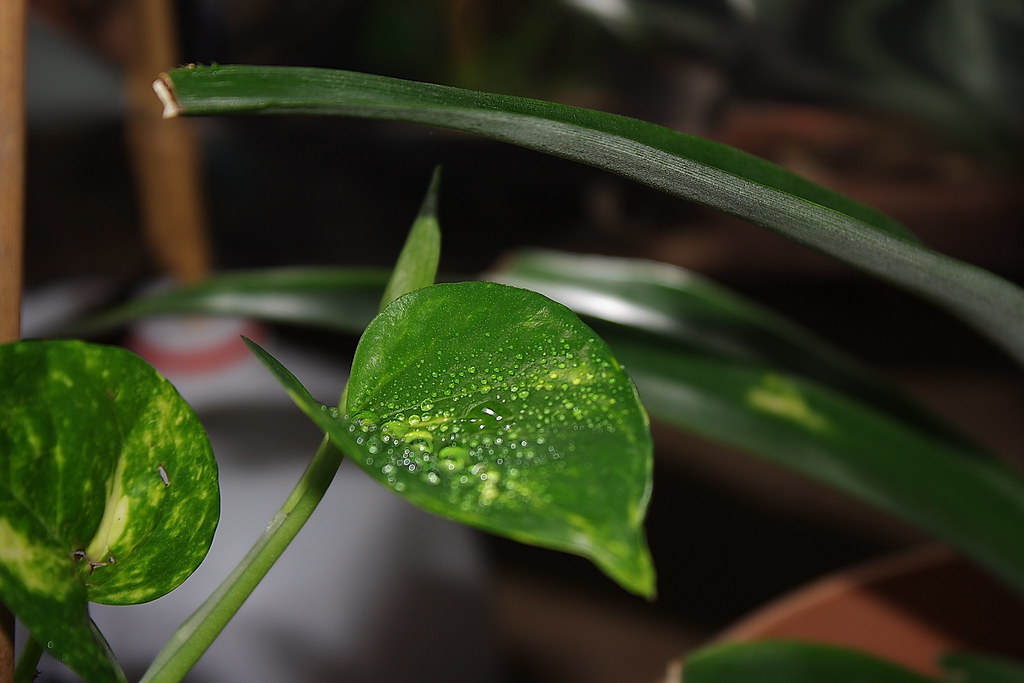
Social media has popularized misting as a universal plant care solution, but this practice is actually harmful to most houseplants. Misting is only important to epiphytes—plants that grow on trees or rocks in their native environment, rather than in the soil. Orchids, bromeliads, air plants and some ferns fall into this category. You do not, and should not, mist any other plant, as they have no mechanism for absorbing water through their leaves.
The consequences of unnecessary misting can be severe. Misting non-epiphytes like monstera and fiddle leaf figs will cause browning of the leaves from fungal infections. If you don’t mist, your leaves won’t get infected. Watering the foliage of houseplants, especially in low light or humid environments, can lead to fungal infections. Water droplets that sit on the leaves for extended periods can provide an ideal environment for fungal spores to germinate.
The Moving Plant Syndrome
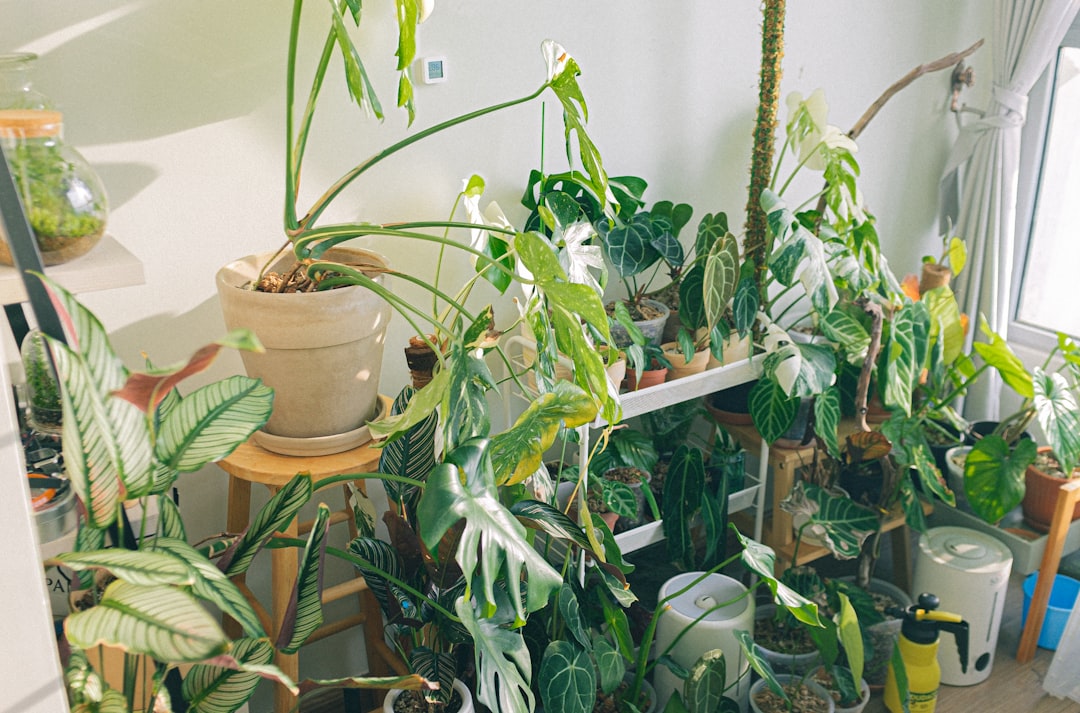
Plants love to find a home and stay there. They thrive off of stability, so try to place your plants in forever homes. Each time you move a plant to a brand new location, it needs to adjust to new light levels and temperatures, and each “adjustment period” equals a pause in growth. Yet many plant parents constantly rearrange their green collections like living decorations.
This constant relocation creates unnecessary stress for plants that are already working hard to adapt to indoor conditions. Plants can go downhill in a hurry when placed in unsuitable sites. Environmental stress sets a plant up for aggravation from pests and diseases. Think of it as forcing someone to change jobs every few weeks—eventually, performance will suffer.
Seasonal Ignorance and Winter Care Disasters
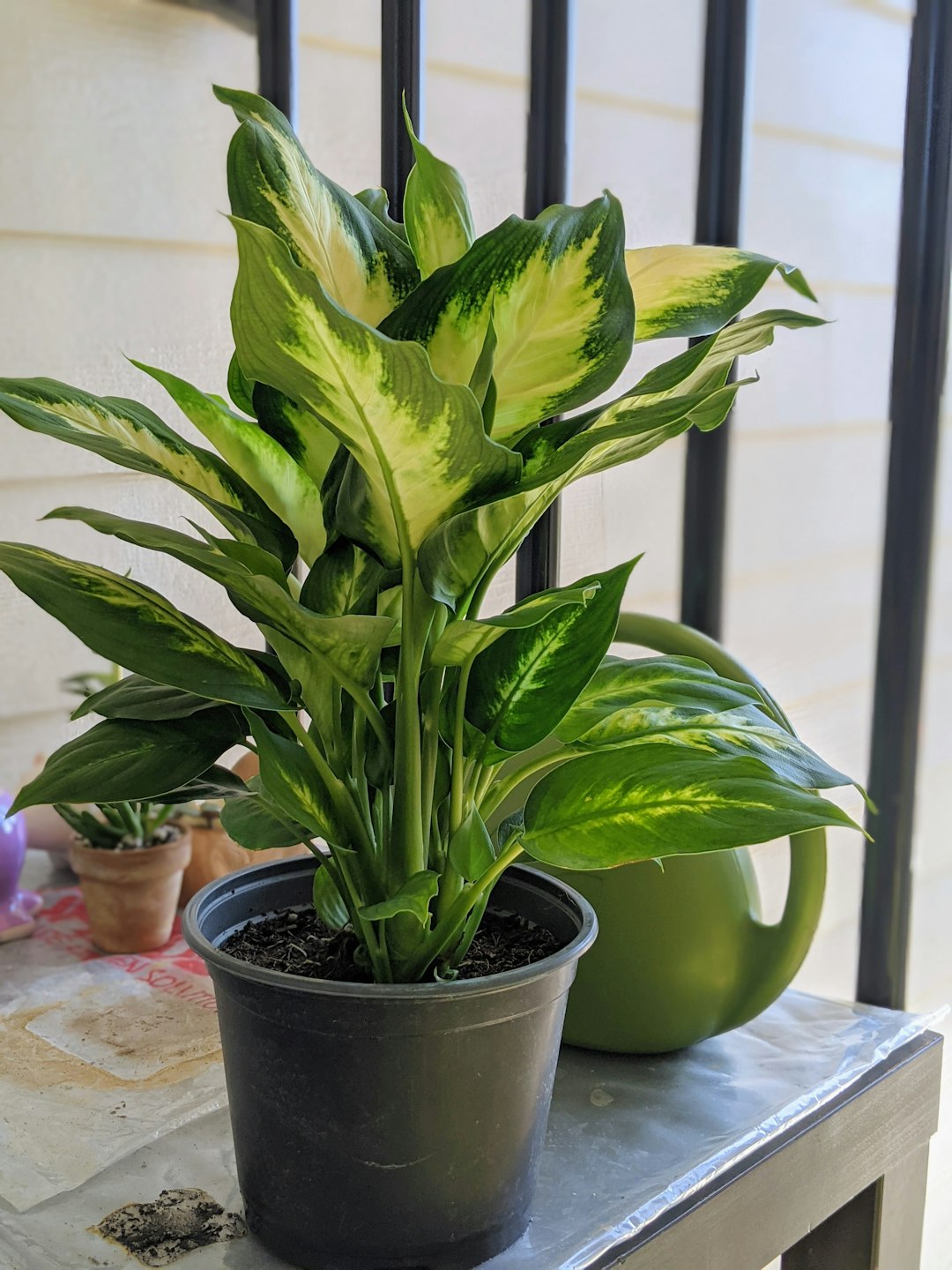
Many plant parents don’t realize that indoor plants grow more during the spring and summer but not as much in the fall and winter. If your indoor plant responds to seasonal changes, ease up on watering in the cooler months to avoid stressing the plant. Many houseplants enter a dormant phase in winter and require less water. Overwatering during this period can lead to root rot.
Winter care requires a completely different approach than summer maintenance. Plants will dry out faster when temperatures are higher and when exposed to heat sources as is often the case during the winter months. The combination of dry indoor air, artificial heating, and reduced daylight creates a challenging environment that requires adjusted care routines.
The Simple Solution That Actually Works
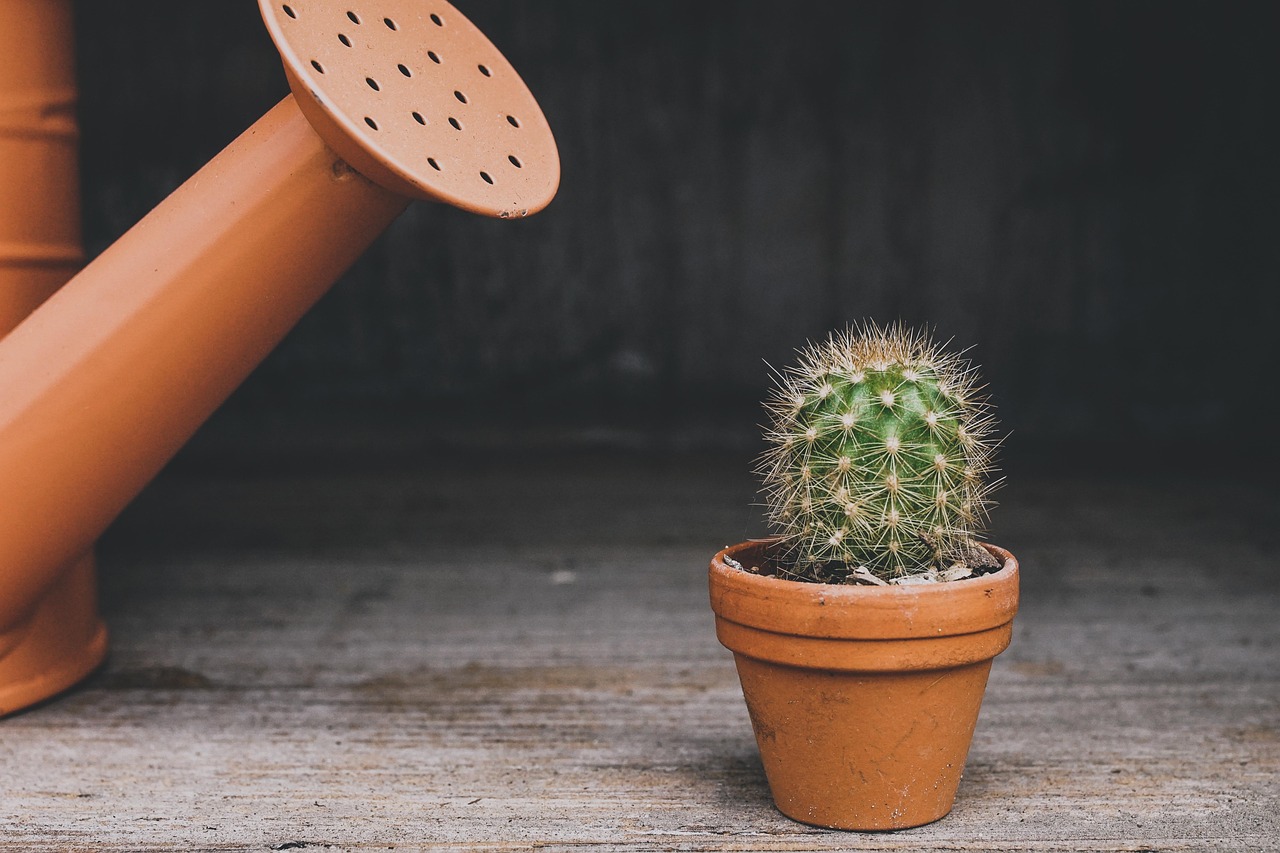
The solution to keeping houseplants alive isn’t complicated—it’s about understanding basic plant biology and being consistent with proper care. The best way to tell if your plants need water is to stick your finger about an inch into the potting mix—if it feels dry, break out the watering can. If you detect dampness, check back again in a day or two.
Success comes from patience and observation rather than rigid schedules. The most important thing to understand about watering houseplants is that it is not based on a time period, such as once a week, but instead based on the moisture remaining in the soil. The moisture remaining in the soil will change depending on many factors. As time goes on, you’ll get a feel for how often each plant needs to be watered. To make remembering each plant’s proper care easier, group plants with similar light and water needs together.
Remember, every plant expert started as a beginner who killed their share of green friends. The difference between success and failure isn’t natural talent—it’s learning from mistakes and developing better habits. Your plants are more resilient than you think, and with these insights, you’re already ahead of most plant parents who are still making these common errors. What plant will you save first?

Matthias is a skilled author and digital storyteller with a focus on travel journalism, environmental issues, and modern home design. With a background in communications and a passion for global cultures, Matthias crafts engaging narratives that blend real-world exploration with thoughtful analysis and visual flair.
His writing reflects a deep interest in how climate change shapes our lives and lifestyles—from sustainable travel practices to eco-friendly living environments. Known for his clear, approachable voice and sharp editorial instincts, Matthias delivers content that resonates with readers seeking both inspiration and substance.
Whether reporting from remote destinations, breaking down sustainable design trends, or spotlighting innovative green initiatives, Matthias brings a global perspective and an eye for detail to every piece. He regularly contributes to web platforms and editorial projects that aim to foster awareness, creativity, and conscious living.