


Henrieke Otte is an accomplished writer and content editor, specializing in topics that inspire thoughtful living—ranging from global travel and sustainable lifestyles to interior design and architecture. With a keen editorial sense and a background in cultural studies, Henrieke brings depth, elegance, and clarity to every piece she crafts.
Her work is known for its engaging voice, visual sensitivity, and ability to turn complex ideas into accessible, reader-friendly narratives. Whether exploring eco-conscious destinations, dissecting climate-conscious home trends, or curating serene living spaces, Henrieke writes with a balance of creativity and insight that resonates with design-savvy, environmentally aware audiences.
Driven by a love of meaningful storytelling and a refined aesthetic, Henrieke contributes regularly to digital platforms and magazines where quality content meets visual sophistication.
The Annual $21,000 Sticker Shock That Hits Every Homeowner

You’ve saved up for the down payment, got pre-approved for the mortgage, and finally found your dream home. But there’s a harsh reality nobody talks about during those house-hunting adventures: owning a home costs over $21,000 a year in hidden expenses. Think your mortgage is the biggest expense? Think again.
These aren’t just minor inconveniences either. These expenses include costs beyond a mortgage, including property taxes, homeowners’ insurance, utility and energy costs, internet and cable bills and home maintenance budgets. According to the latest research, Hawaii topped the list with an annual average of $34,573 in hidden costs alone.
The financial reality is sobering. US homeowners are now paying an average of $18,118 a year on property taxes, homeowners’ insurance, maintenance, energy and various other expenses linked to owning a home, representing a 26% increase from four years ago when it cost $14,428 annually. For many new homeowners, this comes as a complete shock.
Property Taxes Are Quietly Eating Your Wallet

Remember when your real estate agent casually mentioned property taxes? Well, they’re not so casual anymore. Property tax bills climbed an average of 27% from 2019 to 2024, and this trend shows no signs of slowing down. These aren’t just small adjustments either.
The numbers are staggering when you dig deeper. The average property tax bill for single-family homes increased by 4.1% in 2023, and from 2019 to 2023, the median property tax bill for single-family homes in the U.S. climbed by around 24%. This trend is particularly challenging for new homeowners who are caught off guard by unexpected assessments.
It’s not just about rising home values either. With home price forecasts predicting that prices will rise another 2%-3% to reach record highs in 2025, millions of homeowners are expected to continue to feel the pinch from soaring property taxes. The cycle seems endless, and many homeowners feel trapped by these ever-increasing obligations.
Homeowners Insurance Premium Explosion

If you thought your car insurance was expensive, wait until you see what’s happening with homeowners insurance. US homeowners insurance rates have climbed by double digits in back-to-back years, reflecting a national calculated weighted average effective rate increase of 10.4% in 2024 and a 12.7% uptick in 2023. This isn’t a temporary blip—it’s the new normal.
The situation is even worse in certain states. Homeowners insurance rates have risen dramatically, from an average of $2,656 annually in 2021 to $3,303 in 2024—a 24% increase, more than twice as fast as the rate of inflation. Some states are experiencing even more dramatic increases.
Looking ahead, things aren’t getting better. The typical homeowner will see their home insurance costs rise an estimated $261 over the next 12 months, and these increases are driven by climate change, construction costs, and reinsurance market pressures. California home insurance is projected to rise 21% in 2025, with the Palisades and Eaton fires that ravaged Los Angeles County in January and regulatory changes contributing to this increase.
The 2% Rule: Your Home Maintenance Budget Nightmare
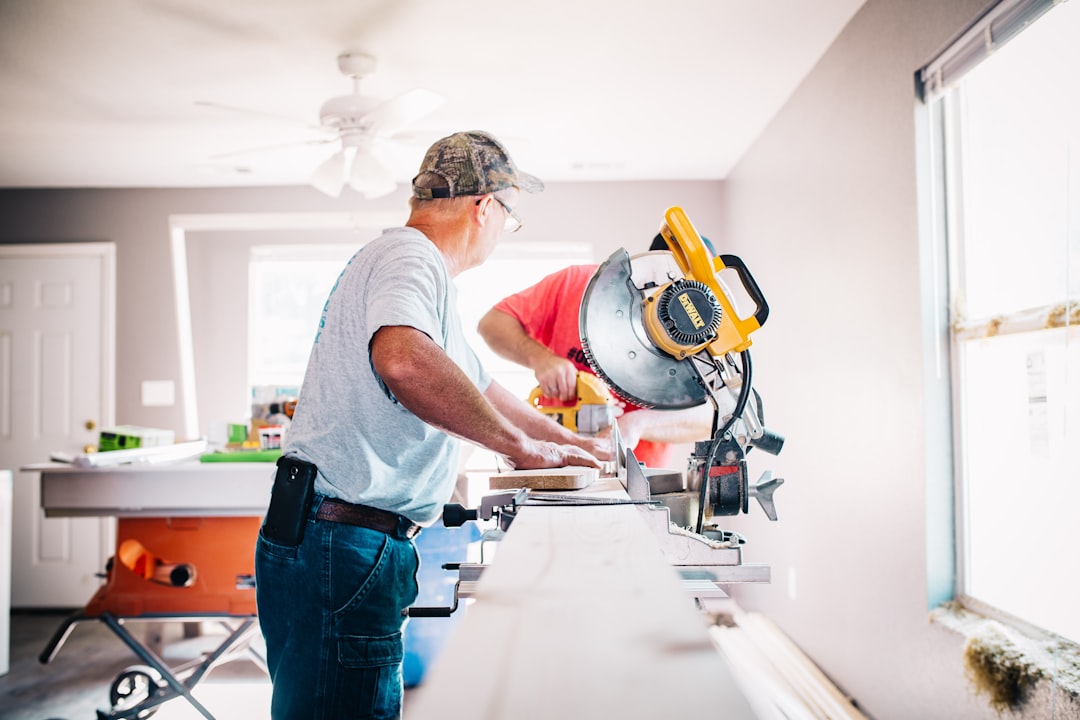
Here’s a rule of thumb that’ll make you wince: financial experts recommend budgeting 2% of your home’s value annually for maintenance. Bankrate estimated home maintenance costs at 2 percent of the median sale price for single-family homes in each state. For a $400,000 home, that’s $8,000 per year in maintenance costs alone.
This isn’t just theoretical either. With a typical single-family home price of $993,000 in Hawaii, applying the estimated maintenance costs of 2% of the home’s value leads to a hefty $19,860 per year. Even in more affordable states, the costs add up quickly.
The cruel irony? These maintenance costs are often the most unpredictable. One day you’re fine, the next day your HVAC system decides to call it quits in the middle of summer. Unlike your mortgage payment, these expenses don’t follow a schedule—they follow Murphy’s Law.
Utility Bills That Never Stop Growing

Your monthly utility bills might seem manageable at first, but they’re another hidden cost that adds up faster than you’d expect. Average annual national and statewide utility bills include electricity, gas, water and sewer, and waste and recycling, and these costs have been steadily climbing.
The energy component alone can be shocking. Depending on your home’s size, age, and efficiency, you could be looking at hundreds of dollars monthly just to keep the lights on and maintain a comfortable temperature. Add in water, sewer, and waste management, and you’re easily looking at $200-400 monthly in many areas.
What makes this especially frustrating is that these costs vary dramatically by season and usage. Your winter heating bill might be double your summer cooling costs, making it difficult to budget effectively. Many new homeowners underestimate these fluctuations and find themselves scrambling to cover unexpectedly high bills.
Internet and Cable: The Hidden Monthly Drain
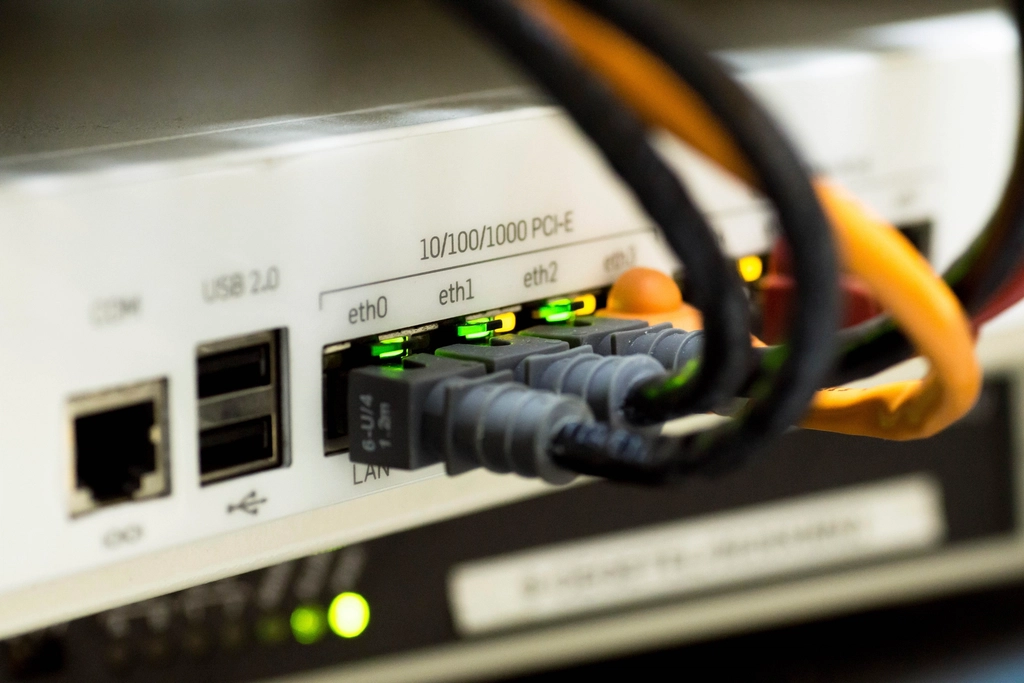
In today’s connected world, internet and cable aren’t luxuries—they’re necessities. Average annual national and statewide internet and cable bills were collected using 2024 data, and these costs are included in the $21,000 annual hidden expense calculation for good reason.
Most homeowners don’t realize how much these services cost until they’re responsible for paying the full bill. Unlike apartment living where these costs might be included or shared, homeowners face the full brunt of premium internet speeds, cable packages, and streaming services that quickly add up to $150-250 monthly.
The pressure to upgrade is constant too. Faster internet speeds, more streaming services, better cable packages—before you know it, what started as a basic internet plan has morphed into a comprehensive entertainment package that’s costing you thousands annually.
HOA Fees: The Gift That Keeps on Taking

Homeowners Association fees are like that uninvited guest who shows up at your party and never leaves. These monthly or annual fees can range from modest amounts for basic maintenance to substantial payments for luxury amenities. What’s particularly frustrating is that these fees tend to increase over time, often faster than inflation.
The challenge with HOA fees is that they’re mandatory and non-negotiable. Unlike other expenses where you might have some control over costs, HOA fees are set by the association and you have little choice but to pay them. Miss a payment, and you could face liens or other legal action against your property.
What makes HOA fees especially problematic is their unpredictability. Special assessments for major repairs or improvements can suddenly add hundreds or thousands to your annual costs. That new roof for the clubhouse or repaving of common areas? That’s coming out of your pocket whether you use those amenities or not.
Private Mortgage Insurance (PMI) Surprise
If you didn’t put down 20% on your home purchase, you’re likely paying Private Mortgage Insurance (PMI). This additional monthly cost can range from $50 to several hundred dollars, depending on your loan amount and down payment. What many homeowners don’t realize is that this cost continues until you’ve built up enough equity to remove it.
The frustrating part about PMI is that it provides no benefit to you as the homeowner—it only protects the lender. You’re paying for insurance that doesn’t cover your home, your belongings, or your family. It’s purely a cost of borrowing with a smaller down payment.
Getting rid of PMI isn’t automatic either. You typically need to request its removal once you’ve reached 20% equity, and the process can involve appraisals and paperwork. Many homeowners continue paying PMI longer than necessary simply because they don’t know how to remove it or aren’t aware they’ve reached the threshold.
Emergency Repairs: When Murphy’s Law Strikes
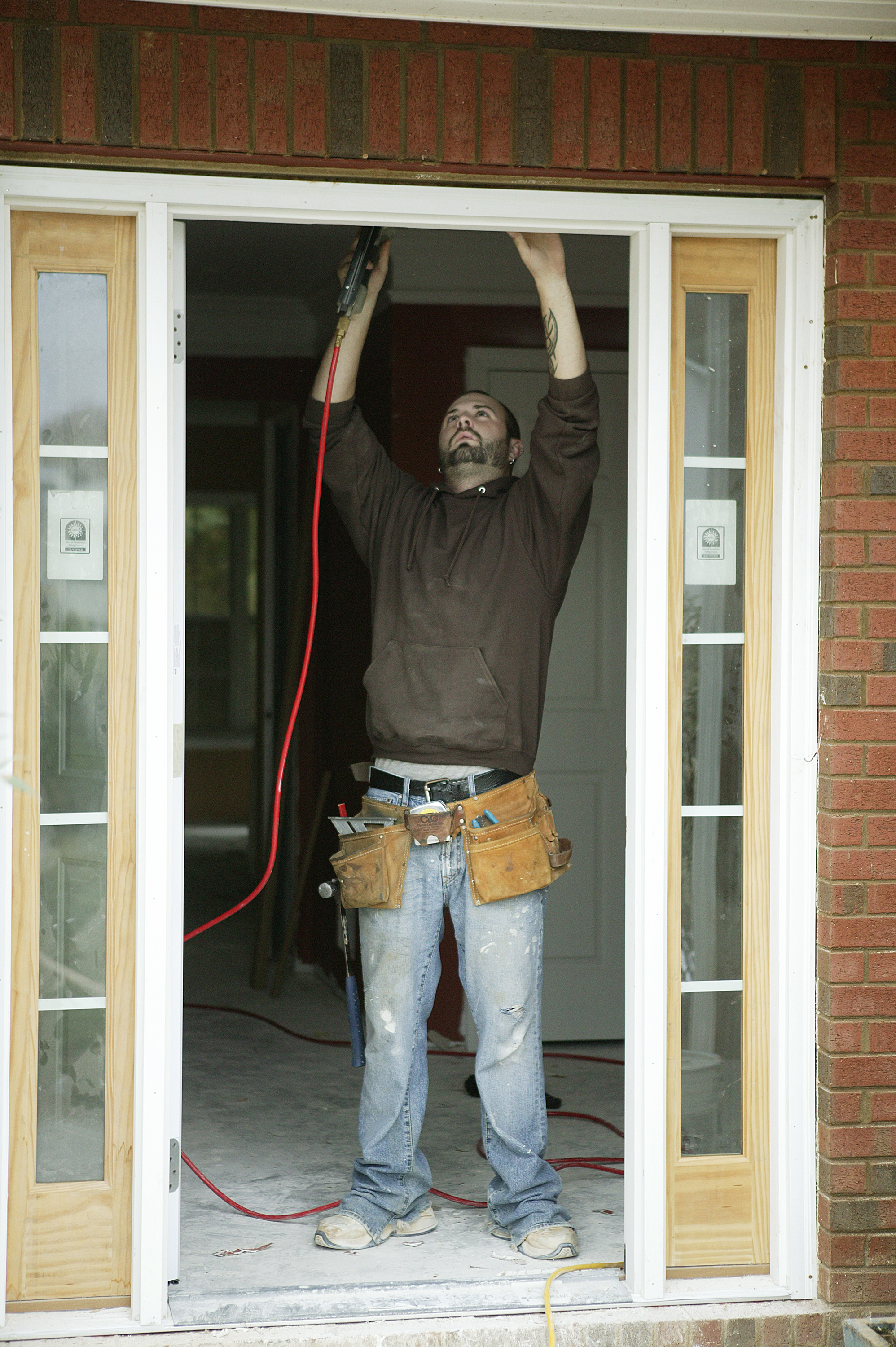
Murphy’s Law is alive and well in homeownership: anything that can go wrong will go wrong, and usually at the worst possible time. Emergency repairs are perhaps the most stressful hidden cost because they’re unpredictable and often expensive. Your water heater doesn’t politely schedule its failure for when you have extra cash lying around.
The financial impact of emergency repairs can be devastating for unprepared homeowners. A major HVAC failure might cost $5,000-15,000 to fix. A roof leak during a storm could require thousands in immediate repairs. Plumbing emergencies can cause water damage that costs tens of thousands to remediate.
What makes emergency repairs especially challenging is that they often can’t wait. Unlike planned maintenance where you can shop around and budget, emergency repairs require immediate action. You’re at the mercy of whatever contractor is available, often paying premium prices for urgent service.
Landscaping and Yard Maintenance Costs

That beautiful lawn and garden you admired when house hunting? It comes with a price tag that many new homeowners don’t anticipate. Landscaping and yard maintenance costs can easily run $100-300 monthly, depending on your property size and maintenance needs.
The expenses go beyond just mowing the lawn. You’ll need fertilizer, weed control, mulch, seasonal plantings, tree trimming, and equipment maintenance. If you hire professionals, costs multiply quickly. Even DIY maintenance requires a significant investment in tools and materials.
Seasonal demands make these costs particularly challenging to budget. Spring cleanup, summer watering, fall leaf removal, and winter prep all come with their own expense categories. Many homeowners find themselves constantly spending money on their outdoor spaces just to keep them looking respectable.
Moving and Setup Costs Nobody Mentions
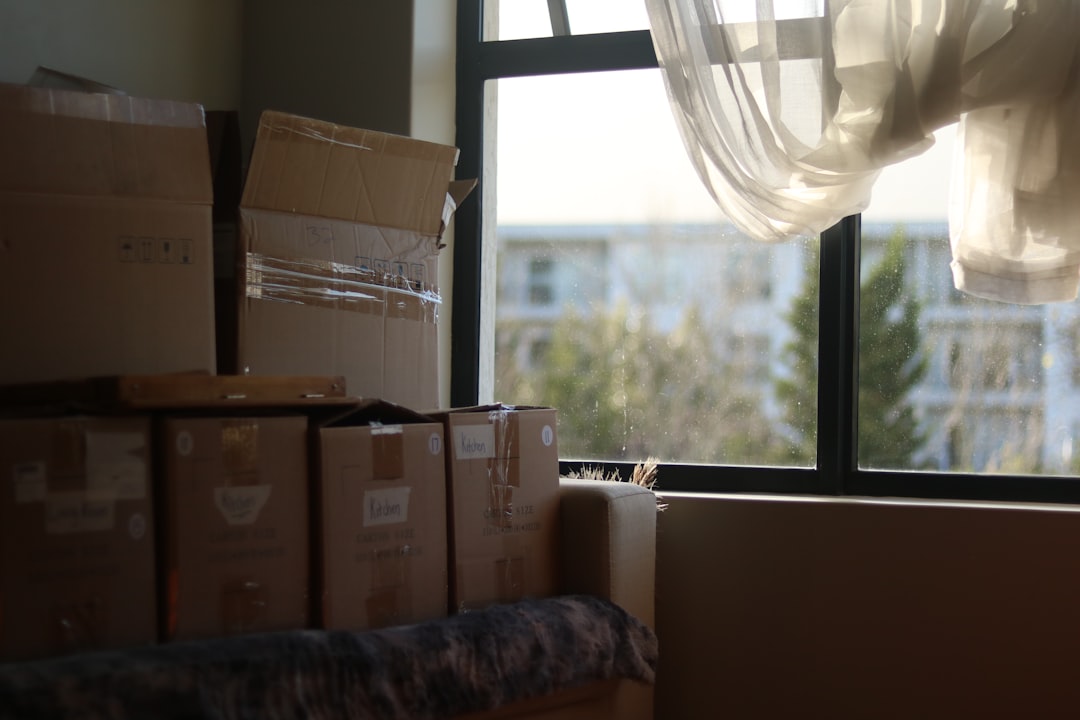
The expenses don’t end once you get the keys to your new home. Moving costs, including professional movers, truck rentals, packing supplies, and storage fees, can easily reach $2,000-5,000 for a typical household. These costs are often overlooked in the excitement of buying a home.
Setup costs for your new home can be even more expensive. You’ll need to establish utility services, often requiring deposits and connection fees. New locks, security systems, and basic home modifications for safety and comfort add up quickly. Many homeowners spend thousands just making their new house feel like home.
The timing of these expenses makes them particularly challenging. You’ve just spent a significant amount on your down payment and closing costs, and now you’re faced with immediate additional expenses to actually move in and get settled. It’s a financial one-two punch that catches many buyers off guard.
Property Improvement Taxes and Permits
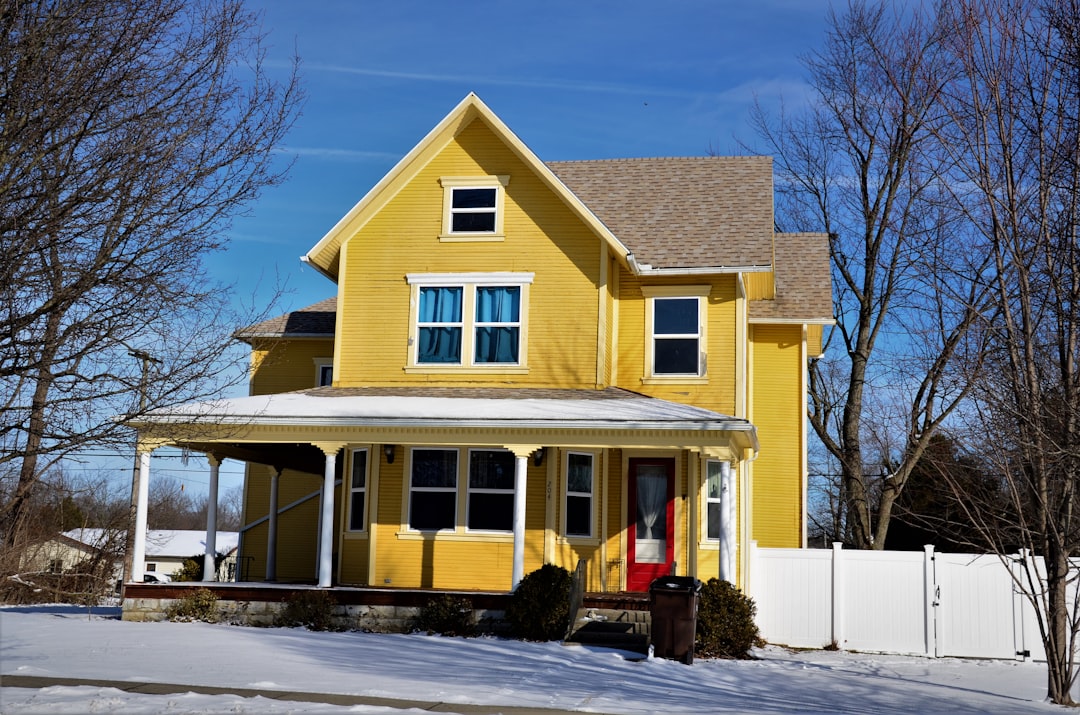
Want to improve your new home? Get ready for permit fees, inspection costs, and the inevitable property tax reassessment that comes with improvements. Many homeowners are shocked to learn that making their home better actually costs them more in taxes every year thereafter.
Permit fees vary widely by location and project type, but they’re often much higher than expected. A simple bathroom renovation might require $500-1,500 in permits and inspections. Major additions or renovations can involve thousands in permitting costs before you even start the actual work.
The long-term tax implications of improvements are often overlooked. That beautiful kitchen renovation or new deck will increase your property’s assessed value, leading to higher property taxes for as long as you own the home. The gift that keeps on giving—to your local tax assessor.

Henrieke Otte is an accomplished writer and content editor, specializing in topics that inspire thoughtful living—ranging from global travel and sustainable lifestyles to interior design and architecture. With a keen editorial sense and a background in cultural studies, Henrieke brings depth, elegance, and clarity to every piece she crafts.
Her work is known for its engaging voice, visual sensitivity, and ability to turn complex ideas into accessible, reader-friendly narratives. Whether exploring eco-conscious destinations, dissecting climate-conscious home trends, or curating serene living spaces, Henrieke writes with a balance of creativity and insight that resonates with design-savvy, environmentally aware audiences.
Driven by a love of meaningful storytelling and a refined aesthetic, Henrieke contributes regularly to digital platforms and magazines where quality content meets visual sophistication.