


Matthias is a skilled author and digital storyteller with a focus on travel journalism, environmental issues, and modern home design. With a background in communications and a passion for global cultures, Matthias crafts engaging narratives that blend real-world exploration with thoughtful analysis and visual flair.
His writing reflects a deep interest in how climate change shapes our lives and lifestyles—from sustainable travel practices to eco-friendly living environments. Known for his clear, approachable voice and sharp editorial instincts, Matthias delivers content that resonates with readers seeking both inspiration and substance.
Whether reporting from remote destinations, breaking down sustainable design trends, or spotlighting innovative green initiatives, Matthias brings a global perspective and an eye for detail to every piece. He regularly contributes to web platforms and editorial projects that aim to foster awareness, creativity, and conscious living.
Tariffs Rolling Out Gradually and Unevenly
Economists, researchers, and analysts have long warned that President Donald Trump’s broad trade strategy—imposing hefty tariffs on most imports—would eventually weigh heavily on consumers through higher prices. So far, overall inflation has stayed fairly subdued, something the administration has pointed to as evidence that the tariffs are succeeding. Yet many experts argue this is just the beginning of a prolonged cost surge.
A key reason is the staggered implementation of tariffs: The earliest measures were applied in February (targeting China and non-USMCA imports) and March (steel and aluminum), but the majority didn’t take effect until April or later. This rolling approach has delayed the full impact on consumer prices. Compounding this, trade policies have been anything but stable—tariffs have been postponed, adjusted, or abruptly canceled, creating uncertainty throughout supply chains.
Shipping, Inventory, and Delayed Impacts

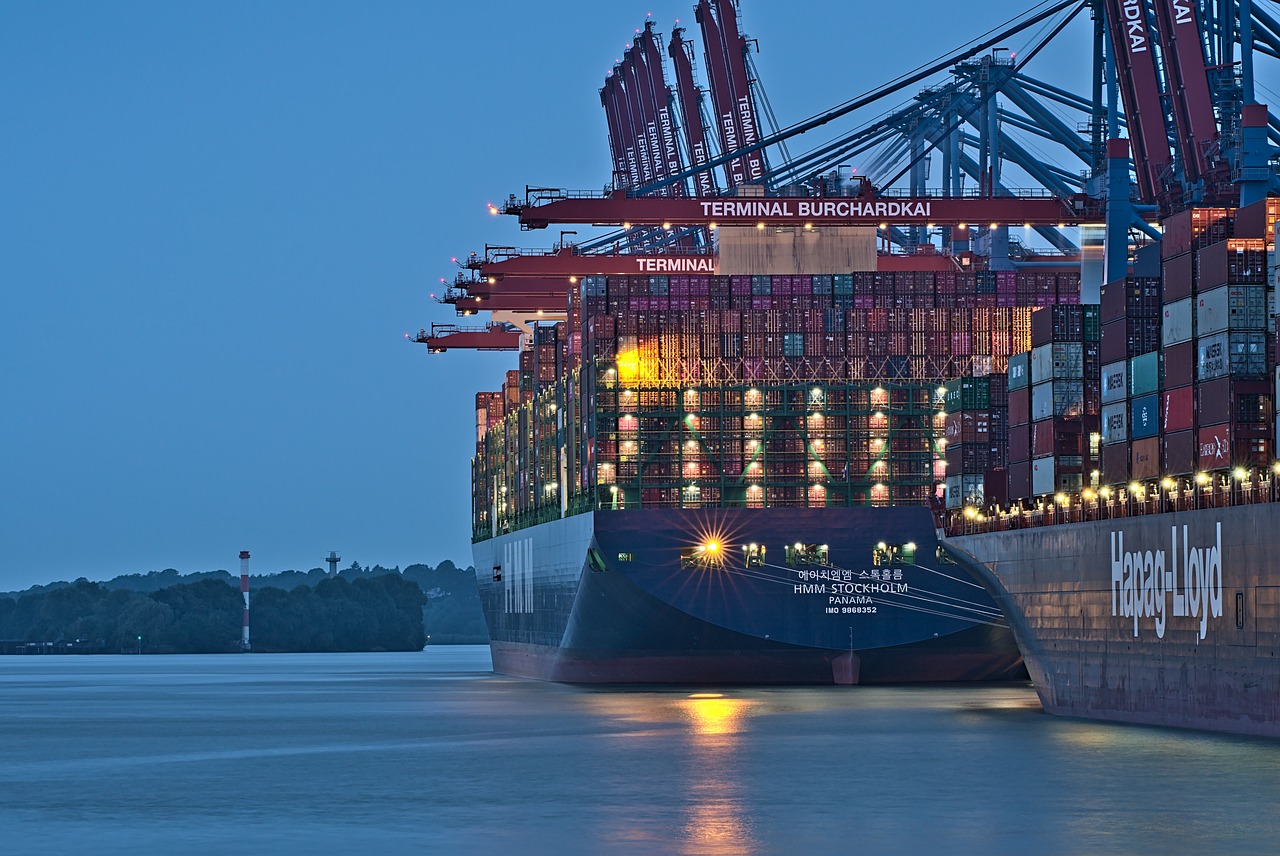
Imported goods don’t instantly land on store shelves. Shipments by sea can take several weeks or more than a month to arrive, and once in the U.S., products must still be transported domestically, processed, and distributed. In many cases, the tariffs also apply to parts and materials that first go through manufacturing before being sold.
Businesses anticipated disruptions last year, including the threat of an East and Gulf Coast port strike, prompting them to load up on inventory. These stockpiles helped cushion the immediate effects of new tariffs, delaying price increases. Still, as inventories are depleted, the true impact of the added costs is starting to emerge.
Who Bears the Cost of Tariffs?
Although foreign exporters are absorbing a share of the tariff burden—about 20%, according to a Goldman Sachs estimate—the remaining 80% is being split between U.S. businesses and consumers. Over time, Goldman Sachs expects roughly 70% of those costs will be passed on to shoppers, possibly even more if domestic producers adjust their own pricing.
For now, businesses have been hesitant to raise prices aggressively. Years of elevated inflation have already strained household budgets, limiting companies’ pricing power. As consumer spending cools, many firms are wary of driving customers away with sudden markups.
Seasonal Awareness and the Lag in Data

Another factor slowing public perception of rising costs is seasonal spending habits. During the summer, American consumers direct much of their budgets toward services like travel and leisure, making them less aware of goods prices. But as fall and winter approach—with back-to-school shopping and holidays—goods spending will take center stage, making price hikes more noticeable.
Meanwhile, official economic data trails real-time conditions. For example, upcoming inflation figures will reflect June data, and comprehensive indices can mask rising goods prices because they also capture declines in gas and moderating rent increases. This lag helps explain why the effects of tariffs haven’t fully appeared in headline inflation numbers yet.
Early Signs of Rising Prices and What’s Next

Despite muted overall inflation, signs of mounting costs are clear in certain categories. In May, appliance prices climbed 0.8% in consecutive months, toy prices rose 1.3%, and household furnishings and sporting goods saw accelerating increases.
Private-sector analyses confirm the trend: Home and furniture prices rose steadily from February through June, ending up 4.7% higher compared to January. Toys and apparel also logged meaningful gains. Some retailers, like Walmart and Target, have seen even steeper jumps in toy prices.
Economists expect this “price creep” to intensify as tariffs ripple through supply chains. Companies may increasingly resort to shrinkflation or expand private-label products to manage consumer backlash. The upcoming June inflation report is anticipated to mark a turning point, as tariffs begin to show up more distinctly in core goods prices.
While Wells Fargo predicts overall inflation could peak at 2.9% later this year, even modest increases can pose significant challenges for Americans already grappling with tight finances. As one economist observed, inflation may not spiral out of control, but the burden on consumers remains real and growing.

Matthias is a skilled author and digital storyteller with a focus on travel journalism, environmental issues, and modern home design. With a background in communications and a passion for global cultures, Matthias crafts engaging narratives that blend real-world exploration with thoughtful analysis and visual flair.
His writing reflects a deep interest in how climate change shapes our lives and lifestyles—from sustainable travel practices to eco-friendly living environments. Known for his clear, approachable voice and sharp editorial instincts, Matthias delivers content that resonates with readers seeking both inspiration and substance.
Whether reporting from remote destinations, breaking down sustainable design trends, or spotlighting innovative green initiatives, Matthias brings a global perspective and an eye for detail to every piece. He regularly contributes to web platforms and editorial projects that aim to foster awareness, creativity, and conscious living.