

Lena is a thoughtful and imaginative writer with a passion for storytelling across the themes of travel, environmental sustainability, and contemporary home aesthetics. With a background in cultural media and a strong visual sensibility, Anna Lena creates content that bridges inspiration with practical insight.
Her work explores the interplay between place, lifestyle, and design—guiding readers through meaningful travel experiences, eco-conscious choices, and modern approaches to living well. Known for her elegant writing style and attention to detail, she brings a fresh, human-centered perspective to every topic she covers.
Anna Lena contributes to digital publications and editorial projects where aesthetics meet purpose. Her writing not only informs but also encourages readers to live more intentionally, sustainably, and beautifully—wherever they are in the world.
What Are Trump Accounts?
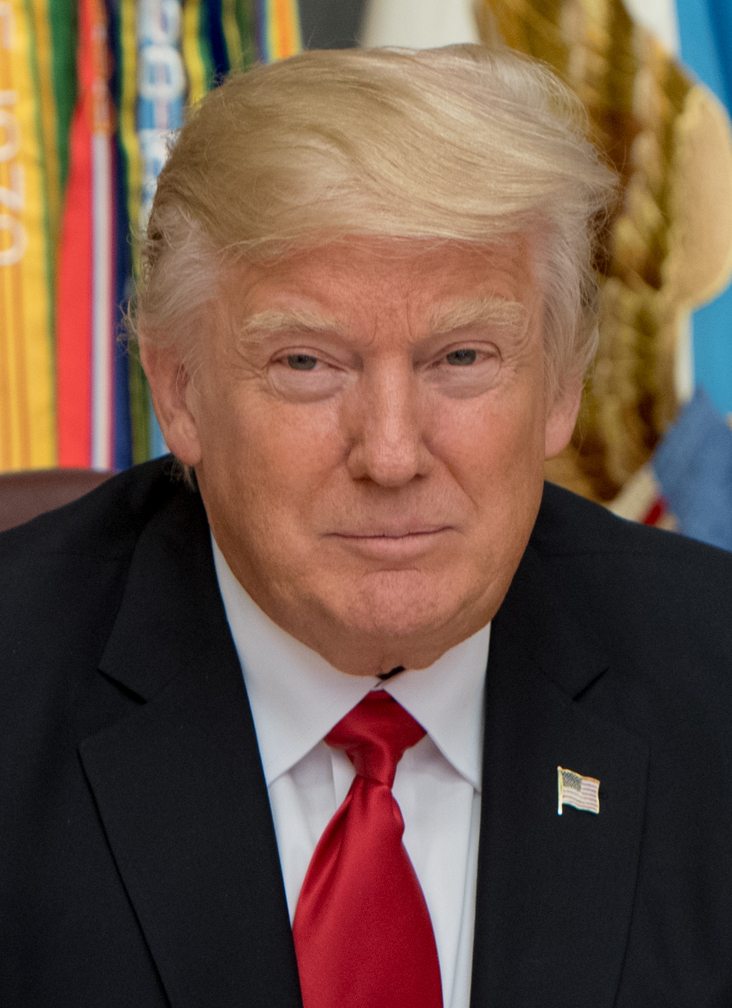
Under the “One Big Beautiful Bill Act,” every U.S. citizen born between January 1, 2025, and December 31, 2028, will automatically receive a $1,000 investment account funded by the federal government. These “Trump Accounts” are designed to promote long-term savings for purposes like education, homeownership, or starting a business. The accounts are tax-deferred and invested in low-cost index funds tracking the U.S. stock market.
Eligibility and Enrollment

Eligibility requires the child to be a U.S. citizen with a Social Security number. Initially, at least one parent needed to have a Social Security number, but recent revisions have removed this requirement, allowing broader access. The Department of the Treasury will automatically open these accounts for eligible newborns.
Contribution Limits and Investment Growth

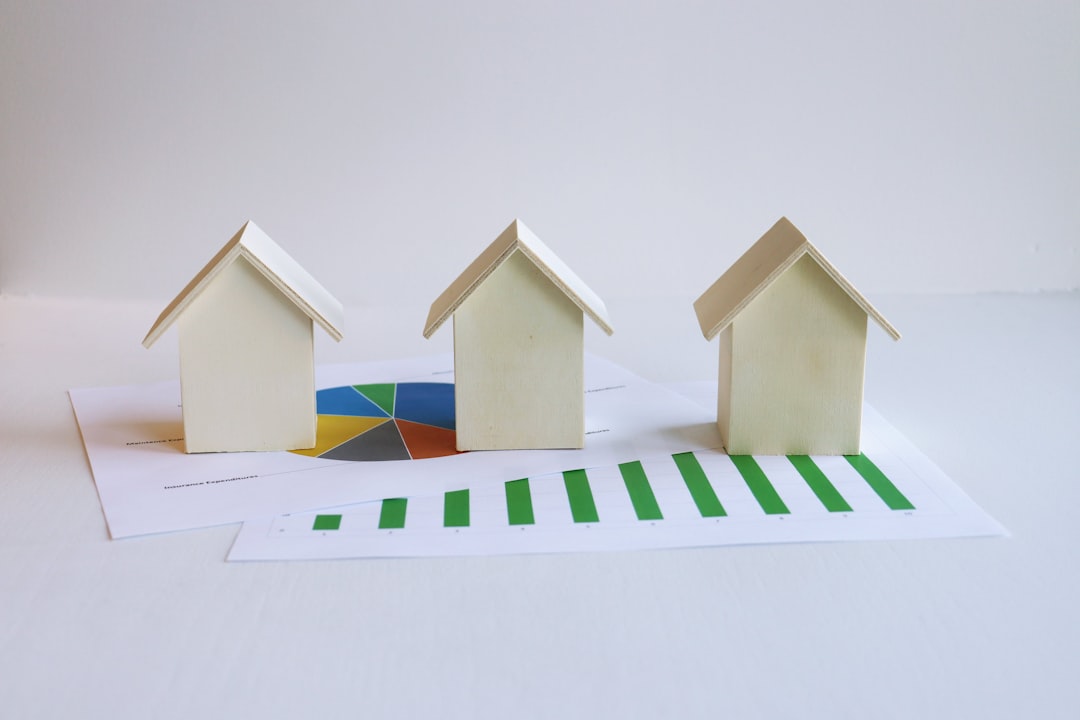
Beyond the initial $1,000 deposit, parents and other contributors can add up to $5,000 annually in after-tax dollars. Assuming an average annual return of 7%, the initial $1,000 could grow to approximately $3,570 by age 18, $10,677 by age 30, and $149,745 by age 65.
Withdrawal Rules and Tax Implications
Funds can be accessed starting at age 18 for qualified expenses such as education, buying a home, or starting a business. Withdrawals are taxed at the long-term capital gains rate. At age 31, any remaining funds can be used for any purpose, still subject to capital gains tax.
Comparison with Other Savings Plans
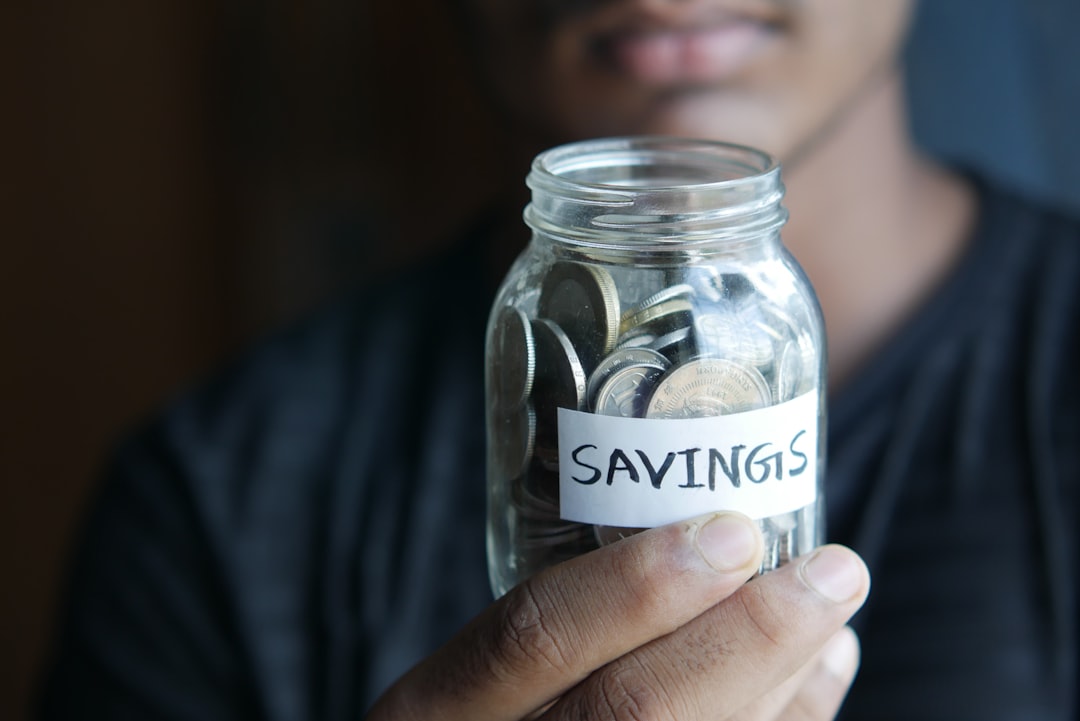
Compared to 529 plans, which offer tax-free withdrawals for educational expenses, Trump Accounts provide more flexibility in fund usage but come with tax implications upon withdrawal. Financial experts suggest that while Trump Accounts offer a valuable starting point, 529 plans may offer better tax advantages for education-specific savings.
Corporate Support and Matching Contributions

Companies like Dell Technologies have pledged to match the government’s $1,000 contribution for children of their employees. This corporate involvement could significantly boost the value of these accounts over time, enhancing the financial foundation for participating children.
Potential Impact on Wealth Inequality

While the program aims to promote savings across all income levels, some experts argue that it may inadvertently widen wealth gaps. Higher-income families are more likely to make additional contributions, potentially leading to greater disparities in account balances over time.
Conclusion
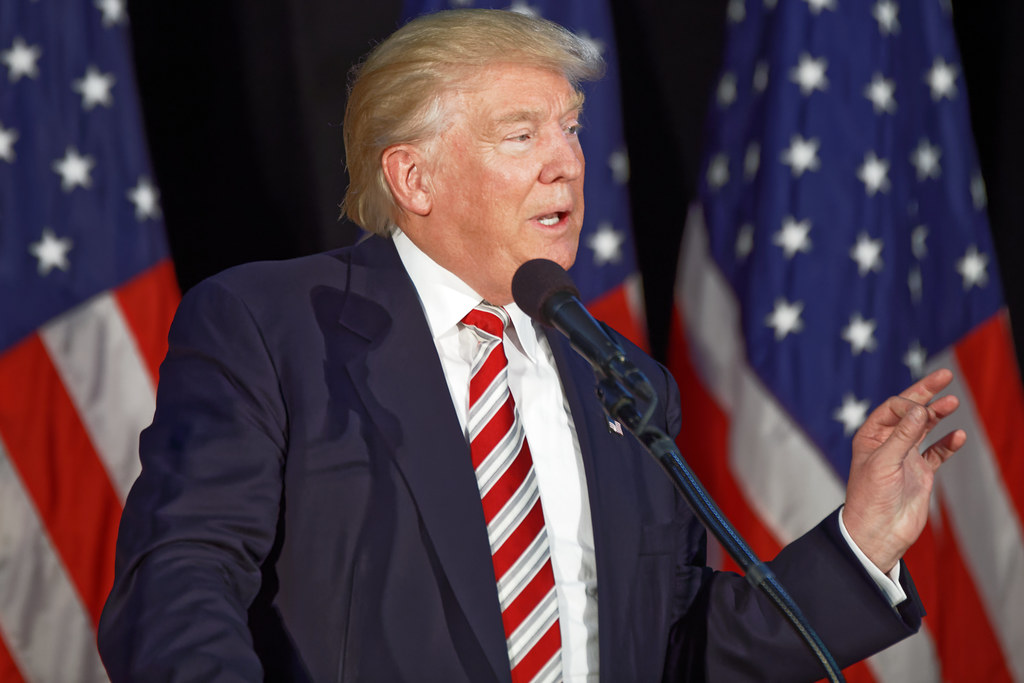
The Trump Accounts initiative offers a government-backed opportunity for newborns to start life with a financial asset. While the initial $1,000 may grow substantially over time, the overall impact will depend on additional contributions and investment performance. Families should consider their financial goals and consult with financial advisors to determine how Trump Accounts fit into their broader savings strategies.

Lena is a thoughtful and imaginative writer with a passion for storytelling across the themes of travel, environmental sustainability, and contemporary home aesthetics. With a background in cultural media and a strong visual sensibility, Anna Lena creates content that bridges inspiration with practical insight.
Her work explores the interplay between place, lifestyle, and design—guiding readers through meaningful travel experiences, eco-conscious choices, and modern approaches to living well. Known for her elegant writing style and attention to detail, she brings a fresh, human-centered perspective to every topic she covers.
Anna Lena contributes to digital publications and editorial projects where aesthetics meet purpose. Her writing not only informs but also encourages readers to live more intentionally, sustainably, and beautifully—wherever they are in the world.