


Matthias is a skilled author and digital storyteller with a focus on travel journalism, environmental issues, and modern home design. With a background in communications and a passion for global cultures, Matthias crafts engaging narratives that blend real-world exploration with thoughtful analysis and visual flair.
His writing reflects a deep interest in how climate change shapes our lives and lifestyles—from sustainable travel practices to eco-friendly living environments. Known for his clear, approachable voice and sharp editorial instincts, Matthias delivers content that resonates with readers seeking both inspiration and substance.
Whether reporting from remote destinations, breaking down sustainable design trends, or spotlighting innovative green initiatives, Matthias brings a global perspective and an eye for detail to every piece. He regularly contributes to web platforms and editorial projects that aim to foster awareness, creativity, and conscious living.
Massive Investment in Law Enforcement
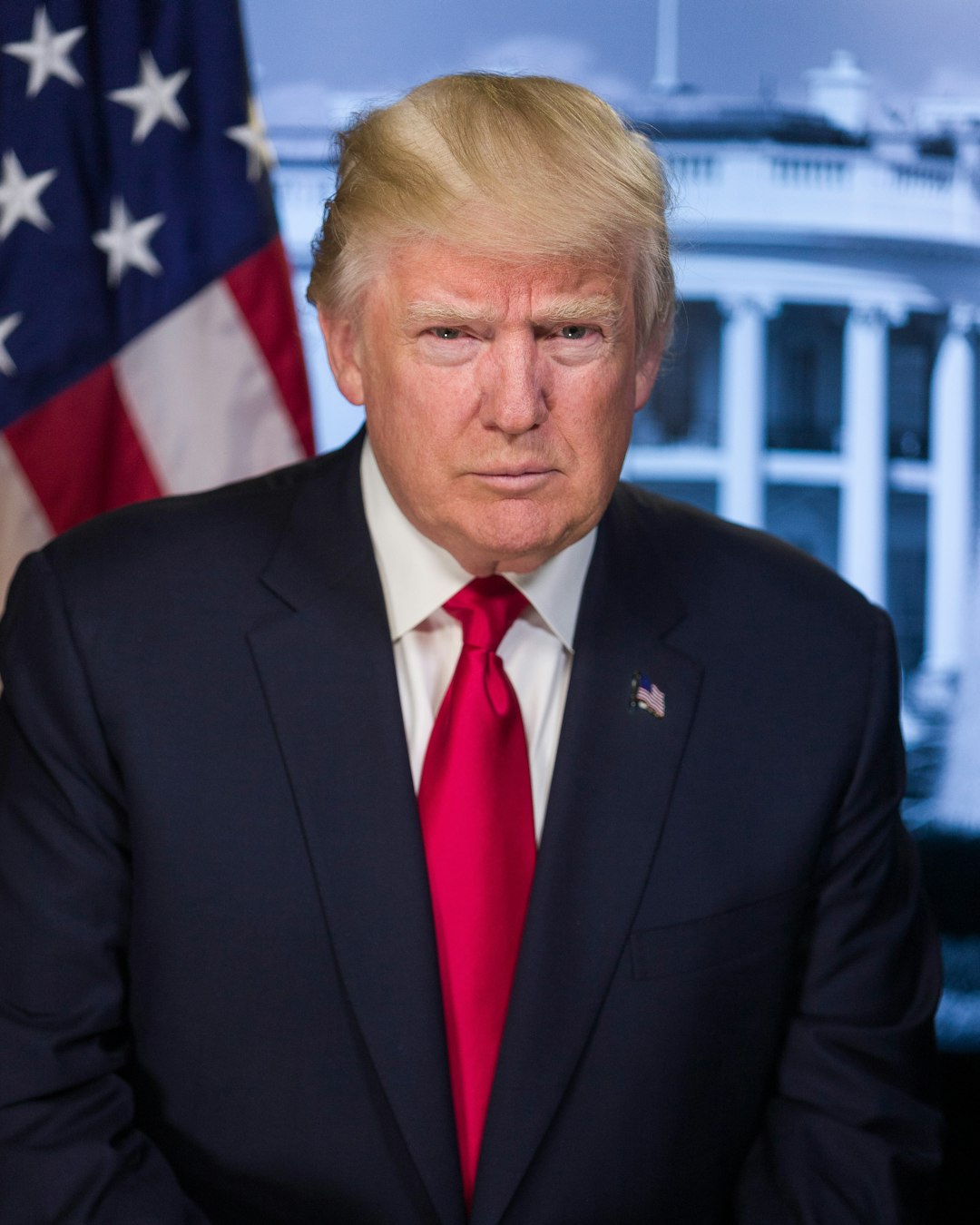
President Donald Trump’s “big, beautiful bill” channels tens of billions of dollars into law enforcement agencies, marking an unparalleled boost for those spearheading the administration’s intensified efforts against undocumented immigration. After Congress passed the legislation, the White House declared it the “largest investment in border security in a generation,” highlighting nearly $150 billion dedicated to border protection and deportation initiatives.
Funding Scale and Comparison

This new funding allocation will supply U.S. Immigration and Customs Enforcement (ICE) with more money over the next four years than the combined budgets of the FBI, Drug Enforcement Administration, Bureau of Alcohol, Tobacco, Firearms and Explosives, U.S. Marshals Service, and Federal Bureau of Prisons. According to the American Immigration Council, the sum is almost twice the size of the UK’s defense budget.
Expansion of Enforcement Personnel

The legislation sets aside resources to hire 10,000 new ICE agents, 5,000 customs officers, and 3,000 additional border patrol agents. While President Trump emphasized the tax cuts within the bill, several Republicans have stated that its primary focus is on bolstering border enforcement.
ICE’s Historic Budget Increase

Analysts note that the new funding makes ICE the most highly funded federal law enforcement agency in U.S. history. During his campaign, Trump had pledged to initiate the largest mass deportation operation ever, referring to undocumented immigrants in extremely harsh terms. Since his return to office, ICE has deported over 200,000 people, sparking major protests in numerous American cities.
Detention Facilities and Human Rights Concerns
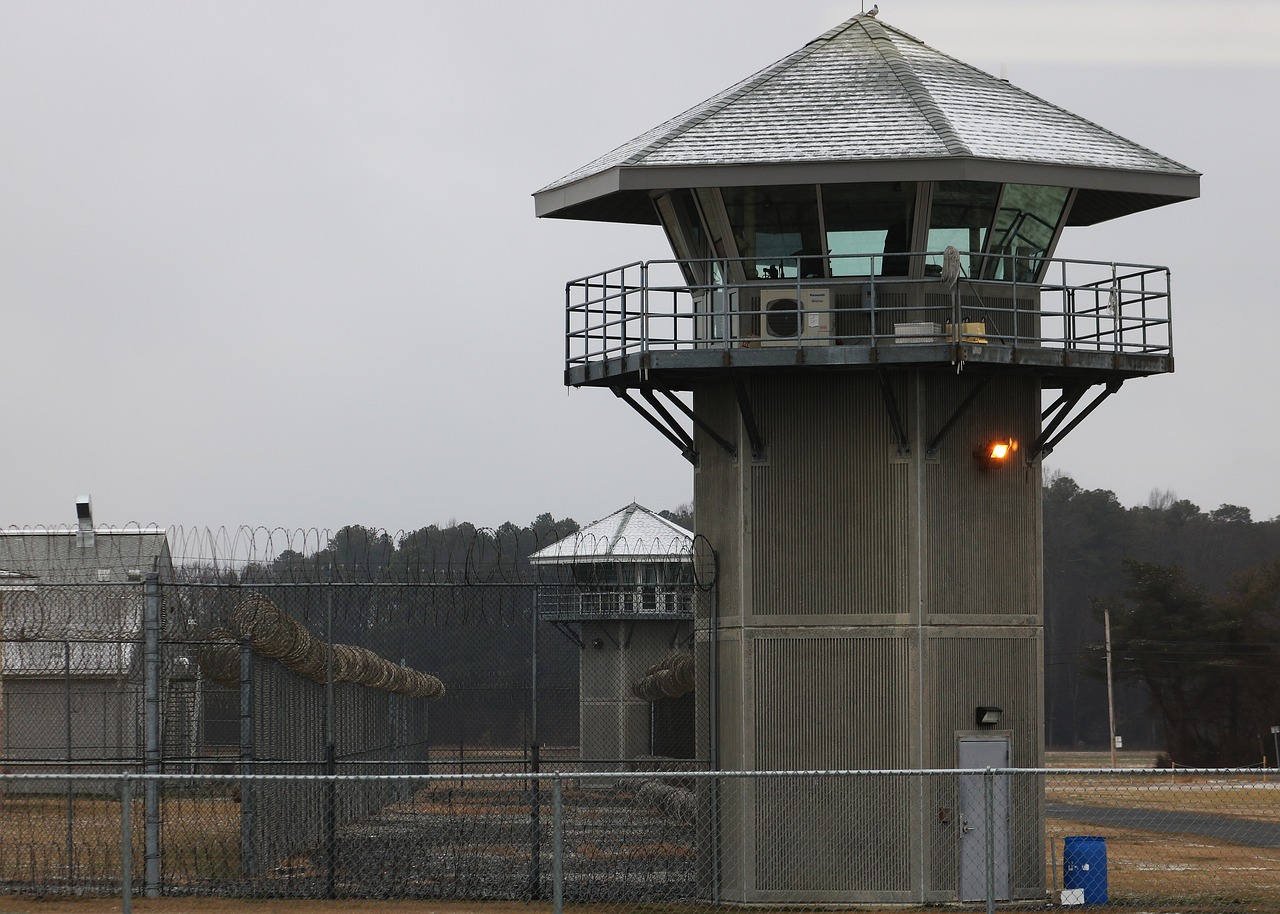
Trump recently promoted the bill during a visit to Florida, mentioning the new “Alligator Alcatraz” detention center. Current government data reveals over 59,000 individuals are being held in ICE custody—more than ever before. Human rights groups claim these facilities frequently experience overcrowding and unsanitary conditions.
Civil Liberties Groups and Budget Details

The American Civil Liberties Union (ACLU) criticized the bill, arguing that it finances a significant and lasting expansion of an immigration enforcement system that allegedly denies due process and infringes on human rights. The legislation allocates $46.4 billion for operations related to the US-Mexico border wall, including the construction of checkpoints, training of agents, and enhanced anti-drug technology. An additional $45 billion is earmarked for expanding detention capacity and $29.8 billion for further ICE operations.
Opposition from Religious Leaders

Prior to the bill’s passage, 20 Catholic bishops released an open letter denouncing the plan, warning that the mass deportation effort would separate families, harm both U.S. citizens and immigrant children, and destabilize communities. They cautioned that the policy would trigger immigration raids nationwide, affecting many immigrant families who are vital contributors to the U.S. economy.

Matthias is a skilled author and digital storyteller with a focus on travel journalism, environmental issues, and modern home design. With a background in communications and a passion for global cultures, Matthias crafts engaging narratives that blend real-world exploration with thoughtful analysis and visual flair.
His writing reflects a deep interest in how climate change shapes our lives and lifestyles—from sustainable travel practices to eco-friendly living environments. Known for his clear, approachable voice and sharp editorial instincts, Matthias delivers content that resonates with readers seeking both inspiration and substance.
Whether reporting from remote destinations, breaking down sustainable design trends, or spotlighting innovative green initiatives, Matthias brings a global perspective and an eye for detail to every piece. He regularly contributes to web platforms and editorial projects that aim to foster awareness, creativity, and conscious living.