


Henrieke Otte is an accomplished writer and content editor, specializing in topics that inspire thoughtful living—ranging from global travel and sustainable lifestyles to interior design and architecture. With a keen editorial sense and a background in cultural studies, Henrieke brings depth, elegance, and clarity to every piece she crafts.
Her work is known for its engaging voice, visual sensitivity, and ability to turn complex ideas into accessible, reader-friendly narratives. Whether exploring eco-conscious destinations, dissecting climate-conscious home trends, or curating serene living spaces, Henrieke writes with a balance of creativity and insight that resonates with design-savvy, environmentally aware audiences.
Driven by a love of meaningful storytelling and a refined aesthetic, Henrieke contributes regularly to digital platforms and magazines where quality content meets visual sophistication.
The Heart of the Attack
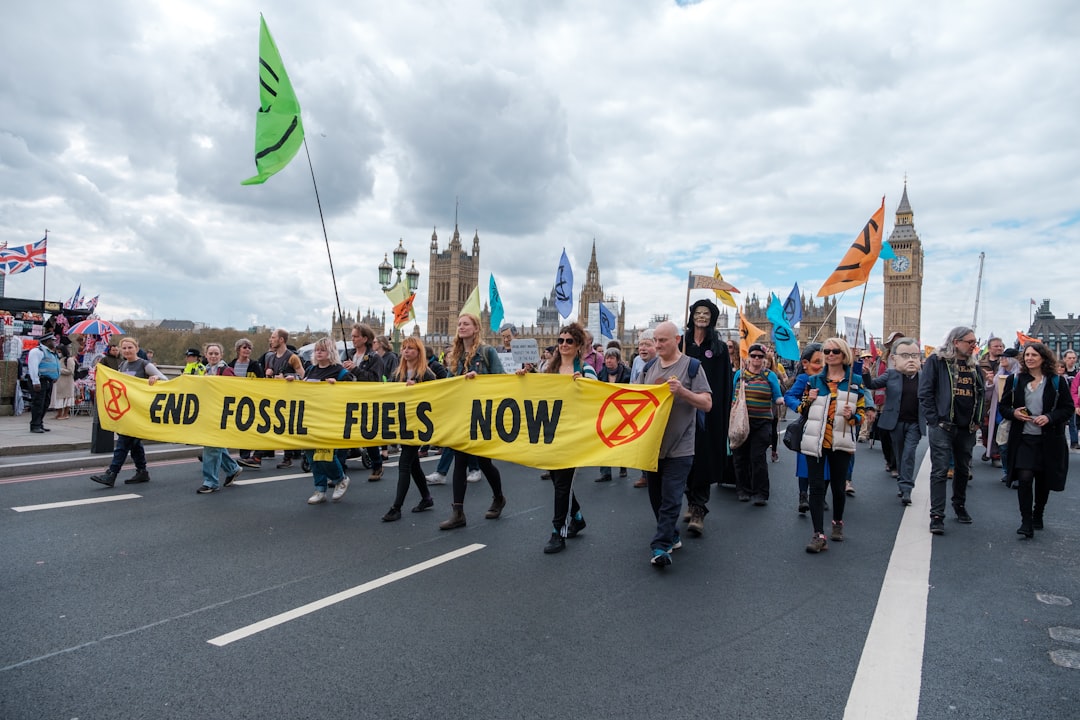
The sprawling “One Big Beautiful Bill Act” signed into law by President Donald Trump on July 4, 2025, represents the most aggressive assault on clean energy incentives in U.S. history. To help offset the cost of its nearly $4 trillion in regressive tax cuts, the House Republican reconciliation bill includes $546 billion in cuts to tax credits and other programs designed to promote clean energy. This staggering figure doesn’t just represent numbers on a spreadsheet—it translates to real families facing higher energy bills and vanishing opportunities for affordable clean energy upgrades.
The bill’s ruthless efficiency in dismantling Biden-era climate policies has shocked even seasoned energy policy experts. The sprawling Republican budget bill approved by the Senate Tuesday removes a proposed tax on solar and wind energy projects but quickly phases out tax credits for wind, solar and other renewable energy. This Jekyll-and-Hyde approach—removing one burden while creating a far more devastating one—perfectly encapsulates the GOP’s strategy of appearing reasonable while delivering a knockout blow to the clean energy sector.
Electric Vehicle Credits Vanish Almost Immediately

The “One Big Beautiful Bill Act,” which House Republicans passed in May, would end a tax credit of up to $7,500 for qualifying households that buy a new electric vehicle and a $4,000 credit for those who buy a used EV. These aren’t distant sunset provisions—they’re immediate terminations designed to halt the EV revolution in its tracks. The used EV credit disappears even faster, with the used EV (25E) tax credit is eliminated by September 30, 2025.
The brutality of these cuts extends beyond individual consumers. It would also end a separate tax incentive that allowed car dealers to pass along a $7,500 credit to consumers who lease an electric vehicle. This dealer-focused provision had made EVs accessible to middle-class families who couldn’t wait for tax season to claim their credits. Now, that pathway to affordability is gone.
Home Energy Upgrades Become Luxury Items

The assault on residential clean energy represents perhaps the most personal blow to American families. Additionally, the House bill would end the energy efficient home improvement credit (also known as the 25C credit) and residential clean energy credit (the 25D credit), which help consumers defray the cost of projects like installing insulation, solar panels, heat pumps, and installing energy-efficient windows and doors. These credits had enabled millions of homeowners to reduce their energy bills while improving their homes’ comfort and value.
The financial impact is staggering for individual families. Households can currently save $990 per year on utility bills if they utilize the 25C tax credit, and these credits create 240,000 jobs. The elimination of these incentives doesn’t just hurt wallets—it destroys livelihoods across the construction and energy efficiency sectors. This credit has assisted with the construction of nearly 350,000 efficient new homes in 2024 and cut homeowner energy bills by about $450 per year.
Solar Power Gets Dimmed
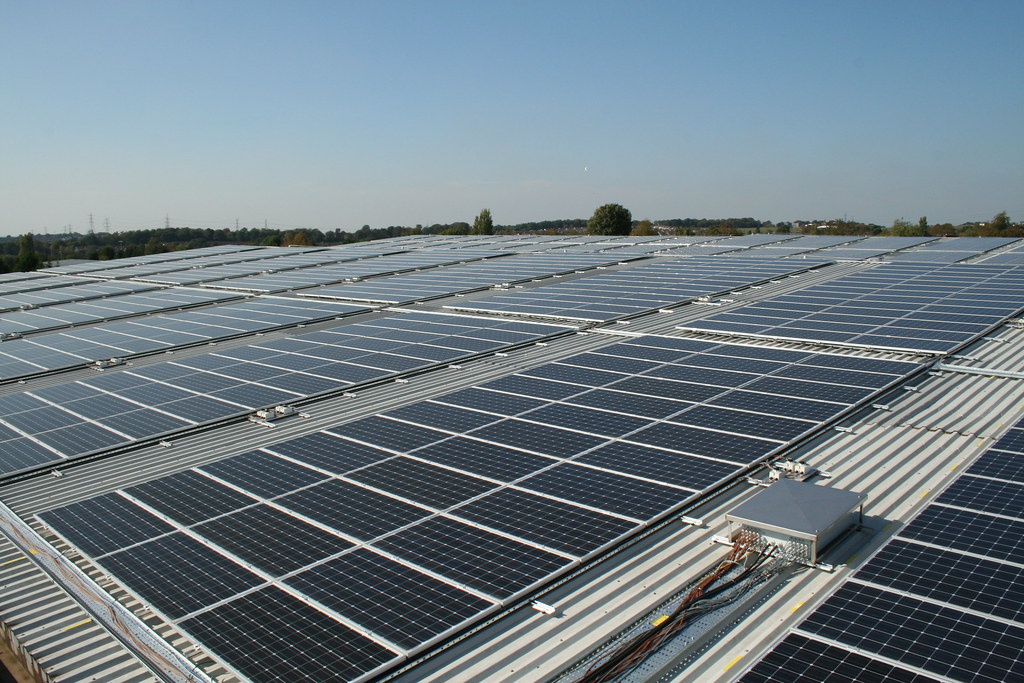
The residential solar industry faces an existential threat under the new legislation. 30% off the cost of installing battery storage systems, geothermal heating and rooftop solar. These credit amounts are uncapped. Rewiring America says average credits are worth $4,800 for battery storage, $7,200 for geothermal and $4,600 for solar. These substantial savings had made solar accessible to middle-class families, but now they’re disappearing just as solar technology was becoming mainstream.
The timing couldn’t be worse for the industry. The Residential Clean Energy Credit equals 30% of the costs of new, qualified clean energy property for your home installed anytime from 2022 through 2032. The original plan provided certainty for both consumers and installers, allowing long-term planning and investment. Now, that decade-long runway has been slashed to mere months.
Clean Energy Manufacturing Takes a Direct Hit

The bill’s attack on American clean energy manufacturing represents a strategic surrender to foreign competitors. The Advanced Energy Manufacturing Production Credit (45X) provides an incentive to manufacturing facilities that produce clean energy components or systems in the U.S. This credit had been crucial for rebuilding American manufacturing capacity in the clean energy sector, but now faces elimination or severe restrictions.
The restrictions imposed aren’t just cuts—they’re bureaucratic nightmares designed to make compliance impossible. As discussed below, the House bill defines “material assistance” extremely broadly such that taxpayers must trace the origin of minute subcomponents and materials. This means companies must track every component back to its source, creating an administrative burden that effectively kills the programs even if they technically survive.
Commercial Buildings Lose Efficiency Incentives

The Energy Efficient Commercial Buildings Deduction (179D) provides a tax deduction for installing energy-efficient appliances and equipment in commercial buildings, like energy-efficient heating, lighting, and hot water. This deduction applies to building upgrades on existing properties, as well as new construction. For businesses trying to reduce operational costs while meeting sustainability goals, this deduction had provided crucial support.
The elimination of these incentives creates a domino effect throughout the economy. The Energy Efficient Commercial Buildings Deduction (179D) is amended so that it does not apply to property whose construction begins after June 30, 2026. This means that major commercial projects planned for the next few years will suddenly lose a key financing component, potentially stalling developments and eliminating jobs.
Energy Efficiency Programs Get Gutted

The broader assault on energy efficiency extends far beyond tax credits. The bill cuts grants, loans, and administrative funding for wind and solar installations, energy waste reduction, improvements to the electric grid, and energy upgrades in affordable housing. These cuts would make installing clean energy more expensive. These programs had provided crucial support for projects that individual tax credits couldn’t cover.
The human cost of these cuts will be felt most acutely by vulnerable communities. They also would make it harder for households to use less energy, exacerbating energy burdens — that is, the share of household income spent on energy bills — especially for rural and low-income households. The bill essentially forces the Americans who can least afford higher energy bills to bear the burden of the GOP’s tax cut priorities.
Clean Ports and Environmental Justice Under Attack
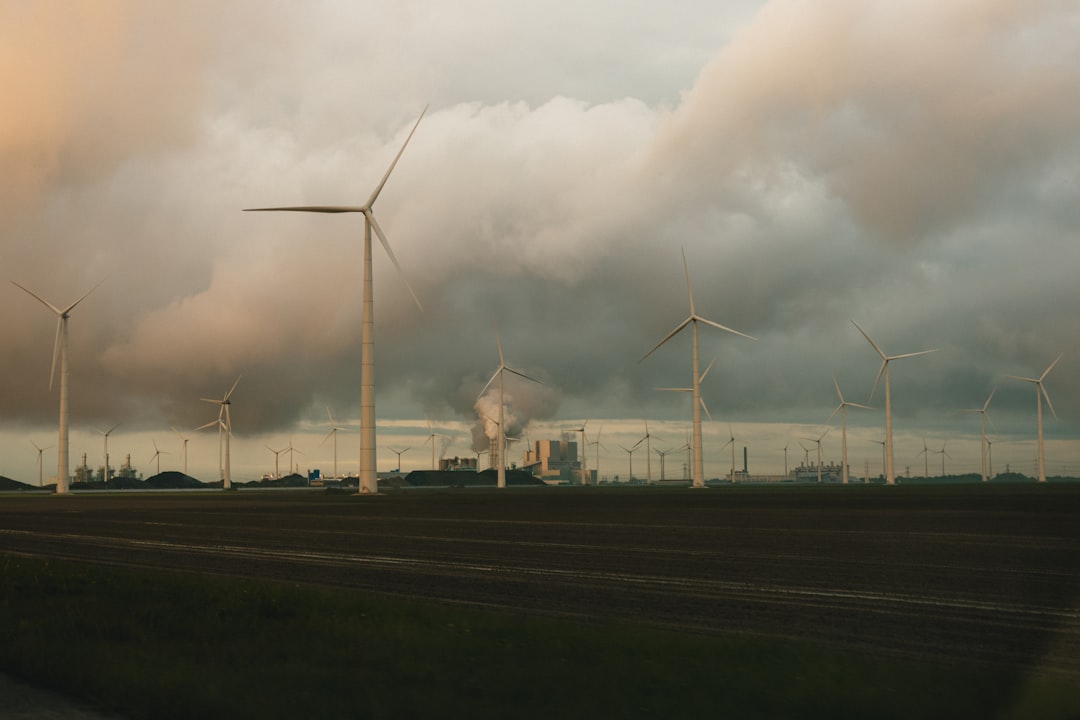
The environmental justice implications of the bill are staggering. The EPA’s Clean Ports Program provides $3 billion in grants to fund zero-emission port equipment and technology and to assist U.S. ports in developing climate action plans to reduce air pollutants. Grants were awarded in 2024 to 55 projects across the country that will eliminate “more than 3 million metric tons of carbon pollution, equivalent to 391,220 homes’ energy use for one year.”
The communities that will suffer most from these cuts are already dealing with the heaviest pollution burdens. The bill completely repeals section 133 of the Clean Air Act, the Clean Ports Program, with any unobligated funding rescinded. This means that frontline communities near major ports will continue to breathe toxic air while wealthy Americans enjoy tax cuts.
Timeline of Destruction

The speed of these cuts reveals their punitive nature. With few exceptions, these tax breaks would disappear in 2026, about seven years earlier than under current law, which makes them available through 2032. This isn’t gradual policy adjustment—it’s economic shock therapy designed to kill the clean energy sector before it can establish deep roots in the American economy.
The accelerated timeline creates particular hardship for consumers and businesses who had made long-term plans based on existing law. This proposal would end EV tax credits for new EVs (30D) and used EVs (25E), commercial clean vehicles (45W), and fueling infrastructure (30C) as of September 30, 2025. Families who ordered EVs expecting credits will find themselves financially stranded.
The Bigger Picture

This assault on clean energy incentives represents more than fiscal policy—it’s a fundamental shift in America’s energy future. In addition, it phases out some clean energy tax credits that were included in the Biden-era Inflation Reduction Act, and promotes fossil fuels over renewable energy. While other nations race ahead with clean energy investments, America is deliberately handicapping itself to benefit fossil fuel interests.
The political calculation is clear: Republicans would use these federal funds and others from reductions to Medicaid and food assistance programs to pay for domestic policy priorities like tax cuts. Clean energy programs that benefit millions of Americans are being sacrificed to fund tax cuts that primarily benefit the wealthy. This isn’t just bad energy policy—it’s a betrayal of the American middle class.
The question isn’t whether these cuts will hurt American families and workers—it’s how much damage they’ll inflict before the next election cycle. Will voters remember who made their energy bills higher and their clean energy dreams more expensive?

Henrieke Otte is an accomplished writer and content editor, specializing in topics that inspire thoughtful living—ranging from global travel and sustainable lifestyles to interior design and architecture. With a keen editorial sense and a background in cultural studies, Henrieke brings depth, elegance, and clarity to every piece she crafts.
Her work is known for its engaging voice, visual sensitivity, and ability to turn complex ideas into accessible, reader-friendly narratives. Whether exploring eco-conscious destinations, dissecting climate-conscious home trends, or curating serene living spaces, Henrieke writes with a balance of creativity and insight that resonates with design-savvy, environmentally aware audiences.
Driven by a love of meaningful storytelling and a refined aesthetic, Henrieke contributes regularly to digital platforms and magazines where quality content meets visual sophistication.