


Matthias is a skilled author and digital storyteller with a focus on travel journalism, environmental issues, and modern home design. With a background in communications and a passion for global cultures, Matthias crafts engaging narratives that blend real-world exploration with thoughtful analysis and visual flair.
His writing reflects a deep interest in how climate change shapes our lives and lifestyles—from sustainable travel practices to eco-friendly living environments. Known for his clear, approachable voice and sharp editorial instincts, Matthias delivers content that resonates with readers seeking both inspiration and substance.
Whether reporting from remote destinations, breaking down sustainable design trends, or spotlighting innovative green initiatives, Matthias brings a global perspective and an eye for detail to every piece. He regularly contributes to web platforms and editorial projects that aim to foster awareness, creativity, and conscious living.
The Numbers Don’t Lie: California’s Housing Crisis Is Real
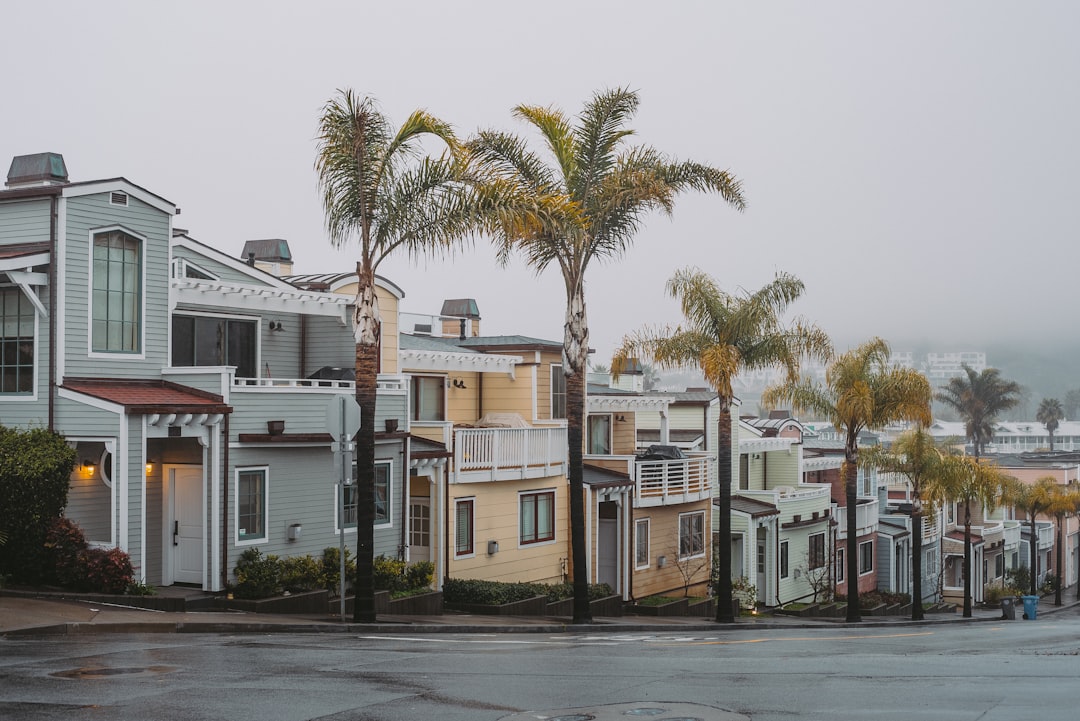
California’s housing shortage has reached crisis proportions, with Gov. Gavin Newsom’s administration setting a statewide production goal of roughly 2.5 million new units by the end of the decade — or roughly 315,000 per year. Yet in 2023 residential permits declined by 2.9% from 2022 to about 110,000 permitted units, showing how far short the state is falling. The reality is stark: by some estimates, California was 3.5 million housing units short of what we needed to accommodate a population of our size.
The human cost is devastating. Homelessness grew 6% in 2023 from the year prior, to more than 180,000 people, despite California spending $20 billion over the past five years dedicated to the state’s homelessness crisis. This isn’t just about statistics – it’s about families sleeping in cars and young professionals living in overcrowded apartments. Throughout 2023, more than 300,000 people accessed homeless services through local agencies, highlighting the massive scale of need.
Home Prices That Break the Bank

Median home prices in the Golden State hit $868,150 in 2024, giving California (again) the unwanted accolade of being the most expensive housing market in the nation. But it gets worse – mid-tier homes in California — those in the 35th to 65th percentile range — are now more than twice as expensive as the typical mid-tier home in the rest of the United States. Think about that for a moment: what you’d pay for a decent house in most of America gets you maybe half the home in California.
The monthly payment reality is even more brutal. Payments for a mid-tier home were nearly $5,900 a month in March 2024—a 82 percent increase since January 2020. Annual household income needed to qualify for a mortgage on a mid-tier California home in March 2025 was about $234,000—over 2 times the median California household income in 2023 ($96,500). These numbers reveal a fundamental disconnect between what people earn and what housing costs.
Construction Workers Are Missing in Action

Here’s something that might surprise you: even when developers want to build, they can’t find enough workers. While the number of permitted units spiked by 230% between 2009 and 2023, the number of workers has grown by only 45%. This massive labor shortage creates a bottleneck that chokes off housing production at its source.
Experts attribute the lack of construction labor to restrictive immigration laws, a tighter overall labor market, the inability of residential jobs to compete with higher paying commercial projects and a construction workforce that is still coming back online after it was gutted during the Great Recession. California’s labor shortage is resulting in higher costs and challenging timelines for construction companies. 78% of companies surveyed are having difficulty hiring skilled workers. It’s like trying to fill a bathtub with a teaspoon – the demand is huge but the tools are inadequate.
CEQA: The Environmental Law That Became a Housing Killer

The California Environmental Quality Act (CEQA) was supposed to protect the environment, but it became a weapon against housing development. The law allows any individual or group to sue if they argue that a required environmental study isn’t accurate, expansive or detailed enough. Such lawsuits — and even the mere threat of them —add a degree of delay, cost and uncertainty that make it impossible for the state to build its way to affordability.
The absurdity reached peak levels when a California judge ordered UC–Berkeley to freeze its enrollment on the grounds that more students would be bad for the environment. Ridiculous as the argument was (practically nowhere in the United States would students have a lower carbon footprint than in Berkeley), this was not the only time that Cal students would be labeled as “pollution” under the California Environmental Quality Act. However, after a decade of battling, lawmakers just exempted infill urban development from the California Environmental Quality Act, or CEQA in 2025.
The Zoning Straitjacket

California’s zoning laws act like a straitjacket on housing development. Lengthy permitting processes and restrictive zoning laws also contribute to the housing shortage. For instance, many cities in California limit high-density housing developments, making it harder to meet the growing demand for affordable homes. Imagine trying to solve a housing crisis while legally preventing people from building apartments where people actually want to live.
The good news is that some cities are waking up. The city council of Berkeley voted unanimously on June 27, 2025 to repeal its 109-year-old single-family zoning ordinance and legalize three-story buildings with up to eight units each on a 5,000 sq ft lot. In September 2024, the city council passed an ordinance allowing small apartment buildings up to three stories tall in all residential areas previously zoned for single-family housing. These changes show what’s possible when local governments prioritize housing over exclusionary zoning.
Interest Rates: The Double-Edged Sword

Mortgage rates have become a major player in California’s housing drama. The prevailing mortgage rate on a 30-year fixed rate mortgage skyrocketed from 2.7% in January 2021 to 7.6% in October 2023, dropping only slightly to 6.2% in September 2024. As of June 26, 2025, the average 30-year fixed mortgage rate is around 6.77%, making homeownership even more expensive.
This creates a vicious cycle: higher rates mean fewer people can afford homes, but it also means fewer people sell their homes because they don’t want to give up their low-rate mortgages. The result is even less inventory in an already constrained market. The forecast predicts that the average 30-year fixed-rate mortgage will decline from 6.6% in 2024 to 5.9% in 2025, which could provide some relief.
The Rent Trap

While home prices grab headlines, the rental market tells its own story of hardship. Renters face similar challenges, with median rents for a two-bedroom apartment exceeding $3,000 monthly in many urban areas. More than 25% of renters have high-cost burdens, spending more than 50% of their income on housing, and over 50% of renters pay more than 30% of their earnings on housing. When half your paycheck goes to rent, there’s not much left for anything else.
Interestingly, although California remains one of the most expensive states in the country for renters, the state surprisingly saw reductions in median rents in 2024 across many major cities. The most significant drops in rental prices were observed in Oakland and Sacramento, where rates fell by 9.1% and 8.1%, respectively, compared to 2023. This might signal a market correction, but it’s too early to declare victory.
The Great California Exodus
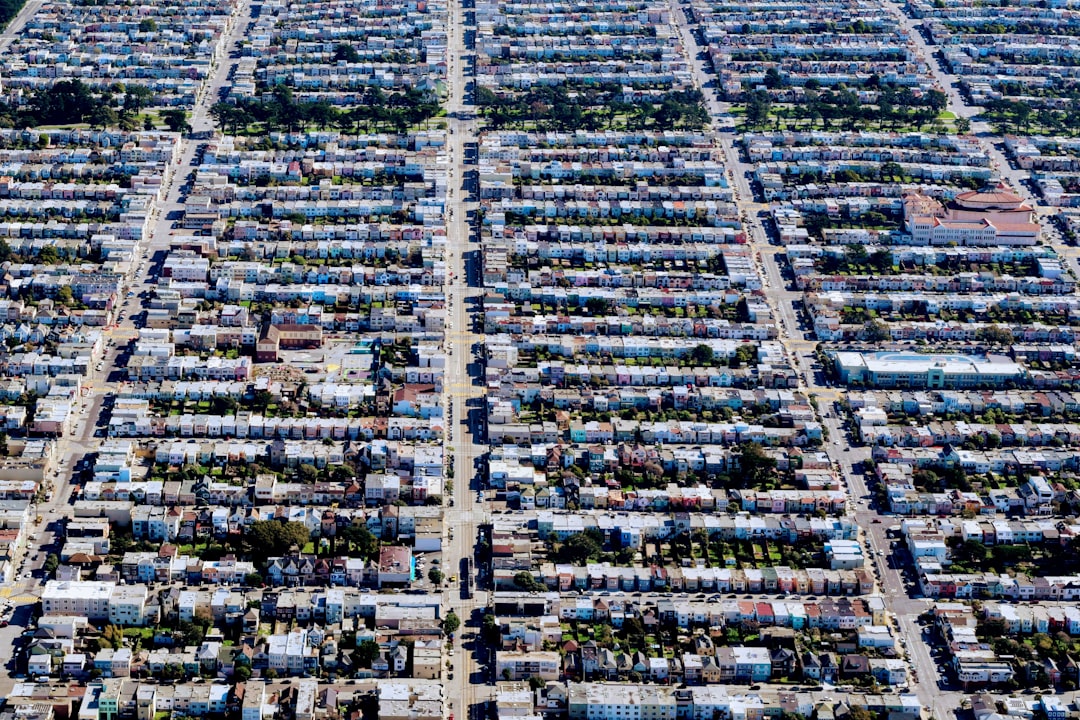
High housing costs are literally driving people out of California. Between 2000 and 2020, California experienced a net loss of 2.6 million residents to other parts of the United States. Since 2010, 7.5 million people have left California for other states, while only 5.8 million moved in. These aren’t just statistics – they represent teachers, nurses, firefighters, and other essential workers who can no longer afford to live here.
The contrast with other states is striking. Bloomberg reported that rents in Austin had fallen by 22% since August 2023, after the city allowed increased density and taller buildings, made it easier to get building permits, and eliminated parking requirements. Austin shows what happens when a city prioritizes housing production over restrictive regulations.
The Construction Cost Explosion

Building costs have exploded beyond recognition. Two especially big ones are more expensive materials — which saw particularly price hikes during and immediately following the pandemic — and a relative shortage of labor. Land costs, permitting delays, borrowing costs, local fees and the threat of litigation can all add up. It’s like trying to build a house while someone keeps adding weights to your tools.
Subsidized housing typically receive public funding and so have to abide by heightened hiring, wage, environmental and public amenity requirements. While these requirements have good intentions, they add layers of cost and complexity that make affordable housing ironically expensive to build. The system seems designed to prevent the very housing it’s supposed to encourage.
The Political Awakening

California’s political establishment is finally waking up to the housing crisis. Brian Hanlon, the CEO of California YIMBY, which has pushed for state housing reform, called the bill “one of the biggest wins for housing in a generation” when referring to the new CEQA reforms. These groups lobby both locally and in Sacramento for increased housing production at all price levels, as well as using California’s Housing Accountability Act (“the anti-NIMBY law”) to sue cities when they attempt to block or downsize housing development.
The political shift is real. Yesterday, the state legislature, with substantial bipartisan support, passed and Gov. Gavin Newsom signed a new law that put major limits on CEQA’s applicability. This represents a fundamental change in how California approaches housing development, prioritizing production over process.
California’s housing crisis isn’t the result of any single factor, but rather a perfect storm of regulatory barriers, labor shortages, high construction costs, and decades of underbuilding. The recent reforms to CEQA and zoning laws represent promising steps forward, but the state still faces an enormous challenge in building enough housing to meet demand. With median home prices approaching $900,000 and hundreds of thousands of people struggling with housing costs, the stakes couldn’t be higher for California’s future.

Matthias is a skilled author and digital storyteller with a focus on travel journalism, environmental issues, and modern home design. With a background in communications and a passion for global cultures, Matthias crafts engaging narratives that blend real-world exploration with thoughtful analysis and visual flair.
His writing reflects a deep interest in how climate change shapes our lives and lifestyles—from sustainable travel practices to eco-friendly living environments. Known for his clear, approachable voice and sharp editorial instincts, Matthias delivers content that resonates with readers seeking both inspiration and substance.
Whether reporting from remote destinations, breaking down sustainable design trends, or spotlighting innovative green initiatives, Matthias brings a global perspective and an eye for detail to every piece. He regularly contributes to web platforms and editorial projects that aim to foster awareness, creativity, and conscious living.