

Lena is a thoughtful and imaginative writer with a passion for storytelling across the themes of travel, environmental sustainability, and contemporary home aesthetics. With a background in cultural media and a strong visual sensibility, Anna Lena creates content that bridges inspiration with practical insight.
Her work explores the interplay between place, lifestyle, and design—guiding readers through meaningful travel experiences, eco-conscious choices, and modern approaches to living well. Known for her elegant writing style and attention to detail, she brings a fresh, human-centered perspective to every topic she covers.
Anna Lena contributes to digital publications and editorial projects where aesthetics meet purpose. Her writing not only informs but also encourages readers to live more intentionally, sustainably, and beautifully—wherever they are in the world.
Opened Tomato Sauce
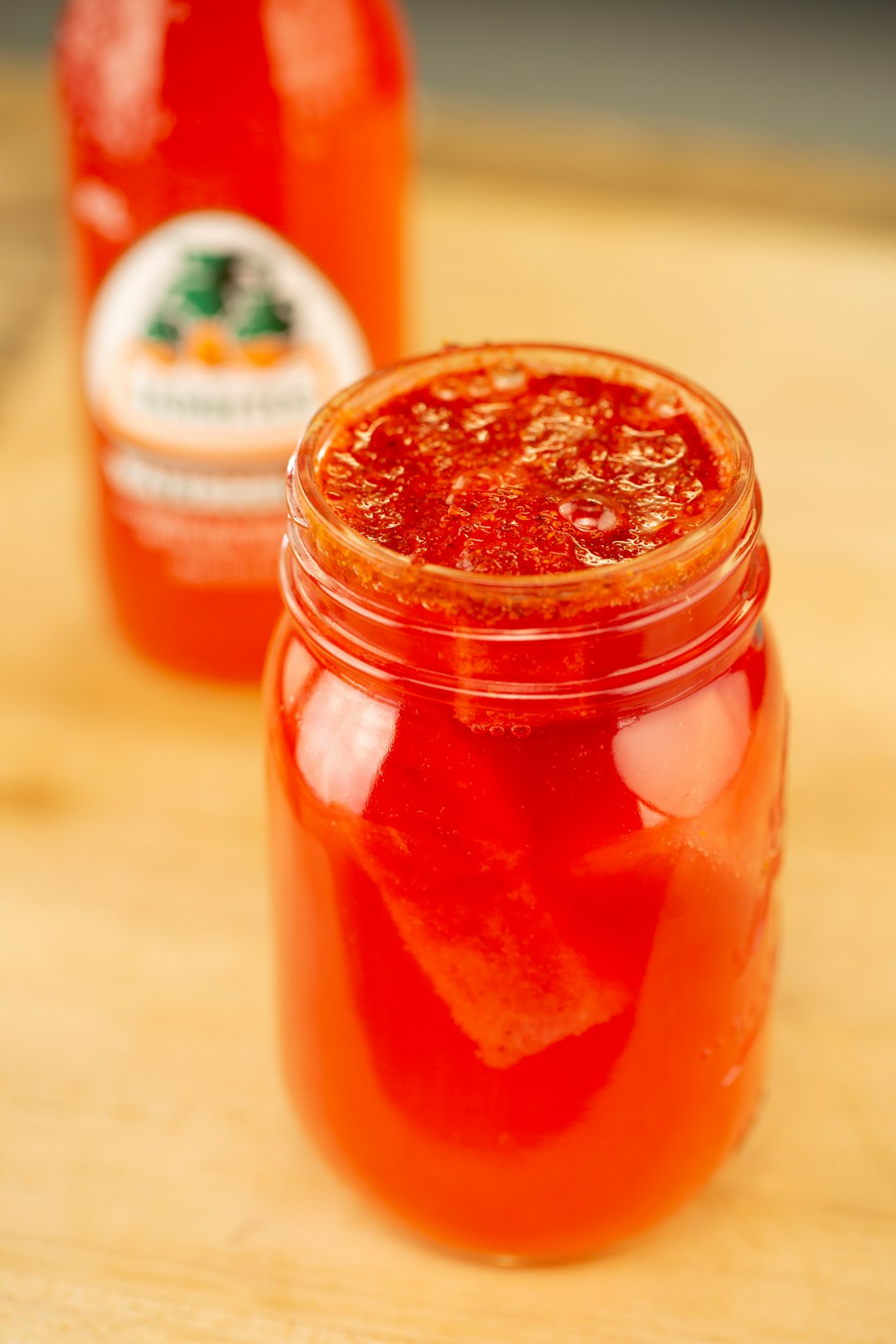
That half-used jar of marinara sauce sitting on your pantry shelf is basically a bacteria breeding ground waiting to happen. Your pantry may be stocked with tomato sauce you bought the last time there was a sale, but it should always go in the fridge after you open it. “In the old days, a lot of us used to keep tomato sauce in the pantry,” Lydia Buchtmann, spokeswoman for the Food Safety Information Council, told HuffPost Australia. The acidity in tomato sauce drops significantly once exposed to air, creating perfect conditions for harmful bacteria to multiply.
Recent food safety data from 2024 shows that the number of recalls because of Listeria, Salmonella or E. coli increased significantly in 2024 and comprised 39% of all recalls. Your opened tomato sauce belongs in the refrigerator, where it can safely last for up to two weeks.
Cured Meats and Salami

If you’re keeping that fancy salami or prosciutto in your pantry, you’re gambling with food poisoning. You already know to keep raw meat like chicken and beef in the fridge, and the same applies for cured meat like salami. In a 2006 study, researchers found that 23 percent of the tested 1,020 dry Italian salami contained the foodborne pathogen Listeria monocytogenes. The salt and curing process doesn’t make these meats invincible against bacteria growth.
Curing meats is a long-used pre-refrigeration food preservation method, but the salami, pepperoni, prosciutto, smoked sausage, ham, or other charcuterie you brought home still store best in the fridge. While less likely than raw meat to host harmful bacteria, cured meats stored in the pantry can be more likely to become pathogen parties, especially once you open the package. Store them in the refrigerator for up to four weeks once opened.
Opened Condiments and Sauces
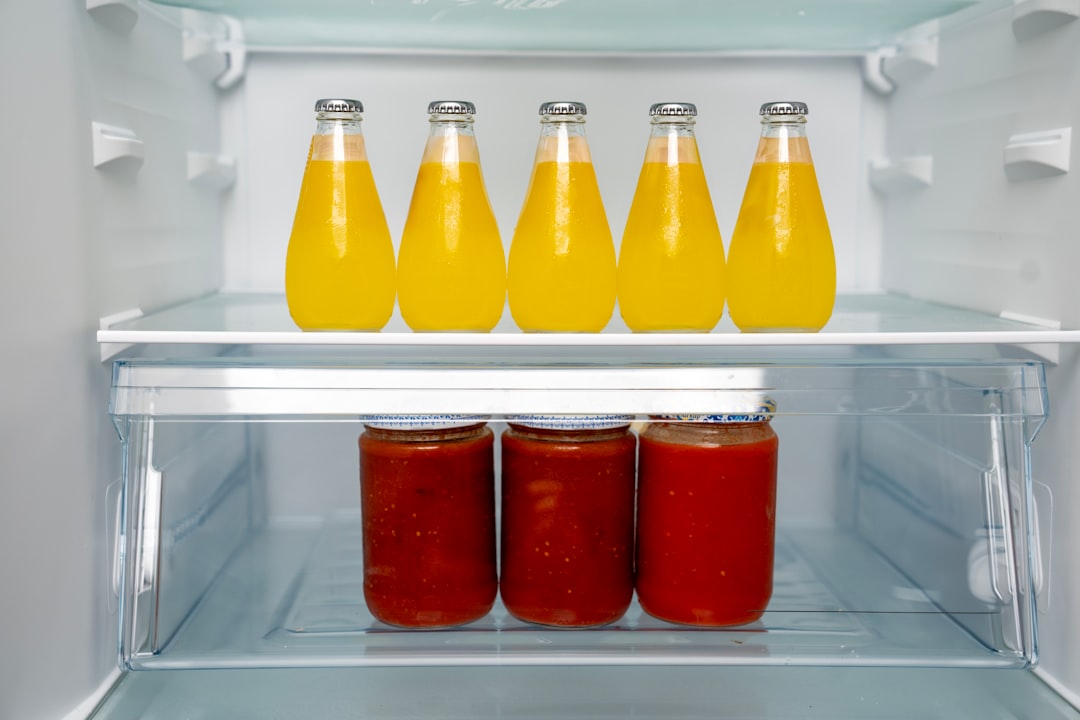
Your ketchup, mustard, and barbecue sauce might seem shelf-stable, but once opened, they need refrigeration to maintain quality and safety. Ketchup, mustard, mayo, horseradish, and barbecue sauce can contain enough vinegar or other acid to make them shelf-stable, but once opened, refrigeration keeps them fresher longer. Opened mayo may be stored in the fridge for up to a month, and ketchup, mustards, and barbecue sauce for up to a year. While these condiments won’t necessarily make you sick if left out, their flavor deteriorates rapidly.
The 2024 food safety crisis highlighted the importance of proper storage. The researchers found that there were about 300 food recalls last year, leading to nearly 1,400 illnesses. Those recalls were associated with 487 people being hospitalized, as well as 19 deaths. Unfortunately, the 2024 hospitalizations and deaths are double the number that took place in 2023. Don’t risk becoming another statistic over a bottle of ketchup.
Opened Nut Butters
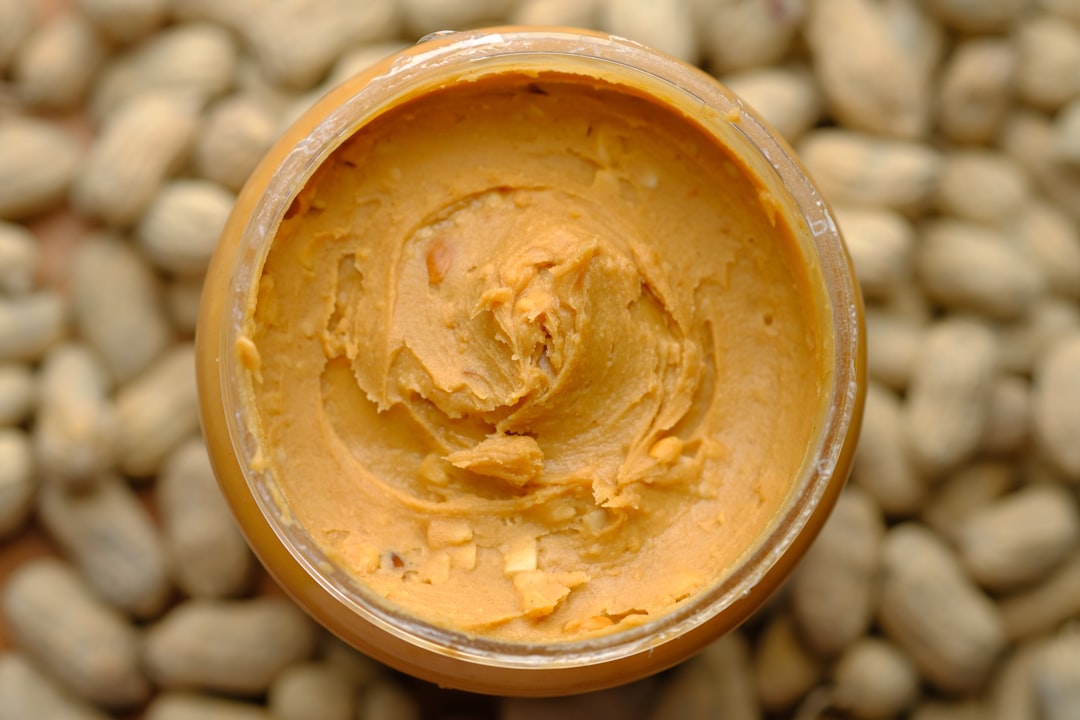
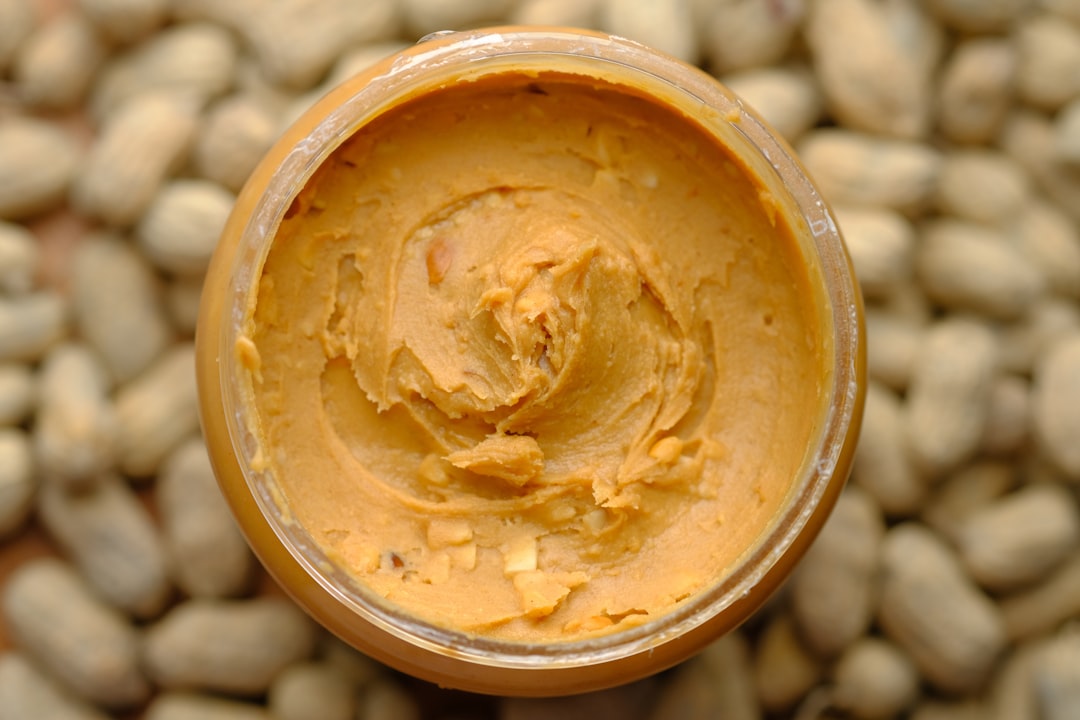
That jar of natural peanut butter you bought from the health food store has no business living in your pantry once opened. If you use a natural or homemade peanut butter, refrigerate it after opening. On the other hand, processed peanut butters have preservatives that make them OK to store at room temperature for a few months. Natural nut butters lack the preservatives that keep commercial versions stable at room temperature.
However, it’s recommended to avoid preservatives and buy only natural peanut butter (without hydrogenated oil) instead. If you don’t plan to use your peanut butter — any type — within three months, refrigerate it. The oils in natural nut butters can go rancid quickly in warm pantry conditions, giving you an unpleasant surprise when you’re craving that PB&J.
Opened Plant-Based Milks
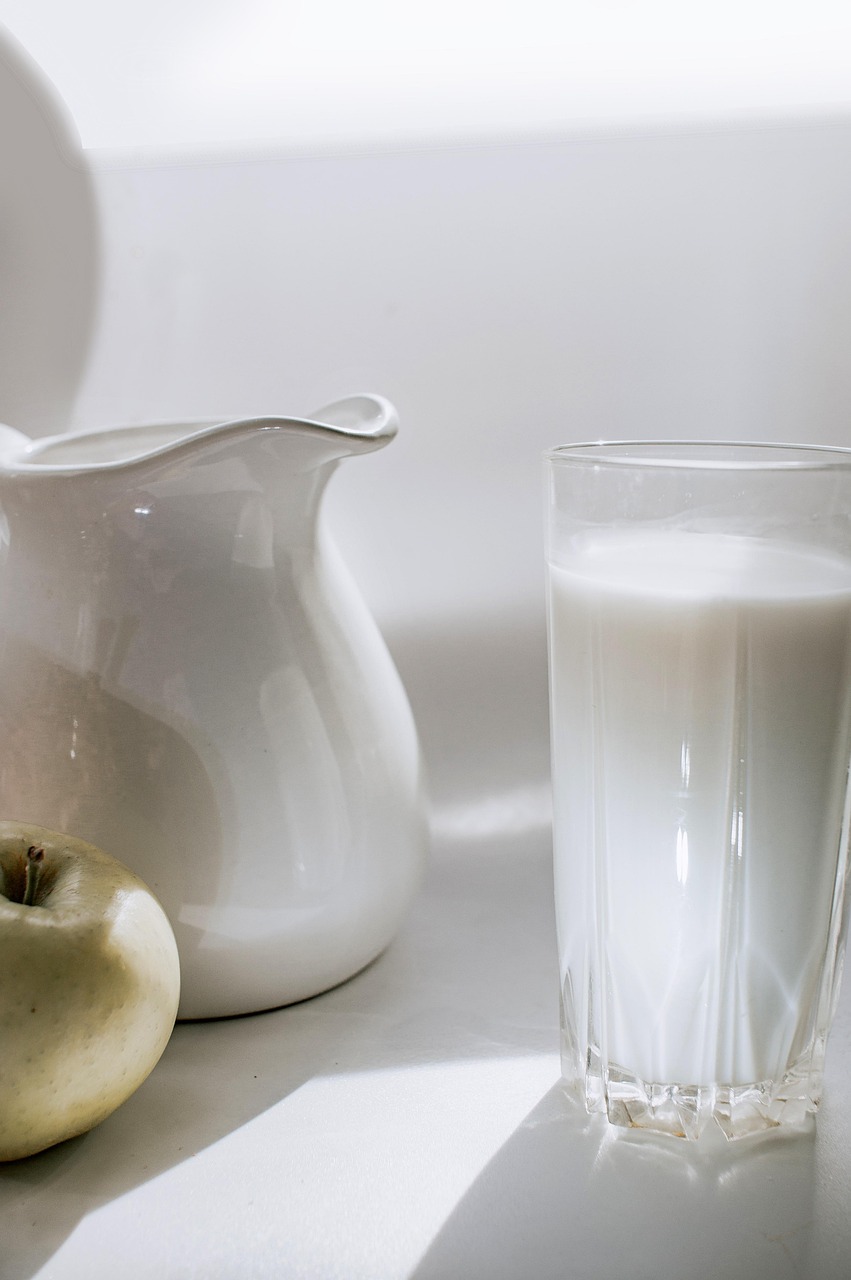
Those shelf-stable cartons of almond, oat, or soy milk can trick you into thinking they’re permanently pantry-friendly. Unopened plant-based milks can be safely stored in the pantry, but once opened, however, move that carton of soy, rice, or almond milk to the fridge. Then you’ll want to use it within a week. The moment you break that seal, you’re exposing the milk to bacteria that can multiply rapidly at room temperature.
This is especially critical given the current food safety climate. Unlike dairy milk, plant-based alternatives don’t have the same natural preservatives, making them more susceptible to spoilage once opened. Keep opened cartons in the refrigerator and use them within seven days for optimal safety and taste.
Opened Tortillas
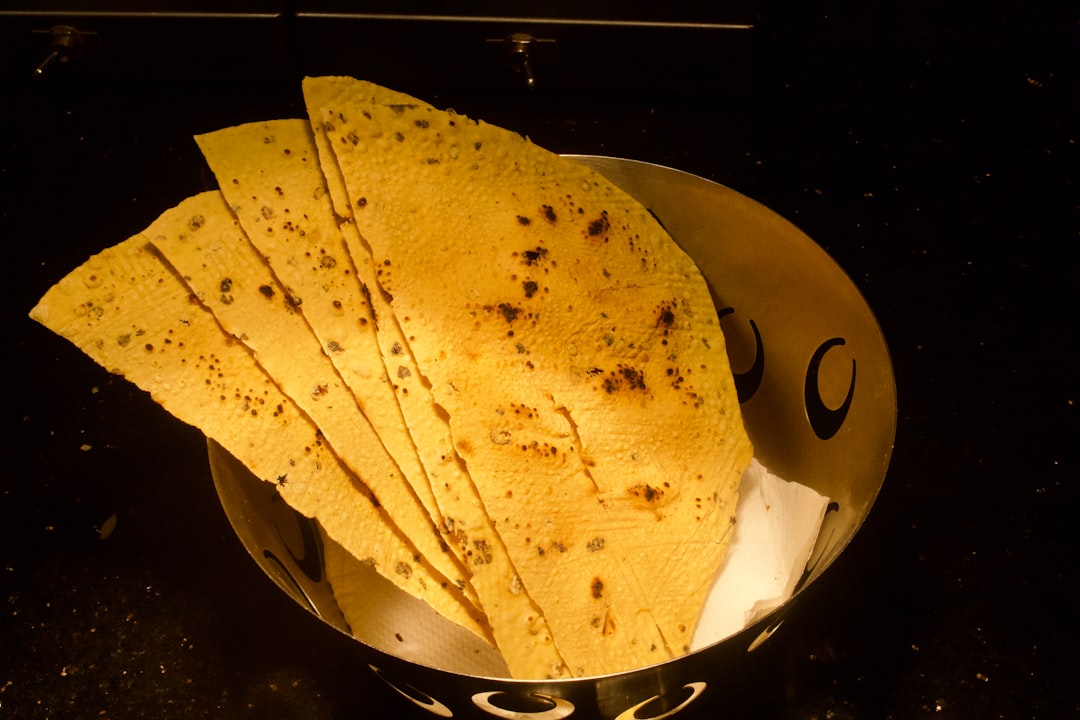
Your pantry might seem like the natural home for tortillas, but once you open that package, it’s time to relocate them. An unopened pack of tortillas can stay in the pantry. However, an open pack of flour or corn tortillas can turn rancid or get moldy within a week. An open pack of flour tortillas can keep in the fridge for up to a month or for corn tortillas, up to two months. The moisture and warmth in your pantry create perfect conditions for mold growth.
Nobody wants to unwrap a tortilla and find fuzzy green spots staring back at them. Refrigerated tortillas stay fresh and pliable much longer, and if they get a bit stiff, a quick warm-up in the microwave or pan will bring them back to life.
Ripe Bananas
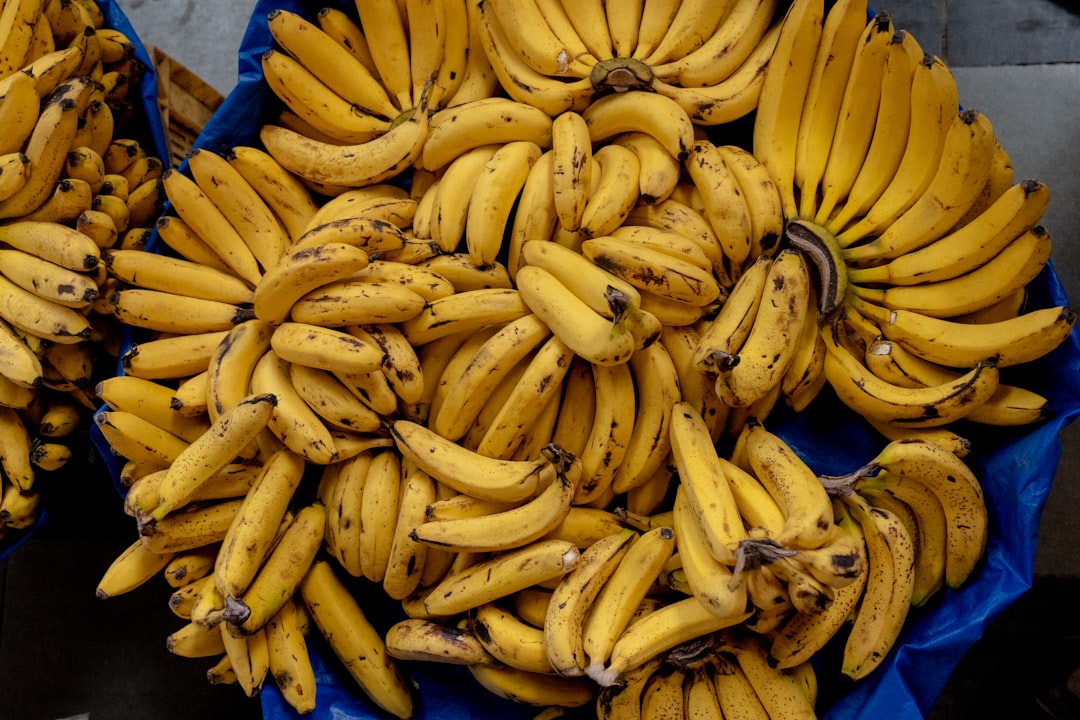
Here’s where things get interesting – bananas have a split personality when it comes to storage. Banana storage is all about strategy. Let green bananas ripen at room temperature; don’t refrigerate unripe bananas. Cold temperatures can derail ripening, even if the banana is warmed back up. But once they hit that perfect yellow sweetness, it’s time to move them to the refrigerator.
Once ripe, pop the bananas into the fridge. The peels will turn brown, but the banana inside will remain ripe and ready to eat for another two to nine days. Many people panic when they see those brown peels, but the fruit inside stays perfectly good. This strategy can save you money and reduce food waste significantly.
Opened Jam and Jelly
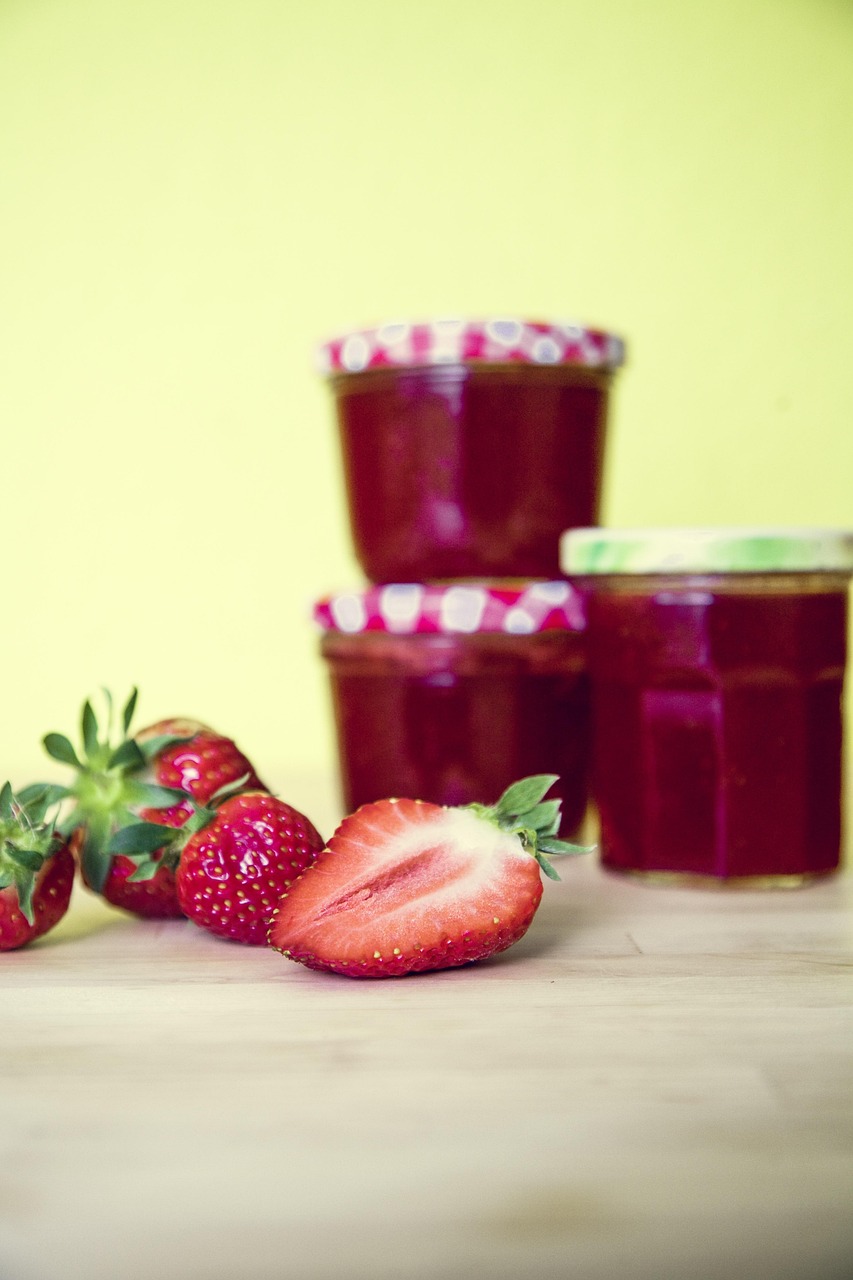
Your grandmother might have kept her jam in the pantry, but food safety standards have evolved. Fruit jams can remain at room temperature for up to a year, typically, if unopened. Once you crack the seal, though, refrigerate them. To check if a jam is still safe to consume after storage, follow your nose: If it smells like alcohol or yeast, throw it away, because it’s no longer safe for consumption. The sugar content in jam helps preserve it, but once opened, it becomes vulnerable to contamination.
The key indicator that your jam has gone bad is an alcoholic or yeasty smell – this means fermentation has begun, which can be dangerous. Some people prefer room temperature jams and jellies, but at the end of the day, wouldn’t you rather eat something that won’t potentially make you sick?
Opened Dried Fruits
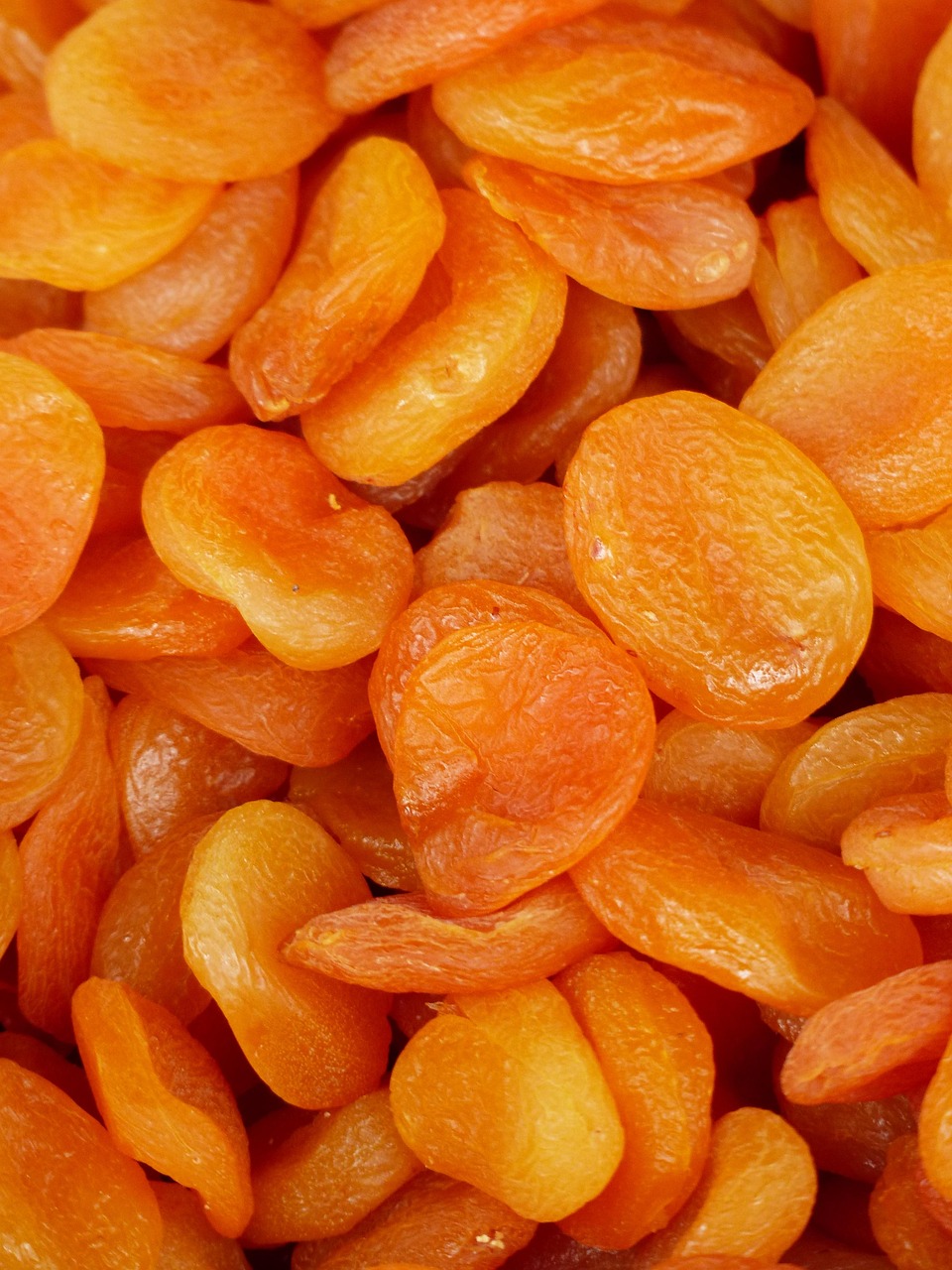
Those bags of raisins, dried cranberries, and other dried fruits seem like they should live forever in your pantry, but refrigeration can significantly extend their lifespan. Raisins, dried cranberries, and other dried fruits have had most of their moisture content removed, which extends shelf life. However, dried fruits can still stay fresher longer when refrigerated. You can store unopened packages for up to two years, and one year once opened. The pantry’s fluctuating temperatures and humidity can cause dried fruits to become tough and lose their flavor.
Refrigerated dried fruits maintain their chewy texture and concentrated sweetness much longer than their pantry-stored counterparts. Plus, you’ll avoid the disappointment of reaching for a handful of raisins only to find they’ve turned into tiny rocks. Storing food safely is all about knowing what items are best suited for the pantry and what should be refrigerated instead. By moving these 13 foods into cold storage, you can enjoy them longer—while stretching your family budget and decreasing food waste.

Lena is a thoughtful and imaginative writer with a passion for storytelling across the themes of travel, environmental sustainability, and contemporary home aesthetics. With a background in cultural media and a strong visual sensibility, Anna Lena creates content that bridges inspiration with practical insight.
Her work explores the interplay between place, lifestyle, and design—guiding readers through meaningful travel experiences, eco-conscious choices, and modern approaches to living well. Known for her elegant writing style and attention to detail, she brings a fresh, human-centered perspective to every topic she covers.
Anna Lena contributes to digital publications and editorial projects where aesthetics meet purpose. Her writing not only informs but also encourages readers to live more intentionally, sustainably, and beautifully—wherever they are in the world.