

Henrieke Otte is an accomplished writer and content editor, specializing in topics that inspire thoughtful living—ranging from global travel and sustainable lifestyles to interior design and architecture. With a keen editorial sense and a background in cultural studies, Henrieke brings depth, elegance, and clarity to every piece she crafts.
Her work is known for its engaging voice, visual sensitivity, and ability to turn complex ideas into accessible, reader-friendly narratives. Whether exploring eco-conscious destinations, dissecting climate-conscious home trends, or curating serene living spaces, Henrieke writes with a balance of creativity and insight that resonates with design-savvy, environmentally aware audiences.
Driven by a love of meaningful storytelling and a refined aesthetic, Henrieke contributes regularly to digital platforms and magazines where quality content meets visual sophistication.
Hardware Tools and Repair Items
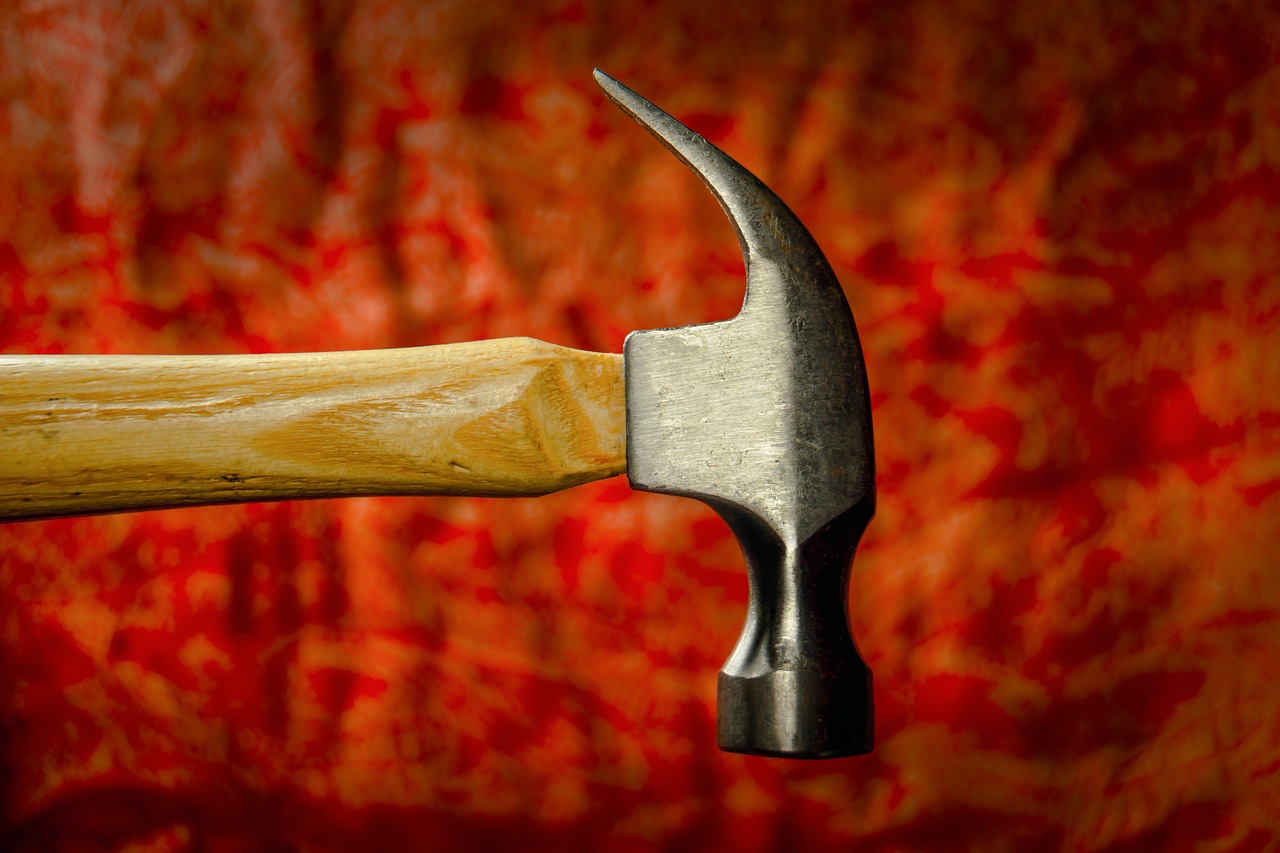
The infamous junk drawer shouldn’t actually exist in your kitchen at all, according to professional organizers. You don’t need a hammer and screwdriver to meal prep, and a more logical place for tools is the utility room or in the outside storage room. The main problem with junk drawers is that stuff goes in, but nothing ever comes out, and because the kitchen is a high-value space, we want to avoid items landing and becoming stagnant. Items like wrenches, screwdrivers, tape measures, and lightbulbs crowd out the kitchen tools you actually use daily. Relocate tools and junk drawer items to a utility drawer in the garage or a dedicated household toolbox, and if you want a small kit inside for quick fixes, limit it to just the essentials and label the container clearly.
Important Documents and Bills
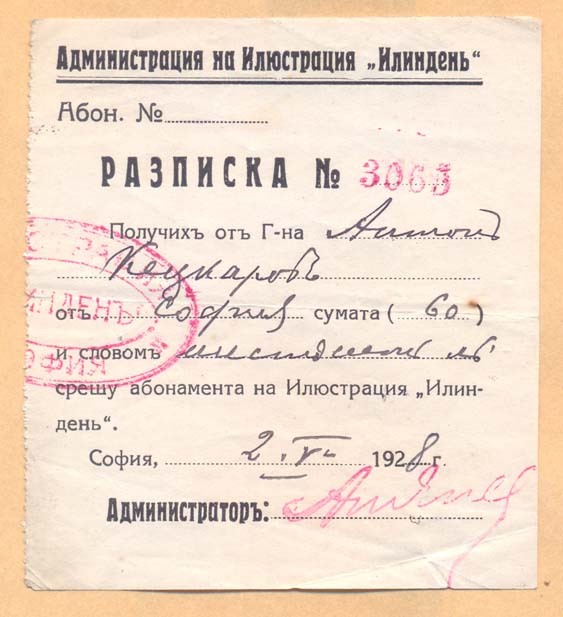
Papers are still one of the biggest offenders when it comes to kitchen clutter, as school permission slips, bills, coupon mailers, and appliance manuals multiply quickly. Instead of letting papers take up residence on your kitchen counters, take care of them immediately by recycling the junk mail and putting bills and other forms that require attention in your home office or desk area. Don’t shuffle in anything that needs to be addressed, as this is NOT the place for your bills, tickets, copies of your insurance card and the like, and give these things a real home so if there’s ever a home emergency or you need to settle your debts, you can find them with ease. Your bills and important documents should be stored in your office or safe, not your kitchen drawer, as it not only makes it hard to keep your information in order, but it is pretty stressful to remove a soy sauce stain from a document.
Charging Stations and Electronic Devices
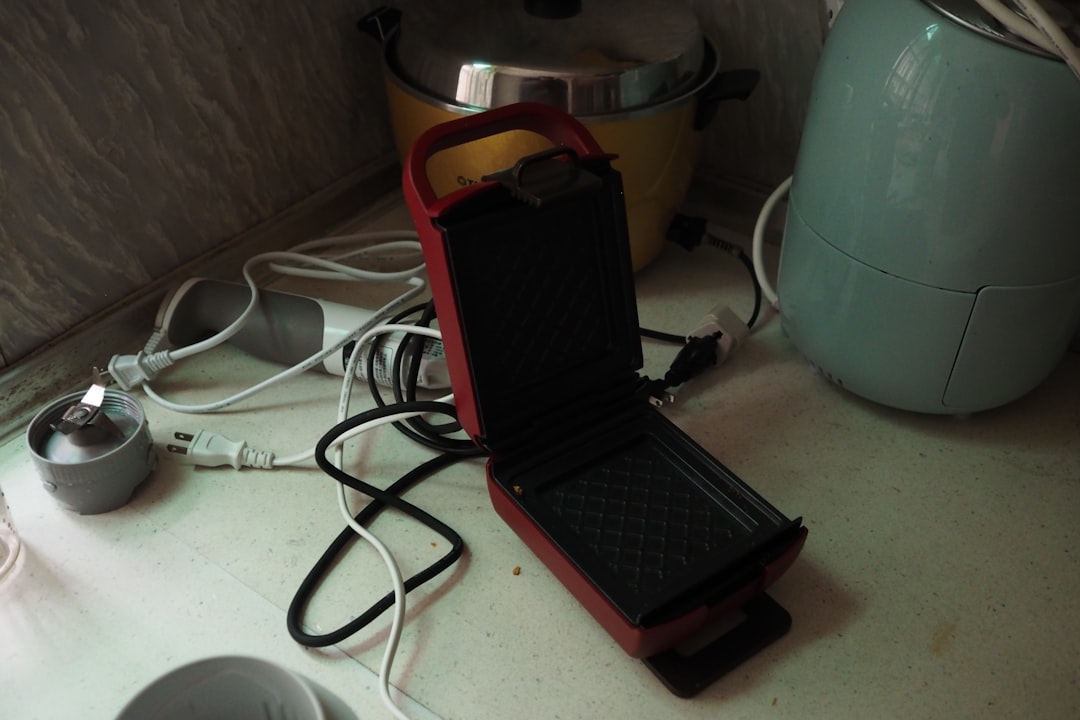
Charging stations are a necessary evil, but that doesn’t mean they belong in the kitchen, as organizer Mindy Godding sees them taking up a decent fraction of counter space with phones, tablets, and smart watches all too often. Charging stations are rarely tidy, with the cords usually being a tangled mess, and old and abandoned devices or mismatched cables tend to linger for months. She recommends that her clients relocate their charging stations to a place where they are still in a communal, often used space, such as a mudroom entry. Think outdated phone chargers, loose coins, old matchbooks, dirty or crumpled cupcake liners, loose birthday candles, etc. These items belong in designated areas that aren’t your valuable kitchen real estate.
Pet Supplies and Accessories
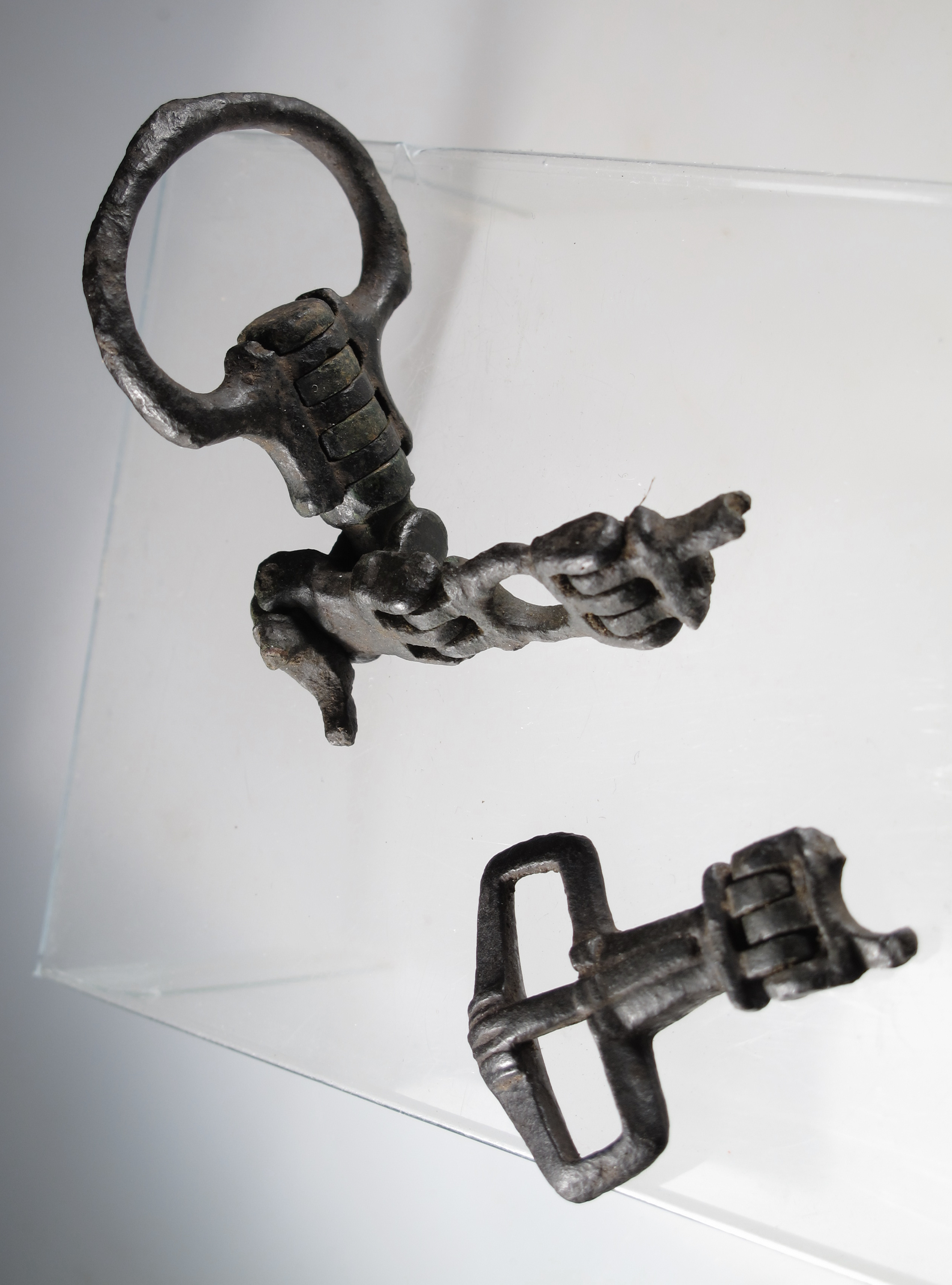
Pet leashes, waste bags, and other animal accessories often end up in kitchen drawers simply because that’s where people grab them on their way out. However, these items belong near your main entrance or exit point where you actually need them. Set up a designated pet station near your most-used entry or exit point, which is often a laundry room that leads to the main exit of the home, garage or backyard, and a simple wall hook for leashes and a small basket or drawer for waste bags keeps everything accessible where you actually need it. This prevents the kitchen from becoming a dumping ground for items that serve no culinary purpose.
Expired Food Items and Condiment Packets
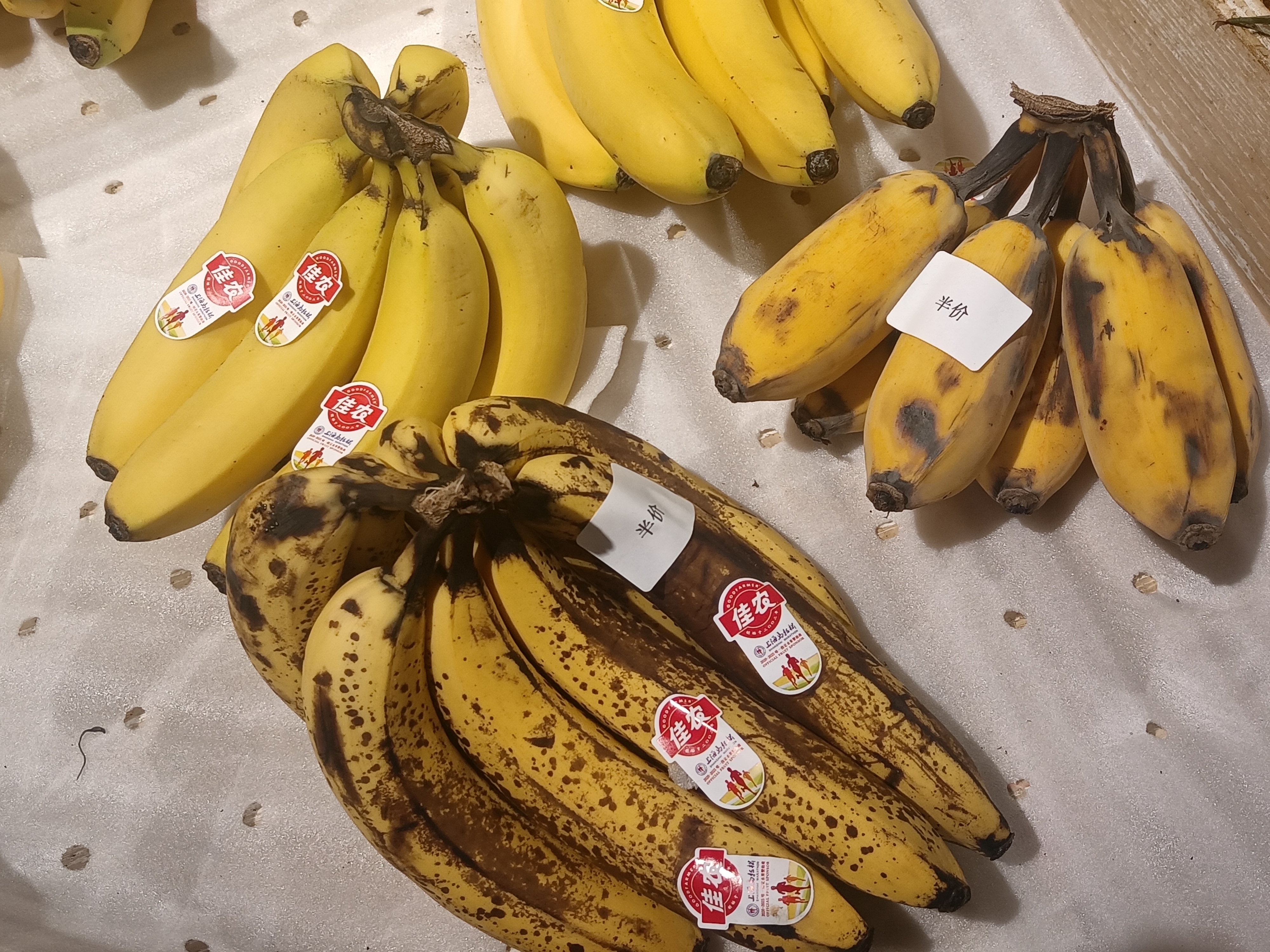
If your kids weren’t into those protein bars, they aren’t going to get better with age, and if it’s a full, unopened, and unexpired package, you might be able to donate them to a food pantry, otherwise, offer them to friends or a Buy Nothing group. Expired snacks, old condiment packets from takeout orders, and forgotten food items create unnecessary clutter. Even after you’ve cleared out the condiment packs and takeout menus, there’s probably more you can nix from your junk drawer. These items should be regularly purged and either consumed, donated if still good, or properly disposed of. Regular cleaning prevents your drawers from becoming a graveyard for forgotten food items.
Single-Use Kitchen Gadgets
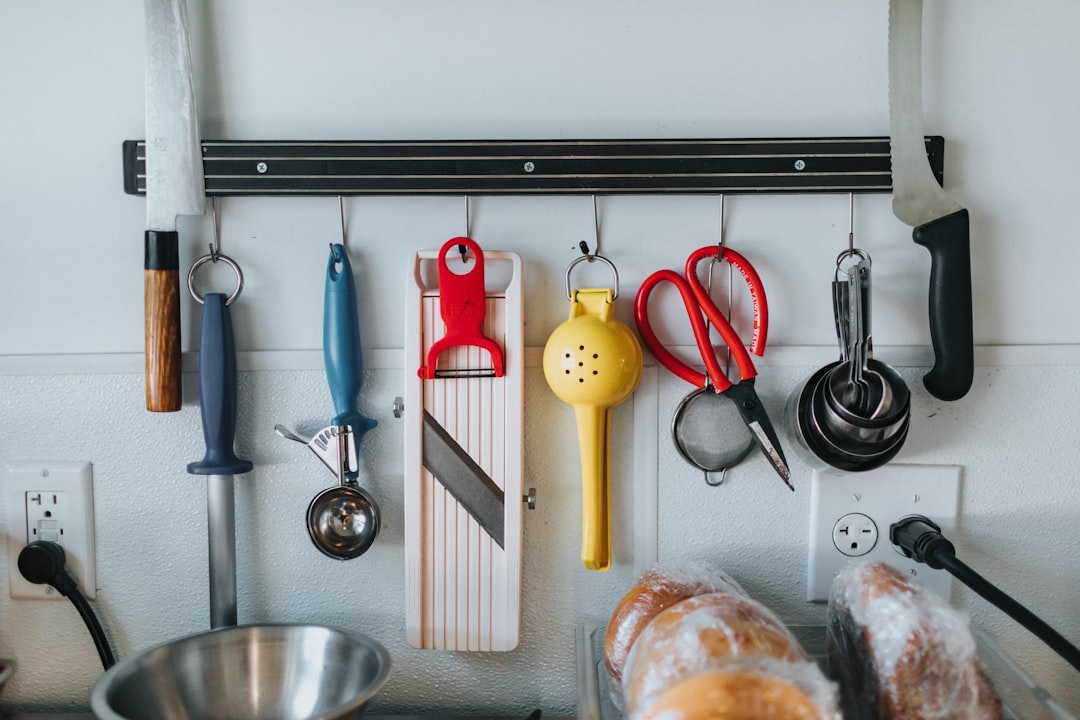
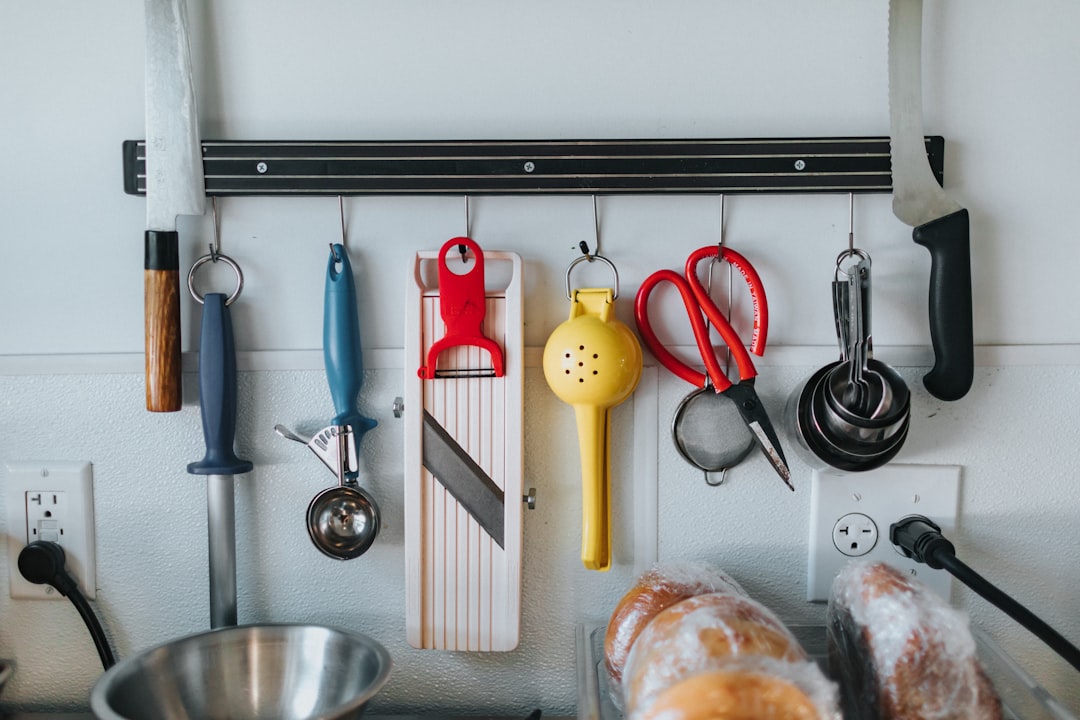
Single-use gadgets, which may seem tempting to pick up at the store, especially if they’re inexpensive, are likely not items you reach for often and are simply taking up drawer space down the line as a result, and what we have found over and over again is that people rarely use those newfangled tools, most cooks end up sticking to the tried and true staples. You will want to go through your gadget drawer and be realistic about what you actually reach for and how many of a given item you actually need to keep on hand, and Carrie Ypma, the founder of Clutter Keeper®, recommends paring down if you have multiple bottle opens, melon ballers, and more since not all of them are going to see the light of day. These specialty items often seemed like a good idea at the time but rarely get used in practice.
Takeout Menus and Promotional Materials
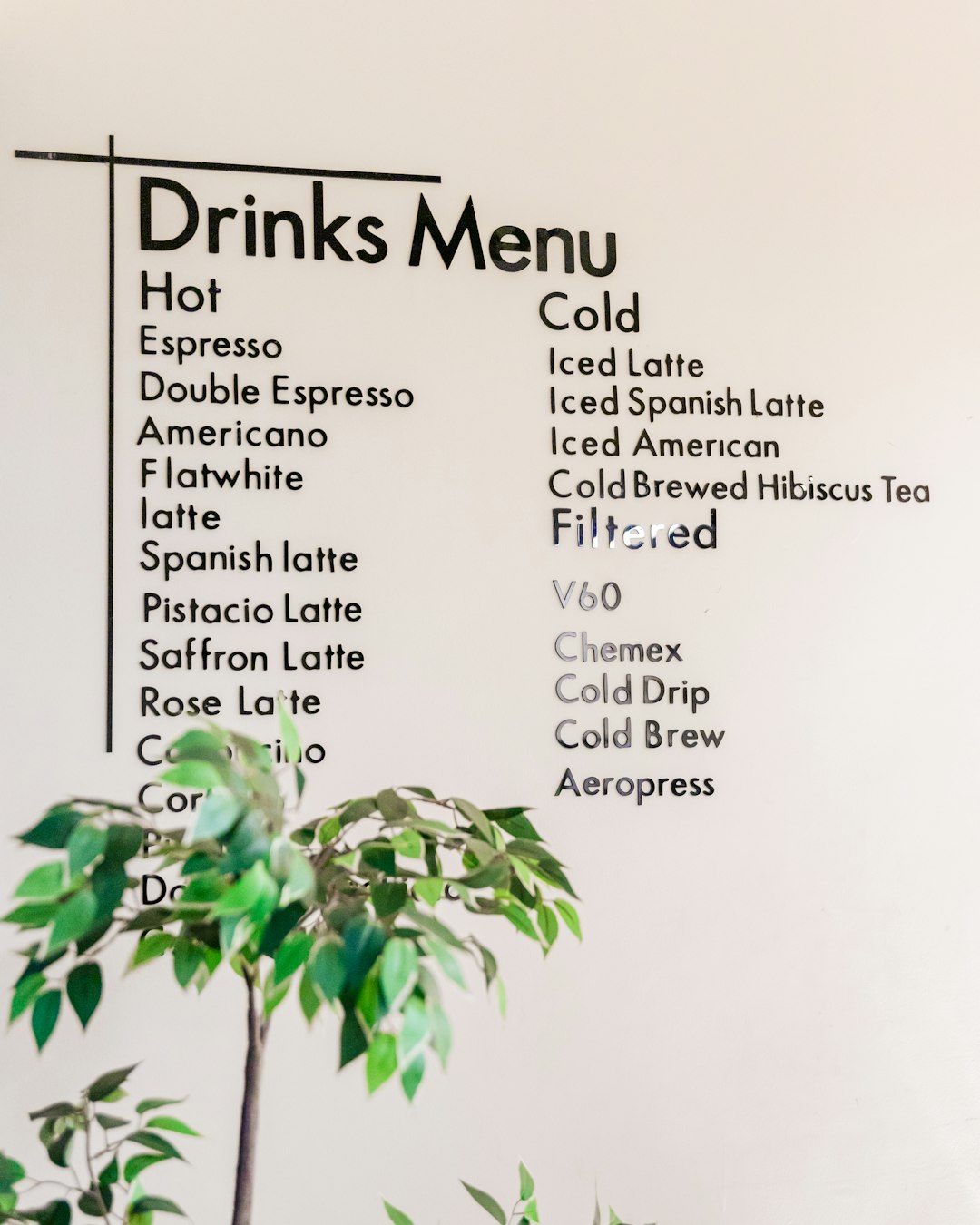
Even though a good portion of us now order food online (not by phone), it’s still nice to have a few great take-out or delivery menus stashed away, but they are usually large and flimsy, and a quick way to clutter your junk drawer beyond recognition, so keep them tucked away together, flat and out of the way on their own. Restaurant menus, promotional flyers, and advertising materials can quickly multiply in kitchen drawers. Appointment reminders (put them on your calendar), children’s drawings (display them in their rooms, and narrow down the “keepers” once a year), and magnets from your insurance agent and local pizzeria make your entire kitchen look cluttered. Create a dedicated spot elsewhere in your home for these items if you must keep them.
Cleaning Supplies and Chemicals
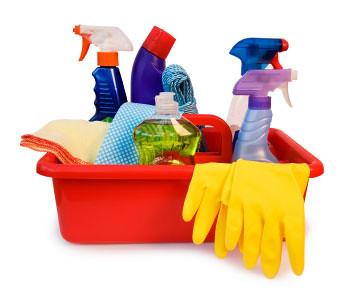
While it might seem convenient to store cleaning supplies in kitchen drawers, this practice creates safety hazards and takes up valuable space. If any of these items are within reach of pets or little ones, double-check their toxicity and keep them locked away, and we like these quick and easy 3M adhesive cabinet drawer door latches from SKYLA HOMES, at Amazon. Get rid of the half-used cleaning products under your sink that you don’t use, and this renter-friendly option hangs over the inside of your cabinet door, giving you extra space to store necessities. Under-sink storage or dedicated cleaning closets are safer and more appropriate locations for these products.
Damaged or Broken Kitchen Items
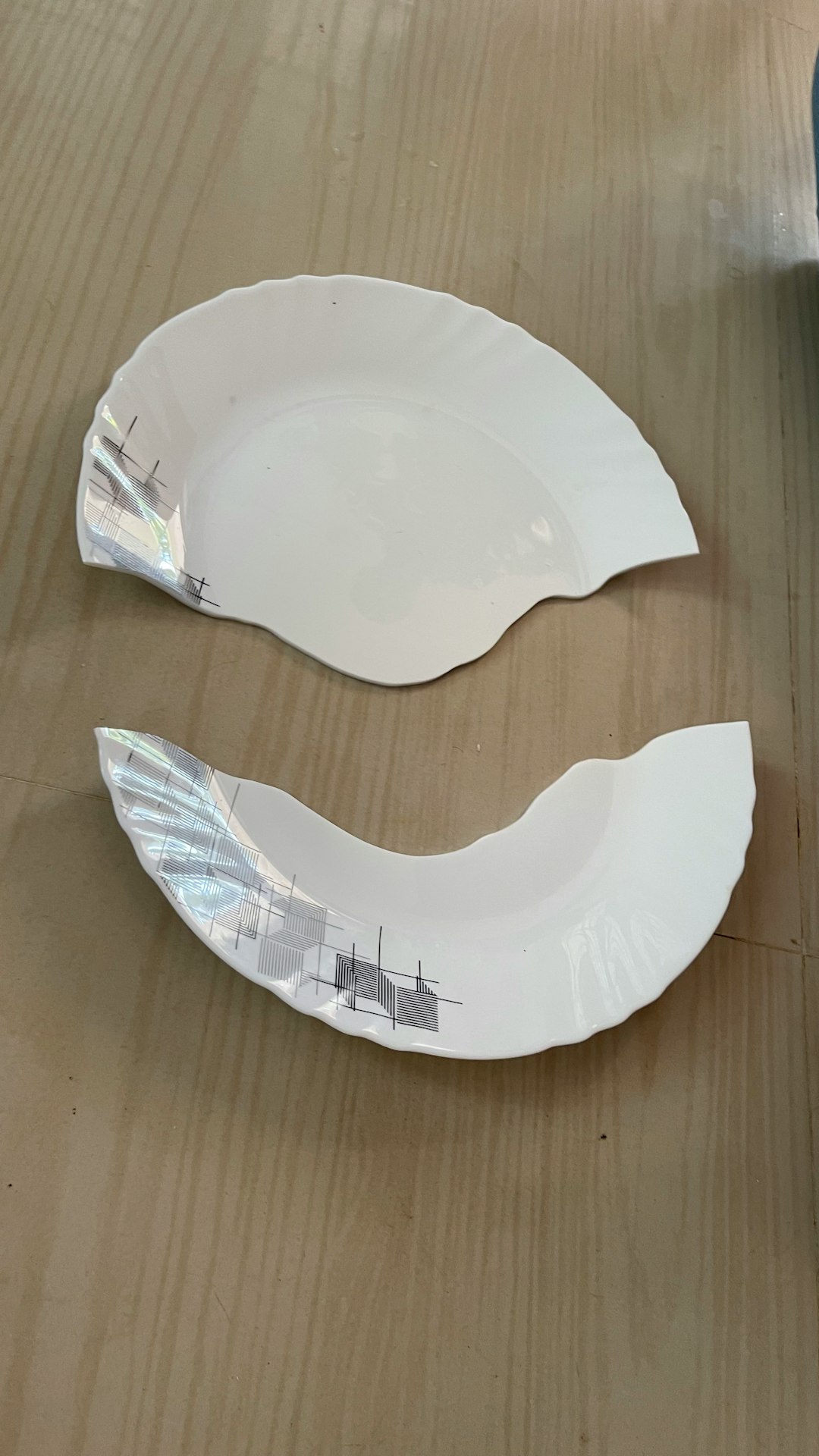
Maybe there are chipped plates you haven’t wanted to part ways with or a tea cup with a broken handle you’ve been meaning to glue, and now’s the time to toss out this potentially dangerous dishware—it’ll simplify the process of organizing your dishes. Dingy bakeware and cookware can be cleaned to get it back into the shape, but once the finish is peeling off of nonstick cookware, it’s likely that you’ll get some of those flakes into your food—which could be a major safety concern in addition to the ick factor, so replace them with something new and avoid damaging mistakes to keep your nonstick cookware in shape. Kitchen towels with major stains, rips, or fraying around the edges can be saved for the rag bin—not taking up prime real estate in your kitchen drawers. Broken items that you’re “meaning to fix” but never do are just taking up space.
Duplicate Items and Multiples
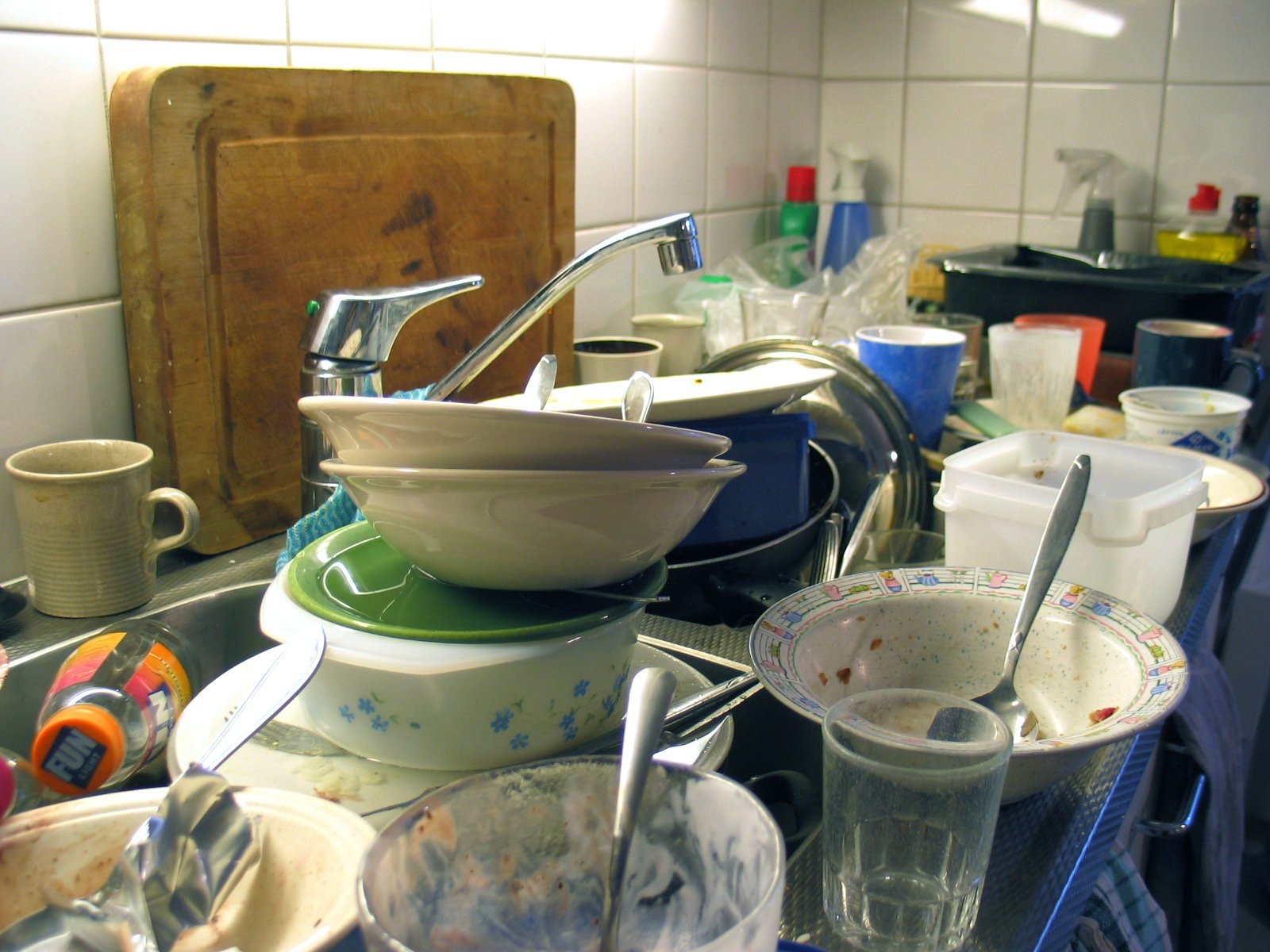
You may find that over the years you have accumulated multiples of kitchen items like spatulas and spoons, some came from your first apartment, your parents downsizing, blending families, and some of the items may be beaten up, chipped, or broken. There’s that water bottle from your company retreat 10 years ago, one from a theme park, and another from a sporting event, so remove all of the plastic food containers from the cabinet, matching up lids and bases, and containers without lids? Lids without bases? Toss any of the mismatched pieces that are cluttering up valuable cabinet space. Multiple versions of the same tool or gadget create unnecessary clutter and make it harder to find what you actually need.
Unused Small Appliances
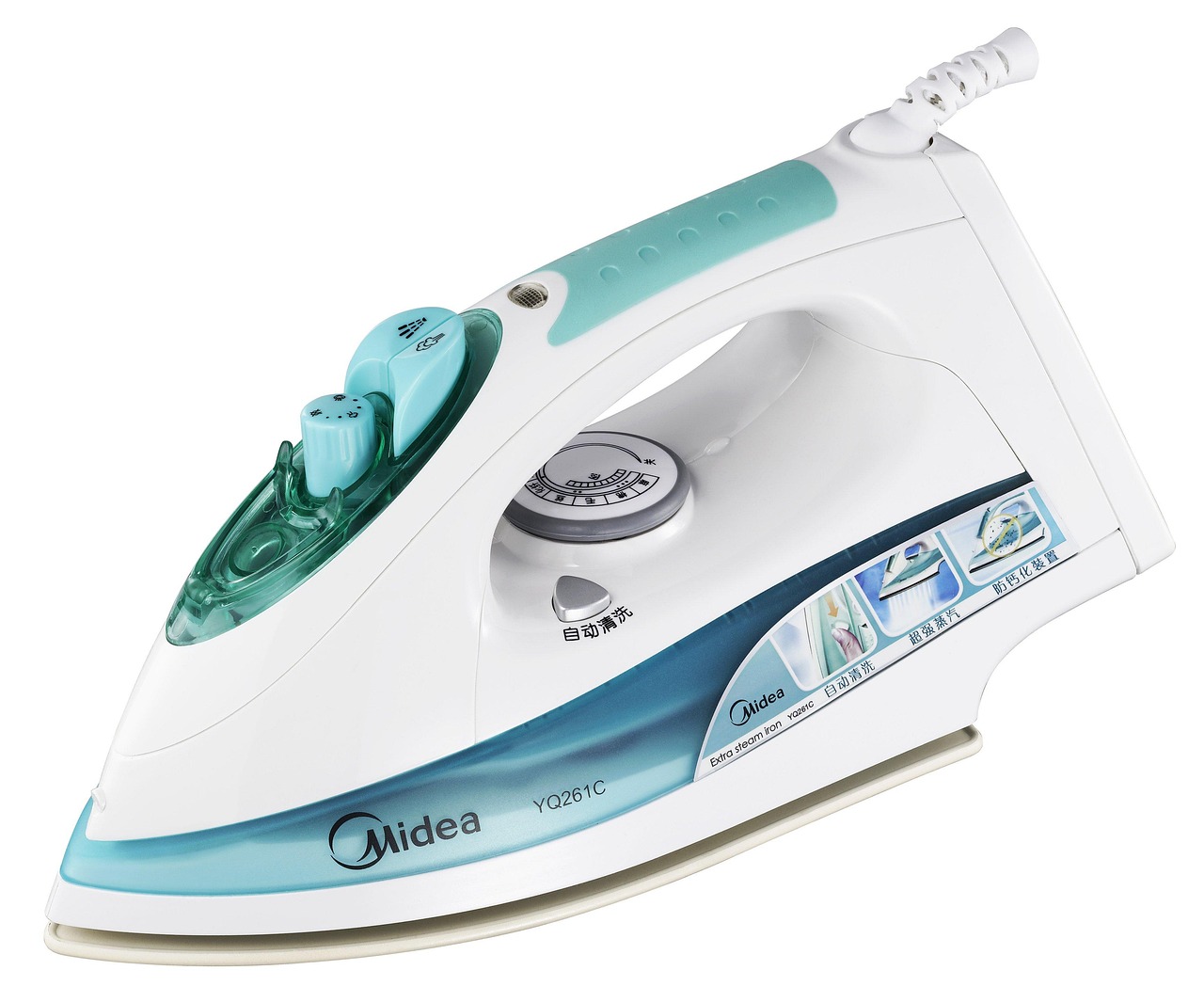
If you find it hard to let go of appliances you’re sure you’ll use one day, let the two-year rule be your guide, and if you’ve had the appliance for at least two years and haven’t used it once in the past 24 months, it’s time to donate it, maybe you only break out your KitchenAid mixer to make holiday cookies, but if two winters have gone by and it is still collecting dust, it may be time to donate it or sell it online. Small appliances that seemed like a good idea at the time but rarely get used are prime candidates for removal. Kitchen clutter has many culprits, but appliances and gadgets top the list, with bulky items like air fryers, stand mixers, and coffee machines. Be honest about what you actually use and donate the rest to someone who will appreciate them.
Random Household Items
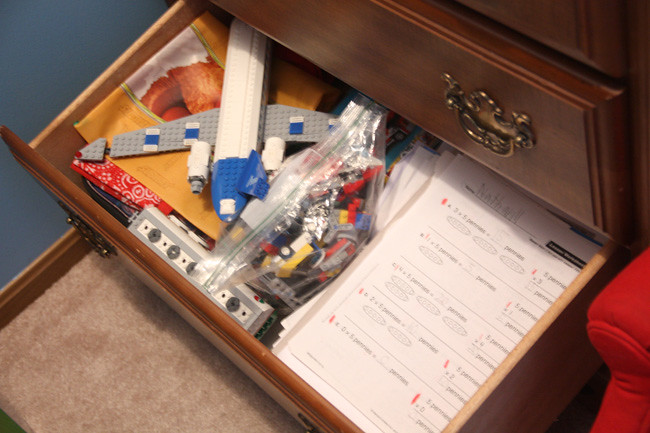
We’ve all been there—Quick, company is coming, wipe the little collecting junk off the counter, throw it in the drawer and call it done! Even if this is a quick household trick to making your life feel a bit more presentable to the outside world, this catch-all drawer should hold actual stuff you need again, otherwise, it’s not a junk drawer; it’s a trash drawer! Mail, keys, backpacks, and more can easily crowd your workspace, and these items don’t belong in your kitchen! Make sure each has a convenient home, and teach yourself and every family member to put things away. These things usually have an expiration date or a flimsy paper wrapper, and unless you want your gum tasting like fallen crumbs, dirt and old batteries, keep these things in a more sacred drawer or possibly your work bag. Items like gum, loose change, rubber bands, and random trinkets should have designated homes outside the kitchen.
Conclusion
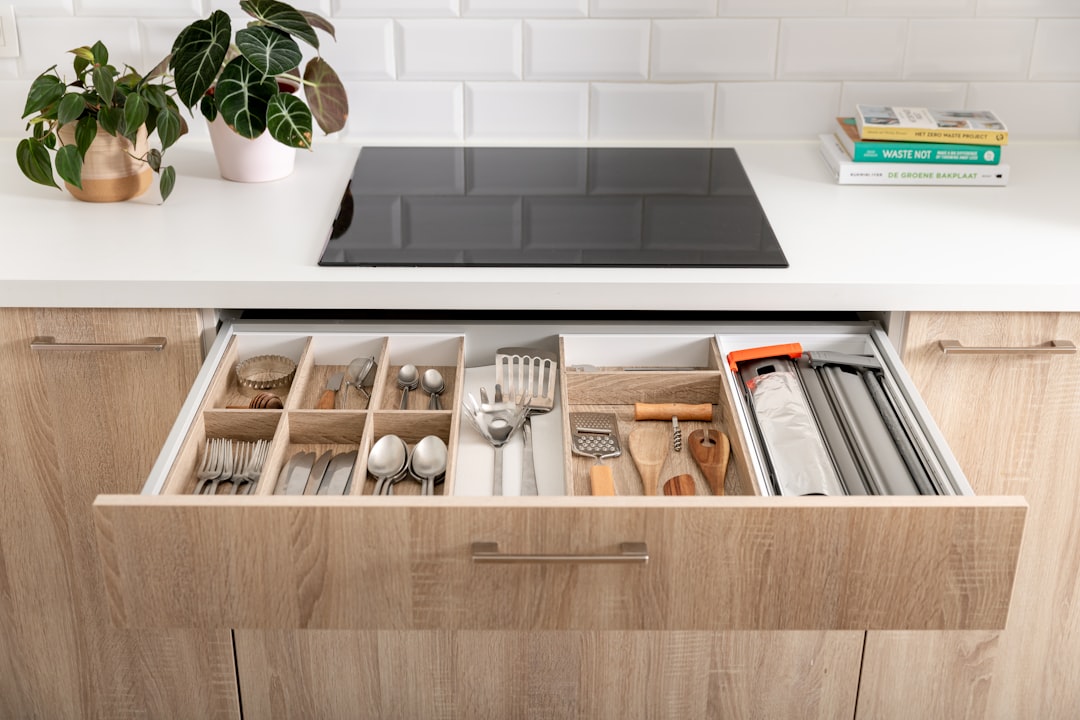
Creating an organized kitchen starts with being ruthless about what truly belongs in your drawers. Kitchen clutter is more than an inconvenience—it stresses people out, with over half (58%) of survey respondents saying messy drawers and cluttered countertops cause daily stress, and it’s no surprise that when things pile up, even simple tasks like cooking can feel overwhelming. By removing these 12 categories of items that don’t belong in kitchen drawers, you’ll create a more functional, peaceful space that actually serves your cooking needs. Remember, your kitchen drawers are prime real estate—make sure everything in them earns its place by being frequently used and genuinely necessary for food preparation or dining.
The key to maintaining organized drawers is being selective about what goes in them. Every item should have a purpose related to cooking, eating, or food storage. When you’re tempted to toss something random into a drawer, ask yourself: “Do I use this for cooking? Does it belong near food?” If the answer is no, find it a better home elsewhere in your house.

Henrieke Otte is an accomplished writer and content editor, specializing in topics that inspire thoughtful living—ranging from global travel and sustainable lifestyles to interior design and architecture. With a keen editorial sense and a background in cultural studies, Henrieke brings depth, elegance, and clarity to every piece she crafts.
Her work is known for its engaging voice, visual sensitivity, and ability to turn complex ideas into accessible, reader-friendly narratives. Whether exploring eco-conscious destinations, dissecting climate-conscious home trends, or curating serene living spaces, Henrieke writes with a balance of creativity and insight that resonates with design-savvy, environmentally aware audiences.
Driven by a love of meaningful storytelling and a refined aesthetic, Henrieke contributes regularly to digital platforms and magazines where quality content meets visual sophistication.