

Henrieke Otte is an accomplished writer and content editor, specializing in topics that inspire thoughtful living—ranging from global travel and sustainable lifestyles to interior design and architecture. With a keen editorial sense and a background in cultural studies, Henrieke brings depth, elegance, and clarity to every piece she crafts.
Her work is known for its engaging voice, visual sensitivity, and ability to turn complex ideas into accessible, reader-friendly narratives. Whether exploring eco-conscious destinations, dissecting climate-conscious home trends, or curating serene living spaces, Henrieke writes with a balance of creativity and insight that resonates with design-savvy, environmentally aware audiences.
Driven by a love of meaningful storytelling and a refined aesthetic, Henrieke contributes regularly to digital platforms and magazines where quality content meets visual sophistication.
Overloaded Electrical Outlets Hidden Behind Cabinets
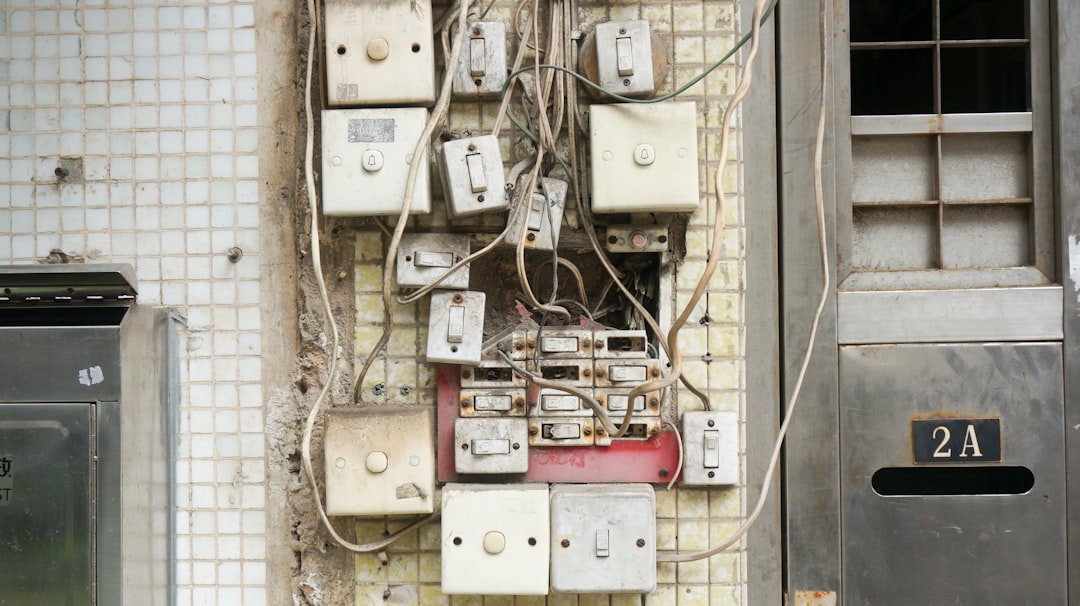
Most people don’t think twice about plugging multiple appliances into those hard-to-reach outlets behind their kitchen cabinets, but this innocent habit could be setting your home up for disaster. Overloaded outlets and power strips are major fire hazards that can cause serious problems when heat builds up. Behind closed cabinet doors, these overheated outlets have limited ventilation and can smolder undetected for hours.
The fix is surprisingly simple but requires some discipline. Always plug major appliances directly into wall outlets rather than extension cords, which can overheat and start fires. If you absolutely must use a power strip, choose one with surge protection and never daisy-chain multiple strips together. Check your cabinet outlets monthly for loose connections, scorch marks, or that telltale burning smell.
Grease Accumulation on Cabinet Surfaces Near Cooking Areas
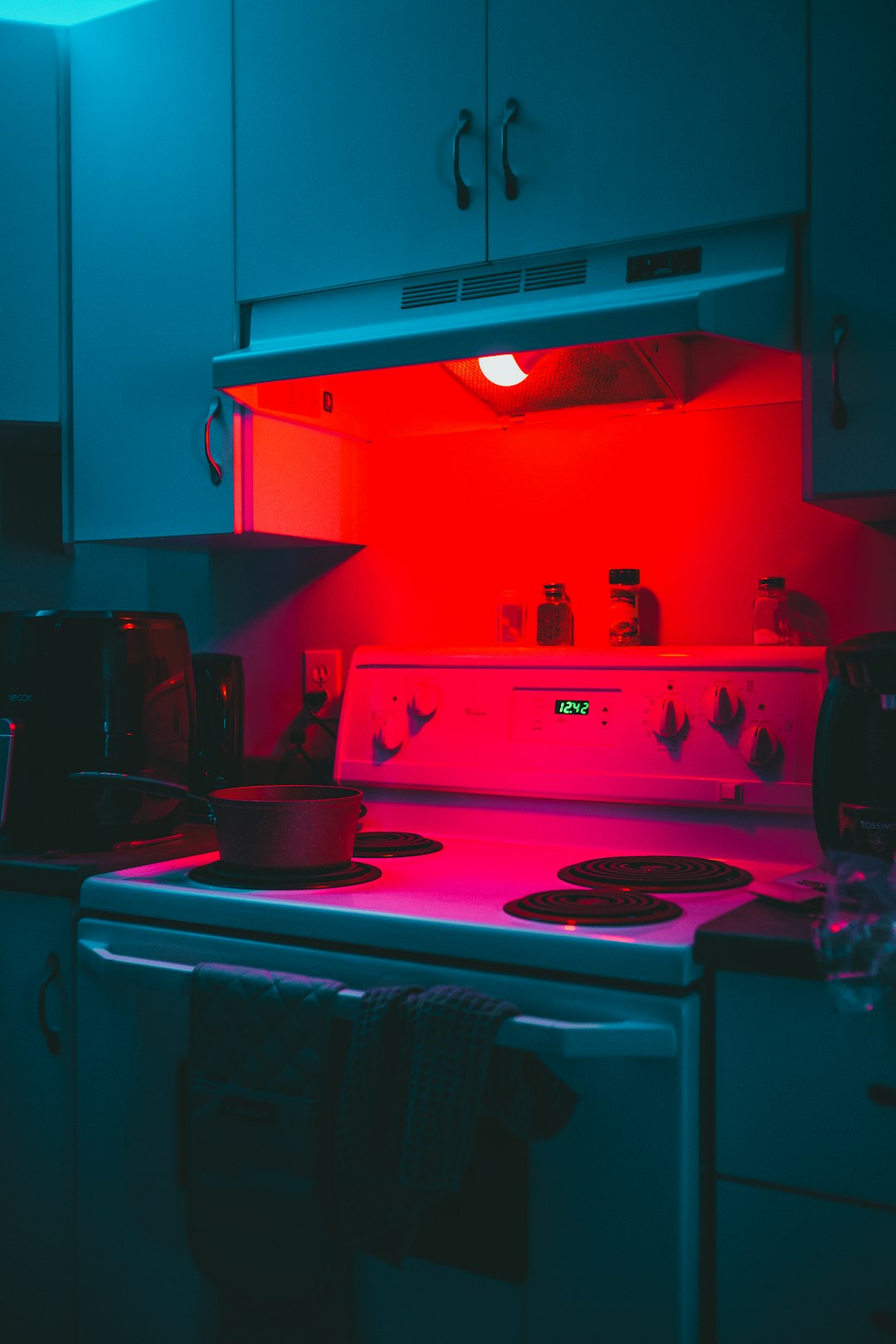
Grease buildup in kitchens is highly flammable and significantly increases fire risk, as it can ignite when splattering onto hot surfaces. What many homeowners don’t realize is that this sticky residue doesn’t just stay on your stovetop – it travels through the air and settles on cabinet surfaces, creating invisible fire hazards throughout your kitchen. Even a minor spark or excessive heat can ignite accumulated grease, leading to kitchen fires.
The solution requires consistent action, not just occasional deep cleaning. Wipe down countertops and surrounding surfaces after every cooking session, and clean up spills immediately to prevent grease accumulation. Don’t forget the cabinet faces closest to your stove and the undersides of cabinets above cooking areas. Store difficult-to-clean appliances in cabinets when not in use to prevent them from becoming grease magnets. A weekly degreasing routine for cabinet surfaces within three feet of cooking areas can prevent this hidden hazard from developing.
Faulty Wiring Inside Built-In Appliance Compartments
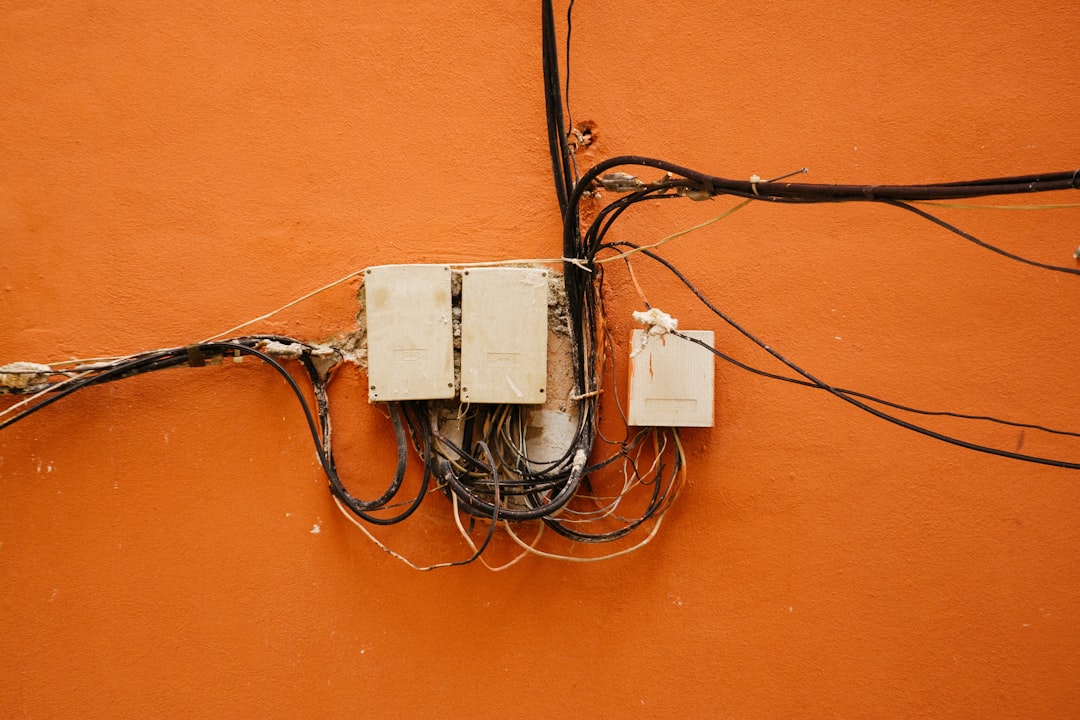
That convenient built-in microwave or coffee maker looks sleek and professional, but the electrical connections hidden inside cabinet compartments can be ticking time bombs. Cabinets that can be moved or that experience mechanical strain can cause electrical wiring to snap, introducing potential for electrical fires or shock. When appliances are crammed into tight spaces without proper ventilation, the heat generated can damage electrical connections over time.
Ensure kitchen cabinets are strong enough to support surface-mounted electrical components, as flimsy cabinet backs may not provide adequate support for wiring and sockets. Have a qualified electrician inspect built-in appliance installations annually, especially if you notice flickering lights, warm outlets, or unusual sounds. Follow manufacturer guidelines for installation clearances and ventilation requirements, using heat-resistant cabinet materials and certified electrician installation. Never attempt DIY electrical work in tight cabinet spaces where mistakes can have serious consequences.
Inadequate Ventilation Around Heat-Generating Appliances
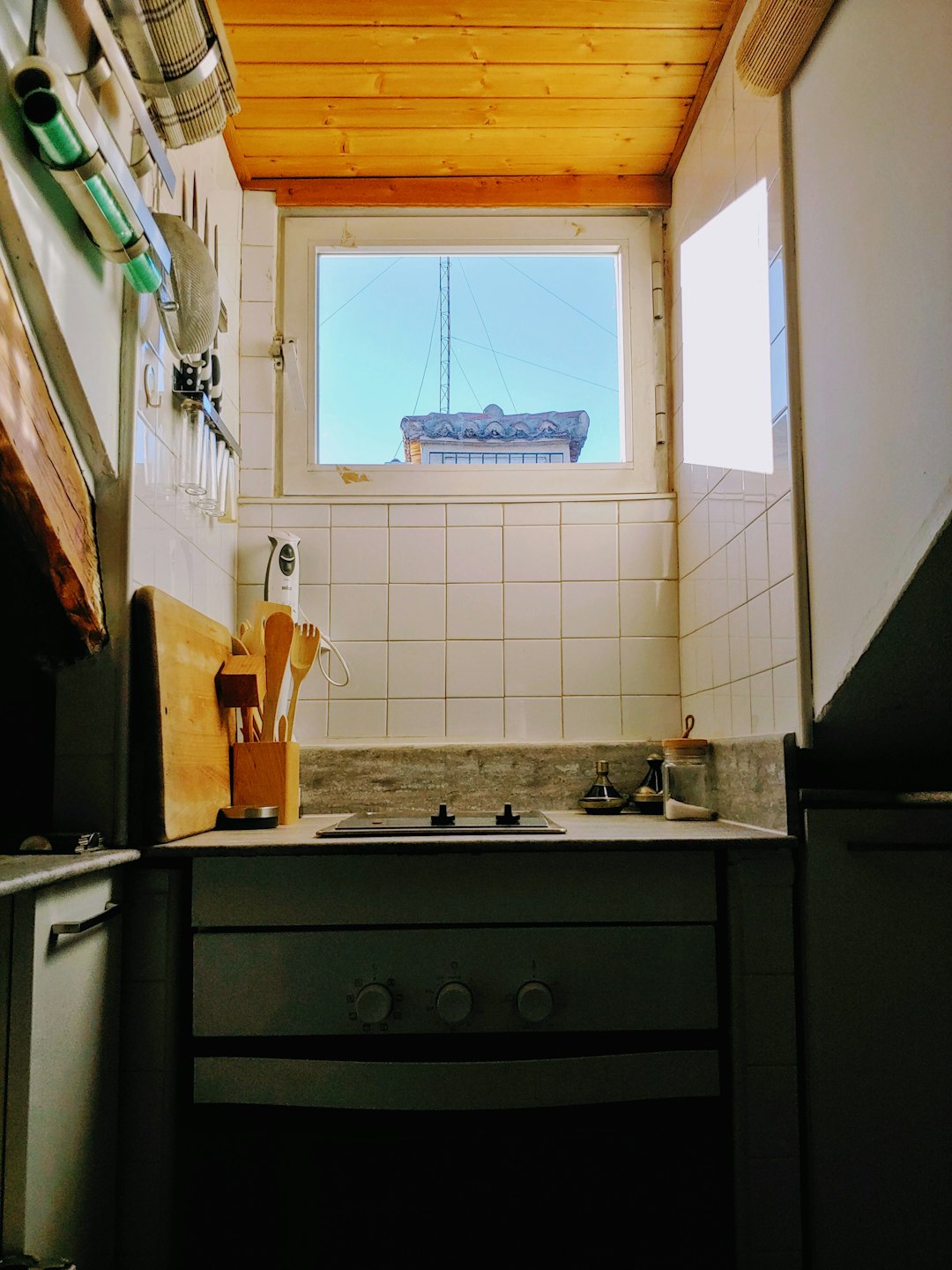
Inadequate ventilation around heat-generating appliances can lead to dangerous heat buildup that may ignite nearby flammable materials. Kitchen cabinets that house appliances like toaster ovens, slow cookers, or warming drawers can become heat traps, creating conditions ripe for spontaneous combustion. Appliances placed in enclosed spaces without proper ventilation face increased risk of overheating and fire hazards, while also promoting moisture buildup that can damage cabinet structure.
The solution involves creating proper airflow channels around heat-generating appliances. Built-in appliances should have designated ventilation space around all sides to dissipate heat effectively, which prolongs appliance lifespan and reduces accident likelihood. Install cabinet vents or leave strategic gaps between appliances and cabinet walls. Ensure proper ventilation around appliances and follow manufacturer guidelines for installation clearances. Consider installing heat-resistant materials or thermal barriers inside cabinets that house warm appliances.
Improperly Stored Flammable Cleaning Products
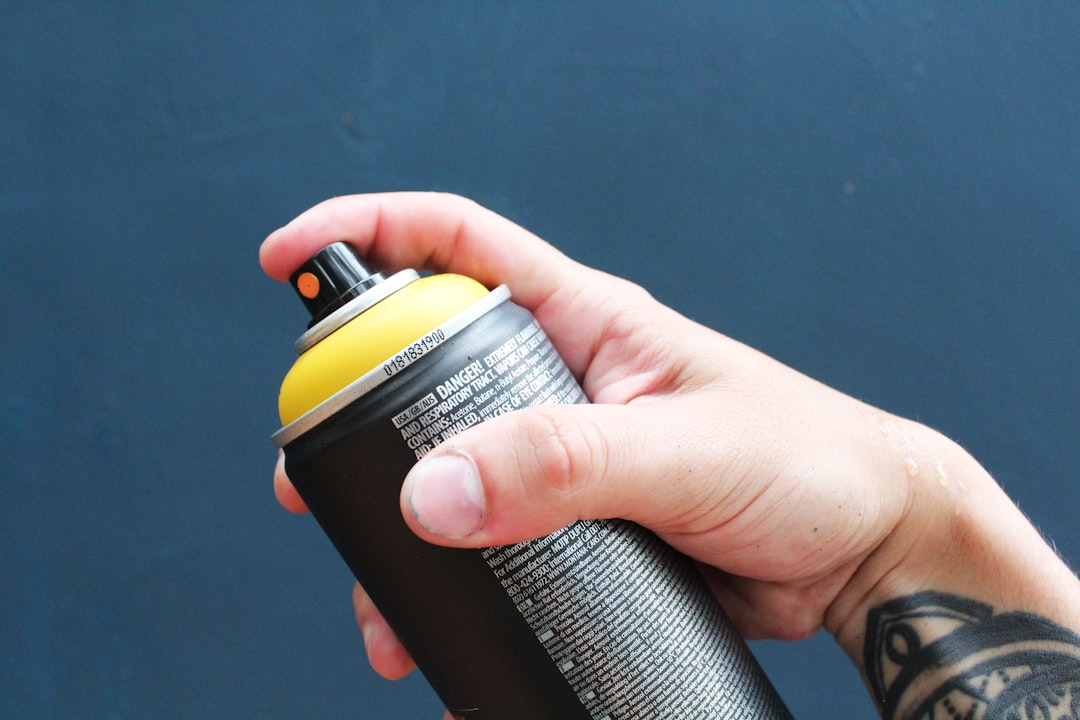
That cabinet under your sink probably contains a dangerous cocktail of flammable cleaning products that most people never think twice about. Cleaning chemicals are highly flammable if not stored properly, and when concentrated in a small, enclosed space, they can create a significant fire hazard. The combination of heat from nearby pipes, electrical connections, and chemical vapors can be particularly dangerous.
Start by reading the labels on all your cleaning products and separate flammable items from non-flammable ones. Store flammable materials away from heat sources and cooking areas to minimize accidental ignition risk. Keep cleaning chemicals in their original containers with labels intact, and never store them near electrical outlets or heat-generating appliances. Ensure storage areas are kept away from electrical outlets and panel boards to prevent potential ignition sources. Consider installing a dedicated storage cabinet with proper ventilation for flammable household chemicals.
Loose or Damaged Electrical Connections in Cabinet Lighting
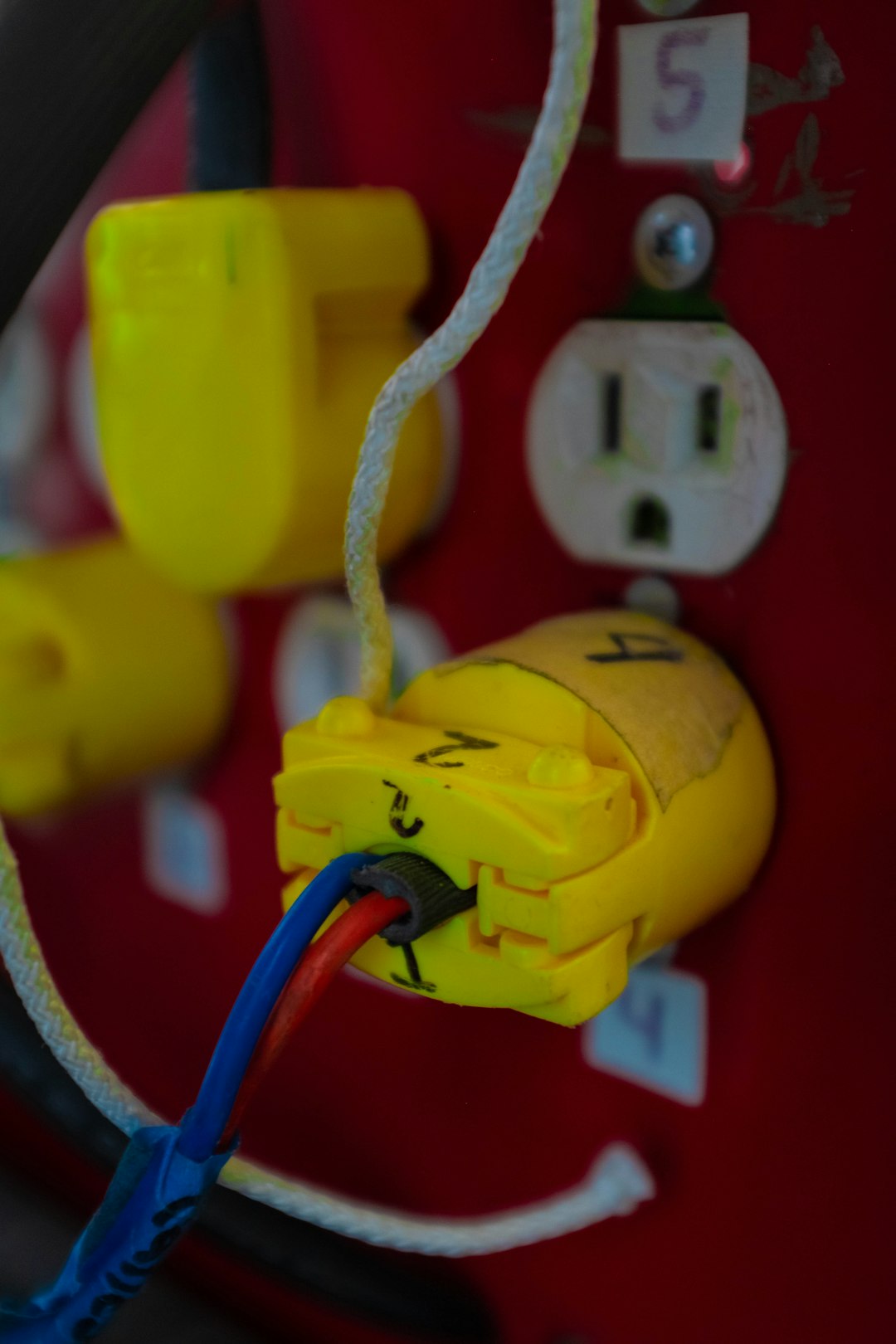
Those under-cabinet LED strips and interior cabinet lights might seem harmless, but loose connections and damaged wiring in these fixtures create serious fire risks. Electrical fires can start in hidden areas and spread quickly, making regular professional inspections crucial for identifying potential issues. The confined space inside cabinets means that electrical problems can smolder undetected, giving fires time to spread before being discovered.
Conduct regular visual inspections of all electrical equipment and wiring, looking for signs of wear, fraying, or damage. Check that all connections are secure and that fixture housings aren’t becoming hot during operation. Install GFCI outlets in areas where water exposure is possible, and keep electrical equipment away from water sources. If you notice any dimming, flickering, or heat around cabinet lighting, call an electrician immediately. Professional inspections should include checking for loose connections, testing circuit breakers, and verifying proper grounding.
Heat Buildup from Poorly Ventilated Appliance Garages
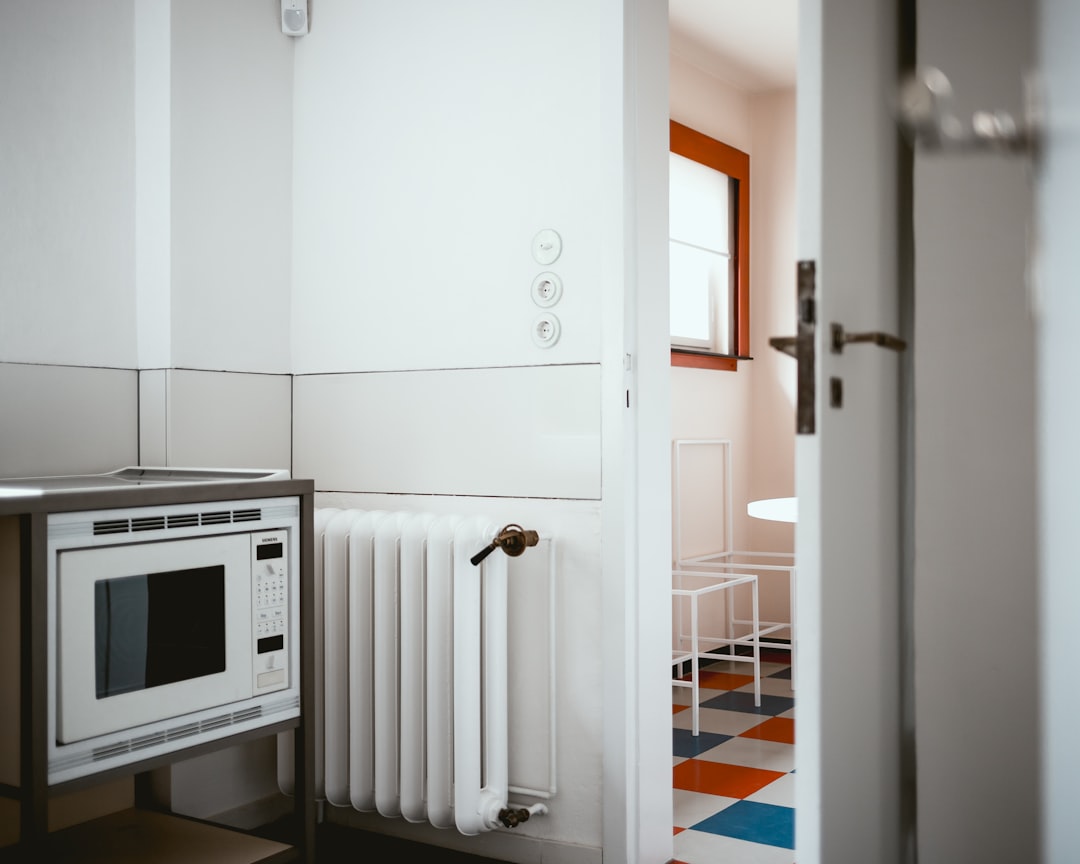
Appliance garages are brilliant space-savers, but they can become dangerous heat traps when not properly designed. Restricted airflow around appliances can lead to overheating and potentially cause fires, making proper ventilation crucial for appliance safety. When you roll down that tambour door or close cabinet doors on warm appliances, you’re creating an environment where heat can build up to dangerous levels.
The key is ensuring adequate air circulation even when appliances are tucked away. Proper ventilation and heat dissipation are crucial for safe appliance installation, allowing heat to escape and ensuring adequate airflow to reduce fire hazards. Install ventilation grilles in the back or sides of appliance garages, and never close doors on appliances that are still warm. Proper installation following manufacturer guidelines is crucial for safe appliance operation without fire risk. Consider adding small cooling fans or leaving strategic gaps for air circulation in enclosed appliance storage areas.
Outdated or Overloaded Electrical Panels in Kitchen Areas
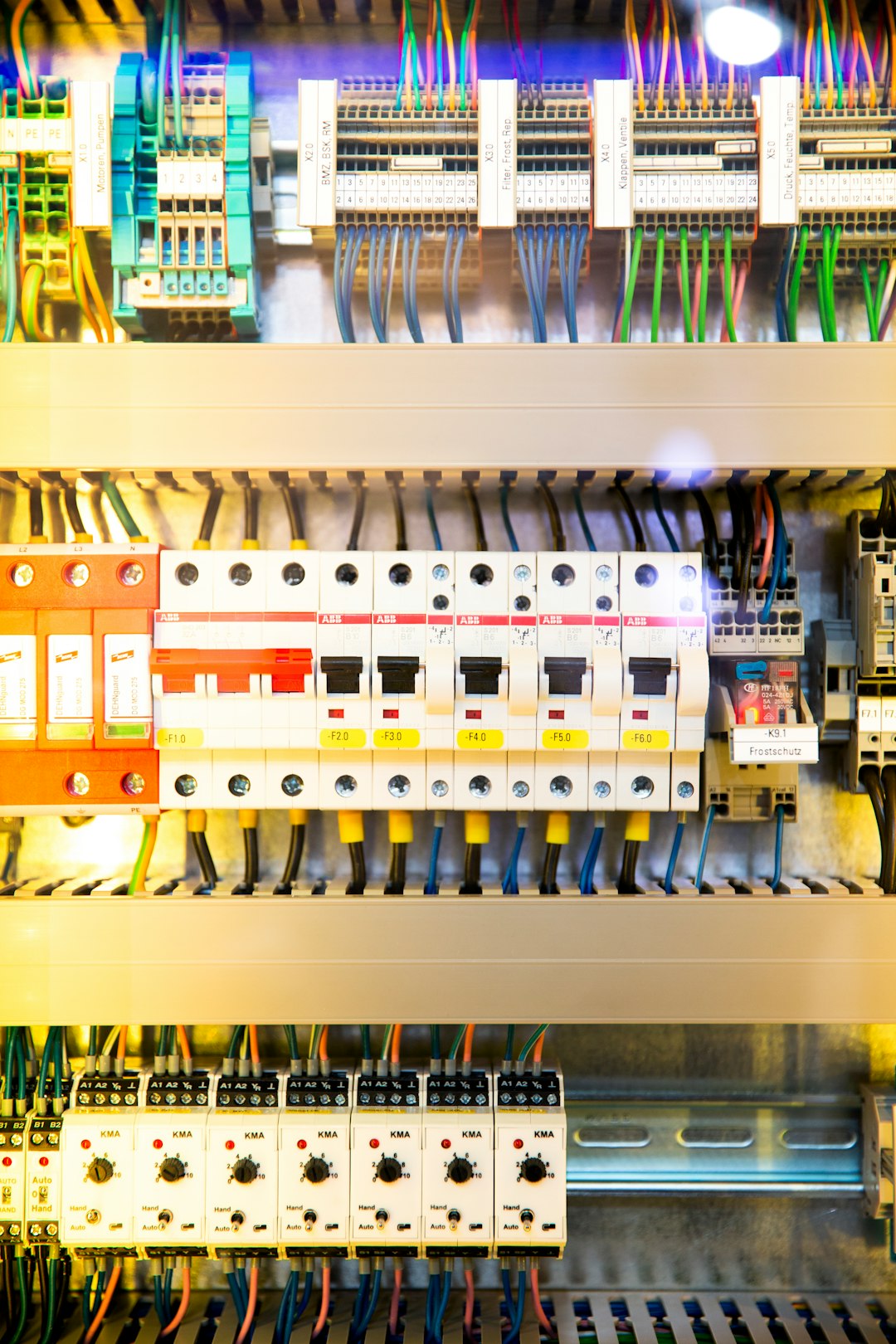
Global power consumption continues to accelerate, putting increasing demand on electrical grids, while outdated infrastructure, poor maintenance, and overloaded circuits create electrical fire risk factors. Many older homes have electrical panels that weren’t designed to handle the electrical demands of modern kitchen appliances. Electrical fires cause over 50,000 fires annually, often due to overloaded circuits, outdated wiring, and malfunctioning appliances.
Start by having a qualified electrician evaluate your electrical panel’s capacity and condition. Professional electrical system inspections are especially important in older properties to identify and fix potential hazards. Consider upgrading older electrical systems to meet current safety standards and handle modern kitchen equipment demands. Know the warning signs of electrical problems, including frequent circuit breaker trips or flickering lights, so you can take preventive action. Don’t ignore these warning signs – they’re often the only indication you’ll get before a serious problem develops.
Combustible Materials Stored Too Close to Heat Sources
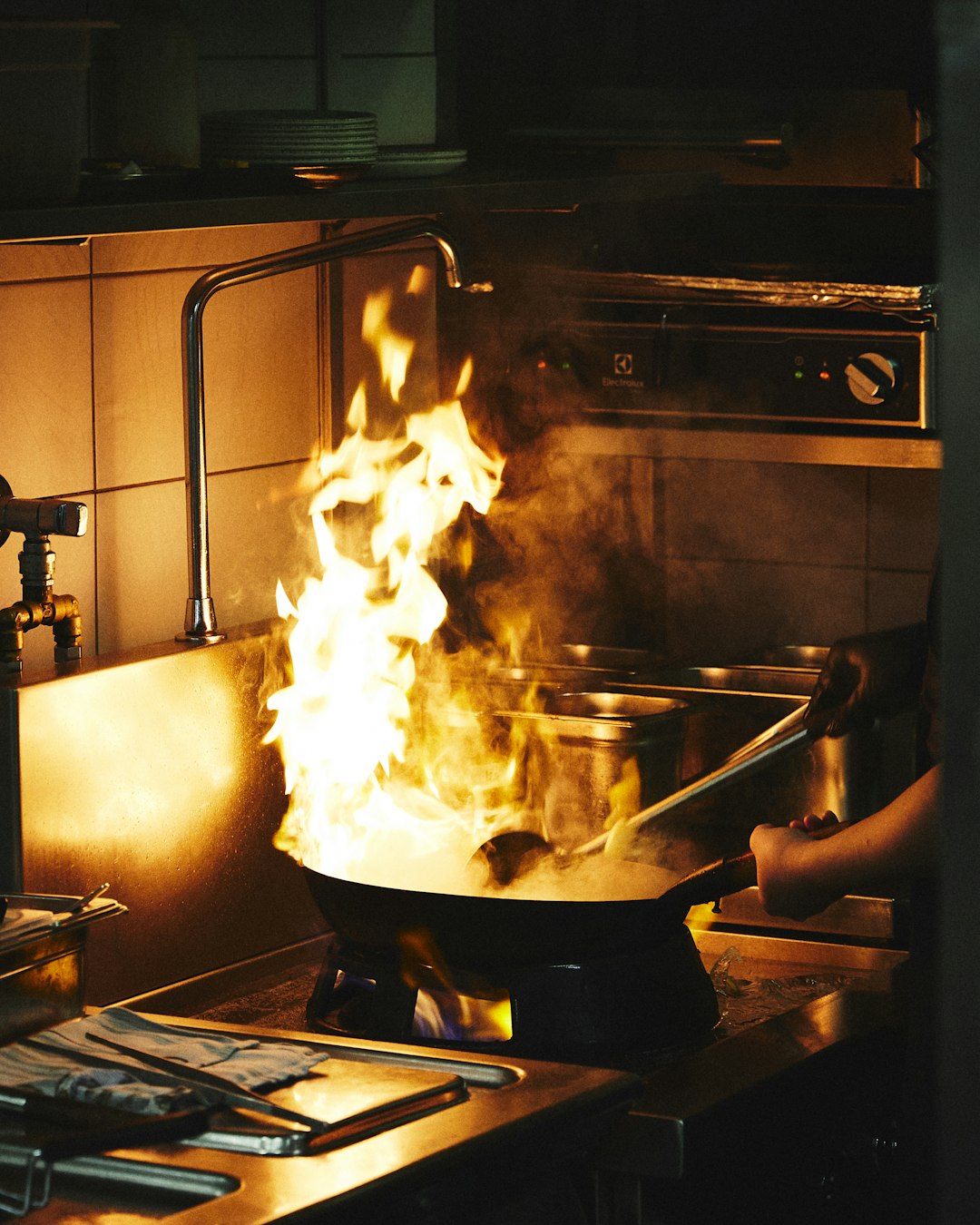
Paper towels, dish towels, oven mitts, and other combustible materials stored in cabinets near heat sources create significant fire risks that many homeowners overlook. Homeowners should be mindful of how they store kitchen tools and utensils, ensuring flammable materials like paper towels and dish towels are stored away from stovetops. Even items stored inside cabinets can be at risk if those cabinets are located too close to heat-generating appliances.
The solution involves strategic storage planning and maintaining safe distances from heat sources. Keep anything that can burn away from lamps, light fixtures, and light bulbs, using bulbs that match recommended wattage. Store flammable materials away from heat sources and cooking areas to minimize accidental ignition risk. Designate specific cabinets for combustible materials and ensure they’re located away from your stove, oven, and other heat-generating appliances. Keep combustible items at least one foot away from heat sources and clear of areas where they could accidentally ignite. This simple reorganization can dramatically reduce your fire risk.
These hidden fire hazards prove that kitchen safety goes far beyond just watching your cooking. Cooking fires lead to an average of 550 deaths and 4,820 injuries annually, representing 21% of all home fire deaths and 44% of all home fire injuries. By addressing these often-overlooked dangers in your kitchen cabinets, you’re not just protecting your property – you’re potentially saving lives. The fixes might seem small, but their impact on your family’s safety is enormous.

Henrieke Otte is an accomplished writer and content editor, specializing in topics that inspire thoughtful living—ranging from global travel and sustainable lifestyles to interior design and architecture. With a keen editorial sense and a background in cultural studies, Henrieke brings depth, elegance, and clarity to every piece she crafts.
Her work is known for its engaging voice, visual sensitivity, and ability to turn complex ideas into accessible, reader-friendly narratives. Whether exploring eco-conscious destinations, dissecting climate-conscious home trends, or curating serene living spaces, Henrieke writes with a balance of creativity and insight that resonates with design-savvy, environmentally aware audiences.
Driven by a love of meaningful storytelling and a refined aesthetic, Henrieke contributes regularly to digital platforms and magazines where quality content meets visual sophistication.